Marufuku Ramen
Marufuku Ramen at Japantown's Japan Center brings Hakata-style tonkotsu to San Francisco with a seriousness that sets it apart from the city's broader ramen field. The rich pork-bone broth, slow-cooked to a milky opacity, anchors a tight menu built around one regional tradition done with precision. Lines form early, walk-ins are the norm, and the Japantown setting adds genuine neighbourhood context to the bowl.
Pearl is the En Primeur Club membership app — saves, bookings, and concierge access live there. Same editors, same standards.
- Address
- 1581 Webster St #235, San Francisco, CA 94115
- Phone
- (415) 872-9786
- Website
- marufukuramen.com
- Directions
- Get directions
 Saves & bookings on Pearl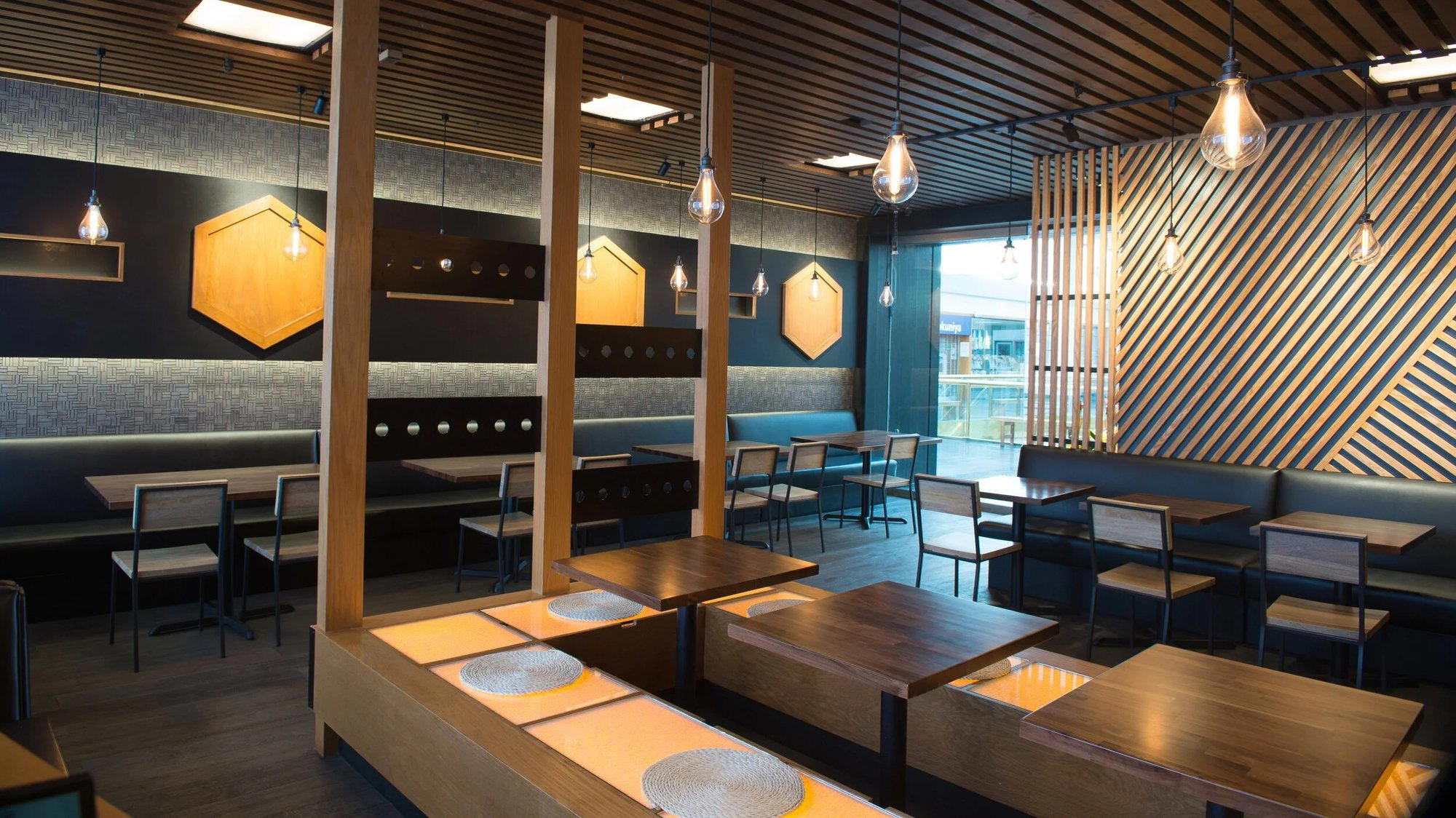
Ramen in San Francisco: Where Marufuku Sits in the City's Bowl Culture
San Francisco's ramen scene has matured considerably over the past decade. Where the city once defaulted to generalist Japanese-American noodle shops, a sharper regionalism has taken hold: operators arriving with specific prefectural traditions, house-milled noodle programs, and broths built on single-source pork or chicken stocks. Marufuku Ramen, at 1581 Webster Street inside Japantown's Japan Center, belongs to that more focused cohort. Its orientation is Hakata-style tonkotsu, the rich, opaque pork-bone broth tradition originating in Fukuoka Prefecture on Japan's Kyushu island, and it applies that discipline in a setting where the neighbourhood itself provides meaningful context.
Japantown is one of only three surviving historic Japantowns in the United States, and Webster Street runs through its commercial core. The foot traffic here skews toward Japanese-American residents, visiting Japanese nationals, and a dining public with some baseline literacy in Japanese regional food traditions. That audience matters: it creates the kind of demand signal that tends to push kitchens toward authenticity over adaptation. Marufuku arrived into that environment and found sustained traction, evidenced by the queue that regularly extends beyond the Japan Center mall's common area during peak lunch and dinner windows.
The Architecture of a Tonkotsu Bowl
To understand what Marufuku is doing, it helps to understand what Hakata-style tonkotsu actually demands. The broth requires a prolonged, vigorous boil of pork bones, a process that emulsifies collagen and fat into a creamy, almost viscous base. The result is substantially richer than shio or shoyu-based ramen styles, and it carries a distinctive porcine depth that cannot be replicated with shorter cook times. The noodles paired with this broth are traditionally thin and straight, low in water content, built to hold their texture in a high-temperature soup without going limp. The tare, the concentrated seasoning added to each bowl, is typically salt-based in the Hakata tradition rather than soy-forward.
This is a style with little room for improvisation at the foundational level. The craft expression lives in proportions, timing, and sourcing rather than in dramatic departures from the canon. Marufuku's positioning in San Francisco's ramen tier reflects that discipline: it is not a fusion-leaning or California-inflected interpretation, but a bowl that references its Fukuoka lineage directly. For the reader who has eaten tonkotsu in Hakata's famous ramen stalls, the comparison point is available. For those encountering the style fresh, the progression of the meal tells the story.
Reading the Meal as a Sequence
Ramen is not, by format, a multi-course meal, but eating at Marufuku does unfold with a clear progression that rewards attention. The experience typically opens with appetizers from a tight supporting menu, gyoza being the conventional entry point. The gyoza here follows the Hakata tradition of a thinner, crispier wrapper rather than the thicker, chewier northern-style version, a distinction that aligns the small plate with the same regional logic as the main bowl. This consistency across the menu is a reliable signal that the kitchen is operating with coherent regional intent rather than assembling popular items from different traditions.
The main bowl arrives and the sequencing within it matters. The conventional approach to tonkotsu is to eat quickly: thin noodles begin to absorb broth and soften past their ideal texture within a few minutes. The toppings, typically chashu pork belly, soft-cooked egg, nori, and green onion, are leading incorporated gradually rather than mixed in wholesale at the start. The chashu in Hakata-style bowls is generally thin-sliced and melt-tender rather than the thicker, more caramelized cuts seen in Tokyo-style bowls. A kaedama option, the Hakata practice of ordering an additional serving of raw noodles to finish in the remaining broth, is the traditional finale and a direct inheritance from Fukuoka's ramen counter culture.
For context on what a fully sequenced, multi-course tasting experience looks like at the opposite end of San Francisco's dining spectrum, the city's fine-dining tier at places like Lazy Bear, Atelier Crenn, Benu, Quince, and Saison offers a different register entirely. Nationally, that bracket extends to The French Laundry in Napa, Single Thread Farm in Healdsburg, Alinea in Chicago, Le Bernardin in New York City, and Atomix in New York City, among others including Providence in Los Angeles, Addison in San Diego, Blue Hill at Stone Barns in Tarrytown, The Inn at Little Washington, Bacchanalia in Atlanta, Emeril's in New Orleans, and 8 1/2 Otto e Mezzo Bombana in Hong Kong. Marufuku operates in a different price tier and format, but the principle of a meal with internal logic and progression applies across both ends of the spectrum.
Neighbourhood and Timing
Japan Center's food and retail complex is most active on weekends, and Marufuku's queue reflects that rhythm. Arriving at or before opening on a weekday substantially reduces wait time. The mall setting means the immediate surroundings are enclosed and climate-controlled, which makes the wait more manageable than a street queue in San Francisco's frequently overcast weather. The Webster Street address places the restaurant within walking distance of Fillmore Street's broader dining corridor, useful if the wait extends beyond your patience. See our full San Francisco restaurants guide for neighbourhood-level context across the city's dining districts.
Planning Your Visit
Reservations: Marufuku operates on a walk-in basis; no advance booking is available, so arriving early relative to opening time is the primary strategy for managing queue length. Timing: Weekday lunch or early dinner service carries the shortest waits; weekend peak hours generate the longest queues. Address: 1581 Webster St #235, San Francisco, CA 94115, inside the Japan Center mall complex in Japantown. Dietary notes: Tonkotsu broth is pork-based; those with dietary restrictions should confirm broth composition with the kitchen directly.
Comparison Snapshot
Comparable venues nearby, for context on price, style, and recognition.
| Venue | Cuisine | Price | Notes |
|---|---|---|---|
| Marufuku RamenThis venue — the venue you are viewing | Hakata-Style Tonkotsu Ramen | $$ | Not listed |
| Tokyo Express Restaurant | Japanese Sushi & Teriyaki | $$ | Chinatown |
| Shabu House | Japanese Shabu Shabu Hot Pot | $$ | Outer Richmond |
| Miyabi Sushi 2 Go | Japanese Sushi | $$ | North Beach |
| The Wild Fox | Japanese Cafe | $$ | Financial District/South Beach |
| Sake Bomb | Japanese Sushi | $$ | Mission |
Continue exploring
More in San Francisco
Restaurants in San Francisco
Browse all →
Bars in San Francisco
Browse all →
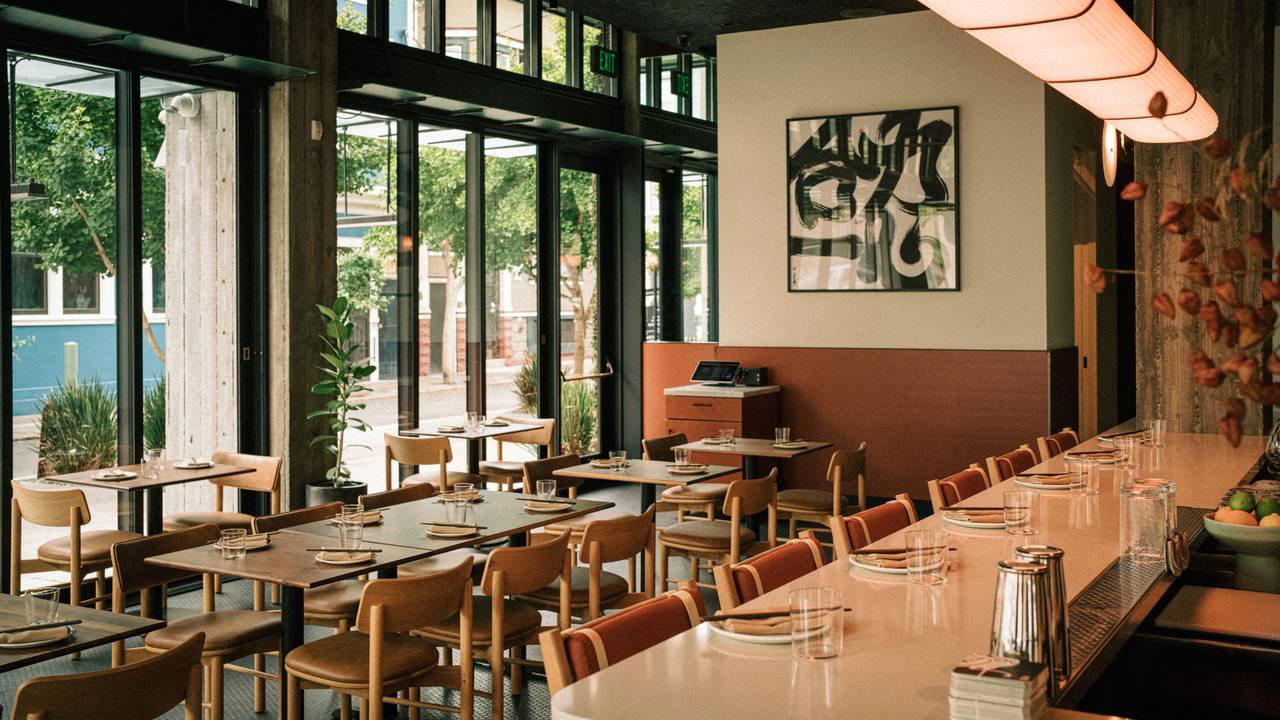
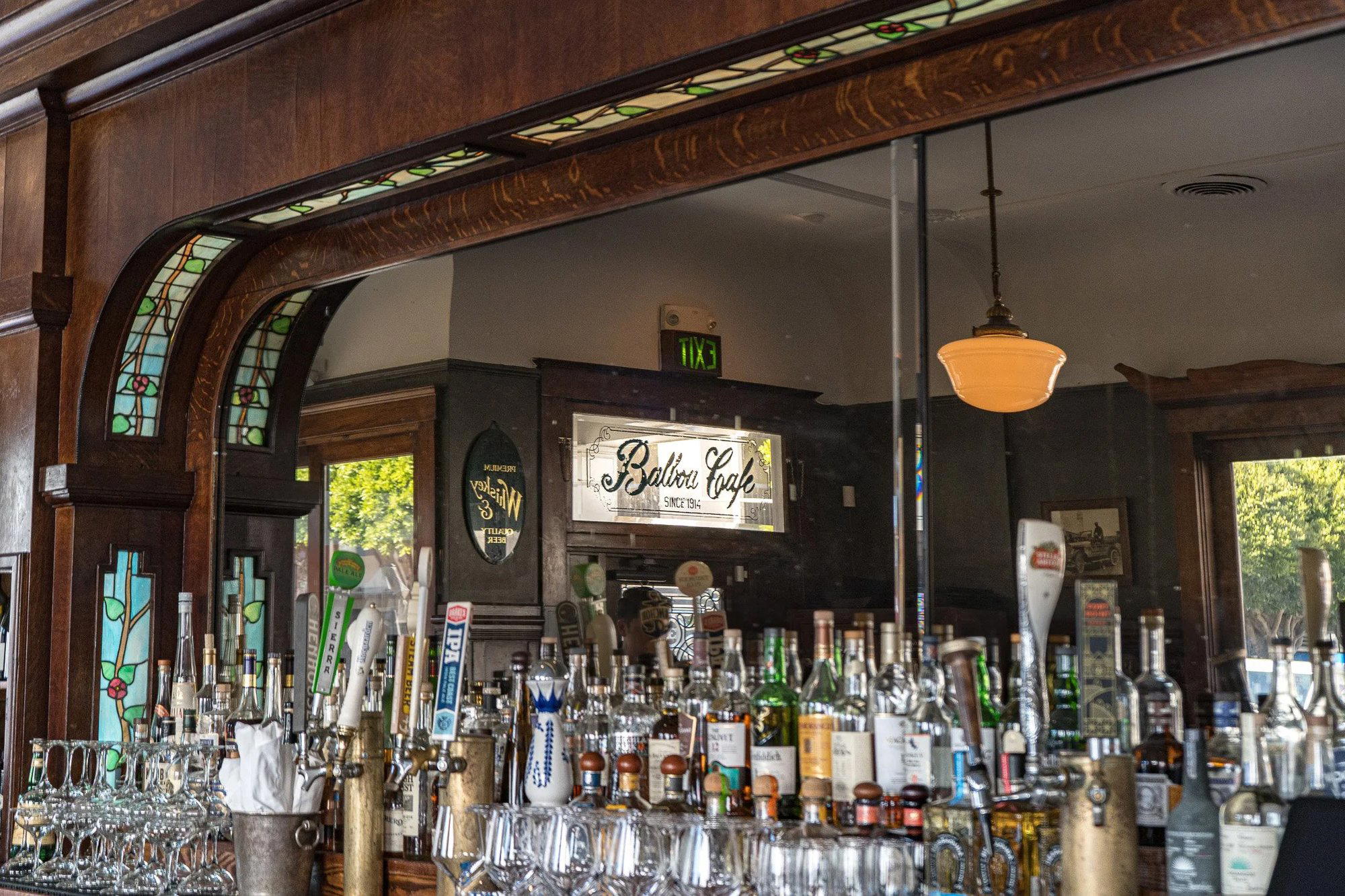
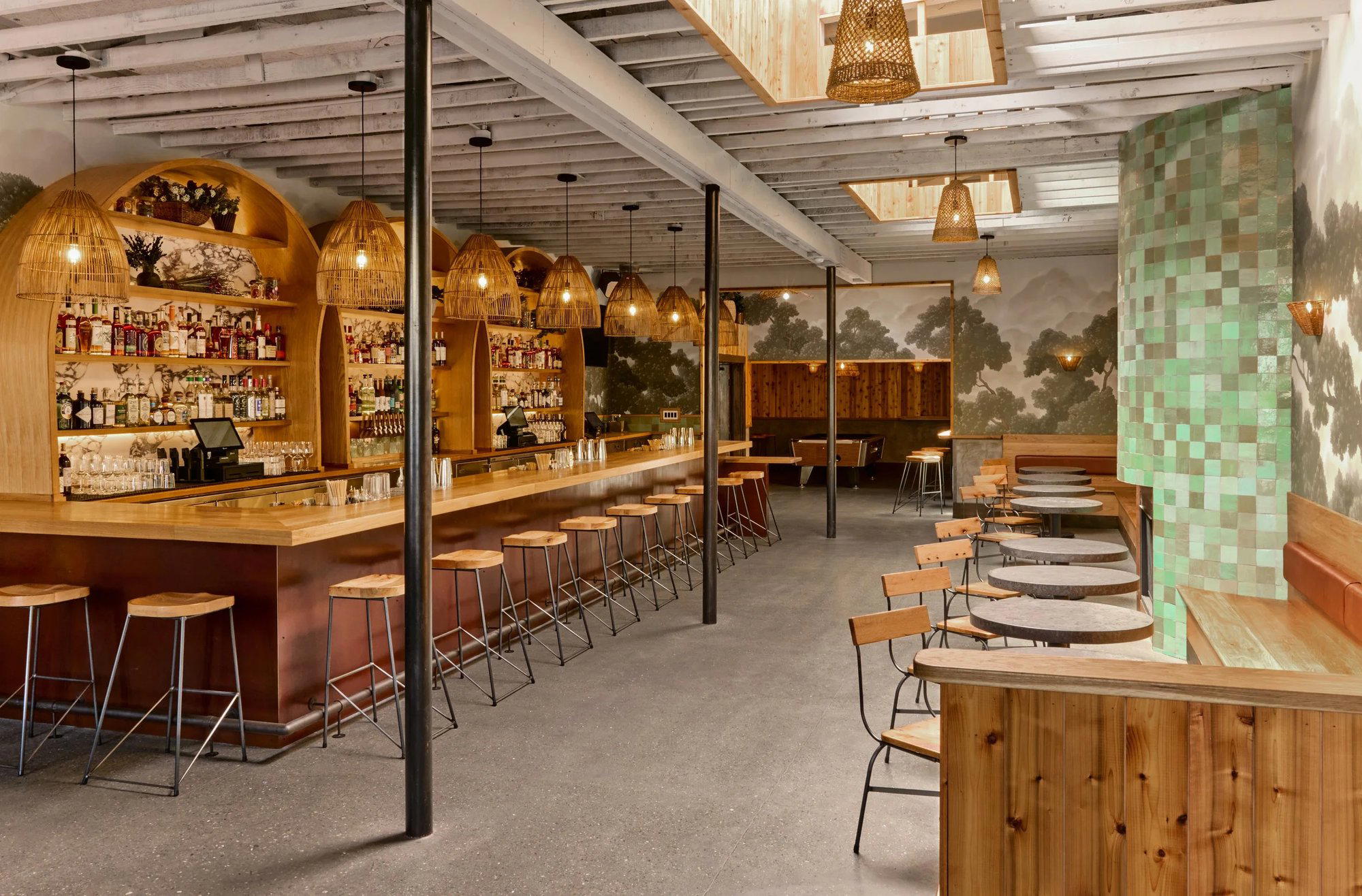
Hotels in San Francisco
Browse all →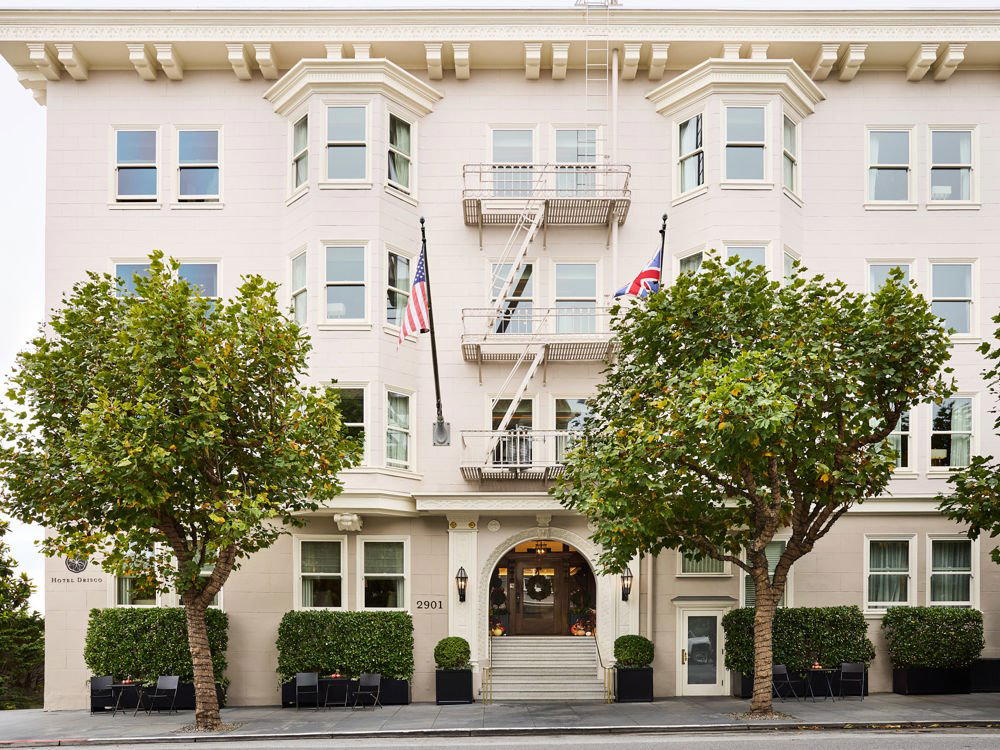
At a Glance
- Trendy
- Lively
- Casual Hangout
- After Work
- Open Kitchen
- Sake Program
Current opening hours
- Monday
- 11 AM–10 PM
- Tuesday
- 11 AM–10 PM
- Wednesday
- 11 AM–10 PM
- Thursday
- 11 AM–10 PM
- Friday
- 11 AM–10 PM
- Saturday
- 11 AM–10 PM
- Sunday
- 11 AM–10 PM
Hours can change for holidays and private events. Last verified .
Casual and bustling ramen shop atmosphere in Japantown's Japan Center with typical indoor lighting.