Watami Japanese Casual Dining
Watami Japanese Casual Dining at Ayala North Exchnge in Makati runs casual service with a sake program and dishes like Clams in Stone Pot, Watami Salad, and Beef Sukiyaki Hot Pot.
Pearl is the En Primeur Club membership app — saves, bookings, and concierge access live there. Same editors, same standards.
- Address
- Ayala North Exchnge, 1223 Makati City, Makati City
- Directions
- Get directions
 Saves & bookings on Pearl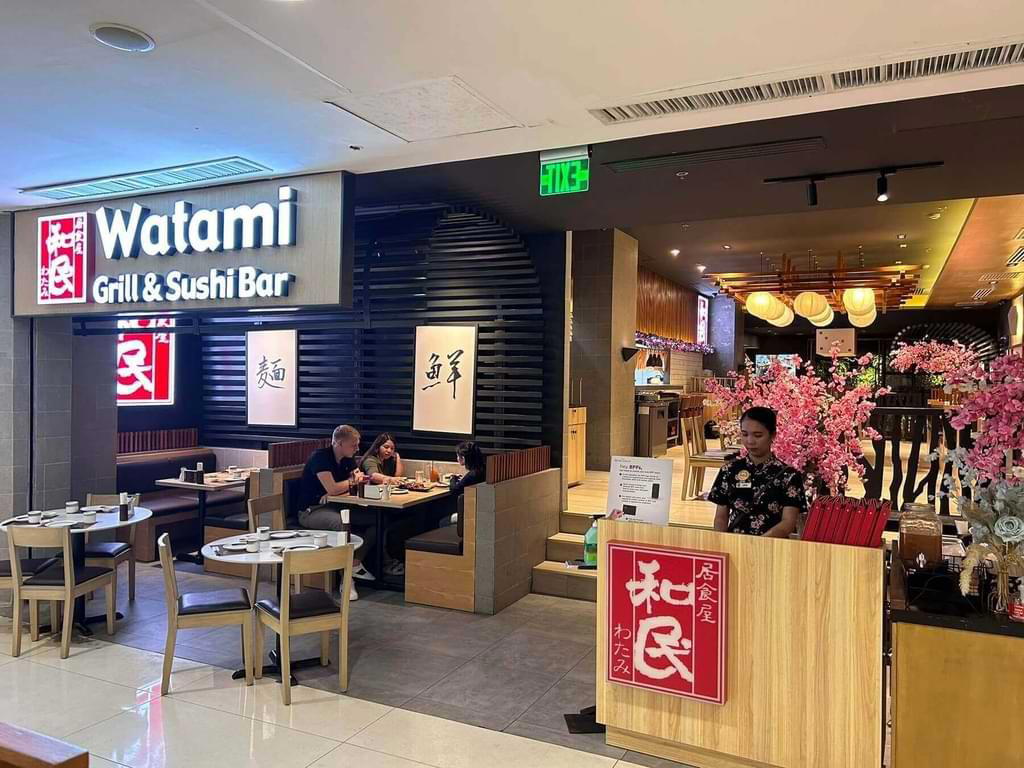
Japanese Chain Dining in Makati: What Watami Represents in the City's Casual Eating Circuit
Walk into Ayala North Exchange on a weekday evening and the noise level tells you something useful about Makati's appetite for accessible Japanese food. The mall corridor thins out around the upper floors, but the dining cluster holds steady, and Watami Japanese Casual Dining occupies a position in that cluster that reflects a specific segment of the city's restaurant market: the casual izakaya-style format imported from Japan and adapted for a Filipino commercial dining context. This is not the omakase tier, and it does not try to be. It is the segment where Japanese chain operators have found durable footing across Southeast Asia, competing on familiarity, breadth of menu, and price accessibility rather than on ingredient provenance or chef credentials.
Watami as a brand originated in Japan as a family restaurant and izakaya operator, expanding across Japan and several Asian markets. That origin matters for how you read the Makati outpost. The food format draws from a template refined over decades of mass-market Japanese casual dining: grilled skewers, donburi, ramen-adjacent noodle dishes, and small shared plates designed for groups eating at speed. The kitchen is executing a playbook, not improvising, and that is precisely its commercial advantage.
Ingredient Sourcing and What It Signals About Casual Japanese Dining
The sourcing question in casual Japanese chain dining across Southeast Asia is worth understanding before you sit down. At this price tier and format, the ingredients are rarely flown in from Tsukiji or Toyosu. The practical reality of operating a high-volume casual restaurant in a Philippine mall is that proteins, produce, and pantry staples are sourced through regional supply chains, with Japanese-style preparation and seasoning applied to locally or regionally available ingredients. This is standard practice across the casual Japanese dining category from Bangkok to Kuala Lumpur to Manila, and it shapes the eating experience in predictable ways.
What that means concretely: the miso base, the teriyaki glaze, the katsu breading technique, and the dashi-forward soups can all carry recognizable Japanese flavor profiles without requiring imported Japanese proteins or produce. The discipline in a well-run casual chain kitchen is in consistency of preparation rather than in the rarity of ingredients. When Watami's format works, it is because the seasoning ratios are controlled and the execution is repeatable. That is a different kind of quality claim than you would make about destination-level Japanese dining, but it is a real one within its category.
For comparative context: the more serious Japanese dining in Metro Manila, and the city's higher-intent Filipino cooking at places like Hapag, operate with ingredient sourcing as a primary editorial point. At the other end of the Makati dining spectrum, venues like Helm and Celera treat provenance as a central part of their identity and communication. Watami sits in a different tier entirely, where sourcing is an operational variable managed for cost efficiency rather than a selling point.
The Casual Izakaya Format and How It Plays in a Philippine Mall
The izakaya model, when transplanted into a Southeast Asian mall environment, typically loses the atmospheric components that make the format compelling in Japan: the low lighting, the deliberate noise management, the counter culture, the late-night drinking context. What remains in the mall adaptation is the menu structure, which is genuinely useful. Shared plates, grillable items, rice bowls, and noodle options provide a range that works for groups with varying preferences, which is why the format has held across multiple Asian markets through multiple economic cycles.
Makati's mall dining circuit is dense and competitive. Ayala North Exchange positions itself at a slightly more polished register than some of the older Ayala malls, which means Watami's immediate competition in the same building includes other mid-range Asian dining operators. The venue draws a mix of office workers from the surrounding Makati CBD and mall visitors, a pattern consistent with most casual chain Japanese restaurants in the district. Reservations are recommended, especially for weekend dinner hours in Makati's major malls, where waits are common at mid-range operators in this price range.
For diners whose interest runs toward more considered Japanese-Filipino crossover cooking, Inatô and Kása Palma in Makati offer a different reference point. And if the broader Manila dining scene is your subject, Gallery By Chele in Manila sits at the opposite end of the ambition spectrum. Further afield, Linamnam in Parañaque and Asador Alfonso in Cavite represent the kind of destination-specific cooking that requires more deliberate travel planning.
Planning Your Visit
Watami Japanese Casual Dining is located within Ayala North Exchange, 1223 Makati City, accessible from the Ayala Avenue corridor and a short walk from the Ayala MRT station. As a mall-based operation, the restaurant follows the shopping center's operating hours, generally running from mid-morning through late evening. The format is casual dress, and the menu structure suits both solo diners after a quick rice bowl and small groups sharing plates. For something markedly different in the Philippines, Balesin Dining Room in Polillo, Dampa in Quezon City, and Honesty Coffee Shop in Ivana each illustrate how varied the country's dining culture is beyond the Metro Manila mall circuit.
Quick Comparison
Comparable venues nearby, for context on price, style, and recognition.
| Venue | Cuisine | Price | Awards | Notes |
|---|---|---|---|---|
| Watami Japanese Casual DiningThis venue — the venue you are viewing | Japanese Casual Dining | $$ | Not listed | Not listed |
| Tsukiji | Authentic Japanese with Fresh Tsukiji Seafood | $$$ | Not listed | Makati |
| Tim Ho Wan | Hong Kong Dim Sum | $$ | Not listed | Glorietta |
| Buccaneers Rum & Kitchen | Caribbean Rum Bar | $$ | Not listed | Poblacion |
| Offbeat | Modern Retro Filipino | $$ | Michelin Plate | Makati |
| Milky Way Cafe | Traditional Filipino & International | $$ | Not listed | Makati |

At a Glance
- Modern
- Casual
- Casual Hangout
- Family
- Group Dining
- Sake Program
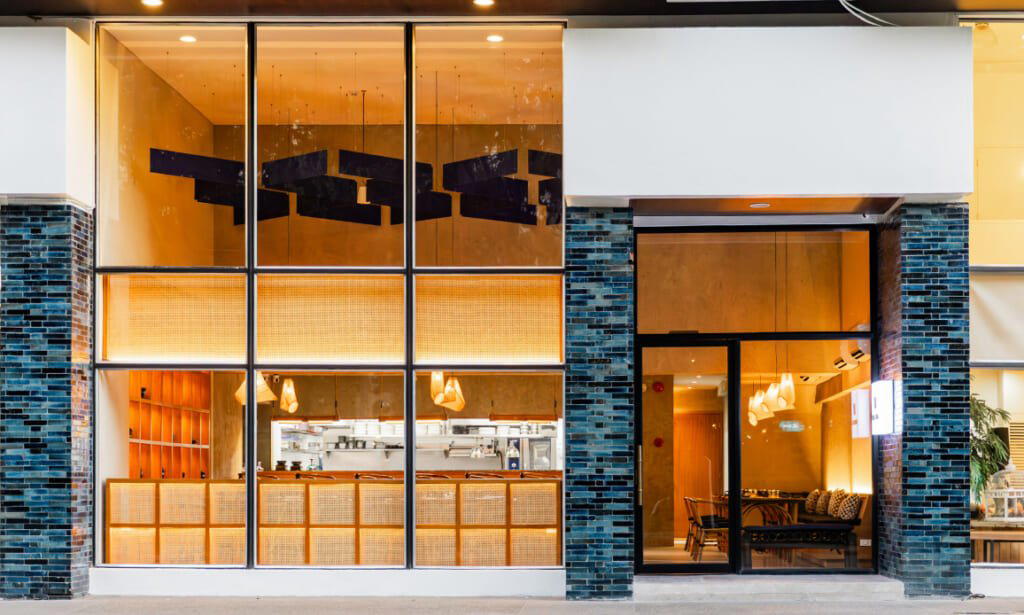
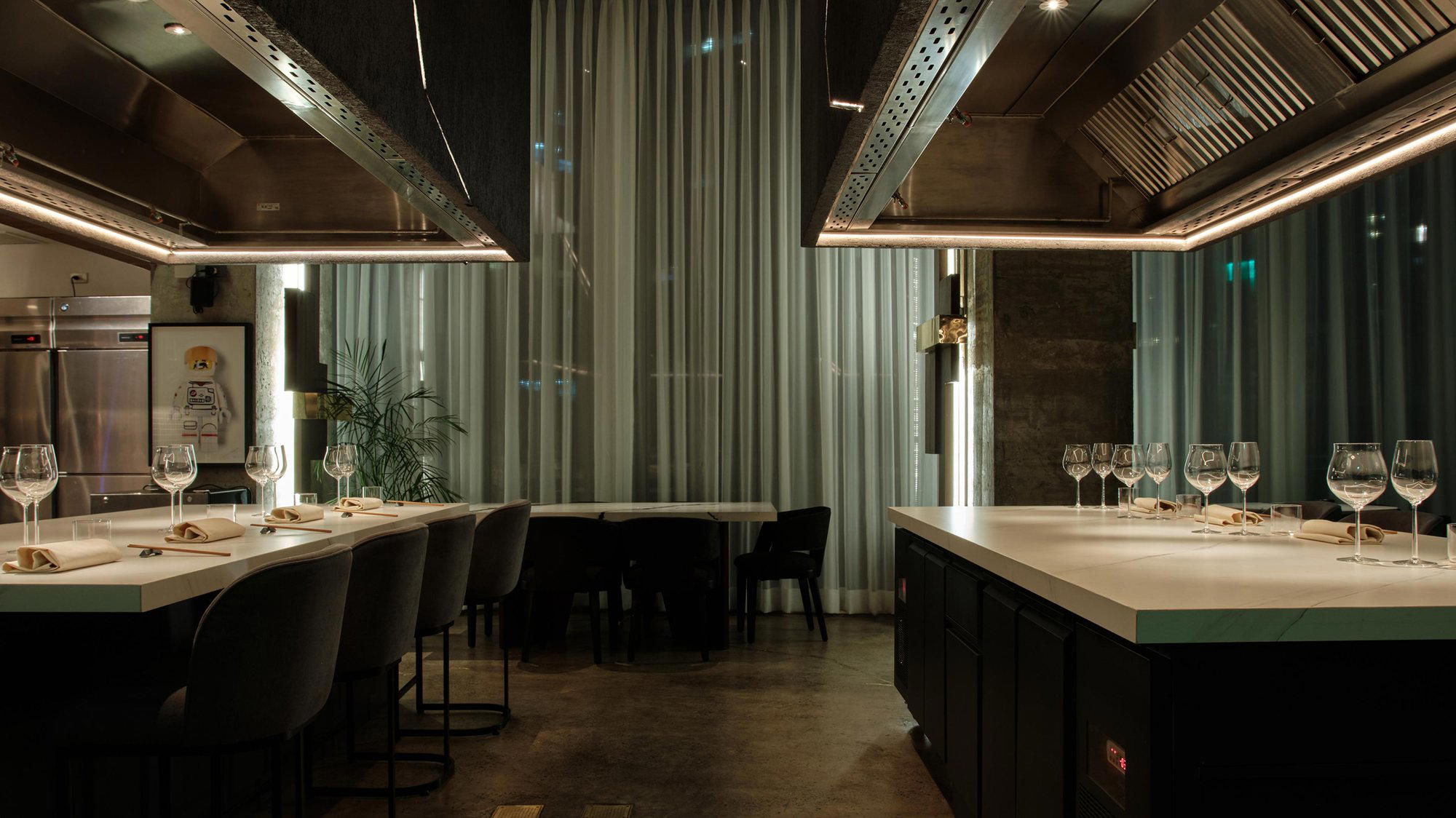
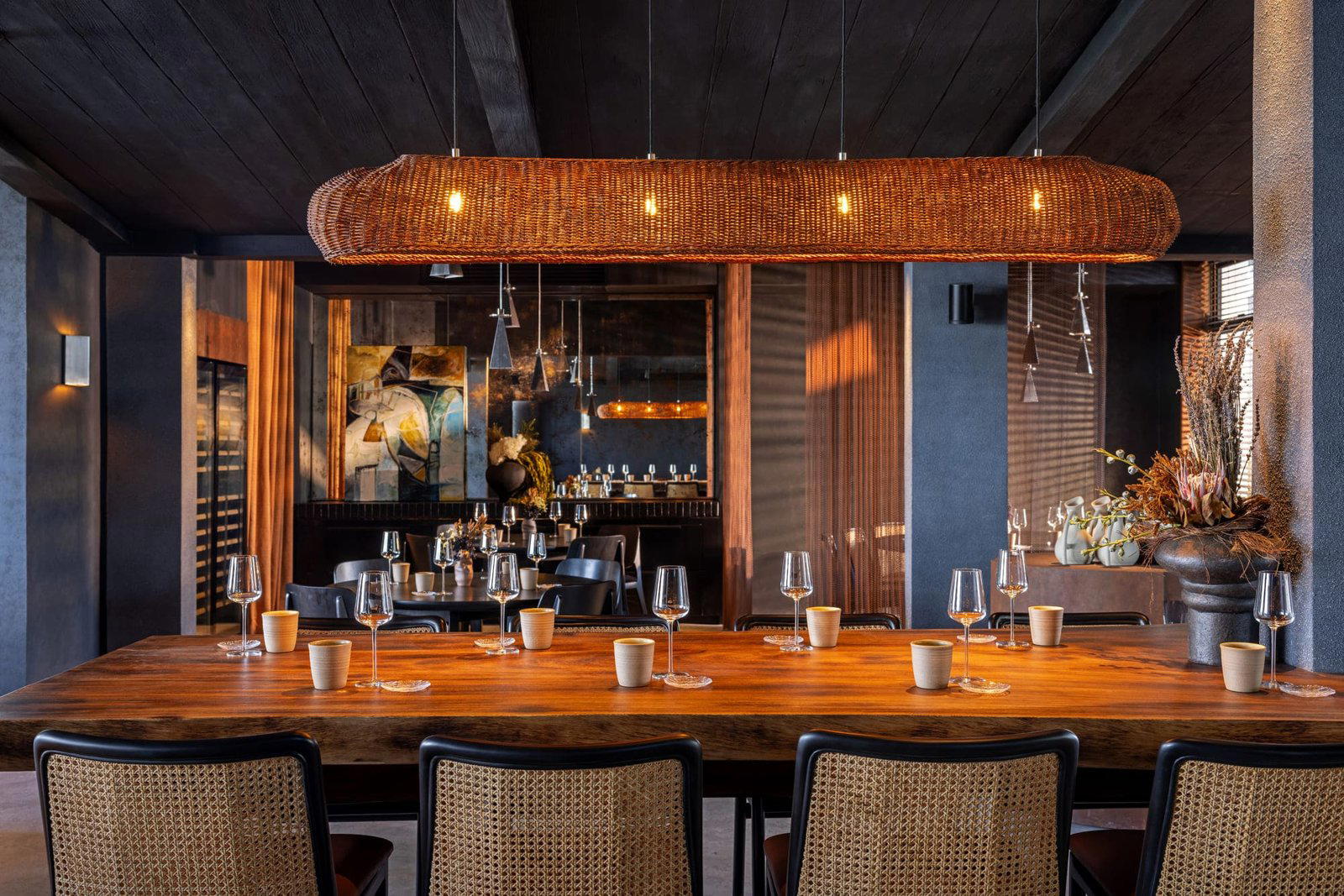
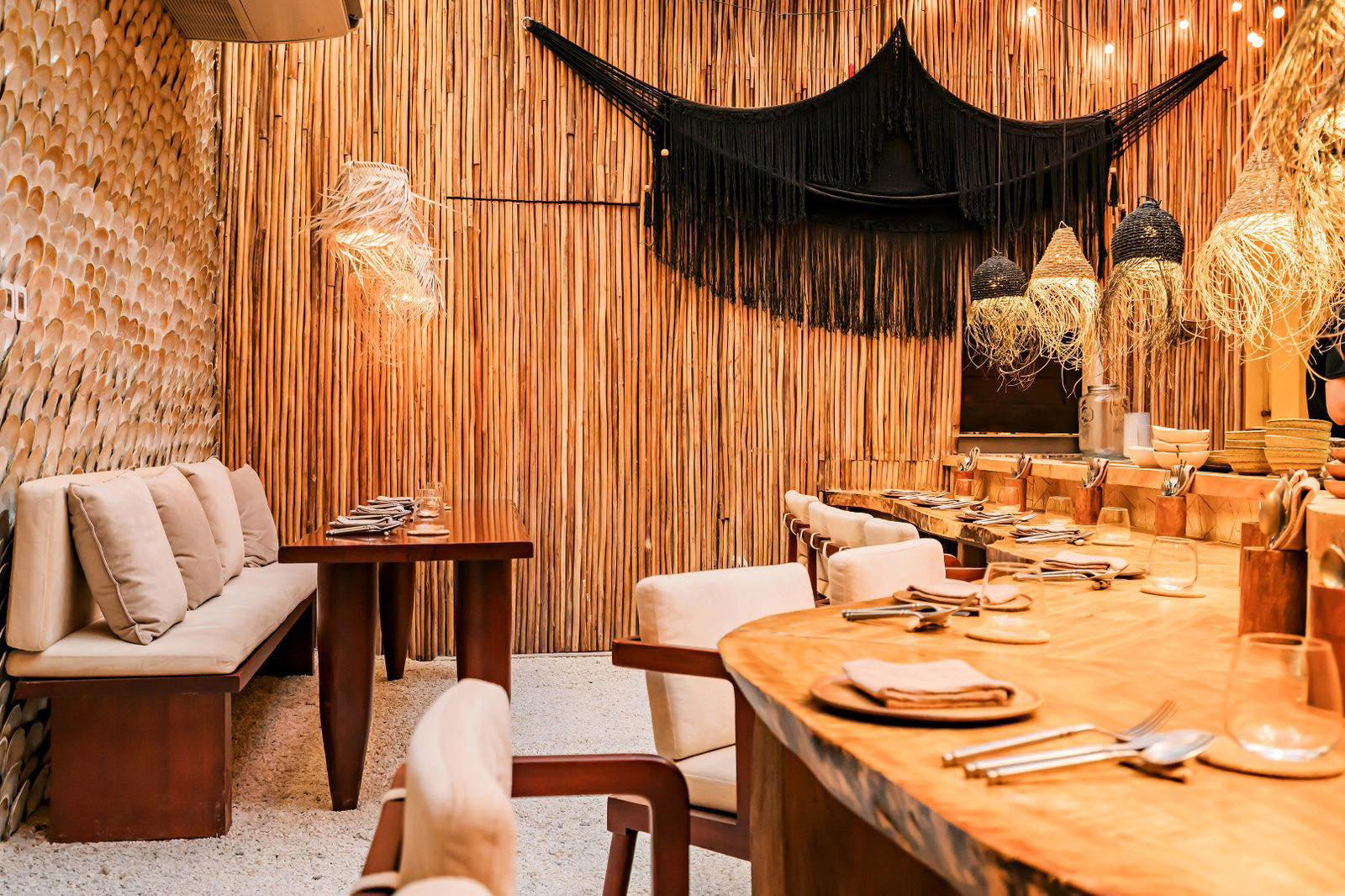
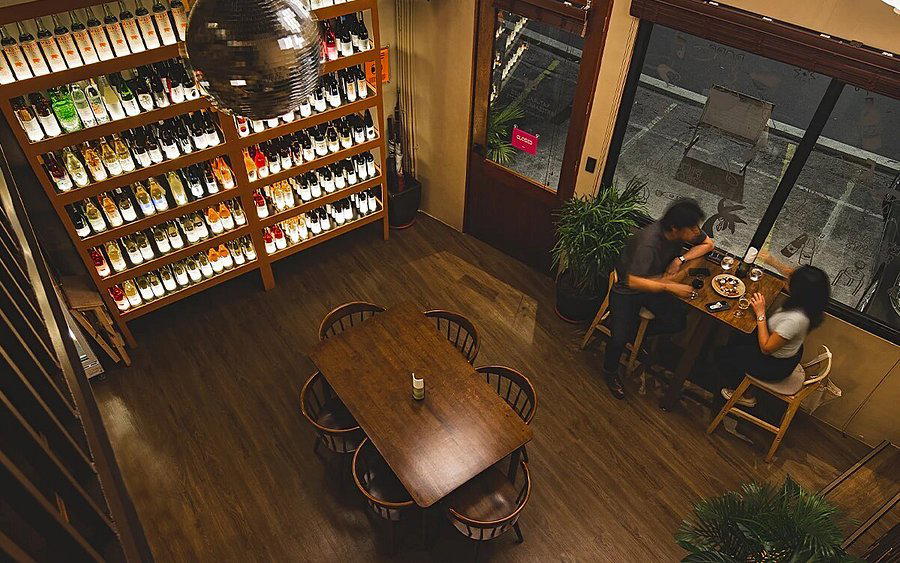
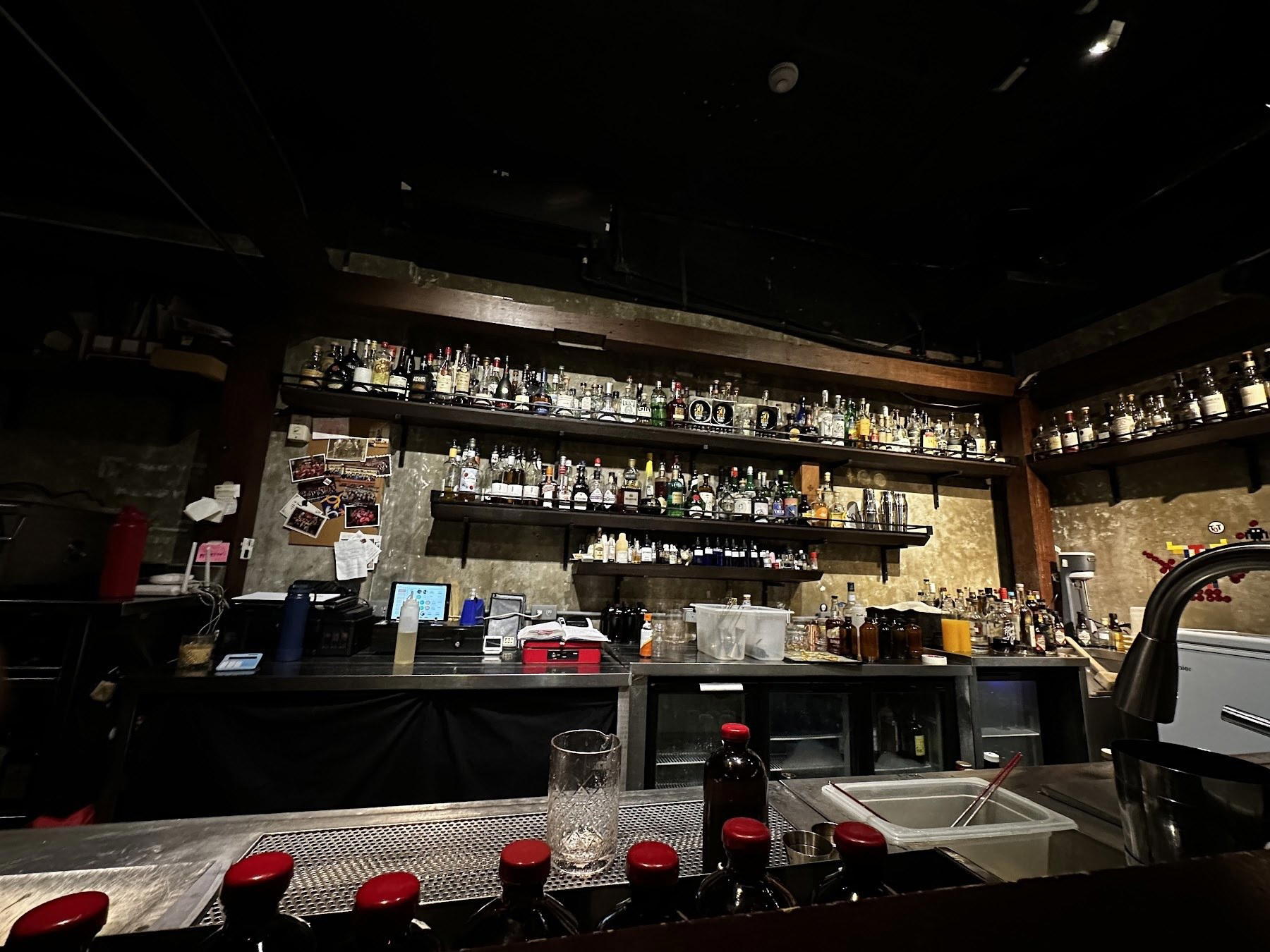
Modern Japanese decor with an energetic atmosphere.