Balesin Dining Room
The Balesin Dining Room operates inside one of the Philippines' most restricted private island clubs, where the sourcing story begins before a single ingredient reaches the kitchen. Accessible only to Alphaland Balesin Island Club members and their guests, it represents a format where exclusivity and provenance converge, a dining room shaped as much by its Pacific setting as by any culinary program.
Pearl is the En Primeur Club membership app — saves, bookings, and concierge access live there. Same editors, same standards.
- Address
- Balesin Clubhouse, Balesin Island, 4339 Polillo, Quezon
- Directions
- Get directions
 Saves & bookings on Pearl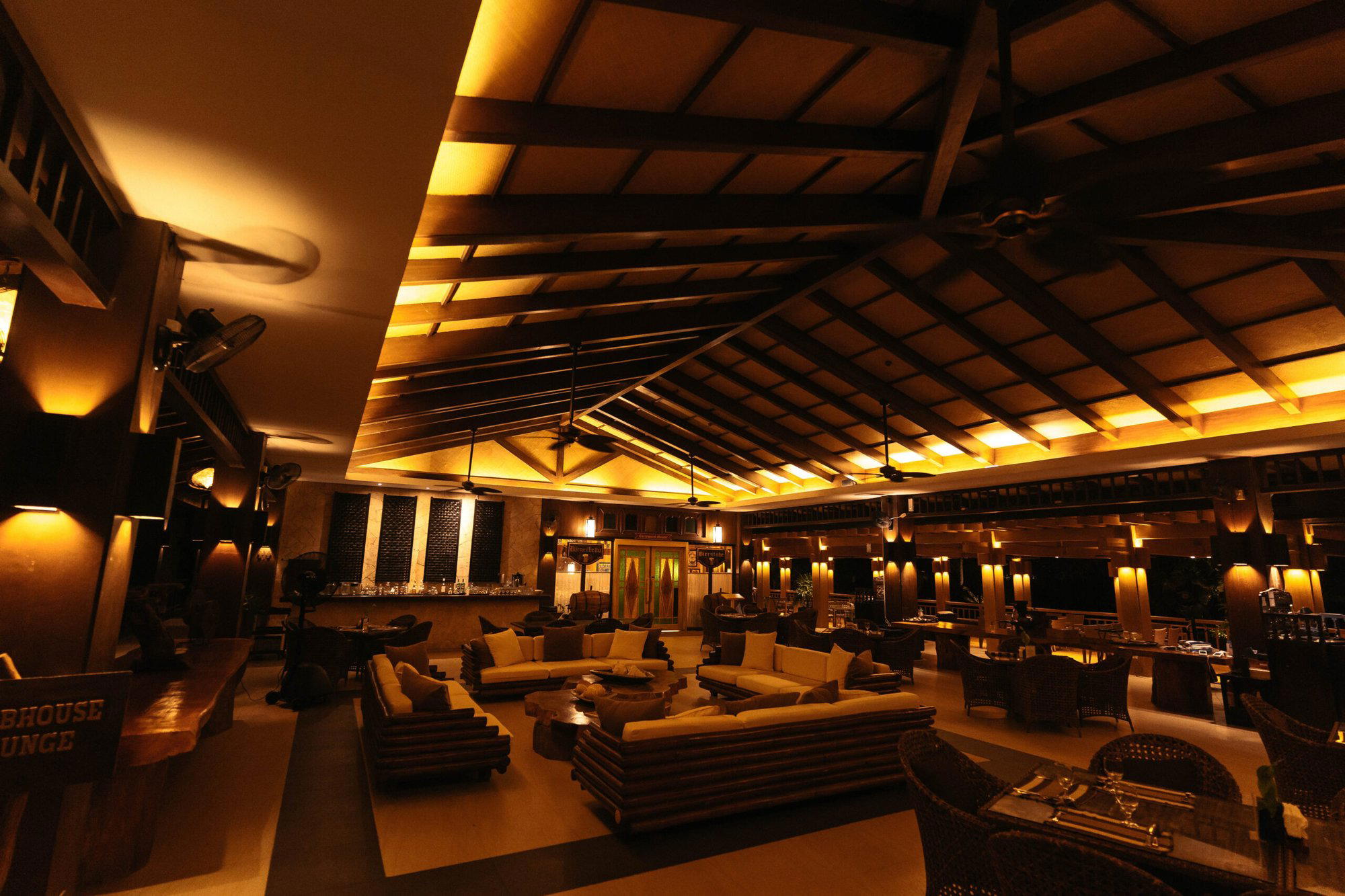
A Pacific Setting That Dictates the Plate
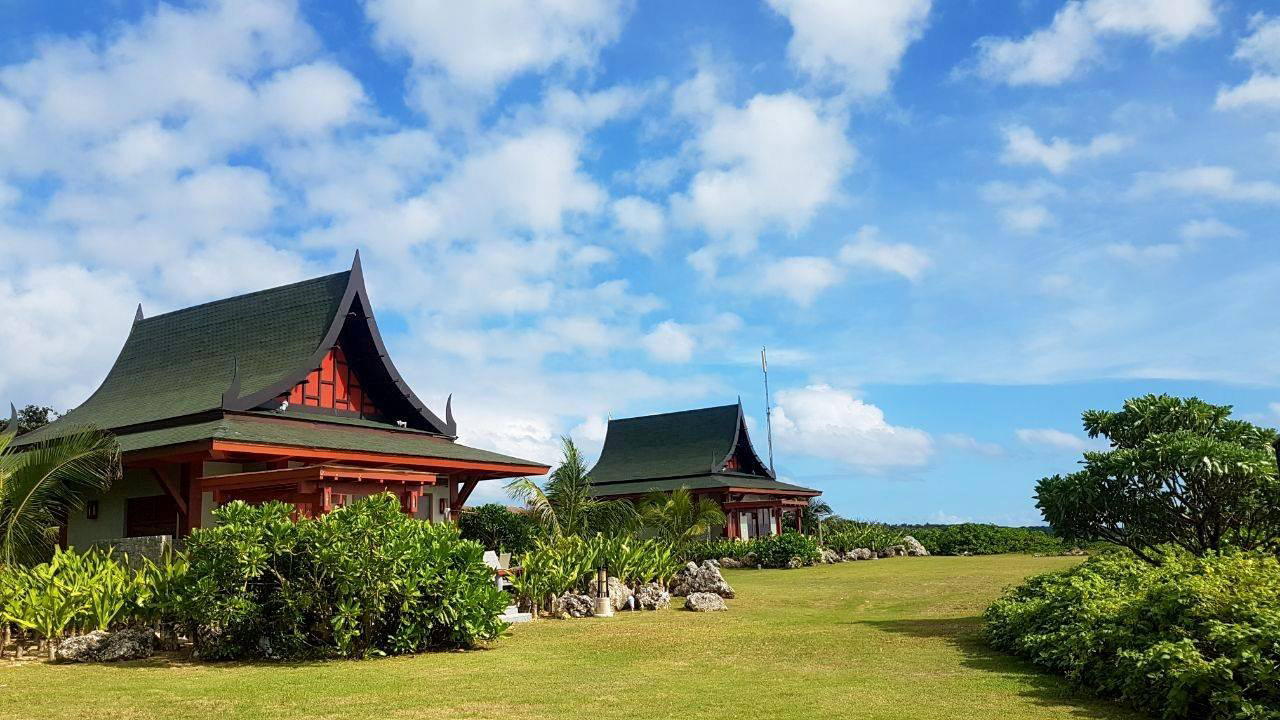
Approach Balesin Island by light aircraft or boat and the geography makes its case before you sit down. The island sits in the Polillo group off Quezon Province, facing open Pacific water on its eastern flank, with the Sibuyan Sea to the south. That position, remote, tidally active, surrounded by reef systems, is not incidental to what gets served in the dining room. In island dining at this latitude, proximity to the source is the operative fact. The distance between the water and the table is measured in minutes, not supply-chain days.
Private island clubs in Southeast Asia have historically split between two models: the all-inclusive resort that imports everything and performs locality through decoration, and the genuinely site-specific operation where the menu reflects what the surrounding environment can provide. The Balesin Dining Room, operating within the Alphaland Balesin Island Club, belongs to the second category by circumstance as much as by design. Supplying a remote island club requires either a sophisticated cold-chain logistics program or a commitment to working with what the immediate maritime zone offers. Given Balesin's location within one of the Philippines' more productive fishing corridors, the latter is the more coherent approach.
Ingredient Geography: The Polillo Corridor
The Polillo Islands sit at the intersection of several distinct marine environments. Reef fish, pelagic species moving through the San Bernardino Strait system, and the shellfish native to Quezon Province's coastline all fall within realistic sourcing range. Filipino coastal cuisine at its most direct, kinilaw prepared from same-day catch, grilled reef fish with fermented condiments, seafood broths built from shells and heads rather than commercial stock, operates exactly within this geographic logic. The tradition predates the private club format by centuries; what changes at a venue like the Balesin Dining Room is the setting in which those ingredients are presented.
Across the Philippines, compelling dining moments tied to provenance tend to occur at the margins of the formal restaurant circuit. Hapag in Makati and Gallery By Chele in Manilla both work within a modern Filipino framework that foregrounds sourcing transparency, but they do so from urban kitchens that must negotiate supply chains. An island dining room with immediate coastal access operates under different constraints and, consequently, different possibilities. Linamnam in Parañaque similarly interrogates Filipino ingredient traditions, though again from a metropolitan remove. The Balesin Dining Room's geographic position is its most distinctive structural asset.
The Format: Members, Guests, and a Controlled Scale
The Alphaland Balesin Island Club is a private leisure development in the Philippines. Access is restricted to club members and invited guests, which means the dining room operates at a controlled scale that few venues in the country can match. That restriction shapes the kitchen's mandate in a specific way: the dining room does not need to serve volume, and it does not need to accommodate the variable expectations of walk-in tourism. It serves a known audience with the time and inclination to engage with a meal rather than move through it.
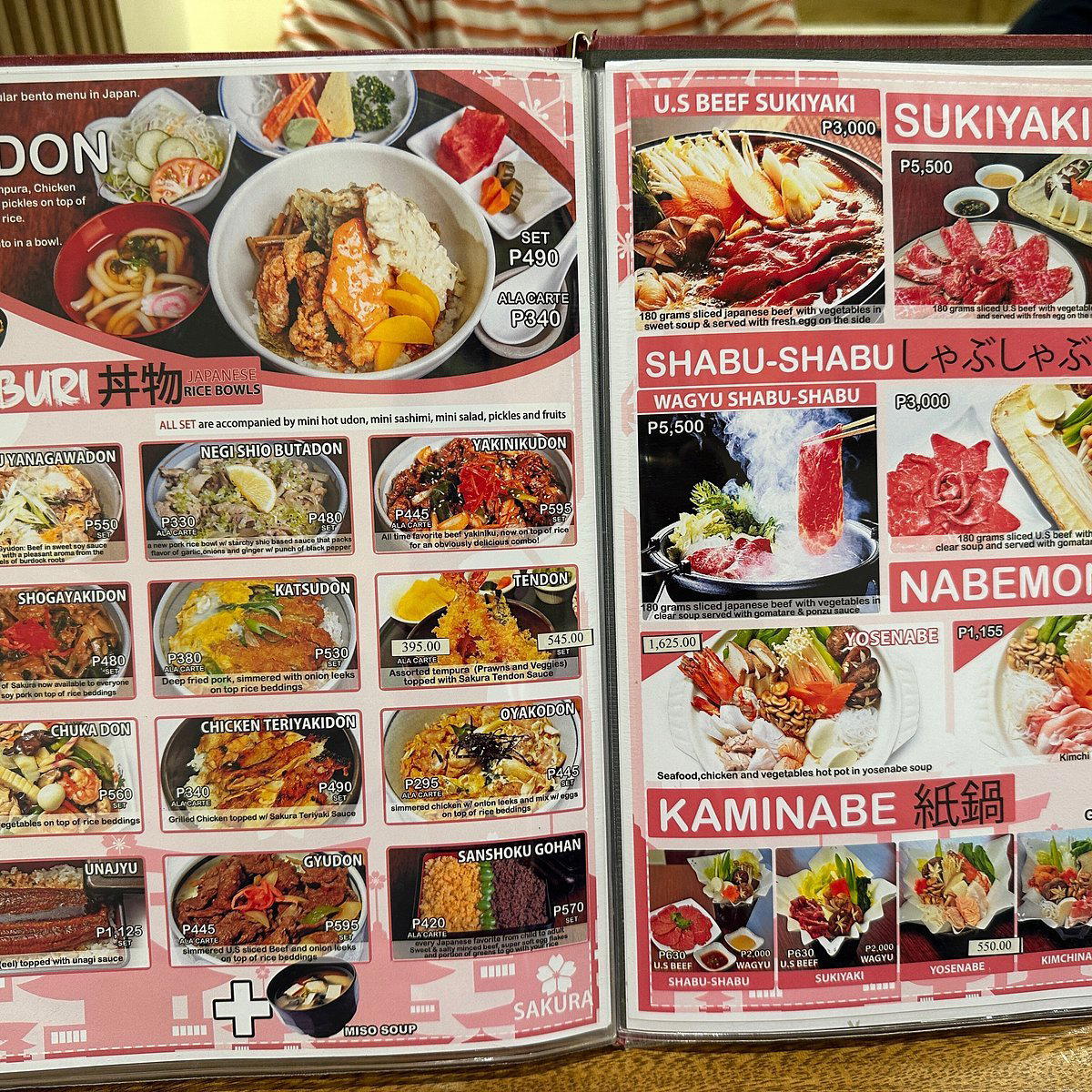
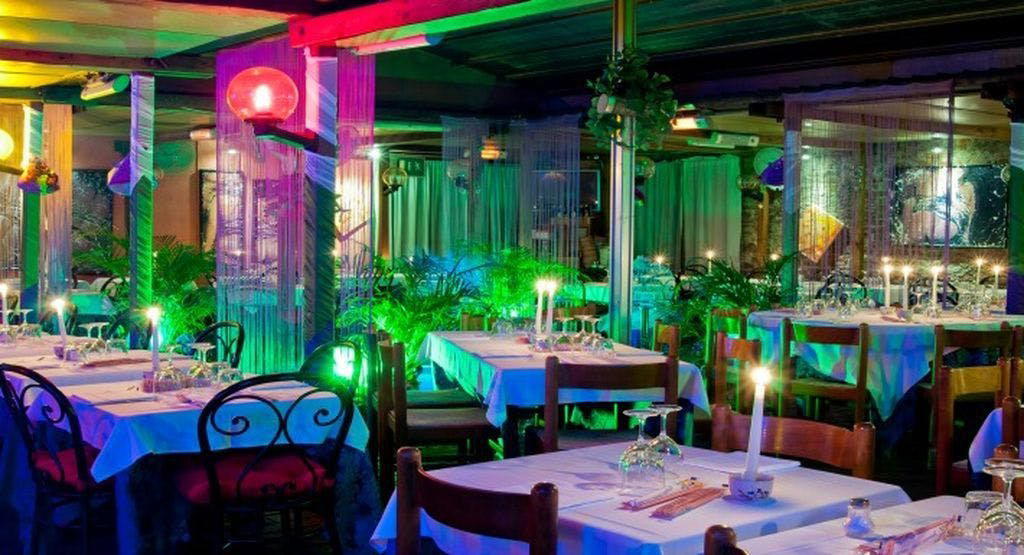
This format has parallels elsewhere in the region, private island clubs where the dining program is integral to the membership proposition rather than a secondary amenity, but it remains rare in the Philippines outside of a handful of Palawan developments. In the Polillo context, the restaurant occupies a category of its own. Sakura and Trattoria Toscana, which serve different audience segments within the same geography. Those options operate under conventional access terms; the restaurant does not.
How It Compares Within Filipino Fine Dining
The modern Filipino fine dining conversation is concentrated in Metro Manila. Asador Alfonso in Cavite extends that radius somewhat, and regional destinations with serious culinary programs remain exceptions rather than a pattern. What distinguishes island-based dining at Balesin's tier from the Manila-centric conversation is the complete absence of the urban noise that shapes those restaurants' positioning decisions. Venues like Dampa in Quezon City demonstrate that Filipino diners engage seriously with seafood-forward formats, but the presentation context differs substantially from a private island setting where the source waters are visible from the dining room.
For reference points at a global scale, the structural gap between a private island dining room and a destination fine dining counter is instructive. Le Bernardin in New York City and Atomix in New York City represent what sustained critical attention and a dense urban audience produce over decades. The restaurant operates on entirely different terms, not in competition with that tier, but answering a different question about what a meal in a specific place can mean.
Planning Access and Logistics
Reaching Balesin Island requires either a chartered flight from Ninoy Aquino International Airport, with the island's private airstrip the point of arrival, or a boat transfer from Quezon Province's eastern coastline. Neither route is casual. The club's membership structure means that independent access is not available; guests must travel with or be formally invited by a member. For those navigating that requirement, the dining room access follows naturally from the broader stay at the clubhouse. Given the island's position in the Pacific, weather windows matter: the northeast monsoon (amihan) season from November through April generally provides particularly stable flying and boating conditions, while the southwest monsoon (habagat) from June through October can disrupt transfers.
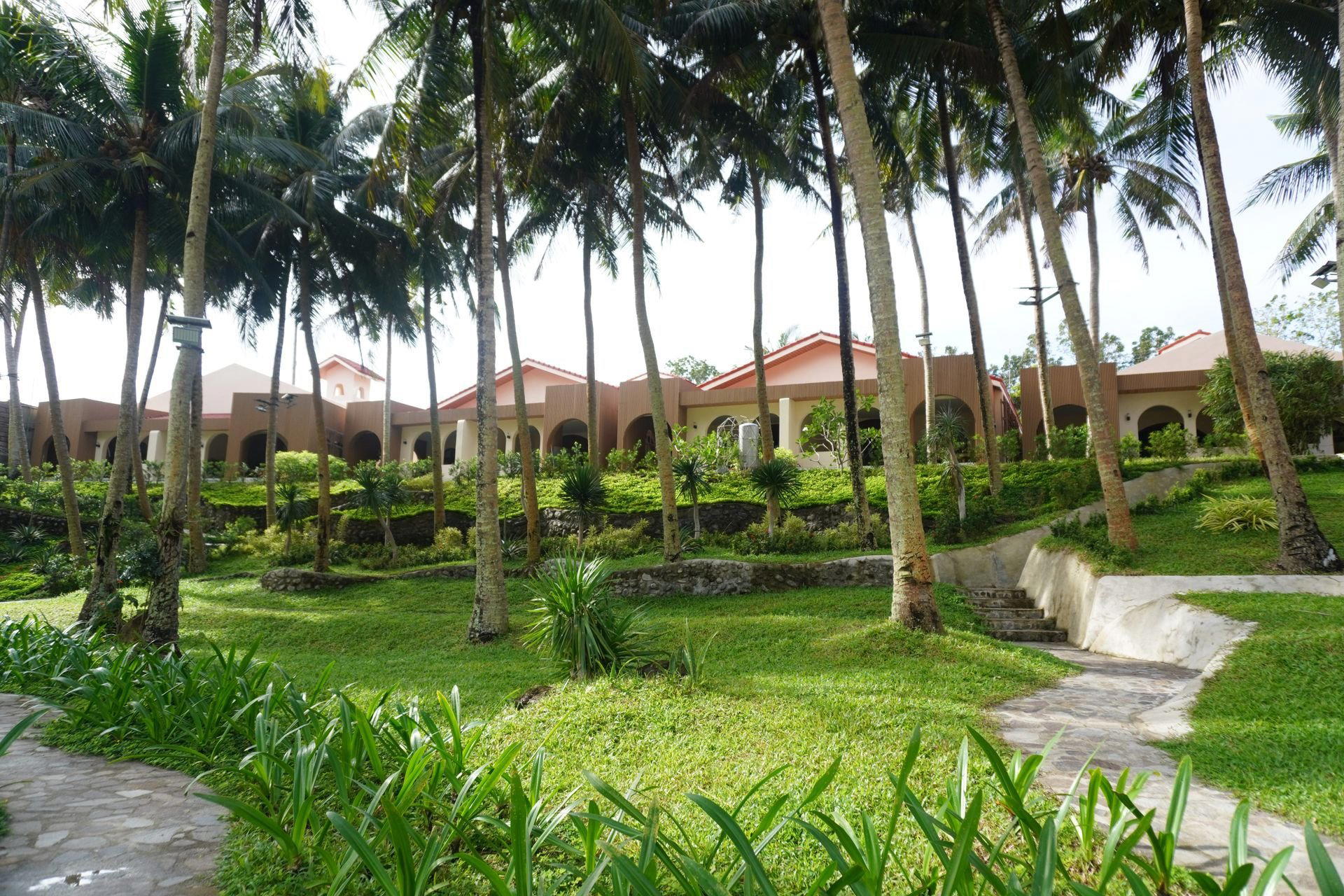
The dining room sits within the Balesin Clubhouse, the primary residential and social facility on the island. Its physical scale and format are consistent with a private members' club dining room rather than a standalone restaurant operation. There are no public booking channels or published menus.
- Paella
- Cochinillo
- Gambas al Ajillo
- Laksa
- Nasi Goreng
- Sate Ayam
- Crispy Pata
- Beef Tapa
Comparable Spots, Quickly
Comparable venues nearby, for context on price, style, and recognition.
| Venue | Cuisine | Price | Awards | Notes |
|---|---|---|---|---|
| Balesin Dining RoomThis venue — the venue you are viewing | International Multi-Cuisine Fine Dining | $$$$ | Not listed | Not listed |
| Sakura | Japanese Teppanyaki and Sushi | $$$$ | Not listed | Balesin Island |
| Trattoria Toscana | Tuscan Trattoria | $$$ | Not listed | Toscana Village, Balesin Island |
| Taupe | Modern Filipino Fusion Fine Dining | $$$$ | Michelin Plate | Bonifacio Global City |
| Dip | Nikkei Peruvian-Japanese Fusion | $$$$ | Not listed | Punta Engaño |
| Nay Palad Hideaway | Farm-to-Table Fusion | $$$$ | Not listed | General Luna |
At a Glance
- Scenic
- Elegant
- Sophisticated
- Ornate
- Celebration
- Special Occasion
- Group Dining
- Business Dinner
- Waterfront
- Private Dining
- Panoramic View
- Garden
- Hotel Restaurant
- Extensive Wine List
- Waterfront
Luxurious tropical setting with far-reaching ocean views, polished service, and refined yet relaxed atmosphere reflecting the destination's internationally prominent resort character.