Tsukiji
Operating from the third floor of the Milky Way Building on Antonio Arnaiz Avenue since 1989, Tsukiji is one of Makati's most durable Japanese restaurants. Inspired by Tokyo's famous fish market, it has built its reputation on sashimi, tonkatsu, and a kitchen culture that has remained consistent across decades of Philippine dining shifts.
Pearl is the En Primeur Club membership app — saves, bookings, and concierge access live there. Same editors, same standards.
- Address
- 3rd Floor, Milky Way Building, 900 Antonio Arnaiz Ave, Makati City, 1200 Metro Manila, Philippines
- Phone
- +63288434285
- Website
- tsukiji-restaurant.com
- Directions
- Get directions
 Saves & bookings on Pearl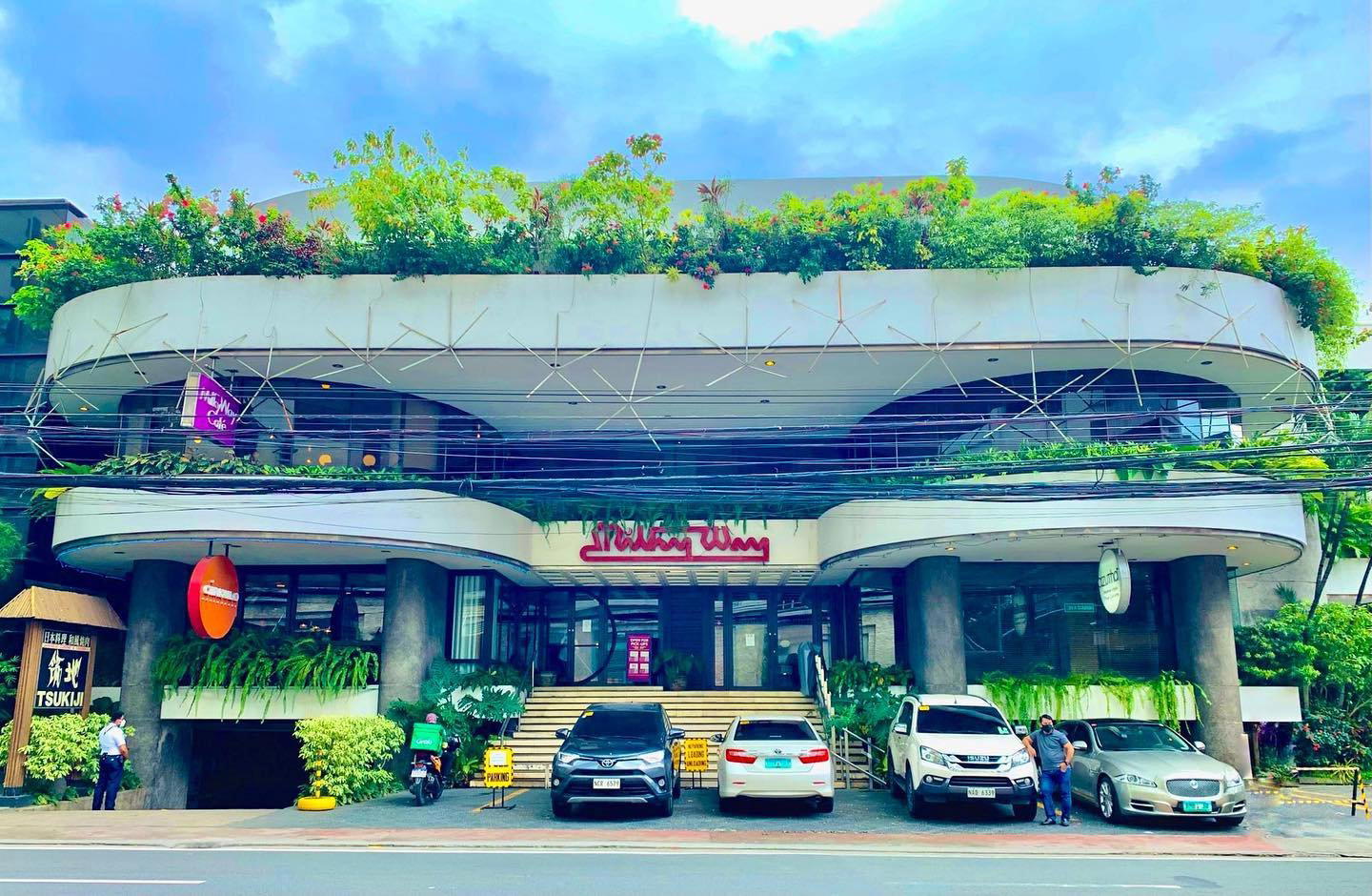
A Room That Has Earned Its Patina
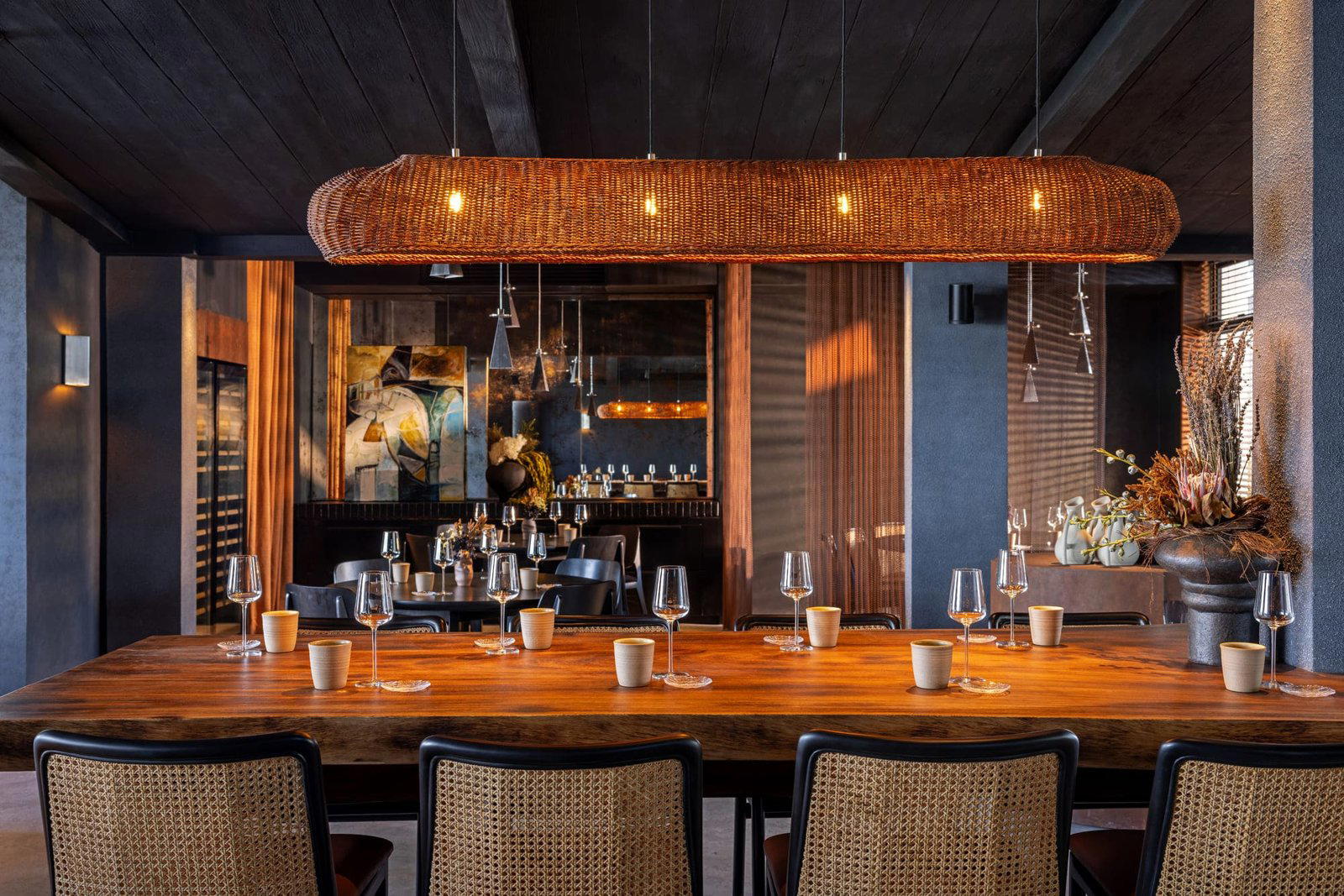
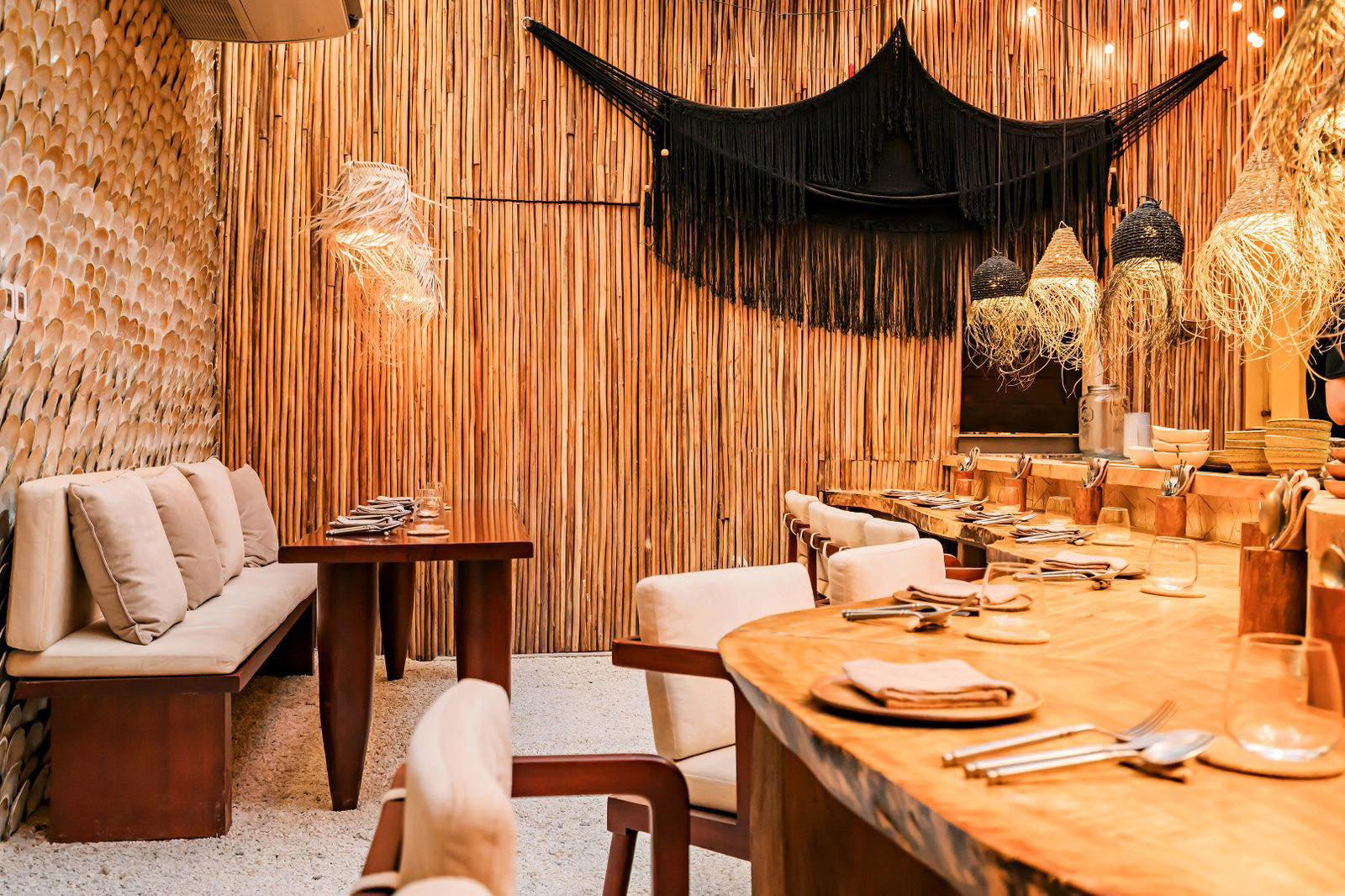
The Milky Way Building on Antonio Arnaiz Avenue is not the kind of address that trades on novelty. The third floor, where Tsukiji has operated since 1989, carries the settled quality of a room that has outlasted several waves of dining fashion in Makati. The lighting is warm, the pace unhurried, and the clientele tends toward the kind of regulars who stopped needing to consult the menu years ago. For a city that cycles through restaurant concepts with considerable speed, that continuity is itself a form of editorial statement.
In Manila's broader dining scene, the Japanese restaurant category has fractured considerably over the past two decades. Omakase counters targeting the upper tier have multiplied, fast-casual ramen chains occupy the middle, and conveyor-belt formats cater to volume. Tsukiji occupies a different position: a mid-century Japanese restaurant that predates most of these categories in the Philippines, offering a curriculum of sashimi, tonkatsu, and classic preparations that speak to a time when Japanese cuisine in Southeast Asia was still consolidating its local identity. Restaurants like Inatô and Helm represent the contemporary Makati dining direction; Tsukiji represents what endured before those directions were possible.
The Logic of the Meal
Japanese dining in the tonkatsu and sashimi tradition follows a different rhythm than the omakase format that tends to attract international attention. There is no counter performance, no chef narration, no sequenced revelation. The meal proceeds at the diner's pace, structured around a few anchoring dishes rather than a composed arc. This format places considerable weight on the kitchen's consistency: when a restaurant's reputation rests on returning guests ordering familiar dishes, the margin for drift is narrow.
Tsukiji's reference point, its namesake market in Tokyo, implies a sourcing philosophy oriented around fresh fish and ingredient quality over technique theatrics. The sashimi-centered portion of the menu sits within that tradition, where the measure of execution is the fish itself: its temperature, its cut, its freshness on the day. Tonkatsu, the other anchor of the menu, belongs to a different Japanese culinary lineage, the yoshoku tradition of Western-influenced Japanese cooking, where the discipline is in the batter, the oil temperature, and the resting of the meat. Both formats reward the kitchen that has been doing them for three decades rather than three years.
For diners accustomed to the more theatrical formats at places like Hapag or the tasting-menu architecture at Celera, Tsukiji requires a recalibration of expectations. The ritual here is quieter: arrive, settle, order from a menu that does not change radically between visits, and allow the meal to proceed without a program. There is a specific pleasure in that, particularly in a dining district that has become progressively more concept-driven.
Makati's Japanese Restaurant Context
The Philippines has one of Southeast Asia's more complex relationships with Japanese cuisine. A significant Japanese expatriate community established early demand for authenticity, while local taste preferences and ingredient availability shaped what endured over time. Makati, as the country's primary financial and commercial district, attracted the first serious Japanese restaurants in the Philippines, many of which built their audience among business diners and expat families before Filipino clientele became the dominant demographic.
Tsukiji's 1989 opening places it within that first wave of serious Japanese dining in Metro Manila. The warm hospitality the restaurant has cultivated over its decades of operation is a product of that era's service culture: attentive without being formal, familiar without losing precision. Comparable longevity in other international dining cities tends to produce a similar atmosphere. The long-running Japanese restaurants in cities like New York or San Francisco that occupy a similar mid-tier between casual and omakase share this quality of earned comfort. Places like Le Bernardin in New York City or Emeril's in New Orleans represent the same phenomenon in different cuisines: restaurants that have remained relevant not by reinventing themselves but by maintaining execution standards through decades of change.
Within the Philippines, the range of serious dining has expanded considerably beyond Metro Manila. Gallery by Chele in Manila, Linamnam in Parañaque, and Abaseria Deli and Cafe in Cebu each represent different nodes of that expansion. Tsukiji's position within this context is as a Makati institution rather than a destination for inbound dining tourism, which is a distinction that matters when reading its continued relevance.
Practical Considerations for a Visit
Tsukiji sits at 900 Antonio Arnaiz Avenue in the Milky Way Building, a commercial address in the established Legazpi-Salcedo corridor of Makati. The third-floor location means street-level visibility is low; first-time visitors should confirm the building entrance before arriving. Reservations are recommended.
For visitors building a broader Makati itinerary around dining, the EP Club guides for Makati restaurants, Makati bars, and Makati hotels provide the surrounding context. The Makati experiences guide and Makati wineries guide complete the full picture for a multi-day stay. Those combining Makati with wider Metro Manila dining should consider Blackbird Makati, Bolero in Taguig, and Asador Alfonso in Cavite to map the range of the region's dining scene against Tsukiji's more rooted, neighbourhood-anchored position.
Within Makati itself, Kása Palma represents the contemporary Spanish-inflected direction that has gained ground in the district. Tsukiji and restaurants of its generation serve as a useful baseline for understanding how Makati's dining identity has shifted, and what it has chosen to keep.
Cuisine and Credentials
Comparable venues nearby, for context on price, style, and recognition.
| Venue | Cuisine | Price | Awards | Notes |
|---|---|---|---|---|
| TsukijiThis venue — the venue you are viewing | Authentic Japanese with Fresh Tsukiji Seafood | $$$ | Not listed | Not listed |
| 12/10 | Modern Japanese Izakaya | $$$ | Michelin Plate | Makati |
| a mano | Fresh and Faithful Italian | $$$ | Not listed | Rockwell |
| The Curator | Coffee Shop & Cocktail Bar | $$ | Not listed | Legazpi Village |
| Buccaneers Rum & Kitchen | Caribbean Rum Bar | $$ | Not listed | Poblacion |
| Tim Ho Wan | Hong Kong Dim Sum | $$ | Not listed | Glorietta |
At a Glance
- Cozy
- Elegant
- Intimate
- Date Night
- Special Occasion
- Group Dining
- Private Dining
- Open Kitchen
- Sake Program
- Sustainable Seafood
- Street Scene
Current opening hours
- Monday
- 11 AM–10 PM
- Tuesday
- 11 AM–10 PM
- Wednesday
- 11 AM–10 PM
- Thursday
- 11 AM–10 PM
- Friday
- 11 AM–10 PM
- Saturday
- 11 AM–10 PM
- Sunday
- 11 AM–10 PM
Hours can change for holidays and private events. Last verified .
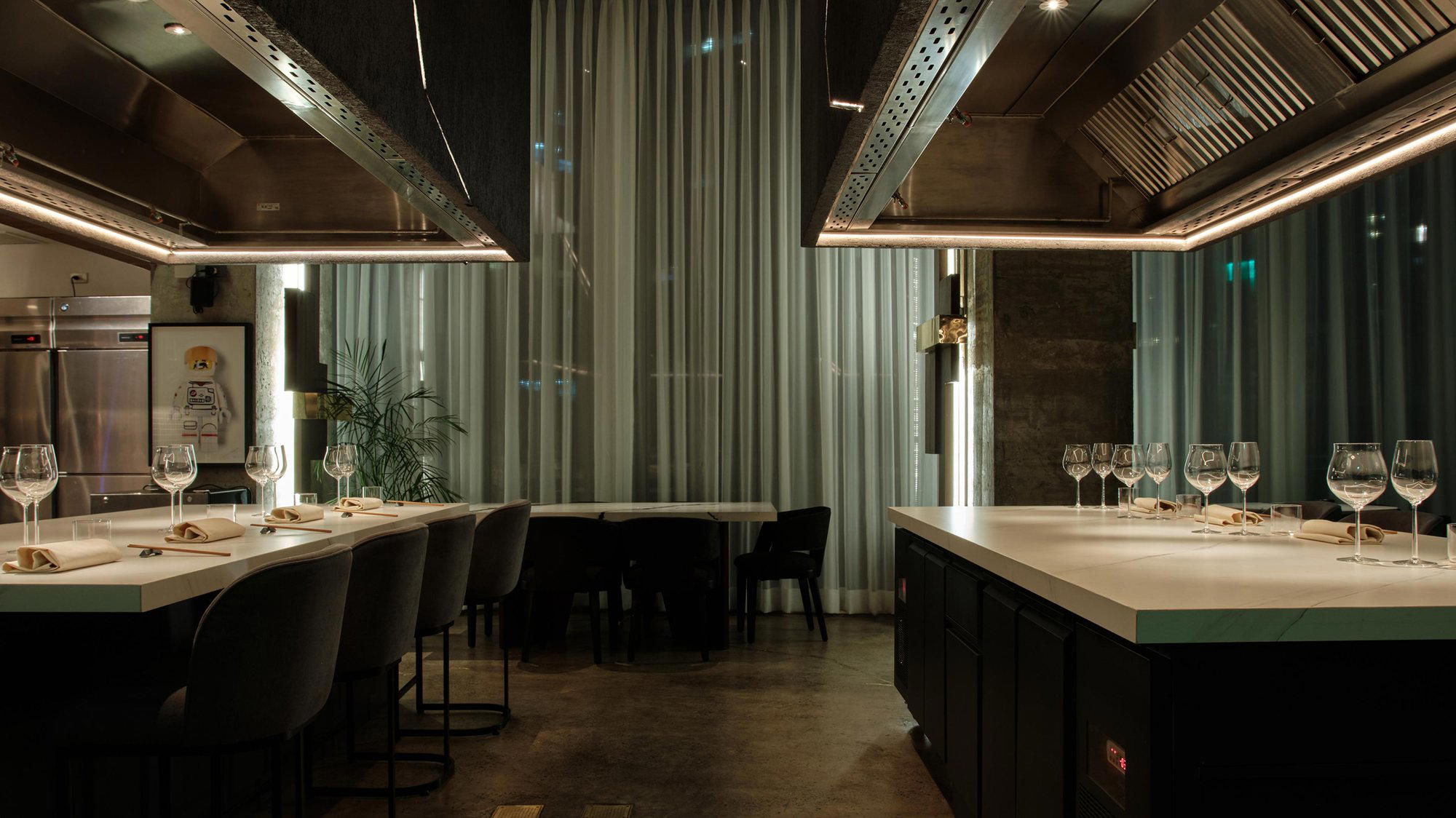
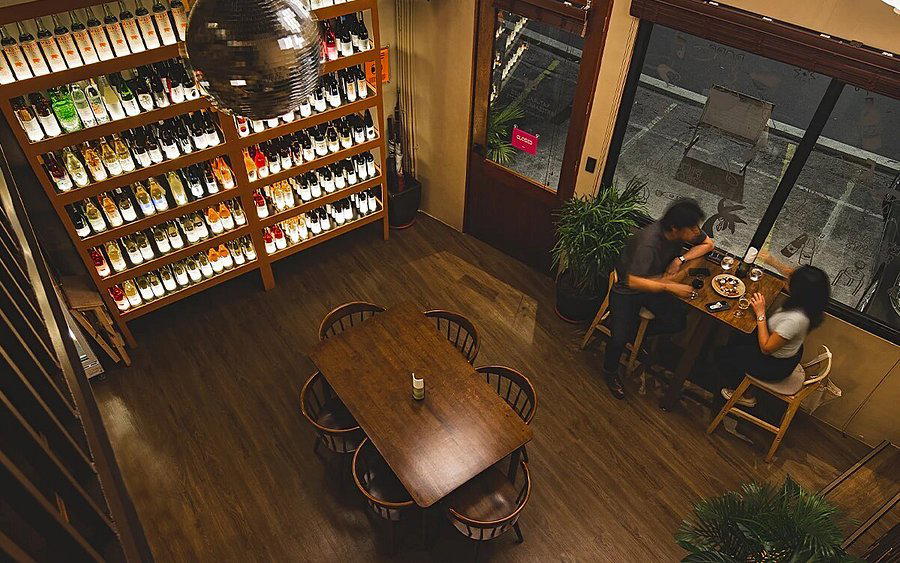
Cozy Japanese atmosphere with booths for privacy, private rooms, window-side tables, and special lighting creating an authentic feel like being in Japan.