Buccaneers Rum & Kitchen
On Don Pedro Street in Makati, Buccaneers Rum & Kitchen occupies a corner of the city where rum-led drinking and kitchen-backed cooking share equal weight on the same menu. The name signals the format: this is a bar that takes its food seriously, or a kitchen that happens to pour well. For Makati's after-work and weekend crowd, that dual identity is precisely the draw.
Pearl is the En Primeur Club membership app — saves, bookings, and concierge access live there. Same editors, same standards.
- Address
- 5668 Don Pedro, Makati City, 1210 Metro Manila, Philippines
- Phone
- +639165463243
- Directions
- Get directions
 Saves & bookings on Pearl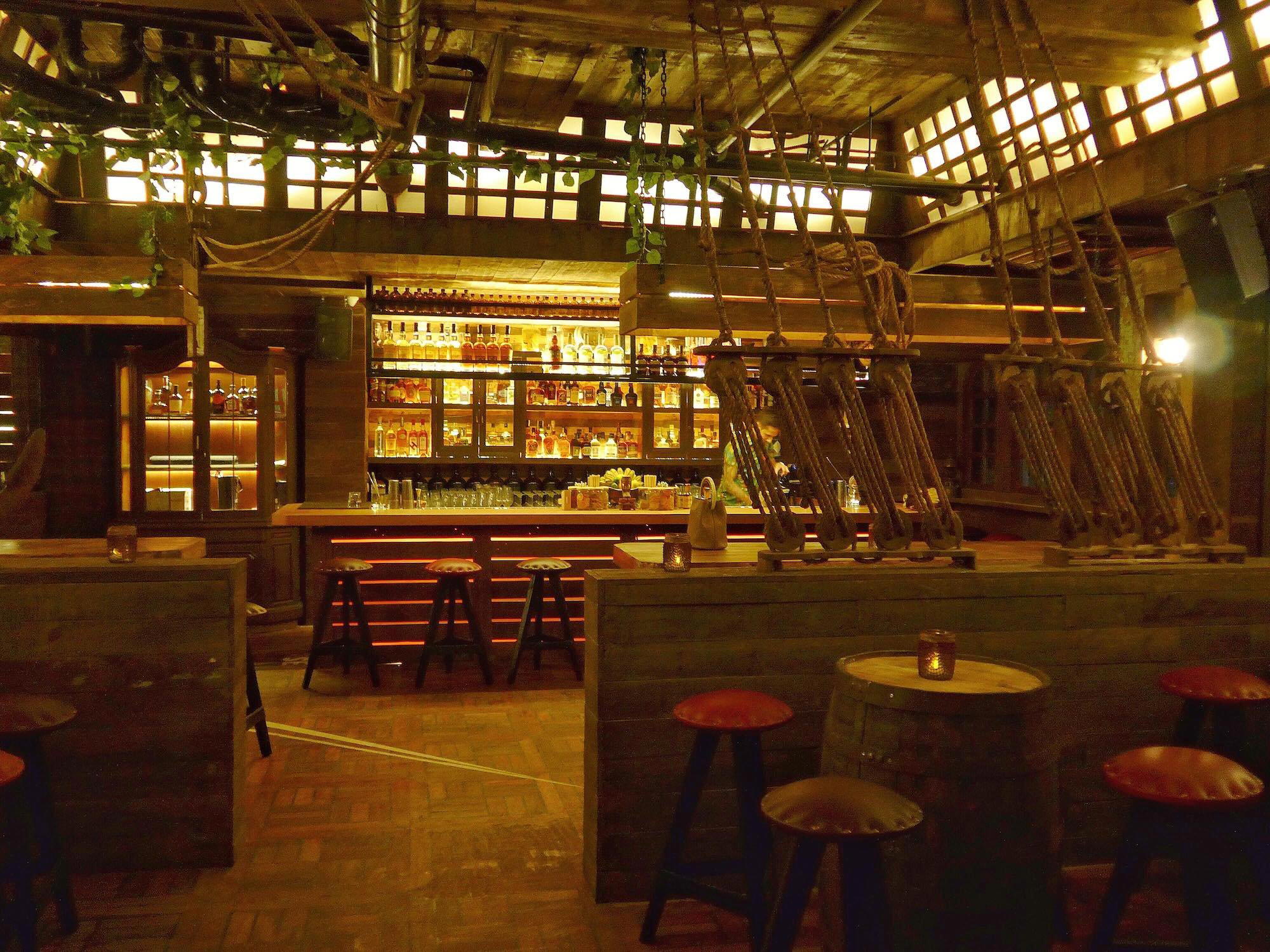
Where the Menu Tells You What Kind of Place This Is
Buccaneers Rum & Kitchen is a Caribbean Rum Bar in Makati City. Some venues lead with cocktails and treat food as an afterthought; others bury the drinks list behind an ambitious kitchen program. Buccaneers Rum & Kitchen, on Don Pedro Street in Makati City, announces its priorities in the name itself: rum comes first, kitchen follows, and the two are framed as co-equals rather than one supporting the other. That architectural decision, to give the spirit category leading billing, positions the venue within a specific tier of Manila's drinking scene, one where the bar program is a genuine reason to visit rather than ambient background to a meal.
The rum-forward identity is worth pausing on. Across Southeast Asia, rum has historically played second string to gin, whisky, and the local spirit categories that dominate bar menus in Manila and its surrounding cities. A venue that plants its flag on rum specifically is making a claim about its competitive positioning, placing itself in a niche comparable set rather than the broader cocktail-bar mainstream. Whether the execution matches that ambition is a question the menu answers, but the framing alone separates Buccaneers from the generalist bar-kitchens that populate Makati's mid-tier drinking circuit.
Makati's Bar-Kitchen Format and Where This Fits
The bar-and-kitchen format has become one of Makati's common dining modes. Unlike the fine-dining arc represented by venues like Hapag (Filipino) or the tasting-menu precision of Helm, bar-kitchens operate in a register where the room's energy matters as much as what arrives on the plate. The kitchen program exists to keep guests at the table longer, to absorb the drinking, and to justify a higher per-head spend than a drinks-only format would sustain. Done well, the food earns its own attention rather than simply performing a supporting role.
In that context, Buccaneers sits in the more casual, accessible bracket of Makati's hospitality offer, a category that serves a different purpose than the destination restaurants that draw bookings weeks in advance. Venues like Celera and Kása Palma occupy adjacent but distinct niches, each with their own approach to the food-and-drink balance. Buccaneers' rum specificity gives it a clearer identity than many competitors in the same price tier, which tend toward a generic cocktail-bar format without a declared specialty.
Don Pedro Street sits in Makati City, where after-work drinking and weekend dining overlap. The address at 5668 Don Pedro places the venue within reach of Makati's residential and commercial core, which shapes the likely guest profile: regulars who return for the consistency of the bar program rather than one-time visitors chasing a reservation.
Reading the Menu Architecture
A bar named for rum and paired with a kitchen is making a specific editorial claim about how the two halves of the experience should relate. Particularly coherent versions of this format use the kitchen program to mirror or extend the spirit's character, building dishes that work alongside aged agricole or spiced expressions rather than simply offering generic bar food. The least coherent versions treat the kitchen as a liability insurance policy against guests drinking too fast.
The safest read of Buccaneers' positioning comes from the name and address alone. The Don Pedro location, in a part of Makati that skews toward neighbourhood regulars rather than destination diners, suggests a kitchen program calibrated for repeat visits rather than first-impression set pieces. That is not a limitation; it is a format discipline. Venues that serve the same crowd week after week develop a consistency that destination restaurants, chasing novelty, often sacrifice. For comparison, Inatô demonstrates how a focused identity in Makati can build a loyal return audience without competing directly with the city's higher-ticket establishments.
Further afield in the Philippines, the relationship between casual format and serious intention plays out across different contexts. Toyo Eatery in Manila and Linamnam in Parañaque show how Filipino kitchens at different price points and ambition levels move through the same tension between accessibility and culinary seriousness. At a regional scale, venues like Antonio's Restaurant in Tagaytay and Asador Alfonso in Cavite point to how far outside Metro Manila serious eating extends, adding context to Makati's position as the metropolitan anchor of Philippine dining.
Planning a Visit
Buccaneers Rum & Kitchen is located at 5668 Don Pedro, Makati City, 1210 Metro Manila. No confirmed booking method, operating hours, or pricing information is available in the current record, so confirming details directly with the venue before visiting is the practical approach. The venue is walk-in friendly, with Friday and weekend evenings likely to be busiest. Arriving earlier in the evening tends to give more room at the bar, which in a rum-led format is where the experience is most coherent.
For those building a wider Makati itinerary, the full Makati restaurants guide covers the city's dining tiers from casual bar-kitchens through to the reservation-required fine-dining circuit. Readers interested in how the bar-kitchen format operates across different Philippine cities can draw comparisons with Lantaw in Cebu and Zubuchon in Cebu City, both of which serve distinct crowd profiles with their own format logic. At the opposite end of the ambition spectrum, Le Bernardin in New York City and Lazy Bear in San Francisco illustrate the global range of what bar-adjacent and chef-driven formats can achieve when the kitchen program carries the full weight of the experience.
Makati's bar-kitchen tier also includes neighbourhood operations of different characters, from the community-trust model demonstrated by Honesty Coffee Shop in Ivana to the cultural ubiquity of Jollibee in Pasay, which occupies an entirely different register but speaks to the same Filipino habit of treating food and drink as social infrastructure. Cebu's Original Lechon Belly in Mandaue and Bellini's in Murphy round out a picture of how varied the casual dining category is across the Philippines, making Buccaneers' rum-specific identity a distinguishing feature rather than a generic claim.
Accolades, Compared
Comparable venues nearby, for context on price, style, and recognition.
| Venue | Cuisine | Price | Awards | Notes |
|---|---|---|---|---|
| Buccaneers Rum & KitchenThis venue — the venue you are viewing | Caribbean Rum Bar | $$ | Not listed | Not listed |
| Milky Way Cafe | Traditional Filipino & International | $$ | Not listed | Makati |
| Fat Cat | Cocktail Bar | $$ | Not listed | Pio del Pilar |
| Bombvinos Bodega | Modern Filipino Bistronomy with Natural Wine | $$ | Not listed | Makati |
| Ayà | Dining | Not listed | Michelin Plate | Makati |
| Aida's Chicken | Bacolod-style Chicken Inasal | $$ | Michelin Plate | Makati |


At a Glance
- Lively
- Trendy
- Casual Hangout
- Late Night
- After Work
- Open Kitchen
- Craft Cocktails
Current opening hours
- Monday
- 6 PM–2 AM
- Tuesday
- 6 PM–2 AM
- Wednesday
- 6 PM–2 AM
- Thursday
- 6 PM–2 AM
- Friday
- 6 PM–4 AM
- Saturday
- 6 PM–4 AM
- Sunday
- 6 PM–2 AM
Hours can change for holidays and private events. Last verified .
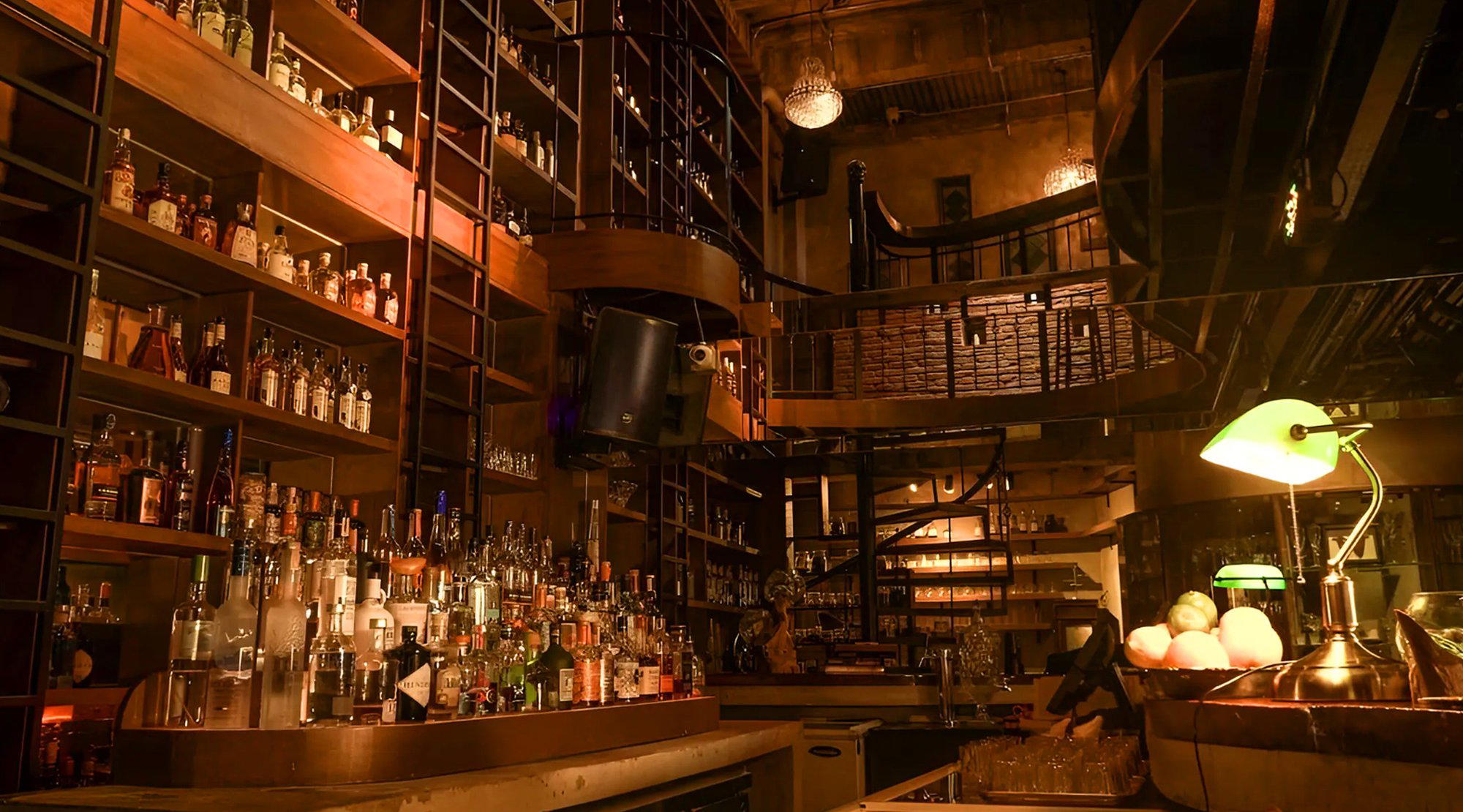
Amber-lit galleon ship interior with wood, rope ladders, barrels, and heavy anchor creating a pirate tavern atmosphere.