Tim Ho Wan
Tim Ho Wan at Glorietta 3 in Ayala Center brings the Hong Kong dim sum institution's Michelin-starred format to Makati's most concentrated dining corridor. The menu centres on the steamed and baked dim sum categories that earned the original Hong Kong branch its star, priced at a tier that undercuts the CBD's white-tablecloth rooms considerably. For shoppers and office workers alike, the Ayala address makes it a particularly accessible entry point into the chain's repertoire in Metro Manila.
Pearl is the En Primeur Club membership app — saves, bookings, and concierge access live there. Same editors, same standards.
- Address
- Glorietta 3, Ayala Center, Makati City, 1224 Metro Manila, Philippines
- Phone
- +63 2 7729 9367
- Website
- timhowan.com
- Directions
- Get directions
 Saves & bookings on Pearl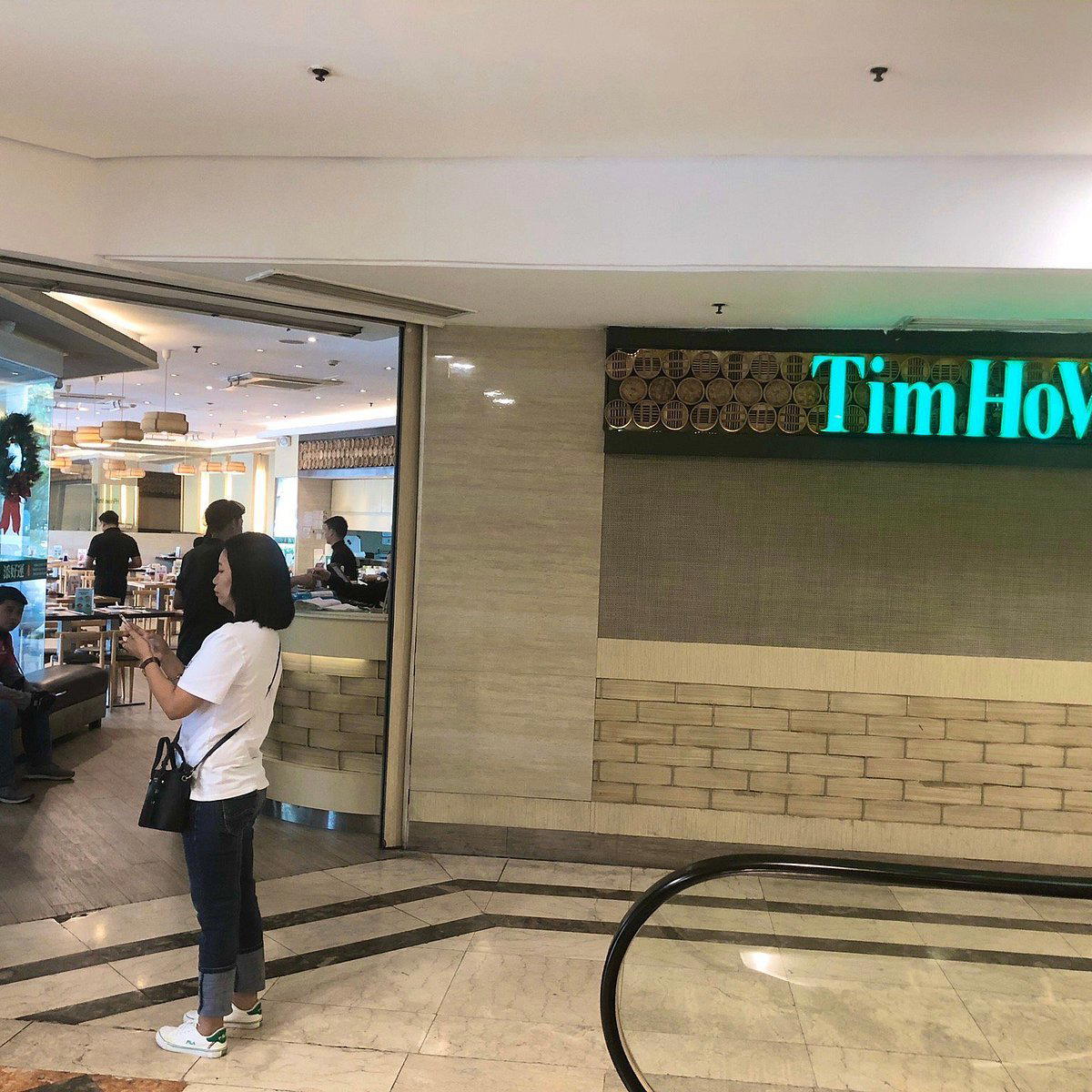
Dim Sum at Mall Scale: What Tim Ho Wan Means Inside Ayala Center
Makati's Ayala Center has always functioned as a pressure valve for the CBD's dining scene, a place where the city's working and shopping populations converge and expect to eat well without committing to a reservation-only tasting format. The Glorietta 3 address of Tim Ho Wan slots directly into that logic. Tim Ho Wan is a Hong Kong dim sum restaurant in Glorietta 3, Ayala Center, Makati City, with a casual dress code, walk-in friendly service, and an average price of about $10 per person. That combination, Michelin credentials at approachable price points, drove global expansion, and the Makati branch sits within that international network, positioned a tier above the mall-food-court category but priced closer to it than to the full-service Cantonese dining rooms found elsewhere in Metro Manila.
The neighbourhood context matters here. Ayala Center is a retail and transit hub, and the restaurant fits that pace well. The restaurant's format, walk-in friendly, fast-paced, focused on shared plates, fits the rhythm of that environment more naturally than the longer, more ceremonial formats at places like Hapag (Filipino) or Helm, both of which operate at a different pace and price register within Makati. Visitors choosing between these rooms are effectively choosing between two different relationships with the city: one deliberate and destination-led, the other immediate and neighbourhood-embedded.
The Dim Sum Tradition Tim Ho Wan Carries Into the Philippines
Cantonese dim sum has deep roots in Metro Manila, partly through the city's substantial Chinese-Filipino community and partly through decades of Hong Kong culinary influence across Southeast Asia. The category spans a wide range, from the trolley-cart yum cha rooms of Binondo, Manila's Chinatown, to the more refined Cantonese dining rooms in hotel corridors, and the restaurant occupies a specific position within that spectrum. Its reputation rests on a short, disciplined menu rather than the encyclopaedic selection of a traditional yum cha house. Frequently discussed items across the global chain's locations are the baked BBQ pork buns, which the brand has consistently used as a differentiating item: the baked format, with a slightly crisp, slightly sweet outer shell, is a contrast to the more common steamed version found across the category. Other staples from the dim sum canon, har gow, siu mai, rice noodle rolls, appear in the menu's structure, executed to a standard that reflects the central training and supply chain discipline the chain uses to maintain consistency across markets.
That consistency is both the value proposition and the tension point for the format. In Hong Kong, the original branch earned its Michelin recognition partly because the quality-to-price ratio was genuinely unusual for a starred venue. In an export context like Makati, the comparison shifts. The question is not whether the restaurant performs well against starred Hong Kong dim sum, but whether it performs well against the local Cantonese dining options available in the same city. For diners already familiar with Manila's Chinese-Filipino dining scene, or those who have eaten at the more considered Filipino tasting rooms like Celera or Kása Palma, the draw is specifically the Michelin provenance and the branded format, rather than a discovery of something new within the city's cuisine ecosystem.
The Ayala Address: Practicalities and Positioning
Glorietta 3 sits within the interconnected Glorietta mall complex, which is linked by covered walkways to Greenbelt and accessible from the Ayala MRT station, one direct public transit point for anyone arriving from central Manila. The walk from the station to Glorietta 3 is direct, and Ayala Center parking is the usual option for drivers. The location is well-served by the ride-hailing platforms that dominate Metro Manila mobility.
The restaurant is walk-in friendly, with queues forming during peak lunch and weekend hours. Diners planning a weekend visit, particularly during Ayala Center's busier Saturday afternoon period, should factor in wait time. The format's pace, high turnover, shared tables in some configurations, means queues move faster than those at full-service restaurants, but a 20-to-30-minute wait at peak periods is a reasonable planning assumption based on the chain's standard operational patterns across similar mall locations in the region.
For those building a longer Makati itinerary around the Ayala corridor, the surrounding food environment is worth considering. Inatô operates nearby for Japanese formats, while the broader Metro Manila scene extends to destination rooms like Gallery By Chele in Manila for high-concept Filipino cuisine, or out to Asador Alfonso in Cavite for a different regional register entirely. Within Parañaque, Linamnam represents the archipelago's home-cooking tradition at a more intimate scale. The restaurant's position in this map is clear: it is the entry point for a globally recognised dim sum format, in the city's most accessible retail-dining corridor, at a price point that sits below the white-tablecloth tier.
Casual chain formats like Gerry's Grill at Ayala Malls Solenad or Gerry's Dumaguete operate in the same broad accessible-dining tier but in an entirely different cuisine register: grilled Filipino comfort food versus Cantonese dim sum. The contrast illustrates how the Philippines' dining middle market draws simultaneously from local tradition and imported international formats.
The Quick Read
Comparable venues nearby, for context on price, style, and recognition.
| Venue | Cuisine | Price | Notes |
|---|---|---|---|
| Tim Ho WanThis venue — the venue you are viewing | Glorietta, Hong Kong Dim Sum | $$ | Not listed |
| Tiong Bahru Hainanese Boneless Chicken | Makati, Hainanese Boneless Chicken Rice | $$ | Not listed |
| Watami Japanese Casual Dining | Ayala Center, Japanese Casual Dining | $$ | Not listed |
| Super Uncle Claypot | Poblacion, Cantonese Claypot Rice | $$ | Not listed |
| Aida's Chicken | Makati, Bacolod-style Chicken Inasal | $$ | Not listed |
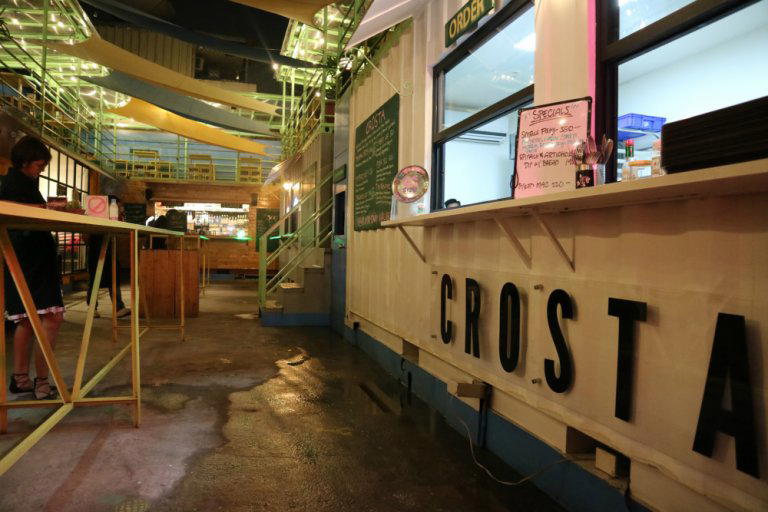
| Crosta | Not listed | $$$ | Poblacion, Neapolitan-style Sourdough Pizza |
Continue exploring
More in Makati
Restaurants in Makati
Browse all →

At a Glance
- Lively
- Trendy
- Casual Hangout
- Family
- Brunch
- Open Kitchen
Current opening hours
- Monday
- 10 AM–9 PM
- Tuesday
- 10 AM–9 PM
- Wednesday
- 10 AM–9 PM
- Thursday
- 10 AM–9 PM
- Friday
- 10 AM–10 PM
- Saturday
- 10 AM–10 PM
- Sunday
- 10 AM–9 PM
Hours can change for holidays and private events. Last verified .
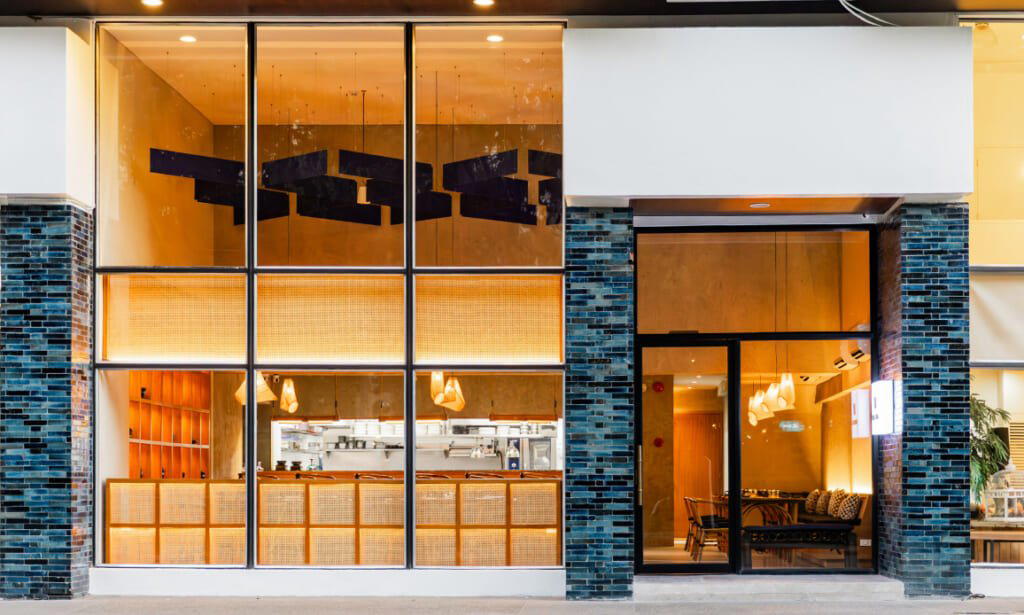
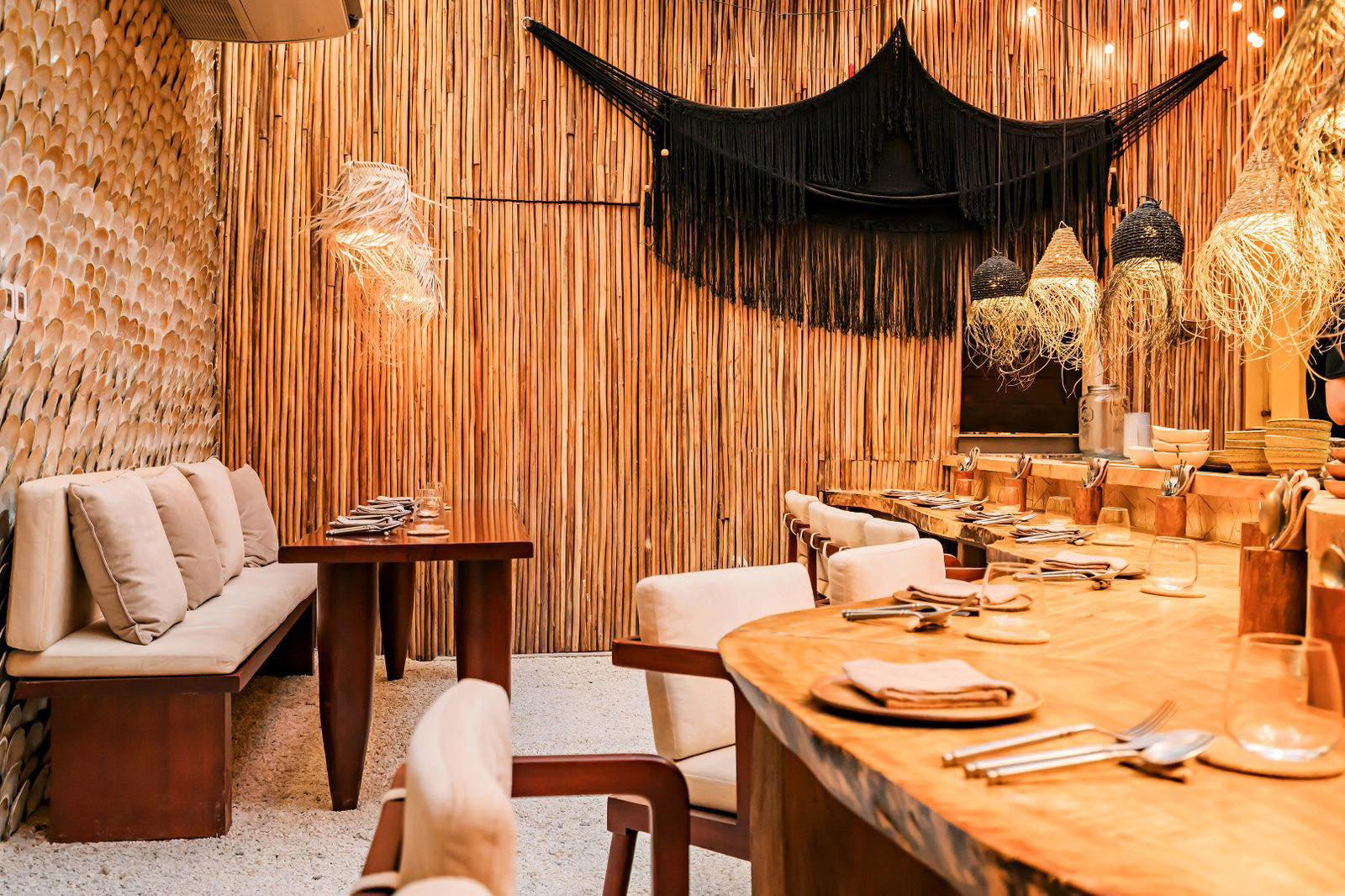
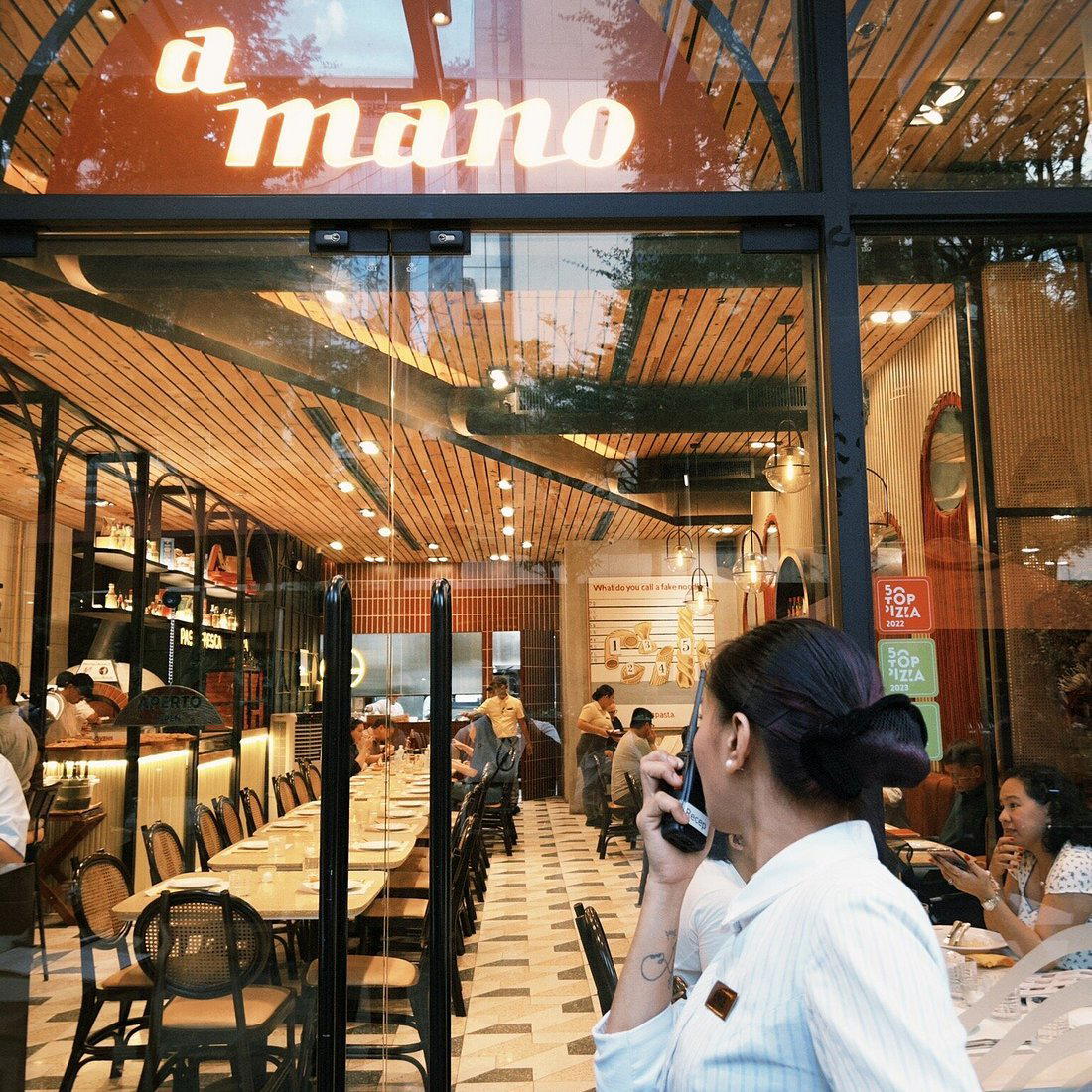
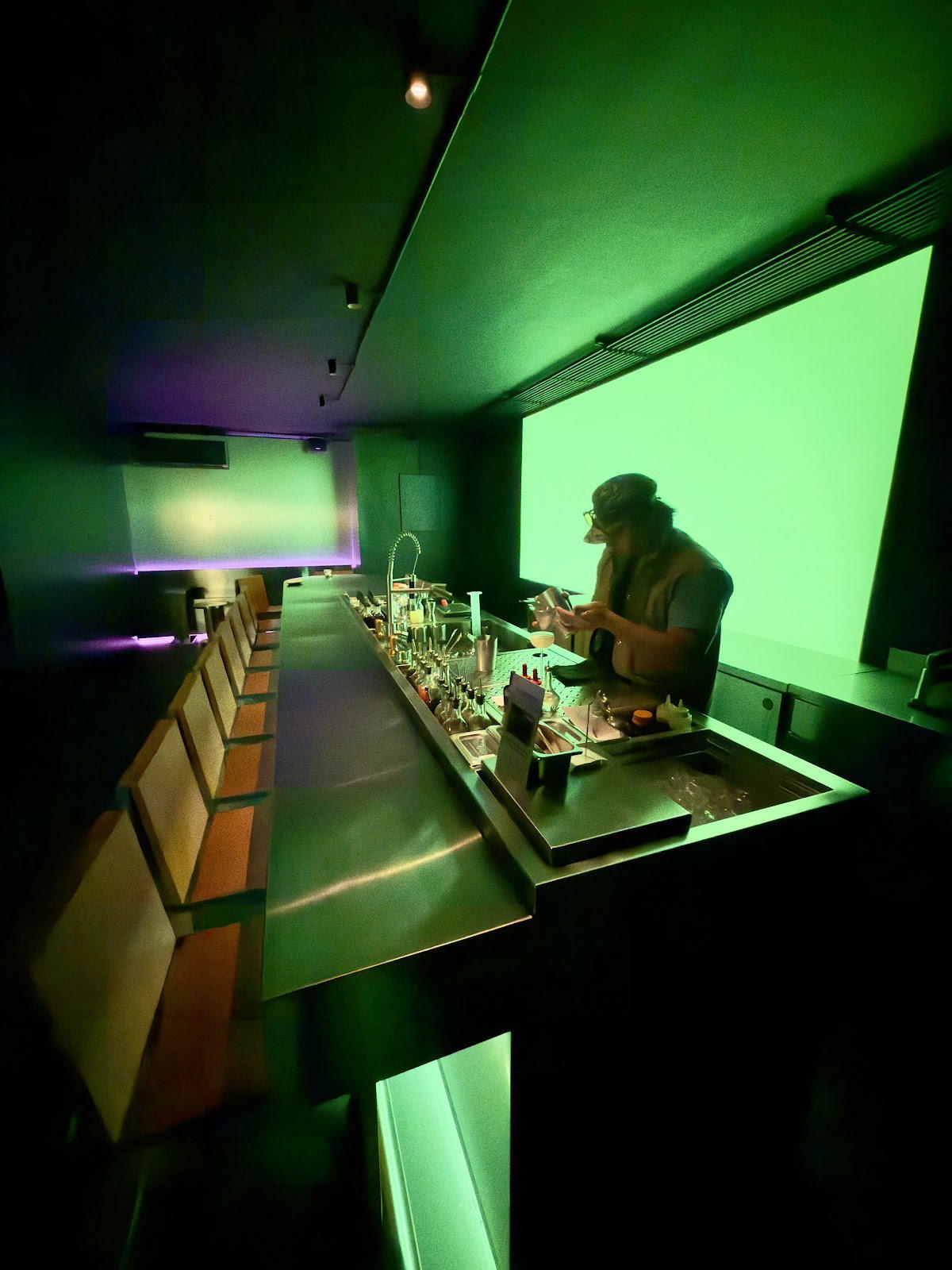
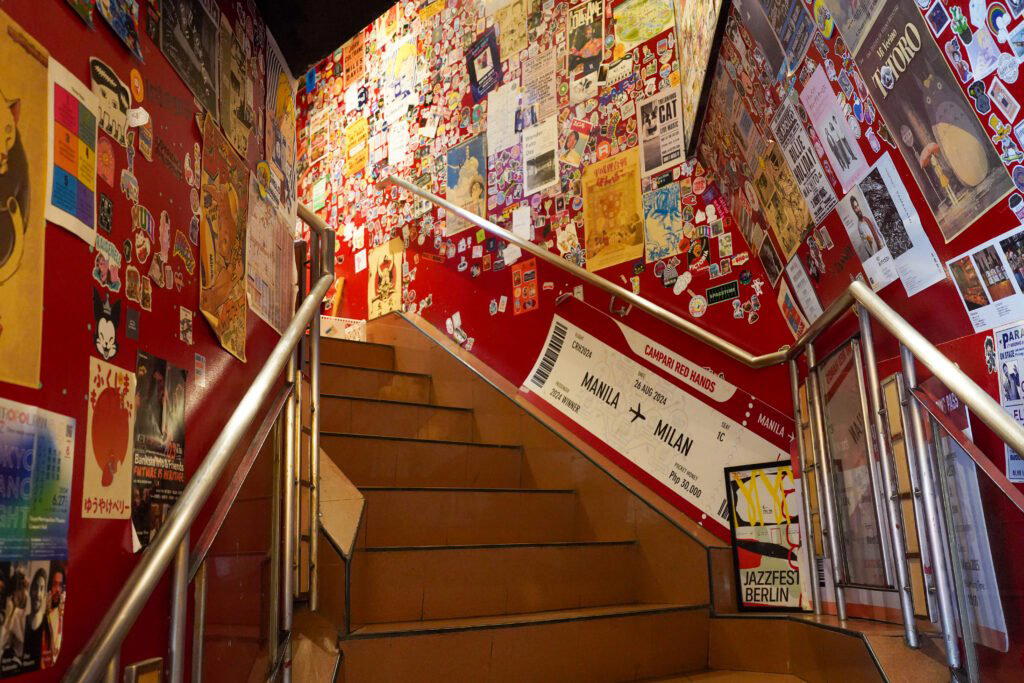
Lively and spacious with Chinese-inspired interior, ideal for daily dining in a bustling mall atmosphere.