Dampa
Dampa at Farmers Market in Quezon City is where Metro Manila's seafood-cooking tradition plays out in its most direct form: choose your fish, crab, or shrimp from the wet market stalls, then hand it to one of the surrounding cook-to-order kitchens. The format is replicated across the city, but the Farmers Market location remains the reference point most Manileños cite first.
Pearl is the En Primeur Club membership app — saves, bookings, and concierge access live there. Same editors, same standards.
- Address
- Farmers Market, 0810 Quezon City, Quezon City
- Directions
- Get directions
 Saves & bookings on Pearl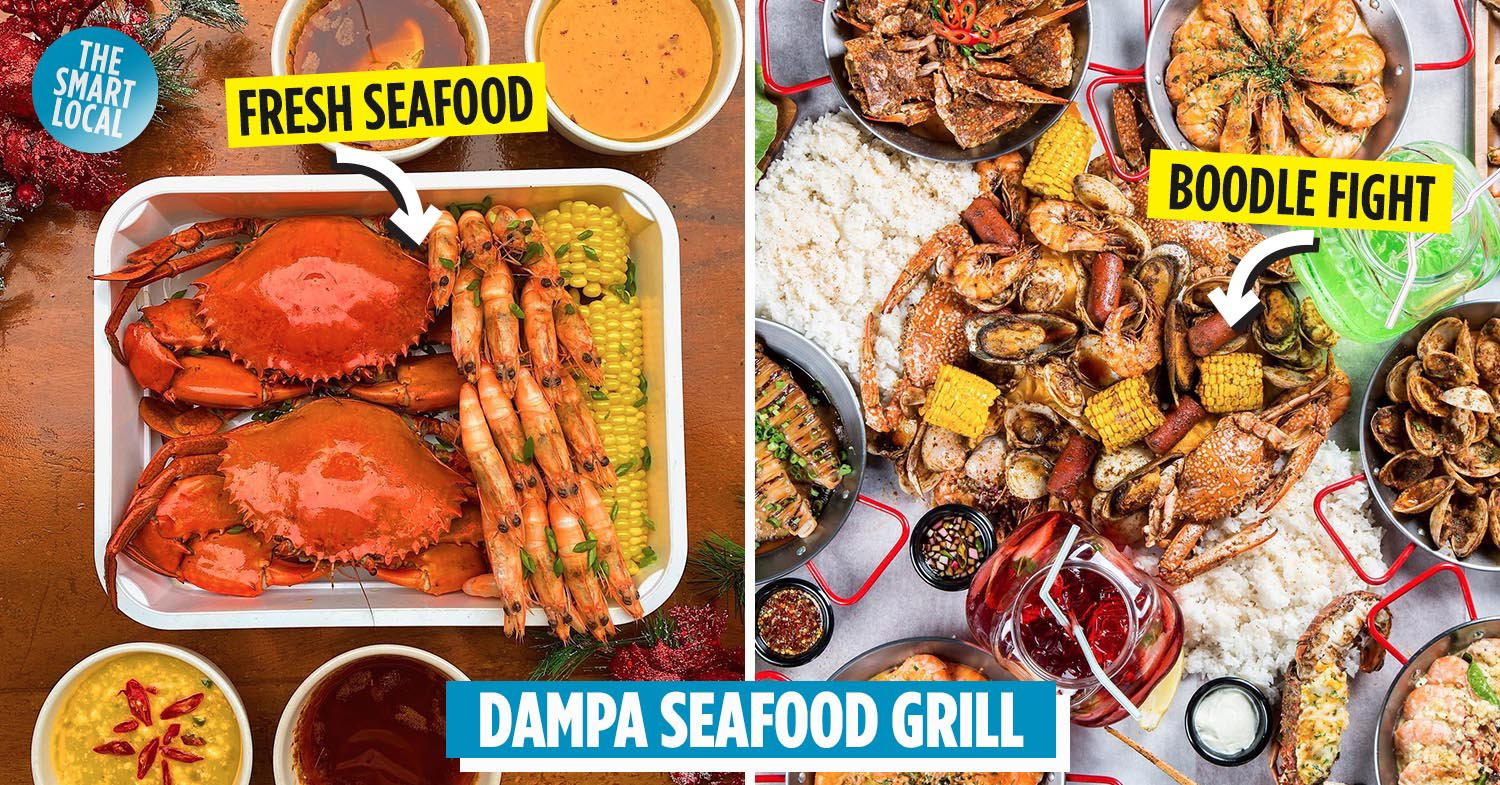
The Market-to-Wok Model That Defines Metro Manila Seafood Eating
There is a style of eating that exists almost nowhere else in Southeast Asia quite the way it does in the Philippines: you walk through a wet market, select raw seafood directly from vendors, negotiate a price, carry your purchase to an adjacent restaurant, pay a cooking fee, and sit down minutes later to a meal prepared from what you just chose. Dampa is a Filipino Seafood Paluto restaurant at Farmers Market in Quezon City, where diners choose live seafood from the wet market and have it cooked to order. The experience is less about a single restaurant than about a system, one where the sourcing is literal and immediate rather than abstracted behind a kitchen door.
Understanding Dampa means understanding this structure. The name refers less to a single establishment and more to a cluster of cooking kitchens that surround the wet market floor at Farmers Market. You buy from the market; you cook at the kitchen. The gap between supply and plate is measured in minutes and walking distance. In a city where restaurant sourcing conversations have become increasingly theoretical, this format makes the supply chain visible in a way that even serious farm-to-table programs at places like Toyo Eatery in Manila do through different means.
Farmers Market, Cubao: What the Wet Market Provides
The Farmers Market at Cubao is one of Metro Manila's older and more established wet market complexes, drawing both household shoppers and restaurant buyers. The seafood section is its anchor. On any given morning, the stalls carry a cross-section of what Philippine waters and aquaculture currently supply: mud crabs from the Visayas and Mindanao, pampano, lapu-lapu (grouper), blue marlin, tiger prawns, squid, and a rotating cast of shellfish depending on the season and the boats. The quality ceiling is set by what arrives each day; there is no fixed menu because there is no fixed supply. This is a fundamental difference from ordering off a printed card at a hotel restaurant or a white-tablecloth venue. The cook works with what you bring.
Seasonal availability matters here in a concrete way. The Philippine fishing calendar means certain species peak at certain times: blue crabs tend to be fuller and heavier during cooler months, while some deep-sea fish arrive in better condition during certain weather windows. Visiting in the early morning, when the market is freshest and selection is widest, is the practical approach that most regular visitors use. By midday, the leading specimens have already moved.
The Cooking Kitchens: Format and What to Expect
Once you've selected and purchased from the market stalls, you carry your seafood to one of the Dampa cooking kitchens that ring the market. These are open, unfussy operations: tiled counters, woks fired on high flame, direct menus of preparation styles. The standard options cover the core of Filipino seafood cooking: sinuglaw (grilled and vinegar-cured), sinigang (tamarind-sour broth), butter garlic, sweet chili, salt-crusted, and steamed with ginger. The cooking fee model means your bill has two components, the raw cost from the market and the preparation charge from the kitchen, which keeps the format transparent and, for the volume and freshness involved, economical relative to ordering the same seafood pre-priced at a sit-down restaurant.
The atmosphere is functional and loud in the way that any market-adjacent operation is: vendors calling out, the smell of charcoal and garlic, plastic chairs and laminated tables. The draw is the directness of the transaction and the quality ceiling that comes from picking your own protein. The Dampa model is its own category.
How Dampa Compares to the Wider Manila Seafood Scene
Metro Manila has other Dampa-format clusters beyond the Farmers Market location. The Macapagal Boulevard location in Pasay runs on the same cook-to-order system. But Quezon City locals and food writers tend to direct first-time visitors to the Farmers Market location for its market depth and daytime energy. The format also has loose relatives elsewhere in the Philippines: the seafood villages in Cebu, the beachside grill operations at places like Lantaw in Compostela, Cebu, or the direct roast traditions represented by Lydia's Lechon in Fairview and Zubuchon in Cebu, all share the same core logic: ingredient quality is the variable that matters most, and the format is designed around showcasing it rather than obscuring it.
Within Quezon City's own dining range, Dampa anchors the value end of serious seafood eating. Gerry's at SM Fairview offers a more conventional sit-down Filipino experience in the same northern QC corridor. Further afield, Asador Alfonso in Cavite and Antonio's in Tagaytay represent the fine-dining end of Philippine provincial eating. Dampa is not competing with any of them. It is doing something structurally different: eliminating the intermediary between the fishing supply chain and the diner's plate.
Planning Your Visit
The Farmers Market complex is in Cubao, accessible from EDSA and well within reach of both the MRT Araneta-Cubao station and the bus interchange. Morning visits, ideally before 10am, offer the widest seafood selection from the market stalls. The Dampa kitchens operate through lunch and into the afternoon; specific hours vary by individual kitchen operator. No advance booking applies to the market-selection process, but during weekend mornings the complex draws significant foot traffic, so arriving early is the practical approach rather than a mere preference. Budget for two separate transactions: the raw seafood purchase at the market stall and the cooking fee at your chosen kitchen.
Side-by-Side Snapshot
Comparable venues nearby, for context on price, style, and recognition.
| Venue | Cuisine | Price | Awards | Notes |
|---|---|---|---|---|
| DampaThis venue — the venue you are viewing | Filipino Seafood Paluto | $$ | Not listed | Not listed |
| Lydia's Lechon Fairview - The Lechon in Manila | Filipino Lechon Specialist | $$ | Not listed | Fairview |
| Deo Gracias | Modern Spanish Tapas | $$ | Michelin Plate | Diliman |
| Frankie's New York Buffalo Wings - SM City Fairview | American Buffalo Wings | $$ | Not listed | SM City Fairview |
| Esmeralda Kitchen | Modern Filipino | $$ | Michelin Plate | Santa Mesa Heights |
| Gerry's SM Fairview | Filipino Grill & Barbecue | $$ | Not listed | Quezon City |
Continue exploring
More in Quezon City
Restaurants in Quezon City
Browse all →
Bars in Quezon City
Browse all →

At a Glance
- Lively
- Rustic
- Family
- Group Dining
- Celebration
- Open Kitchen
- Local Sourcing
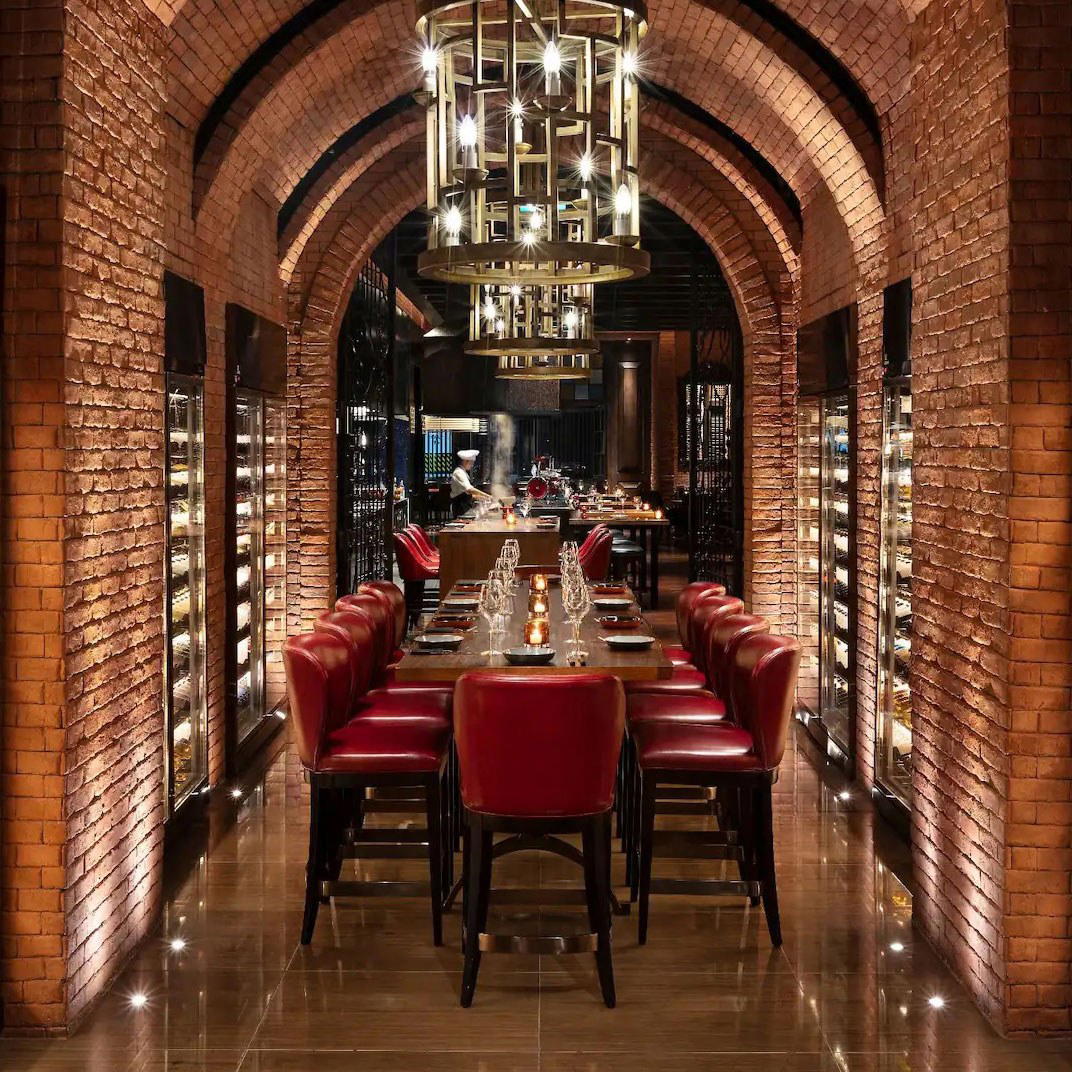
Casual open-air and air-conditioned dining with long communal tables and private rooms featuring videoke, creating a lively family-oriented atmosphere.