Wagyu Kappo Yoshida

Michelin Plate
Our verdict
A 12-seat kappo counter on the 48th floor of KLCC, Wagyu Kappo Yoshida holds consecutive Michelin Plate recognition for its omakase format built around premium Japanese Wagyu. Veteran chef Hattori sequences each course through a different cut, making the progression of the meal itself the point. Seafood alternatives keep the format accessible, and the lunch set represents strong value at this price tier.

Pearl is the En Primeur Club membership app — saves, bookings, and concierge access live there. Same editors, same standards.
- Address
- Unit 3-48, Level 48, 10, Persiaran KLCC, Kuala Lumpur, 50088 Kuala Lumpur, Wilayah Persekutuan Kuala Lumpur, Malaysia
- Phone
- +60 11-1466 9375
- Hours
- Mon–Sat 12–2:30 PM, 6–10:30 PMSun Closed
- Website
- instagram.com
- Directions
- Get directions
- Booking
- Book on the venue's website
The menu
What to order
- Beef Consommé
- Comprehensive Crispy Sirloin
- Beef Curry
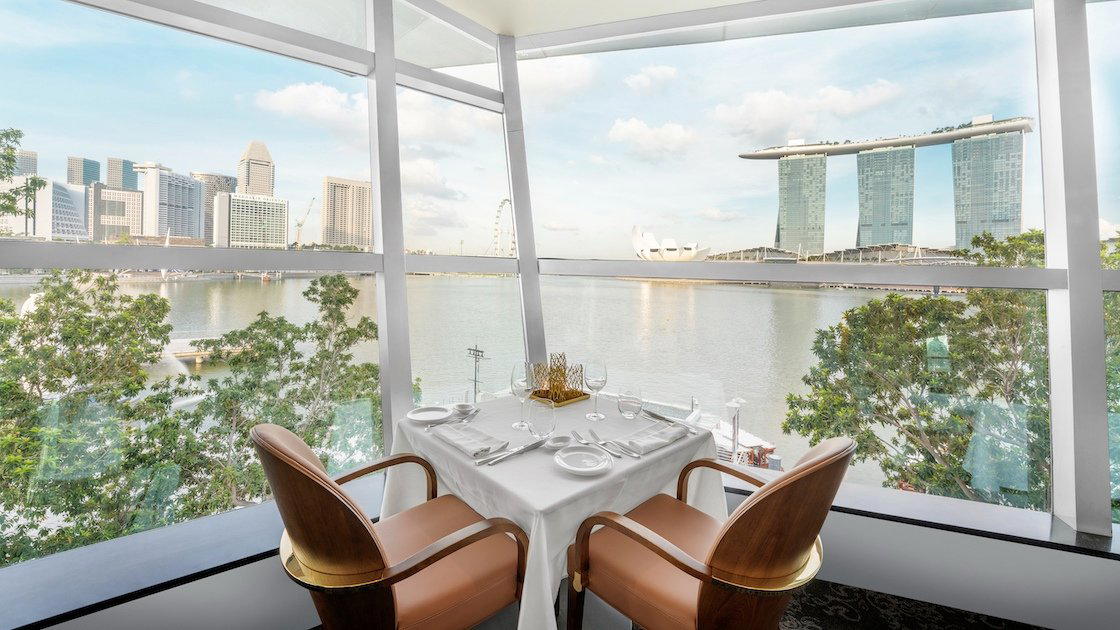
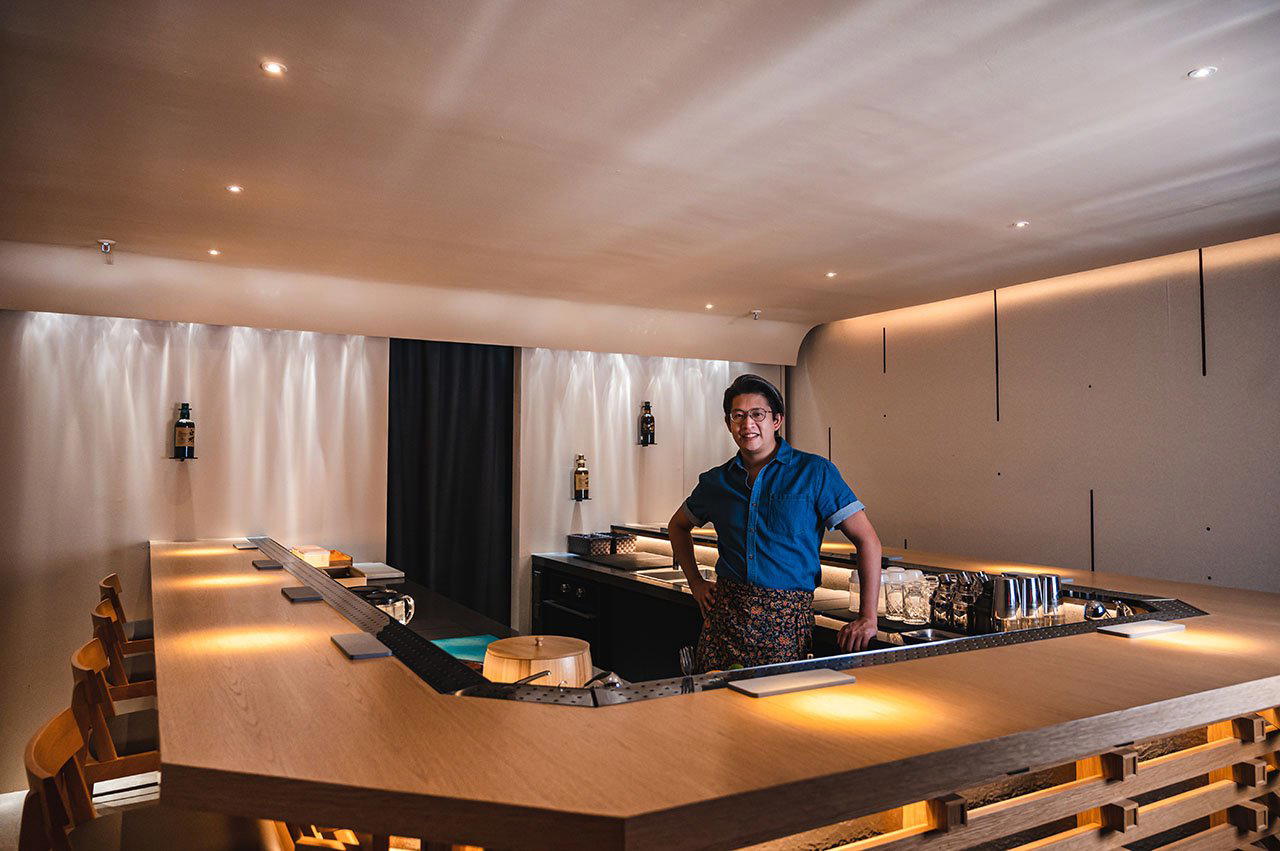
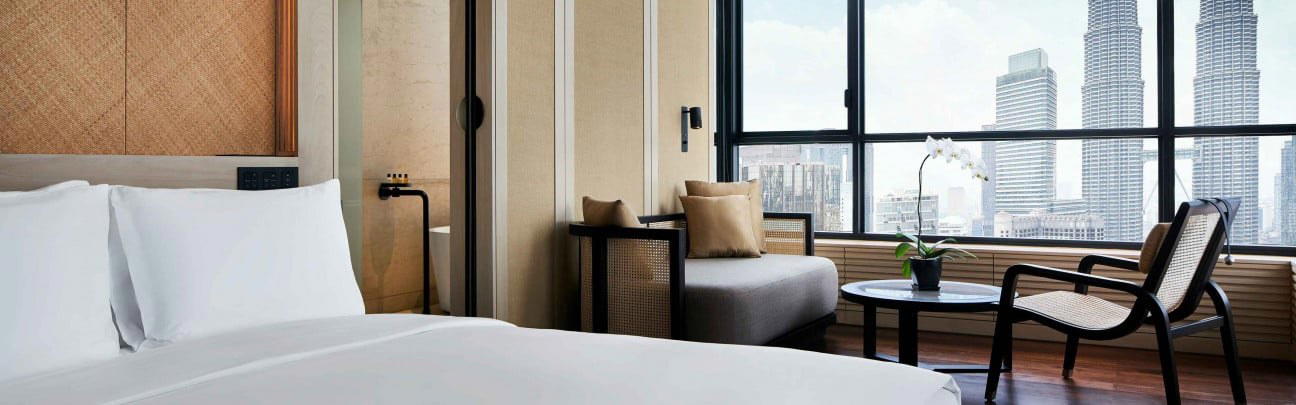
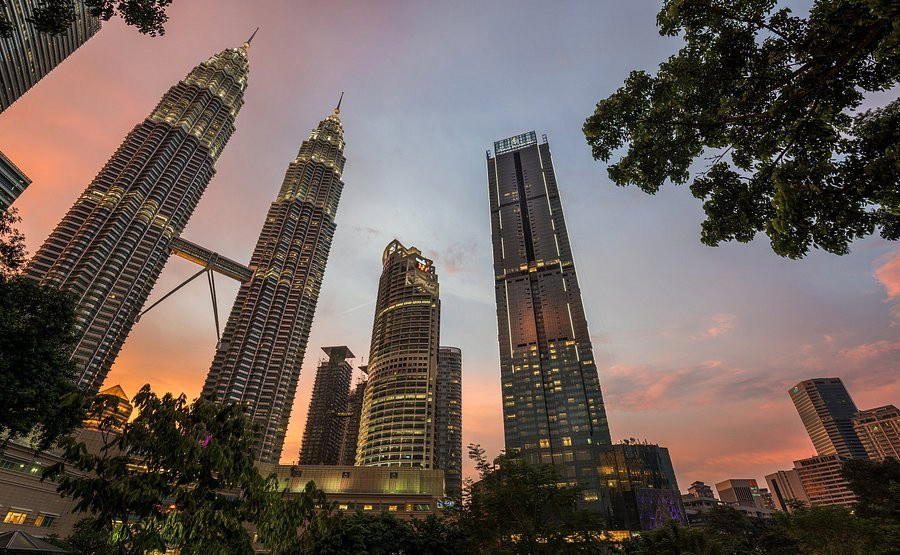
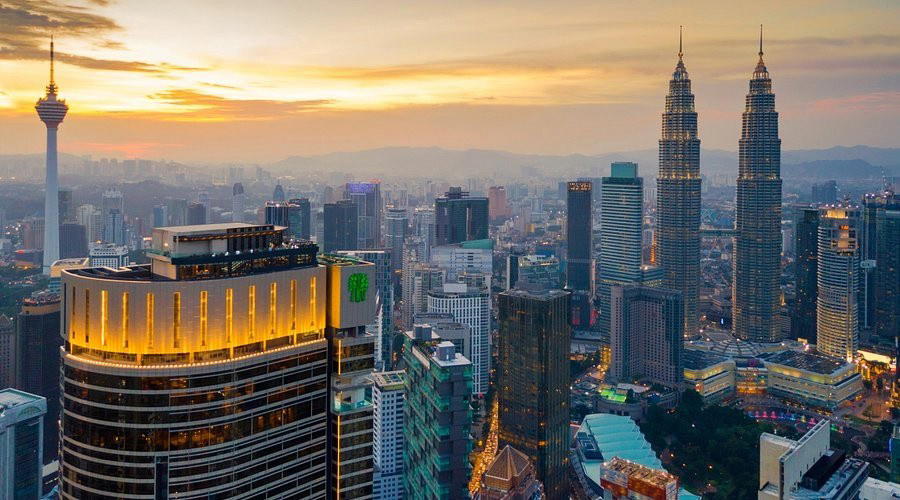
Forty-eight floors above the KLCC precinct, before a single course arrives, the setting makes its argument. The counter looks out over Kuala Lumpur's skyline, and the room holds just 12 seats, arranged so every guest faces the kitchen. This is not incidental architecture — the kappo format depends on proximity. The chef reads the table; the table watches the chef. That exchange, more than any single dish, defines what happens here.
Kappo dining occupies a specific position in Japanese culinary tradition, distinct from the more passive omakase experience at a sushi counter. At a kappo counter, the chef cuts, grills, simmers, and plates within view, adjusting pace and portion to the rhythm of the room. The format has deep roots in Osaka and Kyoto — where counters like Kashiwaya Osaka Senriyama and Isshisoden Nakamura represent the classical register, and has since travelled to Tokyo, where practitioners like Kagurazaka Ishikawa and Azabu Kadowaki have brought it into the Michelin conversation. Wagyu Kappo Yoshida transplants the discipline to Kuala Lumpur, with a single-ingredient focus that narrows the format further: Japanese Wagyu, worked through its full range of cuts across the arc of a meal.
The Progression
The meal's logic is cumulative. Different parts of the animal appear at different moments, and the sequencing is where the chef's judgment is most visible. Leaner cuts tend to appear early, when the palate is fresh and fat needs no mediation. Richer sections, the cuts where intramuscular fat is most concentrated, come later, when smaller portions carry more weight. Each course is a separate argument for a different part of the animal, rather than repetition of a single thesis.
This approach places Wagyu Kappo Yoshida in a different category from the wagyu tasting menus that have proliferated across Southeast Asian fine dining in recent years. Those formats often treat wagyu as a headline ingredient placed atop an otherwise conventional tasting structure. Here, the beef is the architecture. The counter format reinforces this: with 12 seats and no dividing wall between kitchen and guest, each course arrives as a demonstration, not just a delivery. Chef Hattori's role as culinary host, the term used in the kappo tradition, means that the experience is calibrated in real time, not pre-plated in a back kitchen.
For guests who do not eat beef, seafood sets are available, preserving the counter format and the course-by-course structure without the Wagyu focus. This is a considered accommodation rather than a compromise: seafood within the kappo framework still benefits from the same proximity and sequencing logic.
Where This Sits in Kuala Lumpur's Premium Dining Tier
Kuala Lumpur's top-tier dining has diversified considerably over the past decade. The city's premium restaurants now include Malaysian-rooted tasting menus like Dewakan, contemporary formats like Molina and DC. by Darren Chin, and a growing cluster of Japanese counters. Within that Japanese segment, Wagyu Kappo Yoshida occupies a specific niche: kappo rather than sushi omakase, beef-focused rather than seafood-led, and positioned at the leading price tier ($$$$) alongside peers like Ushi.
The Michelin Plate in both 2024 and 2025 places it within the guide's recognised tier, below star level but above the general city listing. In a market where the Michelin Malaysia guide has expanded its reach, a consecutive Plate signals consistent quality rather than a single strong year.
The competitive comparison worth making is not primarily against other Kuala Lumpur Japanese restaurants but against the broader regional kappo category. Tokyo's leading kappo counters, Myojaku among them, benchmark against centuries of urban tradition and a supply chain built around Japan's domestic market. Wagyu Kappo Yoshida uses Japanese-sourced Wagyu directly, which closes part of that gap on the ingredient side, while the chef's kappo training provides the technical grounding the format requires.
Planning the Visit
Restaurant is on Level 48 of the KLCC precinct, with the address at 10 Persiaran KLCC, the same complex anchored by the Petronas Towers. The 12-seat capacity means that advance booking is a practical necessity rather than an optional courtesy; the counter does not have walk-in capacity in any meaningful sense. Lunch represents the clearer value proposition at this price tier: the lunch set and à la carte options run at a lower price point than the full omakase, which makes the format accessible without the full commitment of an evening sitting.
Price range sits at $$$$ across all formats, which aligns it with the upper tier of Kuala Lumpur's tasting-menu circuit. For context, Beta operates one tier below at $$$ and covers different culinary ground entirely. For broader planning across the city's dining, drinking, and accommodation options, the full Kuala Lumpur restaurants guide, hotels guide, bars guide, wineries guide, and experiences guide provide the wider frame.
For those travelling more broadly through Malaysia, the country's dining range extends from Michelin-recognised hawker traditions, Auntie Gaik Lean's Old School Eatery in George Town and Bee See Heong in Seberang Perai, to resort dining at properties like The Planters at The Danna in Langkawi. Wagyu Kappo Yoshida occupies the opposite end of that spectrum: minimal covers, maximum preparation, and a format that rewards the guest who arrives with time and appetite rather than a schedule.
What to Order
What should I order at Wagyu Kappo Yoshida?
The omakase format makes the ordering decision for you, the chef sequences courses through different cuts of Japanese Wagyu, so the meal itself is the order. The question is which format to book: the full counter omakase in the evening gives the most complete version of the tasting progression, while the lunch set and à la carte options offer access to the same kitchen and counter at a lower price point. Guests who do not eat beef should request the seafood set at the time of booking, as the kitchen tailors the kappo format accordingly. Given the 12-seat capacity and the Michelin Plate recognition across two consecutive years, reservations should be made well in advance of your intended visit.
Cuisine Lens
| Venue | Cuisine | Price | Awards | Notes |
|---|---|---|---|---|
| Wagyu Kappo YoshidaThis venue — the venue you are viewing | Beef Omakase | $150–200 | Michelin Plate | Not listed |
| Dewakan | Modern Malaysian Fine Dining | $150–200 | 2 Michelin Stars · World's 50 Best #62 | Malaysian |
| Beta | Modern Malaysian Fine Dining | $100–150 | 1 Michelin Star · La Liste Top Restaurants | Malaysian |
| Molina | Avant-Garde European Fine Dining | $150–200 | 1 Michelin Star | Innovative |
| DC. by Darren Chin | French Contemporary Fine Dining | Not listed | 1 Michelin Star · La Liste Top Restaurants | French Contemporary |
| Ah Hei Bak Kut Teh | Traditional Herbal Bak Kut Teh | $10–20 | Michelin Bib Gourmand | Not listed |
Recognition history
Dated appearances from independent guides and award organizations, with the underlying list record or original source where available.
Michelin Plate
Michelin
Full recognition history (3 entries)
Michelin Plate
Michelin
Michelin Plate
Michelin
Continue exploring
More in Kuala Lumpur
Restaurants in Kuala Lumpur
Browse all →
Bars in Kuala Lumpur
Browse all →
Wagyu Kappo Yoshida
The wine
- Wine program
- Curated wine list
- Sake program
Details
- Intimate
- Elegant
- Sophisticated
- Special Occasion
- Date Night
- Chefs Counter
- Open Kitchen
- Sake Program
- Skyline
- Omakase
- Counter Dining
- Sake
Current opening hours
- Monday
- 12–2:30 PM, 6–10:30 PM
- Tuesday
- 12–2:30 PM, 6–10:30 PM
- Wednesday
- 12–2:30 PM, 6–10:30 PM
- Thursday
- 12–2:30 PM, 6–10:30 PM
- Friday
- 12–2:30 PM, 6–10:30 PM
- Saturday
- 12–2:30 PM, 6–10:30 PM
- Sunday
- Closed
Hours can change for holidays and private events. Last verified .
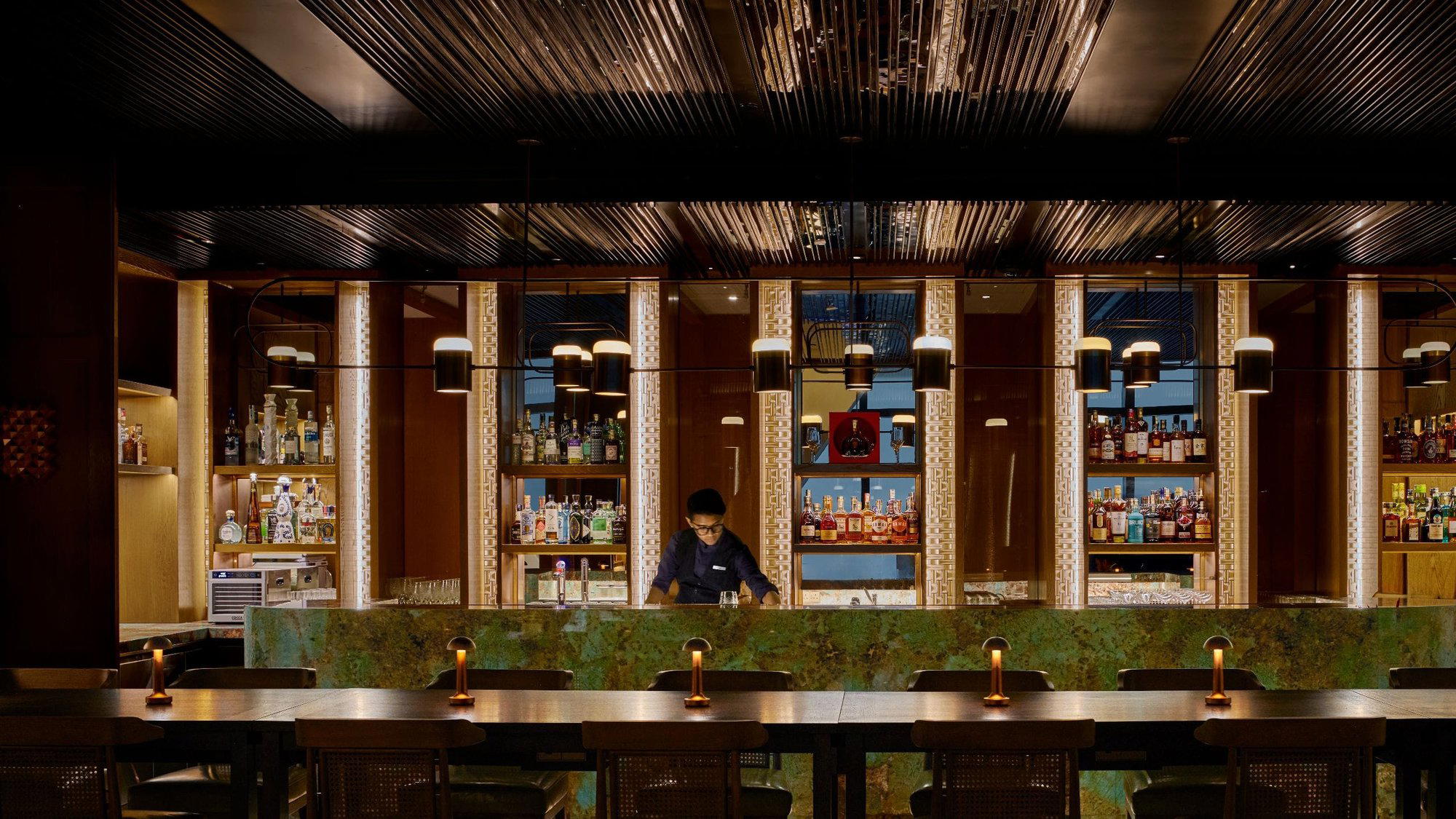
Intimate counter dining on the 48th floor with great city views, exuding luxury through attentive service and masterful chef preparations.