Ushi

Michelin Plate
Our verdict
Ushi is a 12-seat omakase counter at KL Sentral where a kaiseki-influenced menu centres on Ozaki beef — presented as sashimi with sea urchin and grilled over binchō-tan charcoal. A curated sake list and close counter service complete the format. The Michelin Plate (2025) confirms its position in Kuala Lumpur's small tier of serious Japanese dining rooms.

Pearl is the En Primeur Club membership app — saves, bookings, and concierge access live there. Same editors, same standards.
- Address
- Jalan Stesen Sentral 2, Kuala Lumpur Sentral, 50470 Kuala Lumpur, Wilayah Persekutuan Kuala Lumpur, Malaysia
- Phone
- +60 3-2727 6688
- Website
- taka-ushi.com
- Directions
- Get directions
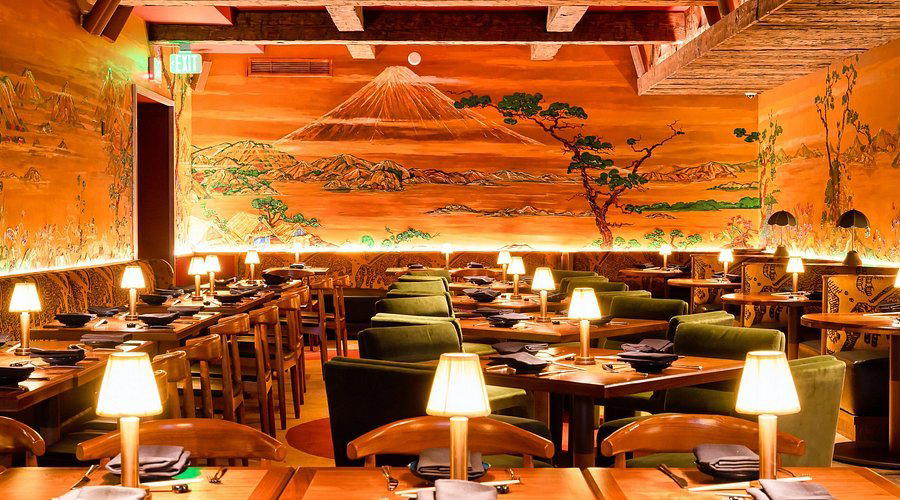
A Counter Format Built Around a Single Ingredient
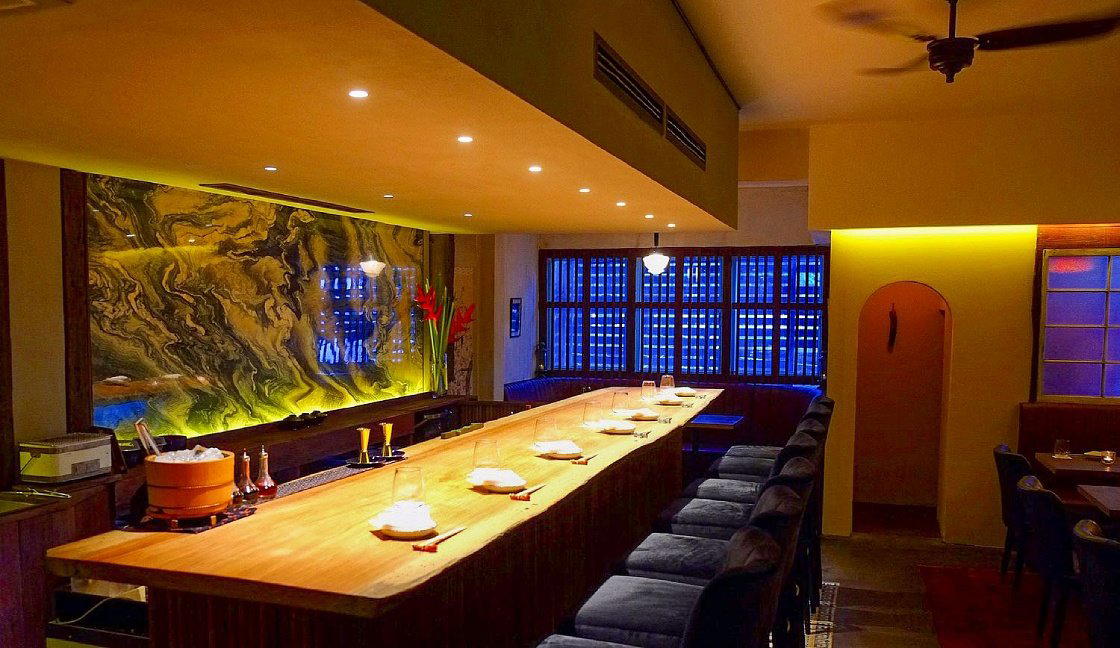
The counter restaurant as a format carries a particular logic: reduce the distance between kitchen and guest, and every decision the kitchen makes becomes legible. Kuala Lumpur has adopted this format with growing seriousness over the past decade, and Ushi, situated within the KL Sentral commercial district at Jalan Stesen Sentral 2, represents one of the more focused executions of it. The room announces its intent immediately — a black wave motif at the entrance opens into a space holding just 12 counter seats arranged around a central cooking station. Nothing about the proportions is accidental. At this scale, the kitchen is not a back-of-house operation but a stage, and the meal becomes a conversation conducted through courses.
That spatial logic matters more than it might seem in a city where Japanese dining spans an enormous range, from casual ramen shops to multi-course kaiseki rooms. Ushi positions itself at the structured end of that range, with an omakase kaiseki-style format that eliminates choice in the conventional sense and replaces it with sequencing. The guest's job is to follow where the kitchen leads.
Ozaki Beef as the Editorial Thread
Most omakase counters in Southeast Asia organise themselves around seafood — the progression of fish, shellfish, and rice that defines the sushi-forward model. Ushi operates on a different premise, placing Ozaki beef at the centre of the menu as its primary ingredient rather than an occasional flourish. Ozaki beef, raised by Muneharu Ozaki in Miyazaki Prefecture using a method that prioritises slow growth and natural feed over the standard industrial timeline, has earned a dedicated following among Japanese cattle connoisseurs. The marbling is notable, but what separates it from the broader wagyu category is texture: a tenderness that resists the heaviness common in highly marbled cuts.
The menu applies this ingredient across multiple preparations. Beef sashimi paired with sea urchin is among the documented courses, a pairing that works on a textural and temperature logic, the cool, briny urchin cutting against the silkiness of the raw beef. A separate preparation over binchō-tan charcoal takes the same ingredient in a different direction, using the sustained, smokeless heat of white charcoal to develop a surface crust while preserving the interior character of the meat. Binchō-tan is not decorative, it burns at a consistent, high temperature without the volatile compounds of ordinary charcoal, making it a precise instrument rather than a rustic gesture. The kitchen's choice to use it signals an orientation toward technique over spectacle.
This approach to a single premium ingredient across multiple preparations connects Ushi to a broader kaiseki principle: the menu as a seasonal or thematic argument, with each course serving as evidence for the same underlying proposition. At Ushi, that proposition is the range and depth available within a single product when the surrounding preparations are calibrated carefully. Comparable kaiseki arguments can be found at counters like Isshisoden Nakamura in Kyoto or Kashiwaya Osaka Senriyama, where seasonal produce anchors multi-course menus in a similar way. Kagurazaka Ishikawa in Tokyo and Azabu Kadowaki offer useful reference points for the kaiseki counter format at its most refined. Seeing how Ushi handles the same structural logic, transplanted into a Southeast Asian context, is part of what makes the experience editorially interesting.
The Collaboration at the Counter
The editorial angle at a 12-seat counter is almost always team dynamics, because the format makes those dynamics visible. There is nowhere to hide a mismatch between kitchen timing, floor service, and beverage pacing when the guest is seated directly in front of all three. Ushi's counter configuration means that the interaction between the chef, whoever is managing the sake service, and the front-of-house rhythm of the room is part of what the guest is buying, not incidentally, but structurally.
The sake program deserves attention as a component in its own right. A curated collection served in high-quality glassware signals that the beverage side of the meal has been treated as an integral element rather than an afterthought. In a kaiseki format where individual courses are sequenced to build and shift across the meal, sake pairings function as punctuation, marking transitions, reinforcing or contrasting flavour direction, and extending the logic of the menu into a second sensory register. The quality of glassware may seem peripheral, but it is not: sake served in well-formed glass at the correct temperature reads differently than sake served in ceramic at room temperature, and the choice to invest here reflects an understanding of how the beverage contributes to the overall cadence.
Chef's background, documented as spanning decades across senior kitchen roles, provides the structural authority for this ambition. That depth of experience does not guarantee a successful meal, but it does shape the internal grammar of a kaiseki menu, the logic of progression, the relationships between courses, the discipline to hold back rather than accumulate. At Myojaku in Tokyo, a comparable counter seriousness operates within a similarly small format. Ushi imports that sensibility into KL's dining scene.
Where Ushi Sits in KL's Premium Japanese Tier
Kuala Lumpur has developed a small but substantive tier of serious Japanese dining rooms, and Ushi occupies a specific position within it. The Michelin Plate recognition in the 2025 guide places it within the inspector-noted category, a designation that indicates quality cooking merits attention, positioned below starred status but above the general field. For a single-ingredient omakase counter with 12 seats, that recognition carries weight without overstating the case.
The nearest comparable in KL's Japanese category is Wagyu Kappo Yoshida, which also centres premium Japanese beef within a kappo format. The distinction between the two lies in structural emphasis: Ushi's kaiseki-influenced sequencing and the Ozaki breed specificity position it toward the omakase end of the spectrum, where the menu functions as a singular, pre-determined arc rather than a selection from a broader kappo repertoire.
Beyond the Japanese category, Ushi competes for the same guest as KL's other $$$$-tier tasting-menu rooms. Dewakan and Beta offer Malaysian-rooted tasting formats; DC. by Darren Chin and Molina occupy the French Contemporary and Innovative categories at the same price tier.
Planning Your Visit
Ushi operates from its address at Jalan Stesen Sentral 2, KL Sentral, a location with good transport connectivity for a city where traffic can complicate timing. The counter holds 12 seats, and advance booking is strongly advised given that capacity. A restaurant operating at this scale fills its limited seats quickly, particularly for weekend services. The pricing sits at the $$$$ tier, consistent with the Michelin-noted Japanese omakase category in Southeast Asia. For visitors planning a broader week across the city's premium dining tier, our full Kuala Lumpur restaurants guide maps the category in detail; our Kuala Lumpur hotels guide, bars guide, wineries guide, and experiences guide round out the planning picture. For those extending beyond KL, Auntie Gaik Lean's Old School Eatery in George Town, Bee See Heong in Seberang Perai, and The Planters at The Danna in Langkawi represent the wider Malaysian dining picture worth building around.
Frequently asked questions
at Ushi?
The menu at Ushi is omakase, meaning there is no ordering in the conventional sense, the kitchen determines the sequence. Within that format, the most documented preparations centre on Ozaki beef: the beef sashimi with sea urchin and the binchō-tan grilled beef are the courses most associated with the restaurant's identity, and both reflect the kitchen's argument for this specific ingredient. The sake pairing, served in quality glassware, is the natural complement given the overall format and has been noted as a considered program rather than a perfunctory list. Arriving having booked in advance, and allowing the full counter experience to unfold at the kitchen's pace, is how the meal is designed to be received.
Same-City Peers
A quick peer check to anchor this venue’s price and recognition.
| Venue | Cuisine | Price | Awards | Notes |
|---|---|---|---|---|
| UshiThis venue — the venue you are viewing | Japanese Ozaki Beef Kaiseki | $200–300 | Michelin Plate | Not listed |
| Dewakan | Modern Malaysian Fine Dining | $150–200 | 2 Michelin Stars · World's 50 Best #62 | Malaysian |
| Beta | Modern Malaysian Fine Dining | $100–150 | 1 Michelin Star · La Liste Top Restaurants | Malaysian |
| Molina | Avant-Garde European Fine Dining | $150–200 | 1 Michelin Star | Innovative |
| DC. by Darren Chin | French Contemporary Fine Dining | Not listed | 1 Michelin Star · La Liste Top Restaurants | French Contemporary |
| Ah Hei Bak Kut Teh | Traditional Herbal Bak Kut Teh | $10–20 | Michelin Bib Gourmand | Malaysian |
Recognition history
Dated appearances from independent guides and award organizations, with the underlying list record or original source where available.
Michelin Plate
Michelin
Full recognition history (3 entries)
Michelin Plate
Michelin
Michelin Plate
Michelin
Continue exploring
More in Kuala Lumpur
Restaurants in Kuala Lumpur
Browse all →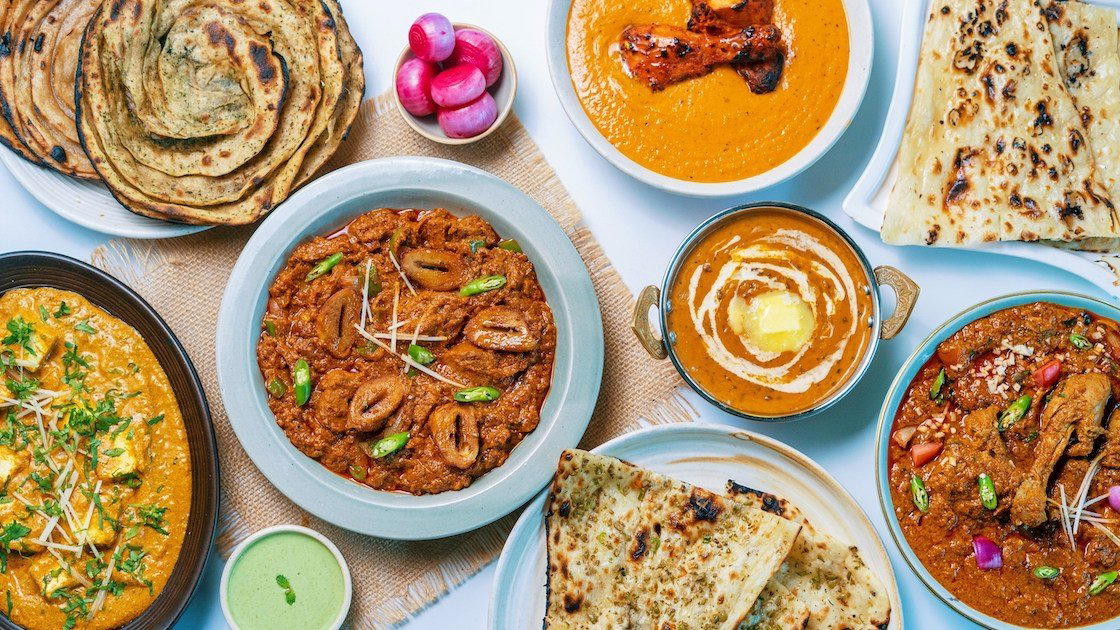
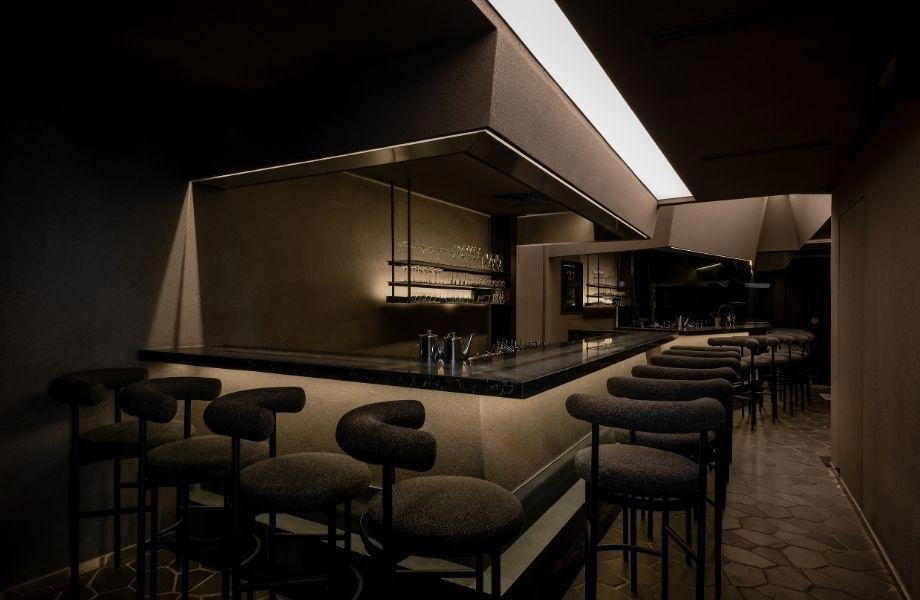
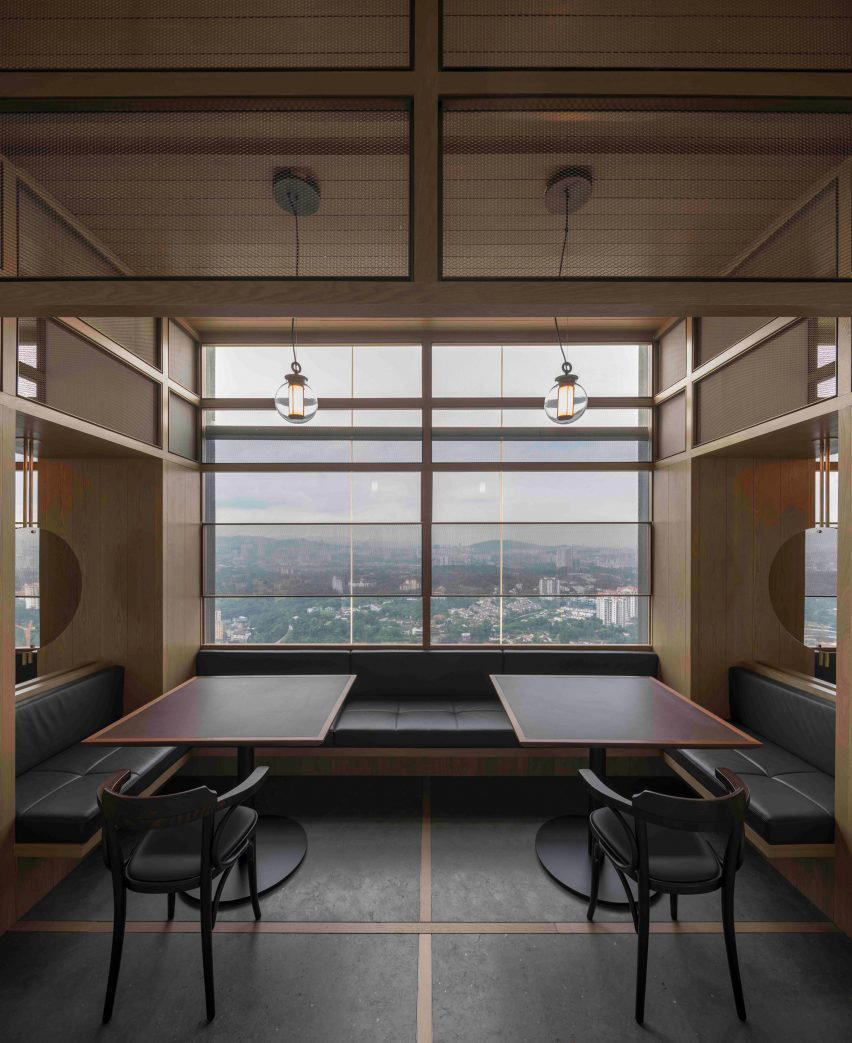
Bars in Kuala Lumpur
Browse all →
Details
- Intimate
- Elegant
- Sophisticated
- Date Night
- Business Dinner
- Special Occasion
- Chefs Counter
- Open Kitchen
- Hotel Restaurant
- Sake Program
- Omakase
- A La Carte
- Tasting Menu
- Sake
- Vegetarian Friendly
Elegant black wave entrance to an intimate room with 12 counter seats facing the cooking station, described as a refined sanctuary.