Banyan Tree Kuala Lumpur


Occupying the upper floors of a Golden Triangle tower on Jalan Conlay, Banyan Tree Kuala Lumpur positions itself at the intersection of resort-style amenities and city-centre access. The rooftop bar Vertigo delivers cocktails against a panorama that takes in the Petronas Twin Towers, while the Banyan Tree Spa runs on a traditional Asian wellness model backed by a 250-hour therapist training standard.
Pearl is the En Primeur Club membership app — saves, bookings, and concierge access live there. Same editors, same standards.
- Address
- 2, Jalan Conlay, Kuala Lumpur, 50450 Kuala Lumpur, Wilayah Persekutuan Kuala Lumpur
- Phone
- +60 3-2113 1888
- Website
- banyantree.com
- Directions
- Get directions
 Saves & bookings on Pearl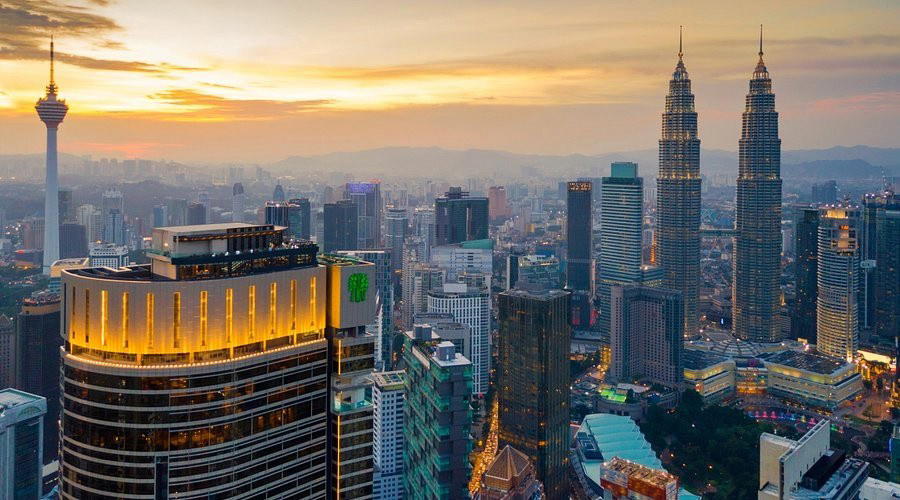
Skyline Altitude and the Golden Triangle Address
Kuala Lumpur's upper-tier hotel market clusters around two competitive poles: the sprawling international flagships anchored near KLCC, and the smaller-footprint properties that trade on design or brand identity. Banyan Tree Kuala Lumpur sits in the latter group, occupying the upper floors of a mixed-use tower at 2 Jalan Conlay, deep inside the Golden Triangle. From that position, the hotel inherits one of the city's more legible skyline orientations, with the Petronas Twin Towers visible from guest rooms, bathrooms, and the rooftop bar. The address also places it within walking distance of Pavilion KL, and a series of covered corridors and skybridges allows guests to reach the Twin Towers precinct without stepping onto the street, a practical advantage in a city where afternoon heat and rain can arrive simultaneously.
What the Rooftop Bar Signals About the Hotel's Priorities
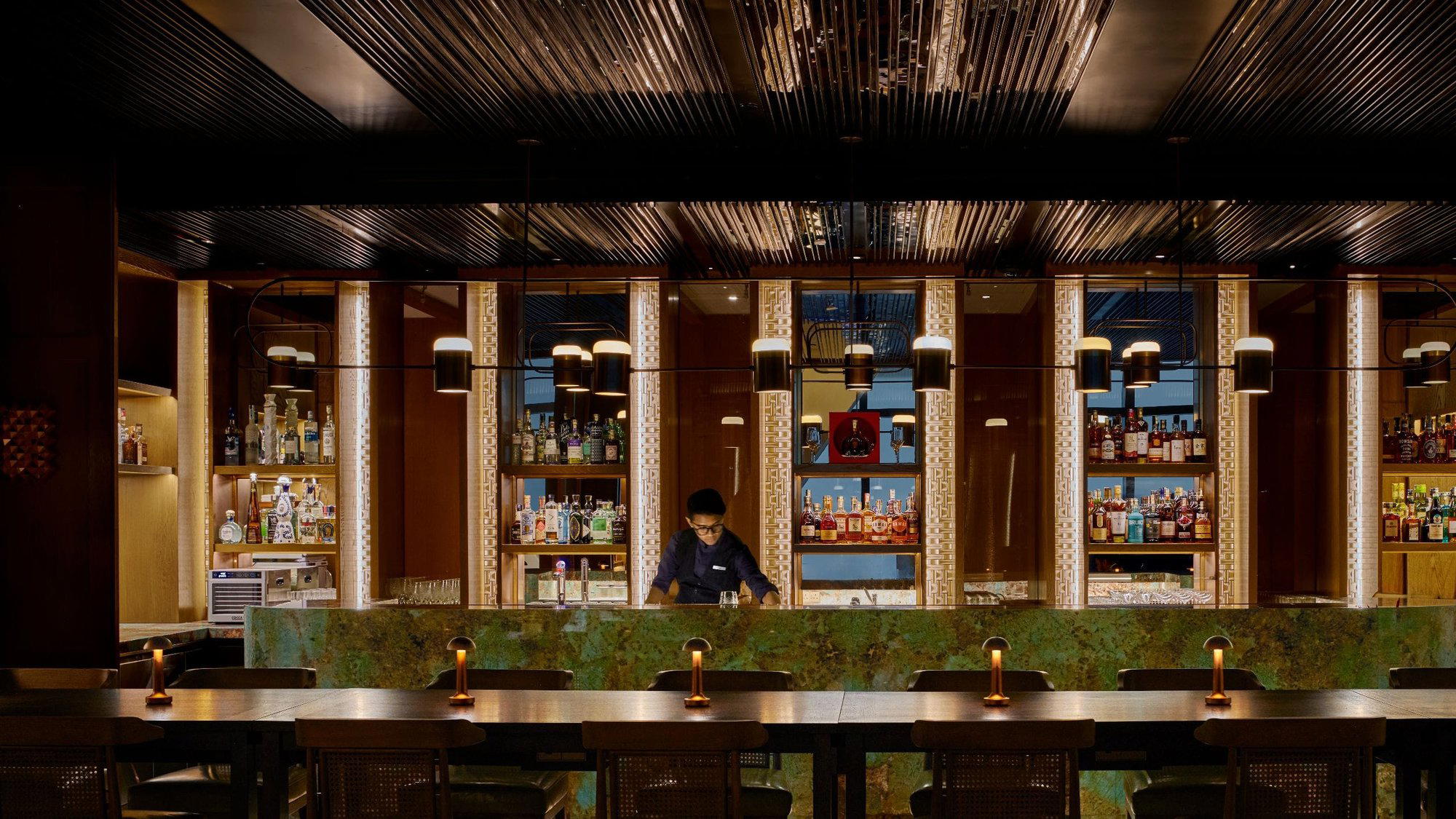
Among Kuala Lumpur's luxury hotels, the rooftop bar has become something close to a required amenity, but the quality of execution varies considerably across the category. At the Four Seasons Hotel Kuala Lumpur and comparable addresses, these spaces often function as large-format social venues. Banyan Tree's approach, through Vertigo, tracks closer to the original template: an open-air position at significant altitude, a drinks programme built around cocktails, wine, and single malts, and a sightline that frames the city's architectural density as the primary visual. The Petronas Towers appear within that frame, which remains one of the more compelling orientations available from any KL rooftop.
Vertigo also functions as the hotel's most legible entry point for non-staying guests, and its position within the building gives it a different character from ground-level hotel bars at peer addresses like the EQ Kuala Lumpur or the Crowne Plaza Kuala Lumpur City Centre. That altitude advantage shapes the hotel's overall identity more than any single food and beverage concept does. The bar is the dining and drinks programme's centrepiece, and the hotel leans into that positioning rather than competing on a multi-restaurant culinary format.
Room Categories and the Bathroom as the Central Argument
Rooms at Banyan Tree Kuala Lumpur open at 549 square feet, a footprint that places them at the larger end of the city-hotel standard. The interior palette runs to whites and neutral tones, with silk cushions and original watercolours providing contrast. Entry-level Banyan Retreats include a pillow menu, a well-stocked minibar, a Toto smart toilet, and bedside charging. The bathroom anchors the room: a deep-soak tub positioned to face the city view is the consistent design move across categories.
The Sky Suite at 667 square feet adds a walk-in wardrobe, a more generous living area, an almond-shaped soaking tub, and a chromotherapy shower. For guests travelling with families or groups, connecting room configurations are available on request. At the summit of the range sits the Banyan Tree Suite, a 3,369-square-foot unit with double-height windows, a private dining room, a separate living room, and a private relaxation pool. That suite operates in a different competitive register from the brand's standard inventory and tracks against equivalent sky-suite offerings at addresses like the Else Kuala Lumpur or the Crockfords at Resorts World Genting.
The Spa Programme and What 250 Hours Signals
Banyan Tree Holdings built its original brand identity around wellness, and the Kuala Lumpur property reflects that heritage directly. Banyan Tree Spa Kuala Lumpur operates on a traditional Asian modality framework, drawing on aromatherapy, herbal compresses, pressure techniques, and thermal bathing. The training standard for therapists is 250 hours through the Banyan Tree Spa Academy, a figure the brand uses as a verifiable quality baseline. That credential matters in a city where spa programming at hotel level ranges from cursory to serious, and it places the offering at the more committed end of the KL luxury hotel spa tier.
The spa's retail dimension is handled through the Banyan Tree Gallery, where guests can purchase signature scents and product lines used in treatments. This retail integration is common in the brand's global portfolio and serves as both a revenue channel and a continuity mechanism for guests who want to extend the experience beyond their stay.
Guests comparing wellness programming across Malaysia's premium hotel circuit can also consider Bertam Wellness Spa and Villas in Penang, Cameron Highlands Resort in Pahang Darul Makmur, or the The Datai in Langkawi for resort-format alternatives. For something closer to the adventure end of the spectrum, Borneo Rainforest Lodge in Lahad Datu and Borneo Eagle Resort in Kota Kinabalu occupy a different register entirely.
Sustainability Positioning in the KL Luxury Market
Among Kuala Lumpur's upper-tier city hotels, environmental programming has become an increasingly visible differentiator. Banyan Tree Kuala Lumpur operates with a plastics-reduction policy, consumption minimisation protocols, and a community engagement calendar that includes waste clean-up programmes, tree-planting events, and educational partnerships. That positions it toward the active end of the sustainability spectrum within the city's luxury hotel peer group, where many properties still treat environmental programming as a disclosure footnote rather than an operational commitment.
Planning Your Stay
The hotel sits at 2 Jalan Conlay in the Golden Triangle. Other Golden Triangle and city-centre alternatives worth comparing include the Ascott Kuala Lumpur Jalan Pinang for serviced-apartment formats, or the Genting Grand at Resorts World Genting and Highlands Hotel at Resorts World Genting for those combining the city leg of a trip with a highlands excursion. Guests continuing to Johor can cross-reference Anantara Desaru Coast Resort and Villas in Johor. Beyond Malaysia, the Banyan Tree Holdings approach to urban resort positioning appears in a different context at properties like Mangala Estate in Kuantan or, at the boutique end, Macalister Mansion in George Town Penang and G Hotel Gurney in George Town. For international comparisons of altitude-focused city hotels with similar bar-forward programming, Aman New York, The Fifth Avenue Hotel in New York City, and Aman Venice offer useful reference points in how luxury brands translate a strong location advantage into a coherent guest experience.
Cost Snapshot
Comparable venues nearby, for context on price, style, and recognition.
| Venue | Price | Awards | Notes |
|---|---|---|---|
| Banyan Tree Kuala LumpurThis venue — the venue you are viewing | $$$$ | 5-Star | Not listed |
| Four Seasons Hotel Kuala Lumpur | $$$$ | 5-Star | Kampong Dollah, Upscale urban luxury hotel |
| Else Kuala Lumpur | $$$ | 5-Star | City Centre, Contemporary urban resort with organic, warm aesthetic; positioned as a design destination emphasizing slowness, reflection, and presence. |
| Sofitel Kuala Lumpur Damansara | $$$$ | 5-Star | Kampong Bukit Mati, French luxury infused with Malaysian heritage in an affluent urban enclave |
| Shangri-La Hotel, Kuala Lumpur | $$$$ | 5-Star | Kampong Baharu, Luxury urban resort-style hotel with extensive facilities |
| W Kuala Lumpur | $$$$ | 5-Star | Kampong Baharu, Bold innovative design immersing guests in Jungle City luxury |
Recognition history
Dated appearances from independent guides and award organizations, with the underlying list record or original source where available.
Forbes Recommended
Forbes
Forbes Recommended
Forbes
Michelin Selected
Michelin
Continue exploring
More in Kuala Lumpur
Hotels in Kuala Lumpur
Browse all →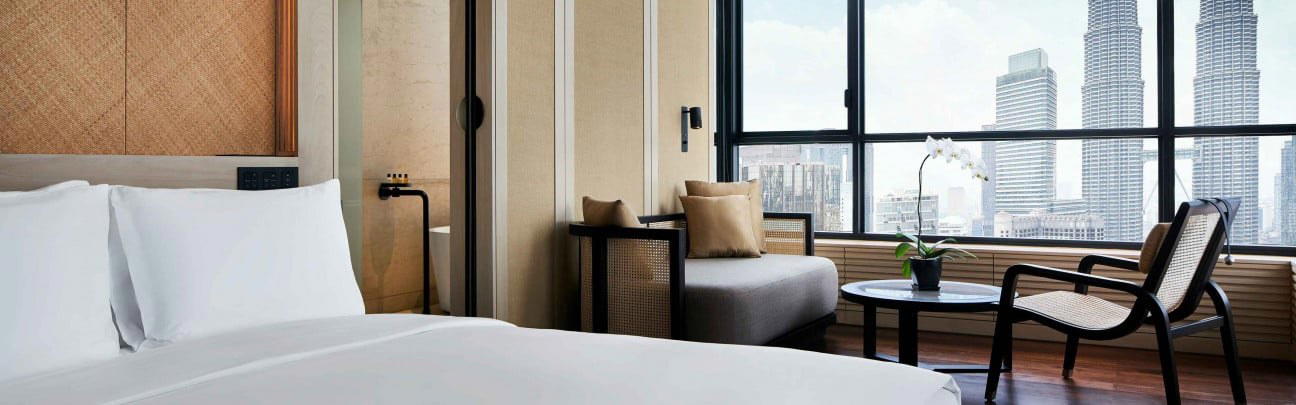
Bars in Kuala Lumpur
Browse all →
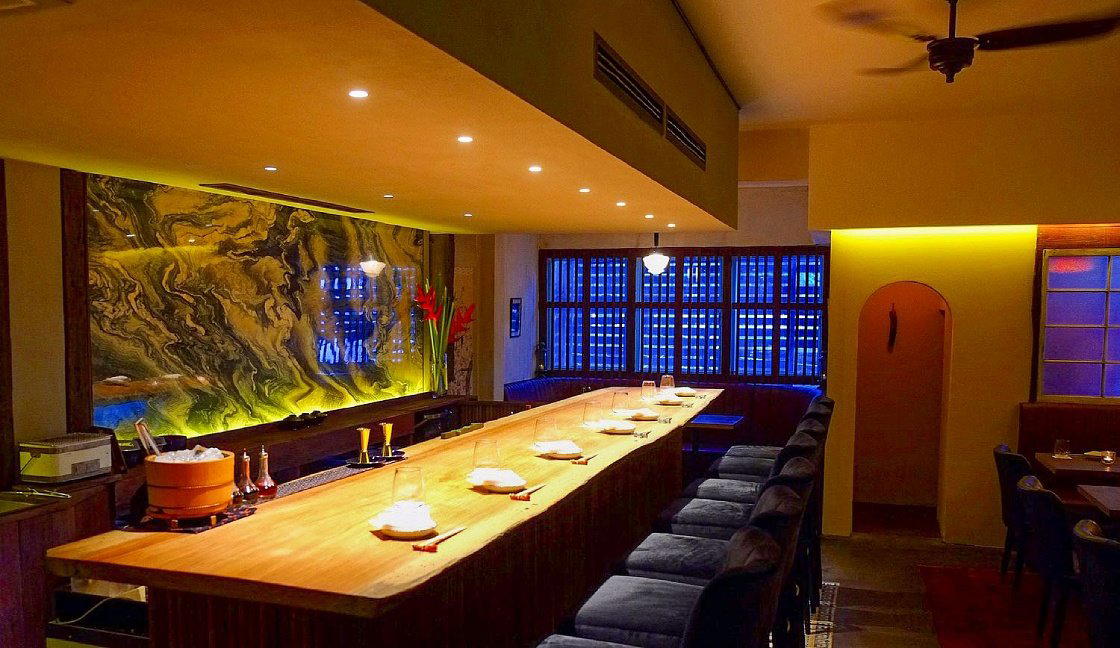
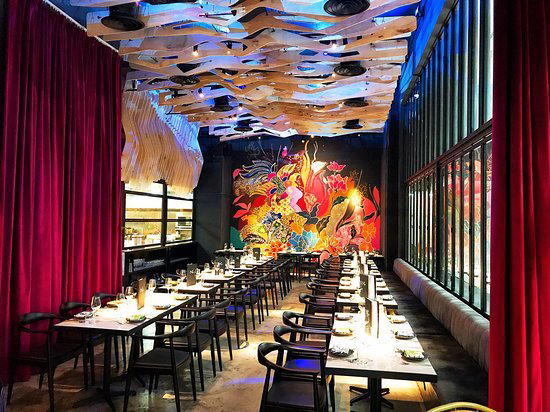
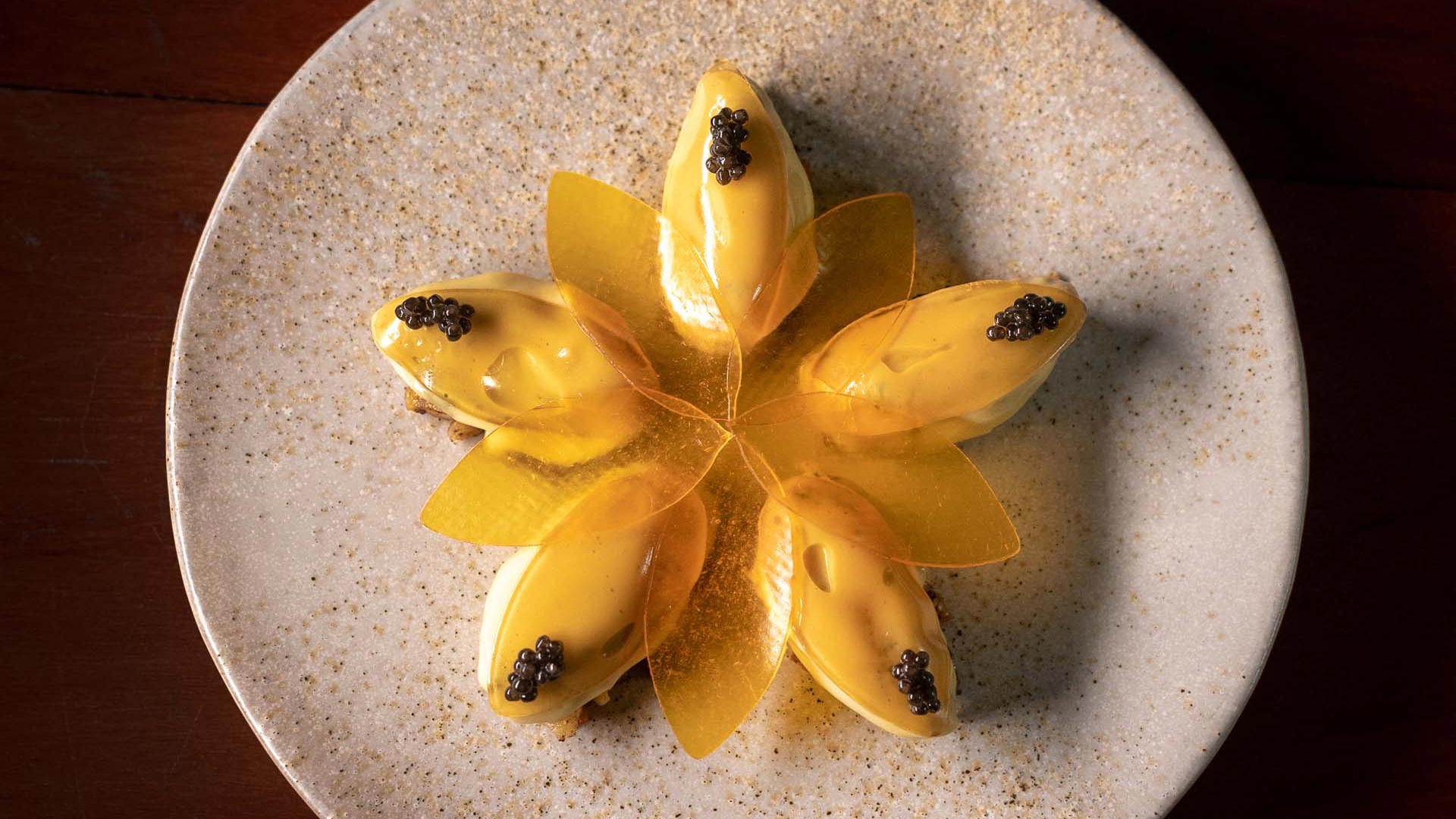
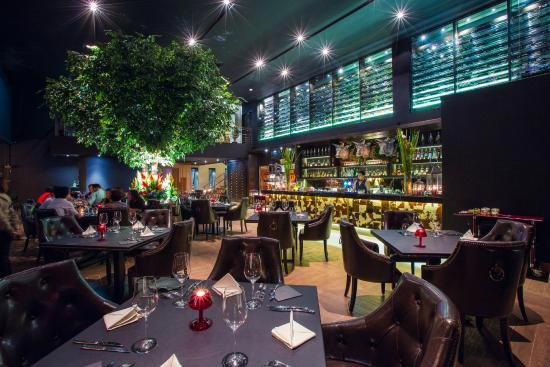
At a Glance
- Elegant
- Sophisticated
- Ornate
- Romantic Getaway
- Business Trip
- Wellness Retreat
- Rooftop Pool
- Destination Spa
- Panoramic View
- Wi Fi
- Pool
- Spa
- Fitness Center
- Room Service
- Concierge
- Restaurant
- Meeting Rooms
- Skyline
- Wi Fi
- Pool
- Spa
- Fitness Center
- Room Service
- Concierge
- Restaurant
- Meeting Rooms
Elegant and relaxing with skyline views, soundproofed rooms, and tranquil spa-like atmosphere.