DC. by Darren Chin




A Michelin-starred French Contemporary restaurant in Taman Tun Dr Ismail, DC. by Darren Chin operates across three floors with 4- to 7-course menus that layer classical French technique with Japanese accents. A 20-selection cheese trolley, a Louis XIII-themed private room, and a La Liste 2026 score of 89 points place it among Kuala Lumpur's most formally ambitious dinner addresses.
Pearl is the En Primeur Club membership app — saves, bookings, and concierge access live there. Same editors, same standards.
- Address
- 44 Persiaran Zaaba, Taman Tun Dr Ismail, Kuala Lumpur, 60000, Malaysia
- Phone
- +60 3-7731 0502
- Website
- bref-kl.com
- Directions
- Get directions
 Saves & bookings on Pearl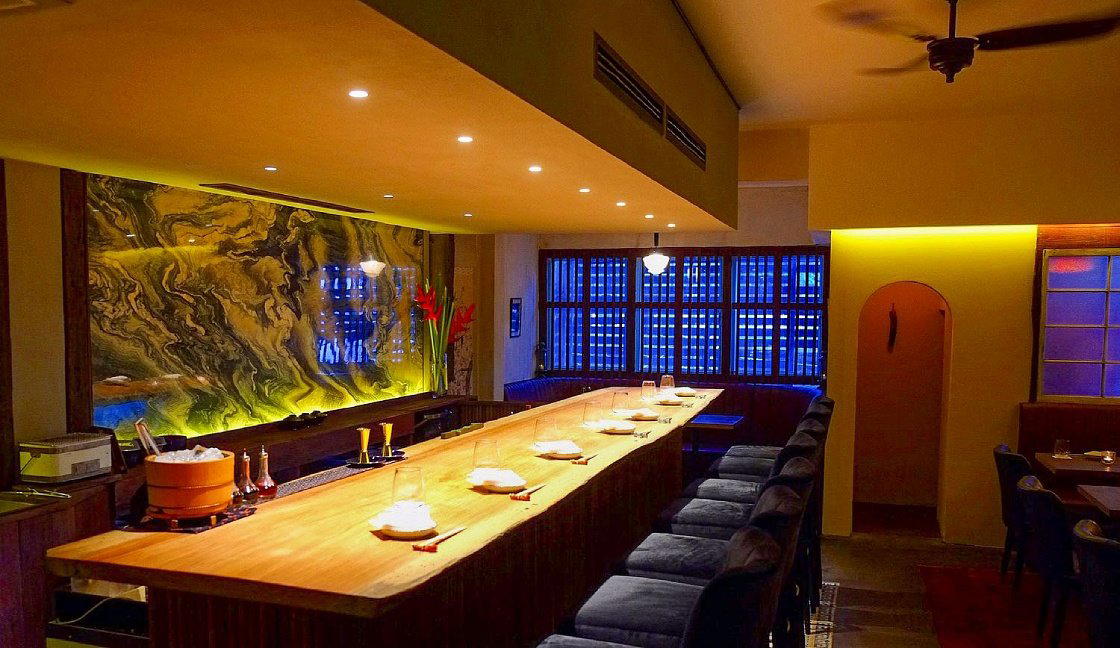
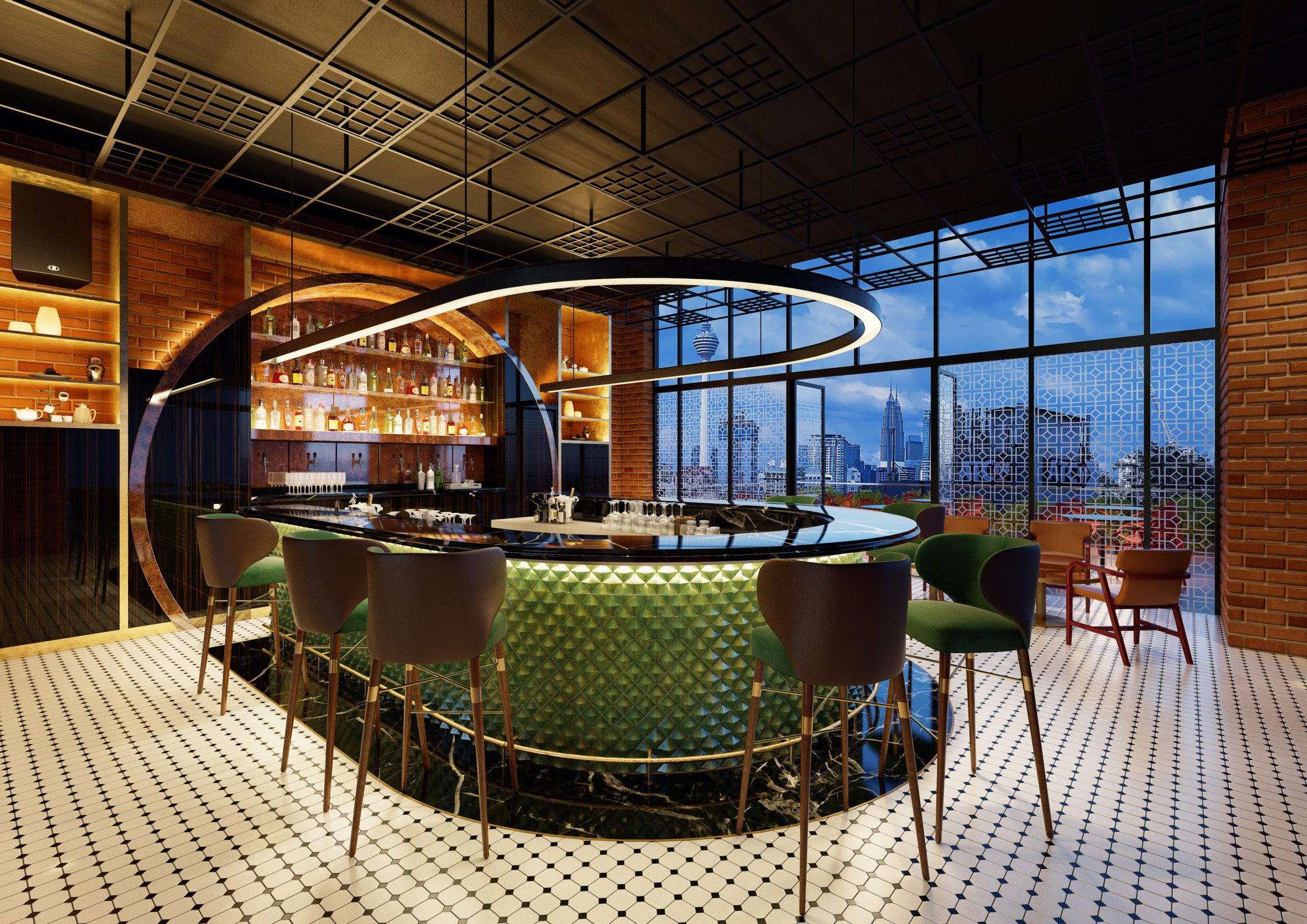
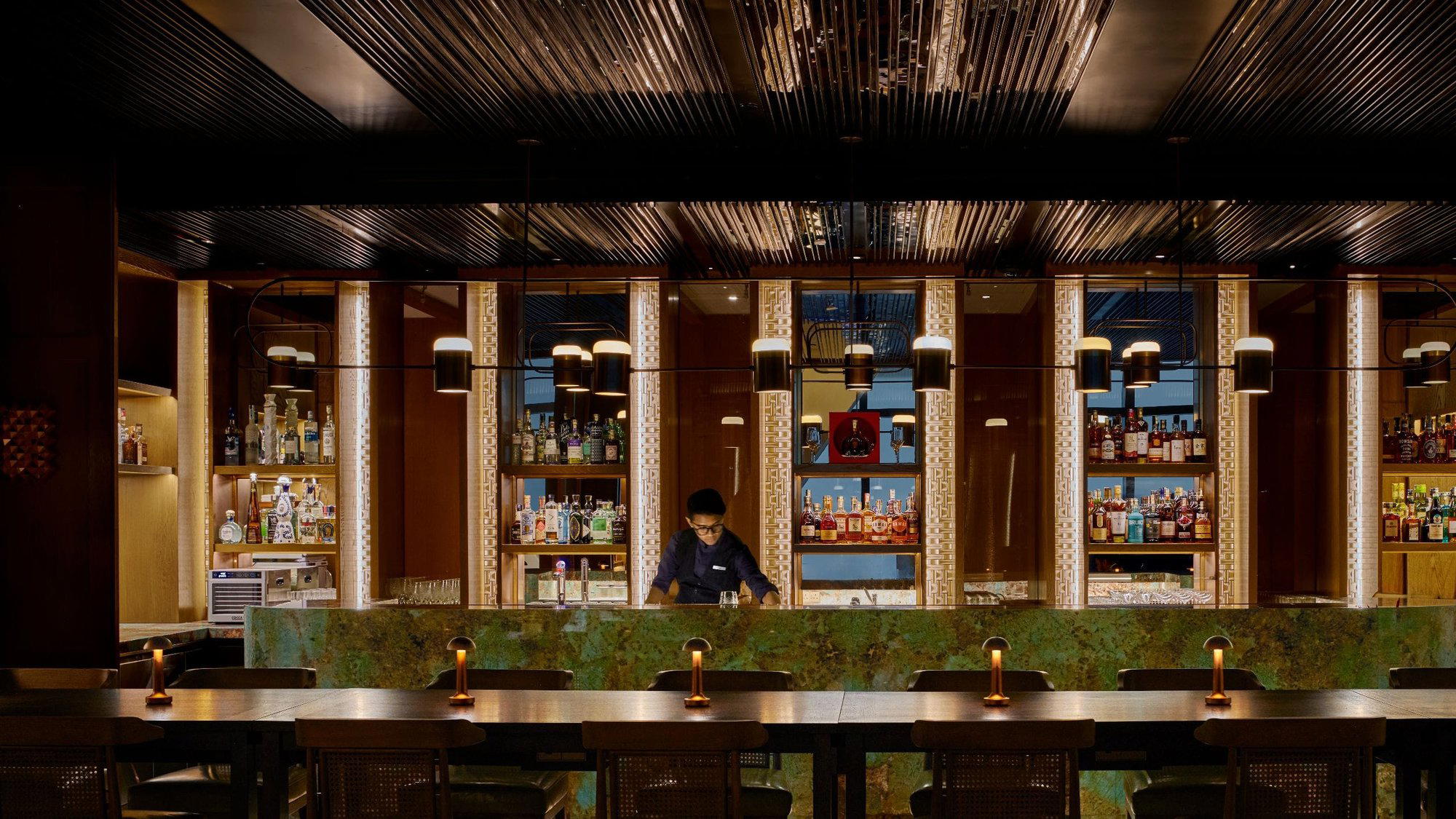
The exterior of 44 Persiaran Zaaba gives little away. A concrete facade faces a quiet Taman Tun Dr Ismail street, the kind of residential-commercial pocket that Kuala Lumpur locals know but visitors rarely find without purpose. Step inside and the register shifts completely: a bar level, then dining rooms ascending through two further floors, the whole interior calibrated for a certain kind of long evening. This is not a restaurant you arrive at casually.
A Menu Built Like an Argument
French Contemporary dining in Southeast Asia occupies a specific tension. The tradition demands classical literacy, the right stocks, the right temperature discipline, the right sequence, while the regional context has always pushed toward fusion, local produce, and the kind of borrowing that can either deepen a menu or diffuse it. The strongest practitioners in the region, from Odette in Singapore to Amber in Hong Kong, have resolved that tension by being deliberate about what they borrow and why.
DC. by Darren Chin, which holds one Michelin star, has arrived at a similar resolution. The menu architecture here is worth examining closely, because it tells you what the kitchen believes. Diners choose from 4- to 7-course formats, with a parallel vegetarian progression available, a structural choice that signals operational seriousness rather than an afterthought tasting menu. The courses move through modern French classics, sole meunière and freshly made pasta among them, before introducing Japanese accents that arrive not as novelty but as considered seasoning: rack of lamb finished over binchotan charcoal, scallops paired with regional greens.
The binchotan detail is instructive. That particular charcoal technique belongs to Japanese robata tradition and carries a specific heat profile, radiant, consistent, low-smoke, that alters how protein surfaces behave. Deploying it on lamb rather than fish signals that the kitchen is using Japanese technique to solve a French textural problem, not to signal international range. That kind of integration, where influence is absorbed into method rather than applied as decoration, is what separates menus that hold together from menus that read as collections of references.
The cheese trolley arrives at the end of the savoury sequence with 20 selections, a number that places it in serious European restaurant territory. In a city where formal cheese service remains relatively uncommon outside a handful of addresses, Cilantro and Entier among the closest peers, a 20-choice trolley is both a logistical commitment and a statement about what kind of meal this is meant to be. It slows the room down. It invites conversation. It insists on a certain unhurried pace that the tasting menu format alone cannot guarantee.
The Three-Floor Format and What It Signals
Kuala Lumpur's fine dining circuit has generally organised itself around hotel restaurants, shophouse conversions, and standalone properties. The hotel addresses, among them The Brasserie, carry infrastructure advantages, consistent supply chains, established service training pipelines, and marketing reach. Standalone restaurants occupy a different position: they succeed or fail on the strength of their own identity, booking volume, and word of mouth.
DC. by Darren Chin, which opened as Restaurant DC in 2014, sits firmly in the standalone category, and its three-floor layout reflects a deliberate spatial strategy. The bar level handles pre-dinner drinks and functions as a transition space, separating the street from the dining rooms above. The Louis XIII-themed private room operates as a distinct offering within the same building, able to accommodate occasions that require separation from the main dining room without requiring guests to book a separate venue. That kind of vertical programming, bar, dining rooms, private room, all under one roof, is common in French fine dining in Paris or London but less standard in Kuala Lumpur's restaurant stock, where even ambitious kitchens often operate in simpler formats.
The result is a restaurant that can run multiple event types simultaneously, which matters for occupancy economics at the price point DC. operates. A $$$$-rated restaurant in TTDI needs to generate revenue from more than Tuesday dinner covers.
Where DC. Sits in the KL French Dining Field
Kuala Lumpur's French Contemporary category has several active addresses. Dominic and Potager occupy parts of that space, and the city's broader fine dining tier includes Malaysian-focused kitchens like Dewakan at the $$$$ price point, offering a contrasting local-produce philosophy. Regionally, the comparison set extends to Robuchon au Dôme in Macau and Feuille in Hong Kong, both of which pursue French-rooted fine dining with regional inflection.
What distinguishes DC. within this field is the consistency of its competitive signals. The Michelin recognition came a decade after opening, which suggests an accumulation of craft rather than an early splash, and the La Liste score positions it within the upper tier of Malaysian restaurant addresses.
For a French Contemporary restaurant operating outside the city's central business district in a residential suburb, that credentialing represents genuine traction. TTDI does not have the foot traffic of KLCC or Bangsar, which means dinner reservations are almost entirely deliberate visits rather than walk-ins or hotel guests following concierge recommendations. The audience self-selects.
Planning a Dinner at DC.
Given the dinner-only format and the tasting menu structure, this is an evening commitment of two to three hours minimum; the 7-course menu will run longer.
Taman Tun Dr Ismail sits northwest of Kuala Lumpur's central core, accessible by car in 20-30 minutes from KLCC depending on traffic, and by LRT to Taman Tun Dr Ismail station followed by a short ride. The neighbourhood has its own cluster of eating and drinking options, but the walk-in culture around DC. is limited; arrive with a reservation. The Louis XIII private room suits celebratory occasions or small business dinners that require separation from the main room, and given the 3-floor layout, groups using the private room operate in a functionally independent space.
Compact Comparison
Comparable venues nearby, for context on price, style, and recognition.
| Venue | Cuisine | Price | Notes |
|---|---|---|---|
| DC. by Darren ChinThis venue — the venue you are viewing | French Contemporary | $$$$ | Not listed |
| Beta | Not listed | $$$$ | Kampong Baharu, Modern Malaysian Fine Dining |
| Potager | Not listed | $$$$ | Segambut, Contemporary French with Japanese Precision |
| Terra Dining | Not listed | $$$$ | Taman Tun Dr Ismail, Modern Malaysian Fine Dining |
| Molina | Not listed | $$$$ | Kampong Baharu, Avant-Garde European Fine Dining |
| Akar | Taman Tun Dr Ismail, Modern Malaysian | $$$ | Not listed |
Recognition history
Dated appearances from independent guides and award organizations, with the underlying list record or original source where available.
La Liste Top Restaurants
La Liste
Michelin 1 Star
Michelin
Star Wine List
Star Wine List
Tatler Best 20
Tatler
Michelin 1 Star
Michelin
Tatler Best 20
Tatler
Tatler Listed in Best Restaurants Asia-Pacific
Tatler
Michelin 1 Star
Michelin
Continue exploring
More in Kuala Lumpur
Restaurants in Kuala Lumpur
Browse all →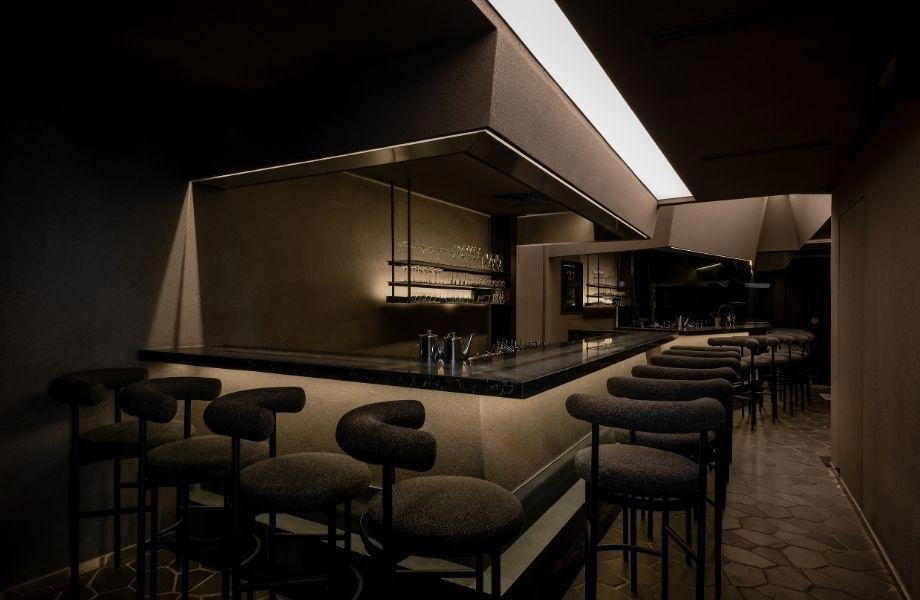
Bars in Kuala Lumpur
Browse all →
At a Glance
- Elegant
- Sophisticated
- Intimate
- Modern
- Date Night
- Special Occasion
- Business Dinner
- Private Dining
- Chefs Counter
- Extensive Wine List
- Sommelier Led
Sophisticated and elegant atmosphere across multiple floors with bars and dining rooms, offering an intimate high-end dining experience.