Cilantro

Cilantro at Micasa All Suite Hotel on Jalan Tun Razak holds consecutive Michelin Plate recognition (2024 and 2025) for its French-Japanese fusion approach, executed through seasonal set menus and à la carte choices. The kitchen works with first-rate Japanese ingredients inside a classical French framework, making it one of Kuala Lumpur's more precise formal dining addresses. Friday lunch is the only midday service.
Pearl is the En Primeur Club membership app — saves, bookings, and concierge access live there. Same editors, same standards.
- Address
- Micasa All Suite Hotel, 368B, Micasa All Suite Hotel, Jln Tun Razak, 50400 Kuala Lumpur, Federal Territory of Kuala Lumpur, Malaysia
- Phone
- +60 3-2179 8082
- Website
- cilantrokl.com
- Directions
- Get directions
 Saves & bookings on Pearl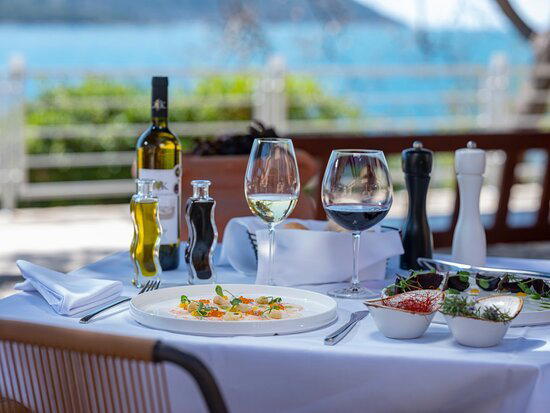
Where French Technique Meets Japanese Ingredient Logic
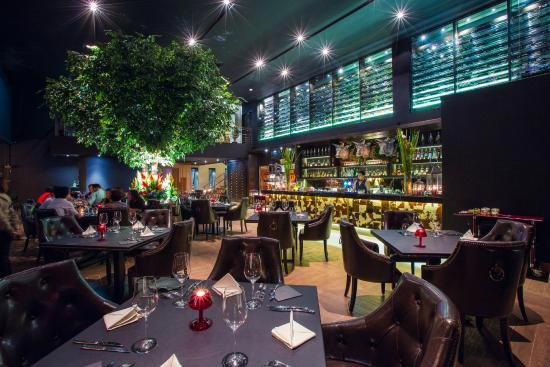
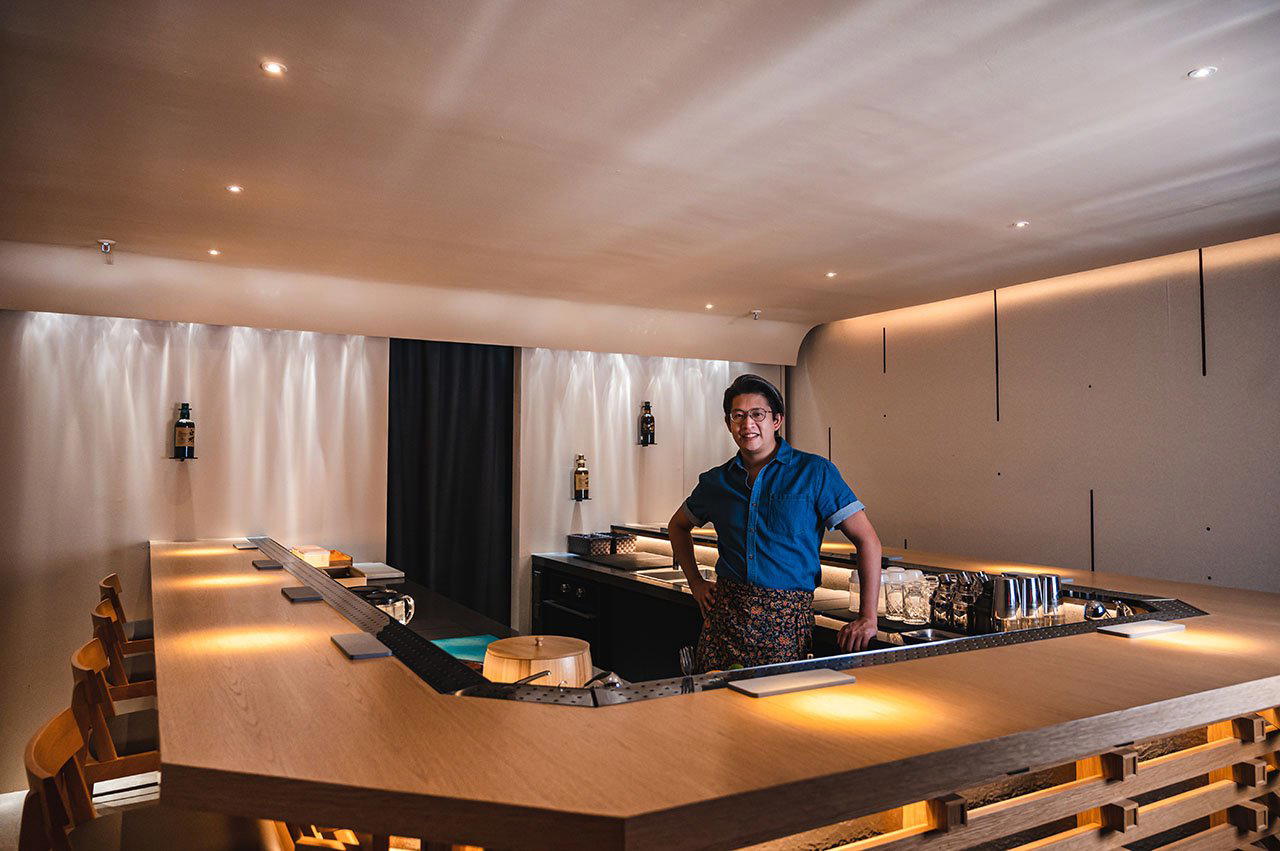
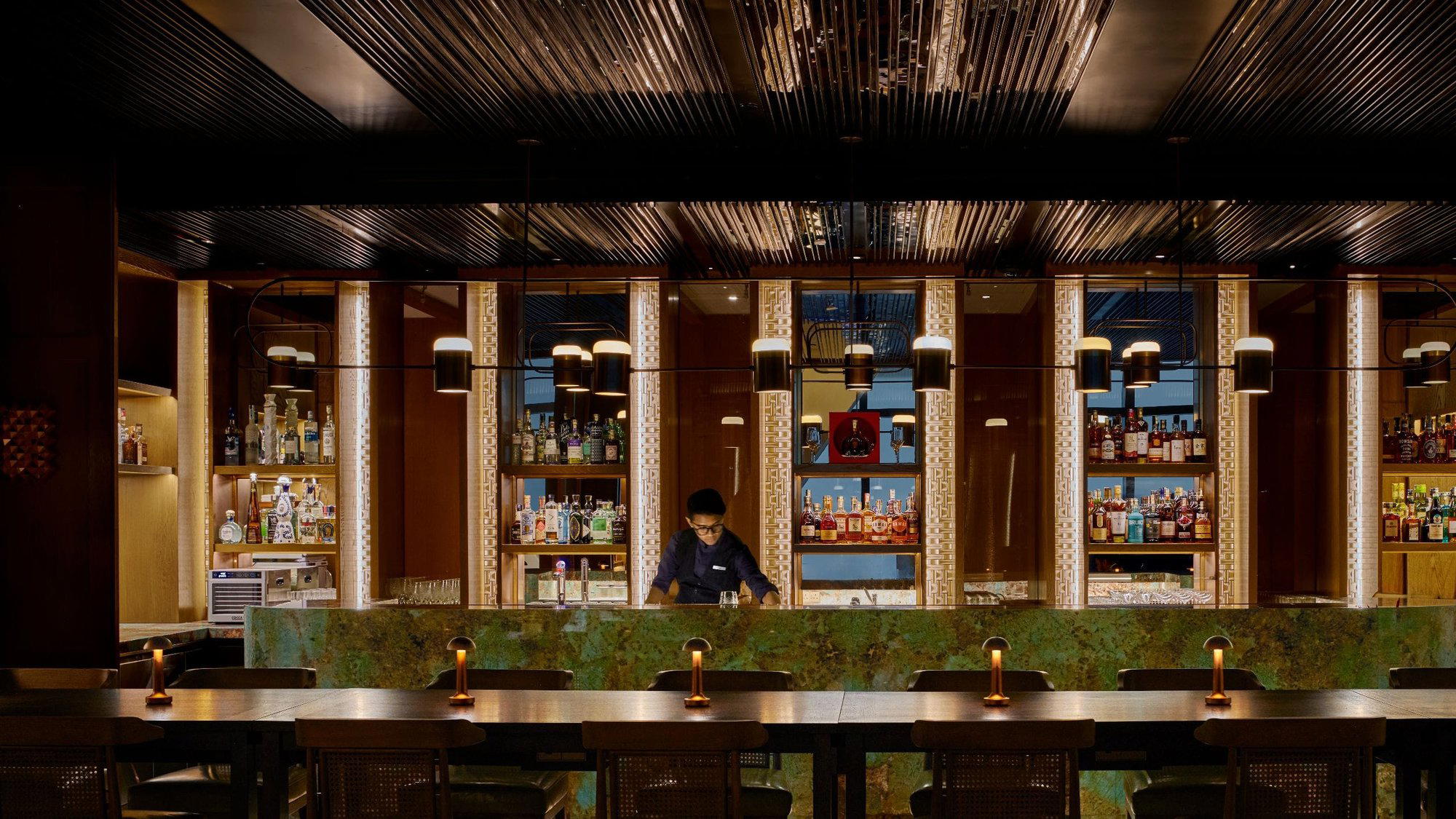
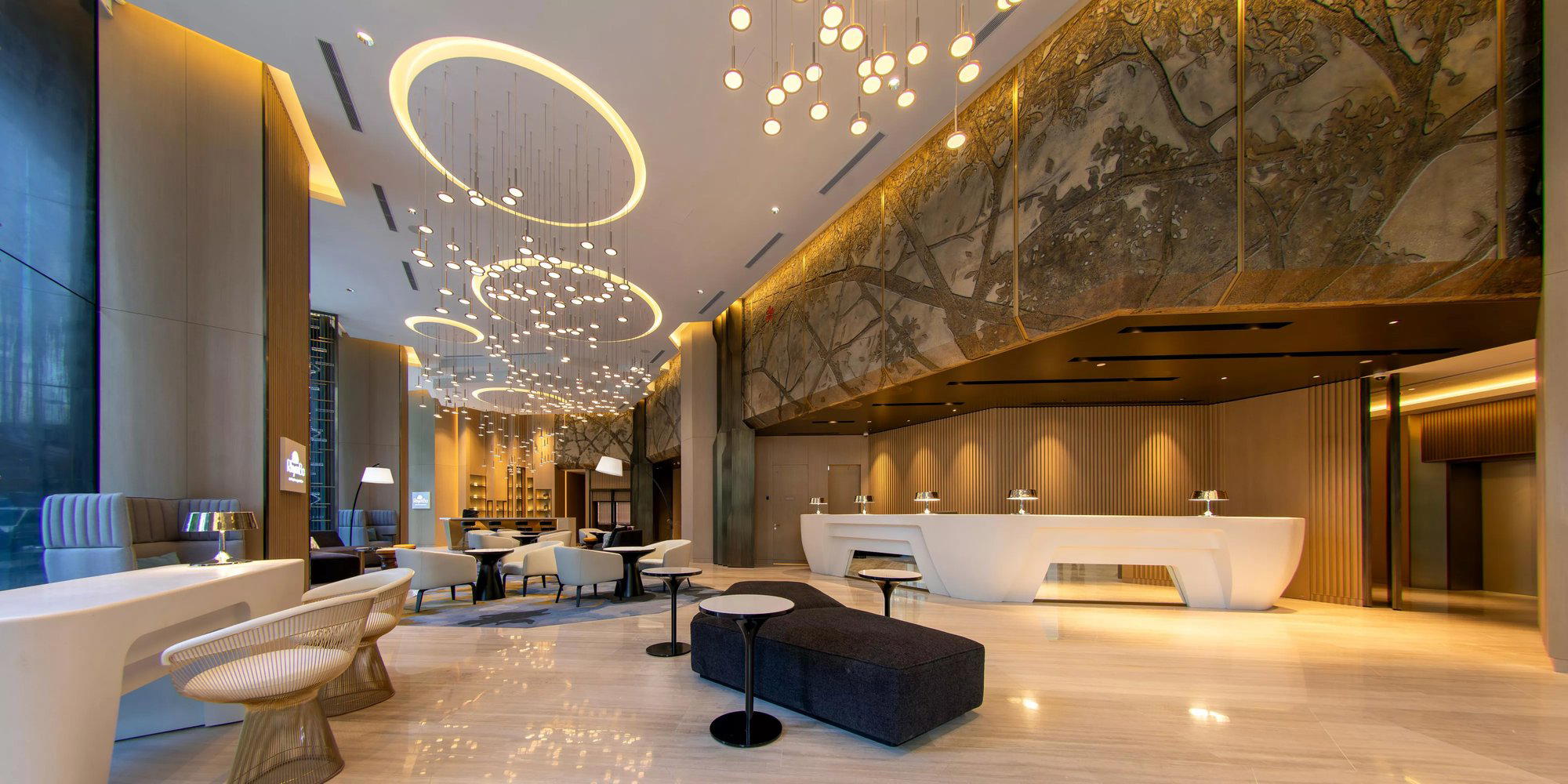
Jalan Tun Razak is embassy and hotel corridor territory, a stretch of Kuala Lumpur that runs at a quieter register than the KLCC dining cluster a kilometre to the south. Stepping into Cilantro, on the ground floor of the Micasa All Suite Hotel, the room reads formal without rigidity: white tablecloths, controlled lighting, the low ambient sound of a dining room that is arranged for conversation rather than spectacle. It is the kind of environment that still exists in relatively few KL addresses at this price tier, unhurried, with enough distance between tables to make a meal feel deliberate rather than squeezed.
That physical register matters because the cooking asks something similar of the diner. This is not a restaurant built around theatrical plating or a celebrity narrative. Its Michelin Plate recognition in both 2024 and 2025 signals consistent technical execution rather than high-concept provocation, and the food rewards attention to craft over novelty.
The French-Japanese Crossover in Southeast Asian Context
The fusion of French classical technique with Japanese ingredient sourcing has a longer history in Asia than the trend-watching press usually acknowledges. In Tokyo, French-trained Japanese chefs began importing the logic of brigade cooking while refusing to abandon the primacy of Japanese produce sometime in the 1980s. By the time the model reached Southeast Asian dining rooms, it had developed into something more syntactically complex: not French dishes with Japanese garnishes, but menus where the ingredient sourcing logic is Japanese while the structural grammar, sauce construction, course progression, plating geometry, remains Parisian.
Cilantro sits inside that tradition rather than imitating it. The Japanese chef here works with first-rate Japanese ingredients as primary material, applying French technique as the delivery mechanism. The result occupies a distinct position within Kuala Lumpur's formal dining tier, where many competitors either commit fully to modern European or to contemporary Malaysian. The French-Japanese axis is a narrower category, and within KL it puts Cilantro in a peer conversation with DC. by Darren Chin, which holds a Michelin Star at the same price tier, and Entier, which leans more purely French. The $$$$ price bracket is consistent across that group; what differentiates them is the degree to which Japanese sourcing shapes the menu's identity.
Across the broader Asian French-contemporary category, the range runs from Odette in Singapore at two Michelin Stars to Amber in Hong Kong at two Stars, and further afield to Robuchon au Dôme in Macau. Cilantro operates below that leading recognition tier but within the same culinary tradition. Its Michelin Plate, awarded consecutively, signals the inspectors consider the cooking well-executed and worth a visit rather than a destination in the starred sense, an honest position for a room of this scale and ambition.
The Menu's Seasonal Logic
The kitchen offers both à la carte and set menus. That structure is characteristic of French-influenced formal dining in Asia, where the prix-fixe allows the chef to control ingredient sequences and pacing while the à la carte exists for guests who want a single-course meal or a lighter commitment.
The signature cold capellini is the dish most closely associated with Cilantro's identity, and it illustrates the French-Japanese synthesis directly. The dish changes with the seasons, which means that a visit in spring produces a different experience from one in autumn, a built-in reason to return, and a signal that the kitchen tracks ingredient availability with genuine rigor rather than menu inertia.
Seasonal rotation at this level of Japanese sourcing is logistically demanding. Premium Japanese produce operates on short harvest windows: spring brings early vegetables and certain seafood runs; autumn delivers different mushrooms, different fish movements, different citrus. A menu genuinely built around that calendar requires supplier relationships and planning discipline that casual French-adjacent kitchens rarely maintain. The consistent Michelin recognition suggests Cilantro sustains that discipline.
Kuala Lumpur's Formal Dining Tier in 2025
The city's upper-bracket dining room category has become more competitive. Michelin's KL guide has pushed formal restaurant standards upward, and venues at the $$$$ price point now operate in a more defined peer environment. Dominic and Potager address adjacent European territory; The Brasserie covers a different register of European dining. At the sharp end of Malaysian cuisine, Dewakan holds two Michelin Stars and Beta one Star, each at $$$$ and $$$ respectively, different culinary frameworks but occupying the same diner attention as formal destination choices.
Within that competitive field, Cilantro's position is defined by its specificity. French-Japanese at the $$$$ tier, housed in an all-suite hotel on a quieter corridor, with Michelin Plate recognition, it self-selects for a particular kind of guest: someone who wants technical French cooking inflected with Japanese produce quality, in a room that prioritises quiet formality over scene-making. That is not the entire KL dining audience, but it is a consistent one, as the.
For context beyond KL, the French contemporary category extends to addresses like Feuille in Hong Kong and Bagatelle in Trier, each operating with different regional inflections of the same French classical foundation. Malaysia's wider fine dining geography, from Auntie Gaik Lean's Old School Eatery in George Town to The Planters at The Danna in Langkawi and Bee See Heong in Seberang Perai, shows the breadth of the country's table, but Cilantro operates at the formal French end of that spectrum.
Planning a Visit
Cilantro is open for dinner service through the week, with Friday as the single day the kitchen runs lunch. For anyone whose schedule allows a midday visit, the Friday lunch format is worth targeting: formal dining rooms at this price tier tend to run quieter at lunch, and the pacing is often less compressed than an evening service. The address inside Micasa All Suite Hotel on Jalan Tun Razak sits within reach of KLCC-area hotels, making it a manageable journey from most city-centre bases. Dress code expectations at a room of this register will run toward smart; the environment does not invite casual attire. Booking ahead is advisable, particularly for Friday lunch, where capacity will be a constraint.
Same-City Peers
Comparable venues nearby, for context on price, style, and recognition.
| Venue | Cuisine | Price | Notes |
|---|---|---|---|
| CilantroThis venue — the venue you are viewing | Contemporary French-Japanese Fine Dining | $$$$ | Not listed |
| The Brasserie | French-Mediterranean Brasserie | $$$$ | Brickfields |
| Soleil | Contemporary European with Asian Influence | $$$ | Kampong Bukit Mati |
| Wagyu Kappo Yoshida | Beef Omakase | $$$$ | Kampong Dollah |
| Skillet | Modern European with Asian Influences | $$$ | Kampong Baharu |
| Tenmasa | Japanese Tempura Kaiseki Omakase | $$$$ | Kampong Dollah |
Recognition history
Dated appearances from independent guides and award organizations, with the underlying list record or original source where available.
Michelin Plate
Michelin
Michelin Plate
Michelin
Michelin Plate
Michelin
Continue exploring
More in Kuala Lumpur
Restaurants in Kuala Lumpur
Browse all →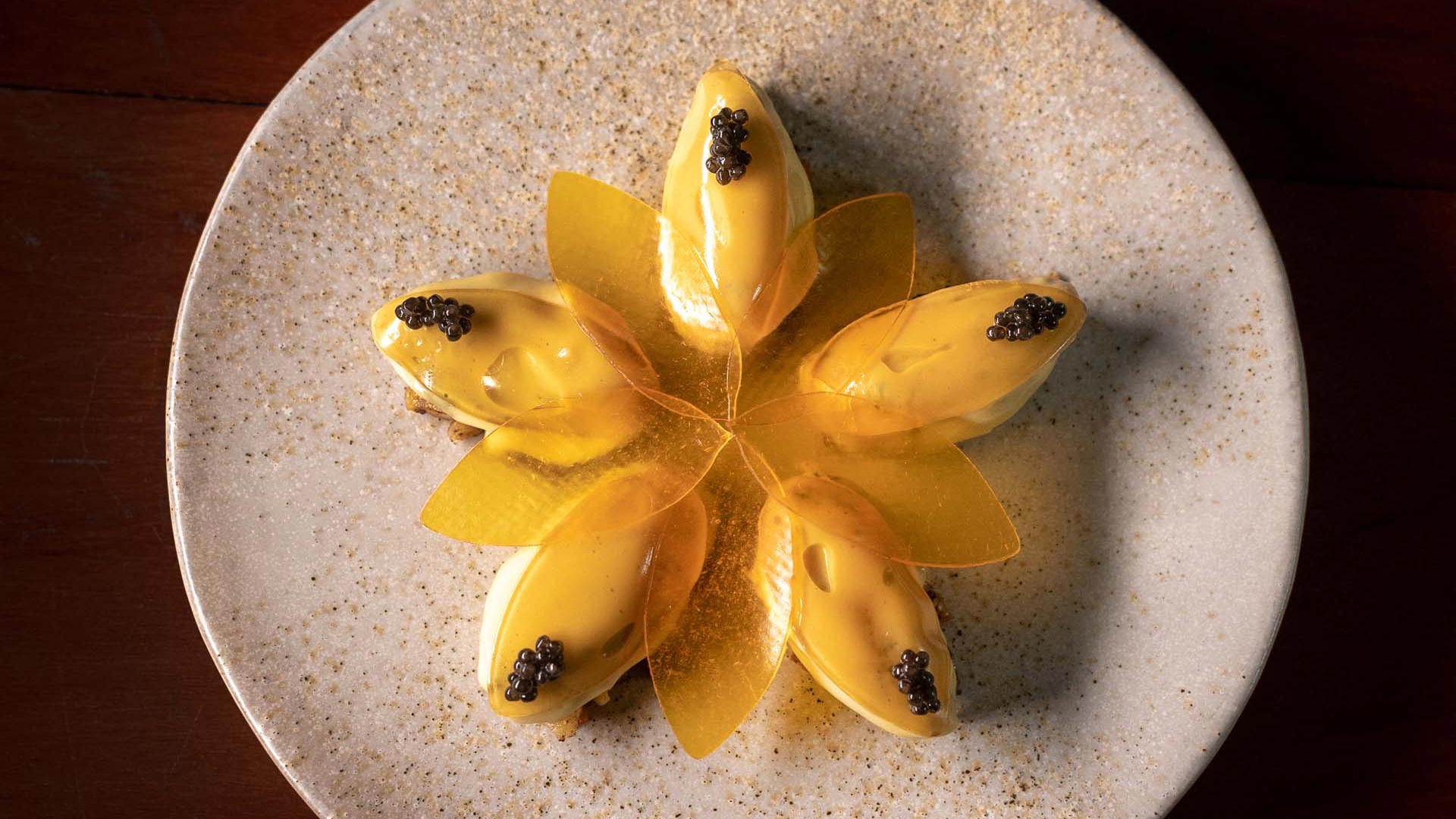
Bars in Kuala Lumpur
Browse all →

At a Glance
- Elegant
- Sophisticated
- Intimate
- Business Dinner
- Special Occasion
- Date Night
- Private Dining
- Extensive Wine List
Current opening hours
- Monday
- 6–11 PM
- Tuesday
- 6–11 PM
- Wednesday
- 6–11 PM
- Thursday
- 6–11 PM
- Friday
- 12–2:30 PM, 6–11 PM
- Saturday
- 6–11 PM
- Sunday
- Closed
Hours can change for holidays and private events. Last verified .
Tasteful and elegant with sophisticated lighting, suitable for formal business and social occasions.