Sushi Ori

Michelin Plate
Our verdict
Ingredients arrive from Japan three times weekly, the rice is sourced from Akita, and counter seating is deliberately limited. Book well in advance, this is not a walk-in destination.

Pearl is the En Primeur Club membership app, where members save venues, book tables and use the concierge.
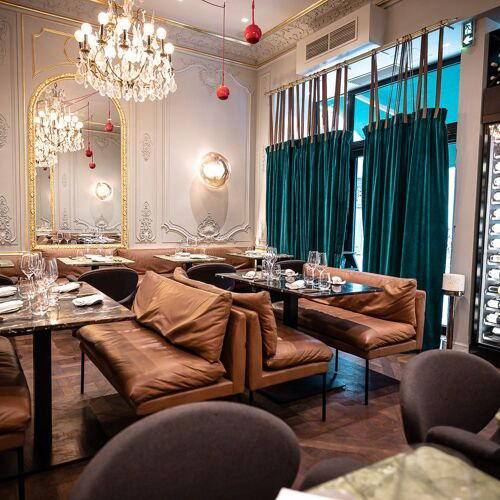
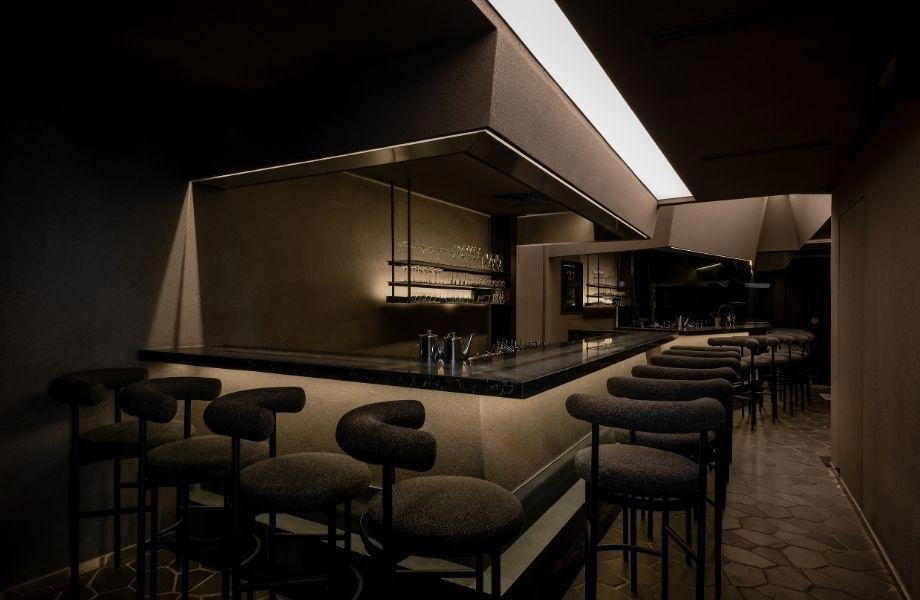
The counter format itself carries cultural weight. In Japan, the sushi counter is a deliberate compression of space and theatre: a chef, a guest, and almost no distance between the two. That model has travelled unevenly across Southeast Asia's premium dining cities, Shoukouwa in Singapore and Sushi Shikon in Hong Kong represent the upper register of what transplanted Japanese omakase can become when it earns the right awards infrastructure to support it.enprimeurclub.enprimeurclub. Sushi Ori has, through consistent Michelin recognition, positioned itself alongside that peer group rather than below it.
Sourcing as the Foundation of the Argument
What separates a serious omakase counter from a competent sushi restaurant is, in large part, the supply chain. The discipline required to maintain ingredient quality at the frequency demanded by a traditional Japanese format is non-trivial when you are operating in a city several thousand kilometres from Tsukiji and Toyosu. Sushi Ori receives seasonal ingredients from Japan three times a week, a logistics commitment that places the kitchen closer to the operating rhythm of a counter in Tokyo's outer wards than to the once-a-week import cycle that many regional Japanese restaurants rely on. The sushi rice comes from Akita prefecture, one of Japan's most respected rice-growing regions, and is seasoned with what the kitchen describes as a proprietary vinegar blend. These are not decorative sourcing claims. They reflect a position that proximity to Japanese ingredient cycles is the foundation on which everything else at the counter rests.
For context on what Japanese chefs working outside Japan bring to their sourcing decisions, the discipline visible at counters like Harutaka in Tokyo or Sushi Harasho in Osaka, where the entire menu construction flows from what the market offered that morning, is harder to replicate in diaspora contexts. Sushi Ori's three-times-weekly delivery schedule is as close to that model as geography and logistics realistically permit. The Plate designation indicates that Michelin's inspectors found the cooking good enough to single out, it places a restaurant in a documented tier of quality without yet assigning it the scoring that comes with one or more stars. For a counter operating at the leading price tier in a market where the starred Japanese category remains competitive, back-to-back Plate recognition is a meaningful signal. It also suggests that the kitchen has been consistent enough across multiple visits to earn a second mention rather than disappearing from the guide.enprimeurclub.enprimeurclub.enprimeurclub. by Darren Chin holds its own position in the French Contemporary tier. Premium Japanese omakase operates as a parallel track in the city's top-tier dining, drawing a guest profile that is specifically looking for the counter experience rather than a tasting menu in the European sense. Sushi Ori addresses that demand with what appears to be a format built around discipline over novelty.
Practical Considerations for Booking
The counter at Sushi Ori is limited in capacity by design, a small number of seats is intrinsic to the format, not a function of the room's size. Private rooms are also available for those who want the omakase experience without the shared counter dynamic. Given the Michelin recognition and the deliberately constrained seating, booking well ahead is not optional advice but an operational reality.enprimeurclub.enprimeurclub.com/restaurants/auntie-gaik-leans-old-school-eatery-george-town-restaurant">Auntie Gaik Lean's Old School Eatery in George Town, Bee See Heong in Seberang Perai, and
Price Lens
| Venue | Cuisine | Price | Awards | Notes |
|---|---|---|---|---|
| Sushi OriThis venue (the venue you are viewing) | Traditional Japanese Omakase | $100–150 | Michelin Plate | Not listed |
| Dewakan | Modern Malaysian Fine Dining | $150–200 | 2 Michelin Stars · World's 50 Best #62 | Malaysian |
| Beta | Modern Malaysian Fine Dining | $100–150 | 1 Michelin Star · La Liste Top Restaurants | Malaysian |
| Molina | Avant-Garde European Fine Dining | $150–200 | 1 Michelin Star | Innovative |
| DC. by Darren Chin | French Contemporary Fine Dining | Not listed | 1 Michelin Star · La Liste Top Restaurants | French Contemporary |
| Ah Hei Bak Kut Teh | Traditional Herbal Bak Kut Teh | $10–20 | Michelin Bib Gourmand | Malaysian |
Recognition history
Dated appearances from independent guides and award organizations, with the underlying list record or original source where available.
Michelin Plate
Michelin
Full recognition history (3 entries)
Michelin Plate
Michelin
Michelin Plate
Michelin
Continue exploring
More in Kuala Lumpur
Restaurants in Kuala Lumpur
All restaurants in Kuala Lumpur →
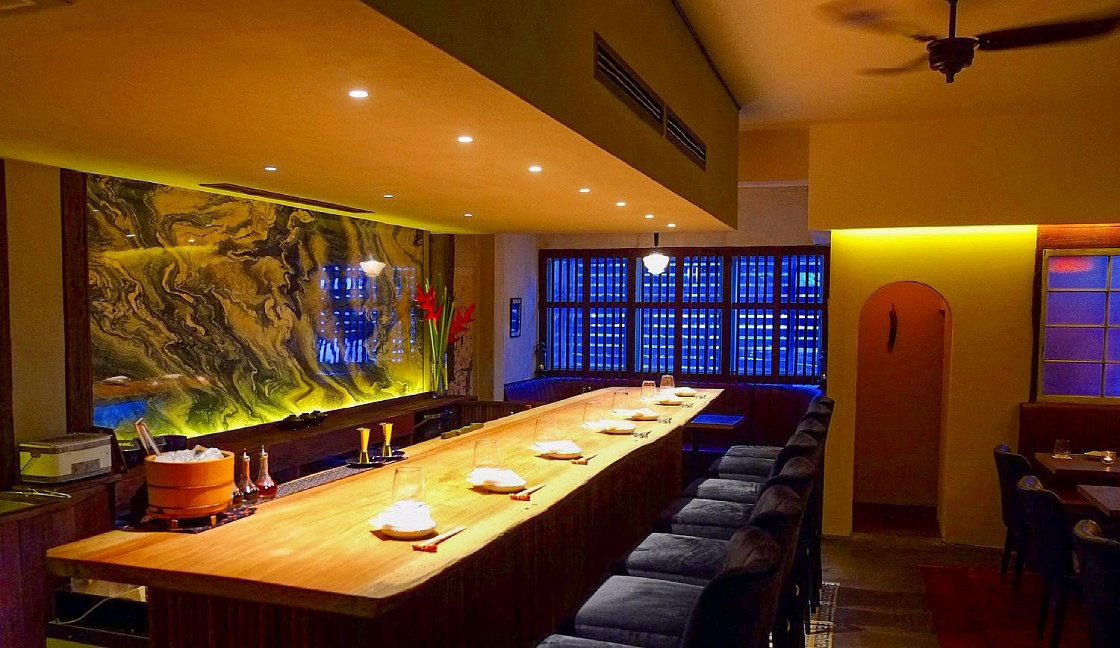
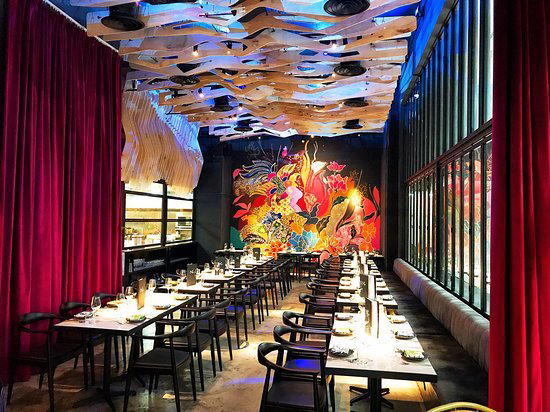
Bars in Kuala Lumpur
All bars in Kuala Lumpur →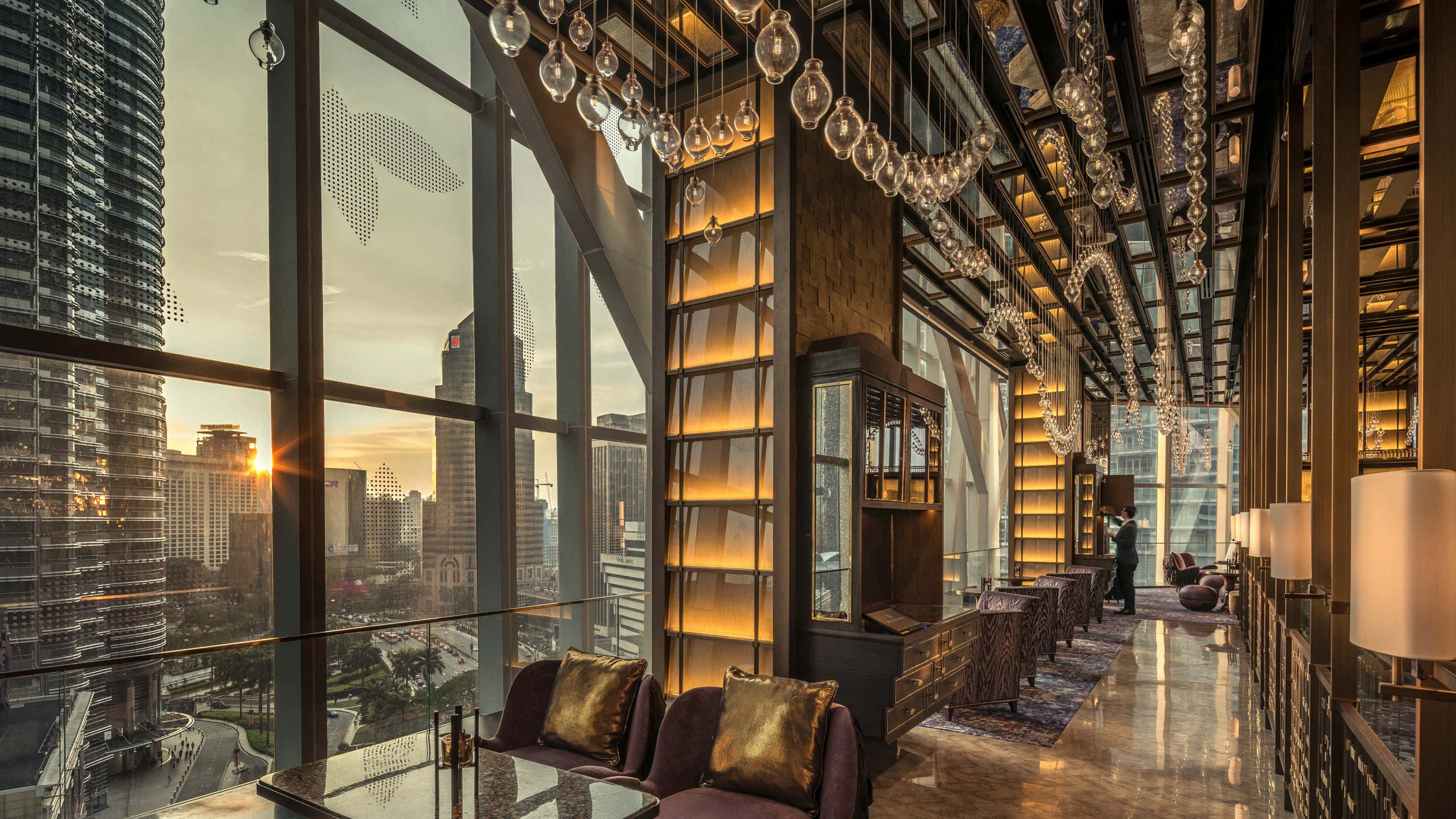

Details
- Elegant
- Intimate
- Sophisticated
- Date Night
- Special Occasion
- Chefs Counter
- Open Kitchen
- Sake Program
- Omakase
- Counter Dining
- Sake
Current opening hours
- Monday
- Closed
- Tuesday
- 12–2:30 PM, 6–10 PM
- Wednesday
- 12–2:30 PM, 6–10 PM
- Thursday
- 12–2:30 PM, 6–10 PM
- Friday
- 12–2:30 PM, 6–10 PM
- Saturday
- 12–2:30 PM, 6–10 PM
- Sunday
- 6–10 PM
Hours can change for holidays and private events. Hours as of .
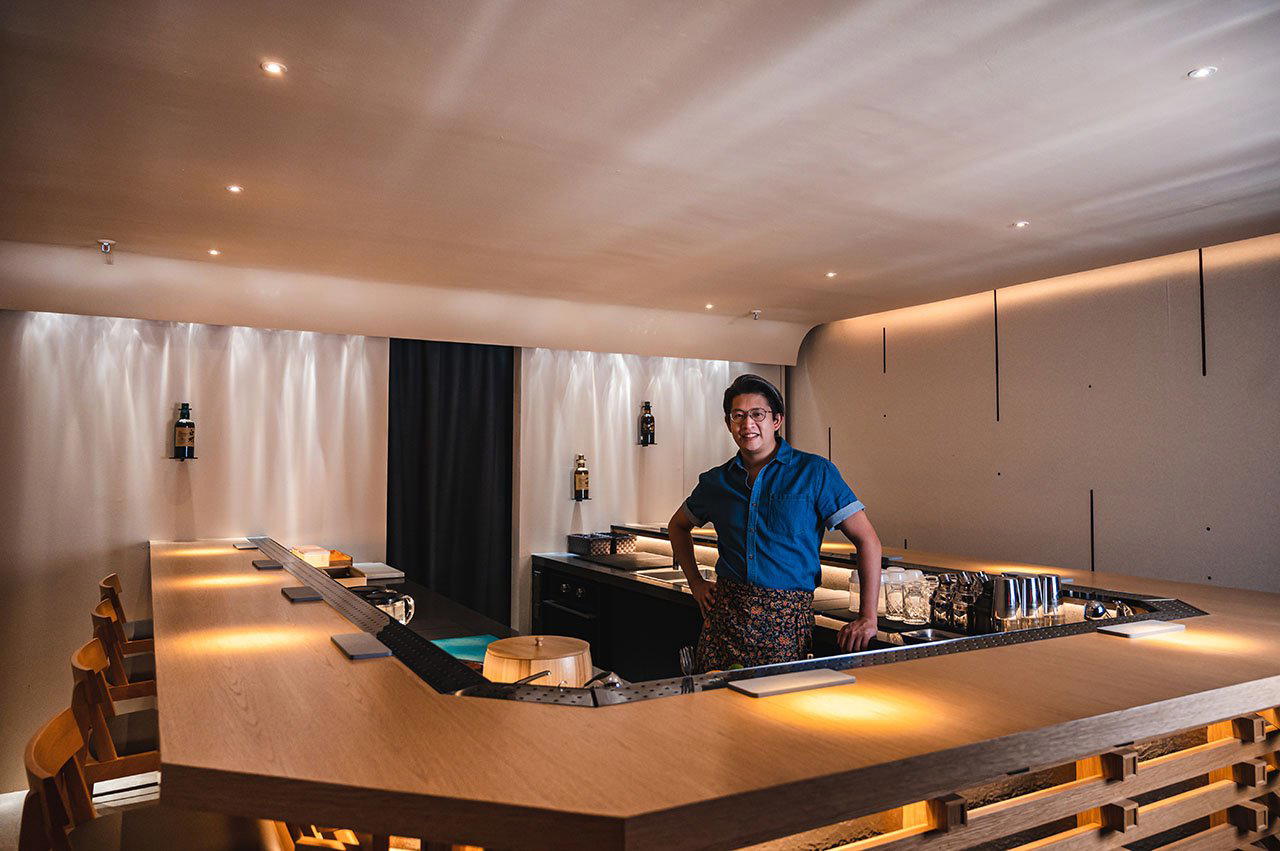
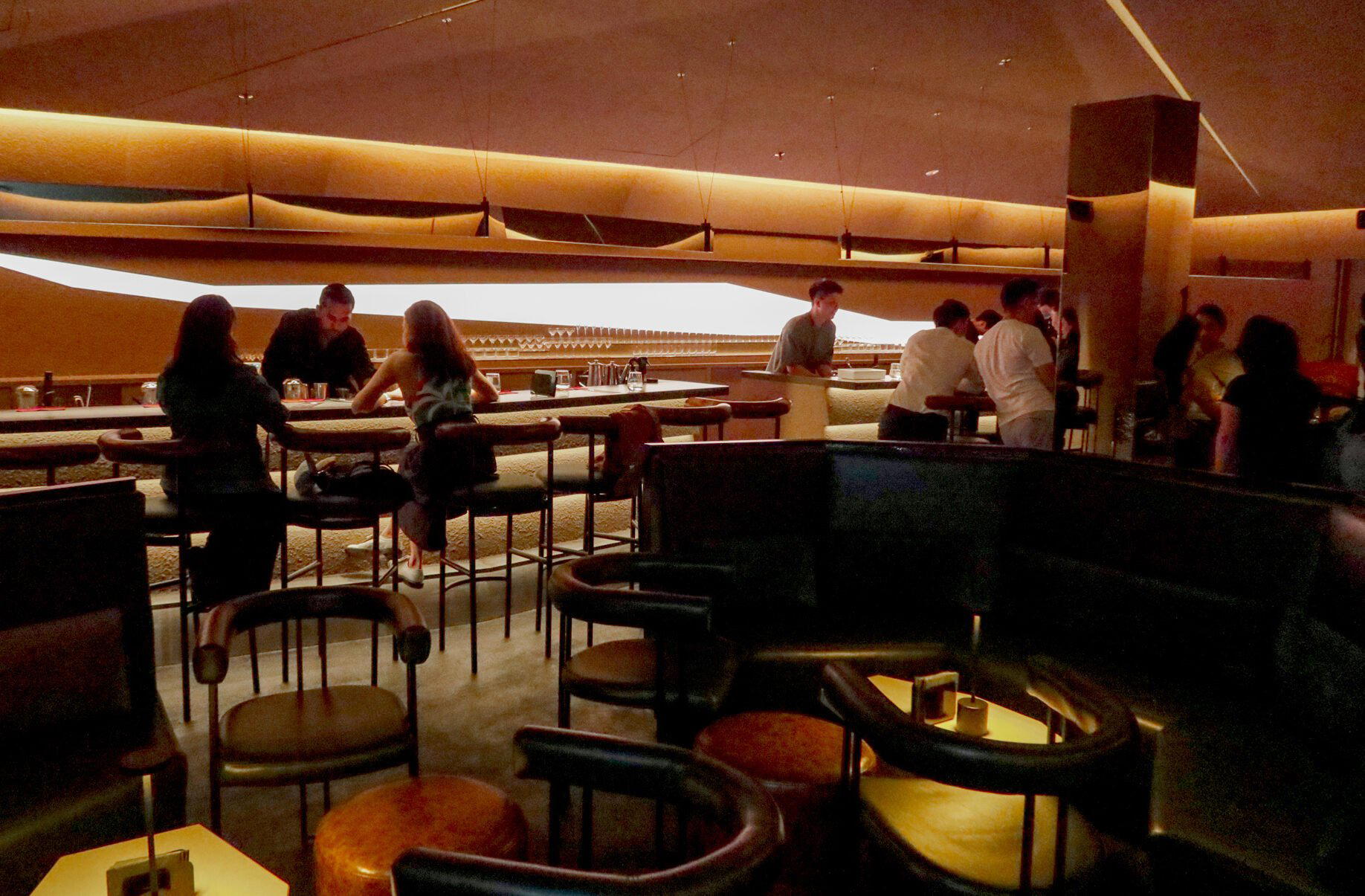
Elegant and warm with attentive service, featuring a intimate sushi counter where guests watch the chef's skillful preparation.