Nadodi





Michelin Plate · La Liste Top Restaurants · Star Wine List
Our verdict
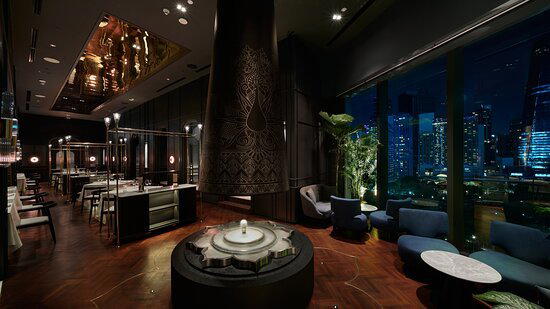
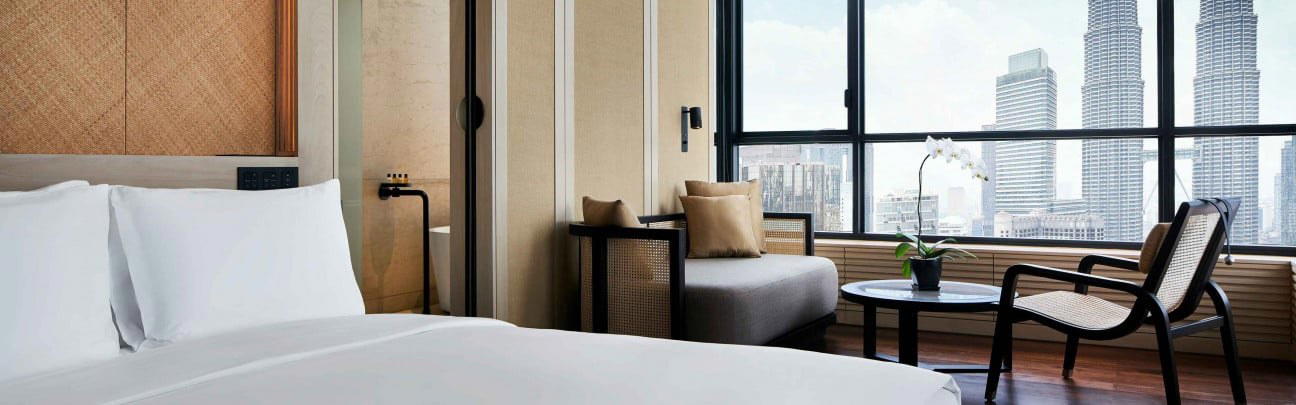
At Nadodi, the culinary journey begins before you’re seated—at the sculptural spice table, where aromatic whispers preview a voyage through Southern India and Sri Lanka. Settle into an intimate window-side booth with sweeping city views, and let the evening unfold with artful cocktails crafted by master mixologists. The signature multi-course “nomadic” menu layers tradition and innovation in precise, opulent strokes—crisp-edged snacks, silken curries, and spice-kissed creations that evolve in tempo and texture. For the discerning palate, alcoholic pairings amplify the spectrum of flavors, revealing rare nuances and unexpected harmonies. This is not merely dinner; it’s a sensorial odyssey designed for those who collect experiences as avidly as they do destinations.

Pearl is the En Primeur Club membership app, where members save venues, book tables and use the concierge.
The menu
What to order
- Nadodi Trio
- Masala Dosa
- Silence of Our Lamb
- I Am So Prawny
- Bread & Curry
- Puliogare with Red Snapper
The Spice Table Sets the Terms
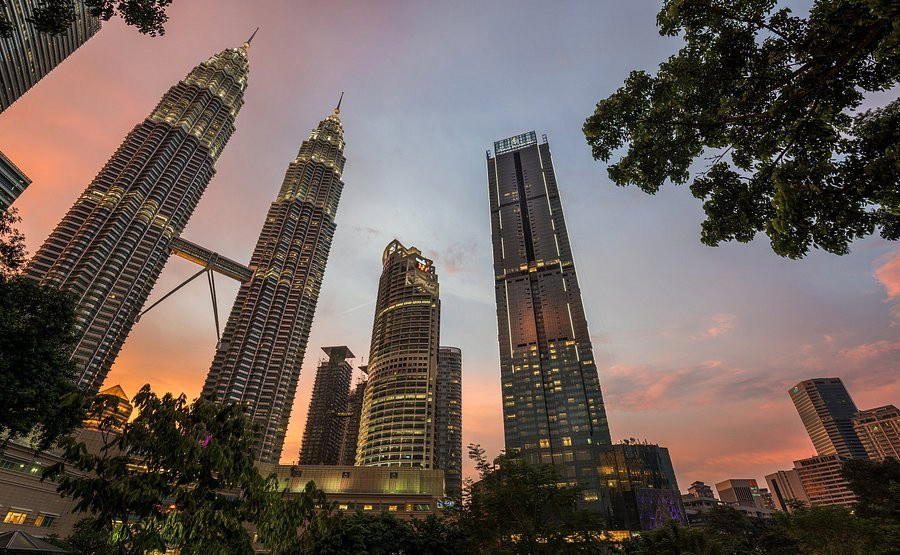
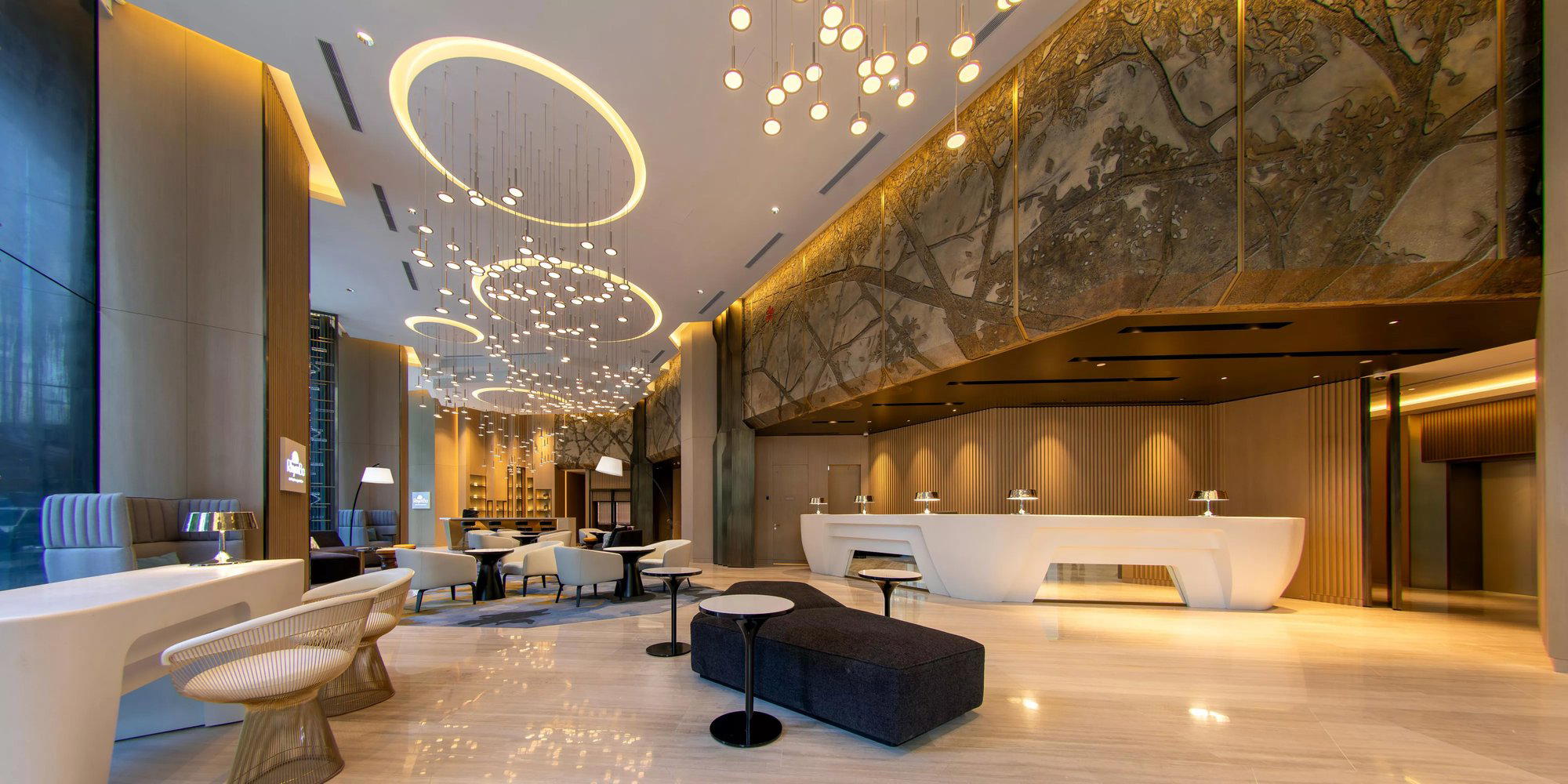
Before a single dish arrives, Nadodi makes its intentions clear. Positioned at the restaurant entrance on Level 7A of the Four Seasons Hotel Kuala Lumpur, a dedicated spice table greets guests with the raw materials behind everything that follows: whole pods, dried bark, seeds, and ground powders drawn from the Southern Indian and Sri Lankan pantry. It is a curatorial gesture that tells you this kitchen takes its source tradition seriously enough to put the evidence in plain sight. The marble floors and black-and-white photography on the walls extend that considered atmosphere into the dining room itself, where booth seating by the window frames a sweeping cityscape above Jalan Ampang.
Fine dining in Kuala Lumpur has, over the past decade, concentrated its most ambitious formats inside the city's luxury hotel towers. The Four Seasons address places Nadodi in that tier physically, but its culinary focus is narrower and more specific than the international tasting-menu norm. While contemporaries such as Molina and Ling Long draw on European or pan-Asian references, Nadodi operates almost entirely within the Southern Indian and Sri Lankan culinary tradition, then stretches it. That specificity is unusual in the city's $$$$ tier and functions as the restaurant's most legible differentiator.
A Menu Built on Borderless Movement
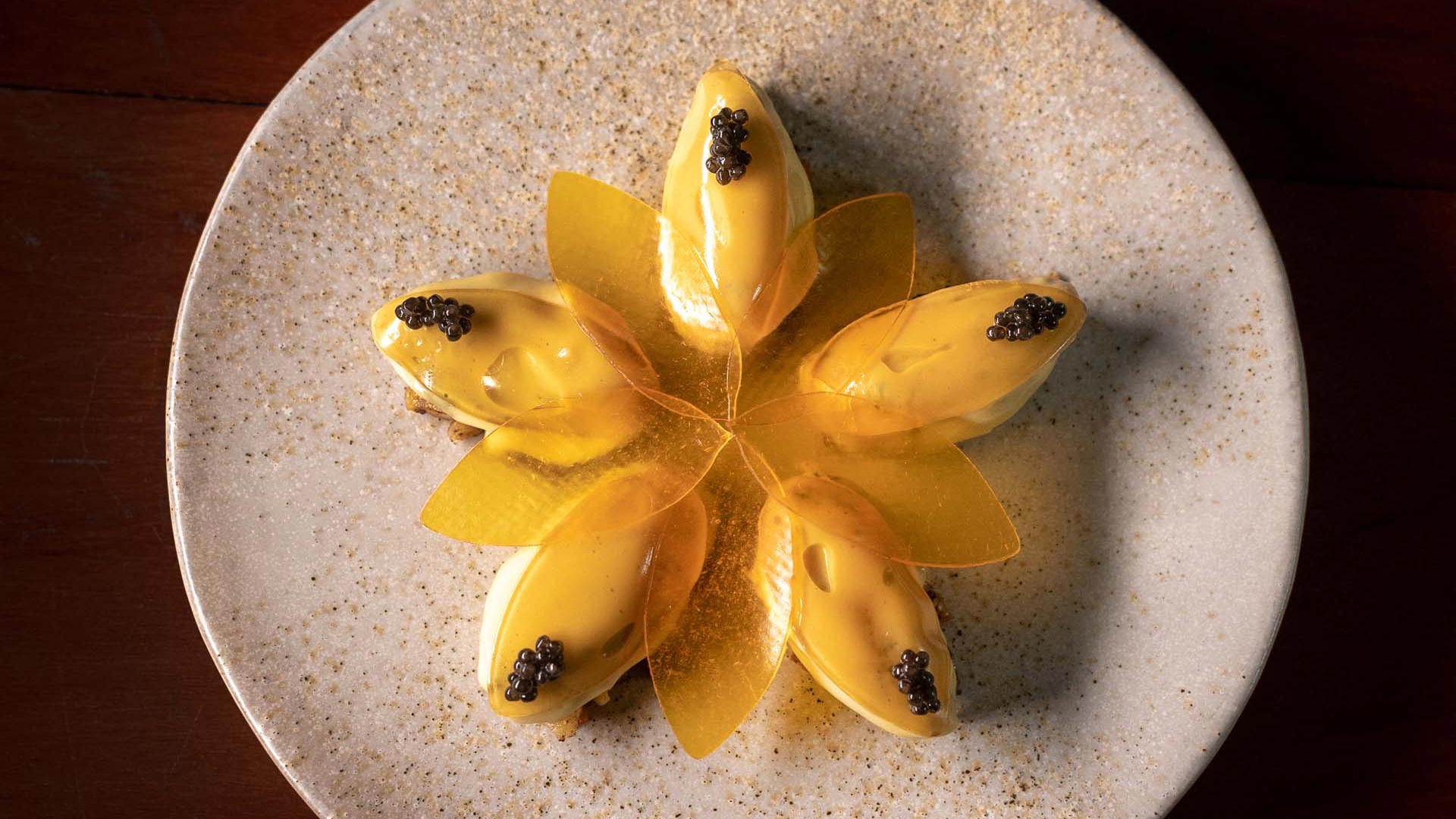
The organizing idea behind the food at Nadodi is nomadic: cuisine without fixed borders, following spice trade routes and migration patterns rather than any single regional recipe canon. In practice, the multi-course dinner menu runs to ten or more courses and moves through different taste profiles, sour, bitter, fermented, smoky, warm with dried chilli, in a sequence that echoes how Southern Indian cooking has always thought about a meal, as a balance of flavors across the table rather than a linear progression. Traditional snacks appear alongside more technically constructed courses, which keeps the format grounded even as individual dishes push against conventional expectations.
Chef Yavhin Siri leads the kitchen. The relevant credential here is not biographical arc but result: La Liste's 2026 global ranking awarded Nadodi 89 points, placing it in a competitive international tier occupied by a small number of restaurants that have succeeded in reframing a regional cuisine at fine-dining scale. The Michelin Plate recognition in both 2024 and 2025 adds a second independent signal. For the Kuala Lumpur scene, which has seen restaurants like Dewakan and Hide earn sustained recognition for reinterpreting Malaysian and Japanese traditions respectively, Nadodi's sustained recognition in Southern Indian and Sri Lankan territory represents a parallel argument: that hyper-focused regional depth, rigorously applied, travels.
The Sensory Architecture of the Room
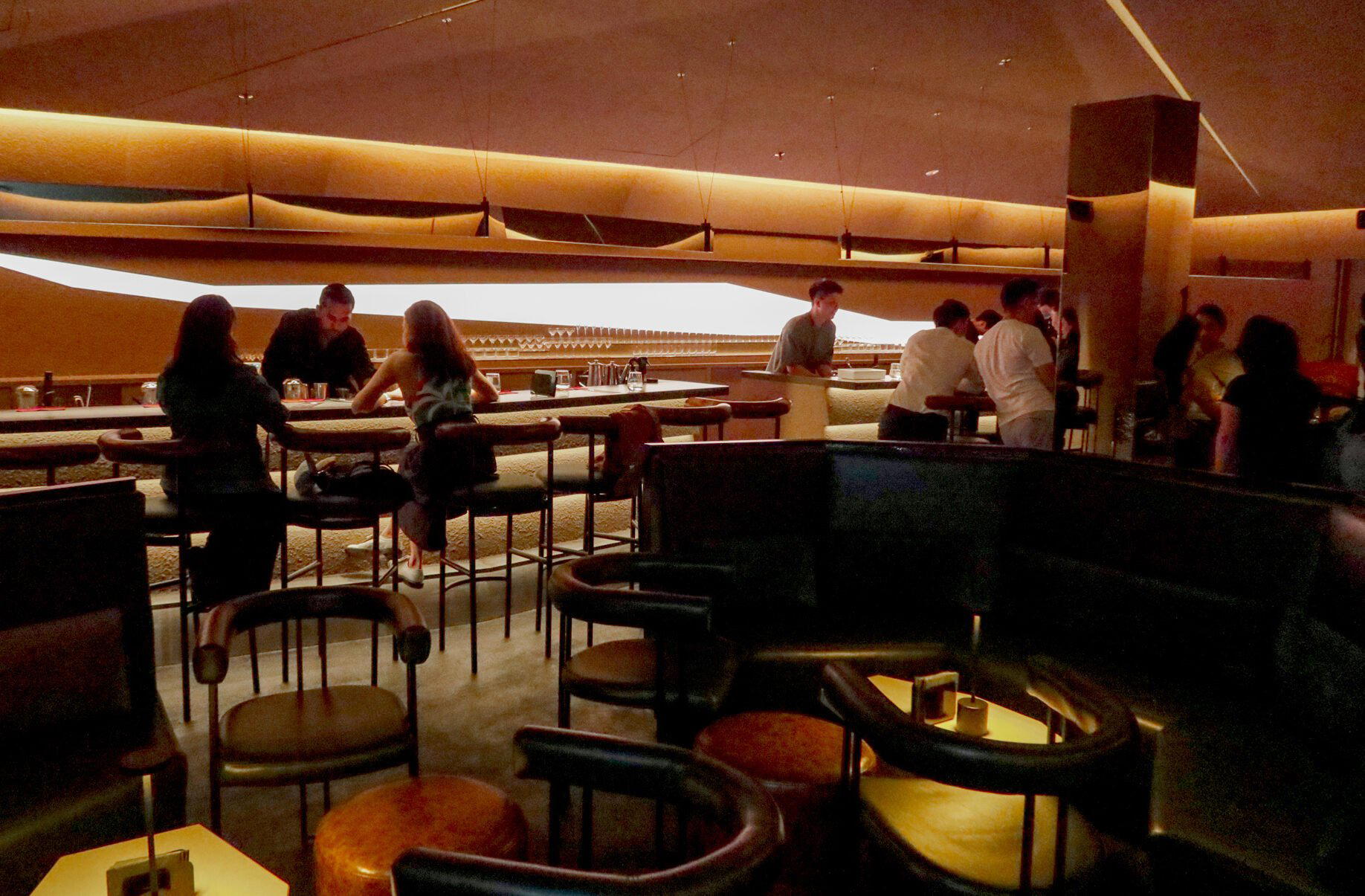
The dining room at Nadodi works through contrast. Polished marble floors and monochrome photography establish a cool, formal register; the booth seating and window views introduce warmth and enclosure. The effect is private without being austere. On the plate, the kitchen's use of whole spice, fermentation, and slow-cooked elements produces a range of aromas that move through the meal, the toasted warmth of cumin and coriander, the sharper brightness of curry leaf and kokum, the depth of tamarind developed over heat. These are not decorative references but functional building blocks, and a guest who engaged with the spice table at the entrance will recognize them when they arrive.
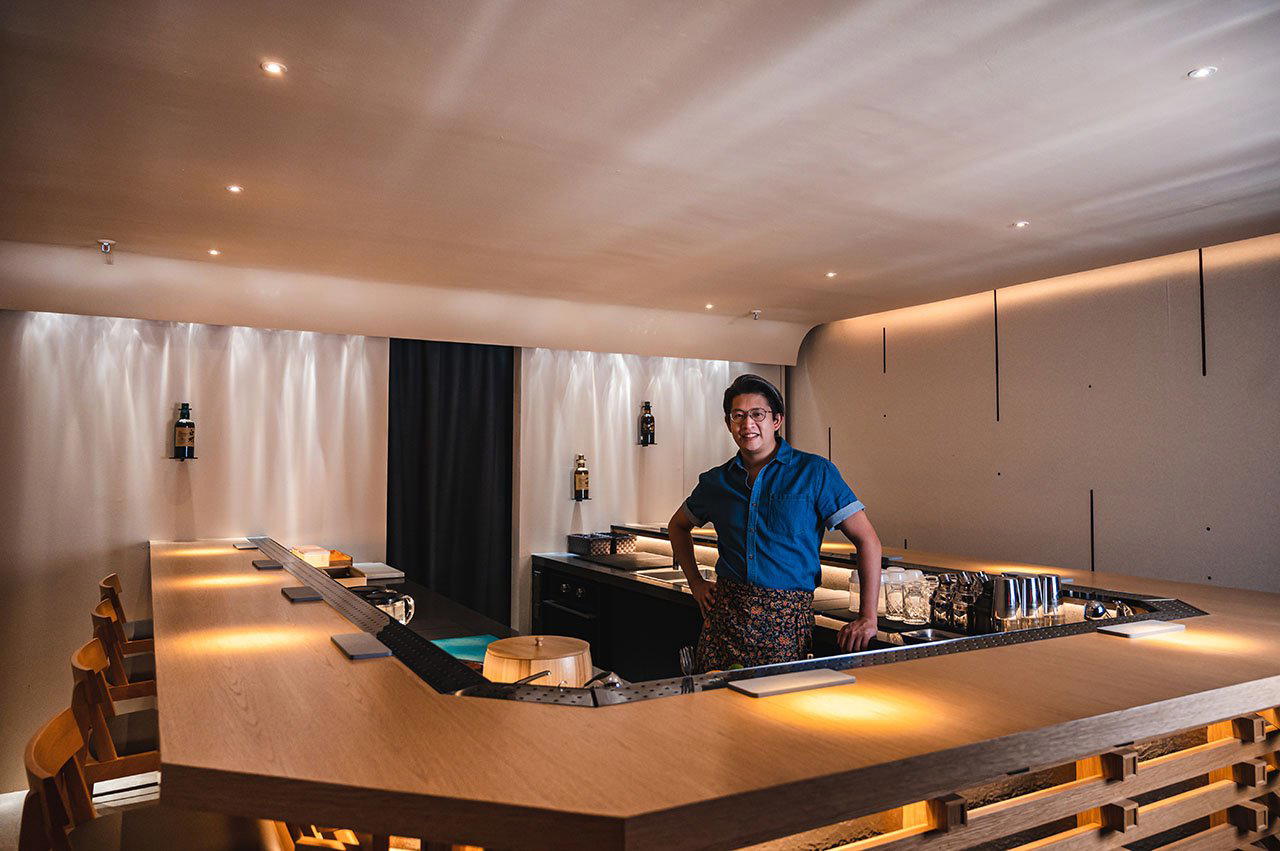
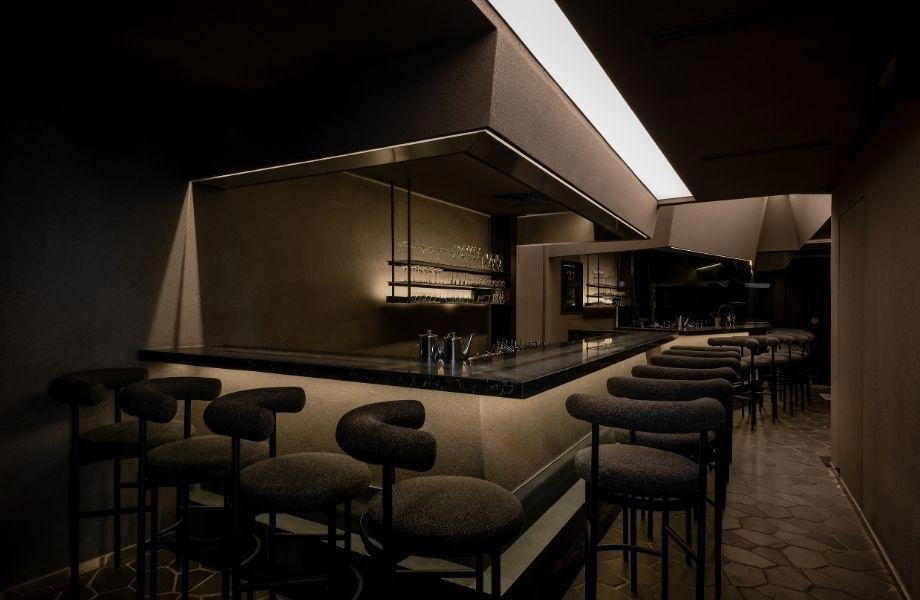
The adjoining bar contributes its own layer. Cocktails are built to pair with the nomadic menu, drawing on the same spice vocabulary the kitchen uses. The sommelier program extends this further, with wine pairings available alongside the drink-pairing program for guests who prefer a broader range across the meal. The pairing option matters at this price and format: a ten-plus-course menu rewards the full program, and at Nadodi specifically, where flavor profiles shift significantly course to course, a thoughtfully sequenced pairing clarifies the kitchen's intentions in a way that ordering a single bottle does not.
Where Nadodi Sits in a Wider Region
Southern Indian tasting-menu format has found its most consistent commercial footing in Singapore, where Thevar has built a sustained following around modern Tamil cooking. Nadodi occupies a comparable position in Kuala Lumpur, and given Malaysia's historical ties to South Indian migration and trade, the cultural argument for ambitious Southern Indian fine dining in KL is, if anything, stronger. Across the broader innovative dining category in Asia, restaurants such as Meta in Singapore, alla prima in Seoul, and MAZ in Tokyo all operate in similar territory: using a specific regional or cultural lens to construct a multi-course format that functions at international fine-dining level. Soigné in Seoul offers another reference point for how the innovative format can sustain critical attention over time through consistent conceptual focus.
Within Kuala Lumpur itself, Seed competes in the tasting-menu space at a slightly lower price point. For guests planning a fuller picture of the city's dining range, the contrast between Nadodi's spice-forward, culturally specific approach and the European-leaning formats elsewhere in the $$$$ tier is instructive. See our full Kuala Lumpur restaurants guide for the complete picture.
Planning a Visit
Nadodi is a dinner-format restaurant operating at the leading price tier ($$$$), located within the Four Seasons Hotel on Jalan Ampang in the city's financial and hotel district. The Four Seasons address is well connected from the Golden Triangle and accessible from most luxury hotels in the KLCC corridor. Reservations are advisable well in advance given the limited format and the recognition the restaurant has accumulated; guests with access to the Four Seasons concierge may find that a useful booking channel. The full drink pairing program is worth adding at the time of booking rather than at the table, as allocation across the meal is sequenced to the menu. For evening dining near the city's other major attractions, the surrounding area has strong options for pre-dinner drinks, see our full Kuala Lumpur bars guide and our Kuala Lumpur hotels guide if you are planning accommodation nearby.
Guests traveling further across Malaysia will find complementary reference points at very different price registers: Auntie Gaik Lean's Old School Eatery in George Town and Bee See Heong in Seberang Perai represent the hawker and heritage end of Malaysian dining, while The Planters at The Danna in Langkawi offers a luxury resort alternative. Explore more through our Kuala Lumpur experiences guide and wineries guide to round out your time in the city.
Frequently asked questions
What kind of setting is Nadodi?
What should I order at Nadodi?
Is Nadodi suitable for children?
Comparable Spots
| Venue | Cuisine | Price | Awards | Notes |
|---|---|---|---|---|
| NadodiThis venue (the venue you are viewing) | Modern South Indian & Sri Lankan Fine Dining | $150–200 | Michelin Plate · La Liste Top Restaurants | Not listed |
| Dewakan | Modern Malaysian Fine Dining | $150–200 | 2 Michelin Stars · World's 50 Best #62 | Malaysian |
| Beta | Modern Malaysian Fine Dining | $100–150 | 1 Michelin Star · La Liste Top Restaurants | Malaysian |
| Molina | Avant-Garde European Fine Dining | $150–200 | 1 Michelin Star | Innovative |
| DC. by Darren Chin | French Contemporary Fine Dining | Not listed | 1 Michelin Star · La Liste Top Restaurants | French Contemporary |
| Ah Hei Bak Kut Teh | Traditional Herbal Bak Kut Teh | $10–20 | Michelin Bib Gourmand | Malaysian |
Recognition history
Dated appearances from independent guides and award organizations, with the underlying list record or original source where available.
Michelin Plate
Michelin
La Liste Top Restaurants
La Liste
Star Wine List
Star Wine List
Opinionated About Dining Top Restaurants in Asia Recommended
Opinionated About Dining
The Best Chef One Knife
The Best Chef
Full recognition history (7 entries)
Michelin Plate
Michelin
Michelin Plate
Michelin
Continue exploring
More in Kuala Lumpur
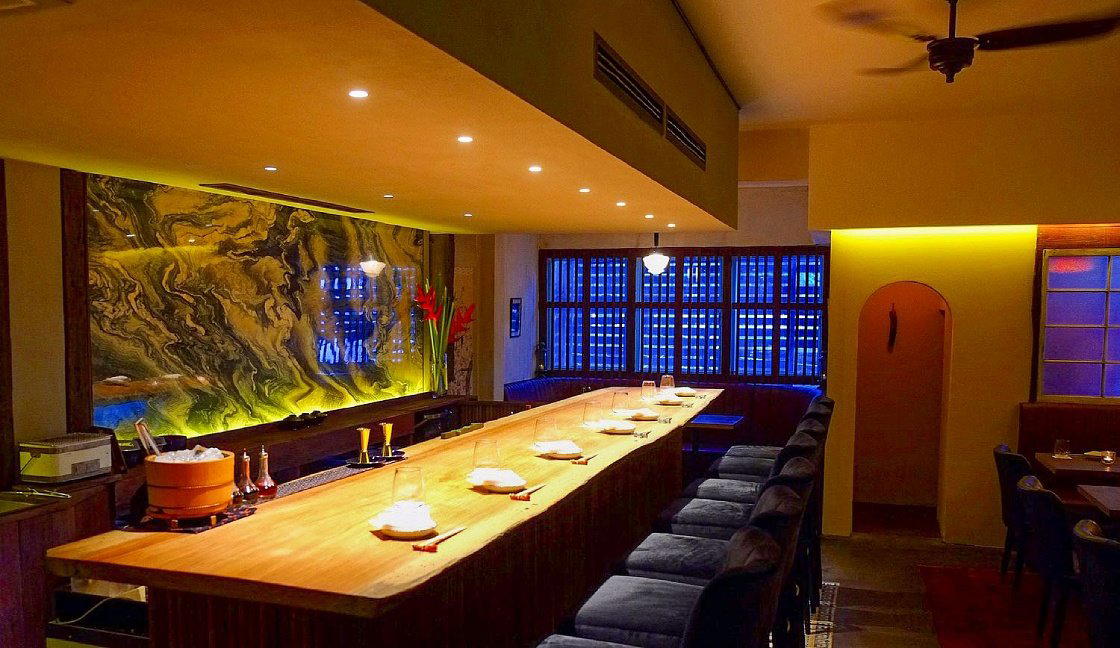
Restaurants in Kuala Lumpur
All restaurants in Kuala Lumpur →
Bars in Kuala Lumpur
All bars in Kuala Lumpur →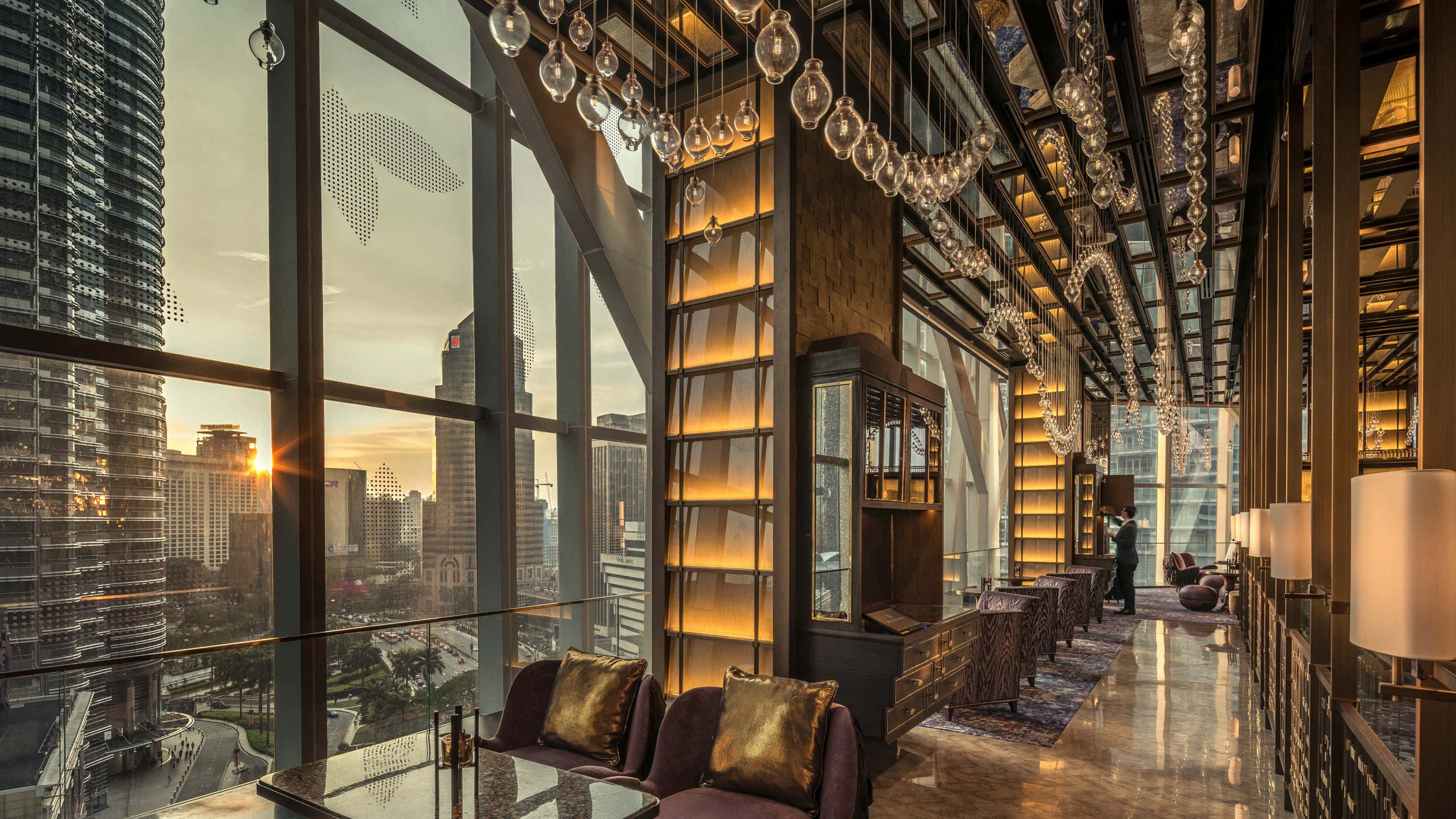
Nadodi
The wine
- Extensive wine list
- Sommelier-led
- Craft cocktails
Details
- Elegant
- Intimate
- Sophisticated
- Modern
- Date Night
- Special Occasion
- Celebration
- Business Dinner
- Hotel Restaurant
- Private Dining
- Panoramic View
- Open Kitchen
- Craft Cocktails
- Sommelier Led
- Extensive Wine List
- Local Sourcing
- Farm To Table
- Skyline
- Tasting Menu
- Set Menu
- Craft Cocktails
- Wine Pairings
- Vegetarian Friendly
- Vegan Options
- Gluten Free Options
- Halal
- Allergy Accommodating
Current opening hours
- Monday
- 12–3 PM, 6–10 PM
- Tuesday
- 12–3 PM, 6–10 PM
- Wednesday
- 12–3 PM, 6–10 PM
- Thursday
- 12–3 PM, 6–10 PM
- Friday
- 12–3 PM, 6–10 PM
- Saturday
- 12–3 PM, 6–10 PM
- Sunday
- Closed
Hours can change for holidays and private events. Hours as of .
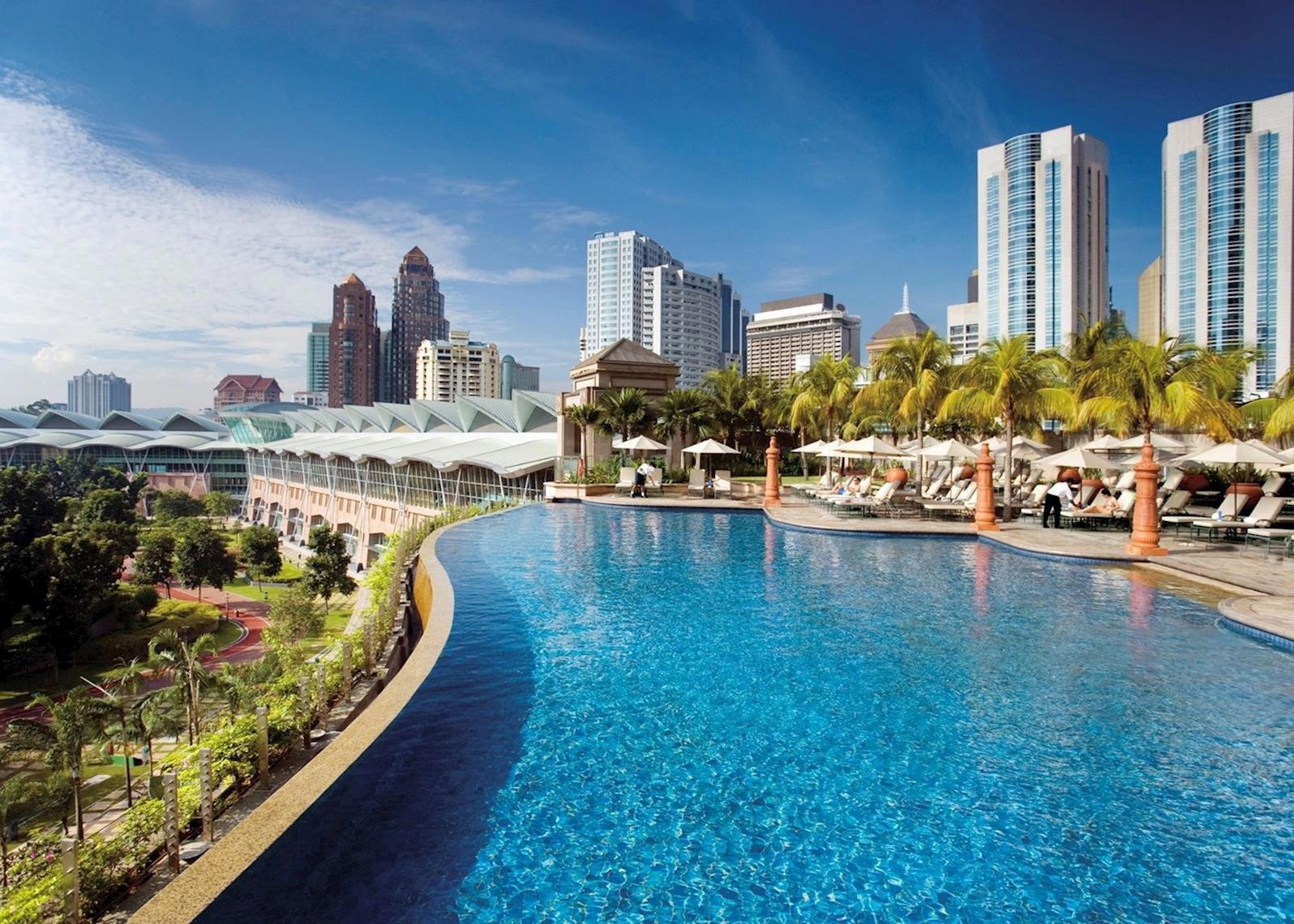
Elegant and intimate with polished marble floors, black-and-white photography, cosy booth seating by windows with sweeping city views of KLCC skyscrapers, and refined table settings that change with each course.