Tenmasa


A ten-seat tempura counter in the KLCC district, Tenmasa holds consecutive Michelin Plate recognition (2024 and 2025) and a La Liste score of 83.5 points. The omakase format moves through appetisers, seasonal specials, and tempura fried in a sesame-rice bran oil blend, with Hokkaido uni on a tempura shiso leaf as the signature. Advance booking is essential.
Pearl is the En Primeur Club membership app — saves, bookings, and concierge access live there. Same editors, same standards.
- Address
- Menara Felda, Persiaran KLCC, Kuala Lumpur City Centre, 50088 Kuala Lumpur, Malaysia
- Phone
- +60 3-2181 7732
- Website
- tenmasa-kl.com
- Directions
- Get directions
 Saves & bookings on Pearl
A Counter Format That Earns Its Place in KLCC
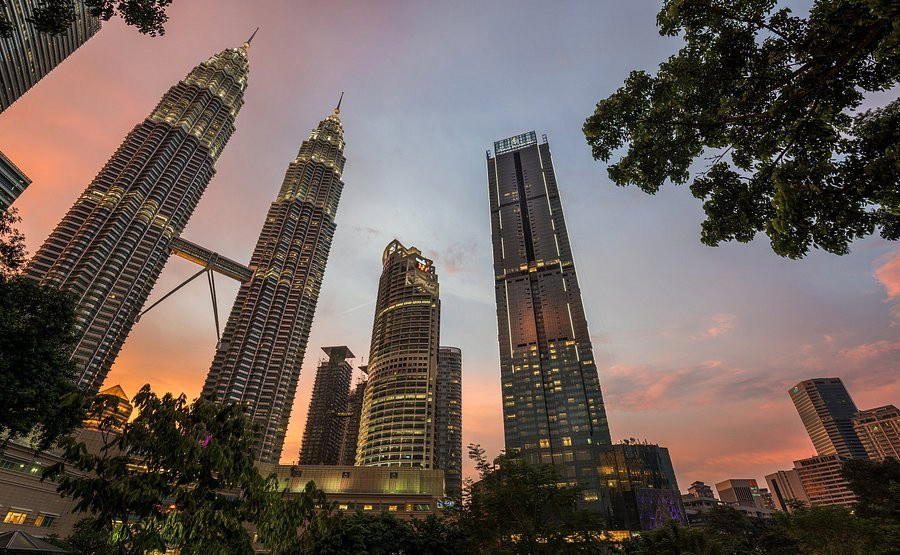
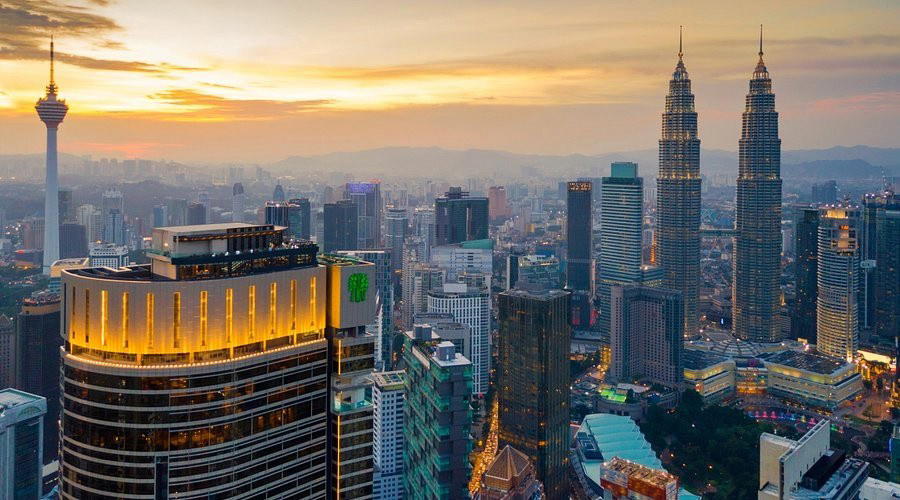
The Kuala Lumpur City Centre district runs on a particular kind of ambition. Towers of glass and steel set the register, and the dining rooms that occupy their lower floors are under constant pressure to justify their addresses. Among the Japanese restaurants in this corridor, Tenmasa makes its case through reduction rather than spectacle: ten seats arranged at a counter, a focused tempura omakase, and produce sourced from Japan. In a city where the fine-dining conversation increasingly centres on Malaysian-rooted kitchens like Dewakan and Beta, Tenmasa occupies a distinct and credible niche.
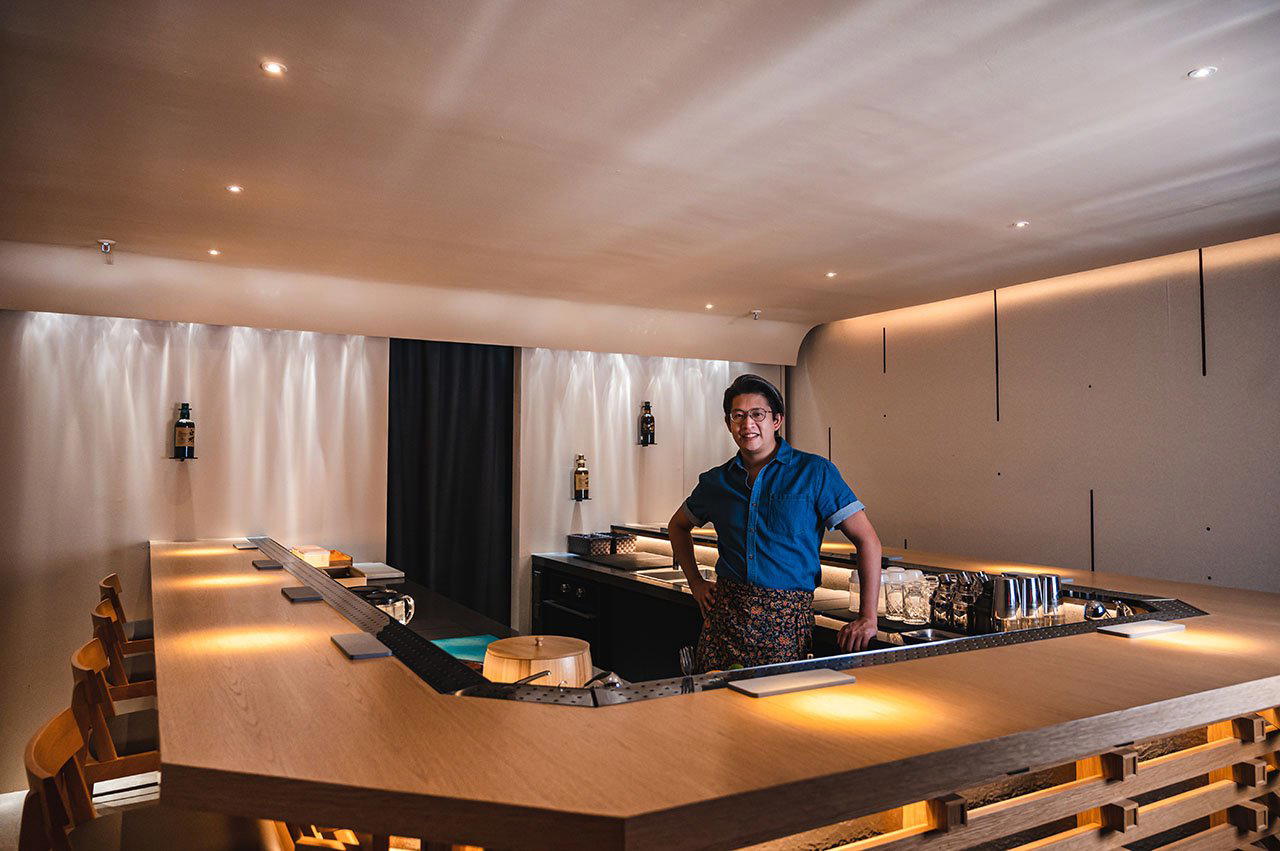
The counter arrangement is not incidental to the experience. In the specialist tempura tradition, the counter is where the transaction between cook and diner becomes visible and immediate. You watch the batter applied, the oil temperature managed, the timing judged. That proximity is the product. Tenmasa's ten-seat format holds this discipline tightly, and advance booking is essential. It also places the restaurant in a peer tier defined by craft and intimacy rather than volume.
What the Omakase Format Delivers
Omakase structure moves from appetisers through seasonal specials to the tempura sequence itself. This architecture is conventional for the format but serves a clear purpose: the earlier courses calibrate the palate and establish context before the frying begins. Seasonal specials built around Japanese produce allow the menu to shift with availability, which is both a quality signal and the mechanism that makes repeat visits worthwhile.
Frying medium deserves attention as a technical point. A blend of sesame and rice bran oil is a considered choice: sesame brings a faint aromatic depth, rice bran oil has a high smoke point and a neutral base, and together they produce a crust described in the restaurant's own documentation as ethereal. That framing holds up in principle. The combination is common at specialist Japanese tempura counters precisely because it produces a lighter, less greasy result than single-oil frying at lower temperatures. The technique is the argument for the format.
A signature dish is fresh Hokkaido uni served on a tempura shiso leaf. Uni from Hokkaido sits in the upper tier of Japanese sea urchin, valued for sweetness and clean brininess. Shiso leaf, when battered and fried, provides a brief herbal note and textural contrast. The pairing is elegant in its economy: two ingredients, one technique, a clear statement of what the kitchen prioritises.
Where Tenmasa Sits on the KLCC Price Curve
At roughly $80 per person, Tenmasa occupies middle ground in the KLCC fine-dining range. It sits below the $$$$ tier claimed by French contemporary rooms like DC. by Darren Chin and innovative tasting-menu formats like Molina and Ling Long. For a counter format with imported Japanese produce and a fixed omakase structure, that positioning represents a coherent value argument. You are paying for specialist technique and curated sourcing without the full premium attached to the city's most expensive tasting menus.
Comparison with specialist tempura counters elsewhere in the region sharpens the picture. Osaka maintains a strong tradition in the format, represented by rooms like Numata and Shunsaiten Tsuchiya. Tokyo has its own tier with counters such as Tempura Ginya and Tempura Motoyoshi. In Taipei, Mudan Tempura occupies a comparable specialist position. What Tenmasa offers is that same counter-and-craft format in Kuala Lumpur, at a price point that reflects its context in Southeast Asia rather than the premium benchmarks of Japan's major cities.
Planning Your Visit
Tenmasa is located in Menara Felda on Persiaran KLCC, placing it directly within the city centre tower district and accessible from the KLCC LRT station. The ten-seat counter makes booking the central logistical point: this is not a restaurant where walk-ins are viable, and the demand relative to capacity means planning ahead is practical necessity. For anyone building a broader Kuala Lumpur itinerary around dining, the full range of options across the city is covered in our Kuala Lumpur restaurants guide.
For those travelling more broadly across Malaysia, the dining scene extends well beyond KL. George Town's heritage food culture is anchored by rooms like Auntie Gaik Lean's Old School Eatery, Seberang Perai offers its own local register at Bee See Heong, and Langkawi's resort dining is represented by The Planters at The Danna. Each occupies a different register from Tenmasa, which is precisely the point: Kuala Lumpur's Japanese specialist counter sits within a Malaysian dining context that is unusually varied in format and ambition.
A Quick Peer Check
Comparable venues nearby, for context on price, style, and recognition.
| Venue | Cuisine | Price | Awards | Notes |
|---|---|---|---|---|
| TenmasaThis venue — the venue you are viewing | Japanese Tempura Kaiseki Omakase | $$$$ | Michelin Plate | Not listed |
| Sushi Ori | Traditional Japanese Omakase | $$$$ | Michelin Plate | Kampong Dollah |
| Sushi Masa | Edomae-style Japanese Omakase | $$$$ | Michelin Plate | Kampong Baharu |
| Sushi Taka | Premium Edomae Omakase | $$$$ | Michelin Plate | Brickfields |
| Yun House | Modern Cantonese | $$$$ | Michelin Plate | Kampong Dollah |
| Atelier Binchotan | Modern Binchotan Grill | $$$$ | Michelin Plate | Taman Desa |
Recognition history
Dated appearances from independent guides and award organizations, with the underlying list record or original source where available.
Michelin Plate
Michelin
La Liste Top Restaurants
La Liste
Michelin Plate
Michelin
Michelin Plate
Michelin
Continue exploring
More in Kuala Lumpur
Restaurants in Kuala Lumpur
Browse all →
Bars in Kuala Lumpur
Browse all →
At a Glance
- Intimate
- Elegant
- Sophisticated
- Classic
- Date Night
- Business Dinner
- Special Occasion
- Chefs Counter
- Sake Program
- Local Sourcing
Current opening hours
- Monday
- 12–3 PM, 6–10:30 PM
- Tuesday
- 12–3 PM, 6–10:30 PM
- Wednesday
- 12–3 PM, 6–10:30 PM
- Thursday
- 12–3 PM, 6–10:30 PM
- Friday
- 12–3 PM, 6–10:30 PM
- Saturday
- 12–3 PM, 6–10:30 PM
- Sunday
- Closed
Hours can change for holidays and private events. Last verified .
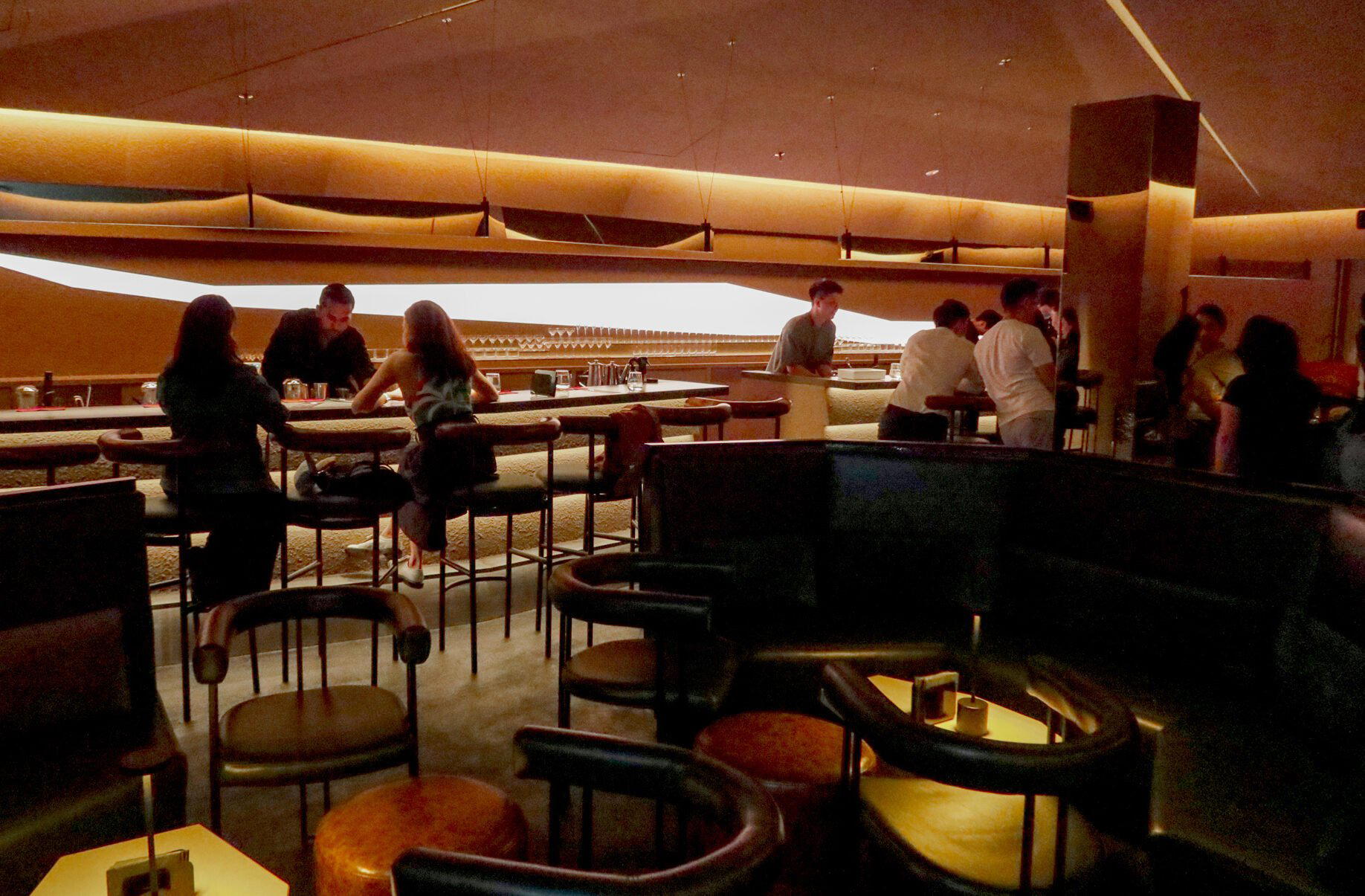
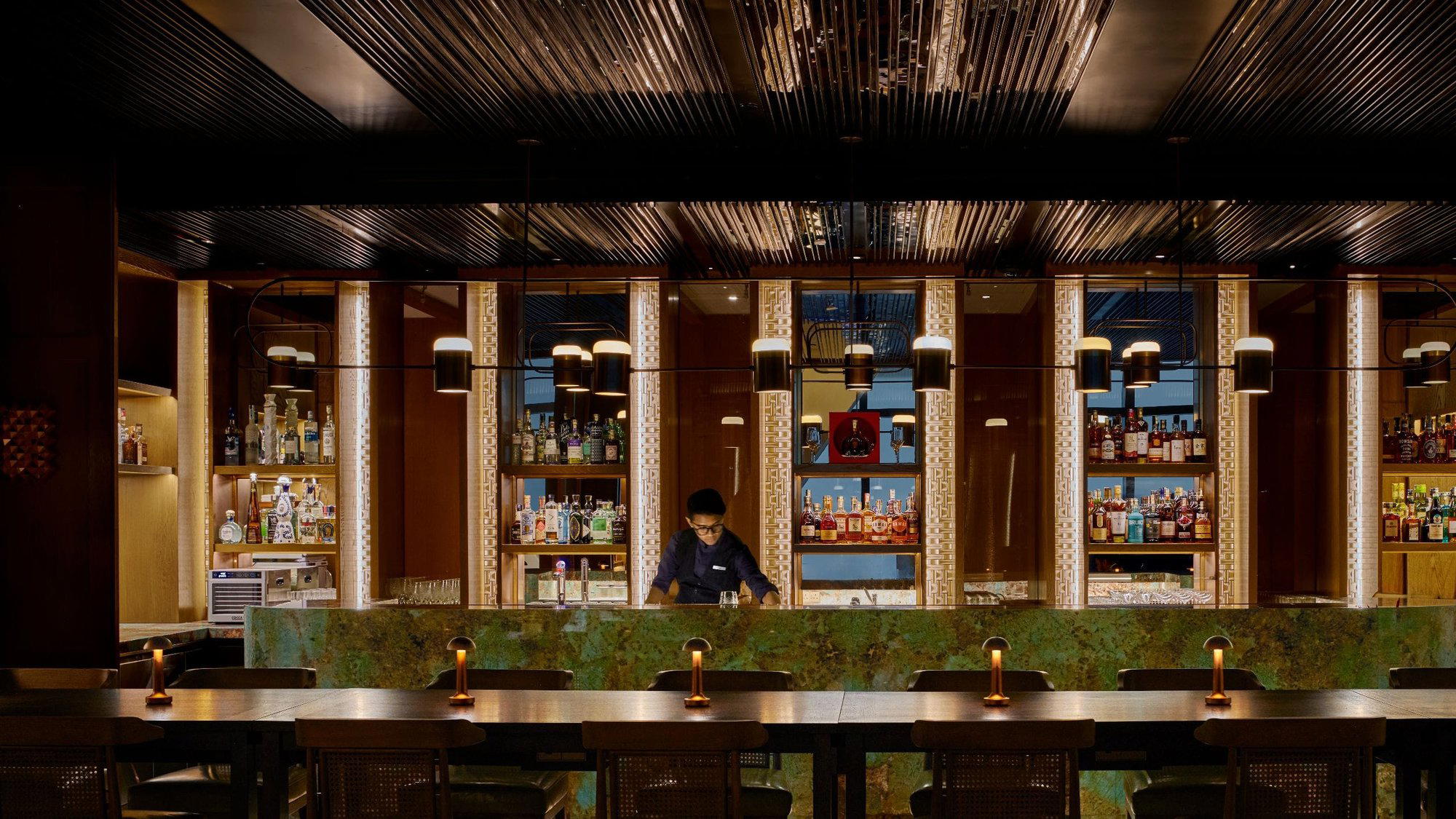
Intimate counter seating for 10 with light wood accents, dim lighting, and soft jazz creating a serene, classically Japanese atmosphere.