
Tabelog 100 #8
Our verdict
Kyoto’s wagashi culture rewards patience, seasonality, and craft at small scale. Wagashi Mise Seiyo belongs to the city’s specialist tier: a Shichiku workshop format, selected for Tabelog 100 Japanese traditional sweets / Japanese sweets cafe WEST 2023, with spending typically around JPY 2,000 to JPY 2,999.

Pearl is the En Primeur Club membership app, where members save venues, book tables and use the concierge.
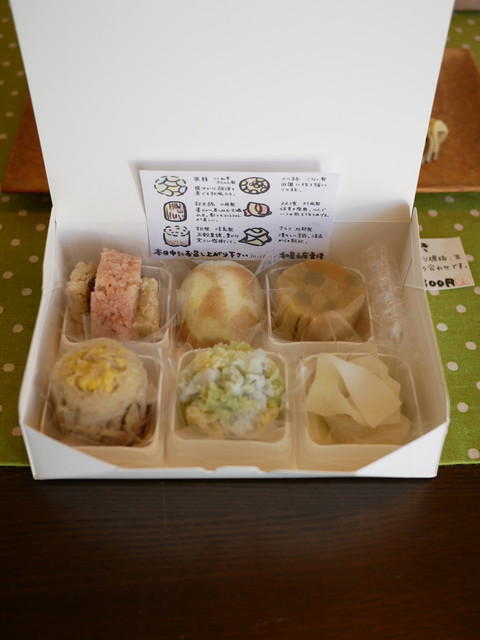
Kyoto changes tempo as the city thins into quieter streets and small workshops. Serious wagashi here feels different from department-store counters or tourist-facing sweet shops. It is a culture of timing, small batches, and buyers who know Kyoto confectionery is not primarily souvenir shopping, but seasonal craft shaped by tea practice, gift customs, and long memory for texture, color, and restraint.
Wagashi Mise Seiyo belongs to that narrower conversation. Its 2023 Tabelog Hyakumeiten recognition in Japanese traditional sweets places it among vetted specialists, not the broader dessert market. In Kyoto, the gap between a casual sweet stop and a craft-focused wagashi address is wide. The useful comparison is not coffee-and-cake cafés, but small-format confectionery specialists where production discipline and release cadence often define the experience.
Kyoto wagashi, judged by timing rather than volume
Wagashi asks different questions from restaurant dining. A formal dining room can build drama through courses, pacing, and service; a wagashi specialist works in compression. A few pieces must carry season, technique, sweetness, and texture without a meal’s support. Kyoto has long taken that compression seriously because wagashi is tied to chanoyu, temple calendars, and formal gifting. The craft is not just sugar and bean paste, but whether a small object can suggest a moment in the year without shouting.
That is why the city’s serious sweets addresses reward regulars and planners. Some are daily retail counters; others operate with more limited production and sales rhythms. Wagashi Mise Seiyo’s specialist identity is not a quirk, but part of a Kyoto pattern: confectionery made by the rhythm of craft rather than footfall. The luxury differs from a long tasting menu: less ceremony at the table, more pressure on the object.
For visitors building a Kyoto food itinerary, the distinction helps. Other Kyoto sweets traditions point to different ways the city treats confections, while casual dining and contemporary restaurants map different city moods. A wagashi stop at Wagashi Mise Seiyo occupies another lane: focused, brief, and dependent on calendar discipline.
The atelier model suits sweets better than spectacle
Modern Japanese dining often celebrates the visible counter team: chef, sommelier, and front-of-house moving together. Wagashi shifts much of that collaboration out of view. Production carries the craft; handover carries hospitality. There may be no dramatic pour, open-kitchen performance, or pairing arc, yet the same coordination question remains: does the format support the work, or distract from it?
In Kyoto wagashi, restraint often wins. A compact specialist format can protect freshness, reduce display fatigue, and keep attention on intended use, whether tea, gifting, or quiet afternoon tasting. Public details around Wagashi Mise Seiyo point to that specialist logic: Japanese traditional sweets and recognition within a Tabelog Hyakumeiten context. These signal a sweets address rather than a broad dessert lounge.
The craft credential matters without becoming the whole story. In Kyoto terms, serious wagashi often balances inherited technique with smaller independent formats, a familiar pattern in a city where formal craft can live at personal scale. The editorial point is category as much as biography: serious wagashi is sustained by makers who carry technique without turning the product into museum work.
The price position clarifies the niche. Wagashi Mise Seiyo is listed at JPY 2,000 to JPY 2,999, signaling a considered craft stop rather than an impulse snack. Croa, Ichiwa Ichimonjiya Wasuke, Mikura Ya, Ninshurou, and MUBE sit elsewhere on Kyoto’s sweets and dining map, so the useful read is not simple venue-to-venue competition, but how Kyoto separates casual convenience, heritage sweets, and specialist production into different decisions.
How to place it in a Kyoto itinerary
A Kyoto location works well with a day planned around slower movement rather than a rushed checklist. The city’s specialist sweets stops often feel most rewarding when they are treated as purposeful destinations, not filler between bigger bookings. Wagashi Mise Seiyo is not for a hurried shopping afternoon, but for a Kyoto plan with enough flexibility to respect craft confectionery.
For a broader city map, use Our full Kyoto restaurants guide to separate sweets, casual meals, and destination dining before fixing the route. Longer stays can add Our full Kyoto hotels guide, Our full Kyoto bars guide, Our full Kyoto wineries guide, and Our full Kyoto experiences guide. The point is sequencing: Kyoto rewards itineraries that do not force every food stop into the same district or format.
Against Japan’s wider food map, this address shows how specialized Kyoto sweets remain. Comparing it with other dining in Kyoto or elsewhere in Japan is not comparing like with like. Those categories show contemporary Japanese eating’s range; Kyoto wagashi uses a narrower grammar. Even overseas Japanese formats translate Japanese food culture through another lens.
The verdict is clear without overstatement: this is for travelers who treat wagashi as craft, not filler between temples. The 2023 Tabelog Hyakumeiten recognition supplies trust, the Kyoto setting supplies context, and the specialist format explains why planning matters. Kyoto has many easy sweets. This is for the reader who wants the disciplined version.
Frequently asked questions
Can I bring kids to Wagashi Mise Seiyo?
Wagashi Mise Seiyo is a Kyoto wagashi address with a listed JPY 2,000–JPY 2,999 price range. Kid-specific details are not provided here. Check the venue's official channels for the latest details.
What kind of setting is Wagashi Mise Seiyo?
It is a Japanese traditional sweets specialist in Kyoto. Its 2023 Tabelog Hyakumeiten recognition gives it a clear place in the city’s sweets scene.
Is Wagashi Mise Seiyo more mid-range or high-end?
Pricing at Wagashi Mise Seiyo is listed as JPY 2,000 - JPY 2,999 View spending breakdown.
When can I go to Wagashi Mise Seiyo?
Current opening hours are not provided here. Check the venue's official channels for the latest schedule before visiting.
What's the address for Wagashi Mise Seiyo?
Kyoto.
A Lean Comparison
Comparable venues by cuisine and category.
| Venue | Cuisine | Price | Awards | Notes |
|---|---|---|---|---|
| Wagashi Mise SeiyoThis venue (the venue you are viewing) | Seasonal Japanese Wagashi Sweets Shop | $20–30 | Tabelog 100 #8 | Not listed |
| Ninshurou | Modern Cantonese | $150–200 | La Liste Top Restaurants · Tabelog Gold #19 | Chinese |
| MUBE | Modern Fermentation Japanese Cuisine | $200–300 | 1 Michelin Star | Not listed |
| Mikura Ya | Traditional Kyoto Wagashi (Japanese confectionery) | $1–10 | Tabelog 100 #98 | JPY 1,000 - JPY 1,999 View spending breakdown |
| Croa | Artisanal Bakery | $1–10 | Tabelog 100 #42 | JPY 999 View spending breakdown |
| Ichiwa Ichimonjiya Wasuke | Traditional Kyoto wagashi & aburi-mochi teahouse | $1–10 | Tabelog 100 #66 | JPY 999 |
Recognition history
Dated appearances from independent guides and award organizations, with the underlying list record or original source where available.
Tabelog 100 #8 · No. 8
Tabelog · Tabelog 100 - Japanese traditional sweets / Japanese sweets cafe - WEST - 2023
Continue exploring
More in Kyoto
Restaurants in Kyoto
All restaurants in Kyoto →
Bars in Kyoto
All bars in Kyoto →
Hotels in Kyoto
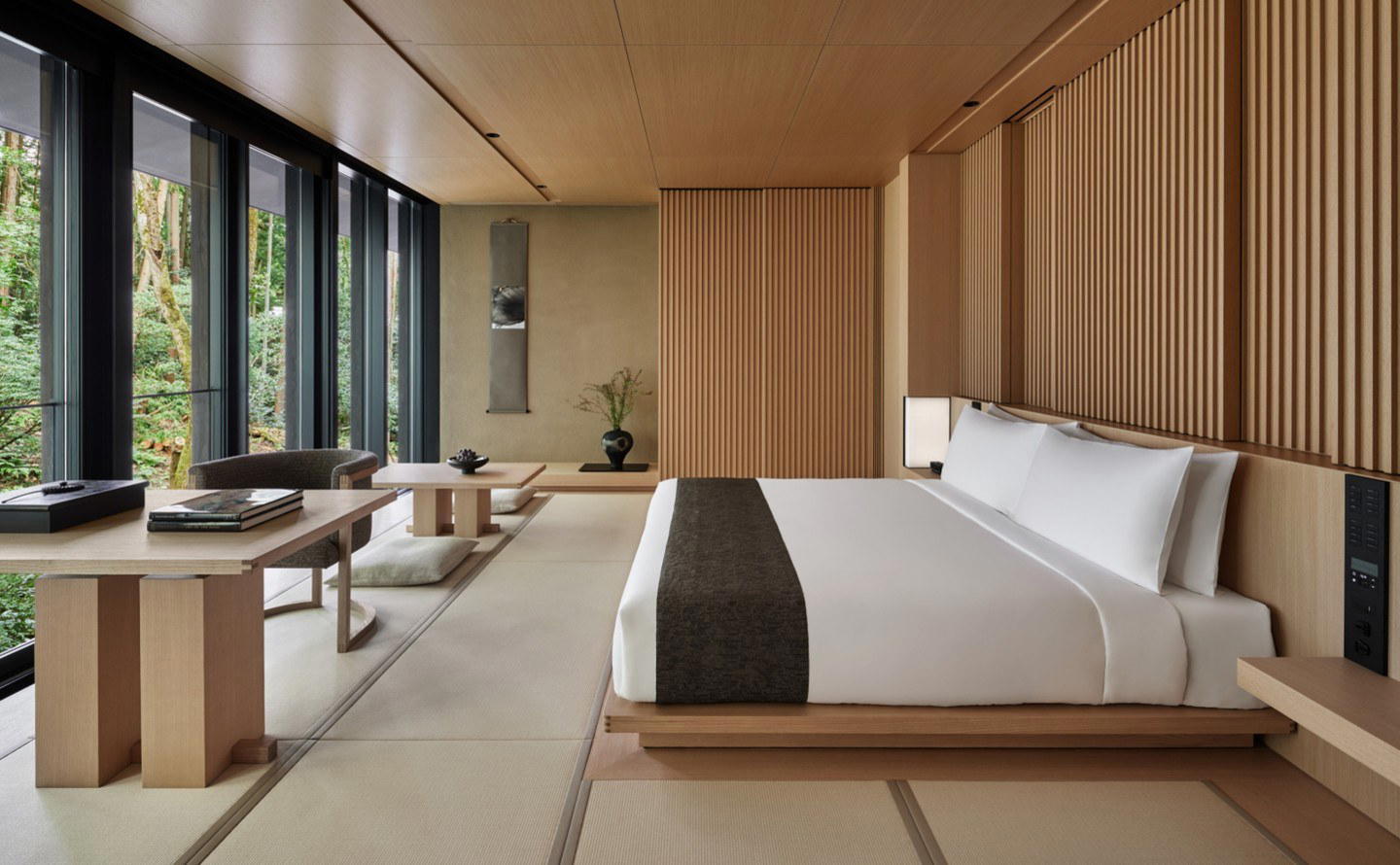
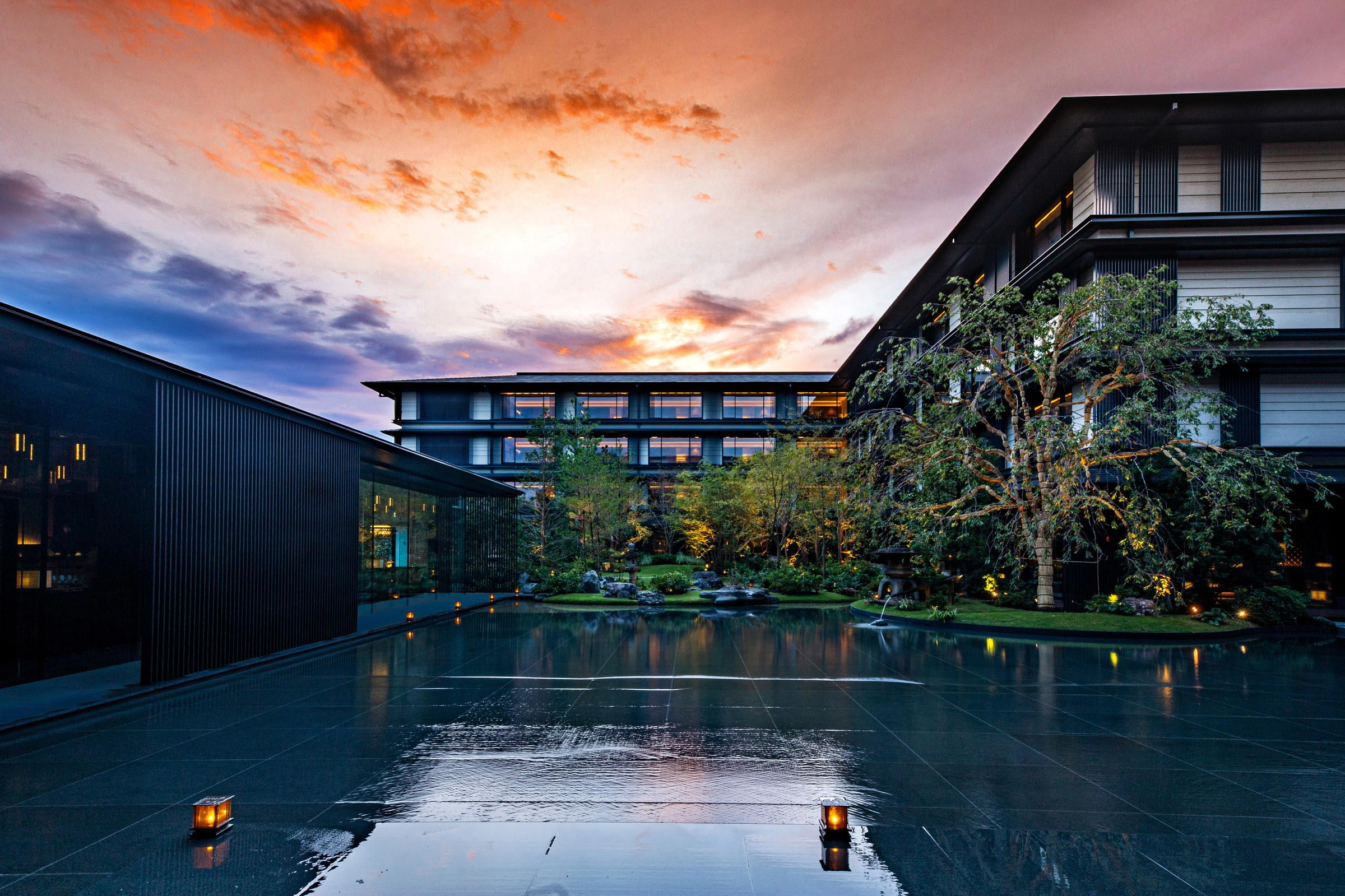
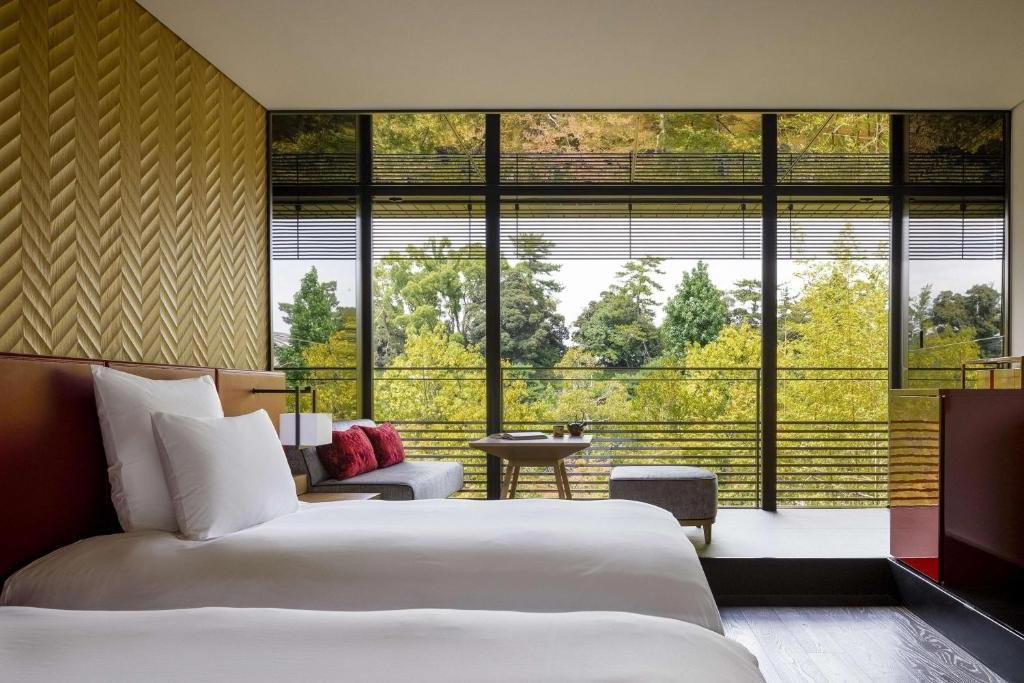
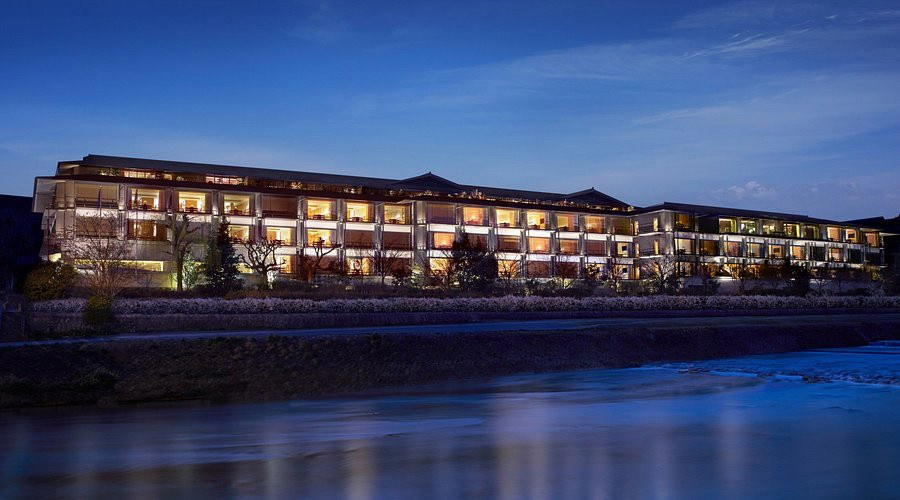
All hotels in Kyoto →
Wineries in Kyoto
Browse all →
Details
- Quiet
- Cozy
- Classic
- Solo
- Casual Hangout
- Special Occasion
- Standalone
- Design Destination
- A La Carte
Current opening hours
- Monday
- 11 AM–5 PM
- Tuesday
- 11 AM–5 PM
- Wednesday
- 11 AM–5 PM
- Thursday
- 11 AM–5 PM
- Friday
- 11 AM–5 PM
- Saturday
- 11 AM–5 PM
- Sunday
- 11 AM–5 PM
Hours can change for holidays and private events. Last verified .
A quiet, intimate neighborhood wagashi shop with a classic feel, focused on the beauty of traditional Japanese sweets rather than elaborate interior design; the atmosphere is calm and contemplative, suited to appreciating seasonal confections.