
Tabelog 100 #42
Our verdict
Croa gives Kyoto’s bakery culture a northern counterpoint: quieter, residential, and more everyday than the city’s temple-district dining image suggests. Its Tabelog Bread 100 selections from 2017, 2018, 2019, 2020, and 2022 place it among the Kansai bread addresses serious eaters use as itinerary anchors rather than casual add-ons.

Pearl is the En Primeur Club membership app, where members save venues, book tables and use the concierge.
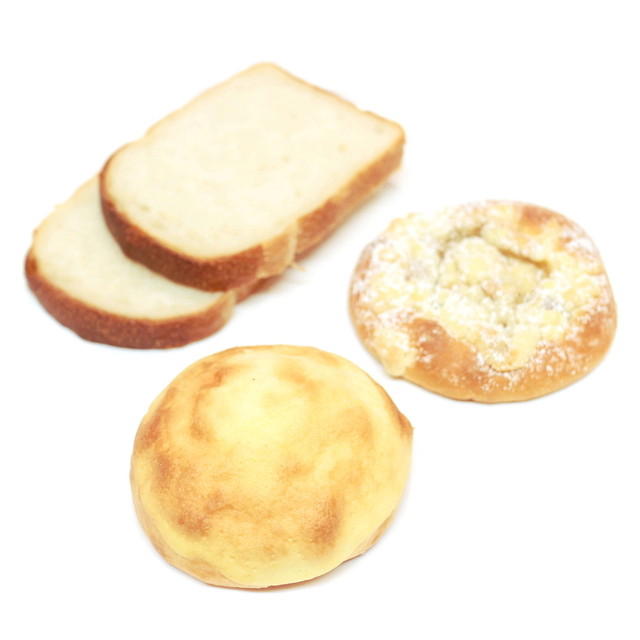
Kyoto can change the tempo of a food day. The streets thin out, the city’s central grid loosens, and the appetite shifts from formal restaurant timing to the quieter grammar of a bakery run: paper bags, glass cases, a short exchange at the counter, and the smell of bread doing more work than décor. In a city often read through tea rooms, temples, and dinner reservations, Croa belongs to a different Kyoto tradition, the small bakery whose value is measured by repetition rather than ceremony.
That distinction matters. Kyoto’s food reputation is usually discussed through seasonal dining and long-established sweets, yet its bakery culture has a serious local following. Bread in Japan is not a side note to Western dining; it has its own categories, queues, breakfast habits, and ranking systems. A bakery selected for Tabelog’s Bread 100 list is being judged in a field where consistency, variety, and daily demand matter as much as spectacle. Croa’s Tabelog Bread 100 2022 recognition puts it in that conversation.
Kyoto bread culture away from the central dining circuit
The Kyoto setting gives the experience a different reading from a bakery folded into a station or shopping itinerary. Central Kyoto rewards speed: department-store counters, commuter bakeries, and dining rooms built around tight tourist schedules. Croa feels slower and more everyday, which makes a bread stop feel less like a convenience purchase and more like a planned detour. That is the point. The bakery format here sits closer to the city’s daily food intelligence than to its formal restaurant economy.
For travellers mapping Kyoto by food category, the contrast is useful. A meal at Otagi, with its reservation-led format, belongs to the city’s higher-commitment dining tier. Wagashi Mise Seiyo, priced in a different sweet-shop bracket, points toward the city’s confectionery habits. Bread occupies another lane entirely: lower spend, shorter visit, and a sensory payoff that arrives before the first bite. Flour, butter, yeast, and the warm-case rhythm of a working bakery can show Kyoto with less choreography than a tasting menu.
The wider city map reinforces that range. Around Kyoto, other dining rooms, quick counters, bakeries, cafés, and sweets shops each sit in a different register of the city’s eating habits, from everyday comfort to more design-conscious dining. A stop for bread can frame how Kyoto treats snacks, sweets, and takeout food as cultural infrastructure rather than filler between meals.
A bakery visit built on smell, pace, and selection
The bakery category is unusually honest because it gives little room for theatrical distraction. A counter, a case, a tray, and a decision: that is the format. The visual cues matter, but scent usually leads. Good bread shops announce themselves through fermentation, toasted grain, dairy, and sugar in changing proportions; the room tells the visitor what kind of bakery it is before a label does. Croa’s recognition in the Bread 100 field suggests the appeal is not a single novelty item but a sustained performance within a competitive category.
That makes it a stronger fit for travellers who care about food systems, not just restaurants. Kyoto’s bakery scene reflects several overlapping appetites: breakfast bread for residents, refined baking, Japanese soft-bread traditions, and savoury items designed for takeout rather than table service. The pleasure is not in lingering for a long meal. It is in reading the shelves, understanding what locals buy without fanfare, and accepting that a short stop can carry as much information about the city as a longer lunch.
Tabelog’s 3.70 score adds a useful calibration point. In Japan’s review culture, scores in that range can signal a venue with meaningful local traction rather than casual visibility. The Bread 100 selection is the stronger trust signal for the category. Awards in this field do not turn a bakery into a luxury restaurant; they identify it as a serious address where small differences in dough, timing, and turnover shape reputation.
How to place it in a Kyoto itinerary
Croa works well when Kyoto is being planned by texture rather than a checklist of dining rooms. Pairing a bakery stop with temples, sweets, or a quieter morning route gives the day a more local rhythm. It is also a useful corrective to the idea that Kyoto’s food value sits only at high spend levels. The listed spend band is modest, yet the recognition profile is strong; that combination is precisely why bakery addresses can matter to serious travellers.
Readers building a broader city plan should use the category mix deliberately. Start with Our full Kyoto restaurants guide for dining rooms and counter formats, then layer in Our full Kyoto hotels guide, Our full Kyoto bars guide, Our full Kyoto wineries guide, and Our full Kyoto experiences guide to avoid treating the city as dinner-only terrain. For wider Japan and Japanese-food context beyond Kyoto, compare the category spread with other dining in Japan and abroad, but keep Croa in its proper lane: a Kyoto bread stop with a specialist recognition signal rather than a full-service restaurant built around a long seating.
The editorial case is simple: this is not Kyoto dressed for visitors. It is Kyoto in a daily register, where a bakery’s credibility depends on repeat custom, modest pricing, and enough consistency to be selected for a specialist bread list. For travellers who already have temple food, wagashi, and a serious dinner booked, Croa adds the smell of the city’s morning economy.
Frequently asked questions
Where do I go for Croa?
Kyoto.
What's the pricing like at Croa?
Pricing at Croa is listed as - JPY 999 View spending breakdown.
Do I need a reservation for Croa?
Use Croa’s current contact details before visiting if timing matters. The provided listing identifies it as a Kyoto bakery selected for Tabelog Bread 100 in 2022, but it does not provide confirmed reservation or opening-day details here.
What is Croa known for?
Croa is known as a Bread venue in Kyoto, with Tabelog Bread 100 2022 recognition and a listed Tabelog score of 3.70.
Quick Comparison
Comparable venues by cuisine and price in the same metro.
| Venue | Cuisine | Price | Awards | Notes |
|---|---|---|---|---|
| CroaThis venue (the venue you are viewing) | Artisanal Bakery | $1–10 | Tabelog 100 #42 | Not listed |
| Grandir Shimogamo ten | Bakery & café | $1–10 | Tabelog 100 #45 | Sakyō |
| Kashi Shokunin | Japanese Cake Shop / Patisserie | Not listed | Tabelog 100 #75 | Ukyō |
| FLEUR DE FARINE | Artisanal bakery & sandwich shop | $1–10 | Tabelog 100 #97 | Nakagyō |
| Tsukiji | Traditional Japanese Kissaten / Coffee Shop | $1–10 | Tabelog 100 | Nakagyō |
| Castella do Paulo | Traditional Portuguese sweets & café | $10–20 | Tabelog 100 #48 | Kamigyō |
Recognition history
Dated appearances from independent guides and award organizations, with the underlying list record or original source where available.
Tabelog 100 #42 · No. 42
Tabelog · Tabelog 100 - Bread - WEST - 2022
Continue exploring
More in Kyoto
Restaurants in Kyoto
All restaurants in Kyoto →
Bars in Kyoto
All bars in Kyoto →
Hotels in Kyoto
All hotels in Kyoto →




Wineries in Kyoto
Browse all →
Details
- Cozy
- Classic
- Solo
- Casual Hangout
- After Work
- Standalone
- Design Destination
- A La Carte
- Counter Dining
A small, stylish yet relaxed bakery space on a hillside in Kyoto’s Kita Ward, with a quiet, non‑smoking environment suited to takeaway and a short, cozy stay.