
Aichi ramen culture rewards precision at everyday prices, and Tokugawa Cho Josui Nishiharu ten belongs to that serious local tier rather than the luxury dining circuit. Its 2025 Tabelog 100 Ramen AICHI selection, counter-and-table format, and ramen-tsukemen-mazesoba range make it a useful stop for reading how suburban Nagoya-area noodle shops balance speed, repetition, and craft.
Pearl is the En Primeur Club membership app — saves, bookings, and concierge access live there. Same editors, same standards.
- Address
- Tenjin-140 Ubukuji, Kitanagoya, Aichi 481-0035, Japan
- Phone
- +81 568-23-3578
- Website
- nbmm600.gorp.jp
 Saves & bookings on Pearl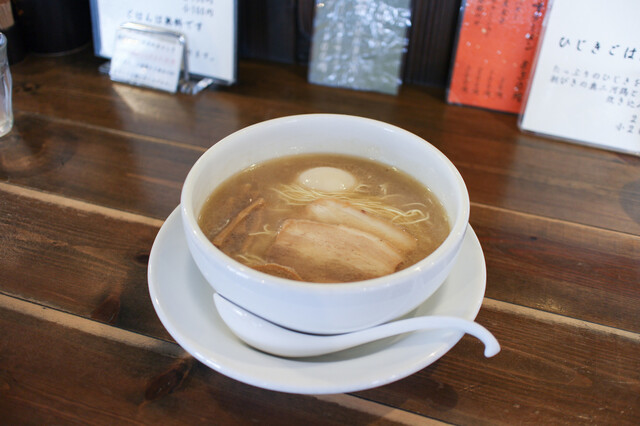
The approach is suburban rather than theatrical: a house-style ramen room in Kitanagoya, away from the polished hotel dining grids and station-tower restaurants that shape much of Nagoya’s visitor map. That matters. In Aichi, serious ramen is not confined to late-night alleys or city-centre queues; it often lives in practical roadside rooms where counter seats, family tables, parking, and repeat local traffic are part of the dining ritual.
Tokugawa Cho Josui Nishiharu ten sits in that pattern. The restaurant’s selection for Tabelog 100 Ramen AICHI 2025 places it among the prefecture’s recognised noodle specialists, but the format remains firmly everyday: ramen, tsukemen, and Taiwanese mixed noodles, served in a room built for quick turnover as much as close attention. For travellers using Nagoya as a base, it offers a different reading of the region from the city’s premium kappo counters and hotel restaurants. For a broader map of the city’s dining range, see Our full Nagoya restaurants guide.
Aichi ramen as a routine, not a performance
Ramen in central Japan has its own grammar. The meal is short, the choices are concentrated, and the strongest shops tend to reveal their priorities through format rather than explanation. A counter seat signals solo dining and pace; tables make room for children and groups; tsukemen adds a slower dipping rhythm; Taiwanese mixed noodles reflect Nagoya’s appetite for assertive, sauce-led bowls without turning the meal into ceremony.
That is the useful context for Tokugawa Cho Josui Nishiharu ten. Its appeal is not built around chef mythology or tasting-menu theatre. It belongs to the category of ramen shop where consistency carries the argument: a limited genre range, a price band that keeps the meal accessible, and enough local recognition to separate it from ordinary convenience dining. The Tabelog score of 3.58 is meaningful in this category because ramen ratings in Japan often compress many serious shops into narrow numerical bands; selection for the Aichi ramen list gives the stronger signal.
The comparison with Nagoya’s higher-spend restaurants is instructive. A place such as 451 or Alan. operates in a different decision set, where wine, pacing, and occasion shape the evening. Ramen asks a cleaner question: is the bowl worth the detour, and does the room support the rhythm of regular use? In Kitanagoya, the answer is tied to utility as much as reputation.
The counter-and-table rhythm
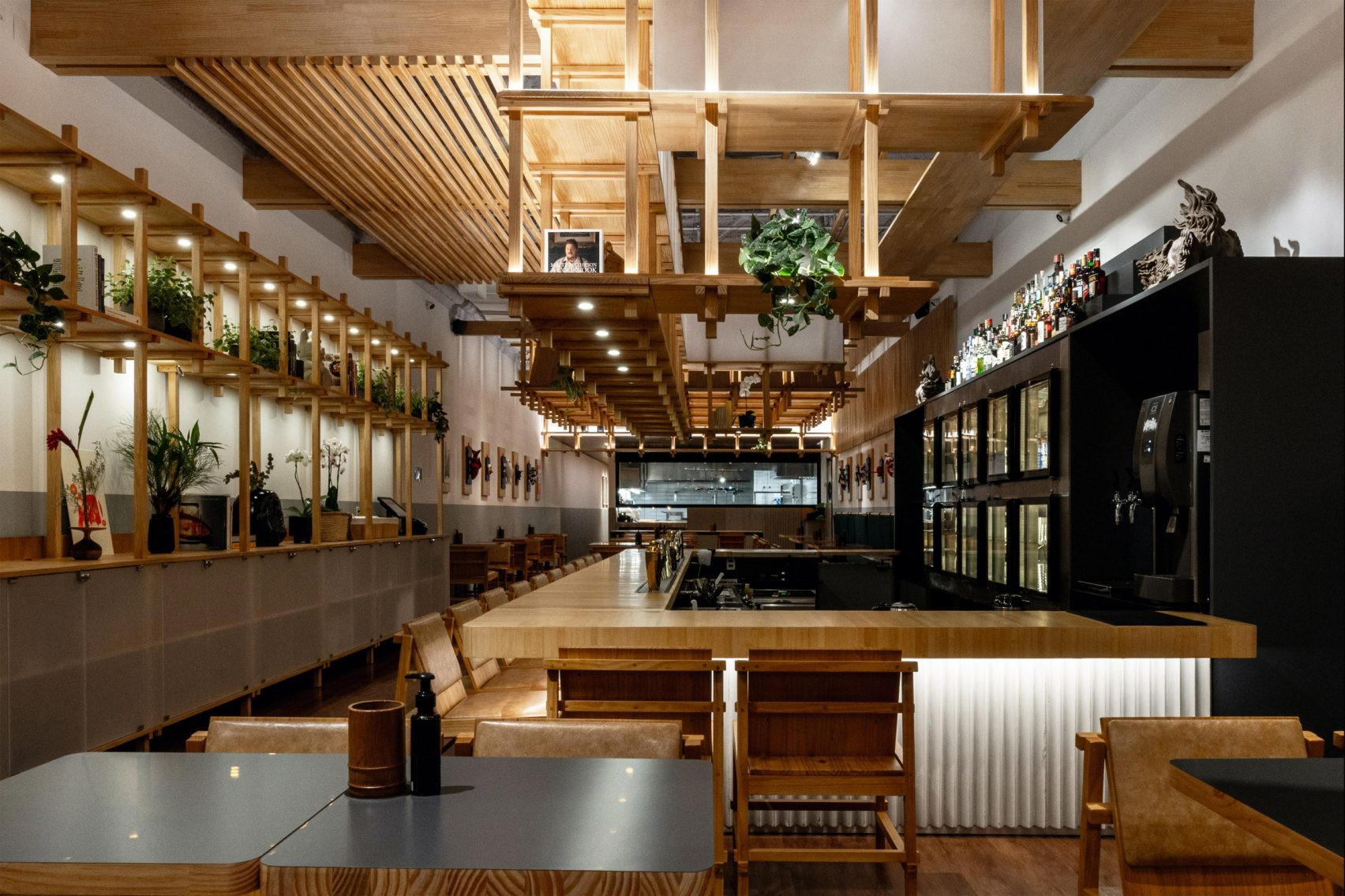
The room’s 21 seats divide between counter and tables, a practical split that says plenty about the intended audience. Eleven counter seats suit the solitary ramen ritual: order, wait, eat while the bowl is at its intended temperature, leave without lingering. The tables shift the same food into a family or friends format, which is common in suburban Aichi and less visible to travellers who only eat around Nagoya Station or Sakae.
This is where the dining ritual becomes important. Ramen is not a long meal, but it is not casual in the sense of careless. The pacing depends on broth, noodles, toppings, and temperature arriving in sync, and the customer’s role is to meet that timing. Tsukemen changes the tempo by separating noodles and dipping broth; Taiwanese mixed noodles put more emphasis on mixing and texture. Without needing a long menu narrative, those categories show how the shop sits across several local noodle habits rather than a single narrow lane.
Recognition also changes how to read the place. A 2025 Tabelog 100 Ramen AICHI selection is not the same kind of trust signal as Michelin dining, but for ramen it may be more relevant to the decision at hand. It measures the shop inside a competitive prefectural noodle culture, not against luxury restaurants. That distinction helps explain why a meal here can matter to a serious traveller even when the price sits in an everyday range.
How it fits into a Nagoya itinerary
Kitanagoya is not where many first-time visitors spend their evenings, so this is a deliberate ramen stop rather than a meal that falls naturally between museums and hotel bars. That should shape expectations. The value is in seeing the Nagoya-area food map beyond the familiar urban core: regional noodle shops, car-friendly dining, and the everyday formats that local diners use repeatedly.
For travellers building a wider food day, this kind of ramen visit pairs better with low-friction planning than with a packed formal schedule. It is not the same occasion as 1022, Aaron, or All Day Dining Montmartre. It is a sharper, shorter meal, useful when the point is to understand Aichi’s noodle culture at ground level. Out-of-metro comparisons such as -Grilled beef Sukiyaki- KAMAKURA TANUKIAN 鎌倉 たぬき庵 in Kamakura. 鮪と炭火焼き うお炭 秋葉原店 in Tokyo.cafe in Osaka.know in Kumamoto, (Shoku) Vietnam in Kawasaki, [Curry Senmon Ten] Maruyama Kyoju. in Sapporo, Jōdo Saké Bar in Los Angeles, and Onigiri Time in Pasadena underline the same point: casual Japanese formats can carry serious editorial weight when they express a specific local habit.
Tokugawa Cho Josui Nishiharu ten is strongest for travellers who treat ramen as regional culture rather than a quick substitute for dinner. The draw is the combination of Aichi recognition, accessible pricing, and a room that accommodates both solo diners and families without changing the essential pace of the meal. For the rest of a Nagoya trip, the surrounding guides help separate the city’s other categories: Our full Nagoya hotels guide, Our full Nagoya bars guide, Our full Nagoya wineries guide, and Our full Nagoya experiences guide.
A Lean Comparison
Comparable venues to calibrate price, style, and recognition.
| Venue | Cuisine | Price | Notes |
|---|---|---|---|
| Tokugawa Cho Josui Nishiharu tenThis venue — the venue you are viewing | Not listed | $ | Not listed |
| Takumi Mitsukoshi ten | Not listed | $ | Naka, Japanese Curry Counter by Nagoya Takumi |
| Kokoro ni Amai Anpanya JR nagoya ten | Not listed | $ | Nakamura, Japanese anpan and sweet bread bakery |
| Naruto Ya | Naka, Ramen & Tsukemen Shop | $ | Not listed |
| Kourai Dojo | Chikusa, Nagoya Kourai-kei ramen | $ | Not listed |
| Niboshi Chuka Soba Gyogyo | Kita, Niboshi-focused Ramen & Tsukemen | $ | Not listed |
Recognition history
Dated appearances from independent guides and award organizations, with the underlying list record or original source where available.
Tabelog 100 #54 · No. 54
Tabelog · Tabelog 100 - Ramen - AICHI - 2025
Continue exploring
More in Nagoya
Restaurants in Nagoya
Browse all →


At a Glance
- Cozy
- Solo
- Casual Hangout
- After Work
- Late Night
- Family
- Standalone
- Beer Program
Current opening hours
- Monday
- 11 AM–2:30 PM, 5:30–11 PM
- Tuesday
- Closed
- Wednesday
- 11 AM–2:30 PM, 5:30–11 PM
- Thursday
- 11 AM–2:30 PM, 5:30–11 PM
- Friday
- 11 AM–2:30 PM, 5:30–11 PM
- Saturday
- 11 AM–2:30 PM, 5:30–11 PM
- Sunday
- 11 AM–2:30 PM, 5:30–11 PM
Hours can change for holidays and private events. Last verified .
A small, at-home-style ramen shop with a relaxed, lively feel, counter seating as the main layout, and a direct, no-frills interior geared toward quick, casual meals and solo diners.