Wa Teppan
Wa Teppan brings the teppan-yaki format to Lomas de Santa Fe, one of Mexico City's corporate and residential corridors in Cuajimalpa de Morelos. The counter-style cooking setup places the kitchen at the centre of the room, making the preparation as much a part of the meal as what arrives on the plate. It sits in a city increasingly comfortable with Japanese technique applied to premium ingredients.
Pearl is the En Primeur Club membership app — saves, bookings, and concierge access live there. Same editors, same standards.
- Address
- Juan Salvador Agraz 60, Lomas de Santa Fe, Contadero, Cuajimalpa de Morelos, 05109 Ciudad de México, CDMX, Mexico
- Phone
- +525552929787
- Website
- wateppan.com
- Directions
- Get directions
 Saves & bookings on Pearl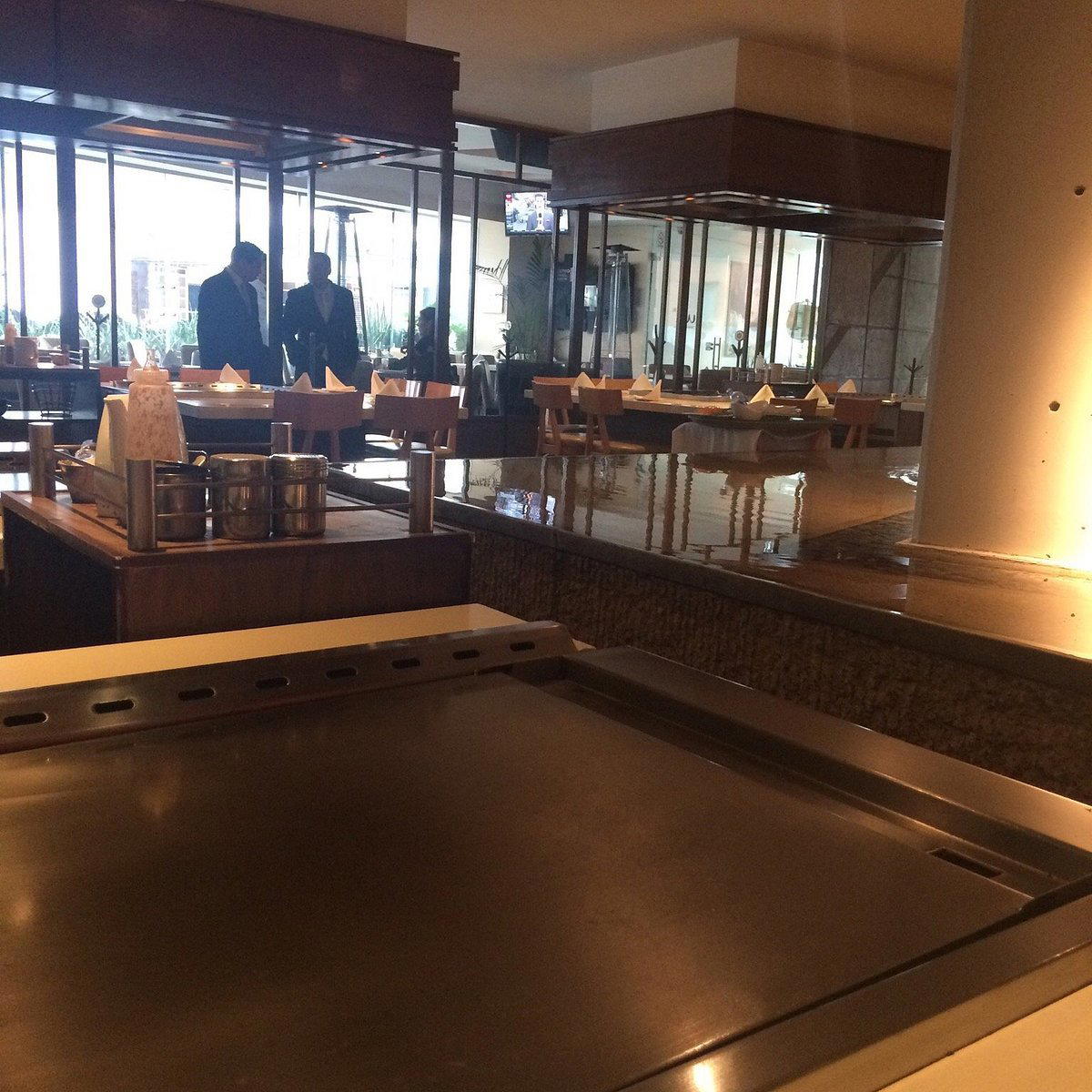
Teppan-Yaki in Mexico City: A Format Built on Transparency
There is a particular theatre to teppan-yaki that separates it from most other counter-dining formats. The flat iron surface, heated to the kind of temperatures that produce an immediate sear on contact, sits between the kitchen team and the guests in a way that collapses the distance between preparation and consumption. Mexico City has absorbed this format gradually, and Wa Teppan, a Japanese teppanyaki and sushi restaurant at Juan Salvador Agraz 60 in Lomas de Santa Fe, Cuajimalpa de Morelos, represents one of the addresses where that format takes a deliberate, structured form in the western reaches of the city.
Lomas de Santa Fe is not the neighbourhood that defines Mexico City's dining conversation in the way that Roma, Polanco, or Condesa do. It is a corporate and residential corridor, home to financial institutions, law firms, and the kind of restaurants that serve a professional clientele looking for a reliable, considered meal outside the central dining belt. That context matters. A venue in this part of the city is not trading on foot traffic or neighbourhood buzz, it is building a returning clientele through consistency and specificity of offer. The teppan format is well-suited to exactly that dynamic: it rewards repeat visits because the experience changes with what is on the iron surface and who is at the counter.
The Counter as the Room
In teppan-yaki, the physical layout is the editorial statement. The counter faces the cooking surface directly, which means the team working the grill is not performing from behind a closed kitchen, they are present, legible, and in a working relationship with the people seated in front of them. This is where the dynamic between chef, service, and guest becomes the format's distinguishing characteristic rather than just an incidental feature.
When the cooking surface is the room's focal point, front-of-house and kitchen operate as a visible unit. Timing, communication, and pacing are all visible to the guest in a way that is not true of a conventional kitchen. The discipline required to coordinate that service, knowing when to explain a preparation, when to let the sear speak for itself, when to move a guest from one course to the next, is closer to the orchestration of a small performance than the logistics of conventional table service. This is the format's demand on a team, and it is also its appeal to guests who want to understand what they are eating and how it was made.
Japan's teppanyaki tradition, which spread internationally through the mid-twentieth century as a format specifically designed for spectacle and accessibility, has since bifurcated into two recognisable tiers: the high-volume dinner-show model and the precision counter model, where technique is the point rather than the display. Mexico City's better Japanese-influenced addresses have generally trended toward the latter, prioritising ingredient quality and preparation control over tableside drama for its own sake.
Where Wa Teppan Sits in Mexico City's Wider Dining Pattern
Mexico City's dining scene in 2024 is operating in a period of significant confidence. Pujol and Quintonil anchor the city's presence in international rankings, and venues like Rosetta, Sud 777, and Em demonstrate the range of what the city produces across price points and culinary traditions. The more interesting development, though, is what is happening at the edges of that conversation: the non-Mexican formats that have established themselves with genuine credibility rather than as novelty imports.
Japanese cuisine in Mexico City has earned a foothold that goes beyond the casual sushi-and-ramen circuit. Teppan-yaki specifically offers something that other Japanese formats do not: it is inherently communal and visible in a way that omakase is not, and it involves protein preparations, beef, seafood, vegetables, that connect to the premium ingredient instincts already present in the city's leading dining tier. For a guest who has spent evenings at Polanco's higher-end tables, a teppan counter is not a departure; it is a lateral move into a different set of formal pleasures.
Across Mexico more broadly, the range of serious dining is now wide enough that a trip structured around restaurants could take in Animalón in Valle de Guadalupe, HA' in Playa del Carmen, KOLI Cocina de Origen in Monterrey, Levadura de Olla in Oaxaca, Lunario in El Porvenir, Pangea in San Pedro Garza García, Le Chique in Puerto Morelos, Olivea Farm to Table in Ensenada, Alcalde in Guadalajara, and Huniik in Mérida. Mexico City itself is the natural hub for any itinerary of that scope, and our full Mexico City restaurants guide maps the city's dining across neighbourhoods and price tiers.
The teppan format also invites a useful international comparison. Precision counter cooking built around a single heat source and a visible team has parallels in formats as different as Le Bernardin's fish-forward kitchen discipline in New York and the tasting-counter model at Atomix, where the service team's role in conveying cultural and culinary context is as deliberate as the food itself. The common thread is that the front-of-house is not a logistical function, it is part of the offer.
Planning a Visit: Lomas de Santa Fe and What to Expect
Lomas de Santa Fe sits in the Cuajimalpa de Morelos borough, in the western part of the city, considerably further from Polanco or Roma Norte than most visitors' base areas. The drive from central Mexico City typically runs 25 to 40 minutes depending on traffic, and the area's corporate character means weekday lunch and dinner services are driven by a different pace than the weekend crowd that fills Roma or Condesa. For visitors coming specifically for Wa Teppan, the western location is worth factoring into transport planning, the area is accessible by car or rideshare rather than a walkable extension of any central neighbourhood.
The teppan format in its counter configuration typically involves a set sequence of courses rather than a fully à la carte structure, which means the pacing of the meal is managed by the kitchen team rather than by the guest. This is the format's implicit contract: the guest cedes some control over timing in exchange for a meal where each preparation arrives at the moment the heat surface dictates, not when the waiter has made it back from another table. Whether or not Wa Teppan operates a fixed menu or a hybrid structure is information that should be confirmed directly before visiting, as that detail affects everything from the duration of the meal to how the service dynamic functions.
For visitors building a broader Mexico City dining itinerary, the Lomas de Santa Fe location makes the restaurant a natural anchor for the western part of the city rather than a detour from the central dining circuit. It is not in competition with Polanco's density of options or Roma's casual variety, it operates in a different urban context entirely, which is precisely the kind of specificity that makes a city's dining map interesting to read in full.
Budget Reality Check
Comparable venues nearby, for context on price, style, and recognition.
| Venue | Cuisine | Price | Notes |
|---|---|---|---|
| Wa TeppanThis venue — the venue you are viewing | Not listed | $$ | Not listed |
| Japanika - Bosques | Not listed | $$$ | La Puntada, Japanese-Latin American Fusion |
| Hotaru Mitikah | Acacias, Contemporary Japanese Sushi | $$$ | Not listed |
| Ichikani Arcos | Not listed | $$$ | Cooperativa Palo Alto, Modern Japanese with Hand Rolls |
| Daikoku Reforma | Not listed | $$ | Tabacalera, Traditional Japanese with Teppanyaki |
| Mikado | Not listed | $$ | Cuauhtemoc, Classic Japanese Teppanyaki & Sushi |
Continue exploring
More in Mexico City
Restaurants in Mexico City
Browse all →
Bars in Mexico City
Browse all →
At a Glance
- Modern
- Trendy
- Group Dining
- Date Night
- Open Kitchen
Current opening hours
- Monday
- 1–10 PM
- Tuesday
- 1–10 PM
- Wednesday
- 1–10 PM
- Thursday
- 1–10 PM
- Friday
- 1–10 PM
- Saturday
- 1–10 PM
- Sunday
- 1–7 PM
Hours can change for holidays and private events. Last verified .
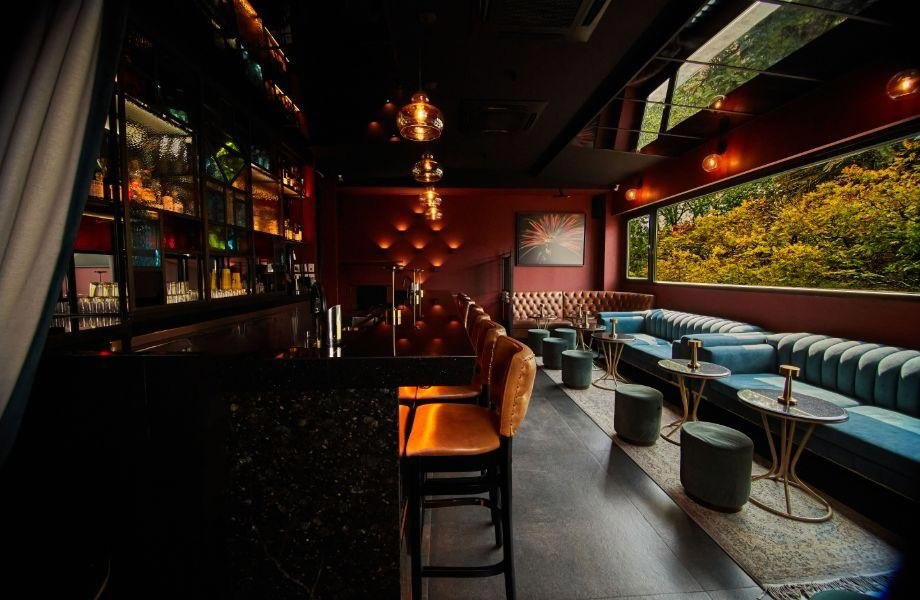
Relajante y acogedor with simple yet original decor, moderate noise level.