Mikado
On Paseo de la Reforma in Colonia Cuauhtémoc, Mikado occupies a stretch of Mexico City where dining expectations have shifted considerably over the past decade. The address places it alongside a changing roster of mid-to-upper-tier restaurants serving a cosmopolitan corridor that connects business travelers, residents, and the city's more peripatetic dining crowd. How it positions itself within that evolving context is the question worth asking before you book.
Pearl is the En Primeur Club membership app — saves, bookings, and concierge access live there. Same editors, same standards.
- Address
- Av. P.º de la Reforma 369, Cuauhtémoc, 06500 Ciudad de México, CDMX, Mexico
- Phone
- +525555255782
- Website
- go.nordqr.com
- Directions
- Get directions
 Saves & bookings on Pearl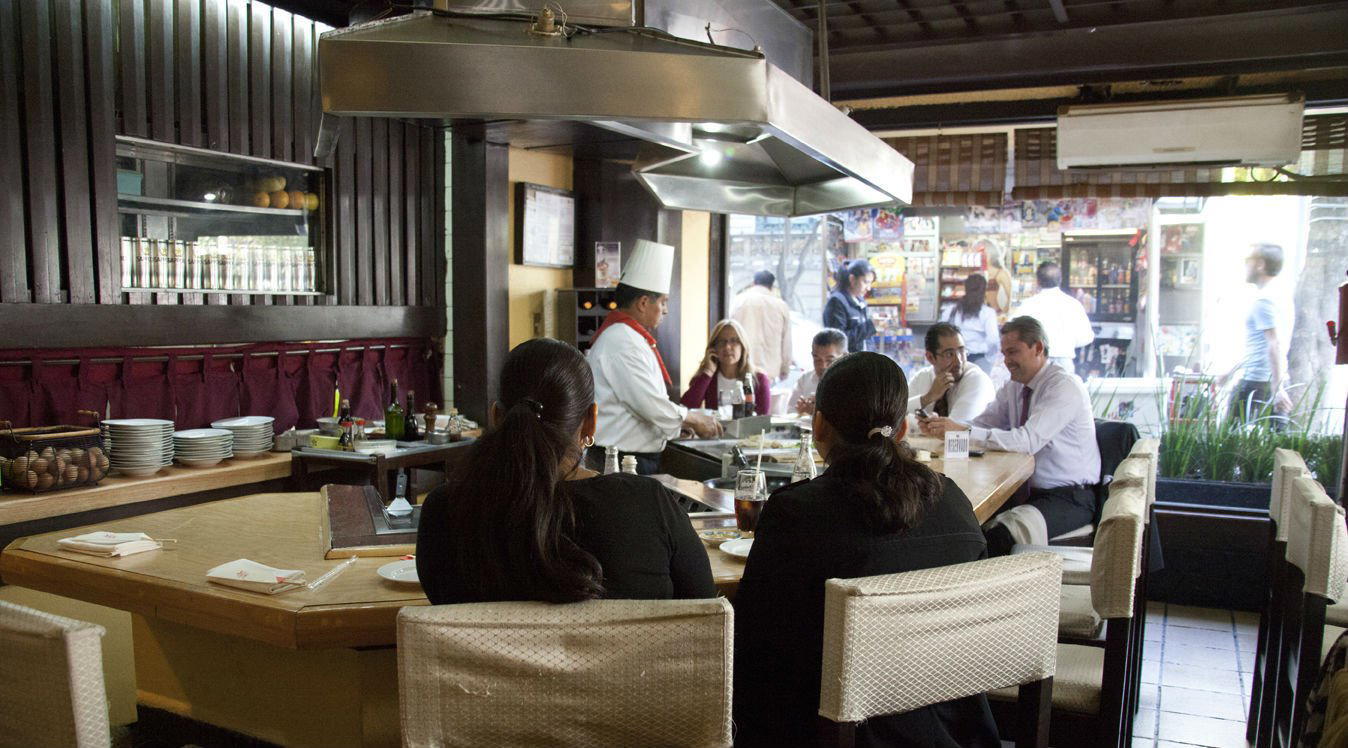
A Reforma Address in a Changed Dining City
Paseo de la Reforma has always functioned as Mexico City's formal spine: wide lanes, monument roundabouts, and the kind of address that once signaled institutional credibility for hotels, banks, and restaurants alike. What has changed in the past fifteen years is what that address competes against. The city's dining ambition has migrated outward, to Polanco, Roma Norte, and Colonia Juárez, where a generation of kitchens built their reputations on sourcing, technique, and a self-conscious dialogue with Mexican culinary heritage. Reforma-adjacent dining now operates in the shadow of that shift, needing to justify its location through something other than postcode prestige. Mikado, a Classic Japanese Teppanyaki & Sushi restaurant at Av. Paseo de la Reforma 369 in Cuauhtémoc, sits inside that tension.
The address is specific enough to be informative. Cuauhtémoc is neither the tourist-facing zone around the Zócalo nor the design-hotel density of Polanco. It is a working urban district where Reforma transitions from monument corridor to functional artery, with offices, mid-century apartment buildings, and a dining population that tilts toward professionals on expense accounts and local residents rather than destination-seekers flying in for a tasting menu. That context shapes what a restaurant on this stretch can reasonably be, and what it probably is not trying to be.
How the Reforma Corridor Has Shifted
The evolution of dining on and around Reforma tracks closely with the broader reinvention of Mexico City's restaurant culture. Through the 1990s and into the 2000s, this corridor represented aspirational dining for a particular class of chilango professional: European-influenced rooms, formal service, wine lists built around import prestige rather than value. The rise of Pujol in Polanco, Quintonil's commitment to contemporary Mexican produce, and the quieter but consistent work of kitchens like Rosetta in Roma Norte repositioned the city's dining ambition away from European mimicry and toward something more grounded in local ingredients and technique. Reforma-corridor restaurants faced a choice: pivot to match that direction, or hold a more conservative position and serve a clientele that values reliability over reinvention.
That bifurcation is now visible across the city's dining tiers. Kitchens at the more experimental end, places like Em and Sud 777, have built followings through a willingness to change format, sourcing, and focus over time. The Reforma corridor's leading survivors have generally been those that found a consistent identity rather than chasing trends, banking on the loyalty of a proximate professional population rather than the rotating attention of the city's food media. Where Mikado lands on that spectrum is the relevant question for anyone deciding whether to make the trip.
What the Address Implies About the Room
An Av. Reforma address in Cuauhtémoc carries specific physical implications. Buildings on this stretch tend toward the mid-century or later commercial, with interiors that have been reworked multiple times across decades of ownership and repositioning. The approach from the street, along a wide pavement with the noise and motion of one of the hemisphere's busiest urban thoroughfares, sets an expectation of formality over intimacy. This is not the kind of address where a restaurant can rely on neighbourhood warmth or the slow accumulation of foot traffic from a residential street. It has to work for its covers from a less forgiving urban position.
Mexico City's dining evolution has generally favored smaller, more particular spaces over the kind of large formal room that a Reforma address historically implied. The kitchens that have gained greater ground in recent years, including destination-tier operations like those profiled in our full Mexico City restaurants guide, tend to have fewer seats, tighter menus, and a more deliberate sourcing story. Whether Mikado has moved in that direction, or whether it represents an older model of the mid-to-large urban dining room, is not something verifiable from the available record.
Mexico City in the Wider Mexican Context
Mikado sits in a city that has become a reference point for the broader reinvention of Mexican restaurant culture. Across the country, kitchens in Guadalajara (Alcalde), Monterrey (KOLI Cocina de Origen and Pangea), Oaxaca (Levadura de Olla), Mérida (Huniik), and the Baja and coastal resort circuits (Animalón in Valle de Guadalupe, HA' in Playa del Carmen, Lunario in El Porvenir, Le Chique in Puerto Morelos, and Olivea Farm to Table in Ensenada) have all staked positions in a national conversation about what modern Mexican cooking looks like at a premium level. Mexico City is where that conversation is most dense and most contested, which makes the capital's mid-tier and upper-tier restaurants operate in a particularly demanding environment. A restaurant at a major Reforma address is, by default, in the frame for that comparison.
Planning Your Visit
Cuisine and Credentials
Comparable venues nearby, for context on price, style, and recognition.
| Venue | Cuisine | Price | Notes |
|---|---|---|---|
| MikadoThis venue — the venue you are viewing | Classic Japanese Teppanyaki & Sushi | $$ | Not listed |
| SEND RAMEN | Japanese-Korean Ramen Fusion | $$ | Hipodromo |
| Onomura Nigiri Room | Modern Japanese Nigiri Sushi | $$$ | La Puntada |
| Rokai Santa Fe | Japanese Izakaya | $$$ | Res Parque Santa Fe |
| El Japonez | Trendy Japanese Sushi and Robatayaki | $$ | Polanco Chapultepec |
| Deigo | Traditional Japanese | $$$ | Benito Juarez |
Continue exploring
More in Mexico City
Restaurants in Mexico City
Browse all →
Bars in Mexico City
Browse all →
At a Glance
- Classic
- Business Dinner
- Open Kitchen
- Sake Program
- Street Scene
Current opening hours
- Monday
- 1–10 PM
- Tuesday
- 1–10 PM
- Wednesday
- 1–10 PM
- Thursday
- 1–10 PM
- Friday
- 1–10 PM
- Saturday
- 1–10 PM
- Sunday
- 1–7 PM
Hours can change for holidays and private events. Last verified .
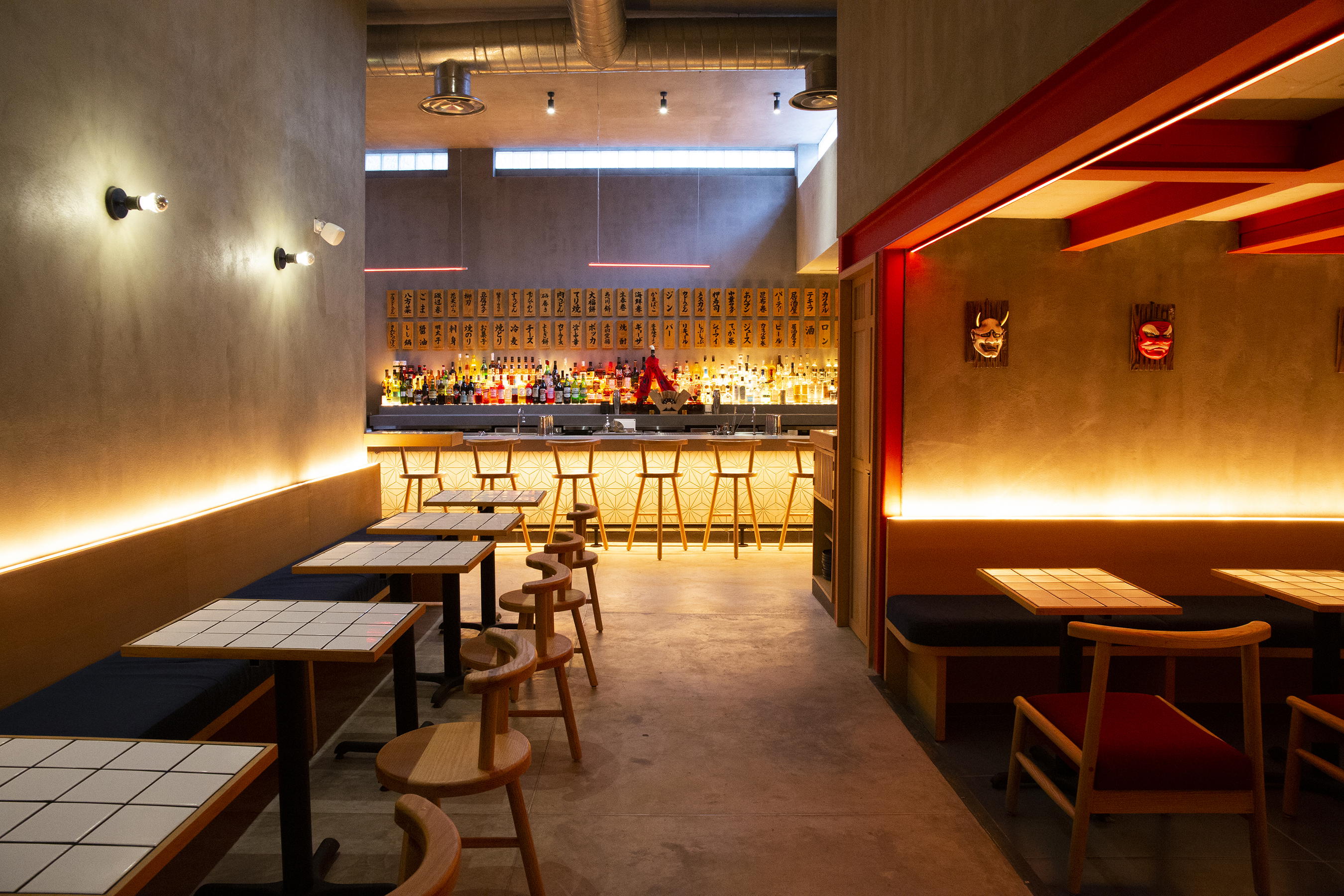
Classic Japanese decor that is timeless but dated and in need of renovation, with calm atmosphere.