Daikoku Reforma
A Japanese restaurant operating within the Hotel Barceló on Paseo de la Reforma, Daikoku Reforma sits at the intersection of Mexico City's appetite for precision-led Asian cuisine and the Reforma corridor's concentration of hotel dining. The Tabacalera address places it close to the Monumento a la Revolución and within reach of Juárez and Colonia Centro, two neighbourhoods that have drawn serious food attention in recent years.
Pearl is the En Primeur Club membership app — saves, bookings, and concierge access live there. Same editors, same standards.
- Address
- Dentro de Hotel Barcelo, Av. P.º de la Reforma 1, Tabacalera, Cuauhtémoc, 06030 Ciudad de México, CDMX, Mexico
- Phone
- +525551285000
- Website
- opentable.com
- Directions
- Get directions
 Saves & bookings on Pearl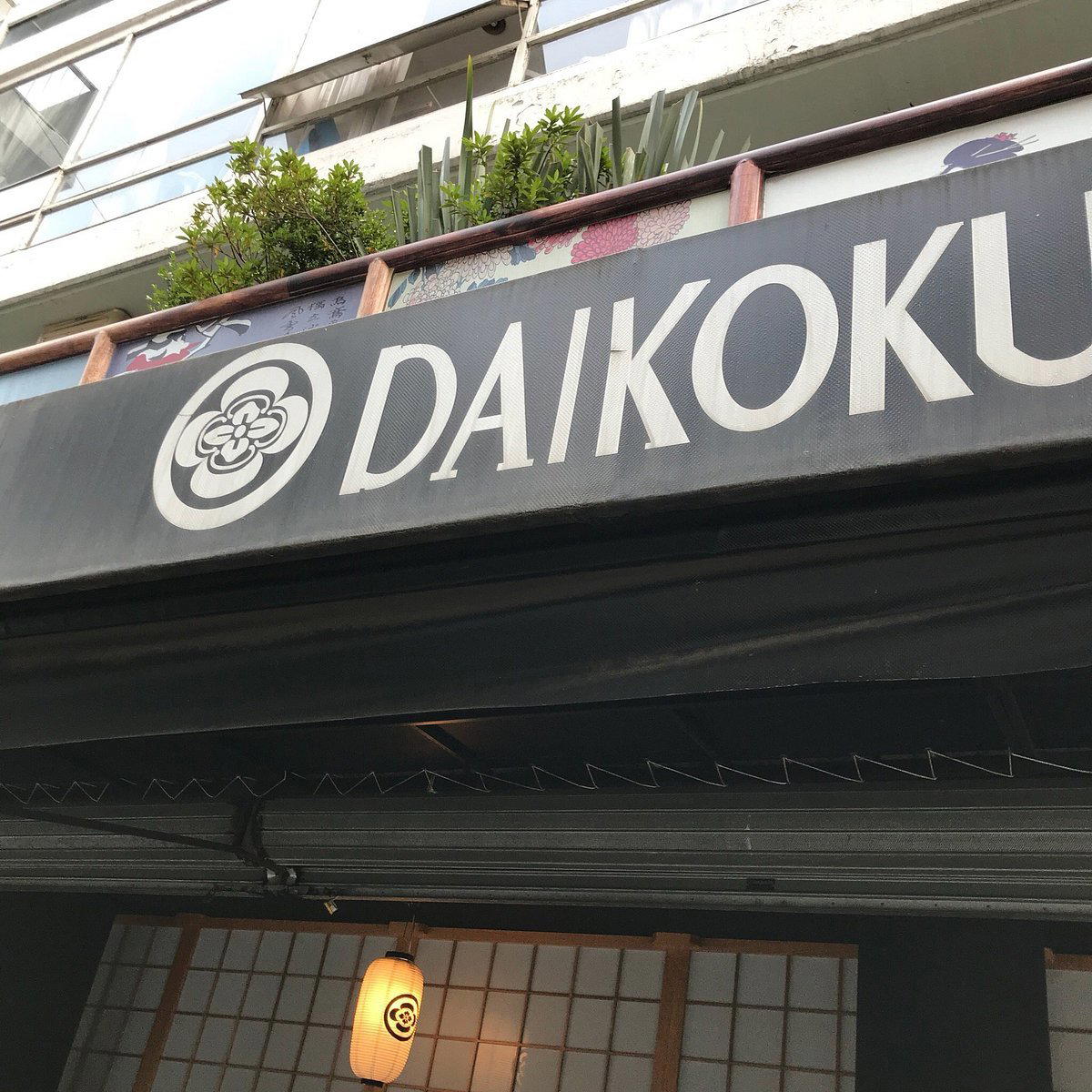
Where Reforma's Hotel Dining Meets Japanese Precision
Paseo de la Reforma has long been Mexico City's spine of institutional weight: embassies, corporate towers, and the grand hotels that have anchored the avenue since the nineteenth century. Hotel dining along this corridor has historically skewed toward the safe and the international, designed more for the business traveller's expense account than for the curious diner working through the city's current restaurant moment. What has changed in recent years is the arrival of concept-specific restaurants operating within those hotels that earn attention beyond the lobby, reaching a clientele that would otherwise spend its evening in Roma or Condesa. Daikoku Reforma, positioned inside the Hotel Barceló at the avenue's southern approach near the Monumento a la Revolución, belongs to that newer category of hotel-anchored dining that justifies a separate reservation decision.
The Reforma Corridor and the Logic of Japanese Dining in Mexico City
Mexico City's Japanese restaurant scene has matured considerably over the past decade, moving from sushi bars calibrated to local expectations toward kitchens that engage more seriously with sourcing, technique, and the specific regional traditions within Japanese cuisine. That shift mirrors what happened in New York and São Paulo before it: as the broader dining culture in a city grows more sophisticated, the demand for category depth inside any given cuisine follows. The Reforma corridor, with its density of international residents and business visitors, has been a natural location for that kind of dining to take root, precisely because the clientele already carries reference points from Tokyo, New York, or London. For context on how Japanese precision translates into wildly different settings, consider how Le Bernardin in New York City uses French technique as a language for speaking about ingredient quality rather than chef biography — a useful parallel for how the better Japanese restaurants in Mexico City use their format.
Ingredient sourcing is where Japanese cuisine's credibility gets tested most directly in a Mexican context. The question of whether fish is arriving fresh, how produce is selected, and whether Japanese pantry staples are being imported with the same care given to technique is what separates the serious operations from the decorative ones. Mexico's Pacific coastline produces seafood that, when handled correctly, competes with imported product on quality and surpasses it on freshness. Some of the more thoughtful Japanese-influenced restaurants in the country have begun working with that domestic supply chain rather than defaulting entirely to imports — a shift that connects to a broader movement visible at venues like Animalón in Valle de Guadalupe and Olivea Farm to Table in Ensenada, where the sourcing argument is made explicitly as an editorial position.
What Hotel Positioning Means for the Dining Experience
Dining inside a hotel on Reforma carries specific logistical and atmospheric implications. The room is typically more accessible in terms of reservations than the city's most-discussed independents. The service infrastructure that a large hotel provides, including professional front-of-house training and consistent kitchen staffing, creates a floor for reliability that independent restaurants sometimes struggle to maintain. The trade-off, as any regular of the Mexico City scene would tell you, is that hotel restaurants rarely generate the creative urgency that defines the tables currently drawing the most conversation: the counter seats at independent Japanese operations in Polanco and Condesa, or the tasting-menu rooms in Roma that require planning several weeks ahead.
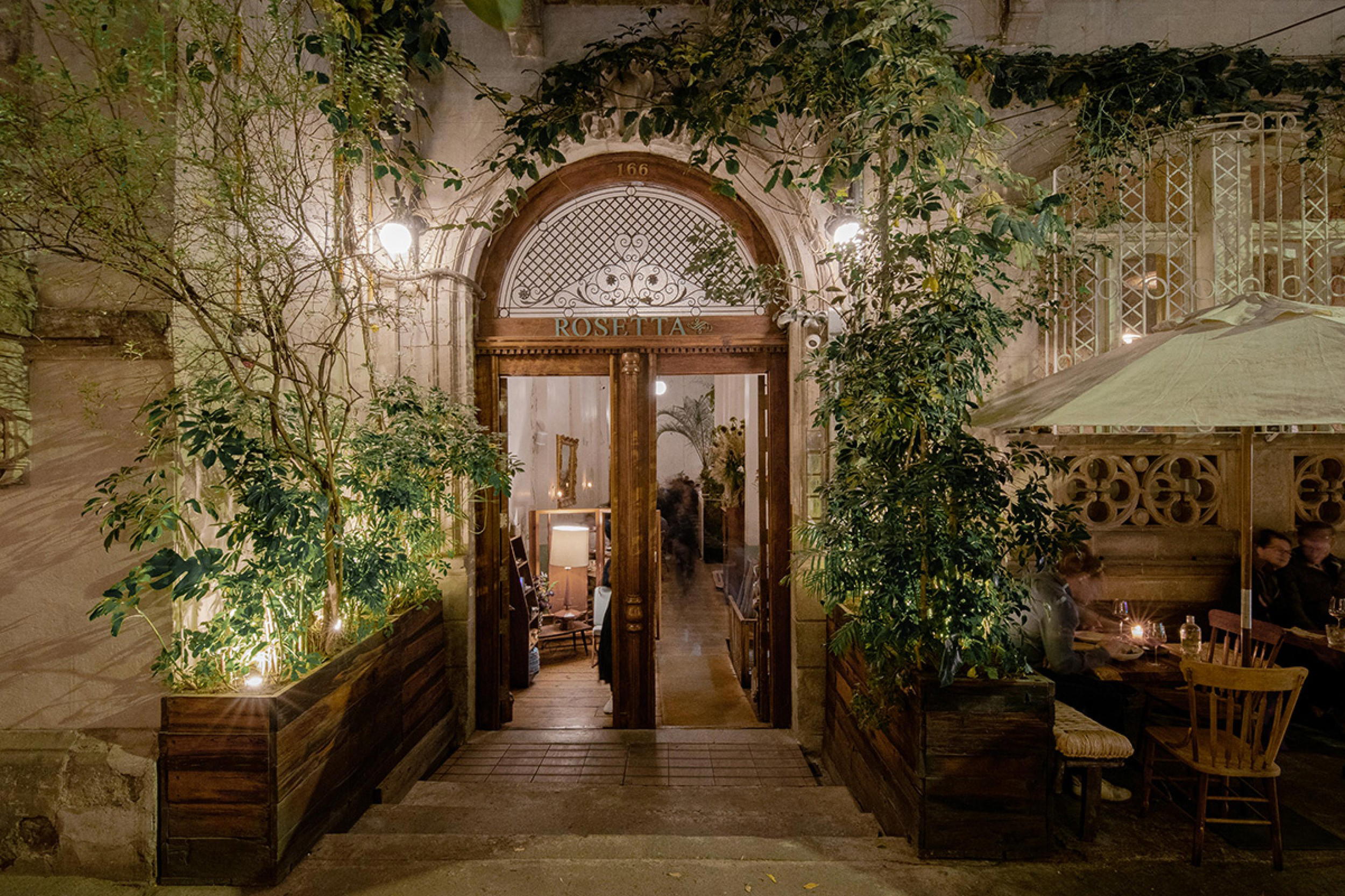
Mexico City's most-discussed restaurants right now, places like Pujol and Quintonil in Polanco, or Rosetta in Roma Norte, operate with the kind of creative independence that generates critical attention. Further out, Sud 777 has built a reputation around its garden-sourcing approach, while Em works within a tighter contemporary Mexican format. Daikoku Reforma occupies a different tier of conversation: the dependable specialist within a hotel context, useful for specific occasions and for visitors whose itinerary is anchored on the Reforma corridor itself.
The Tabacalera neighbourhood that surrounds the hotel has its own character worth noting. It sits between the historic centre and the Zona Rosa, a transitional zone that has seen selective regeneration around the Monumento a la Revolución plaza and along the streets feeding into it. It is not the dining neighbourhood that Roma or Juárez has become, but its proximity to those areas means the audience arriving at Daikoku Reforma on any given evening likely includes people who spend other nights further east or south. That geographic range in the customer base tends to create a more demanding standard for what a hotel restaurant needs to deliver.
Mexico's Wider Serious Dining Circuit
Understanding where Daikoku Reforma sits requires some awareness of how Japanese-influenced dining fits into Mexico's national restaurant conversation more broadly. The country's most-discussed kitchens are largely rooted in Mexican cuisine and its regional traditions, with venues like Levadura de Olla Restaurante in Oaxaca, KOLI Cocina de Origen in Monterrey, and Alcalde in Guadalajara representing regional depth rather than international format. At the coastal end, Le Chique in Puerto Morelos, HA' in Playa del Carmen, and Arca in Tulum each build sourcing arguments specific to their geography. Japanese cuisine in Mexico City exists as a category apart from that national story, serving a different appetite, one for precision and restraint rather than regional Mexican complexity. The formats that do it most credibly tend to be small, independent, and highly specific about which Japanese tradition they are working within. For comparison, Lunario in El Porvenir and Pangea in San Pedro Garza García demonstrate how the northern Mexico dining scene has built its own serious argument separate from the capital's categories. And for West Coast benchmarks on how format discipline shapes the experience, Lazy Bear in San Francisco provides a useful reference point on what happens when a counter-format restaurant commits fully to its own logic.
Planning Your Visit
Daikoku Reforma's position on Paseo de la Reforma, within the Hotel Barceló, makes it direct to reach from most points along the Reforma corridor, including Polanco to the north and the historic centre to the east. Metrobús stops on Reforma provide direct access from much of the city. For visitors staying in the Zona Rosa or Tabacalera area, it is a walking-distance option. For those whose itinerary is based elsewhere in the city, the location adds travel time that should be factored against the alternatives available closer to Roma, Condesa, or Polanco.
| Venue | Cuisine | Price Tier | Neighbourhood |
|---|---|---|---|
| Daikoku Reforma | Japanese (hotel context) | Not confirmed | Tabacalera / Reforma |
| Pujol | Mexican | $$$$ | Polanco |
| Quintonil | Modern Mexican | $$$$ | Polanco |
| Em | Mexican | $$$ | Roma Norte |
| Rosetta | Italian, Creative | $$ | Roma Norte |
For a fuller picture of where Daikoku Reforma sits within the capital's dining options, see our full Mexico City restaurants guide.
Reputation First
| Venue | Cuisine | Price | Awards |
|---|---|---|---|
| Daikoku ReformaThis venue — the venue you are viewing | Not listed | Not listed | This venue |
| Pujol | Mexican | $$$$ | Michelin 2 Star |
| Quintonil | Modern Mexican, Contemporary | $$$$ | Michelin 2 Star |
| Rosetta | Italian, Creative | $$ | Michelin 1 Star |
| Em | Mexican | $$$ | Michelin 1 Star |
| Comedor Jacinta | Mexico, Mexican | $$ | Mexico, Mexican |
Continue exploring
More in Mexico City
Restaurants in Mexico City
Browse all →
Bars in Mexico City
Browse all →

At a Glance
- Elegant
- Modern
- Sophisticated
- Date Night
- Business Dinner
- Group Dining
- Celebration
- Casual Hangout
- Open Kitchen
- Hotel Restaurant
- Private Dining
- Sake Program
- Craft Cocktails
Current opening hours
- Monday
- 1–11:30 PM
- Tuesday
- 1–11:30 PM
- Wednesday
- 1–11:30 PM
- Thursday
- 1–11:30 PM
- Friday
- 1–11:30 PM
- Saturday
- 1–11:30 PM
- Sunday
- 1–11 PM
Hours can change for holidays and private events. Last verified .
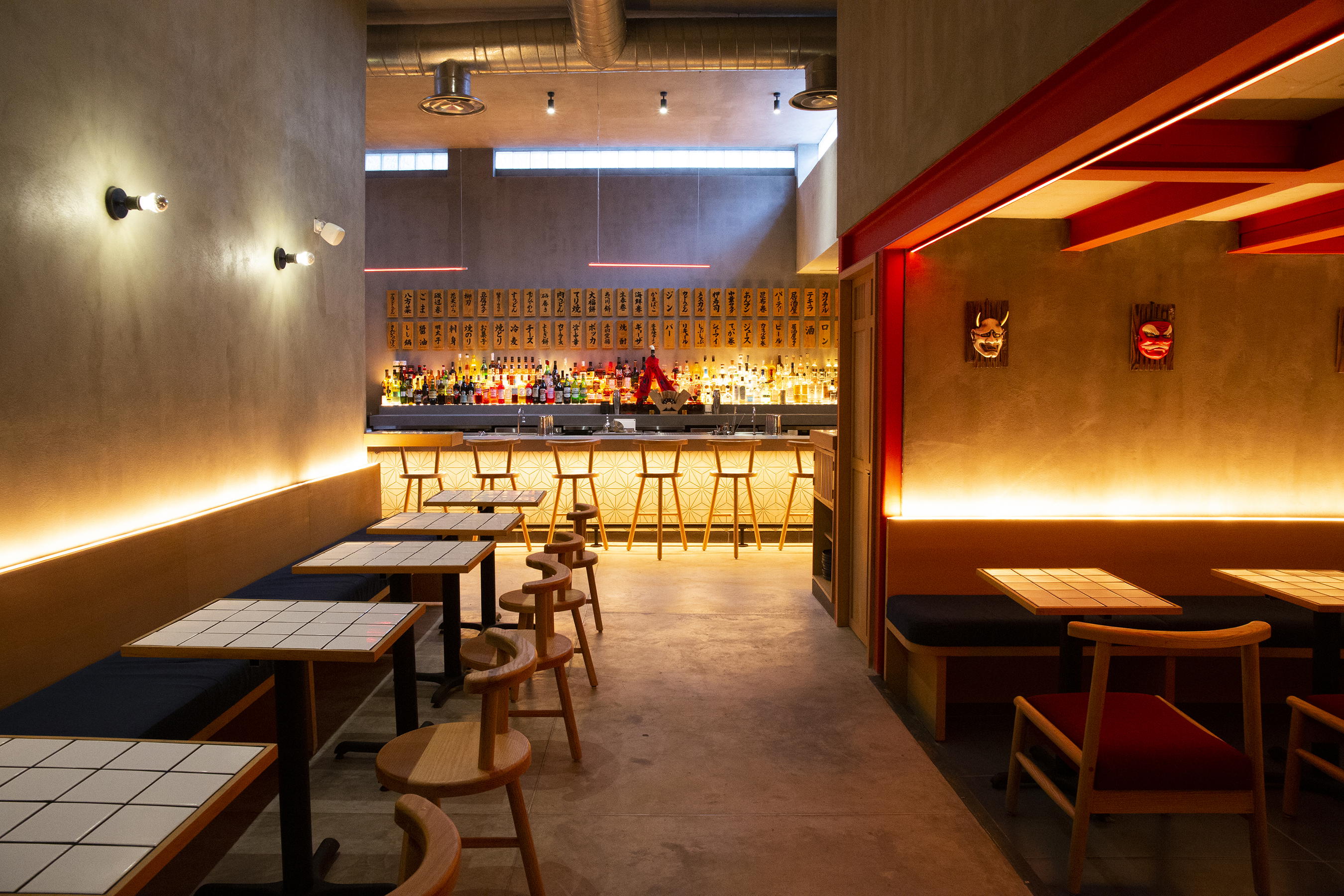
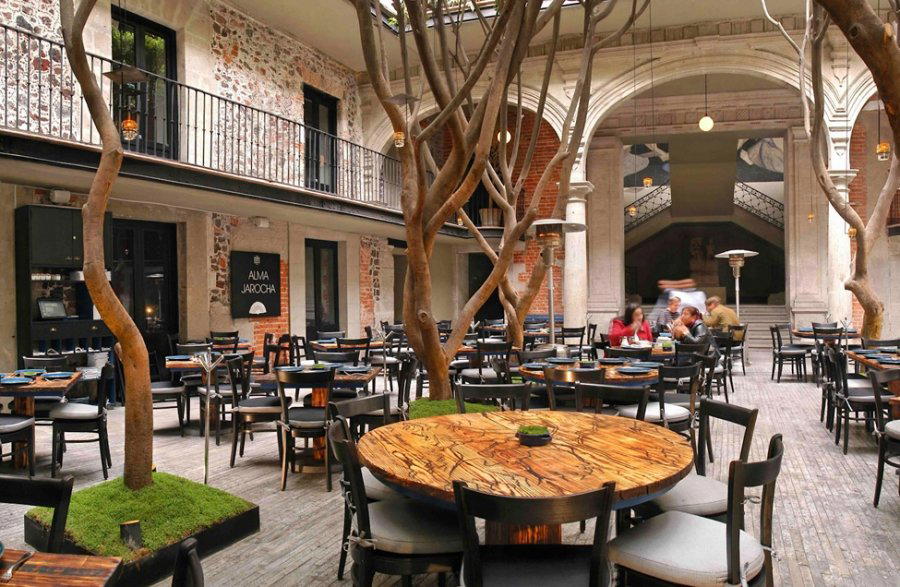
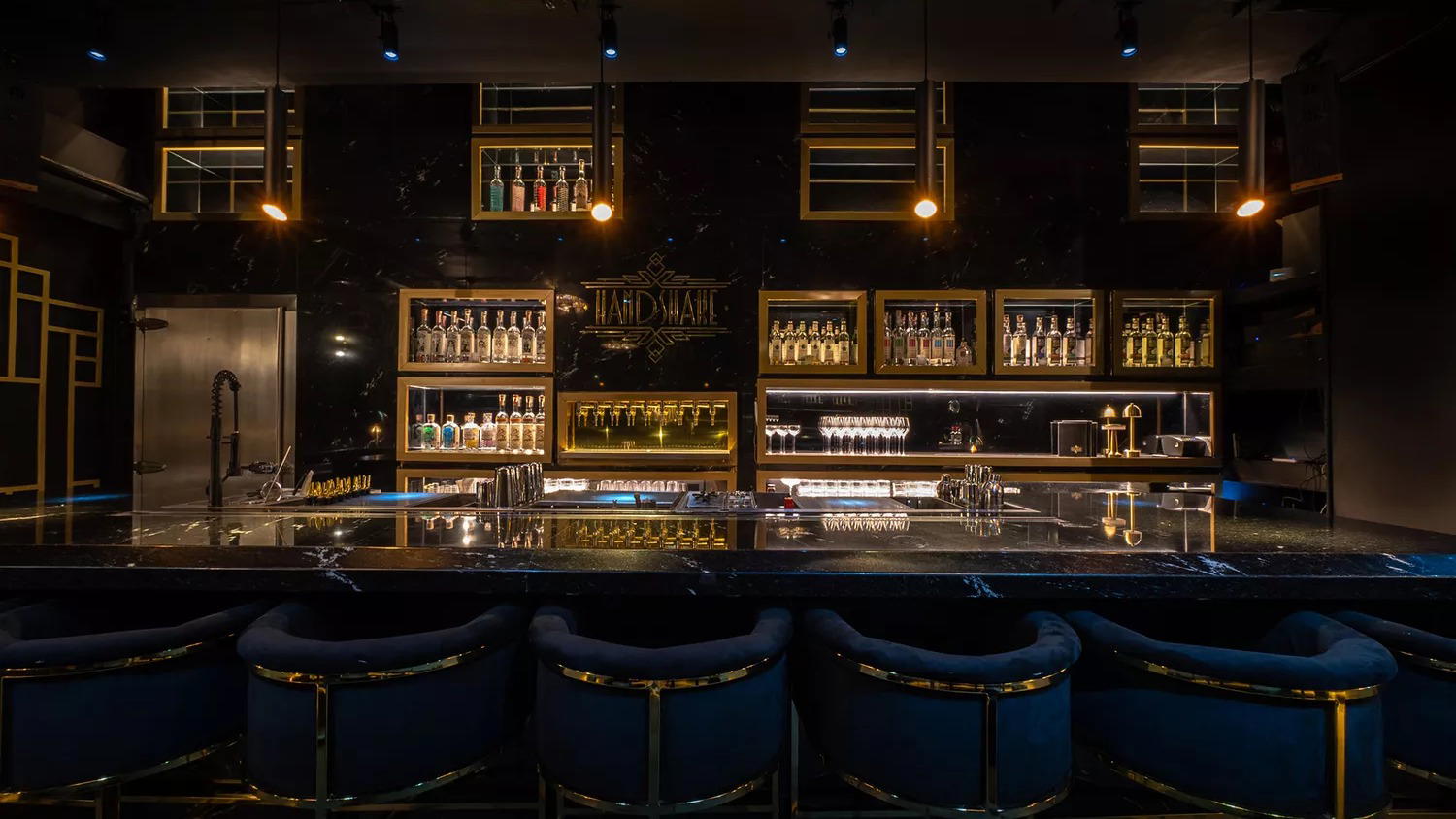
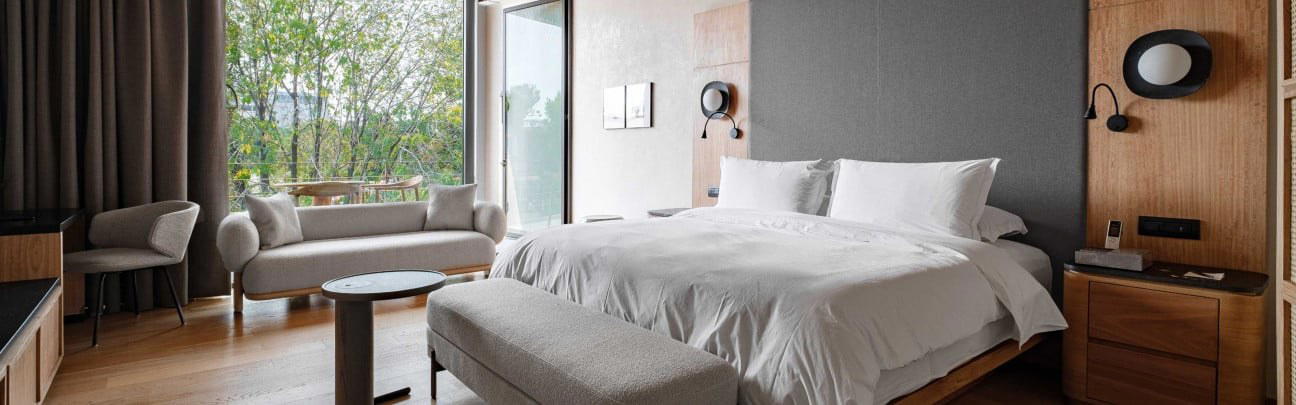
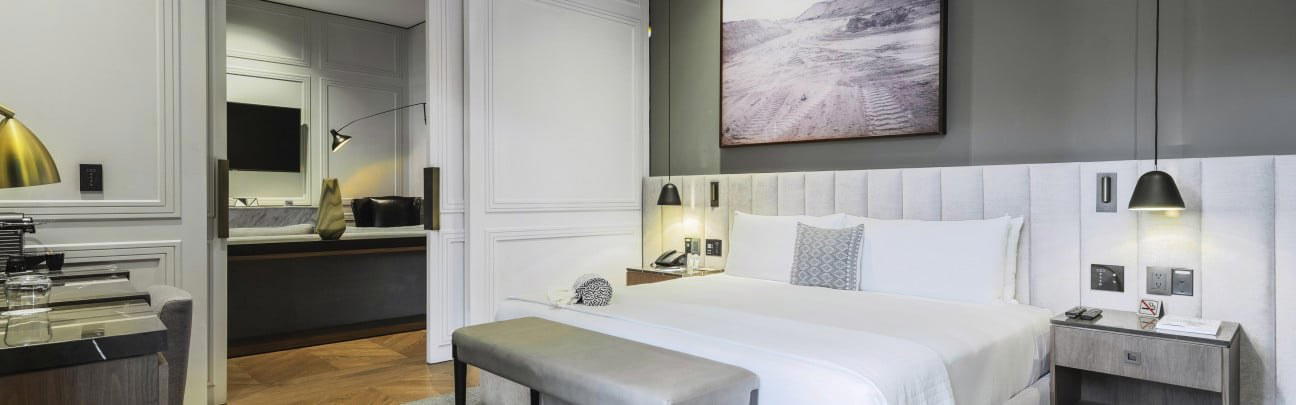
Elegant and welcoming interior with a stylish, contemporary atmosphere designed for an evening out.
Know Before You Go
- Getting there
- Dentro de Hotel Barcelo, Av. P.º de la Reforma 1, Tabacalera, Cuauhtémoc, 06030 Ciudad de México, CDMX, Mexico