The Sugar Palm sits in Siem Reap's Wat Bo Village, positioning itself within the city's growing tradition of Khmer-focused dining that prizes local technique over tourist-facing shortcuts. Set opposite Pannasastra University, it draws a mixed crowd of residents and informed travellers working through a menu anchored in Cambodian culinary heritage. For those tracing the arc of Siem Reap's restaurant evolution, it is a useful reference point.
Pearl is the En Primeur Club membership app — saves, bookings, and concierge access live there. Same editors, same standards.
- Address
- Opposite Pannasastra University Street 27, Wat Bo Village, Sangkat Svay Rok, Siem Reap City, Krong Siem Reap, Cambodia
- Phone
- +855 12 818 143
- Website
- thesugarpalm.com
 Saves & bookings on Pearl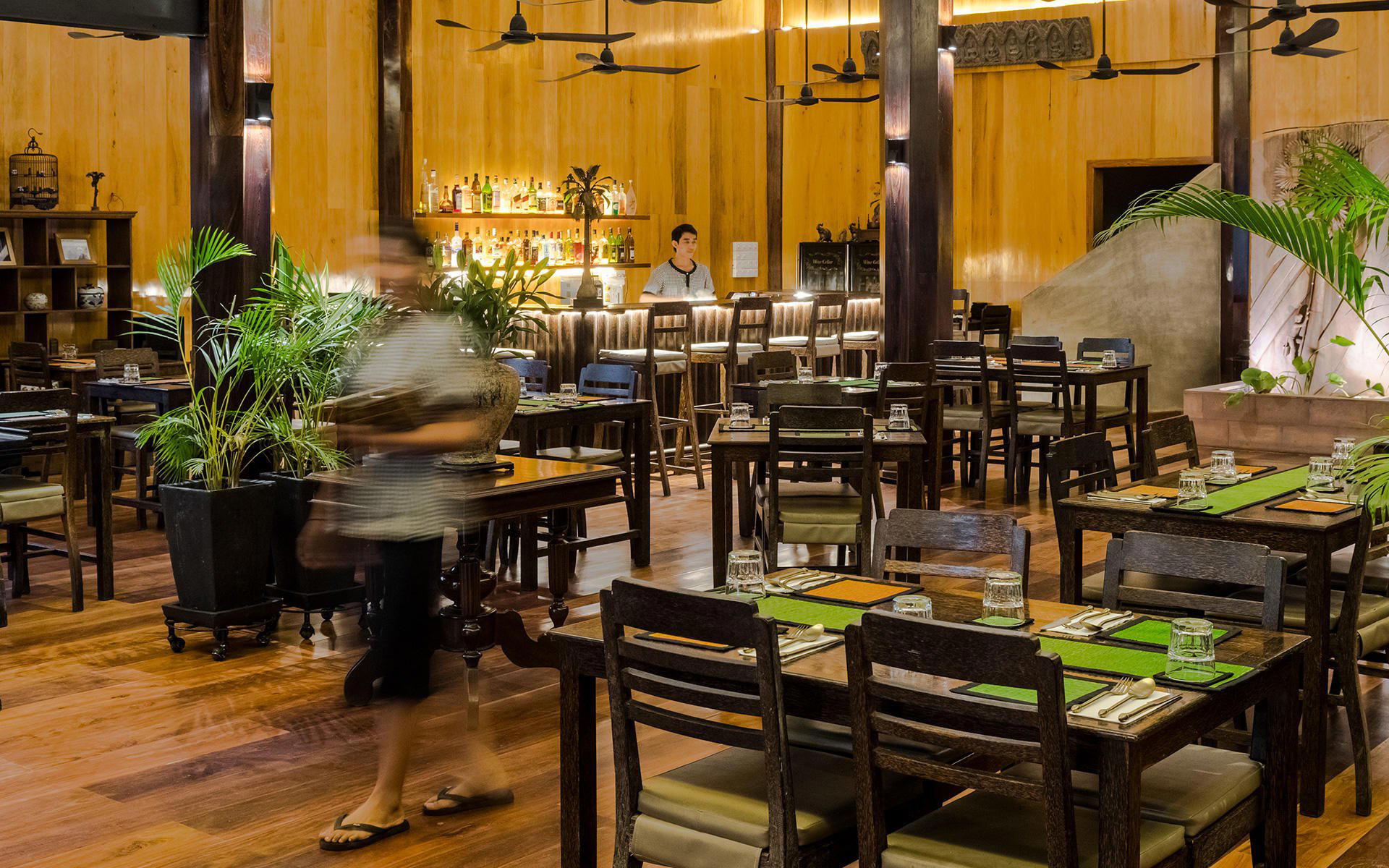
Where Wat Bo Village Sets the Table
The Sugar Palm is a restaurant serving authentic Khmer home cooking in Siem Reap, Cambodia. The strip-facing eateries built around Pub Street volume have ceded ground to a quieter tier of restaurants in residential neighbourhoods, where the cooking is more deliberate and the rooms are less frantic. Wat Bo Village has become one of the clearer expressions of this shift. Its streets mix guesthouses, local workshops, and a handful of restaurants that draw on Khmer tradition without the scaffolding of temple-tour packaging. The Sugar Palm, positioned opposite Pannasastra University on Street 27 in Sangkat Svay Rok, sits within that neighbourhood character rather than apart from it.
This matters editorially because the address signals something about intent. Restaurants that locate themselves near universities and residential clusters in Siem Reap are generally not optimised for the one-night stopover crowd. They depend on repeat custom, local approval, and word-of-mouth from the kind of visitor who spends longer in the city and eats more carefully. That dynamic shapes what ends up on the plate and how it is priced, even when the specifics of a menu shift seasonally.
The Logic of a Khmer-Focused Tasting Arc
Cambodia's culinary tradition is substantive and underrepresented in international coverage. It shares structural logic with other mainland Southeast Asian cuisines, fermented fish paste as a base flavour, fresh herbs as a finishing layer, coconut and palm sugar threading through both savoury and sweet preparations, but its specific register is distinct. Khmer cooking uses kroeung, a family of lemongrass-heavy spice pastes, in ways that differ from Thai curry bases, and its soups and salads carry a tartness calibrated differently from Vietnamese equivalents. Any restaurant working seriously with this tradition is building meals that have a natural progression: lighter, more aromatic dishes first, richer braised or grilled preparations in the middle, something sweet and often palm-based at the close.
That arc is worth understanding before you arrive, because it shapes how to read a Cambodian menu. Starting with a lok lak-style preparation or moving straight to the heavier fish amok before working through lighter courses is a sequencing error that flattens the meal. The better approach, whether the restaurant structures it explicitly as multi-course or presents it à la carte, is to let the lightness of herb salads and fresh spring rolls establish the palate before the deeper, slower-cooked dishes arrive. Siem Reap's more considered Khmer restaurants, including those that have built a track record with returning visitors, generally understand and respect this arc. For comparable tasting-menu approaches to Cambodian cuisine, Cuisine Wat Damnak in Siem Reap and Chanrey Tree both work within a structured multi-course format that makes the progression explicit.
Reading The Sugar Palm in Its comparable set
Siem Reap now has enough dining options to make meaningful peer comparisons. The city's restaurant scene broadly splits into three tiers: the high-volume tourist-facing operations near the Old Market, the mid-range Khmer-leaning rooms in residential neighbourhoods that balance local and visitor clientele, and a smaller upper tier defined by sourcing discipline and format intentionality. The Sugar Palm's Wat Bo Village location places it in the second tier at minimum, with qualities that push it toward the upper end of that range.
Within Siem Reap's neighbourhood-rooted dining cohort, it sits alongside places like Damnak Meas and AHA Umber, each of which approaches Cambodian flavour through a somewhat different lens. Restaurants outside Siem Reap that operate in a structurally similar space include Jaan Bai Restaurant in Battambang, which has drawn significant critical attention for its social enterprise model, and HAVEN in Sala Kamreuk Sangkat, which runs a training programme for at-risk youth alongside its kitchen. Beyond Cambodia, the broader regional conversation about preserving and recontextualising Southeast Asian culinary heritage includes voices from Maybe Later in Preah Sihanouk, where the format is looser but the sourcing intent is comparable.
The restaurant is not competing with the formal tasting-menu ambition of a Le Bernardin in New York City or the progressive experiential structure of a Lazy Bear in San Francisco. Its context is different: a mid-scale neighbourhood room in a city where the priority is grounding Khmer cooking in its own logic rather than importing external fine-dining frameworks. That is a legitimate and meaningful position, and it is the lens through which the food should be assessed.
Cambodia's Broader Dining Moment
Siem Reap's restaurant scene does not exist in isolation from the country's wider hospitality story. Phnom Penh's emergence as a more serious dining city has produced rooms like Iza in Phnom Penh and the enduring grandeur of Le Royal at The Raffles in Phnom Penh, while resort dining at properties like Shinta Mani Wild in Kampong Seila has raised expectations for what destination dining in Cambodia can mean. Siem Reap's own upper tier is represented by the controlled environment of the Amansara Resort Dining Room. Against that backdrop, neighbourhood restaurants that hold consistent quality across seasons and visitor cycles carry their own kind of authority. The restaurant's longevity in Wat Bo Village is itself a form of evidence.
Training infrastructure also matters to understanding Siem Reap's culinary depth. The Bayon Pastry School and operations like Lum Orng Restaurant in Sla Kram Sangkat contribute to a local pipeline of kitchen talent that benefits the broader scene, including rooms like The Sugar Palm that depend on cooks with genuine Khmer technique rather than adapted international approaches. For a broader view of where the restaurant sits within Siem Reap's dining geography, the full Siem Reab restaurants guide maps the scene across neighbourhoods and price tiers.
Planning Your Visit
The restaurant is located at Street 27 in Wat Bo Village, Sangkat Svay Rok, within Siem Reap City. The Wat Bo area is walkable from the Siem Reap River corridor and reachable by tuk-tuk from the Old Market district in under ten minutes. For visitors staying near the temple complex, the journey is slightly longer but direct by tuk-tuk. Given the restaurant's standing among returning visitors and its neighbourhood clientele, booking ahead is advisable, particularly during peak season between November and March when visitor numbers in Siem Reap are at their highest. The restaurant is open Tuesday through Sunday from 5:30 to 9:30 PM and is closed on Monday. The restaurant sits in the Wat Bo dining corridor, making it possible to plan an evening that moves between Khmer and international options within the same neighbourhood. For visitors building a wider evening in the area, Embassy in Svay Dankum Sangkat offers a contrast in format and register.
Where the Accolades Land
Comparable venues nearby, for context on price, style, and recognition.
| Venue | Cuisine | Price | Notes |
|---|---|---|---|
| The Sugar PalmThis venue — the venue you are viewing | Authentic Khmer Home Cooking | $$ | Not listed |
| Wa Gallery | Art Gallery Café | $$ | Siem Reap |
| Chanrey Tree | Traditional Khmer Cuisine | $$ | riverside |
| Sivatha Rd | Indian & Cambodian | $$ | Svay Dangkum |
| The Little Red Fox Espresso Cafe | Australian-Style Espresso Cafe with Healthy Options | $$ | Kandal Village |
| Amansara Resort Dining Room | Contemporary Khmer Fine Dining | $$$$ | Siem Reap |
Continue exploring
More in Siem Reab
Restaurants in Siem Reab
Browse all →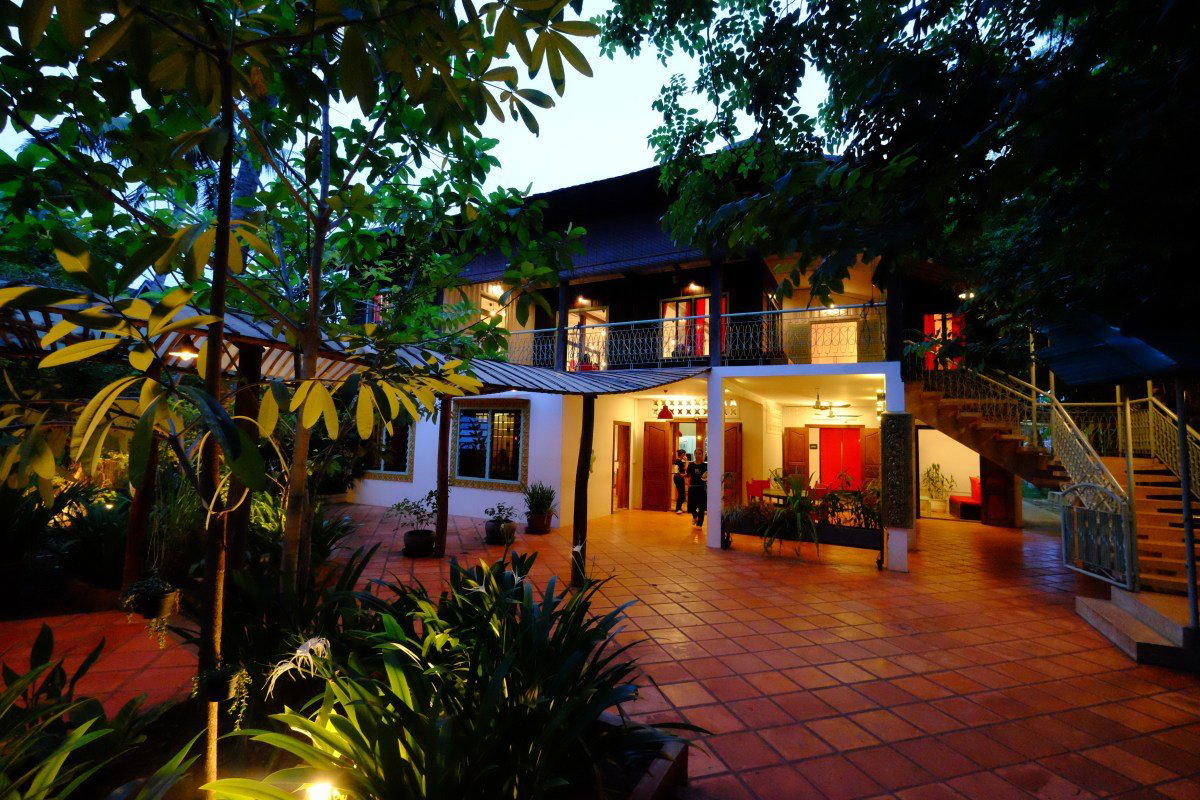
Bars in Siem Reab
Browse all →
At a Glance
- Classic
- Rustic
- Elegant
- Intimate
- Date Night
- Group Dining
- Family
- Casual Hangout
- Special Occasion
- Standalone
- Garden
- Terrace
- Beer Program
- Local Sourcing
Current opening hours
- Monday
- Closed
- Tuesday
- 5:30–9:30 PM
- Wednesday
- 5:30–9:30 PM
- Thursday
- 5:30–9:30 PM
- Friday
- 5:30–9:30 PM
- Saturday
- 5:30–9:30 PM
- Sunday
- 5:30–9:30 PM
Hours can change for holidays and private events. Last verified .
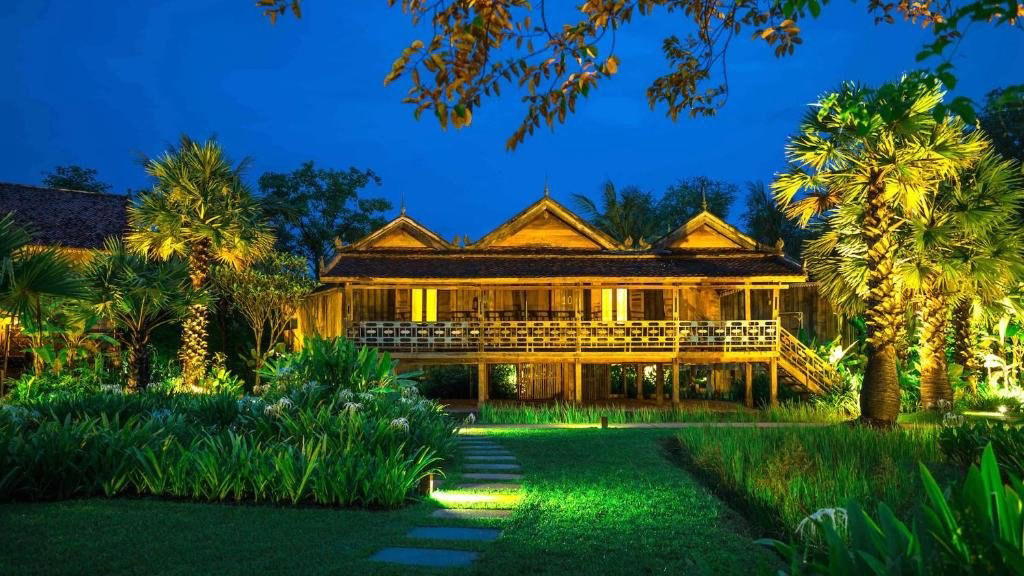
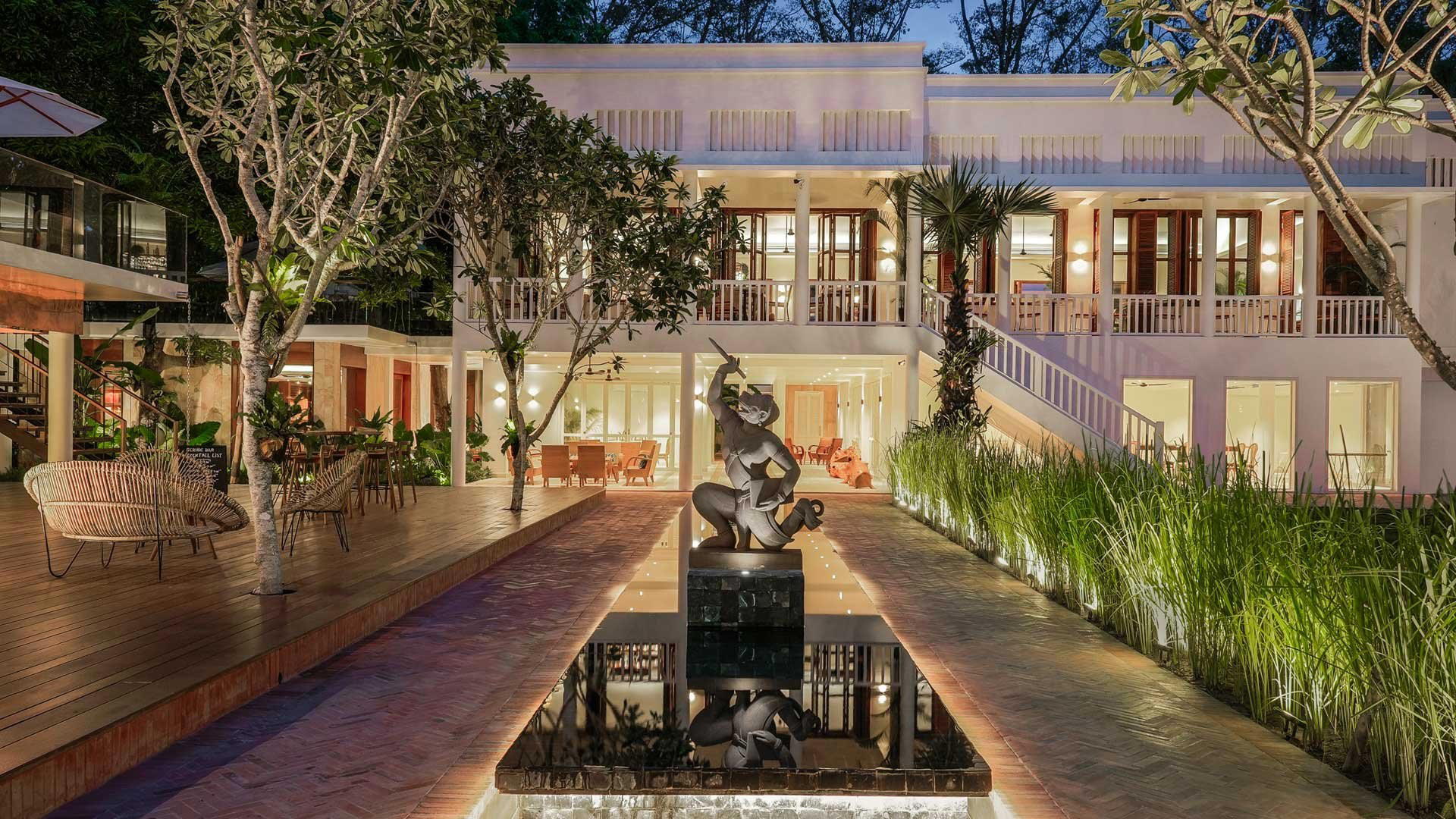
Traditional Khmer teak-wood house with high ceilings, wide verandahs, and modern tropical setting with ponds and bridge; stripped-back but stylish surroundings oozing atmosphere.