Vivere
Our verdict
Vivere occupies the main floor of a Loop address that has long served as a reference point for Italian dining in Chicago. The room signals occasion from the moment you enter: the kind of space where anniversaries and promotions get marked, where the city's professional class has historically come to sit down properly. It positions itself in a tier of downtown Italian restaurants where the emphasis falls on ceremony and the full arc of a meal.

Pearl is the En Primeur Club membership app, where members save venues, book tables and use the concierge.

The menu
What to order
- Rigatoni
- Grilled Calamari
- Filet Mignon
When a Room Asks Something of You
There is a category of downtown Chicago restaurant that exists less as a casual option and more as a civic institution for marking time. These are rooms that understand their function: the proposal dinner, the retirement celebration, the client meal that needs to communicate seriousness. The Loop has always supported this category, and 71 W Monroe St has been part of that tradition. Vivere occupies the main floor of that address, operating in the band of Italian restaurants where formality is not incidental but structural.
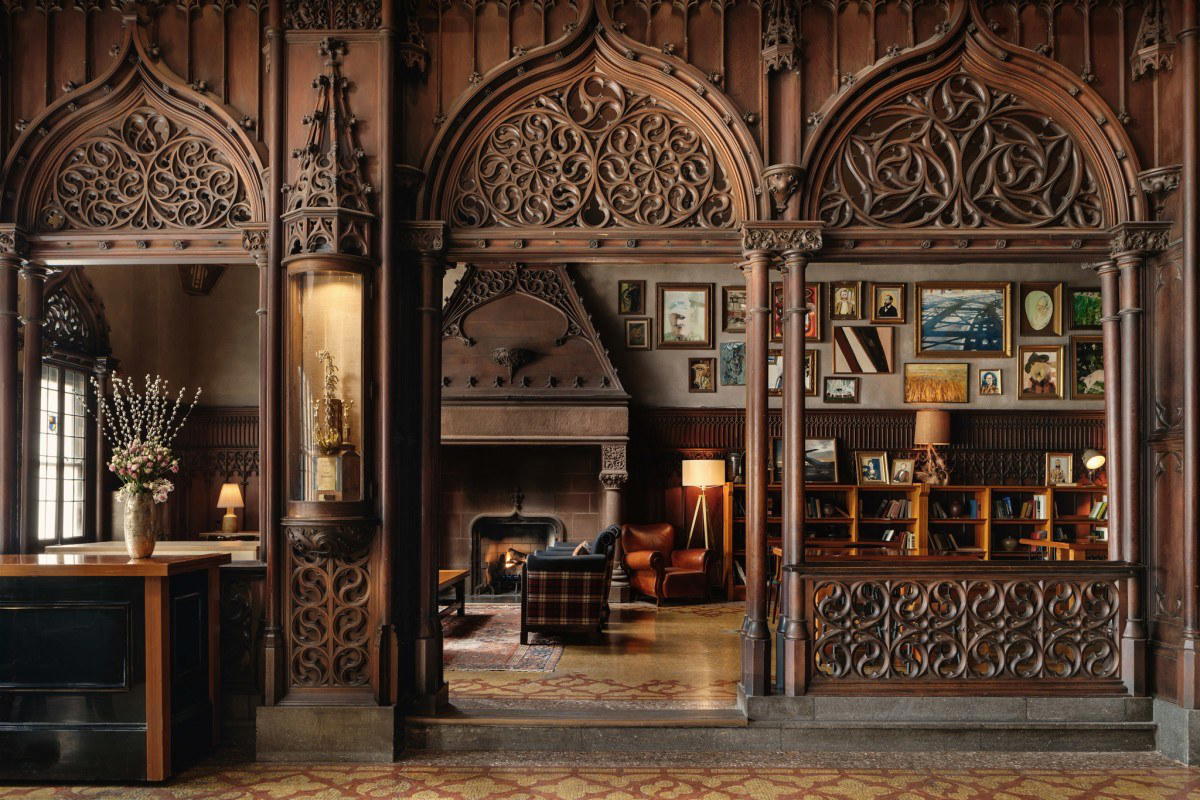
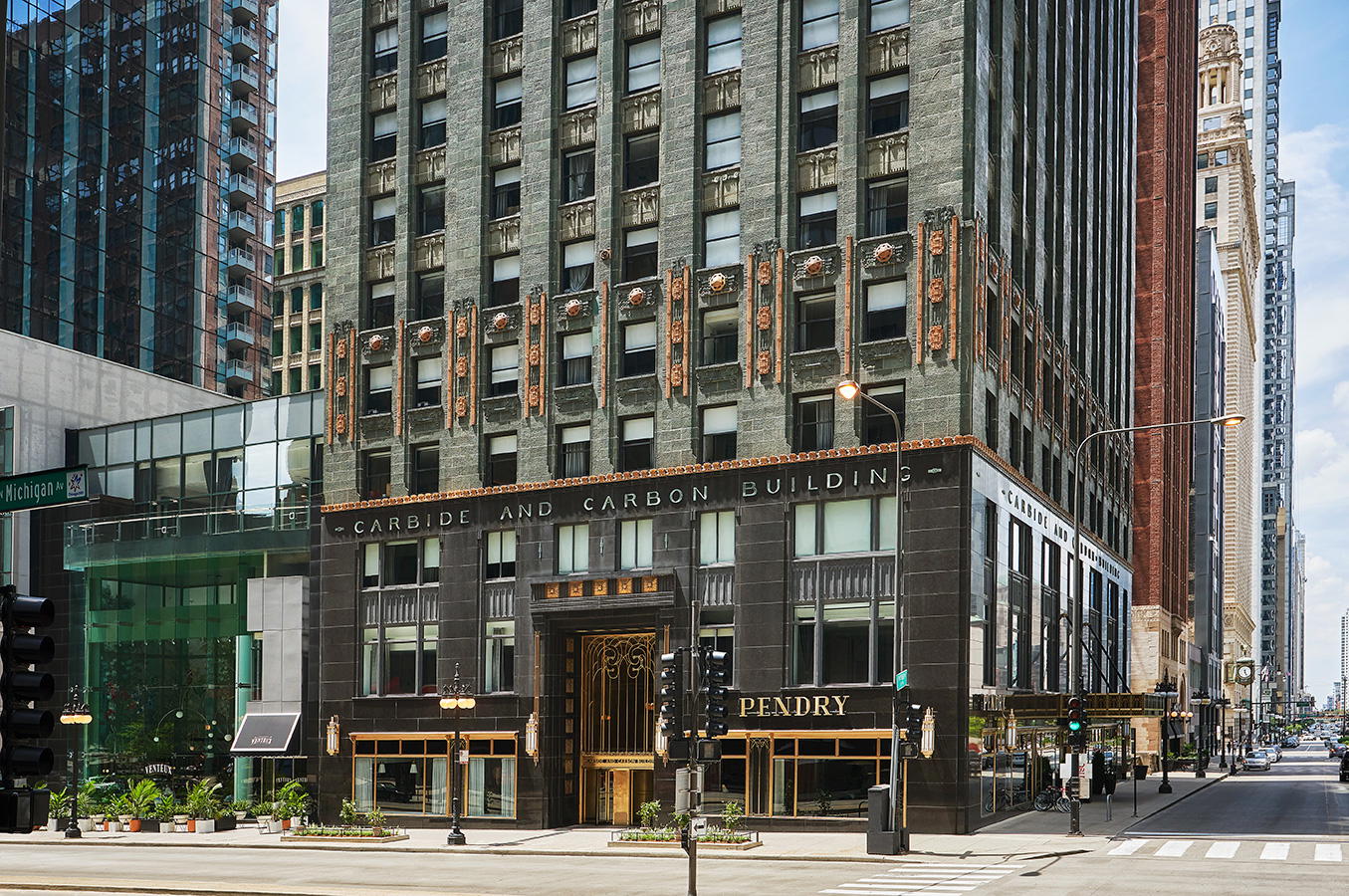
Walking in from Monroe Street, the room makes its intentions clear before a menu arrives. The architecture speaks to an older idea of the American Italian dining room, one that has more in common with the white-tablecloth houses that defined urban Italian dining in cities like New York and Chicago through the 1980s and 1990s than with the casual pasta-forward trattoria wave that followed. That lineage matters when you are choosing a room for a milestone. The setting does the work of communicating significance before the food or the wine is ever poured. Rooms like this are rarer than they were; the Loop's restaurant economy has shifted considerably over the past decade, and the occasion-dining category now competes with an expanded field of tasting-menu houses such as Alinea, Smyth, and Oriole that have absorbed a portion of the special-occasion budget.
Occasion Dining and the Italian Framework
The Italian restaurant remains one of the most durable formats for occasion dining in American cities, precisely because the cuisine's structure accommodates the pace a celebration requires. An Italian meal built around antipasti, primi, secondi, and dolci offers natural pauses, a rhythm that supports conversation and the kind of table time you want when the evening is the point, not just the food. In cities like Chicago, where the professional dining culture has always valued the long table as a venue for relationship-building, that structure continues to carry weight.
Across the United States, the restaurants that have held this occasion-dining position through multiple decades share certain characteristics: a wine list with depth, a service style that reads the table without hovering, and a kitchen capable of producing consistent results under pressure. The challenge for any restaurant in this tier is that the competition for milestone-meal dollars has never been wider. Next Restaurant and Kasama represent how far Chicago's formal dining range has expanded, even as they operate under very different frameworks than a traditional Italian room.
Nationally, the category maps to restaurants like Le Bernardin in New York City, The French Laundry in Napa, Providence in Los Angeles, and Bacchanalia in Atlanta, rooms where the formality of the experience is part of what you are paying for, where the ritual of a proper dinner is understood to be inseparable from the occasion itself.
The Loop as Occasion-Dining Address
The Loop's geography has always given it a particular kind of occasion-dining logic. Proximity to the financial district, the legal corridor, and major hotels means that a restaurant on Monroe Street draws from a clientele that includes both Chicago residents treating themselves and out-of-town visitors who want a downtown room with a sense of place. That dual audience shapes what a restaurant like Vivere needs to deliver: consistency and a certain legibility of quality signals that work for someone who knows the city deeply and someone who is there for one important night.
Chicago's Italian dining tradition runs considerably deeper than its tourist-facing perception. The city's South Side and Near North neighborhoods have historically supported serious Italian cooking, and the downtown rooms that have lasted have generally done so by holding a standard above the obvious and the promotional. The restaurants that survive in this category tend to do so because they have become genuinely embedded in the social calendar of a particular class of Chicagoan, the kind of place you bring your parents when they visit, where you mark a partner's milestone birthday, where you close a deal that took eighteen months to negotiate.
For reference across American occasion-dining, rooms such as Emeril's in New Orleans, Lazy Bear in San Francisco, Blue Hill at Stone Barns in Tarrytown, Single Thread Farm in Healdsburg, Addison in San Diego, The Inn at Little Washington, and Atomix in New York City each demonstrate how the occasion-dining category accommodates radically different culinary frameworks, from Italian classicism to Korean tasting menus, while serving a broadly similar emotional function for the diner. See also 8 1/2 Otto e Mezzo Bombana in Hong Kong for how Italian fine dining translates into a very different urban occasion-dining market.
Planning the Evening
For a meal at Vivere, the approach is direct: the address at 71 W Monroe St places the restaurant centrally in the Loop, accessible via multiple CTA lines and within walking distance of major downtown hotels, which makes it a workable anchor for an out-of-town visit built around a celebration. The Loop quiets considerably on weekend evenings, which can work in the diner's favor if the goal is an unhurried meal without the weekday energy of the business district. For occasion dinners, weekend reservations typically carry a different texture than Thursday business lunches; the room has space to breathe. Booking ahead is advisable for any milestone evening, particularly if the celebration requires a specific table configuration or the restaurant to accommodate a larger group.
For a full picture of where Vivere sits within Chicago's broader formal and semi-formal dining range, see our full Chicago restaurants guide, which maps the city across price tiers, neighborhoods, and culinary traditions.
Frequently asked questions
at Vivere?
What is the ideal way to book Vivere?
What is the signature at Vivere?
How does Vivere handle allergies?
Is Vivere in the Loop a good choice for a private dining event or group celebration in Chicago?
Comparable Venues
Comparable venues nearby, for context on price, style, and recognition.
| Venue | Cuisine | Price | Notes |
|---|---|---|---|
| VivereThis venue (the venue you are viewing) | Modern Regional Italian | $50–100 | Not listed |
| UMMO | Contemporary Italian | $50–100 | River North |
| A Tavola | Authentic Northern Italian | $50–100 | Ukrainian Village |
| Unico Restaurante | Italian-Latin Fusion | $50–100 | Pilsen |
| Deliz | Italian Steakhouse | $30–50 | Bucktown / Wicker Park |
| Petterinos | Italian-American Theatre District Classic | $50–100 | Loop |
Continue exploring
More in Chicago
Restaurants in Chicago
All restaurants in Chicago →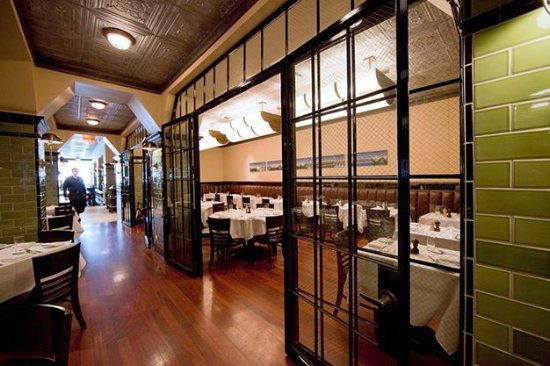
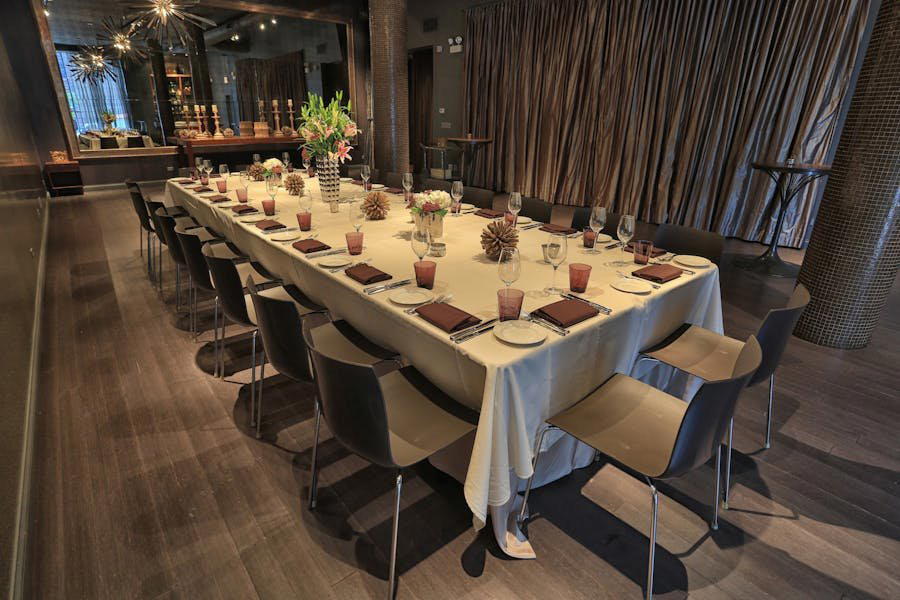
Bars in Chicago
All bars in Chicago →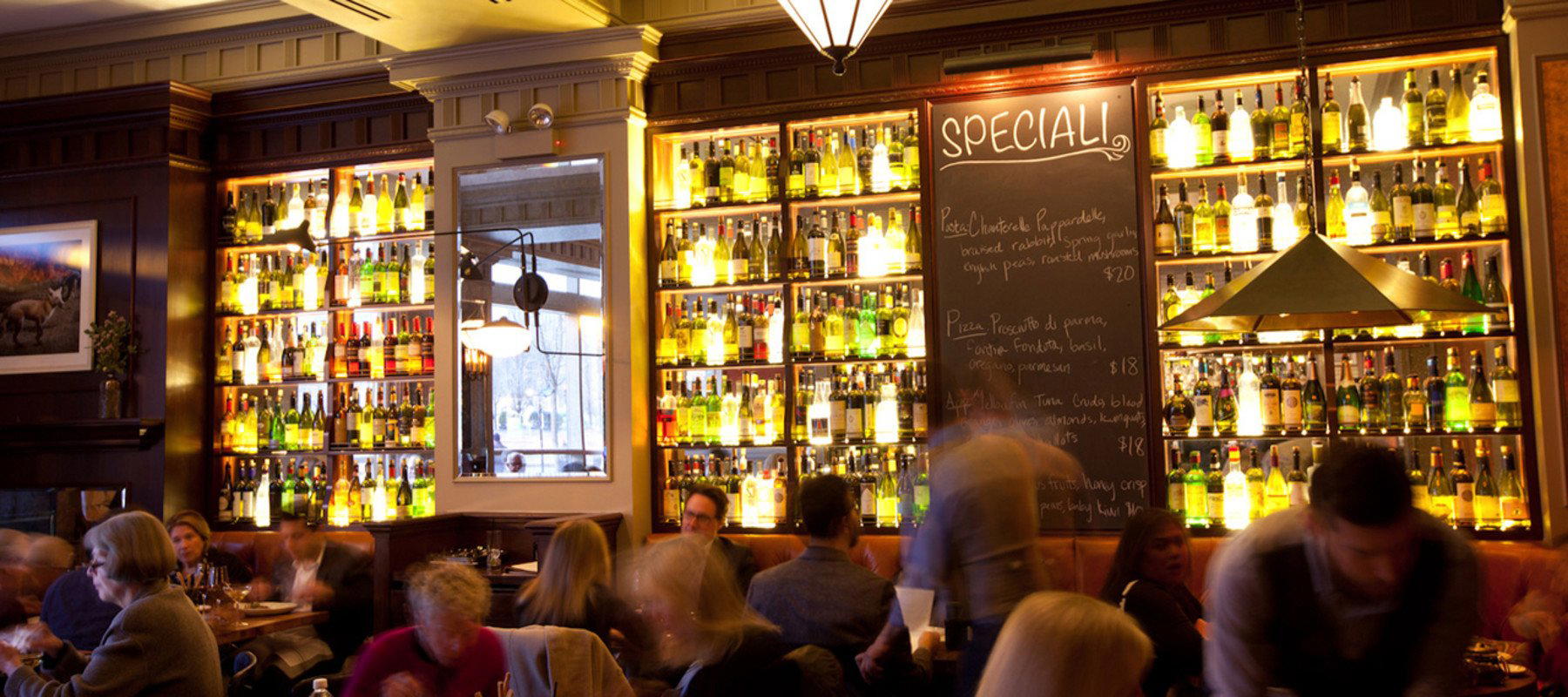
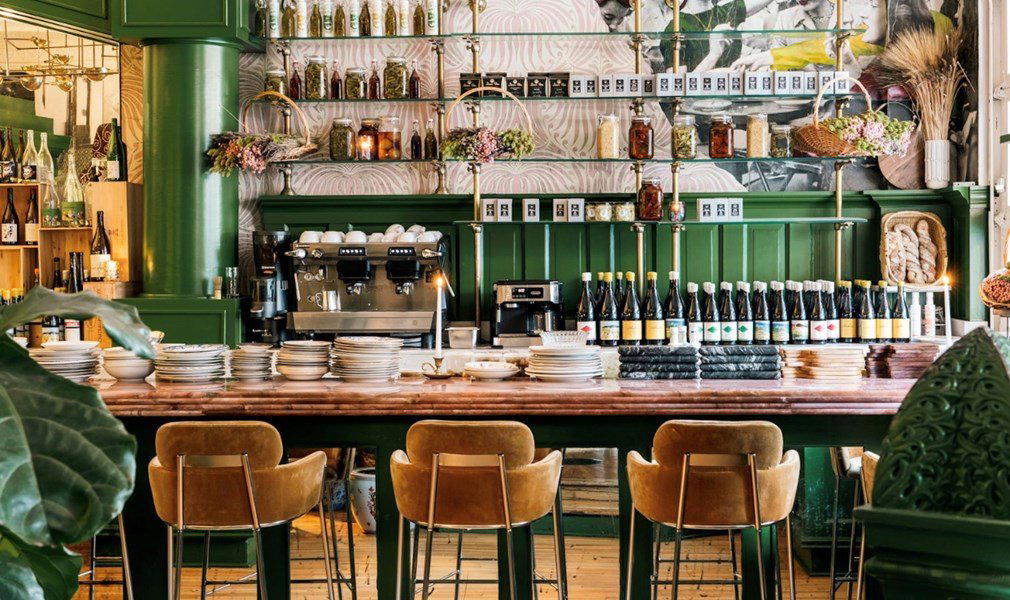
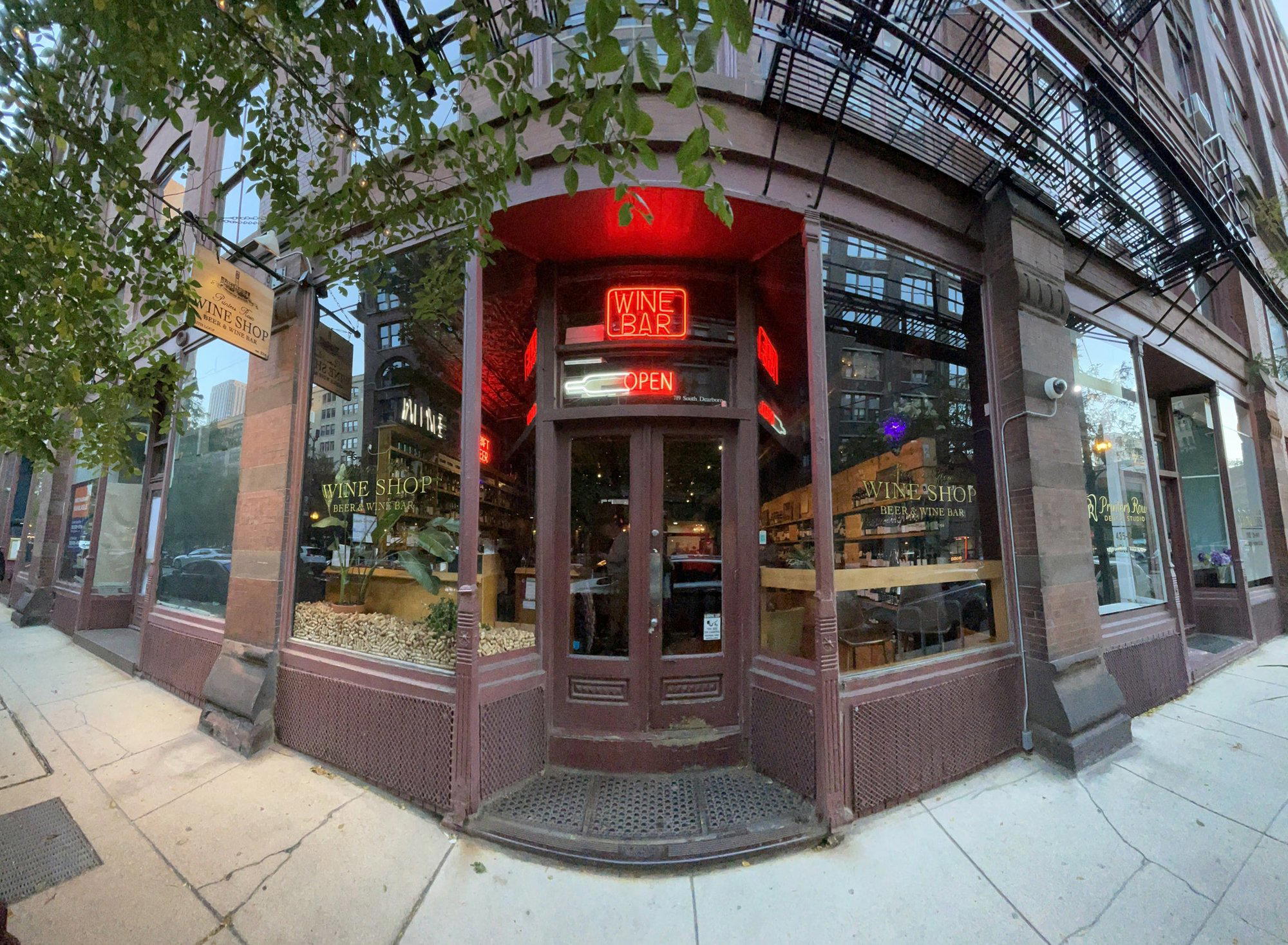
Details
- Elegant
- Whimsical
- Sophisticated
- Date Night
- Special Occasion
- Business Dinner
- Hotel Restaurant
- Extensive Wine List
- A La Carte
- Vegetarian Friendly
- Gluten Free Options
Current opening hours
- Monday
- Closed
- Tuesday
- 11:30 AM–2:30 PM, 5–8:30 PM
- Wednesday
- 11:30 AM–2:30 PM, 5–8:30 PM
- Thursday
- 11:30 AM–2:30 PM, 5–8:30 PM
- Friday
- 11:30 AM–2:30 PM, 5–9 PM
- Saturday
- 5–9 PM
- Sunday
- Closed
Hours can change for holidays and private events. Hours as of .
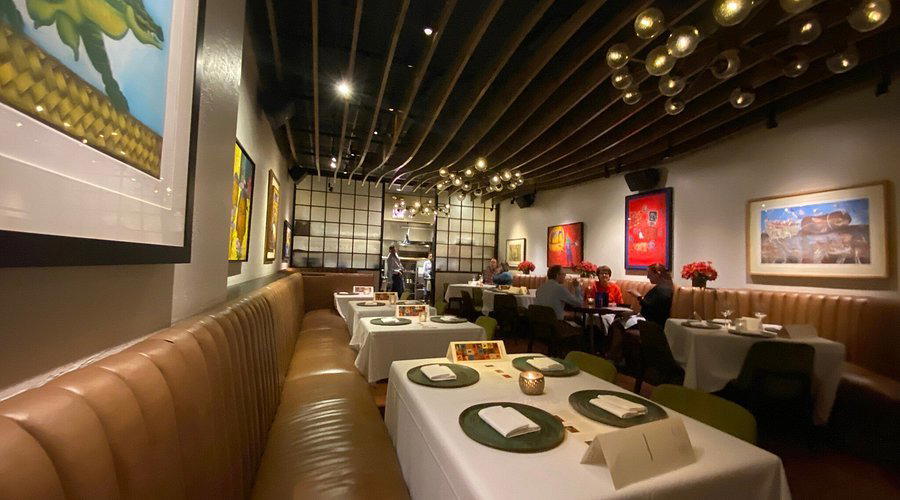
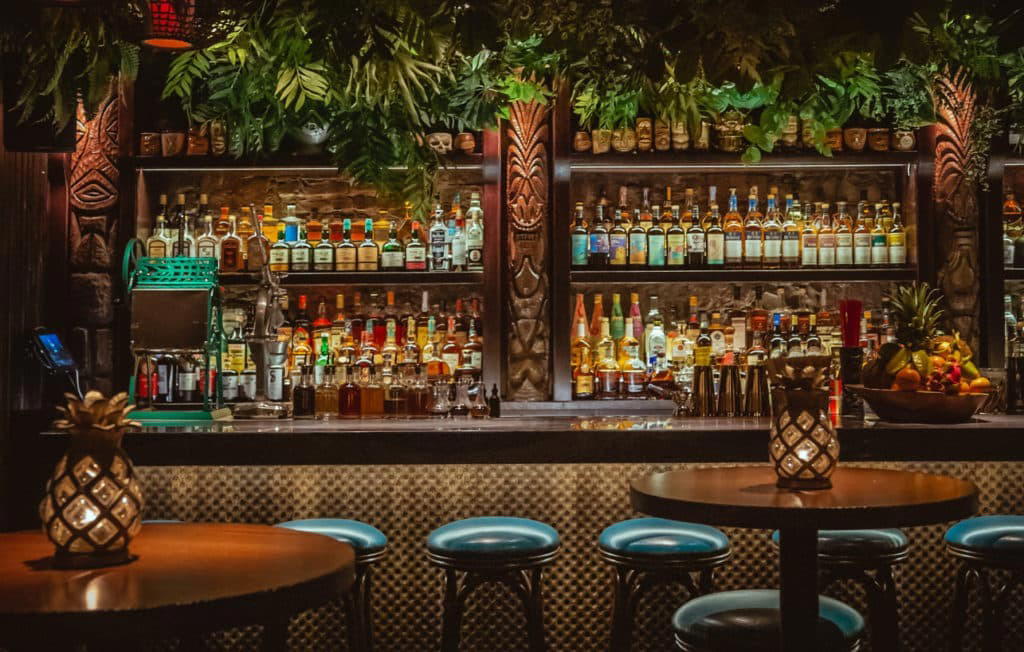
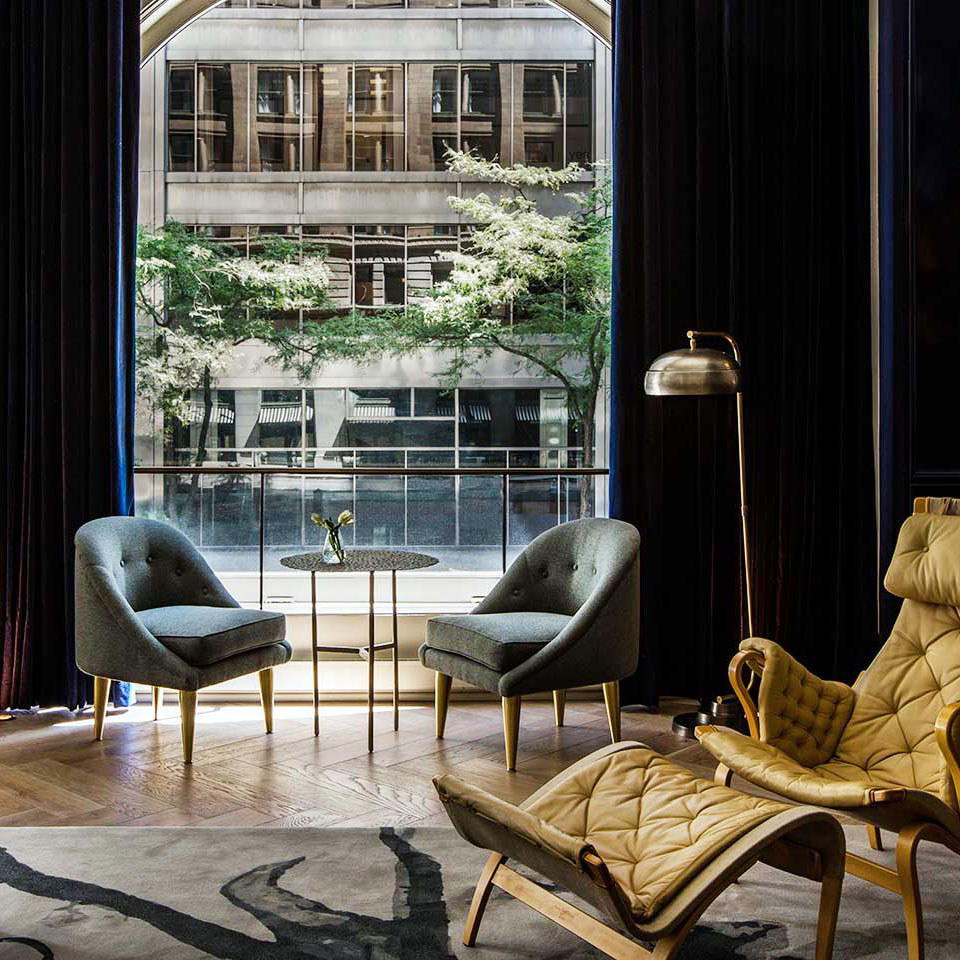
Luxurious and whimsical with curvy architectural lines, brass fixtures, stained glass, and a theatrical quality well-suited for pre-theater dining.