Petterinos
Petterinos occupies a corner of Chicago's Loop dining scene that rewards a particular kind of attention: the pre-theatre ritual, the long lunch, the table where business gets done over a proper meal. At 150 N Dearborn, it sits close enough to the Goodman Theatre to function as an extension of the evening's programme, drawing a crowd that knows what it wants and expects the kitchen to deliver it.
Pearl is the En Primeur Club membership app — saves, bookings, and concierge access live there. Same editors, same standards.
- Address
- 150 N Dearborn St, Chicago, IL 60601
- Phone
- +13124220150
- Website
- petterinos.com
- Directions
- Get directions
 Saves & bookings on Pearl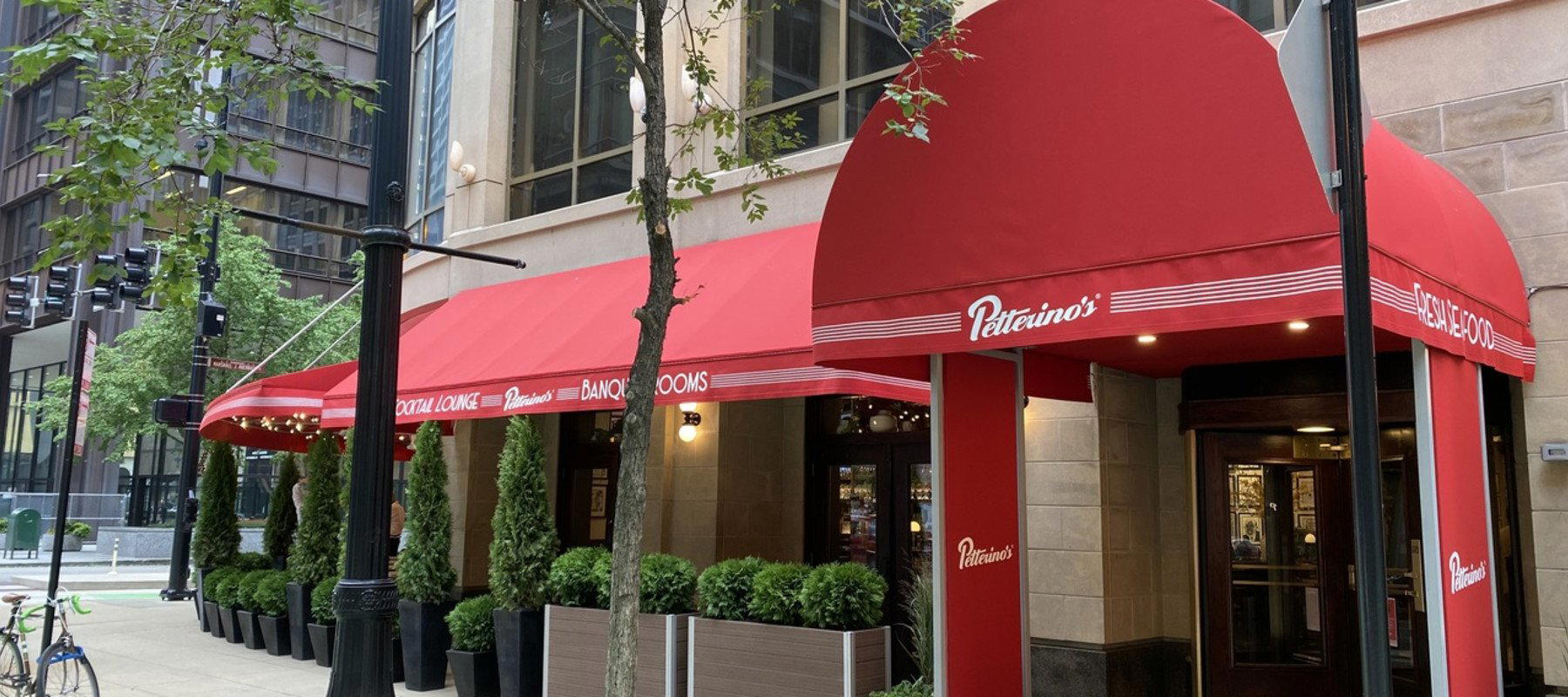
Where the Loop Sets Its Pace
Chicago's Loop has always operated on a different dining clock than the city's restaurant-forward neighbourhoods to the north. River North has its buzz-driven openings; the West Loop has its tasting-menu counters, with venues like Smyth and Oriole anchoring a scene built around elaborate, multi-hour meals. The Loop, by contrast, runs on a tighter social contract: people arrive with somewhere to be afterward, or they arrive because the workday has just ended and the city deserves a proper meal before anyone goes home. Petterinos, at 150 N Dearborn Street, fits that rhythm with unusual precision.
The address places it within a short walk of the Goodman Theatre, which means the dining ritual here carries a secondary deadline. That constraint, rather than limiting the experience, sharpens it. The pacing at a pre-theatre table is a negotiation between kitchen and guest that only works when both sides understand the terms. In that sense, Petterinos belongs to a lineage of American dining rooms, think Emeril's in New Orleans or the more formal end of what Le Bernardin in New York City offers to its pre-curtain crowd, where the room itself is part of the evening's structure, not just its backdrop.
The Grammar of the Room
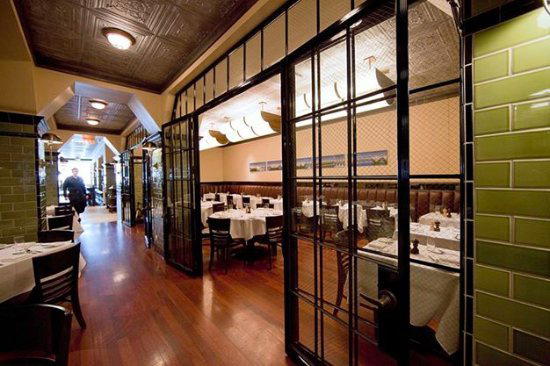
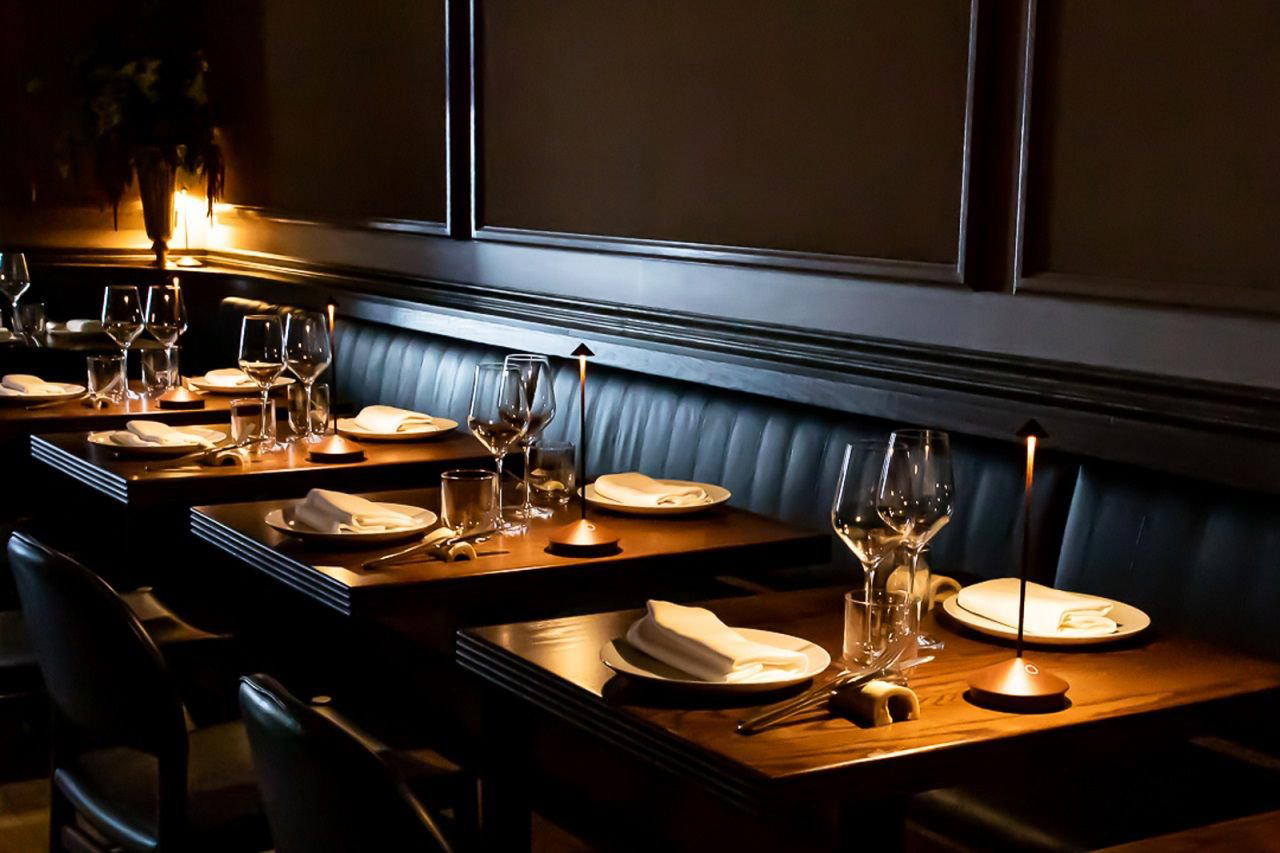
Certain American dining rooms telegraph their intent before a dish arrives. The architecture of the experience, booth geometry, lighting levels, the distance between tables, communicates whether a room is built for spectacle or for conversation. Petterinos reads as the latter. The Dearborn Street location, in a part of the Loop that has seen considerable redevelopment without losing its mid-century civic weight, gives the restaurant a streetside presence that feels deliberate rather than accidental.
This is not the city's progressive edge. For that, Chicago now offers a dense tier of ambitious kitchens: Alinea operates at the conceptual extreme of what American dining can attempt; Next Restaurant rotates its entire identity by season; Kasama has brought Michelin recognition to a Filipino tasting-menu format that would have seemed unlikely a decade ago. Petterinos occupies a different position in the city's dining map: the place that understands its own tradition and executes within it without apology.
The Ritual of the Meal
American supper-club dining has a grammar that is rarely written down but widely understood. The cocktail arrives before the menu is opened. The table discusses options rather than arriving with a fixed order. The main course is substantial enough to be the point of the meal, not a waypoint in a longer sequence. Dessert is optional but not invisible. This format has largely been displaced in the cities where tasting-menu culture has taken hold, venues like Lazy Bear in San Francisco, Single Thread Farm in Healdsburg, or The French Laundry in Napa operate on entirely different temporal logic, where the kitchen sets the pace and the guest follows.
The à la carte format that defines rooms like Petterinos asks something different of the guest: a willingness to make choices, to own the sequence of the meal, to order like someone who knows what they want. That act of selection is itself a kind of ritual, one that the supper-club tradition in Chicago has refined over decades. The city's Italian-American dining rooms in particular, many of them clustered around the Loop and River North, built their reputations on the quality of that negotiation between kitchen and table. Petterinos inherits that tradition.
Petterinos registers in that guide as a Loop anchor: reliable, specific in its appeal, and useful in a way that more conceptually ambitious rooms are not.
The Pre-Theatre Contract
Pre-theatre dining is a distinct sub-genre with its own disciplines. The kitchen must turn tables without guests feeling processed; the service must communicate urgency without communicating impatience; the food must satisfy completely within a compressed window. Venues that do this well, and not all of them do, tend to have clear menus, practised timing, and staff who can read a table's rhythm from the first drink order.
The proximity to the Goodman makes this not a secondary function at Petterinos but a primary one. Chicago's theatre district generates a reliable pre-curtain demand that shapes how rooms in the area operate, and the better ones have built that demand into their kitchen and floor structure rather than treating it as an inconvenience. Internationally, the model has equivalents: rooms near major performance venues in cities like Hong Kong, where 8 1/2 Otto e Mezzo Bombana serves a similar dual function for the financial and cultural district crowd, or Washington, where The Inn at Little Washington has formalised the destination-dinner ritual to its logical conclusion.
Closer to home, the comparison set matters. Providence in Los Angeles, Addison in San Diego, and Bacchanalia in Atlanta each serve distinct local dining cultures, but all share the quality of rooms that have identified their guest and built the experience accordingly. Petterinos does the same for a Loop crowd that values competence and consistency over novelty.
Where It Sits in the City
Chicago's dining scene in 2024 is bifurcated in a way that is becoming common in major American cities. On one side: the tasting-menu tier, where Atomix-calibre ambition (drawing the comparison from New York) has a Chicago analogue in rooms like Smyth and Oriole, and where the meal is an event requiring advance planning, a cleared evening, and a willingness to cede control to the kitchen. On the other: the rooms that serve the city's daily dining life, where the format is familiar and the quality is the variable that earns loyalty.
Petterinos belongs to the second category and operates in a part of the city where the competition for that position is limited. The Loop's lunch and dinner trade is large, but the number of rooms with genuine character in the neighbourhood is smaller than the demand would suggest. That gap is part of what gives Petterinos its function: not as one ambitious option on any given evening, but as one coherent one for a specific kind of night out.
Blue Hill at Stone Barns in Tarrytown represents the opposite end of the format spectrum, a room where the meal is inseparable from its agricultural context and where the experience is designed to be totalising. The value of knowing both ends of that spectrum is understanding where any given evening's appetite actually sits.
Reputation Context
Comparable venues nearby, for context on price, style, and recognition.
| Venue | Cuisine | Price | Notes |
|---|---|---|---|
| PetterinosThis venue — the venue you are viewing | Italian-American Theatre District Classic | $$$ | Not listed |
| Coco Pazzo | Classic Tuscan Italian fine dining | $$$ | River North |
| UMMO | Contemporary Italian | $$$ | River North |
| Formento’s Italian Steakhouse | Italian Steakhouse | $$$ | West Loop |
| Macello | Pugliese Italian | $$$ | West Loop |
| void | Modern Italian-American | $$$ | Avondale |

At a Glance
- Lively
- Elegant
- Classic
- Well Known
- Business Dinner
- Pre Theater
- Brunch
- Live Music
- Historic Building
- Craft Cocktails
Current opening hours
- Monday
- 11 AM–9 PM
- Tuesday
- 11 AM–10 PM
- Wednesday
- 11 AM–10 PM
- Thursday
- 11 AM–10 PM
- Friday
- 11 AM–10 PM
- Saturday
- 11 AM–10 PM
- Sunday
- 11 AM–8 PM
Hours can change for holidays and private events. Last verified .
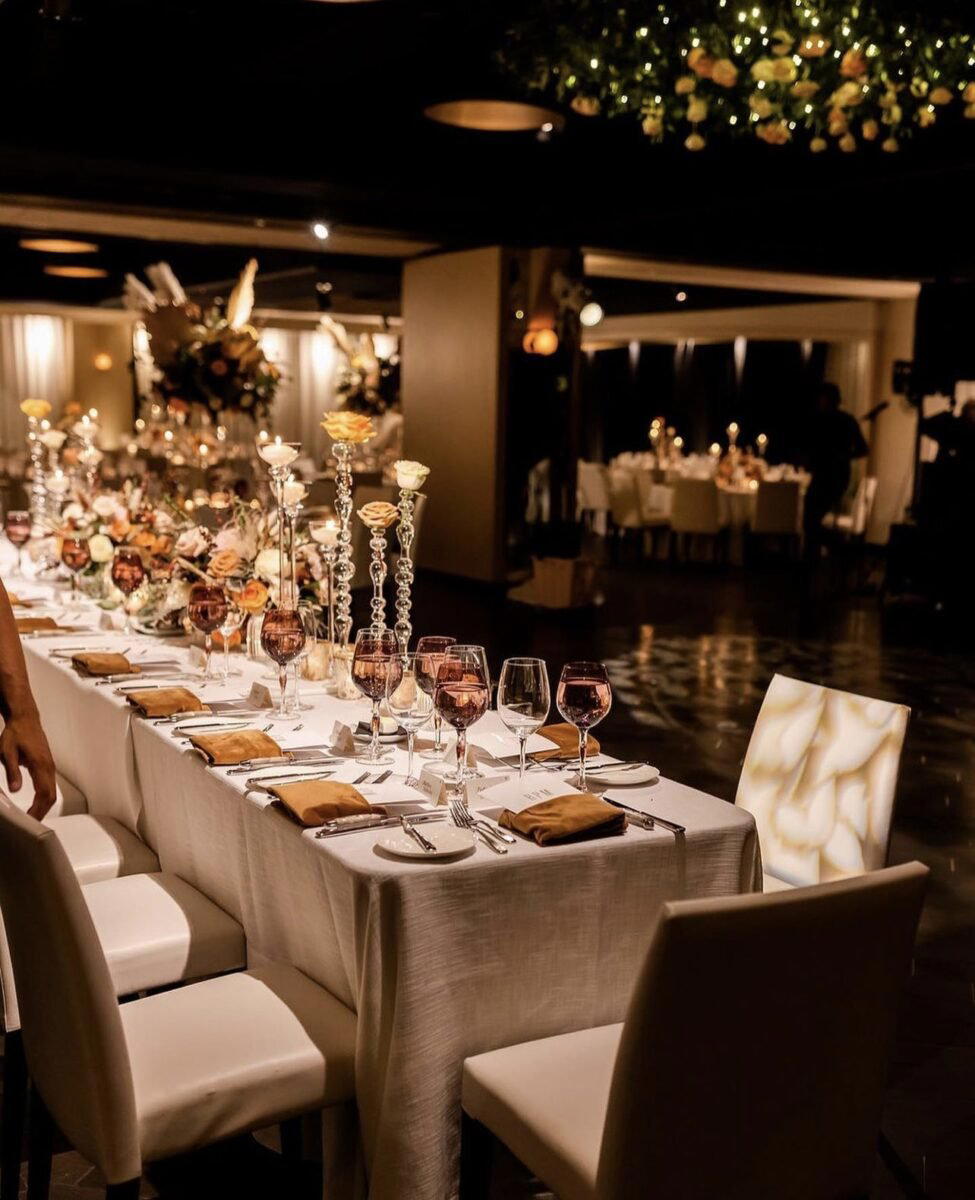
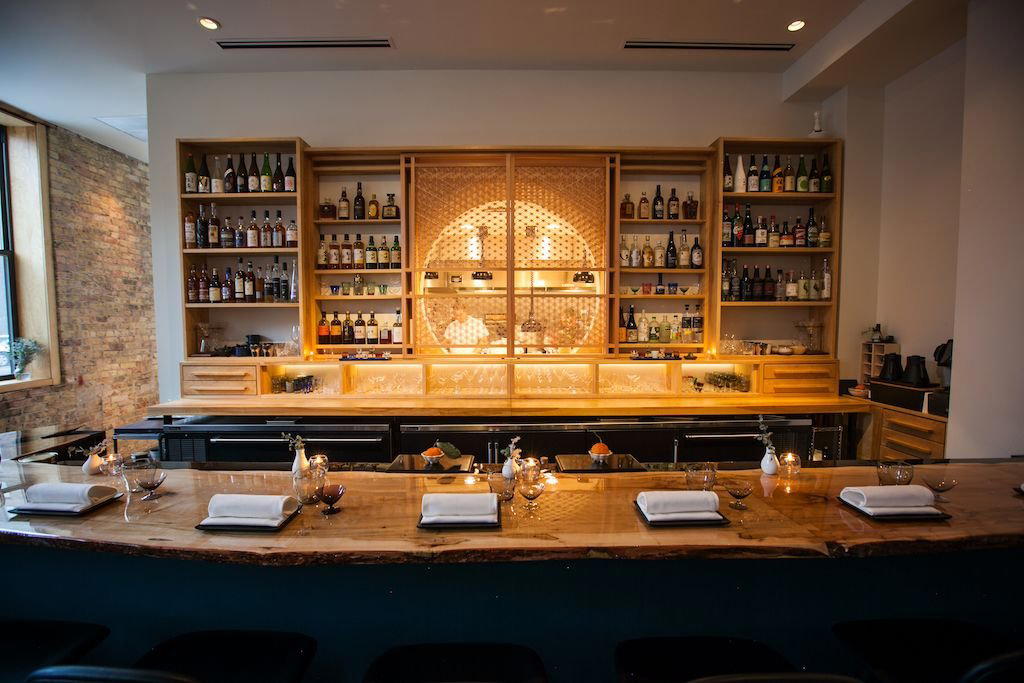
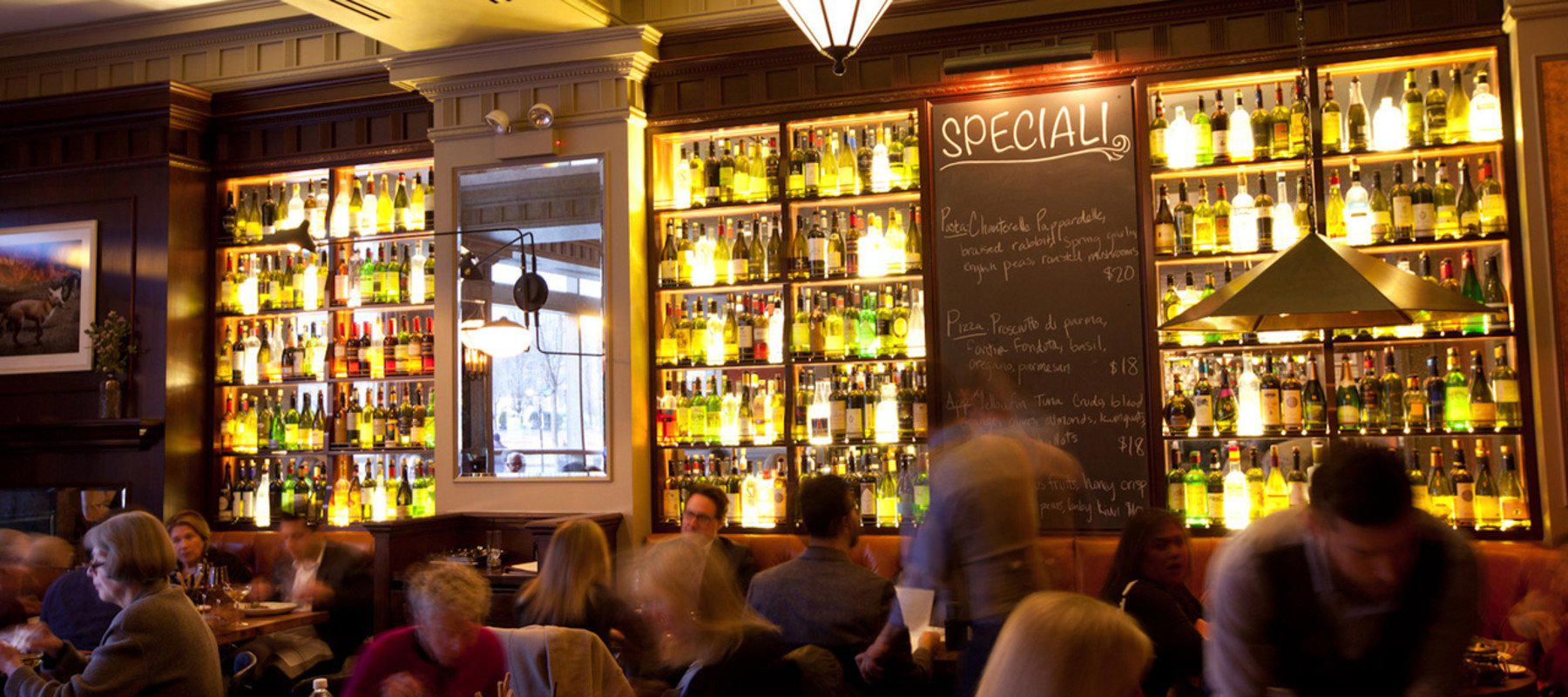
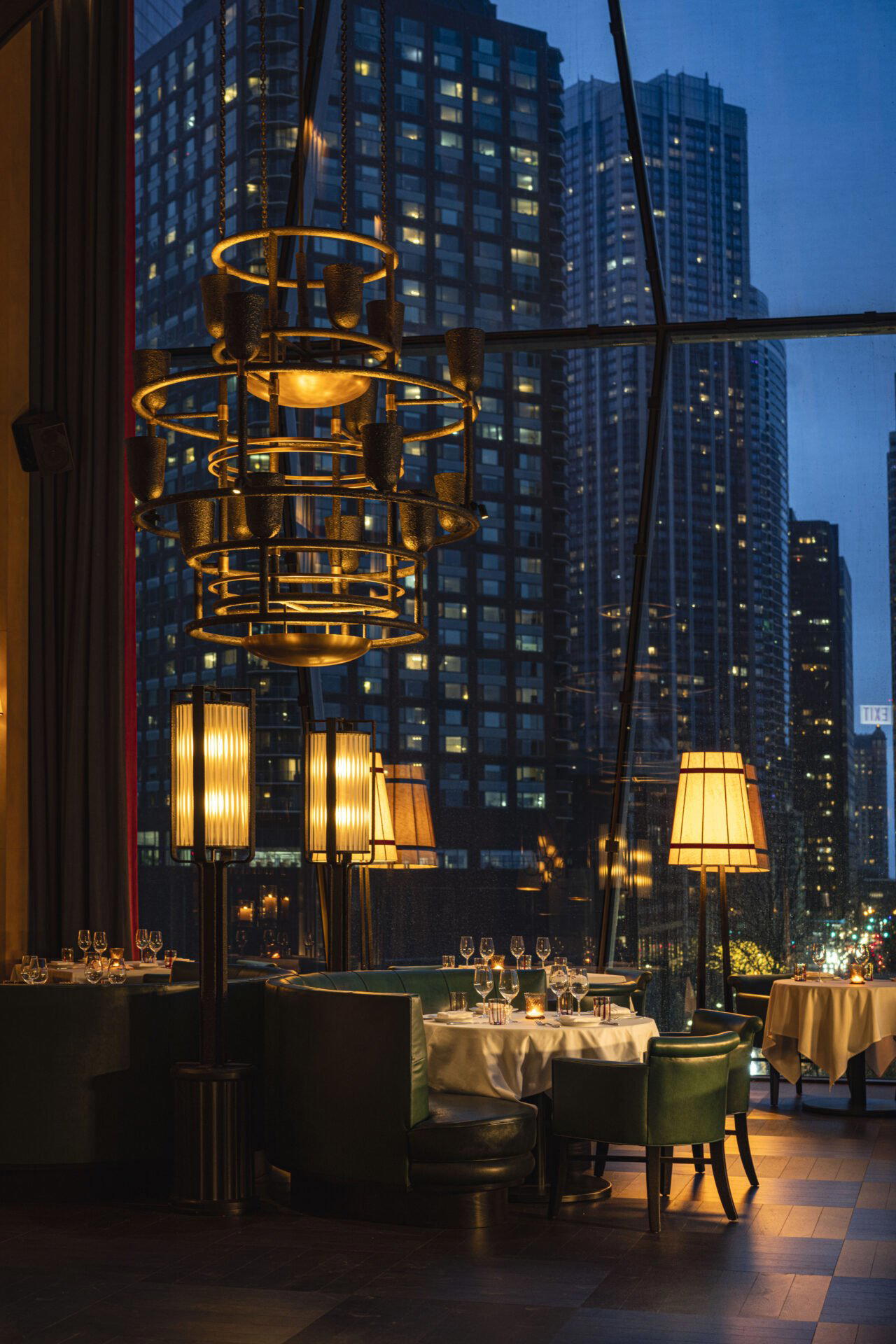
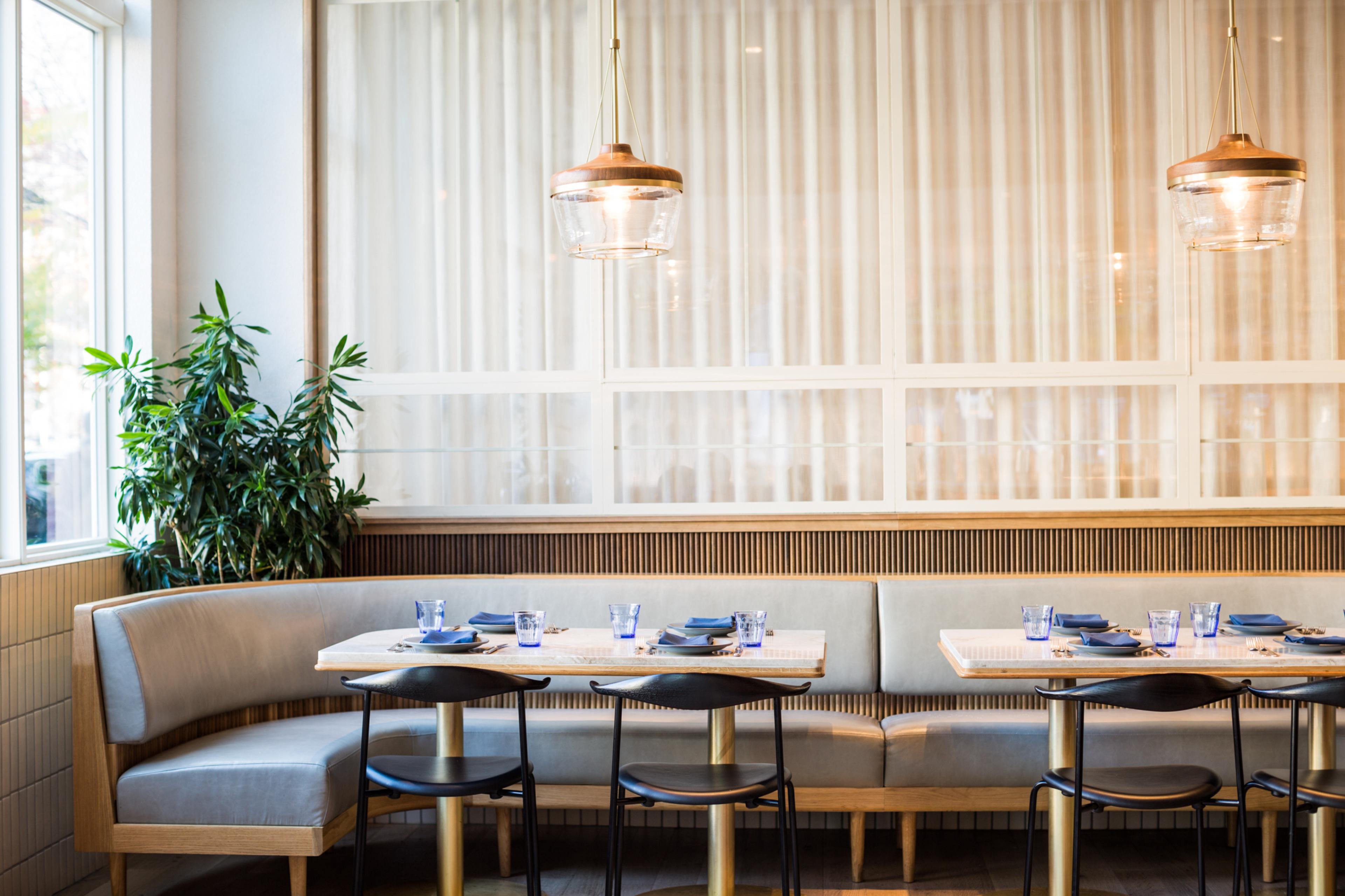
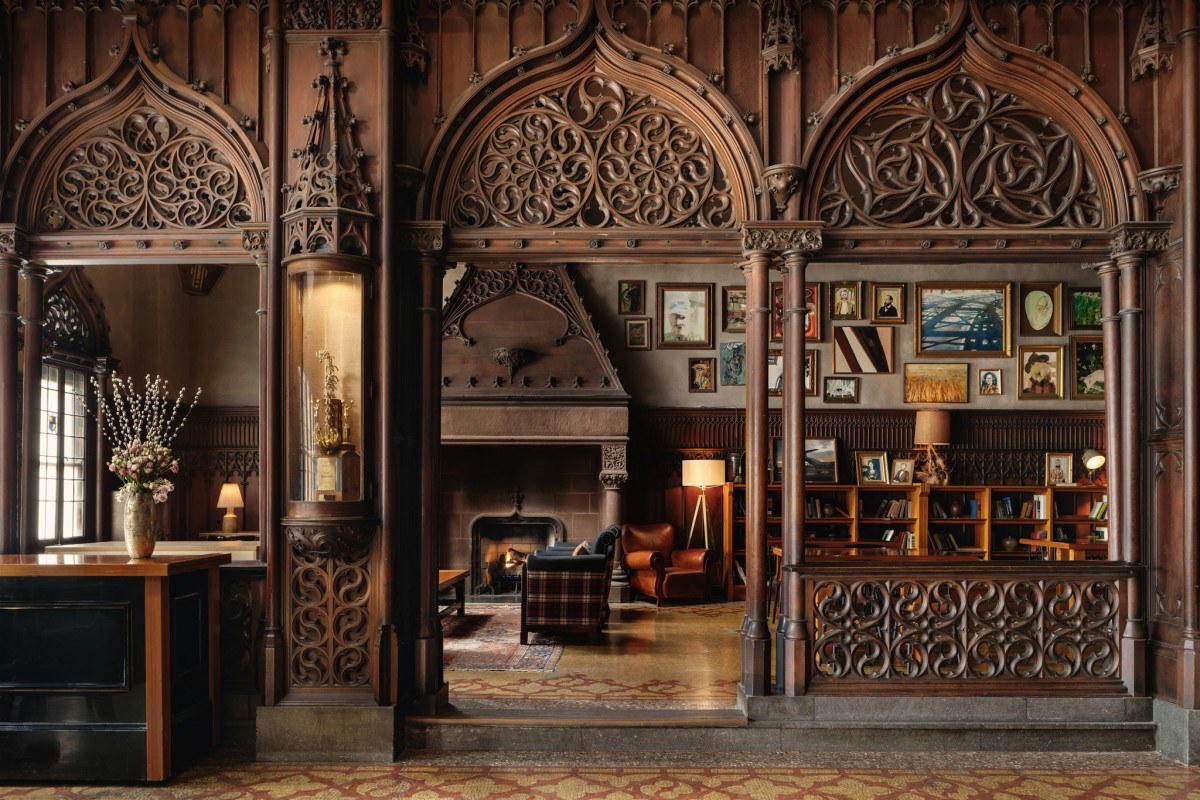
Swanky 50s supper club atmosphere with comfortable interiors, warm hospitality, and lively energy from live jazz and theatre crowds.