A Tavola
A Tavola occupies a corner of Ukrainian Village where Italian-American hospitality traditions run deep. Located at 2148 W Chicago Ave, the restaurant positions itself within Chicago's mid-tier neighborhood dining scene rather than the downtown fine-dining corridor. For a city that has long valued the trattoria format alongside its marquee tasting-menu rooms, A Tavola represents the quieter, table-cloth end of that conversation.
Pearl is the En Primeur Club membership app — saves, bookings, and concierge access live there. Same editors, same standards.
- Address
- 2148 W Chicago Ave, Chicago, IL 60622
- Phone
- +17732767567
- Website
- atavolachi.com
- Directions
- Get directions
 Saves & bookings on Pearl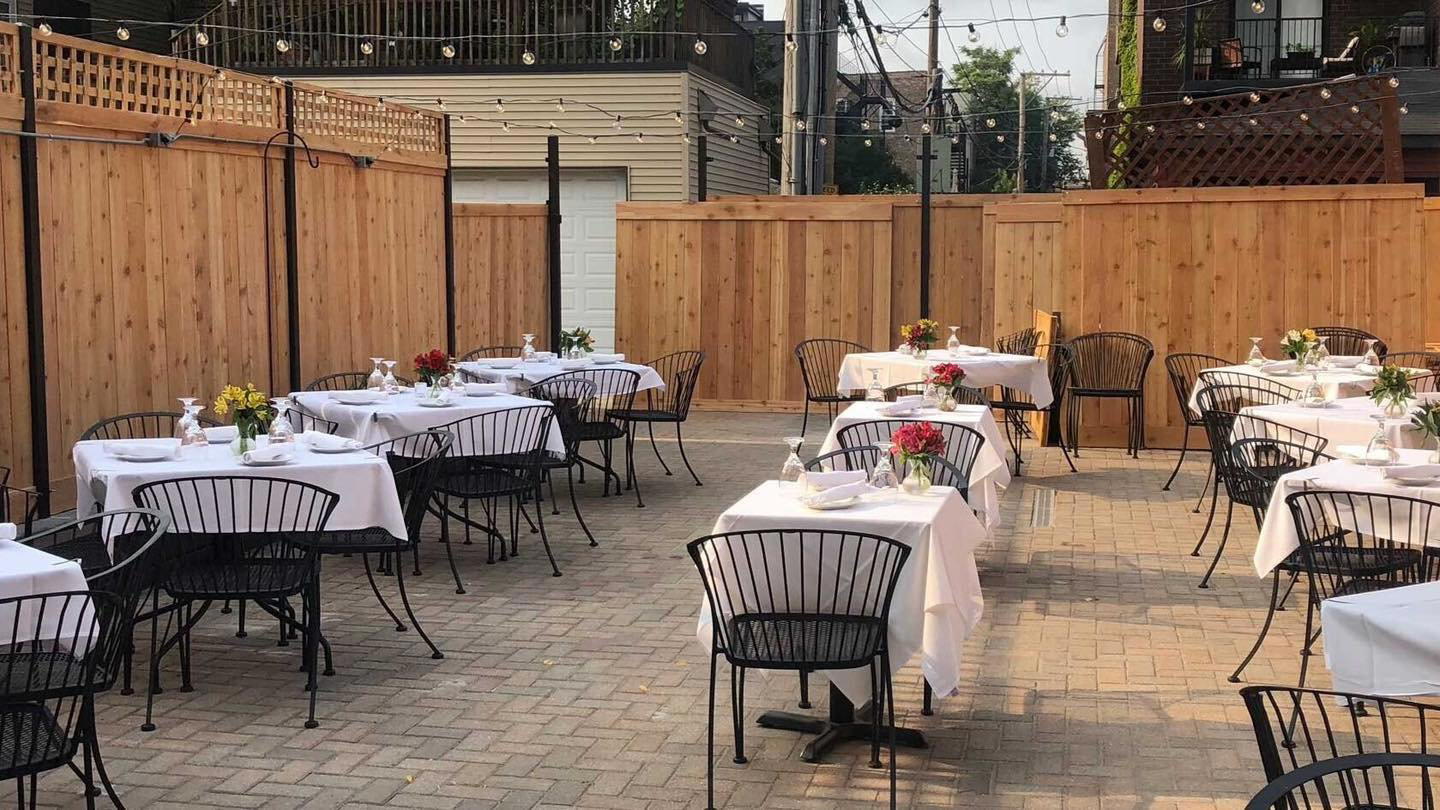
Ukrainian Village and the Trattoria Tradition
Chicago's Italian dining identity has always operated on two tracks. One runs through the high-visibility downtown corridor, where restaurants like Alinea and Smyth compete in a global fine-dining register. The other runs through the neighborhoods, where the trattoria format has outlasted decades of trend cycles by offering something more durable: a room that feels like it belongs to the street outside it. A Tavola is an Authentic Northern Italian restaurant at 2148 W Chicago Ave, Chicago, with a recommended reservation policy and a price tier of about $60 per person.
Ukrainian Village is one of the city's more quietly resilient dining neighborhoods. It lacks the culinary marketing apparatus of the West Loop or River North, which means the restaurants that survive there tend to do so on repeat local business rather than tourism or press cycles. That filtering mechanism rewards consistency over spectacle, and the trattoria format is well suited to it.
The phrase a tavola is Italian for "to the table" or "at the table," a phrase embedded in Italian domestic culture as a call to gather. It signals an orientation toward shared eating rather than individual tasting experiences, and it places the restaurant in a lineage of Italian-American dining that predates the era of chef-driven tasting menus. That lineage is worth understanding before walking through the door.
Italian-American Dining in Chicago: Where This Fits
Italian food in America has undergone several waves of reassessment. The red-sauce era gave way to regional Italian ambitions in the 1980s and 1990s, then to a more contemporary approach that drew on Italian technique while shedding the checkered-tablecloth nostalgia. More recently, there has been a reappraisal of the Italian-American canon itself, with chefs in New York, Chicago, and Los Angeles treating dishes like cacio e pepe or braised short rib ragu not as lesser cousins of their Roman originals but as their own culinary artifacts with their own standards of execution.
Chicago has been part of that reassessment. The city's Italian-American community has deep roots in neighborhoods like the Near West Side and Melrose Park, and the cooking traditions that came with those communities have informed the city's pasta culture in ways that don't always get credited in dining coverage that focuses on tasting-menu rooms. For context on how Chicago's fine-dining tier positions itself internationally, restaurants like Oriole and Next Restaurant represent the high-concept end of that spectrum. A Tavola occupies a different register entirely, one where the Italian-American table is the reference point rather than contemporary European fine dining.
That positioning matters. A restaurant like Kasama has demonstrated that neighborhood-scale rooms in Chicago can achieve national recognition when the cooking and format are disciplined enough. The trattoria format has its own discipline: pasta made in-house, sauces built over time, wine lists that reward the table rather than the cellar collector. Whether A Tavola executes that discipline at a level that commands cross-city attention is the operative question for a first-time visitor.
The Cultural Weight of the Italian Table
Eating Italian in the way the phrase the restaurant implies is not primarily about the food. It is about duration. Italian meals, in their domestic and trattoria incarnations, are structured around lingering: an antipasto that slows the pace, a primo that requires attention, a secondo that earns its place, and a digestivo that marks the close. That structure is partly cultural ritual and partly a practical expression of hospitality, the idea that a table is not a transaction but a temporary home.
American restaurant culture has largely accelerated away from that model. Turn times, prix-fixe formats, and the rise of the tasting counter have all worked against the kind of open-ended table time that Italian dining culture assumes. The trattoria that holds to its original tempo in an American city is, in that sense, making an argument against the dominant commercial logic of restaurant operations.
At the same time, Italian-American restaurants in major American cities operate in a competitive context that rewards technical ambition. The pasta programs at restaurants in New York and San Francisco, from the carbohydrate seriousness of Le Bernardin-adjacent Italian rooms in New York to the farm-sourcing intensity of Single Thread Farm in Healdsburg, have raised the baseline expectation for what a serious Italian-leaning room should deliver. Across the country, restaurants from Lazy Bear in San Francisco to Providence in Los Angeles, Addison in San Diego, Bacchanalia in Atlanta, and The Inn at Little Washington have demonstrated that regional American fine dining can hold its own against any international comparable set. The neighborhood trattoria sits at a different altitude, but it is not exempt from those rising standards.
Positioning Within the Chicago Scene
Chicago's broader dining scene is organized around a clear hierarchy. At the leading end are destination rooms with international profiles and booking windows measured in months. Below that sits a substantial mid-tier of neighborhood restaurants competing on value, consistency, and local loyalty. The restaurant's address in Ukrainian Village places it squarely in that mid-tier, away from the tourist infrastructure of River North and the culinary celebrity of the West Loop.
For international visitors who have experienced Italian trattoria culture in Rome, Florence, or Bologna, neighborhood Italian-American rooms in Chicago offer a different but related reference point. The cooking vocabulary overlaps, but the cultural context shifts: what reads as comfort food in Milan reads as ethnic heritage dining in Chicago, carrying the weight of immigration history alongside the plate itself. Restaurants like 8 1/2 Otto e Mezzo Bombana in Hong Kong and Atomix in New York City demonstrate how culinary traditions travel and transform; Italian-American cooking in Chicago is its own version of that transformation, shaped by a century of local history.
For those planning a broader American dining itinerary, Emeril's in New Orleans, The French Laundry in Napa, and Blue Hill at Stone Barns in Tarrytown represent the country's more celebrated culinary institutions. The restaurant operates at a different register, more concerned with the daily rhythms of neighborhood feeding than with national positioning.
Know Before You Go
Just the Basics
Comparable venues nearby, for context on price, style, and recognition.
| Venue | Cuisine | Price |
|---|---|---|
| A TavolaThis venue — the venue you are viewing | Not listed | $$$ |
| Viaggio Restaurant Chicago | West Loop, Authentic Italian Pasta | $$$ |
| Gene & Georgetti | River North, Classic Tuscan Steakhouse | $$$ |
| Miss Ricky's | Loop, Modern Italian Gastropub | $$$ |
| Sofi Restaurant | Printer's Row, Northern Italian | $$$ |
| Piccolo Sogno | River West, Rustic Italian | $$$ |

At a Glance
- Cozy
- Romantic
- Intimate
- Rustic
- Date Night
- Special Occasion
- Extensive Wine List
Current opening hours
- Monday
- Closed
- Tuesday
- 5–10 PM
- Wednesday
- 5–10 PM
- Thursday
- 5–10 PM
- Friday
- 5–10 PM
- Saturday
- 5–10 PM
- Sunday
- 4–9 PM
Hours can change for holidays and private events. Last verified .
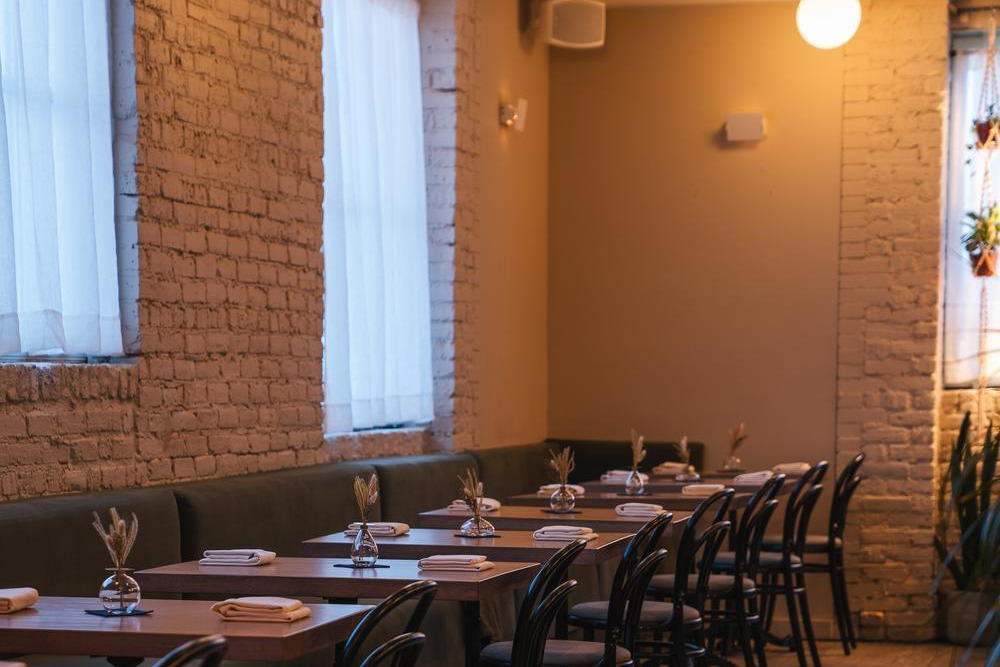
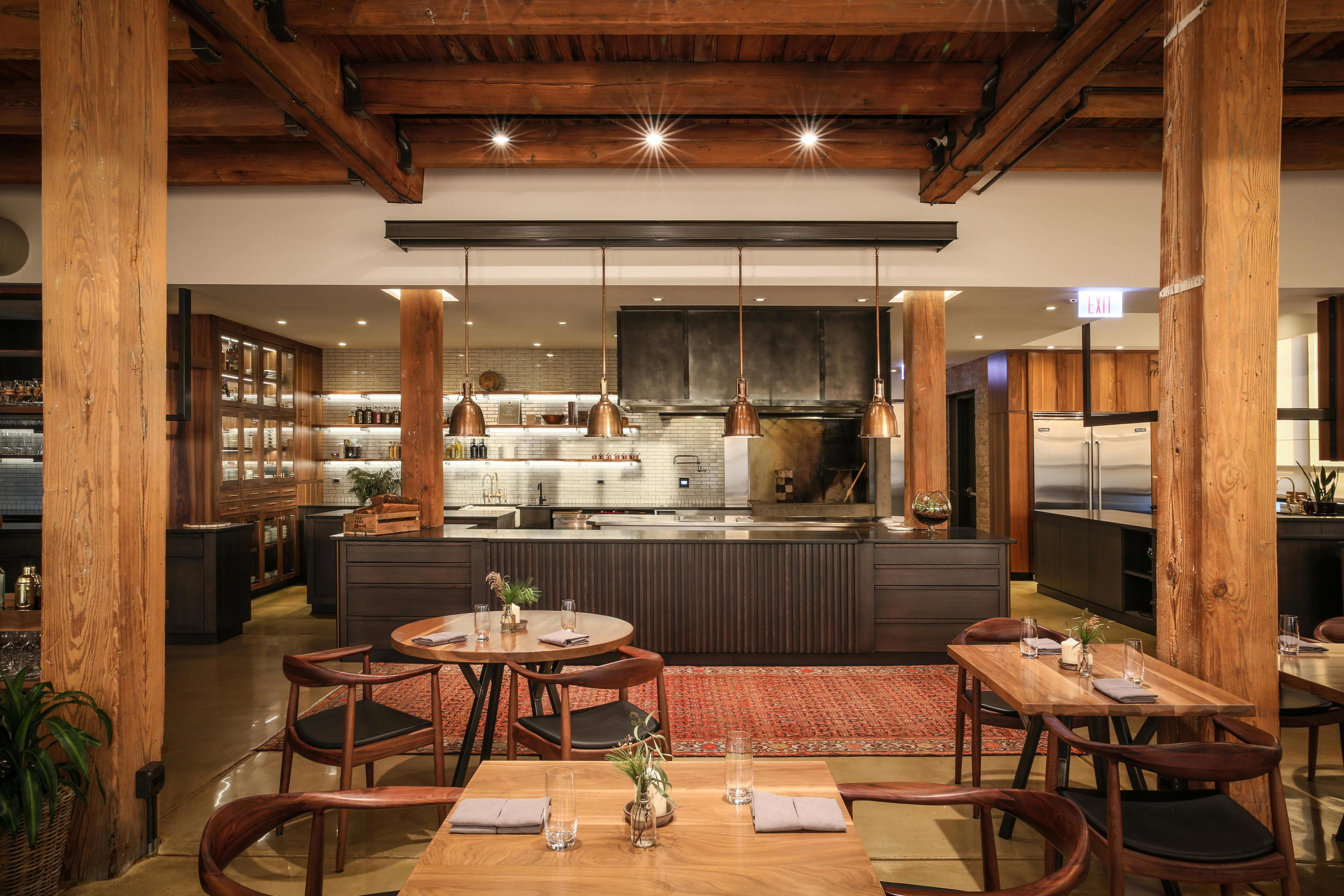
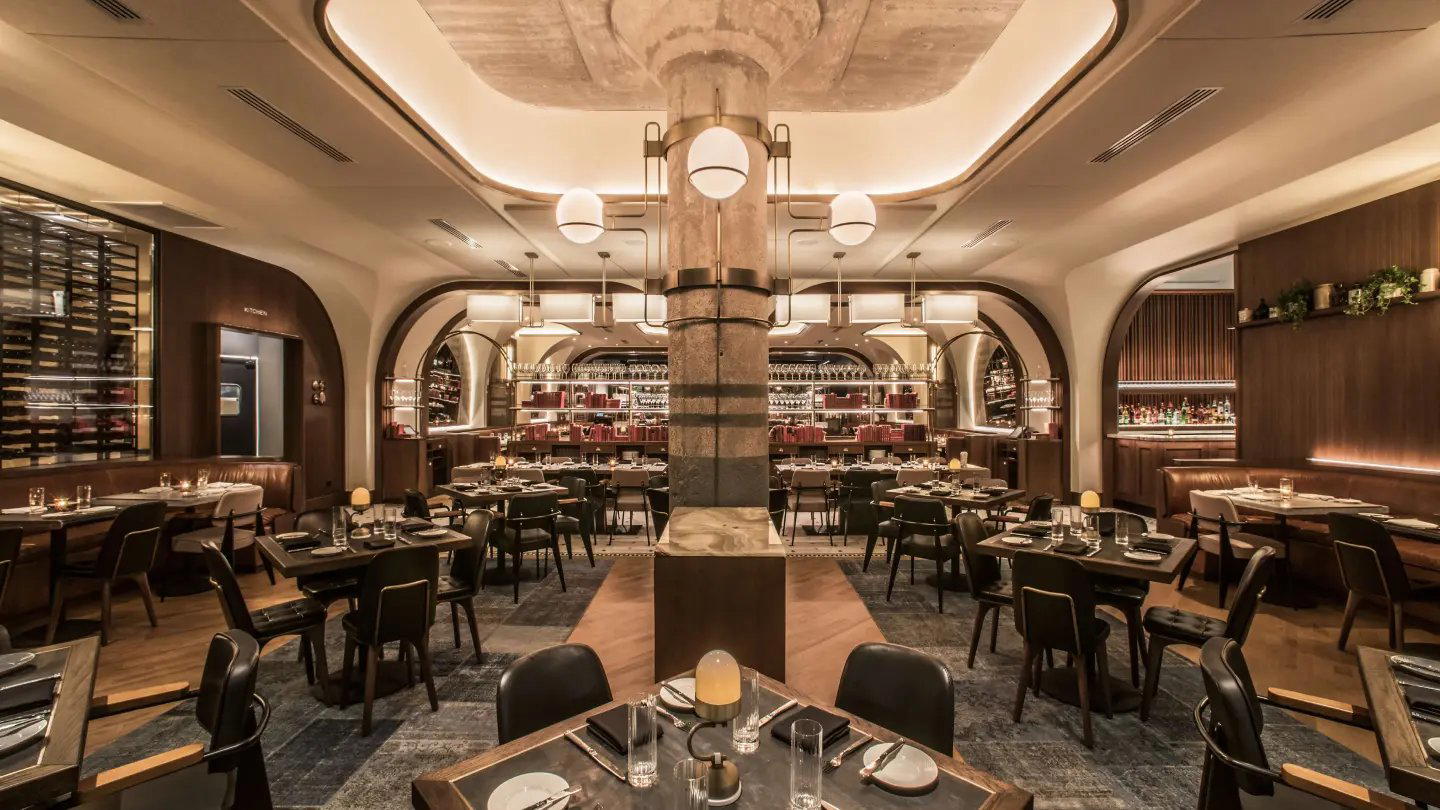
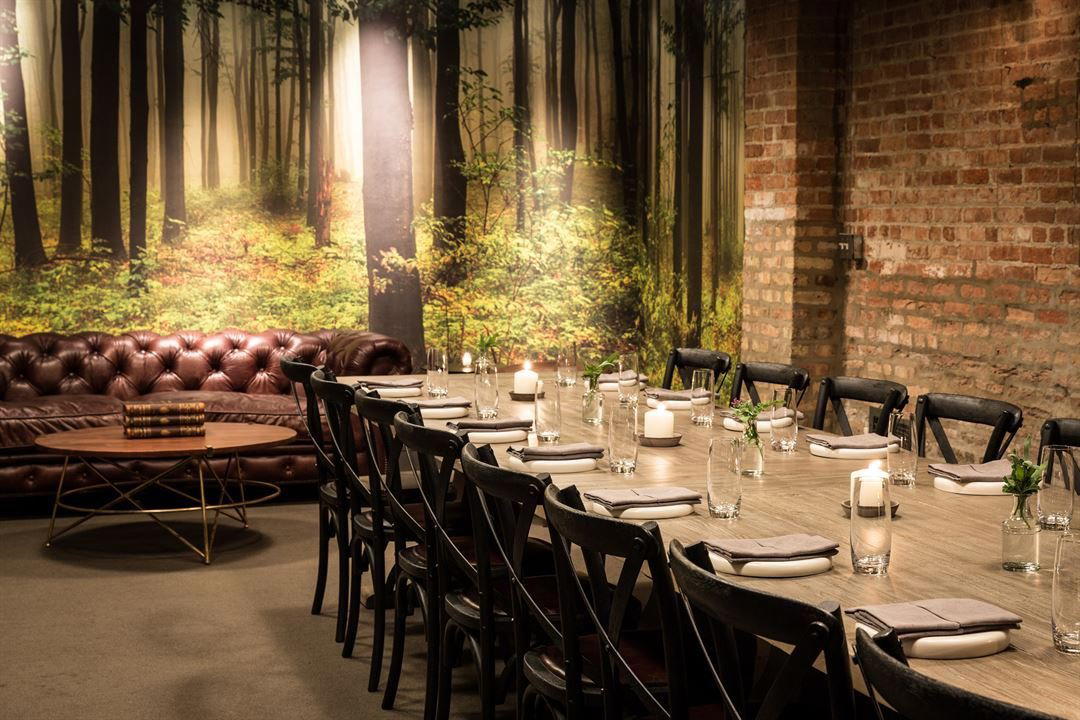
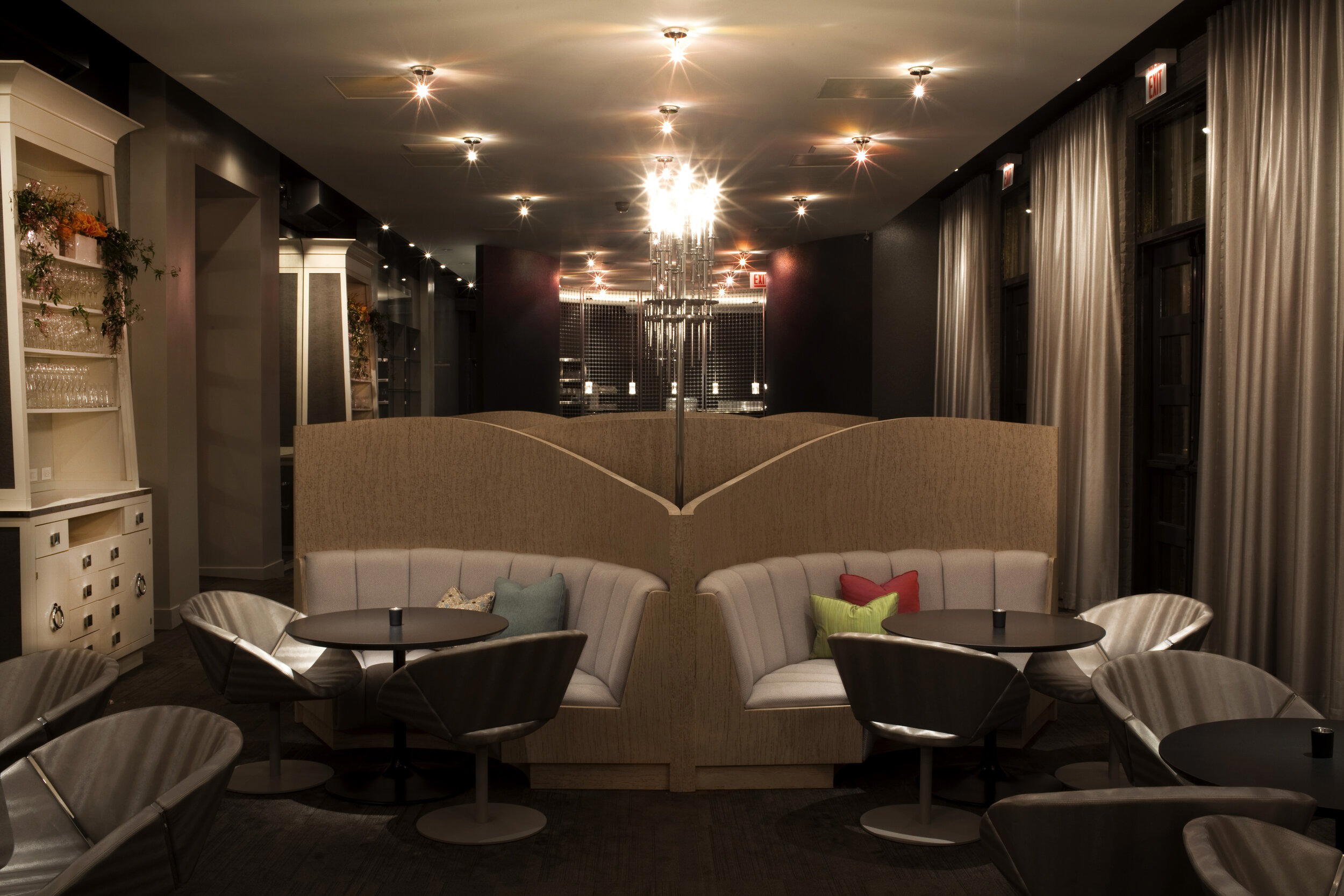
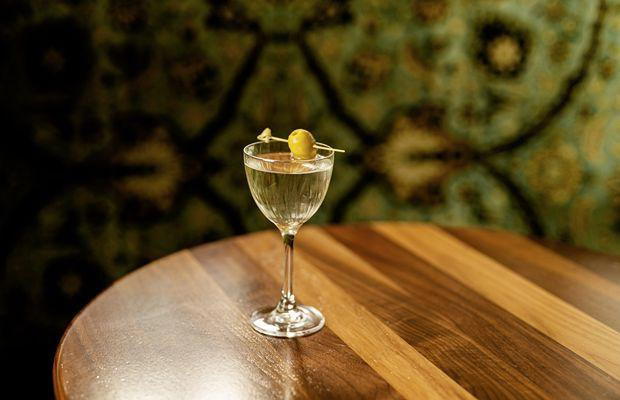
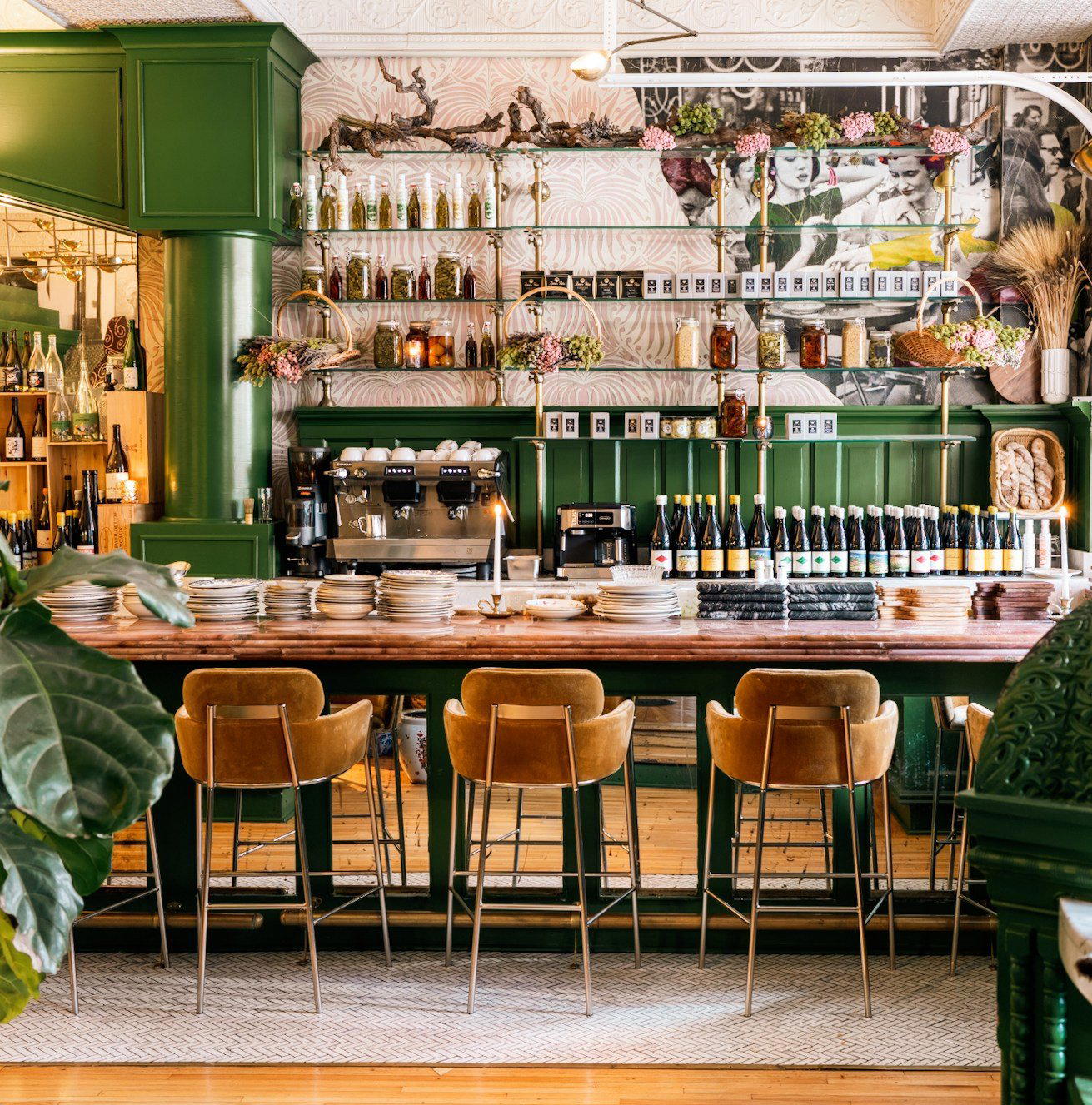
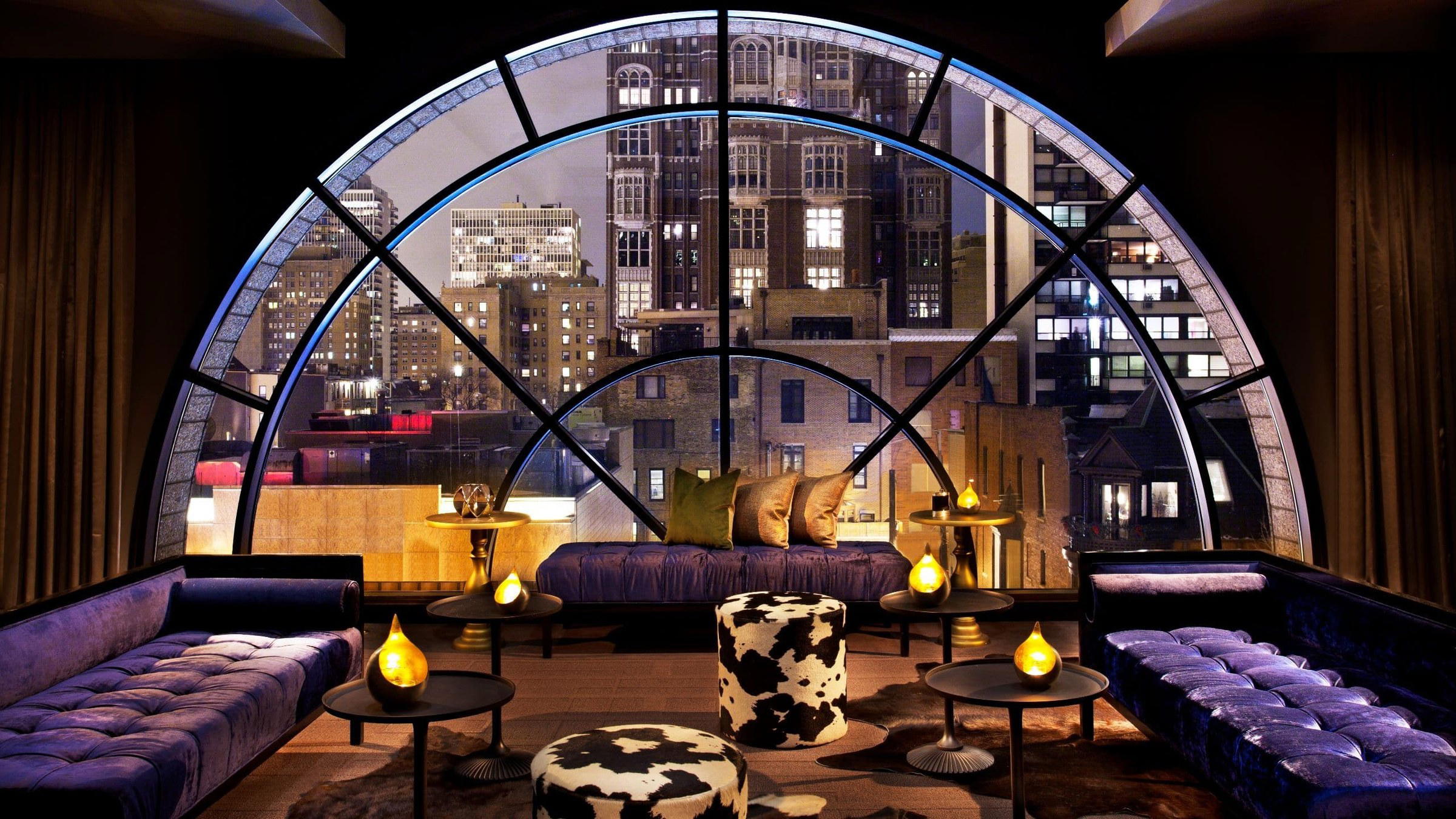
Cozy and inviting with white tablecloths, well-suited lighting, and a warm welcoming atmosphere ideal for romantic dinners and intimate conversations.