

On a quiet pedestrian street in Reus's old town, VÍTRIC Taverna Gastronòmica operates as a gastronomic taberna serving contemporary Catalan cuisine at a mid-range price point. The open kitchen, à la carte sharing plates, and daily menus have earned consecutive Michelin Plate recognition in 2024 and 2025.6 across 646 reviews confirms it as a serious address in Tarragona's provincial dining scene.
Pearl is the En Primeur Club membership app — saves, bookings, and concierge access live there. Same editors, same standards.
- Address
- Carrer de Santa Anna, 24, 43201 Reus, Tarragona, Spain
- Phone
- +34 977 43 36 73
- Website
- vitricrestaurant.com
- Directions
- Get directions
 Saves & bookings on Pearl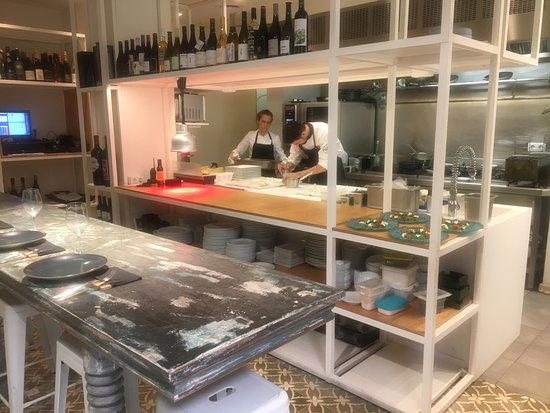
A Pedestrian Street, an Open Kitchen, and the Rhythm of a Catalan Meal
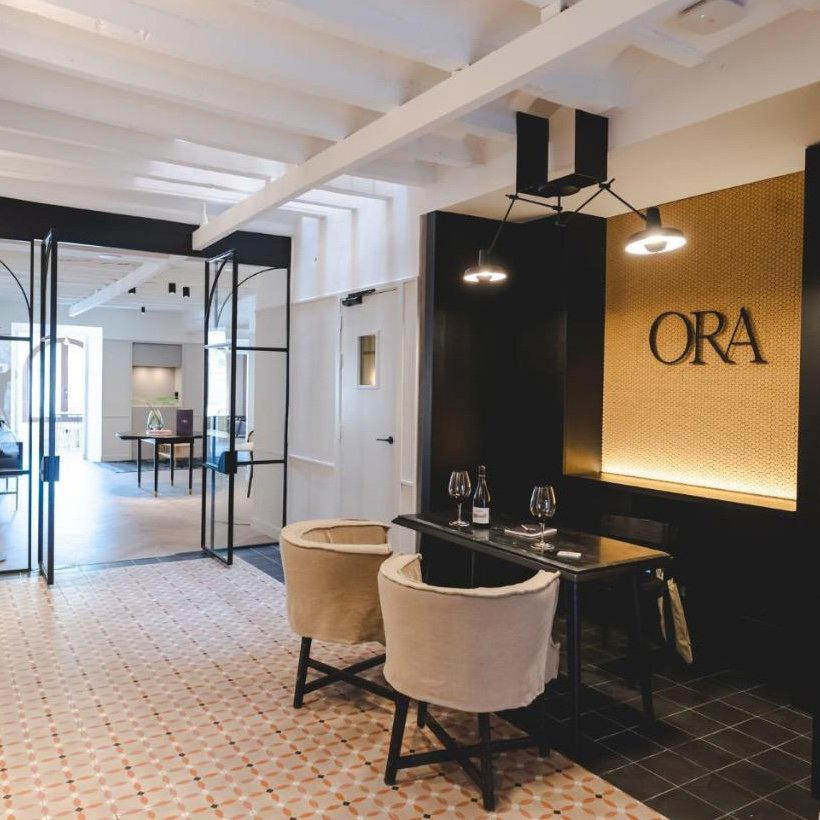
Carrer de Santa Anna is the kind of street that slows you down. The old town of Reus, Gaudí's birthplace and Tarragona's provincial capital, holds its historic fabric tightly: stone facades, narrow passages, and a pedestrian grid that discourages haste. It is on this quiet stretch that VÍTRIC Taverna Gastronòmica announces itself with an open kitchen visible from the threshold.
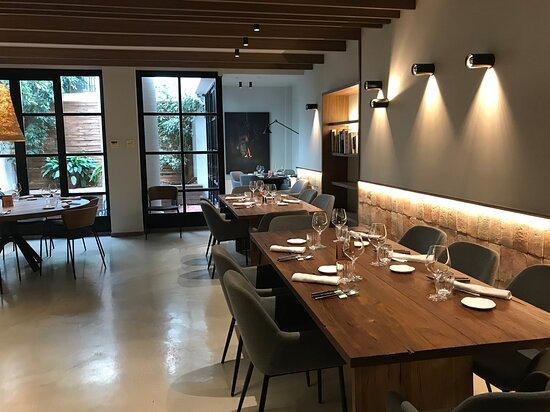
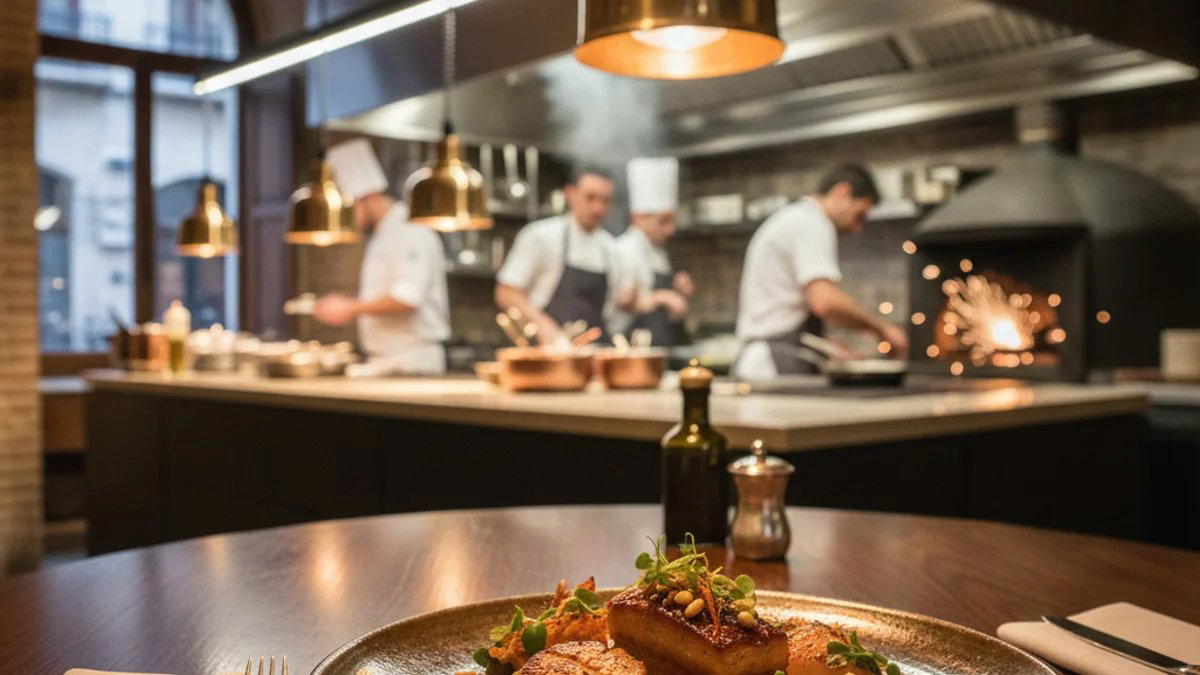
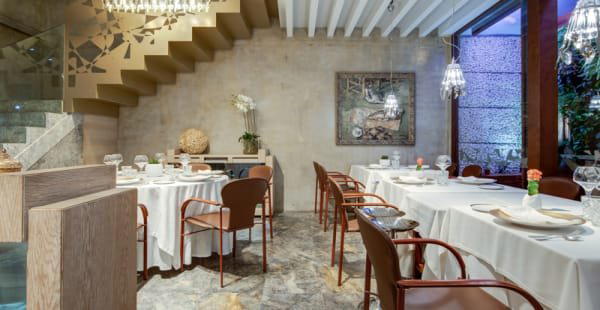
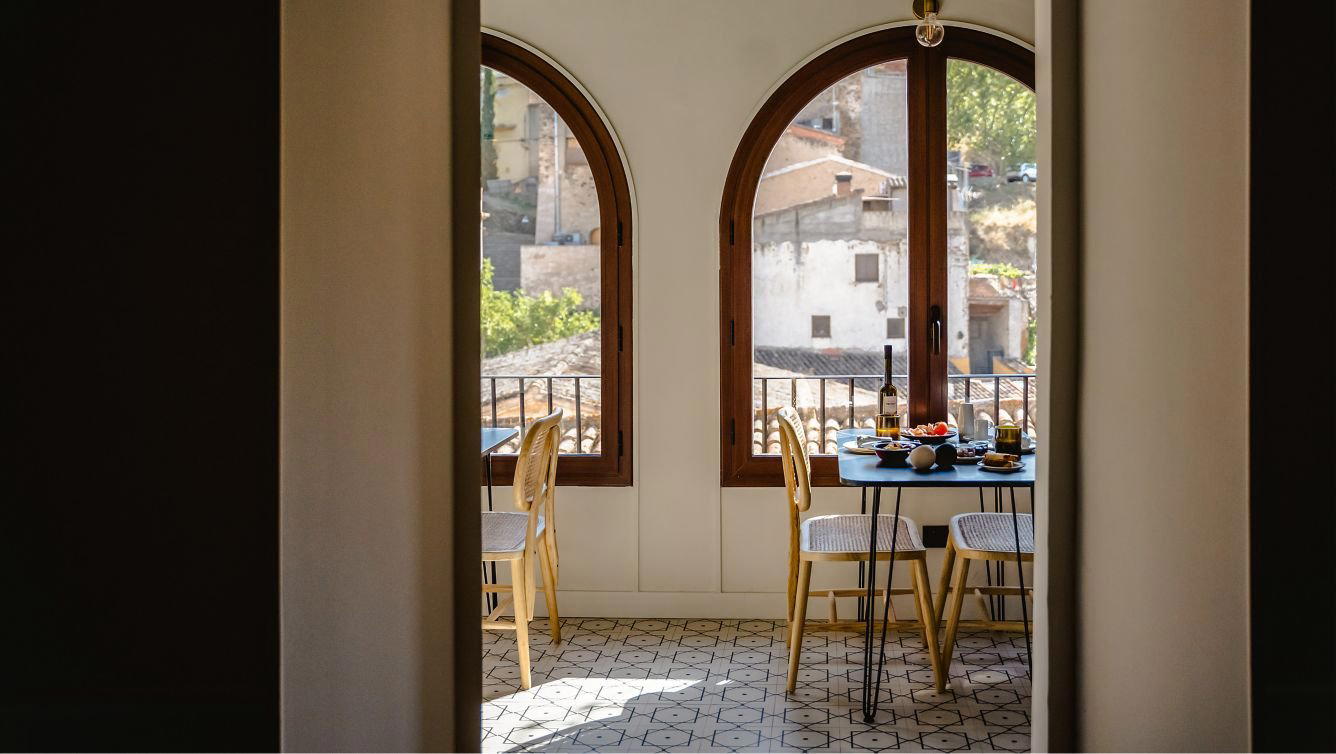
The layout follows a clear logic: the working heat and movement of the kitchen at the front, a brighter, calmer dining room to the rear. That physical progression mirrors the experience of a Catalan taberna done at a higher register, informal enough to invite conversation, considered enough to demand attention to what arrives on the plate. The term taberna gastronómica has currency across Catalonia precisely because it refuses the binary between neighbourhood ease and fine-dining seriousness. VÍTRIC Taverna Gastronòmica sits squarely in that register, and it works because the format is consistent rather than merely gestured at.
Contemporary Catalan Cuisine and the Logic of the Menu
Catalonia has long been the engine of Spanish culinary ambition. Venues like El Celler de Can Roca in Girona and Disfrutar in Barcelona occupy the upper tier of that tradition, working at a scale and price point that places them in an international competitive set. What happens in the middle tier, where cooking credentials meet accessible pricing, is often where regional character is most legible. VÍTRIC Taverna Gastronòmica prices at €€, a mark that places it above the utilitarian menú del día economy that dominates Reus's lunch trade.
The menu structure at the restaurant is worth reading carefully, because it reflects a particular philosophy about how a meal should move. The à la carte includes plates designed for sharing, which in Catalan dining tradition means the table rather than the individual becomes the unit of experience. Alongside this runs a daily menu and a separate tasting-format option, three distinct ways to eat, each suited to a different kind of occasion and pacing. That layering is not accidental. It allows the kitchen to serve a quick lunch and a considered dinner without the format collapsing under the weight of either demand.
The kitchen's training is evident in the balance between technique and product. The Michelin Plate does not carry the star's prestige but it does represent something specific: a kitchen that has passed scrutiny for quality and consistency at its price point. In a province where high-end dining is still largely gravitating toward the coast, consecutive recognition matters as a signal. The comparison set here is not Quique Dacosta in Dénia or Aponiente in El Puerto de Santa María, those operate at a different altitude entirely, but rather the emerging cohort of regionally rooted, mid-tier kitchens that are making smaller Spanish cities worth the detour.
The kitchen has a signature: a red prawn tartare with white asparagus cream, noted in Michelin's assessment as particularly fresh, light, and well-judged. Red prawn from Tarragona's coast is a product with genuine territorial standing, the Gamba de Tarragona has a protected status and a flavour profile that rewards restraint in preparation. Pairing it with white asparagus cream draws on another Catalan spring tradition, producing a dish whose logic is rooted in place rather than novelty. This is exactly the kind of detail that distinguishes cooking with regional intent from cooking that merely invokes regional ingredients for marketing purposes.
The Chef and the Return to Reus
Pattern of young Spanish chefs training at recognised kitchens, then returning to smaller cities to open independent restaurants, has become a meaningful thread in the country's dining development. Spain's upper-tier restaurants, Arzak in San Sebastián, Martin Berasategui in Lasarte-Oria, Mugaritz in Errenteria, DiverXO in Madrid, Azurmendi in Larrabetzu, function partly as training grounds, and the chefs who pass through them and choose smaller markets over larger cities are bringing technical discipline to places that previously lacked it. At the restaurant, Xavier De Juan made exactly that move: time in leading restaurants, then a return to Reus to open on his own terms.
That biographical arc is relevant not as personal narrative but as context for what the cooking represents within its setting. Reus is not a food destination in the way that San Sebastián or Girona is, and it may never be. But it has the product, Tarragona's coast is minutes away, the Priorat wine region sits to the west, and the Camp de Tarragona agricultural belt supplies the kind of direct-from-producer access that urban restaurants pay a premium to approximate. A kitchen with serious training and this kind of raw material proximity has genuine advantages. The restaurant's comparable set in Reus includes Ferran Cerro and L'Alkimista, the latter operating in a fusion register that draws a different kind of diner. The three together signal that Reus is developing a small but credible independent dining tier.
Planning Your Visit
The restaurant sits at Carrer de Santa Anna, 24 in the old town of Reus, walkable from the city centre and easily reached from Tarragona by train or car. The €€ price point makes it accessible for both a focused lunch and a longer evening visit; the tasting option rewards the latter.6 across 646 reviews indicates consistent delivery over a sustained number of visits, which at this price tier is a more useful signal than any single review. Booking ahead is advisable, particularly for Friday and Saturday evenings. The daily menu format means lunch is often the more spontaneous entry point, though the à la carte and tasting structures are better suited to the slower pacing the kitchen clearly intends.
For a broader point of comparison in contemporary formats operating at a similar register internationally, César in New York City and Jungsik in Seoul represent how the contemporary idiom translates across different city scales.
What It’s Closest To
Comparable venues nearby, for context on price, style, and recognition.
| Venue | Cuisine | Price | Awards | Notes |
|---|---|---|---|---|
| VÍTRIC Taverna Gastronòmica | Contemporary Catalan | $$$ | Michelin Plate | Reus center |
| Ferran Cerro | Creative Catalan | $$$ | Michelin Plate | Reus center |
| Cervus | Modern Catalan-Andalusian tasting menu | $$$ | Not listed | Raval de Jesús |
| L'Alkimista | Modern Mediterranean Fusion | $$$ | Michelin Plate | centre |
| L'Àpat | Seasonal Catalan Mediterranean | $$$ | Michelin Plate | Molins de Rei |
| L'Hort | Traditional Terra Alta with Contemporary Touch | $$$ | Michelin Plate | Arnés |
Recognition history
Dated appearances from independent guides and award organizations, with the underlying list record or original source where available.
Macarfi 7.3 Food Rating
Macarfi
Michelin Plate
Michelin
Michelin Plate
Michelin
Michelin Plate
Michelin


At a Glance
- Rustic
- Cozy
- Modern
- Intimate
- Trendy
- Date Night
- Special Occasion
- Group Dining
- Open Kitchen
- Extensive Wine List
- Local Sourcing
Current opening hours
- Monday
- Closed
- Tuesday
- 1:15–4:30 PM, 8:30–11:30 PM
- Wednesday
- 1:15–4:30 PM
- Thursday
- 1:15–4:30 PM, 8:30–11:30 PM
- Friday
- 1:15–4:30 PM, 8:30 PM–12:30 AM
- Saturday
- 1:15–4:30 PM, 8:30 PM–12:30 AM
- Sunday
- Closed
Hours can change for holidays and private events. Last verified .
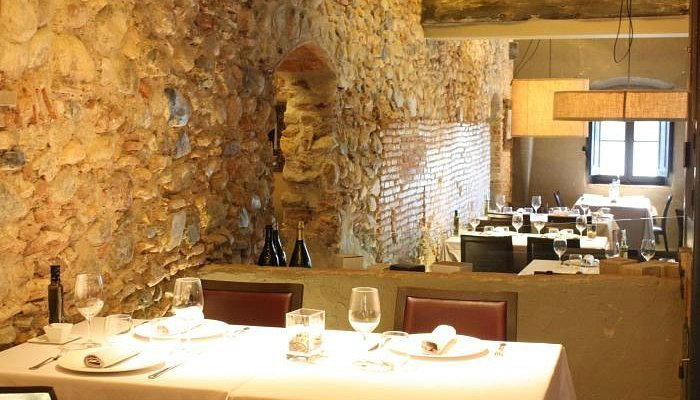
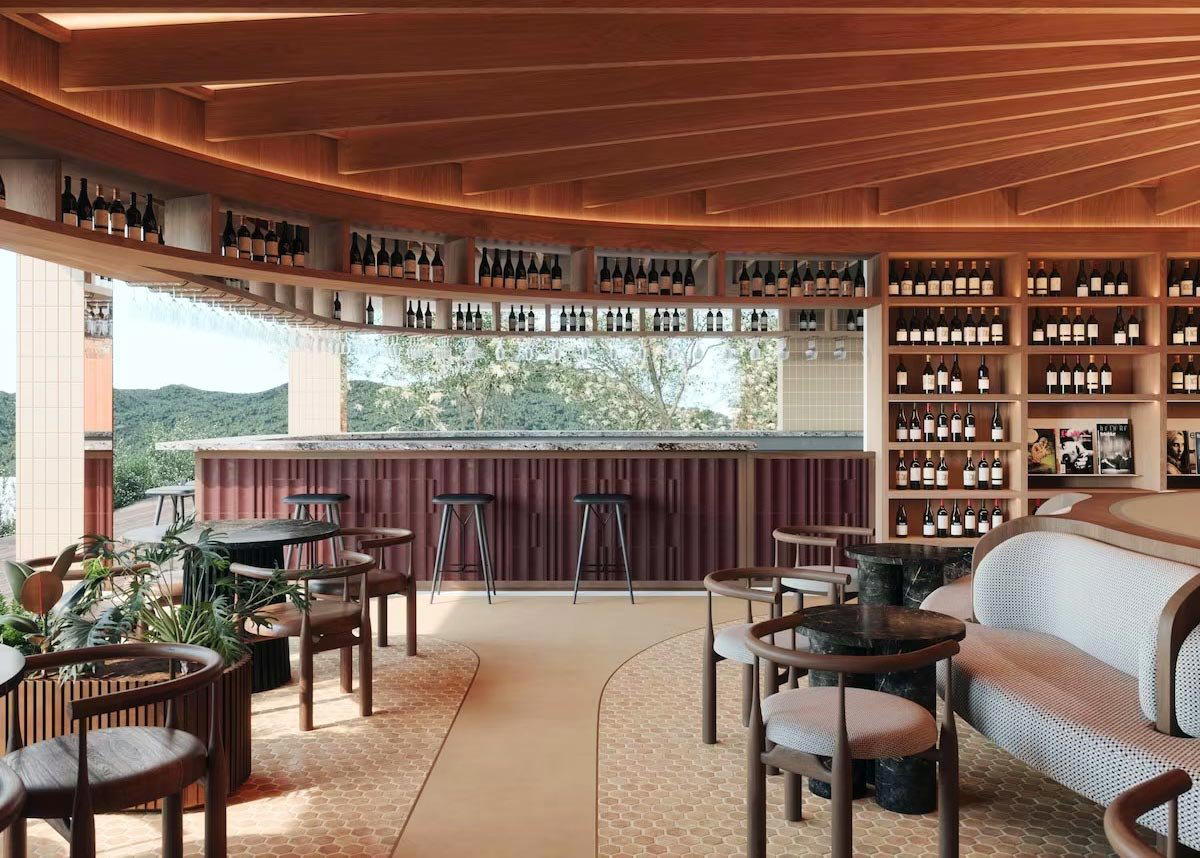
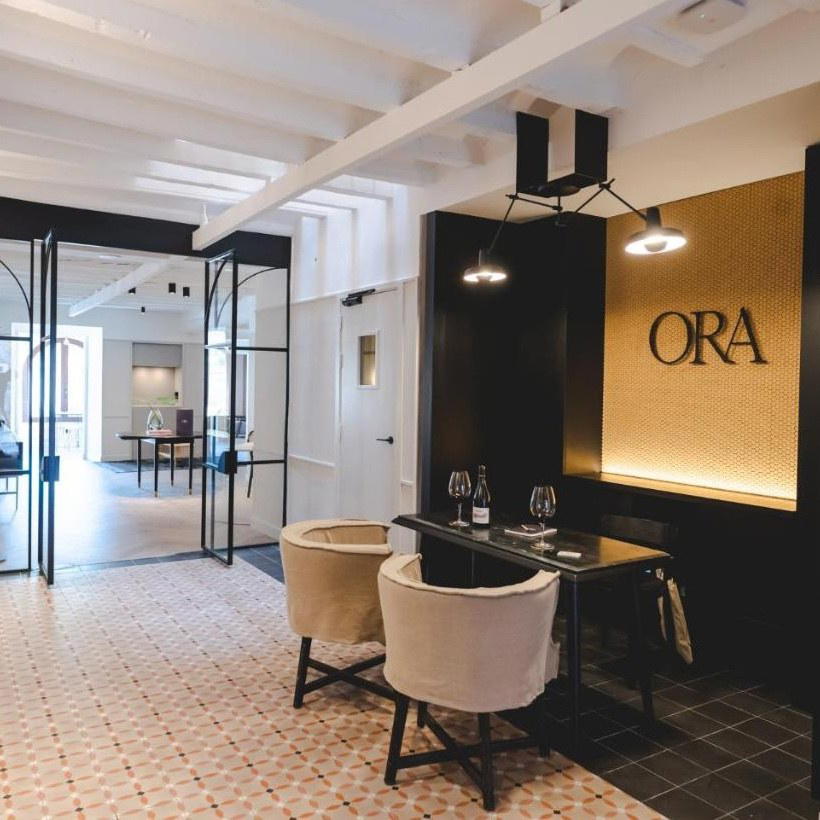
Warm rustic ambiance with wooden accents, soft lighting, and natural light creating a welcoming and intimate atmosphere.