

Michelin Plate · Guía Repsol 1 Sol
Our verdict
Cervus belongs to the tighter, ingredient-led side of Reus dining, where Tarragona produce and disciplined cooking matter more than spectacle. Its 1 Sol in the 2026 Guía Repsol places it in Spain’s serious regional restaurant conversation, useful for diners comparing Reus beyond the usual modern Catalan and fusion addresses.

Pearl is the En Primeur Club membership app, where members save venues, book tables and use the concierge.
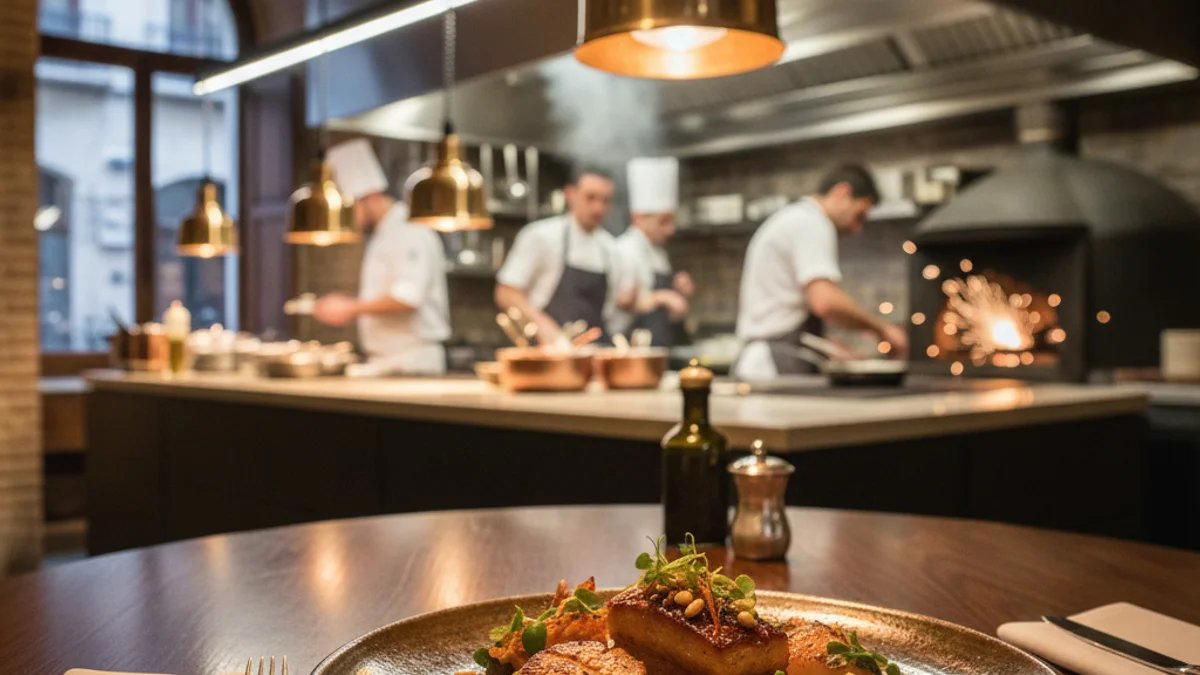
The menu
What to order
- Ad Finem tasting menu
- Citrus dessert by the pastry chef
Reus puts Cervus in the working grain of the city rather than in a resort fantasy. This is a place better understood through local eating habits, market rhythm and the surrounding food culture than through beach shorthand. The useful way to read the restaurant is not as a detached destination, but as part of a provincial Spanish dining pattern: compact rooms, sourcing pressure, and cooking that has to justify itself without the theatre of a capital-city dining room.
That matters because Reus has a sharper restaurant identity than its size suggests. The city sits close enough to a varied pantry to make product the natural subject: seasonal produce, local staples and nearby supply lines all sit within easy culinary reach. At this level, ingredient sourcing is not decoration. It is the grammar of the meal, and weak sourcing shows quickly because the cooking has fewer places to hide.
Reus cooking is moving toward product discipline, not bigger-stage performance
The local comparison set explains the point. Ferran Cerro and Ferrán Cerro sit in the city’s creative conversation, while L'Alkimista and VÍTRIC give Reus other contemporary reference points. Cervus reads differently: the signal is less about genre and more about whether the kitchen can make local product feel precise, current and grounded.
The 1 Sol in the 2026 Guía Repsol is the clearest public trust signal here. Repsol’s Soles tend to reward Spanish restaurants that make sense in their region, not only those chasing international tasting-menu language. For Reus, that recognition places the restaurant in a national guide’s view of serious regional cooking, a useful distinction in a city where visitors can underestimate the dining scene or treat it as a side trip.
Ingredient-led restaurants in smaller Spanish cities face a harder test than their counterparts in the largest markets. They cannot rely on constant international traffic, imported luxury cues or a famous hotel lobby. They need repeat local relevance, clear buying, and a kitchen rhythm that makes the meal credible on its own terms. That is where Cervus belongs editorially: not as a spectacle restaurant, but as evidence that Reus has enough culinary density to support a product-focused table with guide recognition.
The address suits a city meal rather than a ceremonial detour
Reus shapes the experience. The approach is urban and compact, closer to everyday city movement, aperitif habits and pedestrian flow than to vineyard-road escapism. For travellers building a day around the city, the restaurant fits naturally with Reus’s civic texture and food culture. The meal makes more sense when treated as part of that setting rather than as an isolated trophy booking.
The absence of a publicly defined cuisine label is not a weakness in this context. Many serious Spanish regional restaurants now work between categories: contemporary technique, local memory, market buying and occasional wider influence without needing a single label to carry the room. The stronger question is what the kitchen chooses to foreground. In Reus, product has more editorial weight than novelty because the surrounding area gives the restaurant credible material to work with.
That is also why the restaurant is easier to understand beside other Spanish addresses than through a narrow local ranking. Larger-city dining rooms operate in a different metropolitan economy, while coastal hospitality addresses often answer to a broader tourism machine. Smaller-city restaurants across Spain show how dining can become more revealing away from the largest tourism corridors, especially when the room is built around local relevance rather than imported signals.
How to place Cervus in a Reus itinerary
For planning, the smart move is to treat Cervus as a serious restaurant anchor of a Reus day, then use the city around it rather than overloading the meal with side expectations. The wider EP Club Reus coverage is useful for that: start with the full Reus restaurants guide, then map the stay through the Reus hotels guide, Reus bars guide, Reus wineries guide and Reus experiences guide. The better itinerary keeps the restaurant connected to the city’s food culture rather than treating Reus as a quick meal stop.
Spain’s broader dining map also helps calibrate expectations. High-visibility island restaurants, Atlantic dining rooms and international specialist bars all operate with different pantries, formats and tourism rhythms. Those comparisons underline the same editorial point: format and sourcing only matter when they are legible in their own place. Cervus is strongest when read through Reus, not through imported luxury codes.
The verdict is practical: this is a restaurant for diners who care about where regional Spanish cooking is going outside the headline cities. The 2026 Repsol Sol gives it external validation, but the more interesting signal is local fit. In a city with other creative and contemporary alternatives, Cervus occupies the ingredient-first lane, which is often the lane that tells travellers the clearest story about where they are.
Frequently asked questions
Is Cervus child-friendly?
Cervus is a sit-down restaurant in Reus, so it suits children who can handle a restaurant meal. For family plans, check the venue's official channels for the latest practical details.
What kind of setting is Cervus?
Cervus is in Reus rather than in a destination dining district. The useful expectation is a focused restaurant setting rather than an all-day room.
Is Cervus open every day?
Check the venue's official channels for the latest hours before planning a visit.
What's the address for Cervus?
Reus.
What's the signature at Cervus?
No named signature dish is listed in the public record. The clearest credential is the 1 Sol in Guía Repsol 2026, which places Cervus in a recognised Spanish guide context. Check the venue's official channels for the latest details.
Can Cervus adjust for dietary needs?
Those details are not published. Advance planning is the sensible approach. Check the venue's official channels for the latest details.
Quick Comparison
Comparable venues by cuisine and price in the same metro.
| Venue | Cuisine | Price | Awards | Notes |
|---|---|---|---|---|
| CervusThis venue (the venue you are viewing) | Modern Catalan-Andalusian tasting menu | $50–100 | Michelin Plate · Guía Repsol 1 Sol | Not listed |
| Ferran Cerro | Creative Catalan | $50–100 | Michelin Plate · Guía Repsol 1 Sol | Creative |
| Ferrán Cerro | Creative Catalan | $50–100 | Michelin Plate · Guía Repsol 1 Sol | Not listed |
| L'Alkimista | Modern Mediterranean Fusion | $50–100 | Michelin Plate · Macarfi 7.7 Food Rating | Fusion |
| VÍTRIC | Contemporary Catalan | $30–50 | Michelin Plate · Macarfi 7.3 Food Rating | Contemporary |
Recognition history
Dated appearances from independent guides and award organizations, with the underlying list record or original source where available.
Michelin Plate
Michelin
Guía Repsol 1 Sol
Guía Repsol
Continue exploring
More in Reus
Restaurants in Reus
All restaurants in Reus →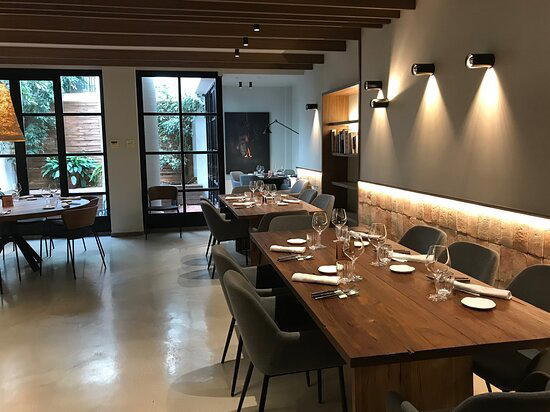
Hotels in Reus
Browse all →




Details
- Quiet
- Cozy
- Elegant
- Intimate
- Sophisticated
- Date Night
- Special Occasion
- Celebration
- Business Dinner
- Group Dining
- Open Kitchen
- Standalone
- Design Destination
- Extensive Wine List
- Tasting Menu
- Set Menu
- Wine
Current opening hours
- Monday
- Closed
- Tuesday
- 1:30–3 PM
- Wednesday
- 1:30–3 PM, 8:30–10 PM
- Thursday
- 1:30–3 PM, 8:30–10 PM
- Friday
- 1:30–3 PM, 8:30–10 PM
- Saturday
- 1:30–3 PM, 8:30–10 PM
- Sunday
- Closed
Hours can change for holidays and private events. Hours as of .
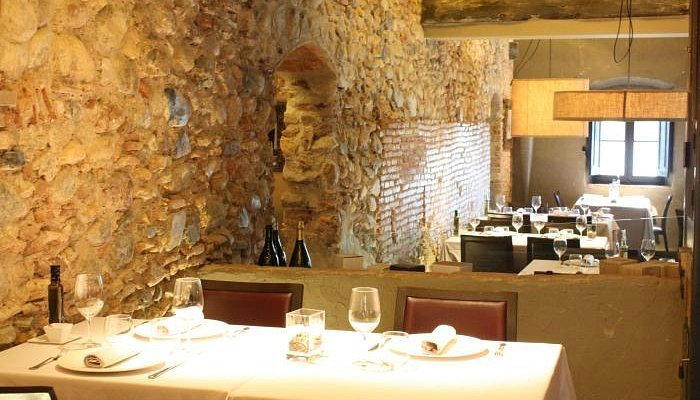
Calm, quiet and intimate dining room with a refined yet approachable feel, where attentive staff explain each course and the focus stays on a detailed, visually polished presentation of the food.