
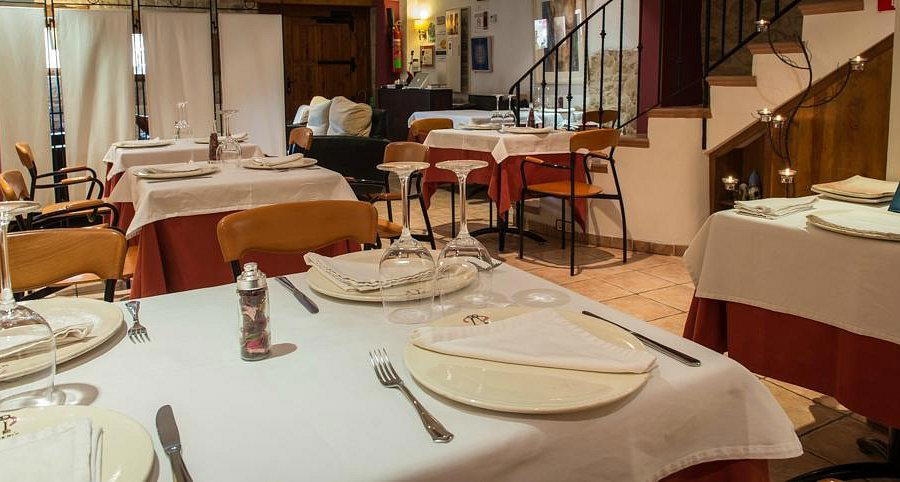
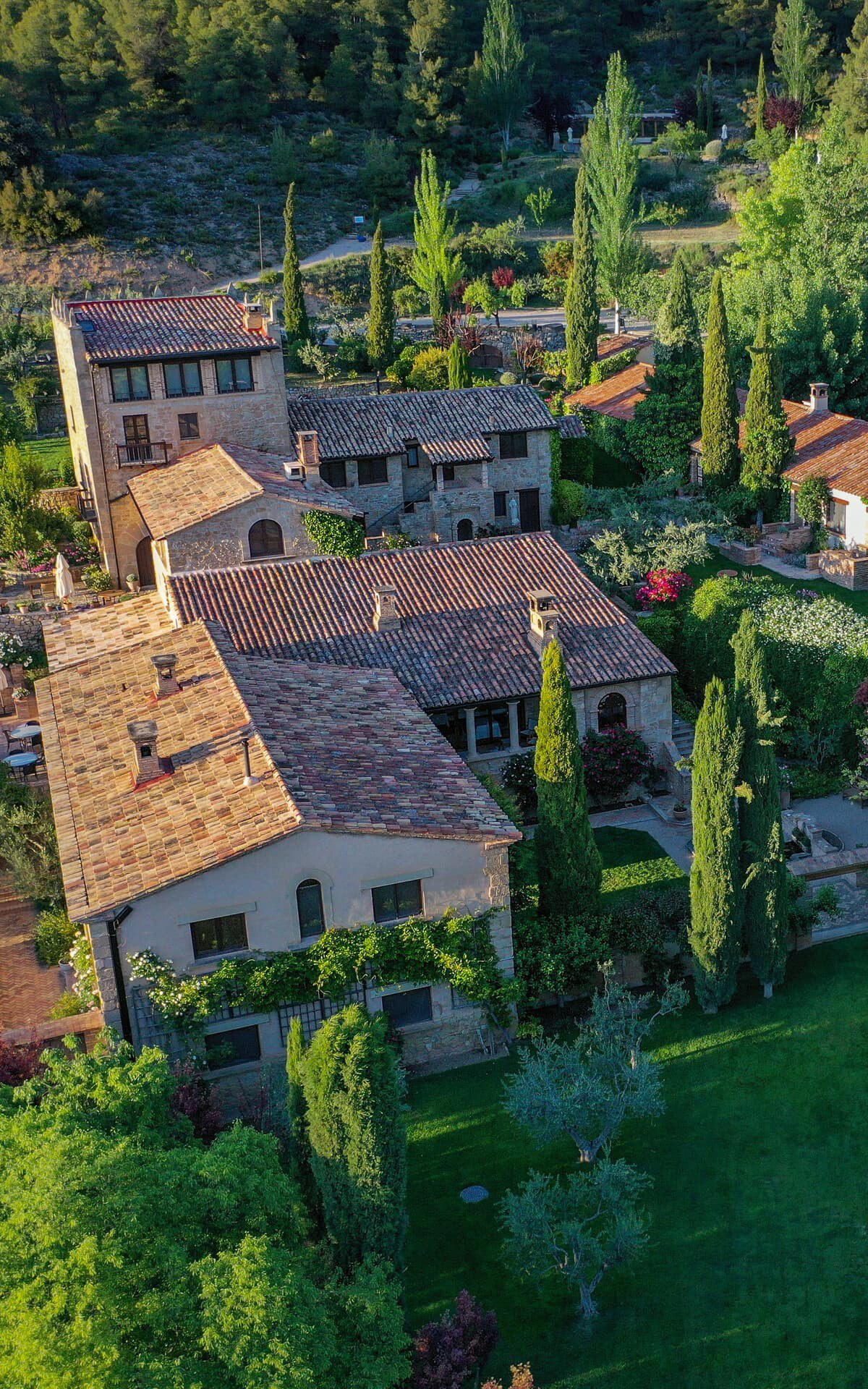
L'Hort sits within L'Hort de Fortunyo, an 18th-century stone farmhouse on the edge of Parque Natural de Els Ports in Arnes, Tarragona. The kitchen draws almost entirely from its own vegetable garden, grounding the menu in the agricultural traditions of the Terra Alta region. A Michelin Plate holder in both 2024 and 2025, it offers a mid-range entry point into rural Catalan cooking at its most direct.
Pearl is the En Primeur Club membership app — saves, bookings, and concierge access live there. Same editors, same standards.
- Address
- Masía Hort de Fortunyo, 43597 Arnes, Tarragona, Spain
- Phone
- +34 602 56 96 26
- Website
- hortdefortunyo.com
- Directions
- Get directions
 Saves & bookings on Pearl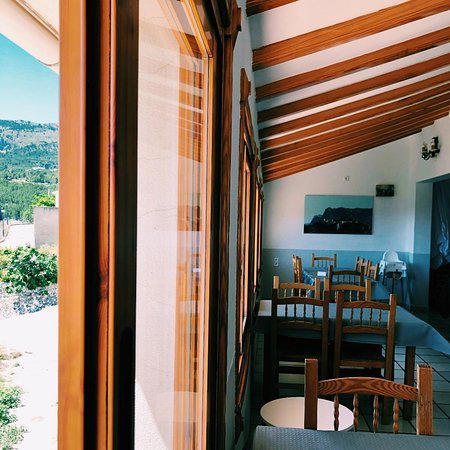
Stone, Soil, and the Table in Between
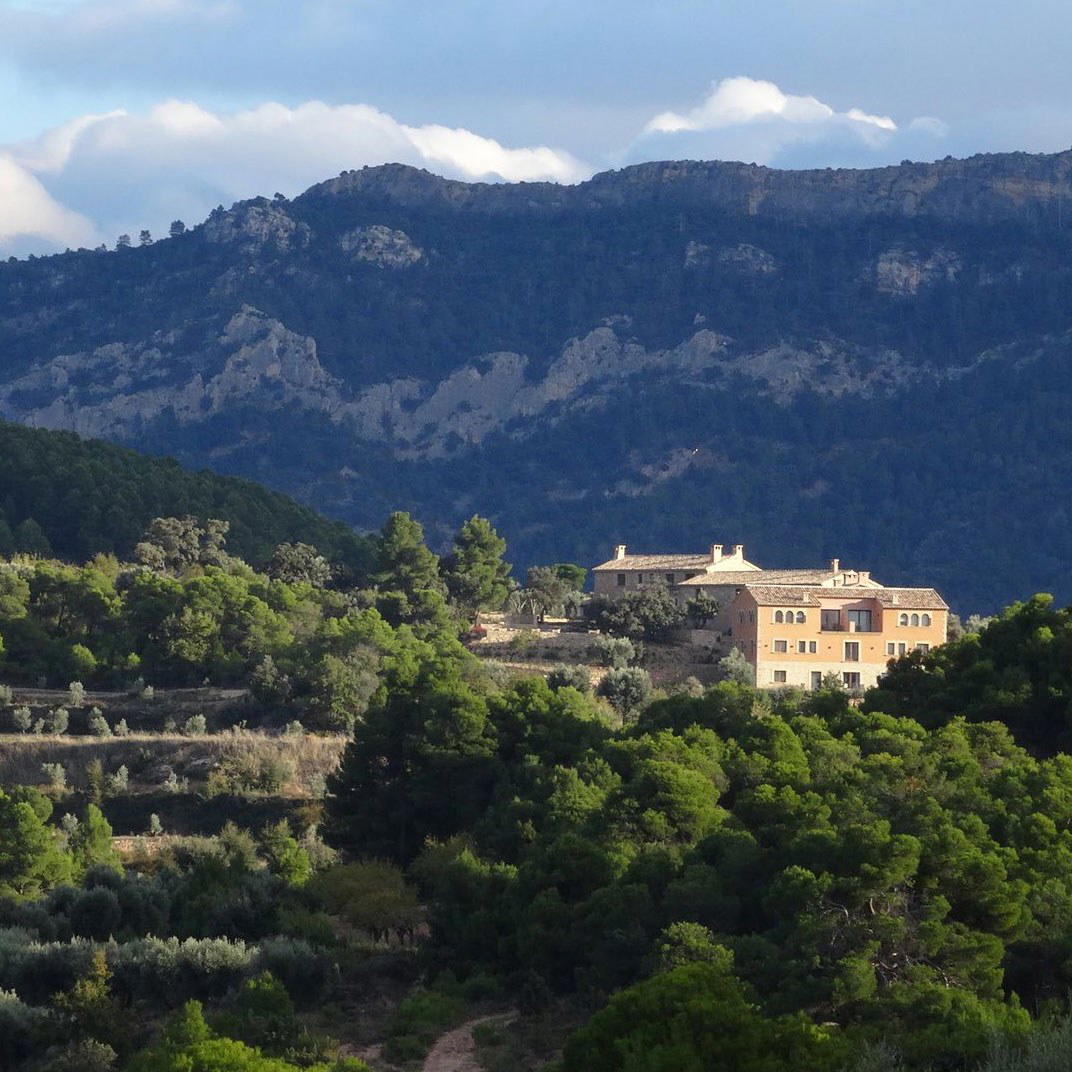
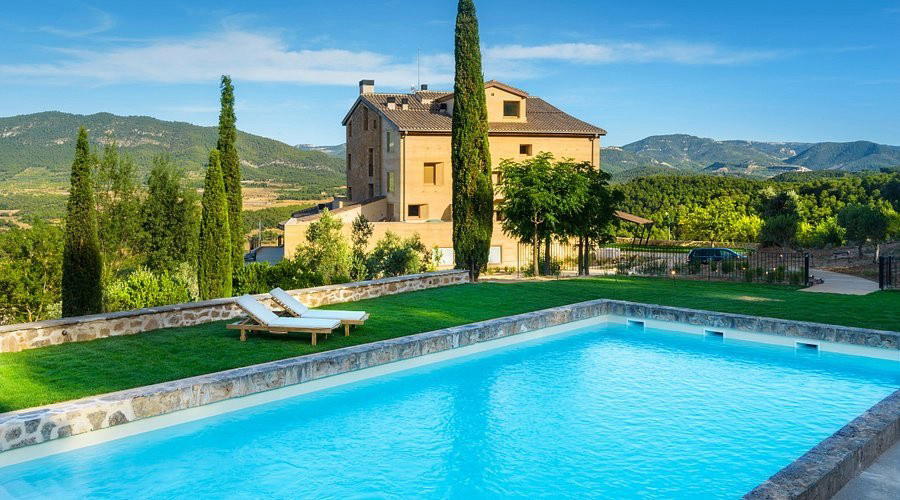
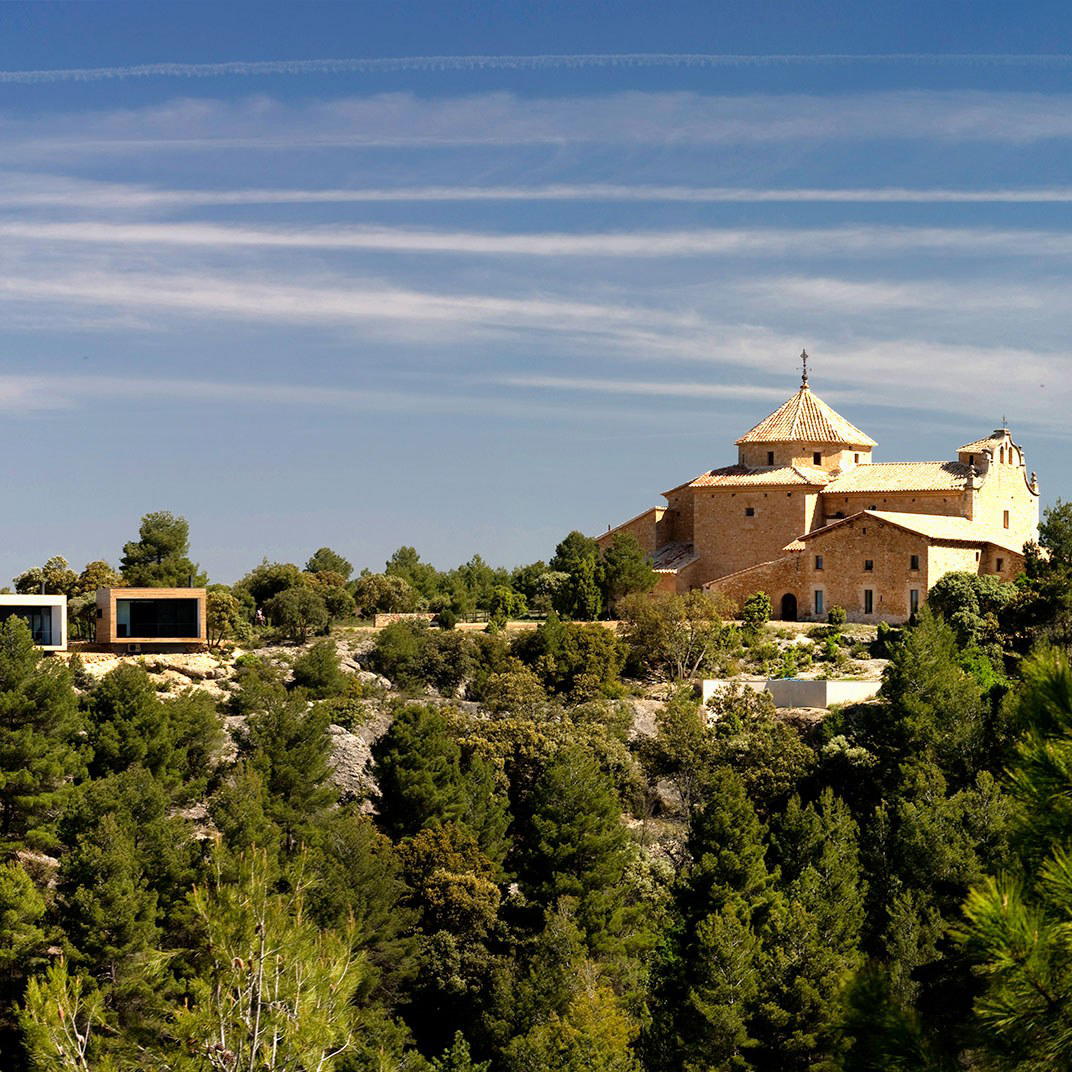
Arrive at Masía Hort de Fortunyo on the outskirts of Arnes and the setting establishes what the meal will be before you've read a word of the menu. A stone farmhouse whose foundations date to the 18th century sits surrounded by olive trees, with the limestone ridges of the Parque Natural de Els Ports rising behind it. This is the Terra Alta, the high-altitude interior of Tarragona province, a corner of Catalonia that most visitors pass over in favour of the coast. L'Hort, the restaurant inside the rural hotel, is the clearest argument for stopping here.
The landscape context matters because it shapes the cooking directly. Terra Alta's agricultural character, shaped by centuries of dry-land farming, olive cultivation, and kitchen-garden traditions, is exactly what L'Hort draws from. The kitchen is supplied almost entirely by the property's own vegetable garden, which places it within a small tier of rural Spanish restaurants where ingredient sourcing is structural rather than decorative. The garden isn't a marketing feature; it determines what appears on the plate and when.
What Grows Here, What You Eat
Spain's most scrutinised restaurants, from Azurmendi in Larrabetzu to El Celler de Can Roca in Girona, have spent years building farm-to-kitchen sourcing programs as part of a broader creative infrastructure. At the four-star and three-Michelin-star level, estate-grown produce sits alongside elaborate technique. L'Hort operates at a different scale and a different price point, but the underlying principle shares DNA: the garden as the starting point for the menu's logic, not its garnish.
The food is described in the Michelin record as honest, tradition-rooted in the Terra Alta, with a contemporary touch and references to recipes from beyond the region. That framing is worth unpacking. Terra Alta cooking draws from the same Catalan rural pantry as much of inland Tarragona: legumes, seasonal vegetables, cured meats, olive oil from local arbequina trees, and river fish from the Ebro catchment. The contemporary touch signals that the kitchen doesn't treat tradition as a constraint, but the sourcing keeps it anchored in place. Recipes from elsewhere appear as references, not replacements.
This approach distinguishes L'Hort from the coastal Tarragona restaurant circuit, which leans heavily on Mediterranean seafood. It also places it in a different conversation from the creative Spanish fine dining tracked at venues like Quique Dacosta in Dénia or Ricard Camarena in València. Those kitchens work with the same Iberian ingredient culture but push it through a much more elaborated technical lens. L'Hort's register is deliberate restraint, rooted in what the land immediately around the building produces.
The Terrace as Part of the Experience
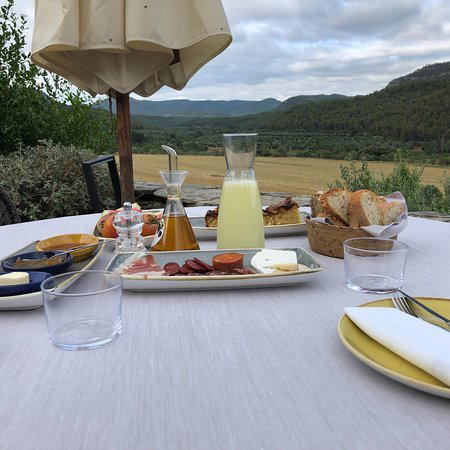
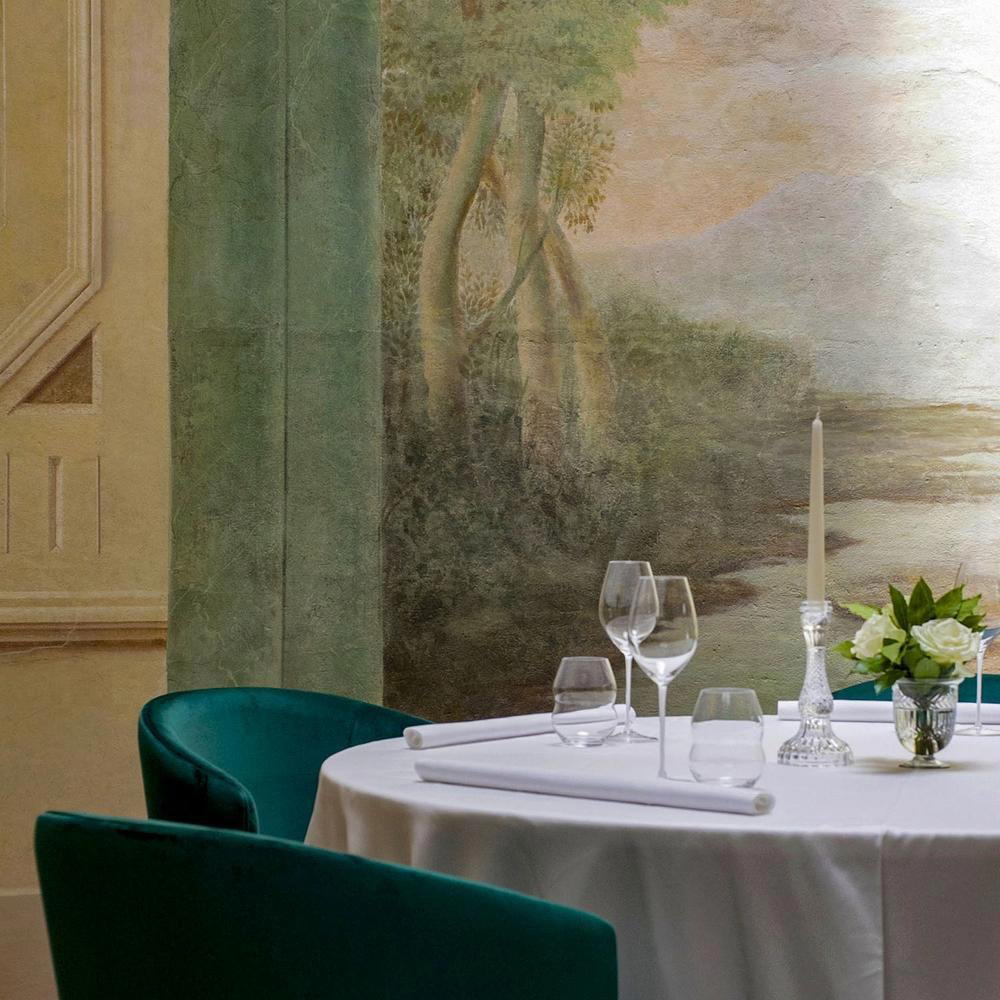
The Michelin assessment singles out the terrace specifically, which in rural Catalan restaurant terms carries real weight. Eating outdoors in Spain is not simply a preference question; at farmhouse properties surrounded by agricultural land, the terrace positions the diner inside the same environment that produced the food. Olive trees, open air, and the silhouette of Els Ports in the background create a physical continuity between kitchen garden and dining table that enclosed dining rooms can't replicate. For a restaurant whose editorial argument rests on where its ingredients come from, the terrace is a meaningful extension of that argument.
Where L'Hort Sits in the Broader Picture
L'Hort holds a Michelin Plate for both 2024 and 2025. The Plate recognises kitchens producing good cooking without reaching starred territory, and in the rural Spanish context it functions as a quality signal for travellers who might otherwise pass a property by. At a mid-range price point (€€), L'Hort occupies a tier well below the grand rural destination restaurants, such as Atrio in Cáceres, and sits closer in positioning to well-regarded rural tables across France and Spain, including Auberge Grand'Maison in Mûr-de-Bretagne and Auga in Gijón, where the kitchen's credibility rests on regional produce and technique rather than on theatrical presentation or tasting-menu length.
For a rural property with a limited catchment of passing visitors, that volume of reviews indicates a clientele that travels deliberately to eat here, rather than stumbling in from nearby.
Planning Your Visit
L'Hort is part of the rural hotel L'Hort de Fortunyo, which means the restaurant is most naturally accessed as part of a stay rather than a standalone lunch trip, though day visits are possible for those willing to drive into the Terra Alta interior. The address is Masía Hort de Fortunyo, 43597 Arnes, Tarragona. Arnes itself is a small medieval village in the Els Ports natural park, roughly two hours from Barcelona and an hour and a half from Tarragona city, making it a committed detour from either base. The property sits outside the village among olive groves, so arrival by car is the practical approach for most visitors.
The price range (€€) positions it as accessible relative to destination restaurants at comparable Michelin recognition levels elsewhere in Spain. Given the rural setting and hotel context, contacting the property directly before arrival to confirm service days and times is advisable, as rural hotel restaurants in Spain frequently adjust their schedules seasonally or by reservation volume.
Side-by-Side Snapshot
Comparable venues nearby, for context on price, style, and recognition.
| Venue | Cuisine | Price | Awards | Notes |
|---|---|---|---|---|
| L'HortThis venue — the venue you are viewing | Traditional Terra Alta with Contemporary Touch | $$$ | Michelin Plate | Not listed |
| Celler d'en Joan Pàmies | Traditional Catalan with Modern Touch | $$$ | Michelin Plate | Riudoms |
| Maite | Modern Spanish Tasting Menu | $$$ | Michelin Plate | Old Town |
| El Terrat | Modern Spanish with Mediterranean and Moroccan Influences | $$$$ | Michelin Plate | Casc Antic |
| El Hogar Gallego | Galician Seafood | $$$ | Michelin Plate | Calella |
| Mas Albereda | Modern Catalan | $$$ | Michelin Plate | Sant Julià de Vilatorta |
Recognition history
Dated appearances from independent guides and award organizations, with the underlying list record or original source where available.
Michelin Plate
Michelin
Michelin Plate
Michelin
Michelin Plate
Michelin
Continue exploring
More in Arnes
Restaurants in Arnes
Browse all →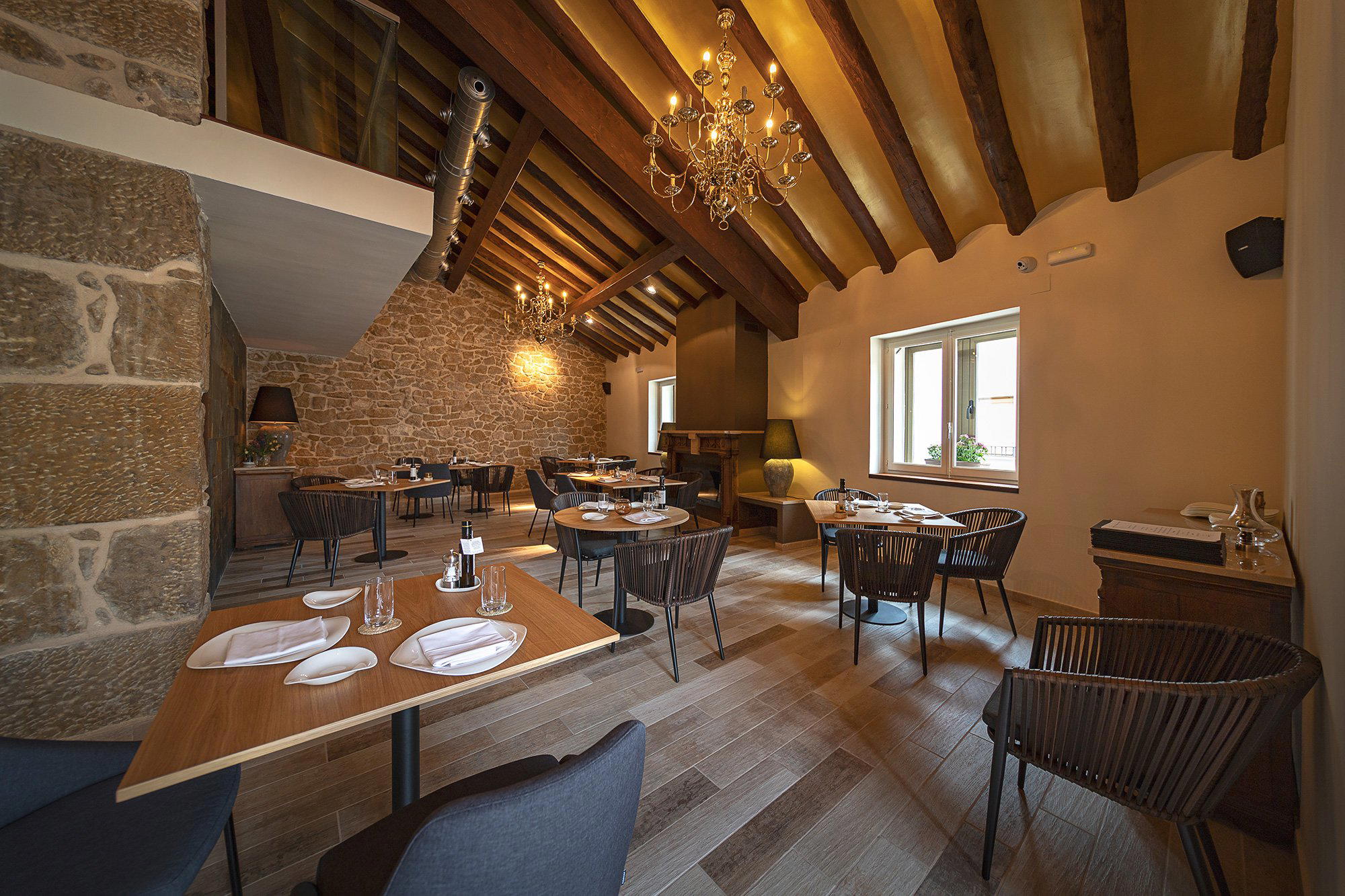
Hotels in Arnes
Browse all →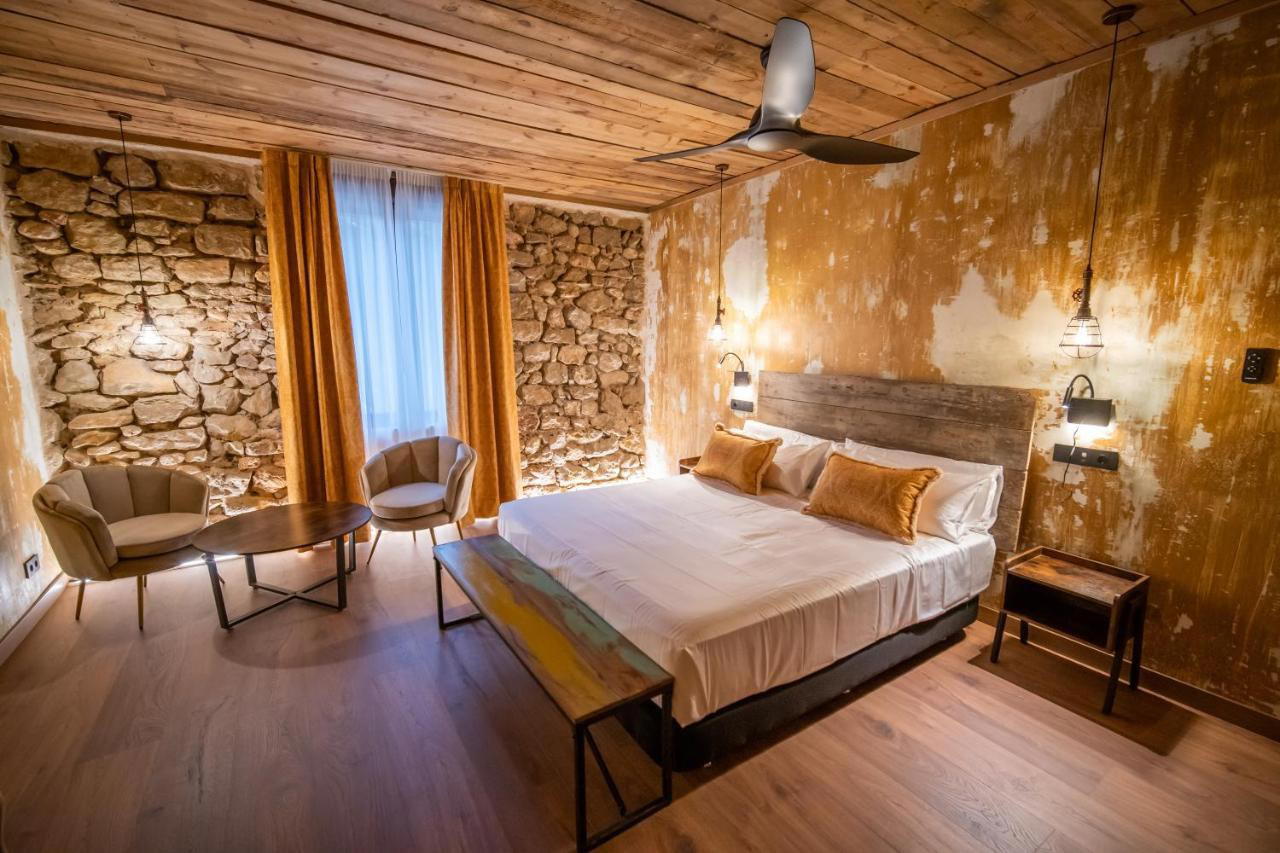
Wineries in Arnes
Browse all →
At a Glance
- Rustic
- Cozy
- Scenic
- Quiet
- Elegant
- Special Occasion
- Family
- Garden
- Terrace
- Historic Building
- Local Sourcing
- Farm To Table
- Garden
- Mountain
Current opening hours
- Monday
- Closed
- Tuesday
- 8–11 PM
- Wednesday
- 8–10:30 PM
- Thursday
- 8–10:30 PM
- Friday
- 8–10:30 PM
- Saturday
- 1:30–3 PM, 8–11:30 PM
- Sunday
- 1–3 PM
Hours can change for holidays and private events. Last verified .
Tranquil rural atmosphere with beautiful gardens, vineyards, and far-reaching mountain views, enhanced by a charming historic building.