

Michelin Plate · Guía Repsol 1 Sol
Our verdict
Ferran Cerro sits on Plaça del Castell in central Reus, earning a Michelin Plate in 2024 for creative contemporary cooking that draws on the deep agricultural traditions of southern Catalonia. The menu ranges from calçot-based puff pastry with anchovies and romesco to steak tartare-carpaccio, structured across à la carte and set menus cheekily labelled S, M, and L.

Pearl is the En Primeur Club membership app — saves, bookings, and concierge access live there. Same editors, same standards.
- Address
- Plaça del Castell, 2, 43201 Reus, Tarragona, Spain
- Phone
- +34 977 94 51 42
- Hours
- Mon ClosedTue–Fri 1–3:30 PM, 7:45–10:30 PMSat 1:30–3:30 PM, 7:45–10:30 PMSun Closed
- Website
- ferrancerro.com
- Directions
- Get directions
- Booking
- Book on TheFork
The menu
What to order
- Ravioli Artesano XL de Boniato
- Txuletta Rubia Gallega
- Pescado de Lonja a la Brasa
Where Reus Eats When It Wants to Be Surprised
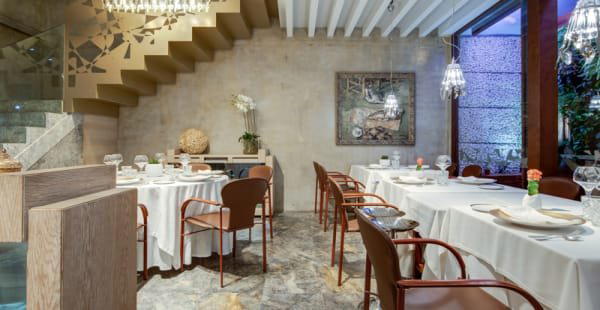
Plaça del Castell sits at the older heart of Reus, a mid-sized Catalan city that most visitors pass through on their way to the coast or the Roman ruins at Tarragona. The square carries the unhurried quality of a provincial centre that has never needed to perform for tourists: stone facades, manageable scale, locals rather than itinerants at the outdoor tables. It is into this context that Ferran Cerro positions itself — a restaurant that reads as rooted in place even before you look at the menu.
Creative cooking in Spain has, since the late 1990s, operated on something close to a spectrum of ambition and abstraction. At one end sit multi-starred houses like El Celler de Can Roca in Girona, Arzak in San Sebastián, and DiverXO in Madrid — places where tasting menus run to twenty-plus courses, investment in technique is total, and prices reflect both ambition and scarcity. Ferran Cerro occupies a different coordinate on that spectrum: the mid-market creative restaurant in a secondary city, where the cooking is contemporary and technically informed but the objective is a pleasurable evening rather than a conceptual statement. That position is worth understanding, because it shapes everything from the menu structure to the price point.
The Ingredient Logic Behind the Menu
Southern Catalonia, broadly the territory between Barcelona and the Ebro delta, produces ingredients that have shaped Catalan cooking for centuries. The calçot, a type of sweet spring onion grown in the area around Valls, just north of Reus, is perhaps the most culturally specific of these. It has its own social ritual, the calçotada, in which whole onions are chargrilled over vine cuttings, peeled at the table, and dipped in romesco sauce. The sauce itself is a further anchor to this territory: crushed tomatoes, dried red peppers, almonds or hazelnuts, garlic, and olive oil, an assembly of ingredients that grow and have been pressed and harvested in Camp de Tarragona for generations.
At Ferran Cerro, the calçot appears in a different register. The coca de calçot en hojaldre, puff pastry, anchovies, romesco, takes a seasonal and strongly local product and reframes it through a more refined preparation. The logic here is familiar across contemporary Spanish cooking: respect the ingredient's regional identity, then shift the presentation enough to create distance from the folkloric version. The anchovy element adds a briny, umami layer that speaks to the Costa Daurada fishing tradition without reducing the dish to a regional postcard. This is the kind of cooking that operates leading when the chef understands the source materials intimately, which is consistent with the record of a cook who grew up in this city and trained in professional kitchens before returning to open his own place.
The red tomato ceviche gestures outward from Catalonia toward South American acid-and-citrus technique, but the primary material, ripe Catalan tomato, grounds it locally. Similarly, the steak tartare-carpaccio hybrid, combining the raw-cut tradition of the tartare with the thinly sliced presentation of carpaccio, shows awareness of European cooking conventions applied with some editorial flexibility rather than strict adherence to either canon. Reus, it should be noted, sits within reach of the Priorat and Montsant wine regions, areas producing structured reds that pair logically with this kind of meat-forward preparation.
Menu Architecture and What It Tells You
The à la carte at Ferran Cerro includes a small selection of rice dishes, a nod toward the Valencian and delta-adjacent rice culture that permeates Tarragona-area cooking, where arròs dishes remain a serious, locally contested category. Alongside this, the set menus named S, M, and L offer structured entry points that increase in scope rather than change fundamentally in style. This format, a single menu philosophy expressed in different lengths, is sensible for a mid-market creative restaurant. It allows the kitchen to control quality across service and gives diners clear options without the elaborate per-course pricing that defines the high-end tasting menu format.
Price positioning at €€ places Ferran Cerro well below the tier occupied by Aponiente in El Puerto de Santa María, Azurmendi in Larrabetzu, or Cocina Hermanos Torres in Barcelona, all of which carry three Michelin stars and price accordingly. It is closer in tier to accessible creative restaurants in secondary Spanish cities, where a full meal with wine remains achievable without the advance planning and significant outlay that the starred houses require. For context, similar creative mid-market formats in France, such as Arpège in Paris, operate at substantially higher price points even for comparable menu lengths.
Michelin Recognition and What It Signals Here
A Michelin Plate, awarded in 2024, means the Guide's inspectors found cooking good enough to be highlighted without yet reaching the threshold of a star. In practice, for a restaurant at the €€ price level in a city the size of Reus, this is a meaningful external signal. It places Ferran Cerro inside the Michelin universe without the booking pressure and price escalation that typically accompanies starred status.
Among creative restaurants in Reus, the competitive set includes L'Alkimista and VÍTRIC, both working contemporary formats in the same city. Ferran Cerro's Michelin Plate distinguishes it within that local group and aligns it with the broader community of Spanish restaurants that earn Guide recognition outside the major cities. Houses like Martin Berasategui in Lasarte-Oria, Quique Dacosta in Dénia, and Mugaritz in Errenteria have long demonstrated that serious cooking in Spain happens at some distance from Barcelona and Madrid. Ferran Cerro operates at a lower register of ambition than those houses, but it participates in the same broader project of cooking seriously in a provincial Spanish setting.
Planning a Visit
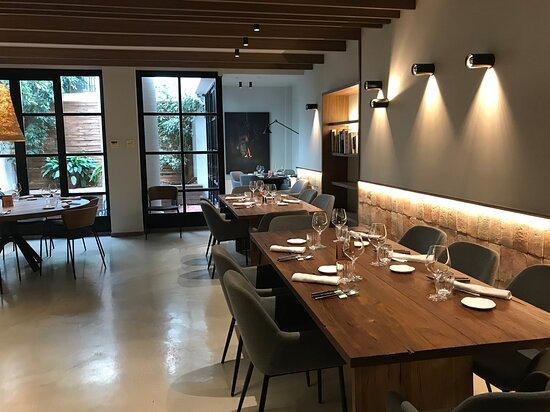
Ferran Cerro is at Plaça del Castell, 2 in central Reus, walkable from the main commercial streets and the Gaudí Centre (Reus was the architect's birthplace, and the town makes this known). Reus has its own airport with low-cost connections, and the city is roughly 15 kilometres from Tarragona and about 110 kilometres from Barcelona by road. The €€ price range makes the set menu format a reasonable choice for a main meal; the S, M, and L options allow adjustment for appetite and duration. Booking ahead is advisable given the Michelin Plate recognition and the relatively contained dining room implied by a central plaza address. For those building a wider Reus itinerary, EP Club's full Reus restaurants guide, hotels guide, bars guide, wineries guide, and experiences guide cover the wider city in editorial depth.
What Regulars Order at Ferran Cerro
The dishes that appear consistently in reviews and in the restaurant's own framing are the coca de calçot en hojaldre with anchovies and romesco, the steak tartare-carpaccio, and the red tomato ceviche. These three preparations sit across the menu's range: the coca is a local-ingredient dish with a refined technique overlay; the tartare-carpaccio is a European classic reinterpreted; the ceviche is an outward-looking reference grounded in local produce. The rice selection on the à la carte draws on the delta and coastal rice tradition that carries serious cultural weight in this part of Tarragona province. Taken together, they sketch a chef operating within a regional pantry while keeping the cooking contemporary rather than nostalgic, a position that, per the broader Reus creative dining scene, reflects how the city's serious restaurants have positioned themselves relative to the coast and the major Catalan cities.
Frequently asked questions
How do I find Ferran Cerro?
Ferran Cerro is located at Plaça del Castell, 2, 43201 Reus, Tarragona, Spain, Reus.
Is Ferran Cerro Michelin-listed?
Ferran Cerro has received recognition including: If you’ve never tried “coca de calçot en hojaldre” (a type of puff pastry) with anchovies and a romesco sauce, this is one of the places to be guided and pleasantly surprised by the chef, a native of Reus, who has honed his skills in severa….
What do regulars order at Ferran Cerro?
The dishes that recur most in reviews and in the restaurant's own framing are the coca de calçot en hojaldre with anchovies and romesco, the Steak Tartare-Carpaccio, and the red tomato ceviche. All three appear in the Michelin Plate-recognised menu that runs across both the à la carte and the S, M, and L set menus at this Reus address.
What's the price range at Ferran Cerro?
Pricing at Ferran Cerro is listed as €€.
At-a-Glance Comparison
| Venue | Cuisine | Price | Awards |
|---|---|---|---|
| Ferran CerroThis venue — the venue you are viewing | Creative Catalan | $50–100 | Michelin Plate · Guía Repsol 1 Sol |
| Aponiente | Progressive - Seafood, Creative | Not listed | Michelin 3 Star |
| Arzak | Modern Basque, Creative | Not listed | Michelin 3 Star |
| DiverXO | Progressive - Asian, Creative | Not listed | Michelin 3 Star |
| El Celler de Can Roca | Progressive Spanish, Creative | Not listed | Michelin 3 Star |
| Quique Dacosta | Creative | Not listed | Michelin 3 Star |
Recognition history
Dated appearances from independent guides and award organizations, with the underlying list record or original source where available.
Michelin Plate
Michelin
Guía Repsol 1 Sol
Guía Repsol
Full recognition history (4 entries)
Michelin Plate
Michelin
Michelin Plate
Michelin

Details
- Elegant
- Sophisticated
- Cozy
- Special Occasion
- Date Night
- Business Dinner
- Open Kitchen
- Extensive Wine List
- Local Sourcing
- Street Scene
- Set Menu
- A La Carte
- Wine
- Vegetarian Friendly
- Vegan Options
- Gluten Free Options
Current opening hours
- Monday
- Closed
- Tuesday
- 1–3:30 PM, 7:45–10:30 PM
- Wednesday
- 1–3:30 PM, 7:45–10:30 PM
- Thursday
- 1–3:30 PM, 7:45–10:30 PM
- Friday
- 1–3:30 PM, 7:45–10:30 PM
- Saturday
- 1:30–3:30 PM, 7:45–10:30 PM
- Sunday
- Closed
Hours can change for holidays and private events. Last verified .
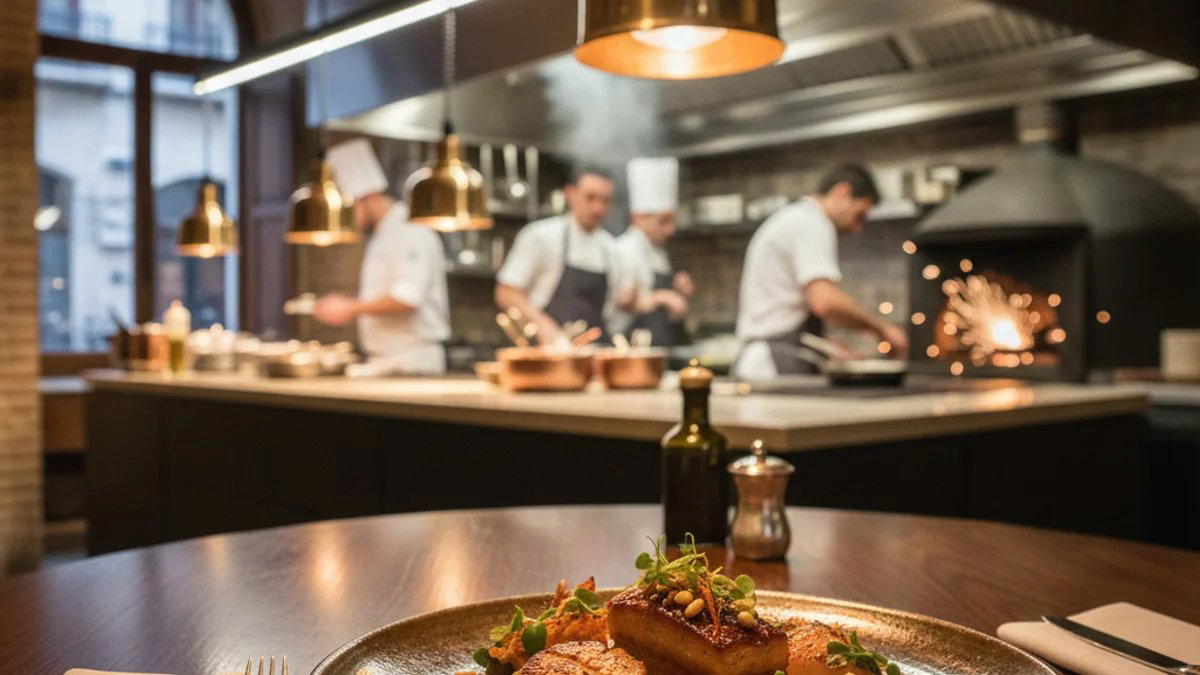
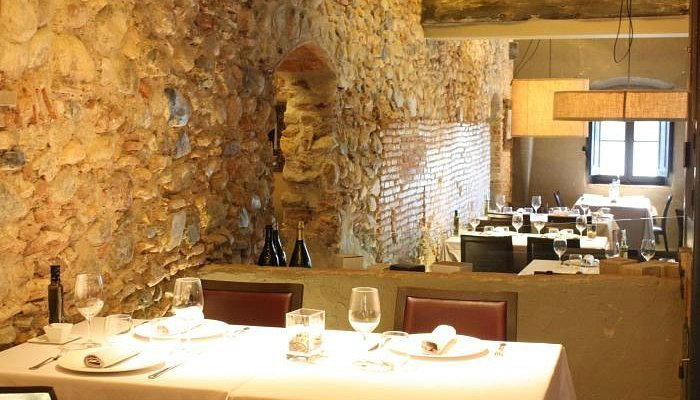
Cozy and welcoming atmosphere with professional attentive service and beautifully plated dishes.