

Michelin Plate · Macarfi 7.7 Food Rating
Our verdict
The kitchen crosses Mediterranean roots with multicultural influence, anchored by Spanish ingredients including Rubia Gallega beef and red tuna. Two tasting menus, a lunchtime format, and an à la carte make it the most format-flexible serious restaurant in the city.

Pearl is the En Primeur Club membership app — saves, bookings, and concierge access live there. Same editors, same standards.
- Address
- Carrer de les Carnisseries Velles, 3, 43201 Reus, Tarragona, Spain
- Phone
- +34 977 20 97 66
- Hours
- Mon 1:30–3:30 PM, 8:30–10 PMTue–Thu ClosedFri–Sat 1:30–3:30 PM, 8:30–10:30 PMSun 1:30–3:30 PM
- Website
- lalkimista.com
- Directions
- Get directions
- Booking
- Book on TheFork
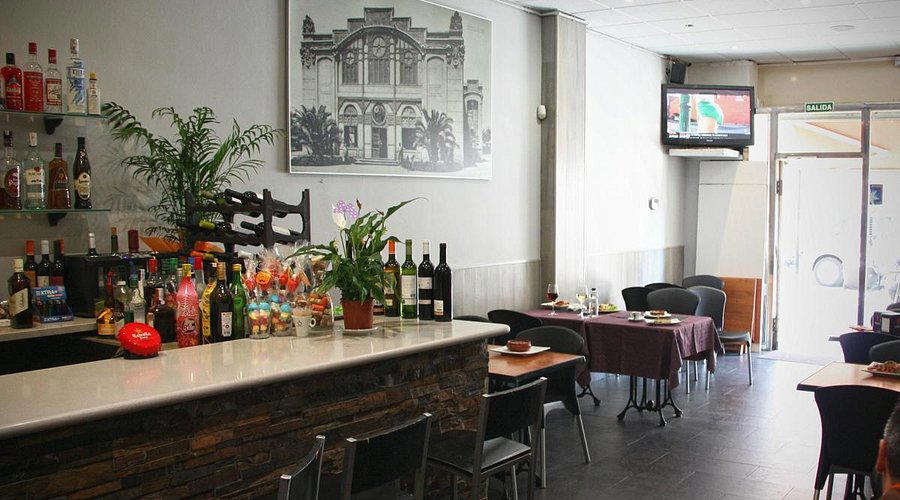
Where the Mediterranean Meets a Broader World
Reus sits in the Camp de Tarragona, a province better known for its Roman ruins and Vermouth production than for ambitious restaurant cooking. That context matters when reading L'Alkimista's position in the city. Spain's Michelin map concentrates its upper recognition in San Sebastián, Madrid, and Barcelona, home to three-star houses like Arzak in San Sebastián, DiverXO in Madrid, and Cocina Hermanos Torres in Barcelona. Provincial Catalonia produces serious food, but rarely does a city of Reus's scale — around 100,000 residents — sustain a restaurant operating at Michelin-recognised standards.
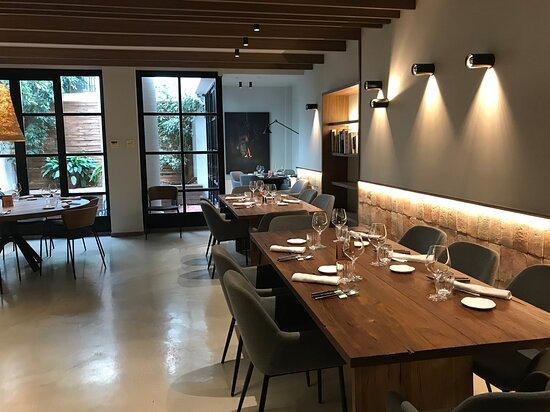
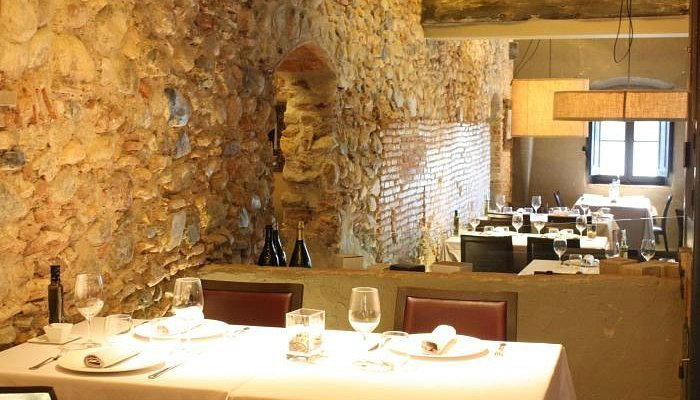
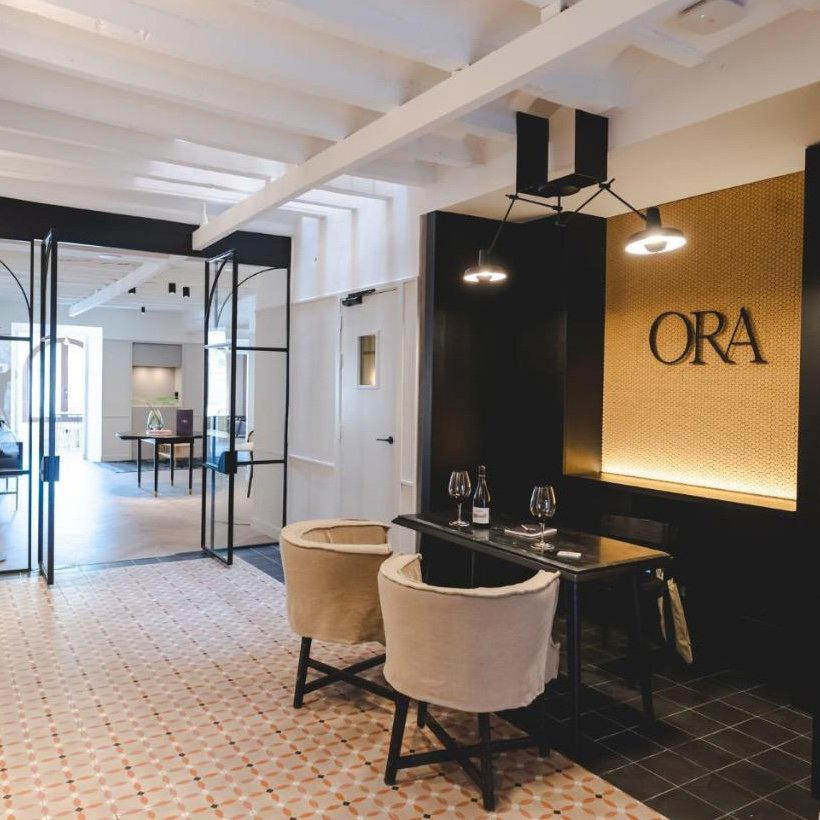
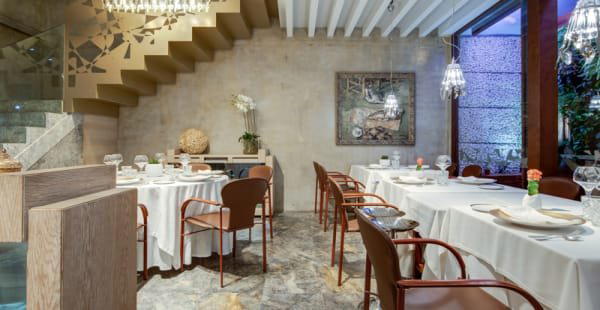
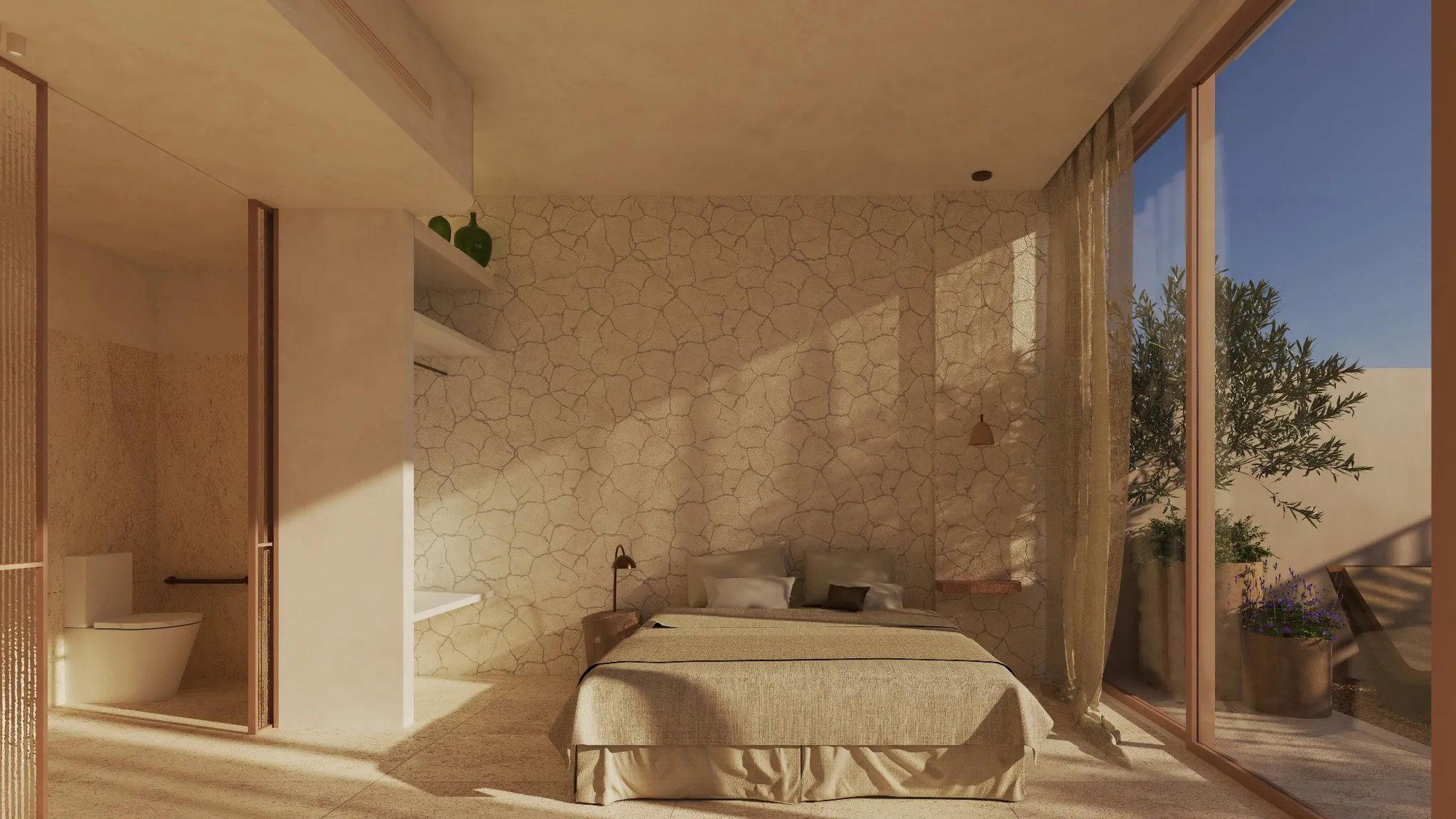
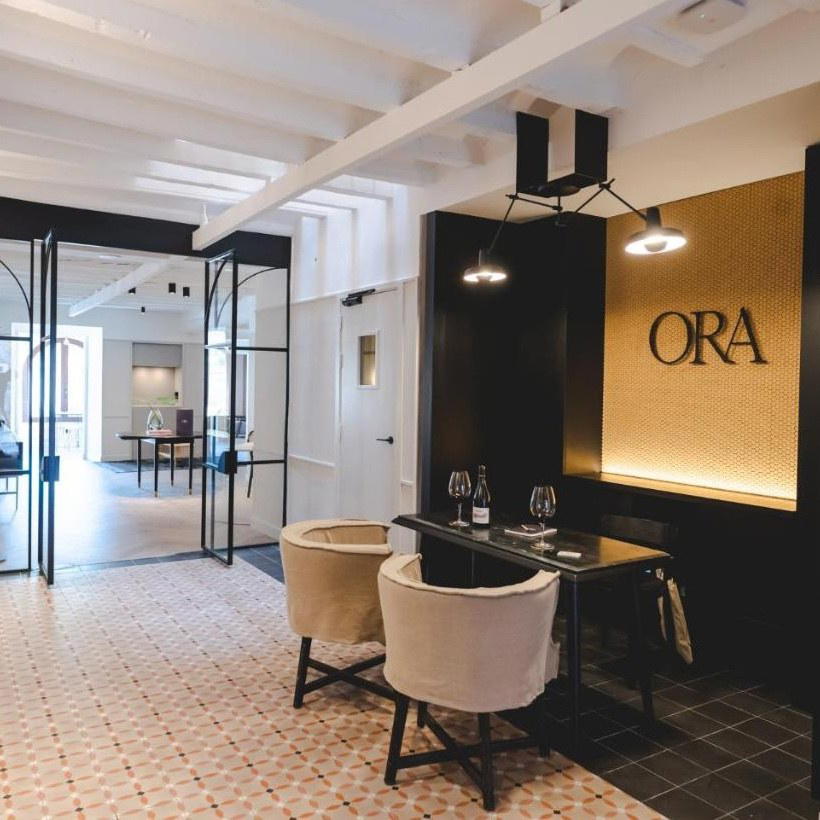
The address on Carrer de les Carnisseries Velles, a pedestrian street threading through the old centre, announces the dining register before a dish appears. The two-storey property carries a contemporary interior, the kind of considered space where material choices and lighting are deliberate rather than inherited from a previous tenant. The ambience reads as relaxed rather than ceremonial, which is a deliberate calibration. Formal fine dining in provincial Spanish cities can feel anachronistic; the more relevant model here is a restaurant that takes its food seriously without demanding ritual from its guests.
The Logic of Fusion Rooted in Mediterranean Soil
Fusion cooking in Spain has a complicated history. At the leading end, houses like Quique Dacosta in Dénia and Aponiente in El Puerto de Santa María have built multicultural references into progressive frameworks, never losing the geographic anchor of the Mediterranean or Atlantic coast. Lower down the tier, fusion often becomes a cover for incoherence. The discipline that separates the two is ingredient sourcing: when a kitchen prioritises product quality from its own region, cross-cultural technique has something to work with. Without it, fusion is merely cosmetic.
L'Alkimista operates from that disciplined position. The kitchen's cultural references draw from multiple traditions, but the raw material stays Spanish. Rubia Gallega beef, a breed prized in Galicia for its marbling and long ageing potential, appears alongside red tuna, a Mediterranean product that connects the Camp de Tarragona to the wider Iberian coastline. These are not generic ingredients; both carry strong provenance identities that shape what technique can do with them. The multi-textural, aromatic cooking that results is specific to this combination of source material and cultural curiosity. For a comparable fusion ambition in a different Spanish context, Ajonegro in Logroño offers a useful point of reference, as does Arkestra in Istanbul for how multicultural cooking can anchor itself to a single city's ingredient identity.
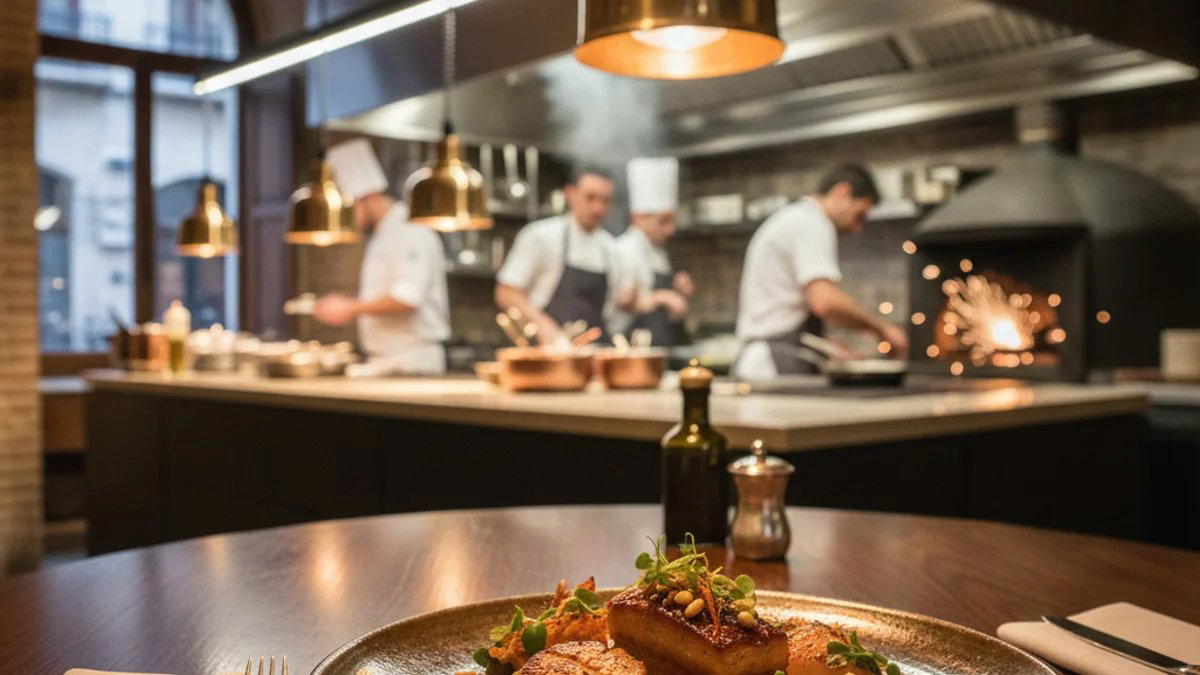
Presentation carries significant weight in the kitchen's output. This is not merely aesthetic: in dishes built around layered textures and aromatics, how a plate is structured affects the sequence in which flavours register. The approach aligns L'Alkimista with a broader Spanish restaurant tradition, developed over two decades since the Ferran Adrià era, in which plating is understood as part of the cooking rather than decoration applied after it. Houses like Azurmendi in Larrabetzu, Mugaritz in Errenteria, and Martin Berasategui in Lasarte-Oria have embedded this sensibility at the three-star level; it filters down into the better restaurants in provincial cities in ways that are visible here.
Three Menus and a Framework for Different Visits
The format structure at L'Alkimista is more considered than most restaurants at this price tier. Two tasting menus, named Phi and Omega, allow the kitchen to communicate across different scales of commitment and appetite. A lunchtime menu called Kappa, which consistently includes a savoury rice dish, addresses the midday dining culture that remains strong in provincial Catalonia, where a working lunch at a serious restaurant is a normal social institution rather than an occasion. The à la carte runs alongside all of these, giving regular visitors the ability to return without repeating the same format.
The Kappa menu's rice anchor is a deliberate regional signal. Rice cooking in Catalonia and Valencia carries the same cultural weight that pasta carries in central Italy or mole in Oaxaca. Including it in the lunchtime format rather than the tasting menus suggests a kitchen that understands its local audience as well as its broader creative ambitions. For visitors arriving from Barcelona, roughly an hour west by road or train, this format flexibility makes L'Alkimista a viable lunch destination rather than exclusively a dinner stop. Reus has its own airport with seasonal European connections, which makes the city accessible without a Barcelona transit for some travellers.
Reus in Context: A City Finding Its Register
Reus is not a restaurant city in the way that San Sebastián or even Girona has become. The dining scene is developing rather than established, which means that serious restaurants here operate without the reinforcing density of peer competition that characterises those northern Spanish cities. El Celler de Can Roca in Girona demonstrates what provincial Catalan ambition can achieve at the highest level; the question for Reus is whether a cluster of similarly driven kitchens will emerge over the next decade. Among the current options, Ferran Cerro and VÍTRIC represent the nearest peer references in the city, though neither operates at an identical format or price point.
At €€€ pricing, L'Alkimista sits above the everyday restaurant category but below the purely occasion-driven tier. In a Spanish provincial city, that positioning places it where ambitious cooking remains accessible without the symbolic weight, or the price, that accompanies Spain's top-tier houses. For visitors planning time in southern Catalonia, the broader dining, hotel, and cultural offer of the region is covered in our full Reus restaurants guide, with related resources across hotels, bars, wineries, and experiences in the city.
Planning a Visit
L'Alkimista is located at Carrer de les Carnisseries Velles, 3, in the pedestrian centre of Reus. The central location is walkable from the city's main accommodation options and from the train station, which connects Reus to Tarragona and Barcelona. Booking in advance is advisable; a Michelin-recognised kitchen in a city with limited peer competition at this level does not carry spare capacity on weekend evenings. The price range at €€€ positions it as a considered choice rather than a casual one, and the availability of the lunchtime Kappa menu offers a lower-commitment entry point for first visits.
Frequently asked questions
What kind of recognition has L'Alkimista received?
L'Alkimista has received recognition including: L'Alkimista occupies a two-storey property along a pedestrian street in the centre of town that is impressive for its contemporary decor and relaxed ambience. Here, young owner-chef Pola Hany William creates cuisine that constantly blends i….
What do people recommend at L'Alkimista?
Reviews consistently point to the kitchen's handling of Rubia Gallega beef and red tuna as the dishes that define the L'Alkimista experience. Both ingredients appear across the Phi and Omega tasting menus, where chef Pola Hany William applies cross-cultural technique to premium Spanish produce. The lunchtime Kappa menu, which always includes a savoury rice dish, draws strong praise as an accessible entry point to the kitchen's approach.
How much does it cost to eat at L'Alkimista?
Pricing at L'Alkimista is listed as €€€.
Budget Reality Check
| Venue | Cuisine | Price | Awards |
|---|---|---|---|
| L'AlkimistaThis venue — the venue you are viewing | Modern Mediterranean Fusion | $50–100 | Michelin Plate · Macarfi 7.7 Food Rating |
| Aponiente | Progressive - Seafood, Creative | Not listed | Michelin 3 Star |
| Arzak | Modern Basque, Creative | Not listed | Michelin 3 Star |
| DiverXO | Progressive - Asian, Creative | Not listed | Michelin 3 Star |
| El Celler de Can Roca | Progressive Spanish, Creative | Not listed | Michelin 3 Star |
| Quique Dacosta | Creative | Not listed | Michelin 3 Star |
Recognition history
Dated appearances from independent guides and award organizations, with the underlying list record or original source where available.
Michelin Plate
Michelin
Macarfi 7.7 Food Rating
Macarfi
Full recognition history (4 entries)
Michelin Plate
Michelin
Michelin Plate
Michelin

Details
- Modern
- Cozy
- Elegant
- Intimate
- Date Night
- Special Occasion
- Open Kitchen
- Extensive Wine List
- Tasting Menu
- A La Carte
- Small Plates
- Vegetarian Friendly
- Vegan Options
Current opening hours
- Monday
- 1:30–3:30 PM, 8:30–10 PM
- Tuesday
- Closed
- Wednesday
- Closed
- Thursday
- Closed
- Friday
- 1:30–3:30 PM, 8:30–10:30 PM
- Saturday
- 1:30–3:30 PM, 8:30–10:30 PM
- Sunday
- 1:30–3:30 PM
Hours can change for holidays and private events. Last verified .
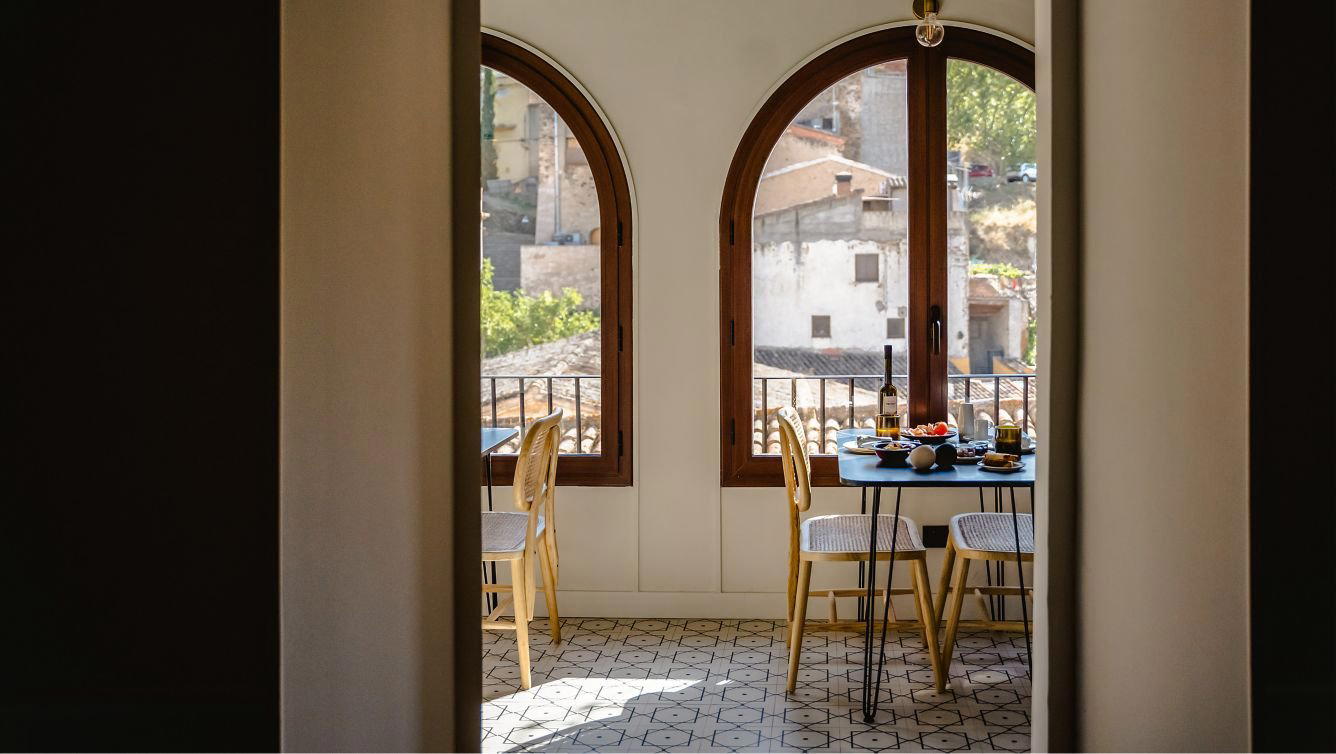
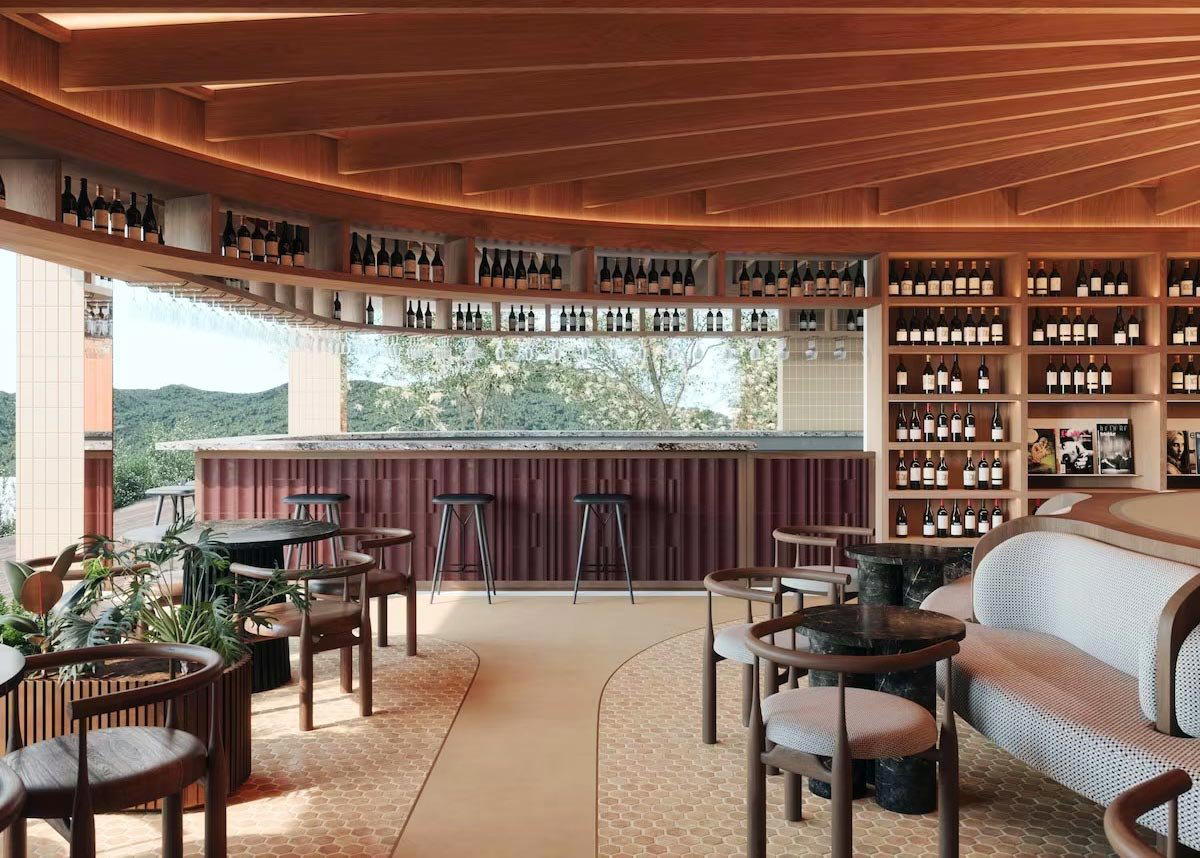
Contemporary decor in a two-storey property on a pedestrian street, creating a relaxed yet elegant atmosphere with pleasant and cozy seating.