

Michelin Plate · Star Wine List
Our verdict
Betong sits on Operagata in Oslo's Bjørvika district, steps from the Opera House, holding a Michelin Plate in both 2024 and 2025. The modern cuisine format places it in Oslo's mid-to-upper tier, below the starred houses but distinctly above the casual end of the city's dining spectrum.

Pearl is the En Primeur Club membership app — saves, bookings, and concierge access live there. Same editors, same standards.
- Address
- Operagata 77D, 0194 Oslo, Norway
- Hours
- Mon ClosedTue–Sat 5 PM–12 AMSun Closed
- Website
- restaurantbetong.no
- Directions
- Get directions
- Booking
- Book on the venue's website
The menu
What to order
- Cold Curry
- Butter-poached Skrei cod
Bjørvika's Dining Shift and Where Betong Sits Within It
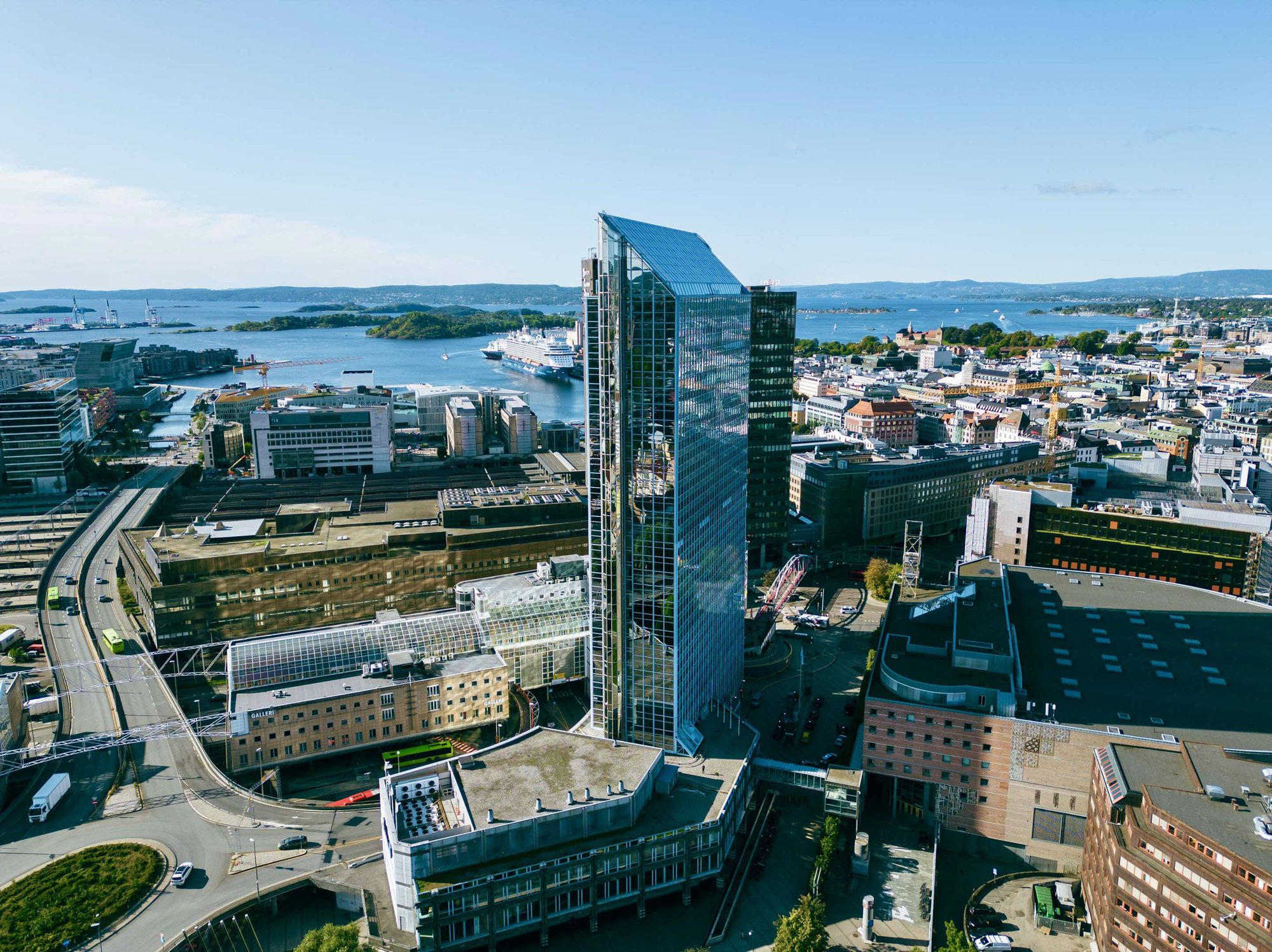
Oslo's waterfront around the Opera House has transformed faster than almost any other district in the Norwegian capital. A decade ago, Bjørvika was largely construction hoardings and ambition. Today, Operagata functions as a genuine dining address, with residents, culture-goers, and hotel guests generating the kind of foot traffic that sustains mid-to-upper tier restaurants through the week. Betong, at number 77D on that same street, arrived into this context and has held a Michelin Plate in both 2024 and 2025 — recognition that signals consistent kitchen discipline without the tasting-menu formality of Oslo's starred tier.
The Michelin Plate designation is worth contextualising. It does not denote a star, but it does represent a deliberate editorial choice by the Guide: the inspectors found cooking worth flagging to readers. In a city where À L'aise and FYR Bistronomi & Bar have built strong reputations at the same price tier, holding that recognition for two consecutive years places Betong in a small cohort of Oslo restaurants that have demonstrated staying power rather than novelty.
The Waterfront Address and What It Demands of a Restaurant
Operagata is not a neighbourhood dining strip in the way that Grünerløkka or Majorstuen function for Oslo residents. The street draws visitors arriving at the Opera House, guests from the hotels anchored in Bjørvika's redevelopment, and a younger professional cohort who live in the apartment blocks that have risen along the waterfront in recent years. A restaurant on this street faces a particular set of pressures: it needs to perform for the special-occasion diner and the local regular simultaneously, and it needs to do so against the visual backdrop of one of northern Europe's most photographed buildings.
Betong's modern cuisine classification places it in the broader European tradition of cooking that prioritises technique and seasonal sourcing over strict regional identity. Oslo's restaurant scene has spent the last fifteen years grappling with that tension: how much of the New Nordic framework, with its emphasis on foraged ingredients and Nordic terroir, should anchor a contemporary menu, and when does a restaurant earn the right to step outside that frame? The city's mid-to-upper tier — the €€€ bracket that sits between Arakataka-style accessible Nordic and the €€€€ world of Maaemo or Kontrast, is where that question gets answered most interestingly. Betong operates in that zone.
Oslo's Modern Cuisine Tier: Context and Comparisons
Understanding where Betong sits requires a brief map of Oslo's current dining geography. At the leading, Maaemo holds three Michelin stars in the New Nordic register; Kontrast sits at two stars. Below them, the one-star houses, including Hot Shop and Statholdergaarden, represent two different approaches: the former leaning into contemporary informality, the latter anchored in classical European tradition. The Michelin Plate tier, where Betong operates alongside venues like Brasserie Hansken and Festningen, is where the city's dining range is most active and perhaps most genuinely competitive.
Across Scandinavia, the modern cuisine format at this price point is increasingly the dominant mode. Frantzén in Stockholm sits at the extreme upper end of that spectrum; RE-NAA in Stavanger and FAGN in Trondheim demonstrate that serious modern kitchens are no longer exclusively an Oslo phenomenon. Even further afield, Gaptrast in Bergen, Iris in Rosendal, and Under in Lindesnes have pushed Norwegian dining into conversations it would not have entered twenty years ago. Within Oslo, though, the concentration of options at Betong's price tier means the competition for the regular returning diner is intense. Consistent Michelin recognition two years running is one of the cleaner signals that a kitchen is meeting that challenge.
The Experience at Operagata 77D
The address places Betong within easy reach of the Opera House and the Munch Museum, Oslo's two cultural anchors in Bjørvika. Visitors combining an evening performance at the Opera with dinner have an obvious routing; those staying in the district's hotels have a local option that delivers above the expected level for a hotel-adjacent address.
For visitors building an Oslo dining itinerary, Betong offers something the starred houses cannot always provide: a modern cuisine experience without the booking lead times and fixed tasting-menu commitment that Maaemo or Kontrast require. If your trip allows for one long, formal evening, that is a different calculation. But for a dinner that rewards without demanding an entire evening's architecture, the Plate-holding tier is where Oslo's leading value-for-experience ratio tends to live.
Those planning broader Norwegian dining exploration can cross-reference Boen Gård in Tveit for a regional counterpoint, or consider FZN by Björn Frantzén in Dubai if the Scandinavian modern cuisine format is a thread you are following across cities. For Oslo dining beyond the Bjørvika district, Kolonialen Bislett represents the city's neighbourhood end of the same conversation. Full coverage of Oslo's restaurants, hotels, bars, wineries, and experiences is available through our Oslo restaurants guide, Oslo hotels guide, Oslo bars guide, Oslo wineries guide, and Oslo experiences guide.
Planning Your Visit
Betong is located at Operagata 77D in Oslo's Bjørvika district, within walking distance of the Oslo Opera House and the Munch Museum. The €€€ pricing positions it as an occasion dinner rather than a drop-in, though it sits a clear step below the commitment level of the city's tasting-menu houses. Specific booking details, hours, and current menu format are best confirmed directly with the restaurant before your visit.
at Betong?
What the Michelin Plate awards for 2024 and 2025 indicate is that the kitchen's output has met the Guide's threshold for consistent quality within the modern cuisine format, which, at this tier in Oslo, typically means technically precise cooking with a nod to seasonal Nordic produce. The modern cuisine classification suggests a menu that does not confine itself to strict regional boundaries, giving the kitchen range to work across European and Nordic references. For the most current menu picture, checking the restaurant directly before visiting will give you a more accurate read than any third-party source.
Frequently asked questions
Has Betong won any awards?
Betong has received recognition including: Michelin Plate (2025); Michelin Plate (2024).
What's the best thing to order at Betong?
What the two consecutive Michelin Plate awards (2024 and 2025) do confirm is consistent kitchen output across the menu at the €€€ price tier. The practical approach: ask the front-of-house team on arrival, as staff at Michelin-recognised venues at this price point typically know which plates are performing best that week.
Is Betong expensive?
Pricing at Betong is listed as €€€.
Where exactly is Betong?
Betong is located at Operagata 77D, 0194 Oslo, Norway, Oslo.
A Tight Comparison
| Venue | Cuisine | Price | Awards | Notes |
|---|---|---|---|---|
| BetongThis venue — the venue you are viewing | Modern Nordic Tasting Menu | $50–100 | Michelin Plate · Star Wine List | Not listed |
| Maaemo | New Nordic Fine Dining | $300–500 | 3 Michelin Stars · World's 50 Best #47 | New Nordic, Modern Cuisine |
| Kontrast | Modern Nordic Fine Dining | $200–300 | 2 Michelin Stars · La Liste Top Restaurants | New Nordic, Scandinavian |
| Hot Shop | Modern Nordic Tasting Menu | $100–150 | 1 Michelin Star · Star Wine List | New Nordic, Modern Cuisine |
| Statholdergaarden | Classic Norwegian-French Fine Dining | $200–300 | 1 Michelin Star · La Liste Top Restaurants | Modern European, Classic Cuisine |
| Arakataka | Modern Nordic | $50–100 | Michelin Plate · Star Wine List | Nordic, Norwegian |
Recognition history
Dated appearances from independent guides and award organizations, with the underlying list record or original source where available.
Michelin Plate
Michelin
Star Wine List
Star Wine List
Full recognition history (4 entries)
Michelin Plate
Michelin
Michelin Plate
Michelin
Continue exploring
More in Oslo
Restaurants in Oslo
Browse all →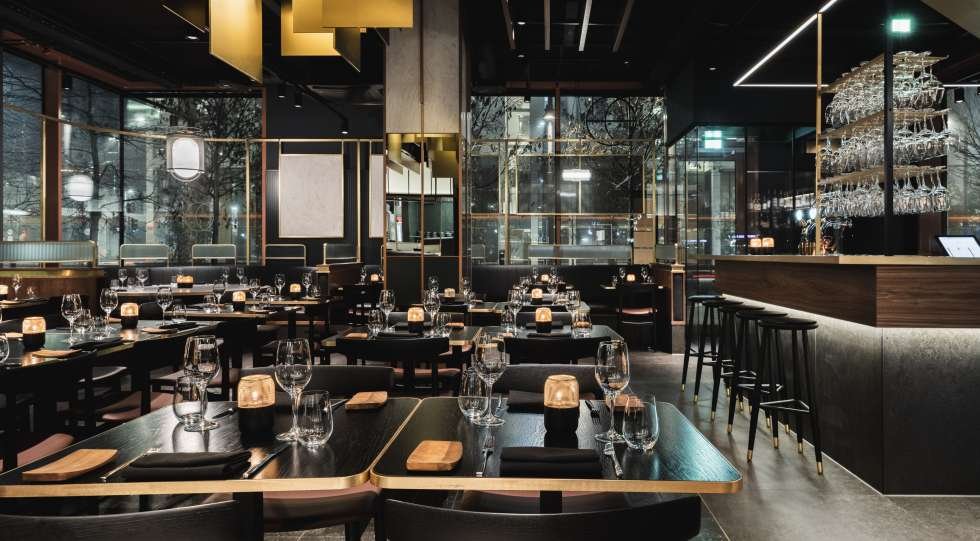
Details
- Modern
- Trendy
- Energetic
- Minimalist
- Date Night
- Casual Hangout
- Open Kitchen
- Extensive Wine List
- Zero Waste
- Local Sourcing
- Tasting Menu
- Wine Pairing
- Vegetarian Friendly
- Pescatarian Friendly
Current opening hours
- Monday
- Closed
- Tuesday
- 5 PM–12 AM
- Wednesday
- 5 PM–12 AM
- Thursday
- 5 PM–12 AM
- Friday
- 5 PM–12 AM
- Saturday
- 5 PM–12 AM
- Sunday
- Closed
Hours can change for holidays and private events. Last verified .
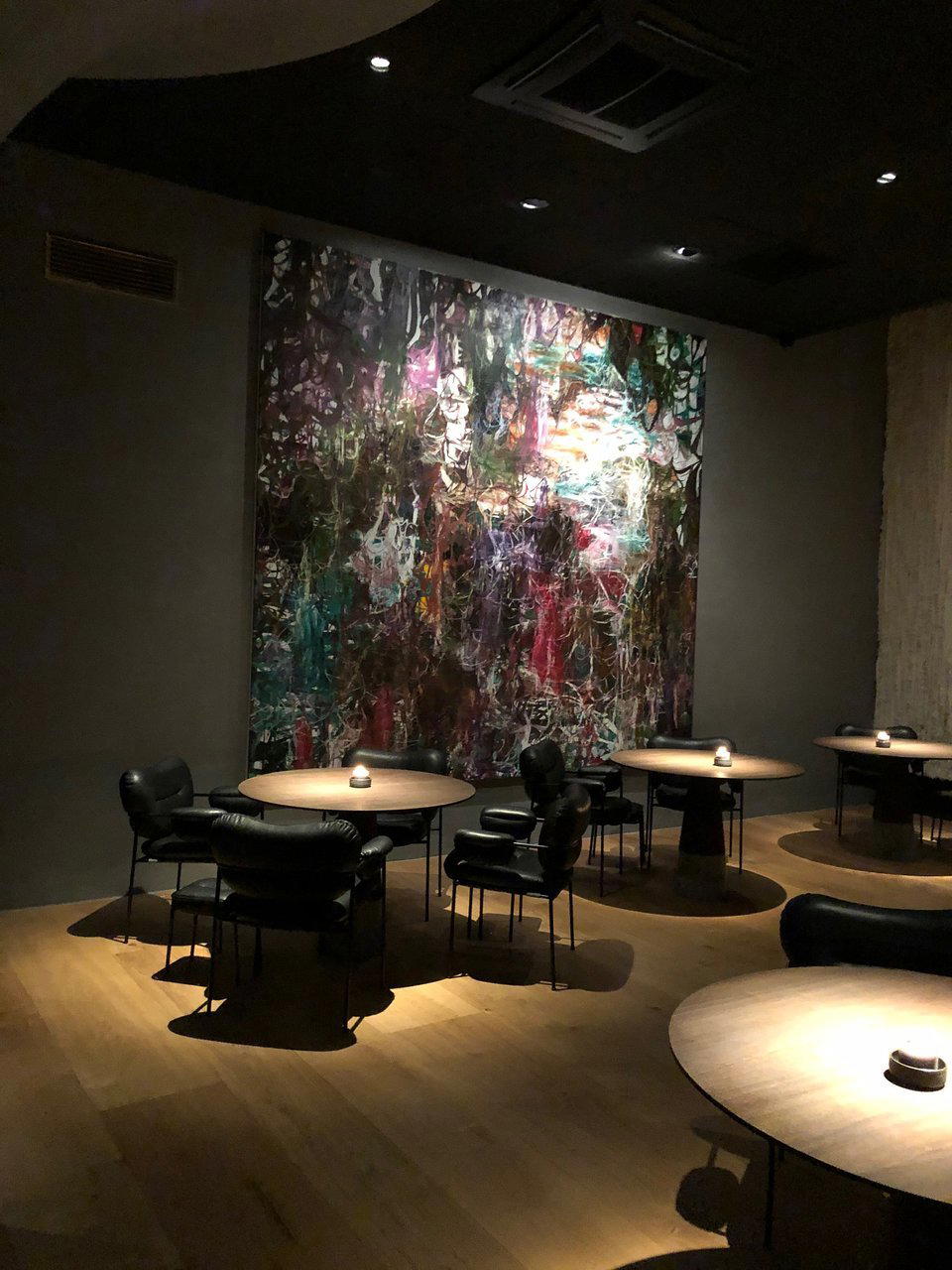
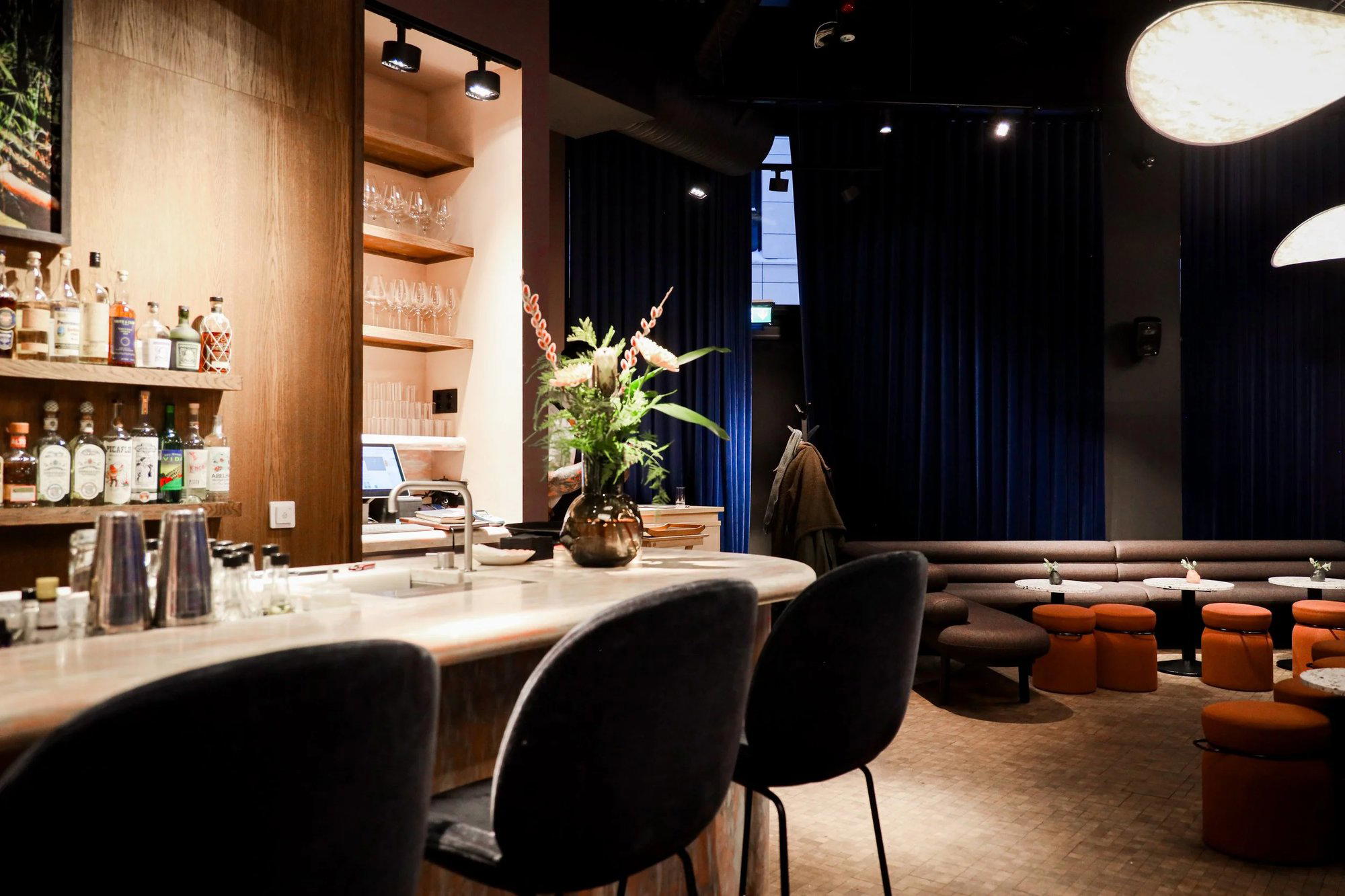
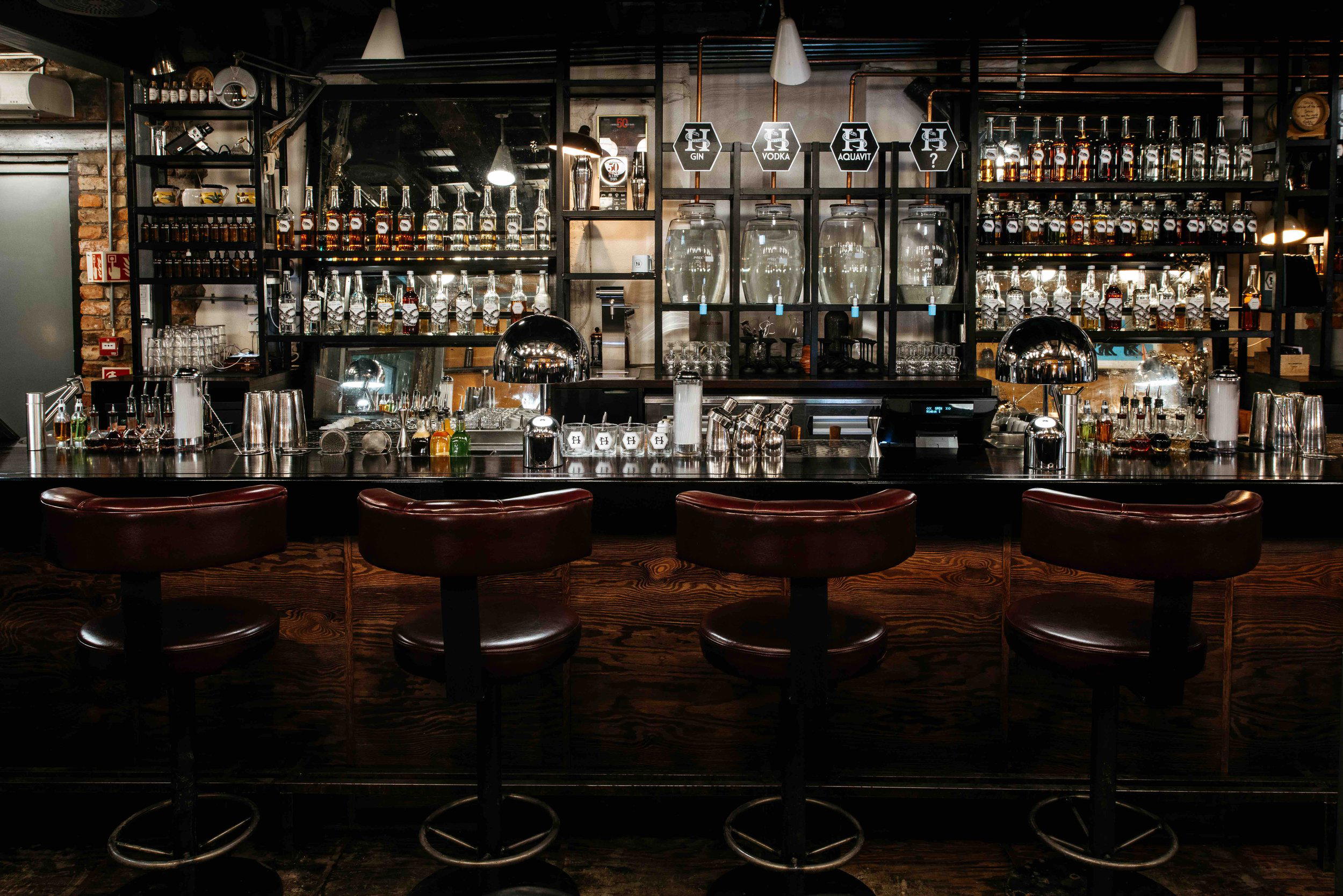
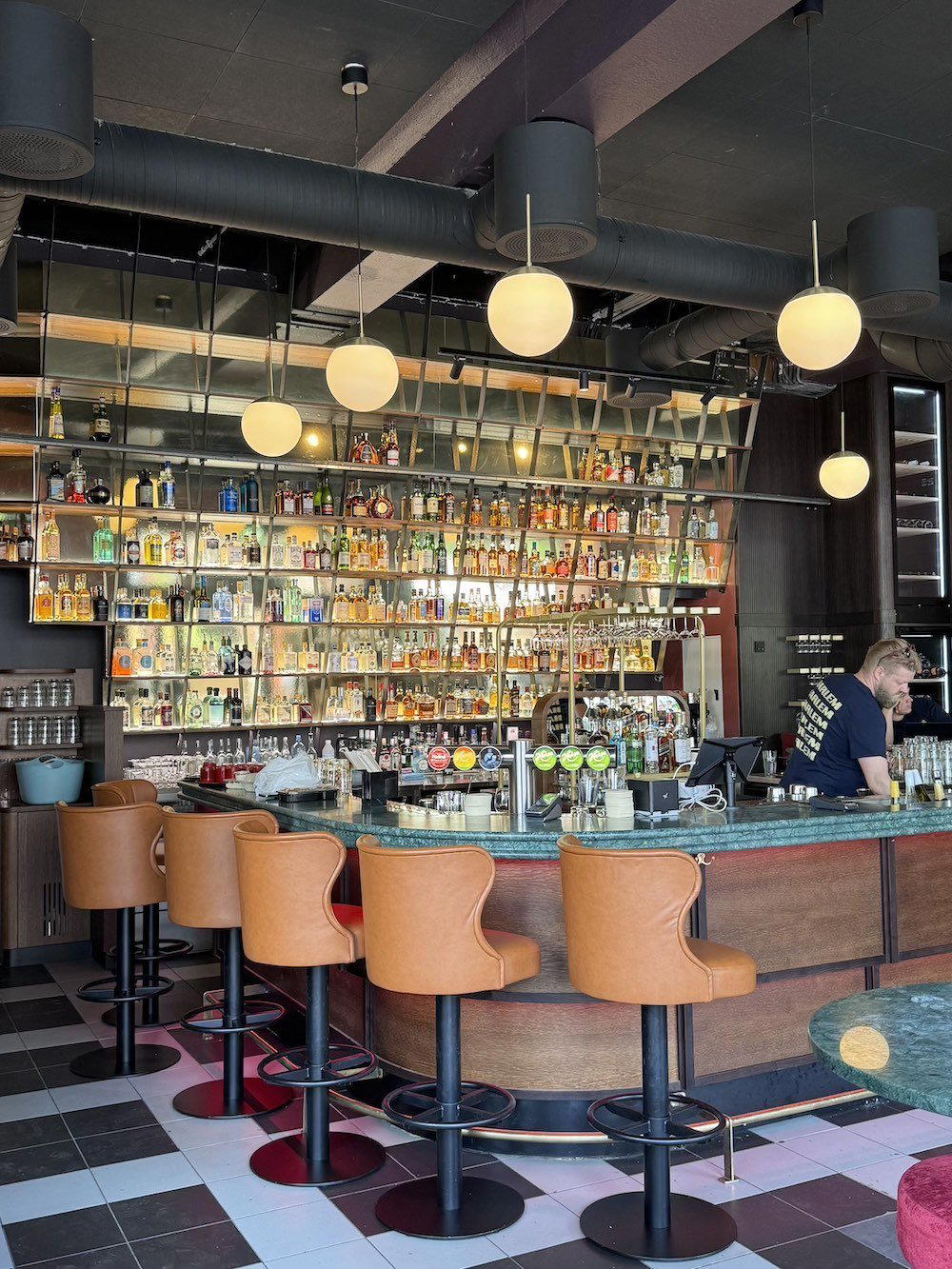
Buzzy industrial space with bare concrete walls, minimalist furnishings, pumping music, and energetic atmosphere.