Marcels occupies a quiet address on Gartenfeldstraße in Trier, Germany's oldest city and a historic crossroads between Roman heritage and Moselle wine country. The restaurant sits within a dining scene that spans classic French-influenced cuisine and modern European formats, placing it in a city where culinary ambition runs deeper than its compact size might suggest. Visitors planning a table should check directly for current hours and reservation availability.
Pearl is the En Primeur Club membership app — saves, bookings, and concierge access live there. Same editors, same standards.
- Address
- Gartenfeldstraße 14, 54295 Trier, Germany
- Phone
- +4965146089000
- Website
- marcel-trier.de
- Directions
- Get directions
 Saves & bookings on Pearl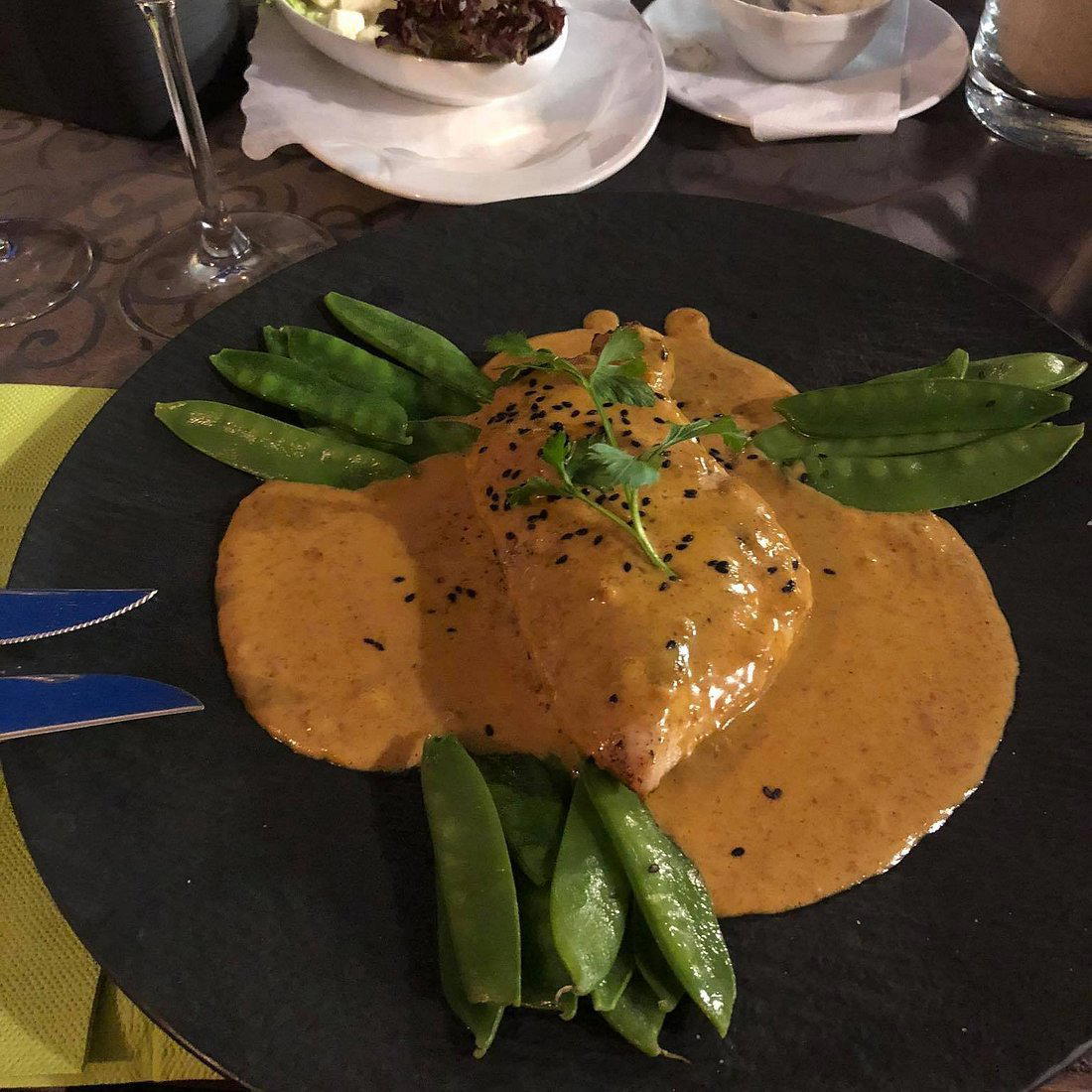
Dining in Germany's Oldest City
Trier occupies a position in German culinary geography that its size alone does not explain. Founded by the Romans and positioned at the western edge of the Moselle wine region, the city has long attracted a dining culture shaped by two competing influences: the French-inflected traditions of the nearby Saarland and Luxembourg border, and the wine-driven gastronomy of the river valley running northeast toward Koblenz. The result is a restaurant scene where classic European cuisine and Moselle Riesling culture sit alongside each other naturally, rather than as an affectation. Marcels is a modern German bistro at Gartenfeldstraße 14 in Trier, Germany.
Germany's bordered wine regions tend to produce a particular kind of restaurant seriousness. In towns like Piesport, Schanz has built a destination reputation on precisely this combination of regional wine knowledge and technical cooking ambition. Further afield in the Saarland, Victor's Fine Dining by christian bau in Perl represents the upper tier of what proximity to France and Luxembourg can produce in German fine dining. Trier, sitting between those two reference points geographically, draws on both traditions.
The City as Culinary Frame
Understanding where Marcels sits within Trier's dining picture requires some mapping of the scene itself. The city's restaurant offer runs from approachable wine-focused Weinstuben to more formal European-cuisine rooms. At the more structured end, BECKER'S Weinhaus operates in the classic cuisine register at a mid-range price point, while Bagatelle brings a French Contemporary approach at the €€€ tier. Gastraum represents the modern cuisine strand, also at the €€ level. Eurener Hof and masons Restaurant Trier complete a scene that punches beyond a city of roughly 100,000 residents.
That density of serious restaurants in a compact city is not unusual in Germany's wine-producing areas. The Moselle's international reputation for Riesling, and the steady flow of visitors it generates, creates a customer base that expects well-matched food. Trier's Roman history adds a further layer: the city draws culturally informed travellers whose dining expectations tend to be specific. The combination produces restaurants that are less focused on spectacle and more focused on craft and precision, a tendency that runs through Trier's better addresses. For a broader view of where these venues sit relative to each other, the full Trier restaurants guide provides useful orientation.
Moselle Wine Country and the Table
The cultural context of Moselle wine is worth pressing on, because it shapes what dining in this corridor actually means. Riesling from the steep slate slopes of the Moselle produces wines of high acidity and mineral tension, which in turn demand food that meets them rather than overpowers them. This is not Burgundy's richness or Bordeaux's structural weight; it is a cuisine discipline shaped by delicacy. The leading restaurants near the Moselle, from Waldhotel Sonnora in Dreis to the broader Rhine-region tradition embodied by venues like Vendôme in Bergisch Gladbach, tend to share a preoccupation with finesse over force.
This broader German fine dining context has been producing increasingly recognised work over the past decade. Venues such as Schwarzwaldstube in Baiersbronn, Aqua in Wolfsburg, ES:SENZ in Grassau, JAN in Munich, Restaurant Haerlin in Hamburg, and CODA Dessert Dining in Berlin represent different regional registers of German ambition. The western Moselle-Saar corridor, where Trier anchors the scene, contributes its own strand to that national picture.
Finding Marcels
Marcels is located at Gartenfeldstraße 14, 54295 Trier. The address places it in the city proper, accessible from Trier's compact centre. Marcels is recommended for reservations and has a casual dress code. This is standard practice for smaller independent restaurants in German secondary cities, where operational arrangements can shift without wide press coverage.
For travellers building an itinerary around Trier, the city's geography makes it practical to combine a meal at Marcels with visits to the Roman monuments, the Moselle waterfront, or a day trip to the wine villages of the river valley. The German-Luxembourg border is within easy reach, as is the Saarland, which adds Victor's Fine Dining in Perl as a realistic companion destination for a multi-day itinerary in the region.
Why This Address in This City
The question worth asking about any restaurant in a secondary city is what sustains it. Trier's position as a serious dining destination rests on a combination of factors that are structural rather than accidental: proximity to the Moselle and its wine tourism, the French cultural proximity that shapes palate expectations, a Roman heritage that draws educated international visitors, and a local population that in wine-producing regions tends to be more food-attentive than city size alone would predict. Marcels operates within that sustaining structure, on a street in a city that has supported serious restaurants for longer than most German urban centres of comparable scale.
International comparisons are sometimes useful for calibrating expectation. The rigour that characterises wine-adjacent dining in Europe, from the Moselle to Burgundy, differs from the volume-driven ambition of destination cities. The discipline found at counters like Le Bernardin in New York City or the format-driven precision of Atomix in New York City reflects a different set of pressures. Trier's better restaurants, including the addresses on Gartenfeldstraße, operate in a mode defined by regional coherence and wine-food alignment rather than by metropolitan scale or press cycle.
Planning Your Visit
Marcels sits in the mid-price tier, and reservations are recommended. Trier's other dining addresses, including Bagatelle, BECKER'S Weinhaus, Gastraum, and Eurener Hof, provide useful fallback options for building a complete evening or a longer stay in the city. The full Trier restaurants guide covers the scene in detail for visitors planning ahead.
Cost Snapshot
Comparable venues nearby, for context on price, style, and recognition.
| Venue | Cuisine | Price | Awards | Notes |
|---|---|---|---|---|
| MarcelsThis venue — the venue you are viewing | Kürenz, Modern German Bistro | $$ | Not listed | Not listed |
| Eurener Hof | Euren, Traditional German | $$ | Not listed | Not listed |
| Villa Hügel | Trier-Süd, Contemporary Central European | $$$ | Not listed | Not listed |
| Weinwirtschaft Friedrich-Wilhelm | Not listed | $$ | Not listed | city center, Regional German with Lebanese & Mediterranean Influences |
| Gastraum | Not listed | $$ | Michelin Plate | :null, Modern Regional German |
| masons Restaurant Trier | Not listed | $$ | Not listed | Trier City Center, International Tapas Around the World |
Continue exploring
More in Trier
Restaurants in Trier
Browse all →
Bars in Trier
Browse all →
Hotels in Trier
Browse all →
At a Glance
- Cozy
- Casual Hangout
- Historic Building
Current opening hours
- Monday
- Closed
- Tuesday
- 5 PM–12 AM
- Wednesday
- 5 PM–12 AM
- Thursday
- 5 PM–12 AM
- Friday
- 5 PM–12 AM
- Saturday
- 5 PM–12 AM
- Sunday
- Closed
Hours can change for holidays and private events. Last verified .
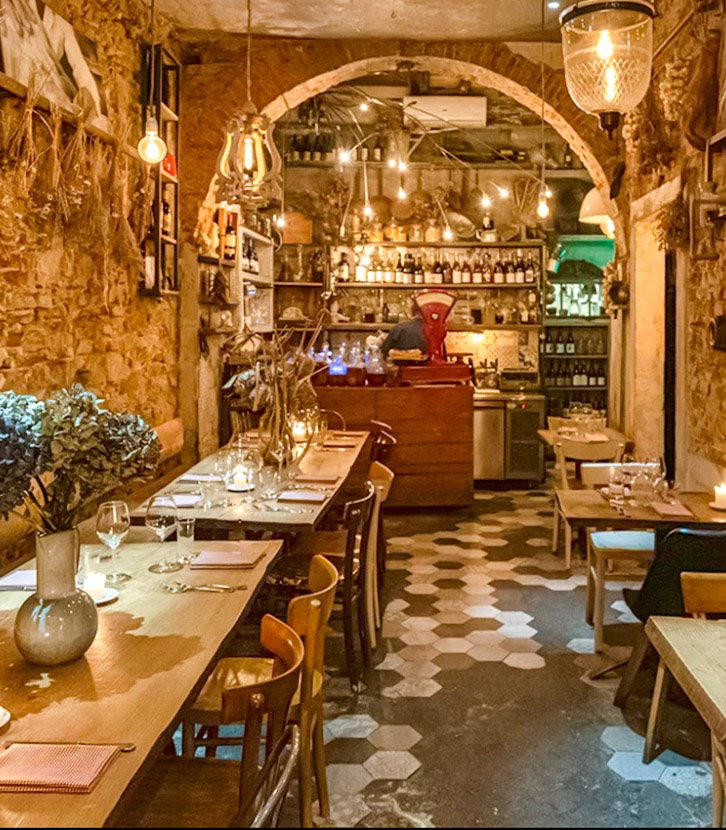
Cozy and charming atmosphere with nice decorations, ideal for a relaxed dining experience.