
Michelin Plate
Our verdict
Schloss Monaise brings classic French cooking to one of Trier's most architecturally distinctive addresses, a late-18th-century rococo hunting palace set apart from the city's Roman core. The kitchen has held a Michelin Plate in both 2024 and 2025, placing it in the reliable mid-tier of the Moselle region's French-influenced dining circuit. The price point sits at €€€, in line with Trier's more formal restaurant tier.

Pearl is the En Primeur Club membership app, where members save venues, book tables and use the concierge.
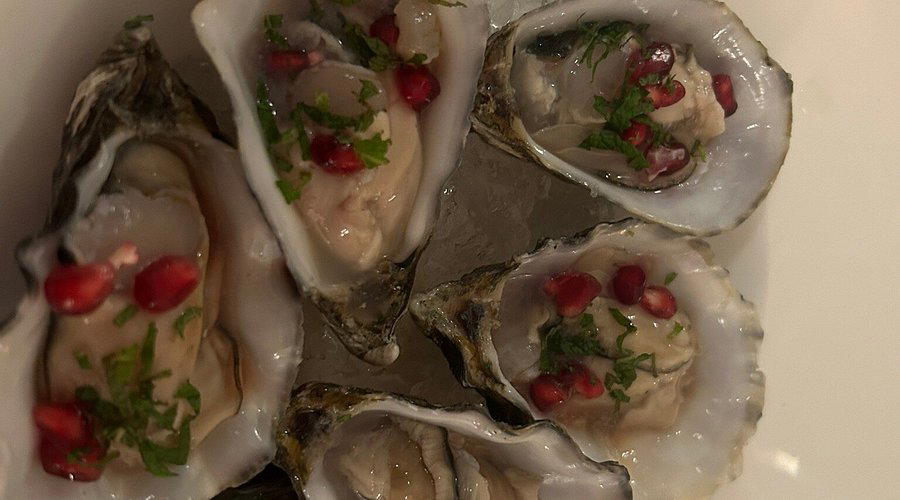
The menu
What to order
- Roasted duck with cherry reduction
- Pan-seared trout
A French Table at the Edge of the Roman City
Trier's dining identity is shaped by two gravitational forces: its Roman past, which draws visitors to the Porta Nigra and the Konstantinbasilika, and the Moselle wine culture that runs through the region's restaurants with quiet insistence. Classic French cuisine, the kind that still organises itself around sauces, technique, and a respect for the table as ritual, finds a natural home in this part of Germany. The proximity to Luxembourg, France's Lorraine region, and the grand bourgeois traditions of the Moselle Valley means that a kitchen working in the French classical idiom here is not an affectation. It is a geographic logic.
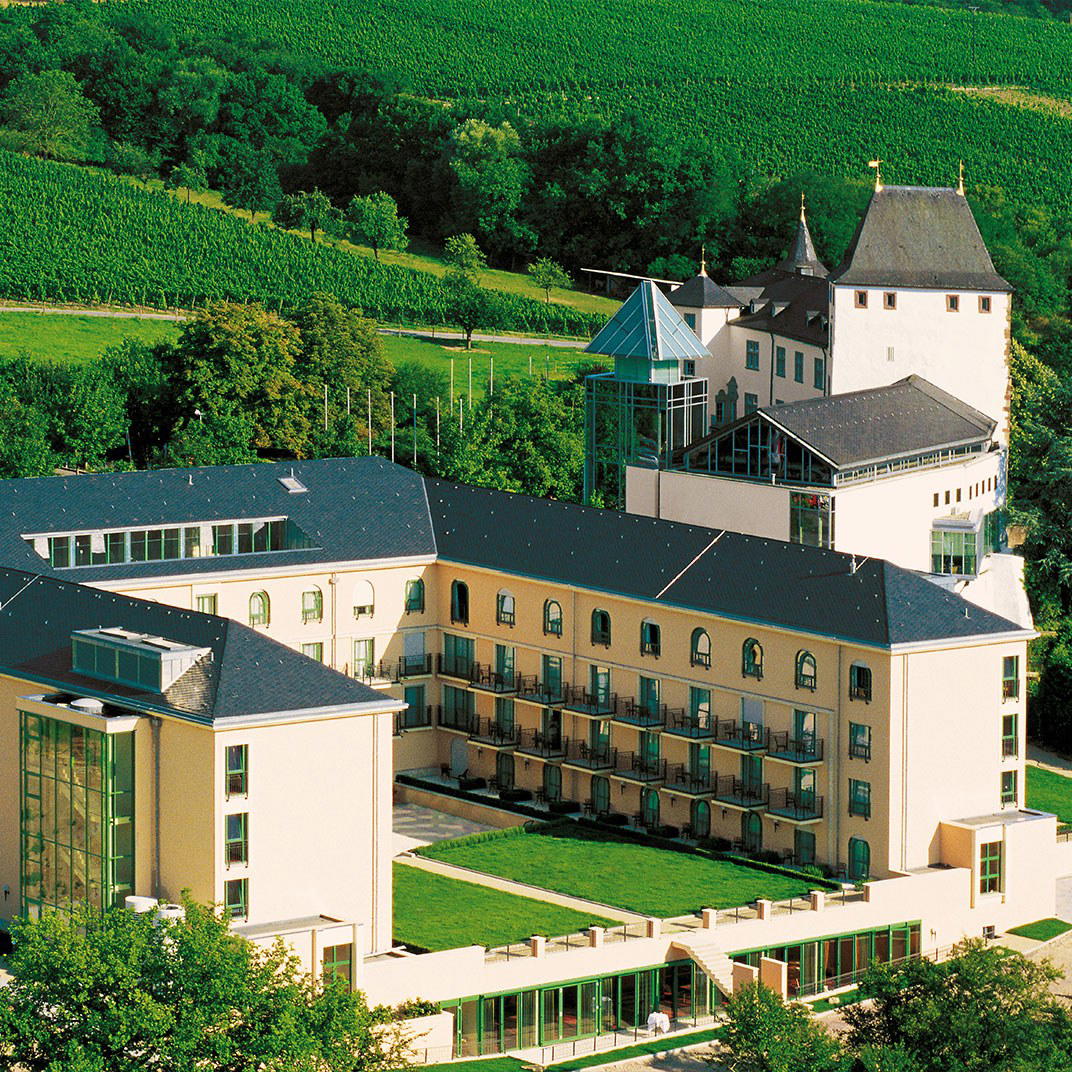
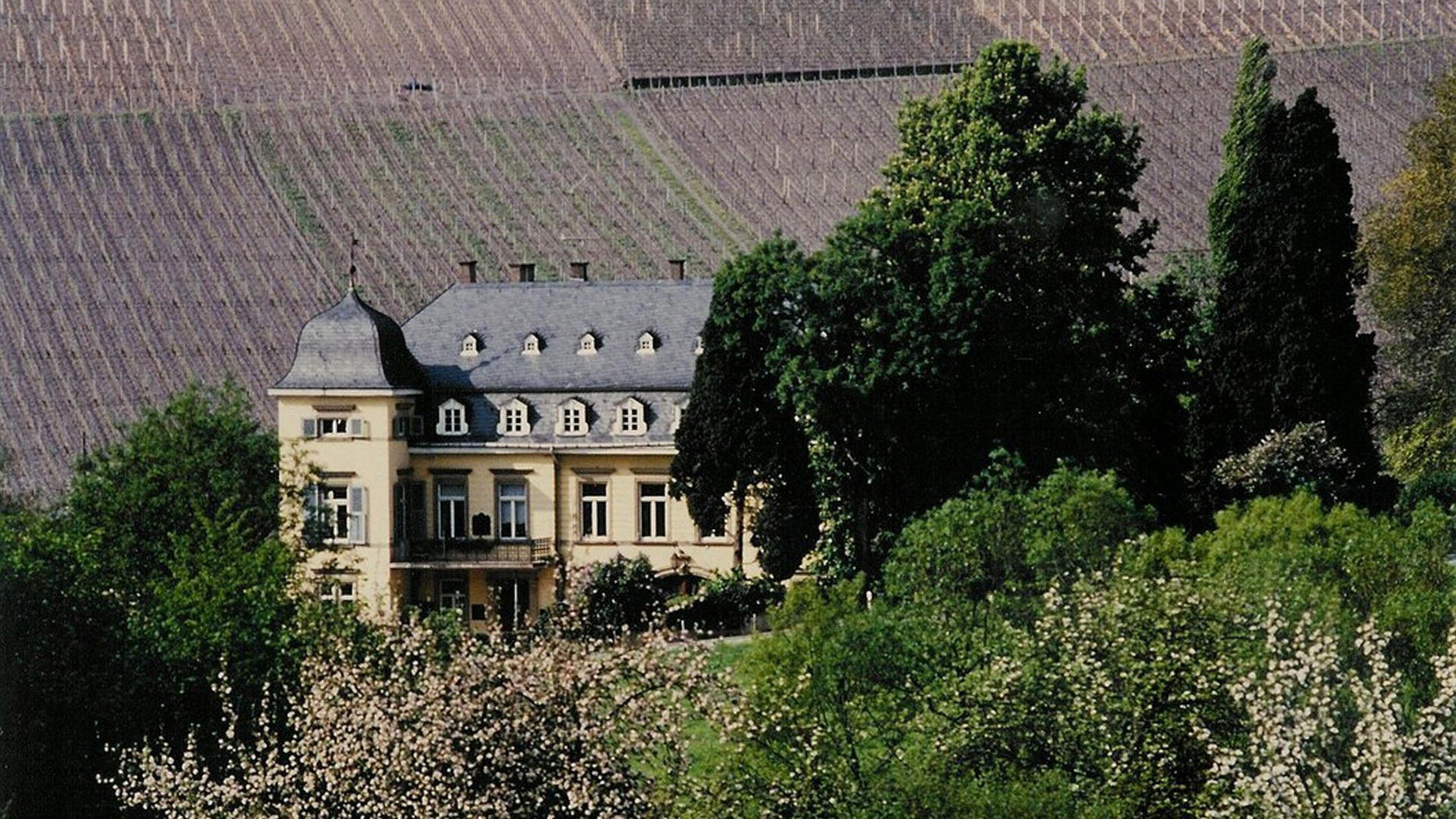
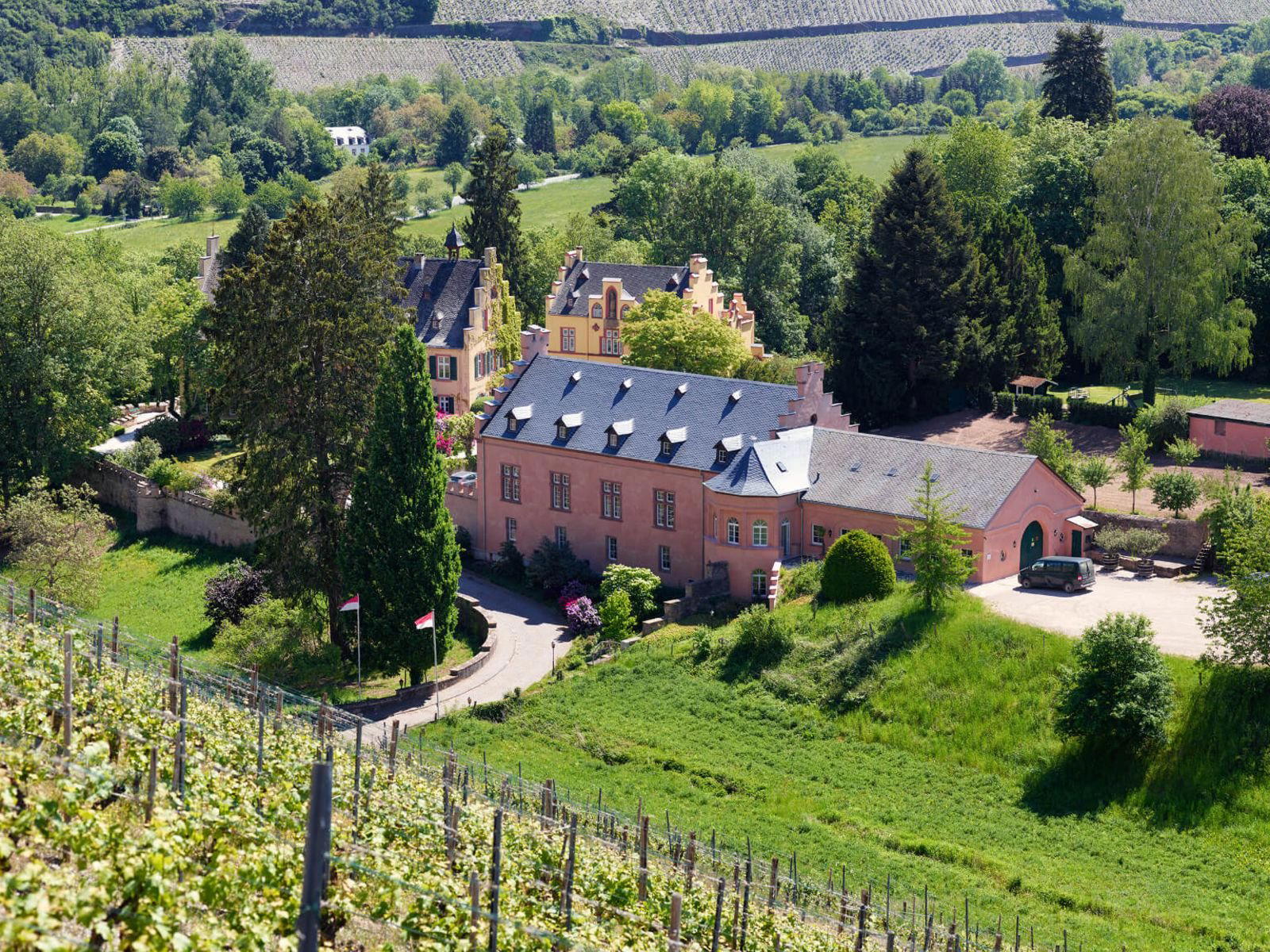
Schloss Monaise occupies a rococo hunting palace from the late 18th century on the western edge of Trier, a building type that elsewhere in Germany tends toward museum status or wedding venue kitsch. The choice to run a serious French restaurant inside such a structure places it in a small category of German dining addresses where the architecture is doing real contextual work, not just providing a backdrop. The palace sits at some remove from the city's pedestrianised centre, which means arriving here feels like a deliberate act rather than a casual decision, a structural feature that shapes the dining experience before any food appears.
Where Schloss Monaise Sits in Trier's Restaurant Tier
Trier's formal dining circuit is modest in scale but covers distinct price and style bands. At the leading end, BECKER'S operates at €€€€ with a creative format, while BECKER'S Weinhaus offers classic cuisine at €€. Bagatelle runs French Contemporary at the same €€€ price tier as Schloss Monaise, and Gastraum covers modern cuisine at the more accessible €€ level.
The kitchen has received a Michelin Plate in both 2024 and 2025. The Michelin Plate, introduced as part of the guide's expanded recognition framework, signals cooking that meets the guide's quality threshold without reaching star level. In practical terms, it tells you the kitchen is consistent and the sourcing is serious, while the cooking stays within a recognisable classical register rather than pushing toward the kind of experimental expression that tends to attract stars. For diners seeking reliable French technique in a setting with genuine architectural character, that is a useful credential rather than a consolation.
Classic French in the Moselle Context
The broader French classical tradition that Schloss Monaise works within has gone through significant repositioning across Europe over the past two decades. In Paris, many of the grandes maisons have either modernised their formats or retreated into institutional stiffness. The more interesting French classical tables now often operate outside France, in cities and regions where the tradition retains its original social function, as a marker of occasion, a framework for extended meals, and a cuisine in which technique is the point rather than a constraint to be overcome.
This is relevant context for understanding where a restaurant like Schloss Monaise fits, not just within Trier but within the wider European arc of classic French cooking. Comparable addresses in the German-speaking world include Cheval Blanc by Peter Knogl in Basel, which operates at a higher award level, and the long-running Waterside Inn in Bray, where the Roux family's classical French tradition has been sustained across generations. Schloss Monaise operates at a different tier from either of those addresses, but the culinary reference points, sauces, classical plating, a menu structure organised around courses rather than sharing concepts, place it within the same broad tradition.
Germany's recognised French-influenced restaurants tend to cluster in major cities. Vendôme in Bergisch Gladbach and Restaurant Haerlin in Hamburg represent the high end of that spectrum, while JAN in Munich works in a more contemporary register. The Trier region's French-leaning kitchens benefit from a more organic connection to that tradition, given the city's proximity to the French and Luxembourgish borders, without the self-consciousness that sometimes attaches to French restaurants in cities further east.
The Setting as Dining Argument
The rococo palace format carries specific expectations. Proportioned rooms, high ceilings, and an refined formality of setting that nudges both kitchen and guest toward a particular register. In Germany, a handful of Schloss restaurants have made that format work as a genuine hospitality proposition rather than a heritage experience with food attached. The architectural distance from central Trier also functions as a filter: the clientele skews toward occasion dining and toward guests who have made a specific choice to come here, rather than walk-ins from the tourist circuit around the Porta Nigra.
For those building a broader Trier itinerary, the full Trier restaurants guide maps the city's dining options across price tiers and styles. The Trier wineries guide is the natural companion piece, given the Moselle's standing as one of Germany's most serious Riesling regions and the extent to which Moselle wines feature on any serious local wine list. For accommodation and other planning, the Trier hotels guide, bars guide, and experiences guide cover the full picture.
Schloss Monaise is located at Schloß Monaise 7, 54294 Trier. The palace address sits outside the compact historic centre, so a taxi or car is the practical approach rather than arriving on foot from the main sights.
Other German Kitchens in the Classical and Contemporary Register
For those whose travel takes them beyond Trier, Germany's broader fine dining circuit includes several kitchens worth noting alongside the classical French tradition. Schwarzwaldstube in Baiersbronn and Aqua in Wolfsburg represent the country's highest-recognition tier. ES:SENZ in Grassau and CODA Dessert Dining in Berlin represent more experimental departures from the classical model. Schloss Monaise occupies a different position from all of these, regional, historically grounded, and working within a French classical idiom that asks to be judged on consistency and setting rather than innovation.
Frequently asked questions
What should I budget for a meal at Schloss Monaise?
Pricing at Schloss Monaise is listed as €€€.
Does Schloss Monaise have a Michelin star or similar recognition?
Schloss Monaise has received recognition including: Michelin Plate (2025); Michelin Plate (2024).
What do people recommend at Schloss Monaise?
Given the €€€ price point and Michelin Plate recognition in both 2024 and 2025, guests consistently point to the classical French courses as the reason to visit, the format rewards those who commit to a full sitting rather than a shorter menu. The rococo palace setting at Schloß Monaise 7 is itself a draw, with the room doing considerable work on the overall experience. Because menu specifics are not publicly detailed, booking ahead and asking the kitchen about current seasonal direction is the practical approach.
Accolades, Compared
| Venue | Cuisine | Price | Awards | Notes |
|---|---|---|---|---|
| Schloss MonaiseThis venue (the venue you are viewing) | Modern German Fine Dining | Not listed | Michelin Plate | Not listed |
| Bagatelle | Modern French Fine Dining with Japanese Accents | Not listed | 1 Michelin Star · World's 50 Best #36 | French Contemporary |
| BECKER'S | Modern German Wine Bar | $30–50 | Michelin Plate | Creative |
| BECKER'S Weinhaus | Classic Cuisine | Not listed | Not listed | Not listed |
| Gastraum | Modern Regional German | $50–100 | Michelin Plate | Not listed |
Recognition history
Dated appearances from independent guides and award organizations, with the underlying list record or original source where available.
Michelin Plate
Michelin
Full recognition history (3 entries)
Michelin Plate
Michelin
Michelin Plate
Michelin
Continue exploring
More in Trier
Restaurants in Trier
All restaurants in Trier →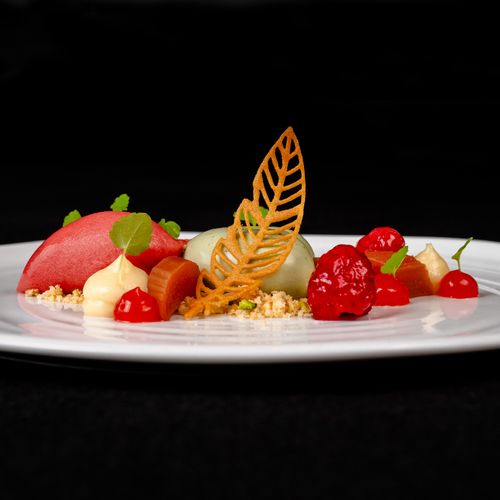
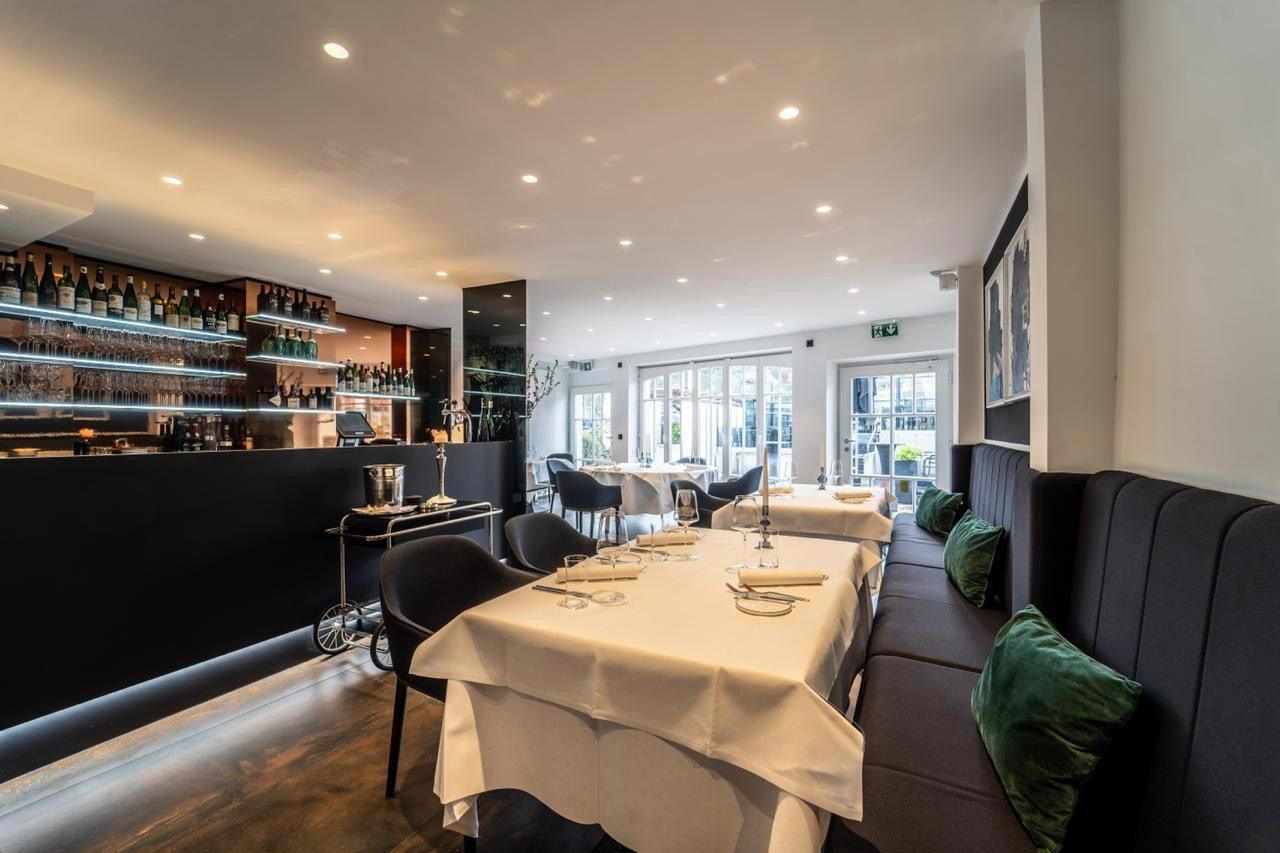
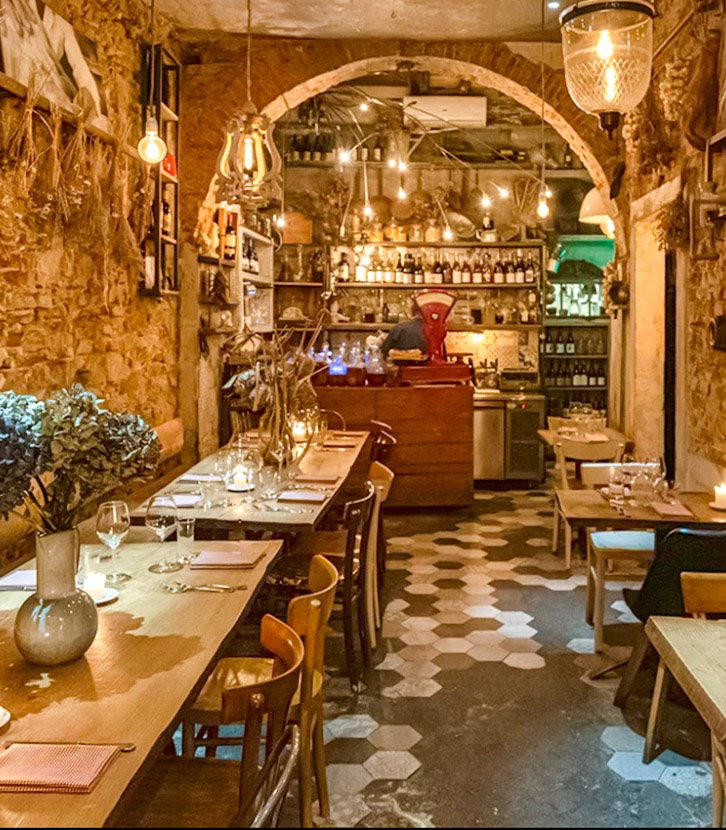
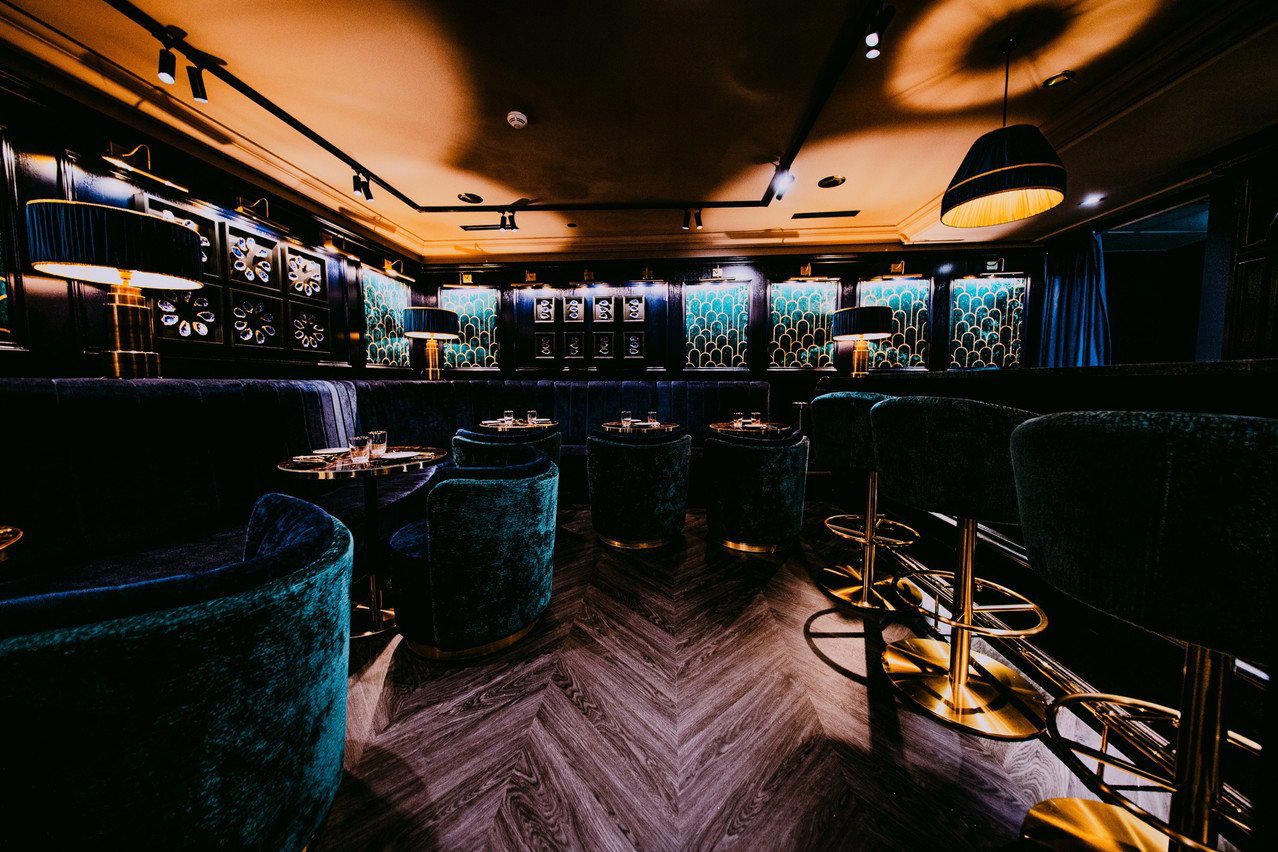
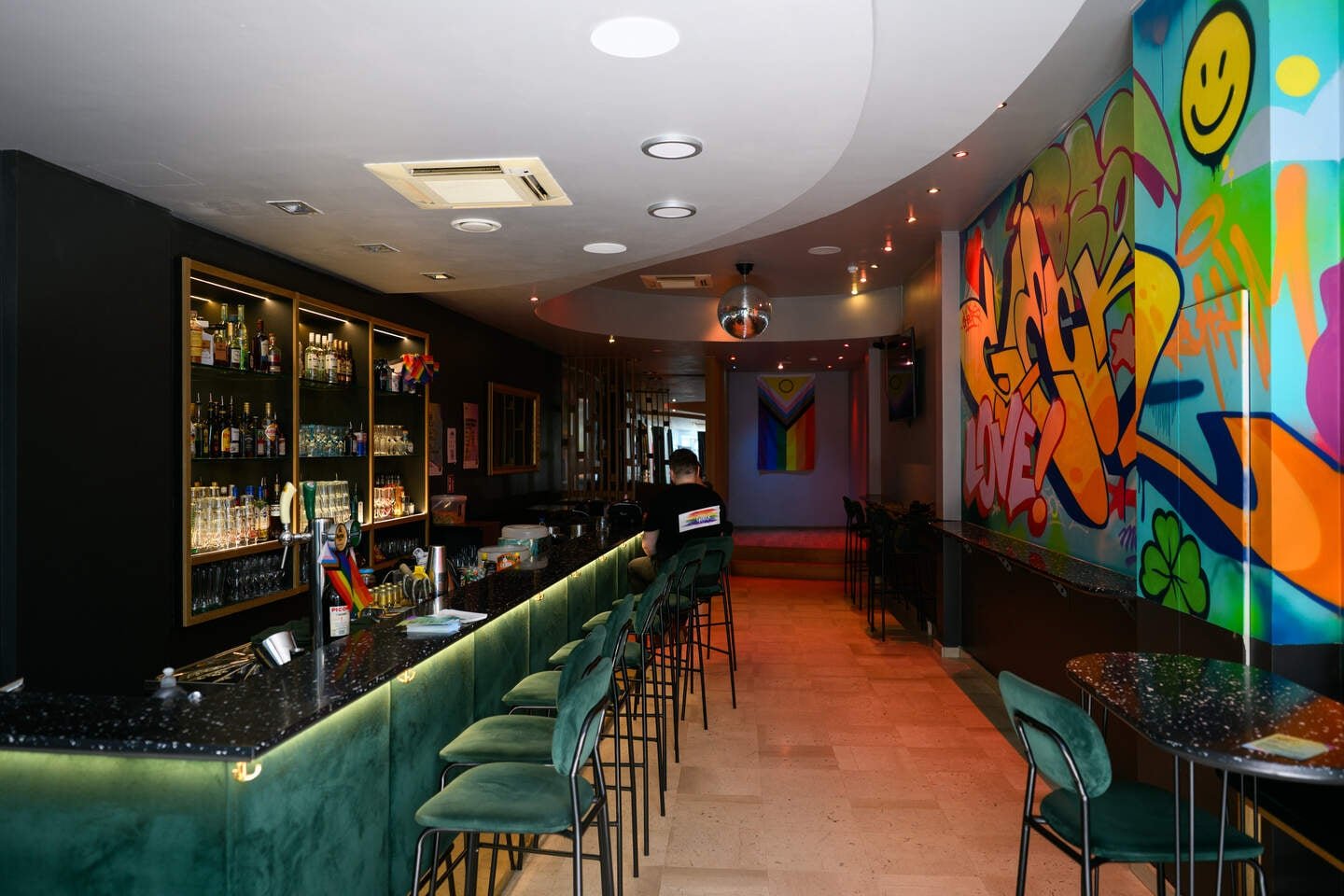
Bars in Trier
All bars in Trier →
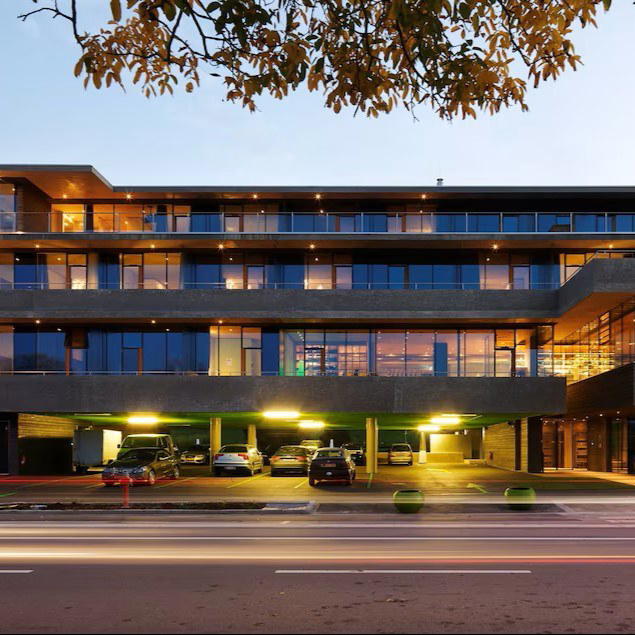
Hotels in Trier
Browse all →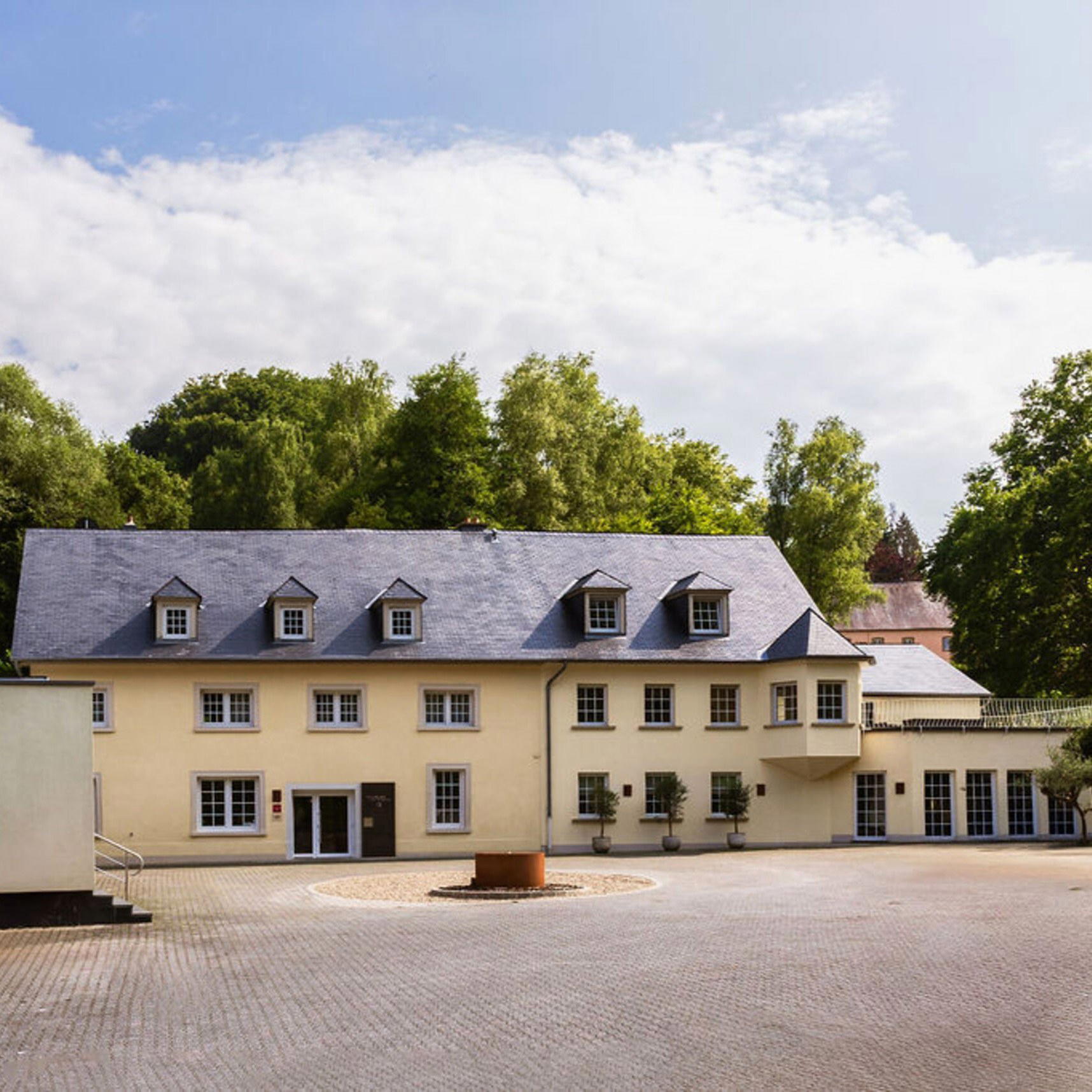
Schloss Monaise
The wine
- Wine program
- Deep wine list
- Extensive wine list
Details
- Romantic
- Elegant
- Classic
- Intimate
- Sophisticated
- Date Night
- Special Occasion
- Business Dinner
- Historic Building
- Terrace
- Extensive Wine List
- Local Sourcing
- Garden
- A La Carte
- Set Menu
- Wine
Current opening hours
- Monday
- Closed
- Tuesday
- Closed
- Wednesday
- 12–2 PM, 6–9:30 PM
- Thursday
- 12–2 PM, 6–9:30 PM
- Friday
- 12–2 PM, 6–9:30 PM
- Saturday
- 12–2 PM, 6–9:30 PM
- Sunday
- 12–2 PM, 5:30–9 PM
Hours can change for holidays and private events. Hours as of .
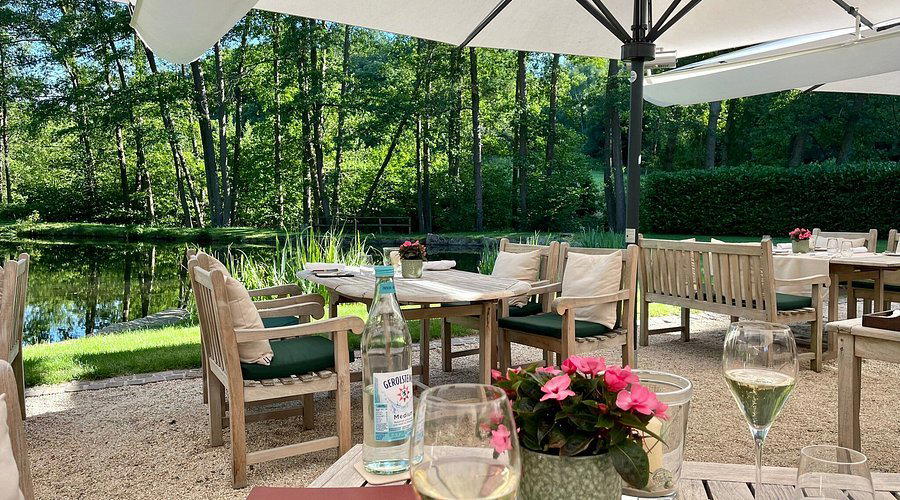
Warm, inviting historic castle ambiance with elegant high-ceilinged rooms and a terrace overlooking gardens and the Moselle.