Eurener Hof sits on Eurener Strasse in the southern reaches of Trier, a city whose Roman foundations and Mosel Valley position make it one of Germany's most historically layered dining destinations. The address places it outside the tourist centre, in a residential corridor that rewards those willing to look beyond the obvious. For travellers building a serious itinerary around the Trier region, it belongs on the list alongside the city's more prominent tables.
Pearl is the En Primeur Club membership app — saves, bookings, and concierge access live there. Same editors, same standards.
- Address
- Eurener Str. 171, 54294 Trier, Germany
- Phone
- +494965182400
- Website
- eurener-hof.de
- Directions
- Get directions
 Saves & bookings on Pearl
Outside the Centre, Inside the Conversation
Trier's dining scene has always operated along a clear geographic divide. The restaurants that draw international attention cluster around the Hauptmarkt and the cathedral quarter, where addresses like Bagatelle (French Contemporary) and BECKER'S Weinhaus anchor the city's fine-dining reputation. Then there is the outer ring: addresses on numbered streets in residential Trier, where the signage is modest and the clientele is almost entirely local. Eurener Hof is a restaurant in Trier, Germany, at Eurener Str. 171, 54294 Trier, with Traditional German cooking and a recommended reservation policy. The building sits in a part of the city where the Roman amphitheatre and the Porta Nigra feel like distant reference points rather than immediate neighbours, and that distance is precisely what defines the experience on offer here.
Approaching from the centre, the shift in character is gradual. The Mosel wine country that frames so much of the region's culinary identity does not stop at the city limits, and the agricultural logic of the surrounding landscape has historically shaped what kitchens in this corridor do with their sourcing. Trier's position at the junction of several distinct growing zones, the Mosel, the Saar, and the Ruwer, means that ingredient provenance is rarely an afterthought in the better establishments. The question worth asking of any serious Trier address is not merely what it serves, but where that produce originates and how the kitchen treats the relationship between the plate and the region.
What the Sourcing Tradition Tells You
Germany's mid-tier regional dining has undergone a quiet but sustained shift over the past decade. In cities like Trier, particularly durable addresses outside the headline bracket are those that have built consistent relationships with local producers rather than chasing fashionable technique or seasonal menu theatrics. The Mosel Valley in particular generates a sourcing ecosystem that extends well beyond its celebrated Riesling: river fish, game from the Eifel highlands to the north and west, wild herbs from the forest margins, and livestock reared on the patchwork of small farms that fill the space between vineyards. Kitchens that tap this network, even modestly, tend to produce food that reflects the region in a way that no amount of imported prestige ingredient can replicate.
This is the culinary tradition into which an address like Eurener Hof fits. The outer districts of Trier have historically housed the kind of establishment that serves the working and professional population of the city rather than its visitors: direct in format, grounded in local produce, and priced against local expectations rather than tourist-season demand. These are the kitchens that maintain the baseline of regional cooking. They are instead the kitchens that maintain the baseline of regional cooking, the kind of places that Gastraum and Marcels in the city centre operate differently from, by virtue of audience alone.
Trier in the Wider German Fine-Dining Context
To understand what Eurener Hof represents, it helps to situate Trier itself within the broader German restaurant hierarchy. The country's highest-recognition addresses, such as Schwarzwaldstube in Baiersbronn, Aqua in Wolfsburg, and Vendôme in Bergisch Gladbach, operate in a different register entirely from what the Mosel region produces. The Trier-adjacent fine-dining tier is represented by Waldhotel Sonnora in Dreis and Schanz in Piesport, both within reach of the city. Victor's Fine Dining by Christian Bau in Perl, further along the Luxembourg border, extends that comparable set southward.
Below that tier, Trier's dining functions on a more local axis. The city's Roman heritage and steady academic population, anchored by the University of Trier, sustain a market for mid-range and neighbourhood dining that is broader and more consistent than comparable cities of similar size. Within that market, addresses on the periphery serve a different function from those in the historic centre: they absorb the city's everyday dining demand rather than its occasion-driven or visitor-facing trade. This structural difference matters when calibrating expectations. The restaurant is an address for the city, not for the guidebook.
Planning a Visit
Eurener Strasse 171 is accessible by car from central Trier in under ten minutes, and the southern district is also served by local bus routes connecting to the main Hauptbahnhof. For visitors building a broader Mosel itinerary that takes in the higher-end kitchens in the region, an evening here slots naturally into the kind of mixed programme that balances occasion dining with neighbourhood exploration. The address is well placed for visitors arriving by car from central Trier.
Travellers who want to compare against the city's more documented addresses can cross-reference with masons Restaurant Trier for a sense of what the city's more formal mid-market looks like, or step up to Bagatelle for French Contemporary at the €€€ tier. For a broader regional frame, the contrast between Trier's local circuit and the fine-dining addresses represented by JAN in Munich, ES:SENZ in Grassau, and Restaurant Haerlin in Hamburg illustrates how geographically distributed serious German cooking has become. Even venues outside the formal recognition tier participate in the wider sourcing and regional-cooking tradition that those kitchens draw from. For international context, the difference in scale and ambition between a neighbourhood address in Trier and a globally recognised room like Le Bernardin in New York City or the communal-format innovation at Lazy Bear in San Francisco is significant, but the underlying logic of ingredient-driven regional cooking connects them more than separates them. CODA Dessert Dining in Berlin represents yet another direction German dining has taken, one that prioritises format experimentation over regional rootedness. The restaurant sits at the opposite end of that spectrum.
Side-by-Side Snapshot
Comparable venues nearby, for context on price, style, and recognition.
| Venue | Cuisine | Price | Awards | Notes |
|---|---|---|---|---|
| Eurener HofThis venue — the venue you are viewing | Traditional German | $$ | Not listed | Not listed |
| Marcels | Modern German Bistro | $$ | Not listed | Kürenz |
| Villa Hügel | Contemporary Central European | $$$ | Not listed | Trier-Süd |
| masons Restaurant Trier | International Tapas Around the World | $$ | Not listed | Trier City Center |
| Weinwirtschaft Friedrich-Wilhelm | Regional German with Lebanese & Mediterranean Influences | $$ | Not listed | city center |
| Schloss Monaise | Modern German Fine Dining | $$$$ | Michelin Plate | Trier |
At a Glance
- Romantic
- Cozy
- Classic
- Family
- Casual Hangout
- Terrace
- Garden
- Hotel Restaurant
- Garden
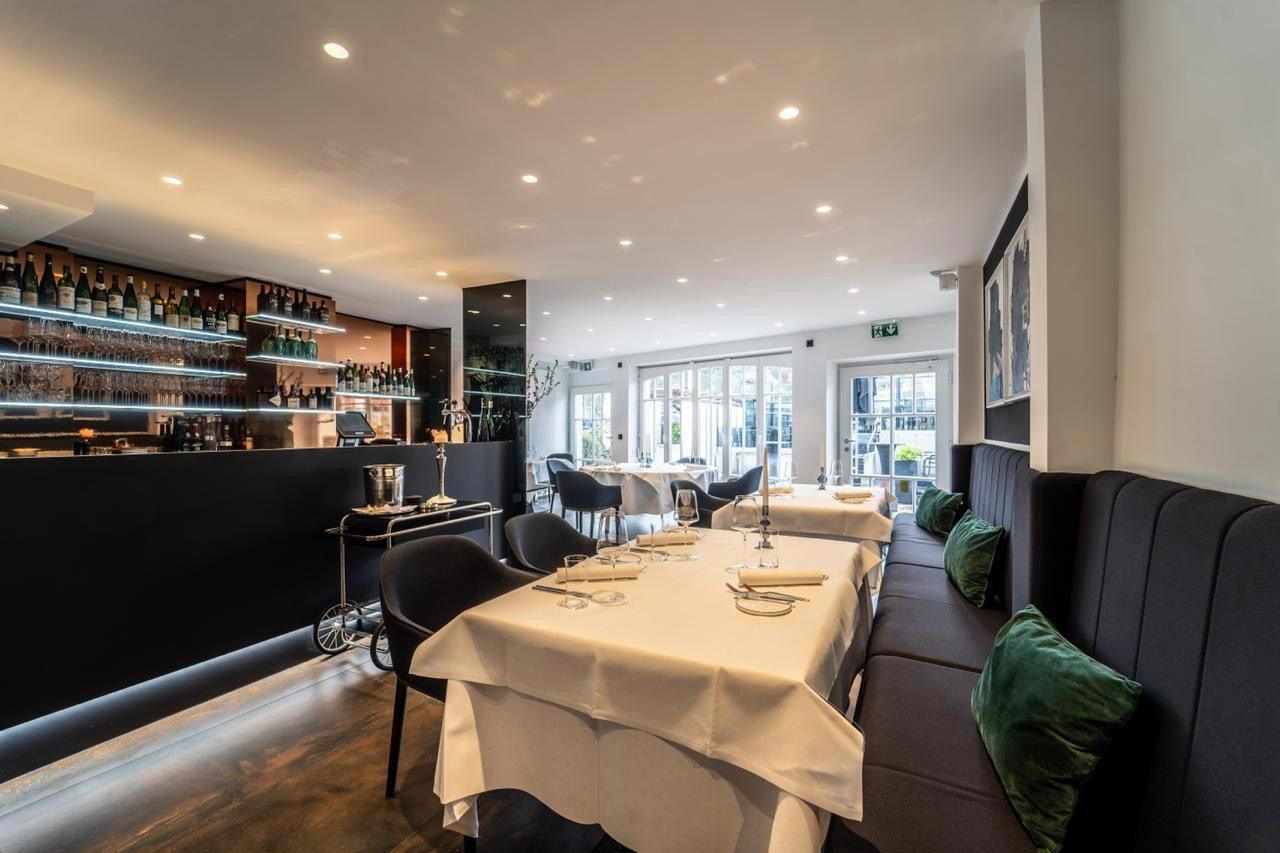
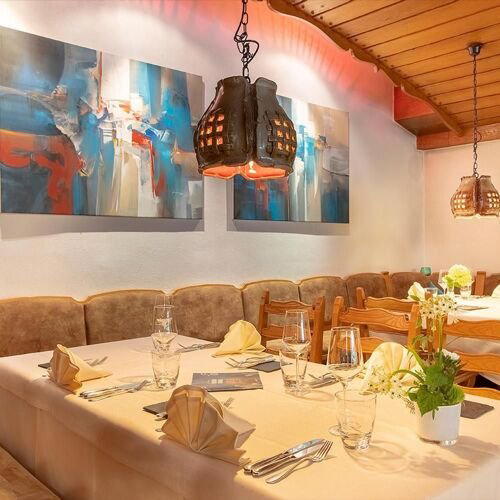
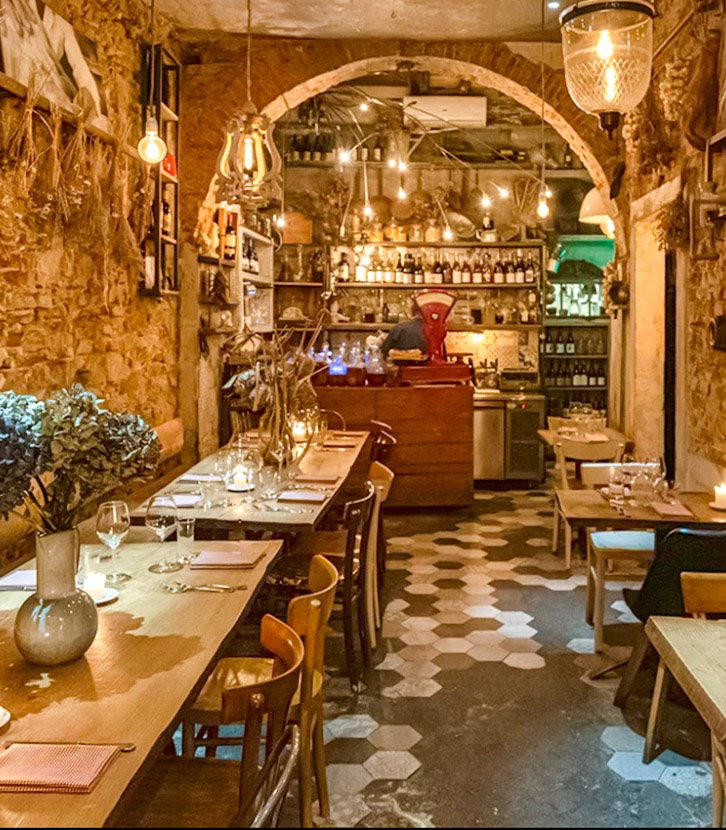
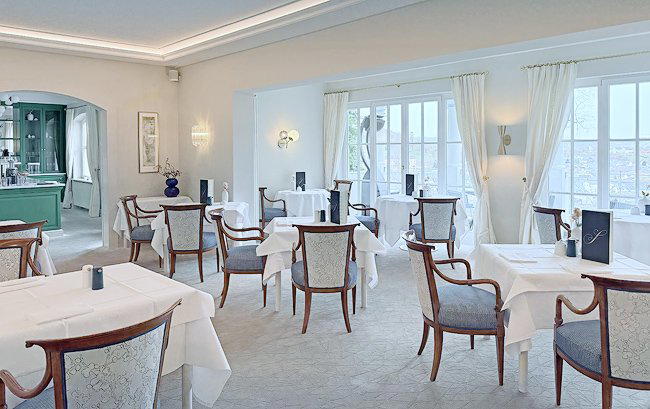
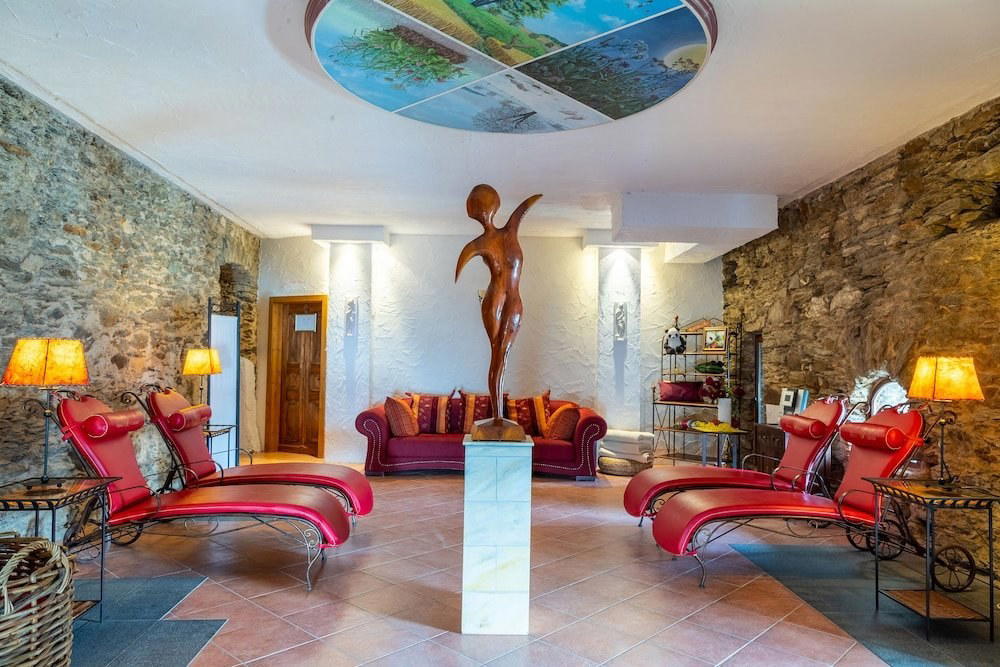
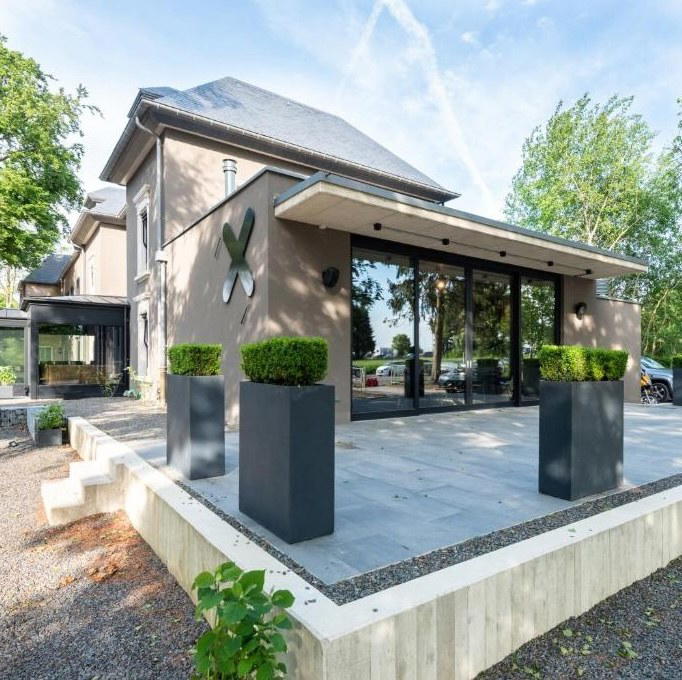
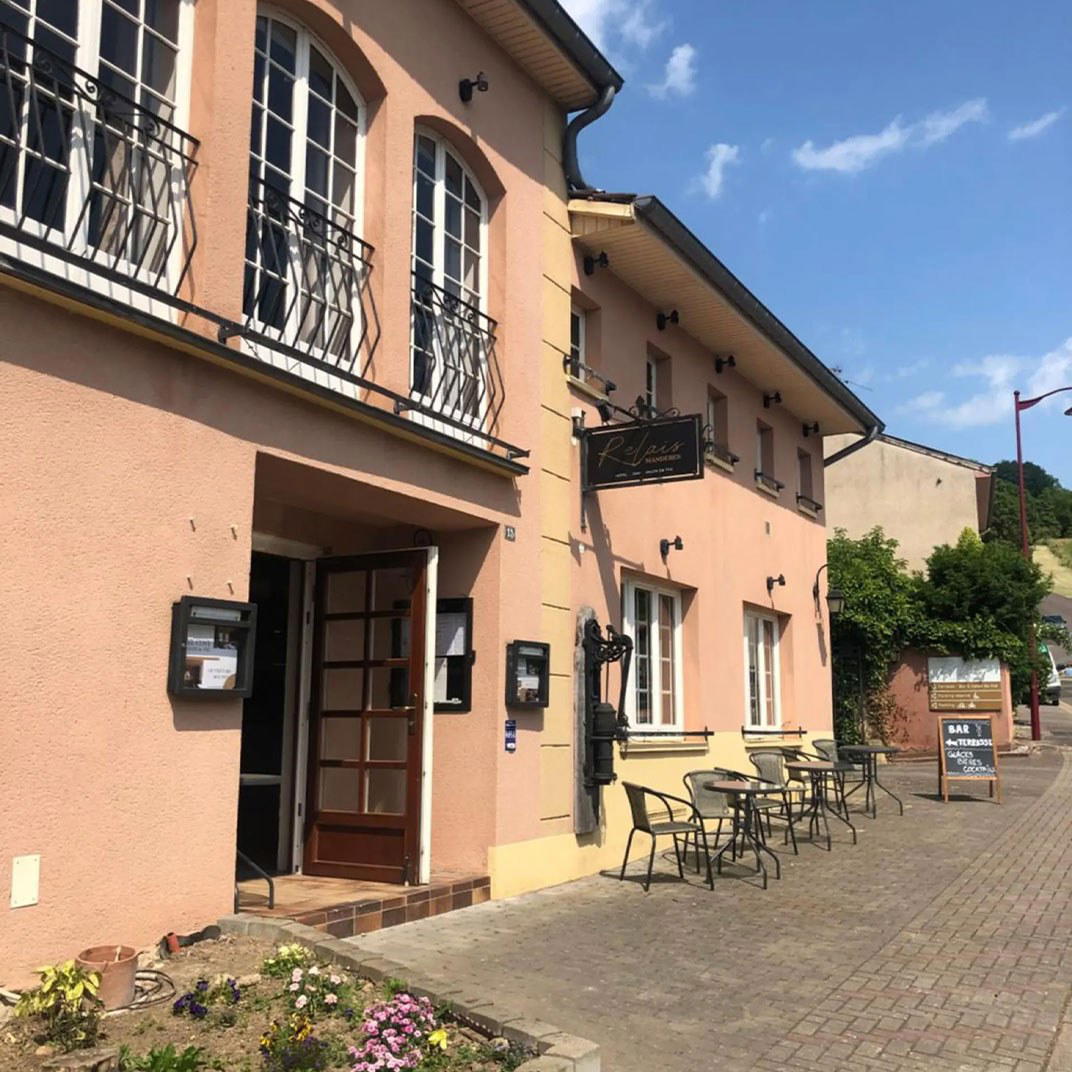
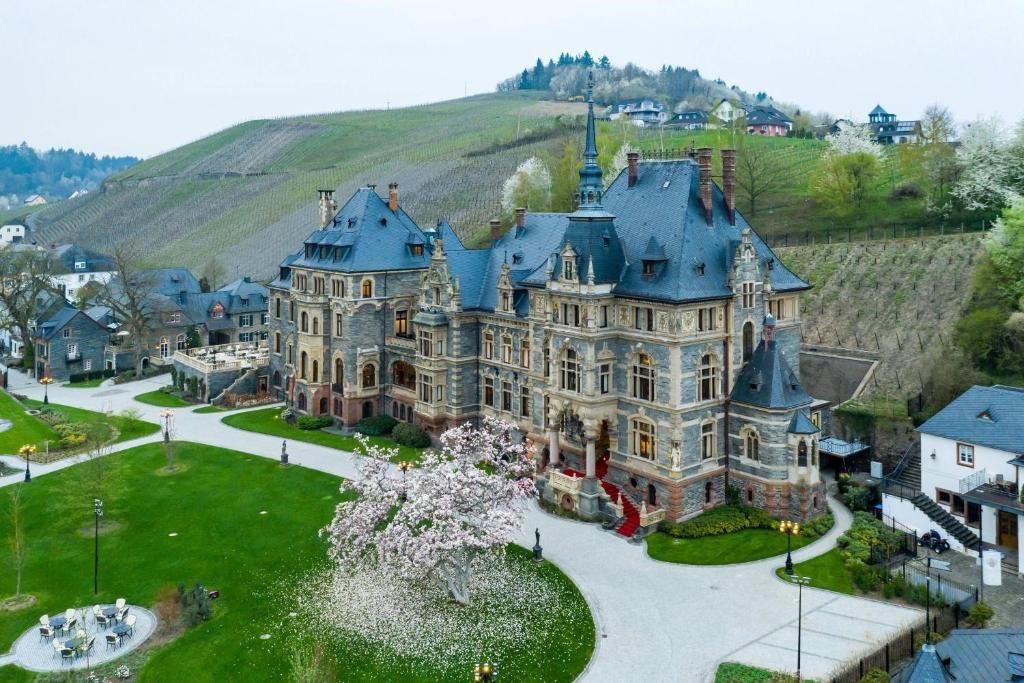
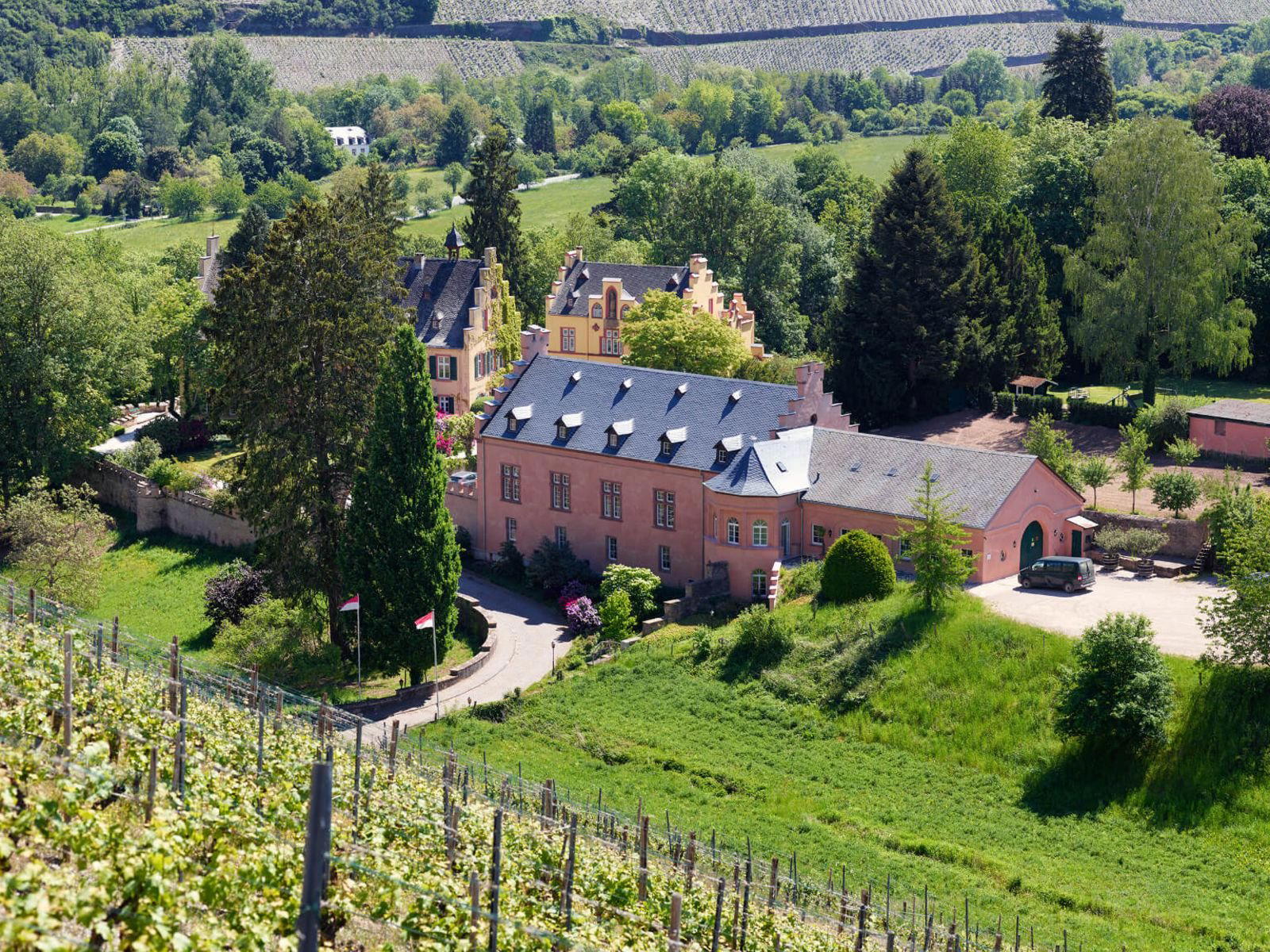
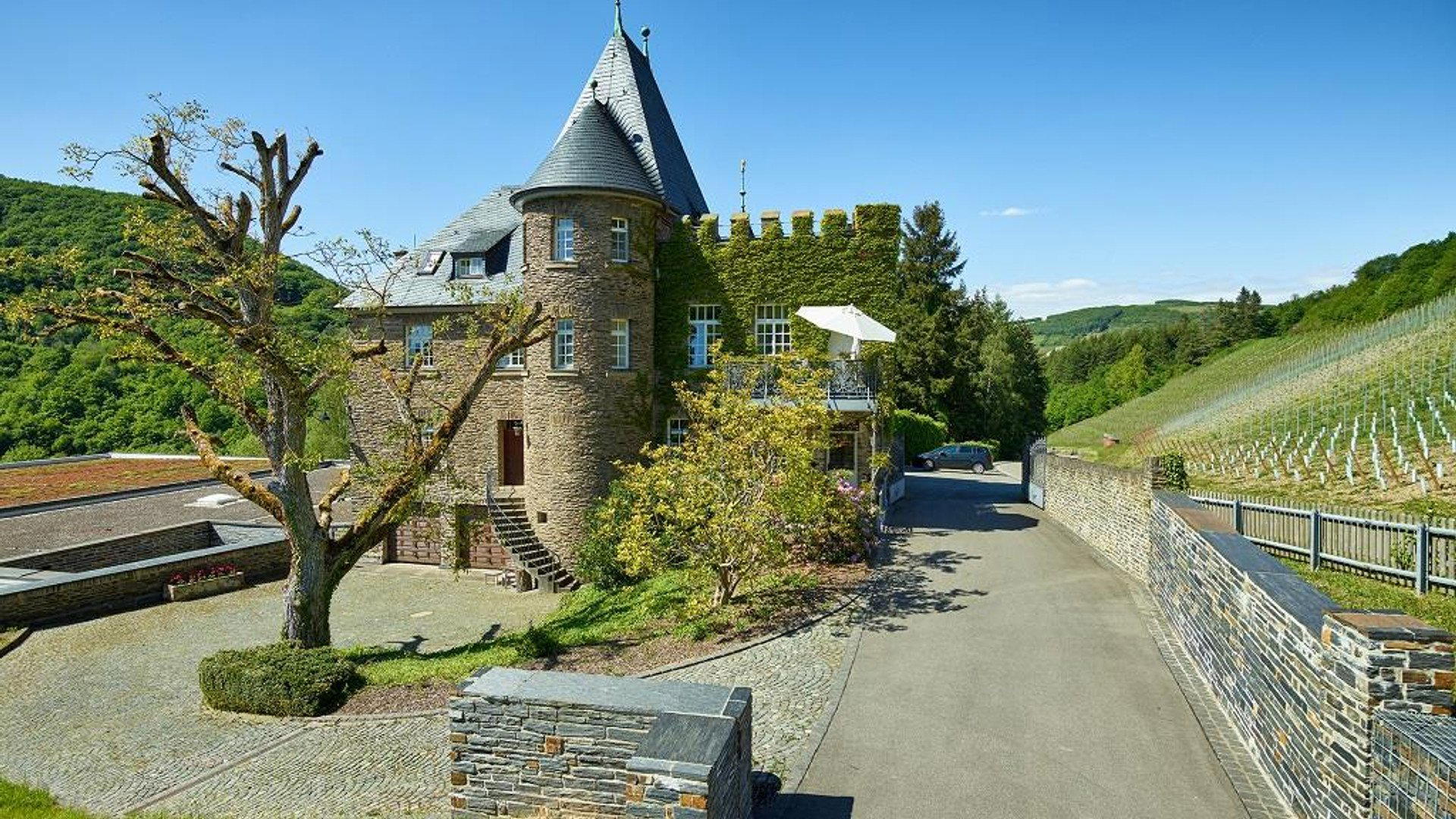
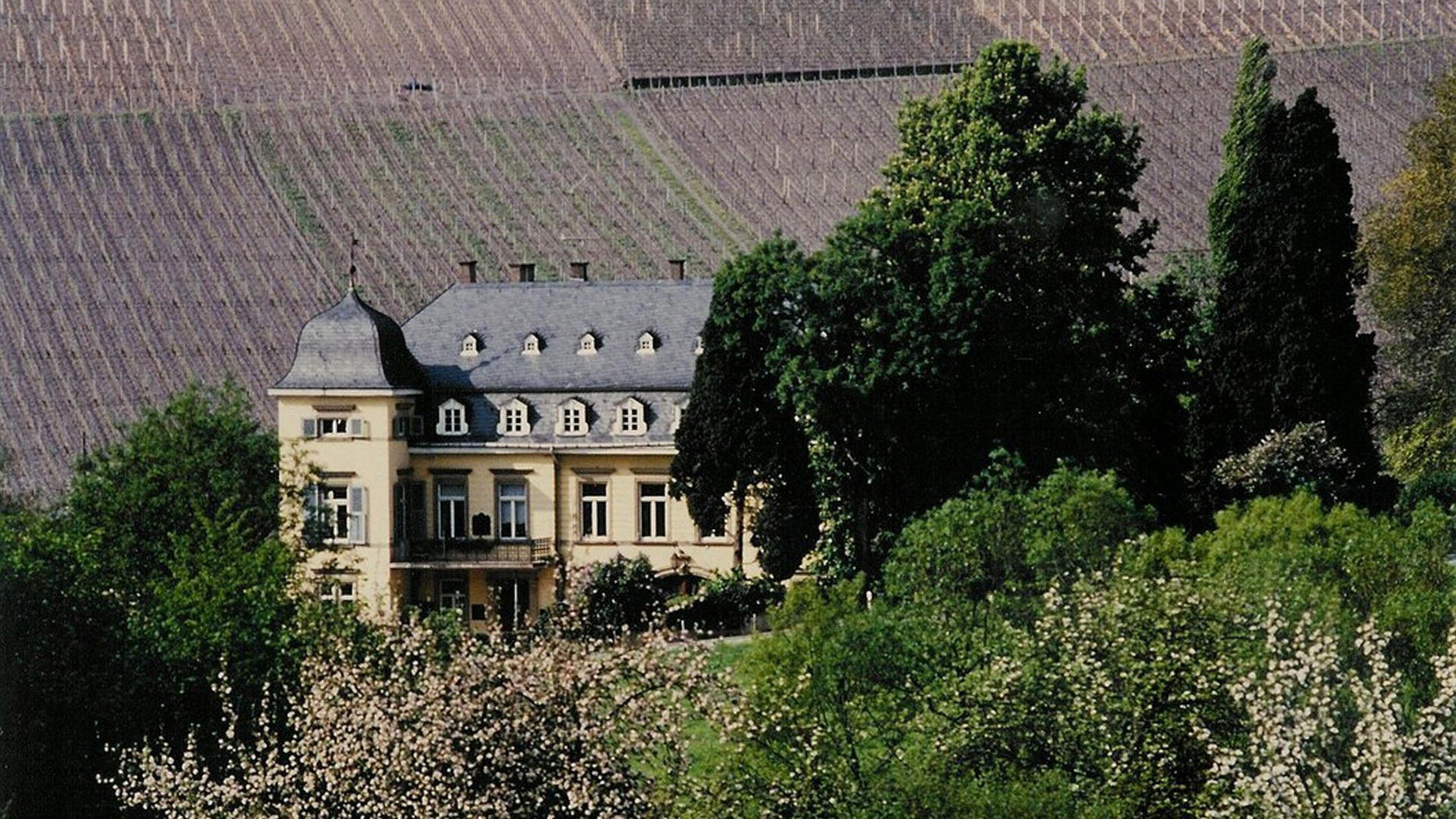
Cozy and romantic atmosphere with beautiful decor, garden terrace, and traditional Germanic style.