Victory Tap
Victory Tap sits at 1416 S Michigan Ave in Chicago's South Loop, a neighborhood where sports bars and casual taverns outnumber destination dining rooms. The venue occupies a stretch of Michigan Avenue that has seen steady commercial development tied to nearby Grant Park and the Museum Campus, making it a natural stop for locals and visitors moving between the lakefront and the city's broader dining corridor.
Pearl is the En Primeur Club membership app — saves, bookings, and concierge access live there. Same editors, same standards.
- Address
- 1416 S Michigan Ave, Chicago, IL 60605
- Phone
- +13125669300
- Website
- victoryitalian.com
- Directions
- Get directions
 Saves & bookings on Pearl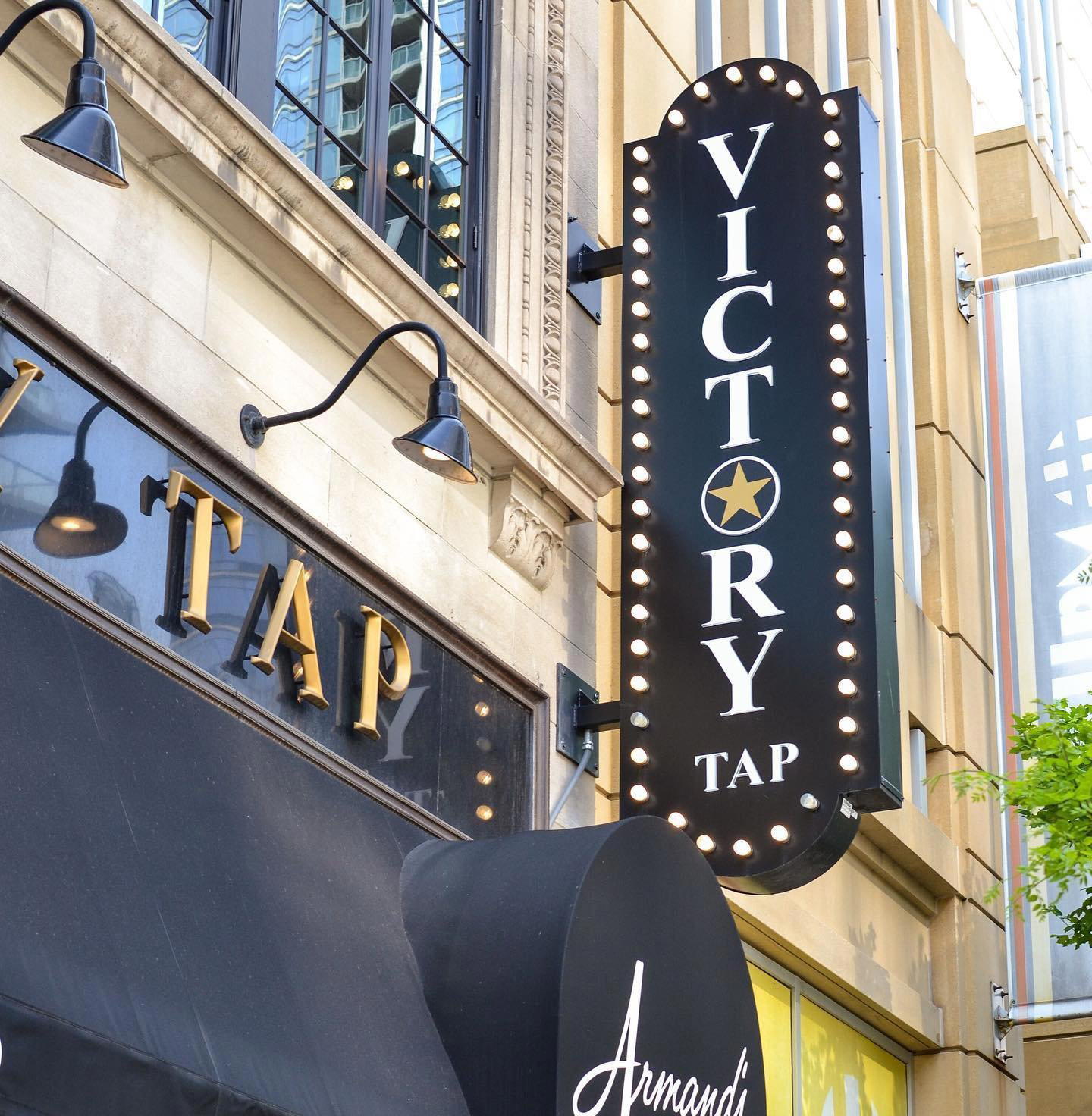
South Loop, Michigan Avenue, and the Bar That Anchors the Block
Michigan Avenue south of the Chicago River splits into two distinct commercial identities. North of Monroe Street, the Magnificent Mile draws the flagship retail crowd and hotel-attached dining rooms. South of that threshold, the avenue runs through the South Loop with a different pace: sports venues, cultural institutions, and the kind of neighborhood bars that serve regulars rather than tourists. Victory Tap sits at 1416 S Michigan Ave, in this southern corridor, a few blocks from Soldier Field and within walking distance of the Museum Campus. That geography shapes the room as much as anything on the menu or behind the bar.
Chicago's South Loop has densified considerably over the past fifteen years, with residential towers replacing surface lots and a younger professional demographic replacing the area's older industrial character. Bars along this stretch of Michigan Avenue have responded to that shift in different ways: some have leaned into sports programming to capture the Soldier Field crowd on game days, while others have tried to serve the new residential base that wants something closer to a neighborhood local than a sports bar. Victory Tap occupies that contested middle ground, and the address on a busy arterial rather than a quieter side street means foot traffic arrives in waves rather than a steady evening stream.
How the South Loop Drinks: Context Before Choosing a Seat
Chicago's bar scene has fragmented into fairly distinct tiers over the past decade. At the leading end, the city's cocktail-forward program bars, concentrated in West Town, Logan Square, and River North, compete on technique and sourcing in ways that parallel what Alinea or Smyth do for the dining room: credentials, precision, and a point of view that can be articulated by the person behind the bar. Below that, the neighborhood tavern tier persists across most Chicago neighborhoods, sustained by regulars and proximity rather than programming. The South Loop, historically underserved relative to its residential density, has developed its bar stock more slowly than neighborhoods like Wicker Park or Pilsen.
Against that backdrop, a venue on S Michigan Ave near the lakefront institutions serves a specific function. The Museum Campus draws millions of visitors annually to the Field Museum, the Shedd Aquarium, and the Adler Planetarium. Soldier Field hosts NFL games, major concerts, and soccer matches. The bars in this corridor do their heaviest volume on event days, and the question for any individual venue is whether it has enough identity to draw people on the other 300-odd days of the year. Bars that succeed at this tend to develop a dual personality: broad enough to absorb a pre-game crowd, specific enough to mean something to the people who live nearby and don't need a reason to come in. For context on how Chicago's most credential-heavy dining venues have developed that kind of sustained identity, the full picture is in our Chicago restaurants guide, which covers the range from neighborhood locals to destination rooms like Oriole and Next Restaurant.
The Wine List Question on Michigan Avenue
One useful lens for reading any bar or casual dining room is what the wine list implies about the venue's self-conception. At the program bars and fine dining rooms, the cellar is a statement: Kasama's beverage program, for instance, reflects the same care as the kitchen, and the list at Le Bernardin in New York City has long been understood as a separate editorial act from the menu. At the neighborhood tavern level, the wine list is often functional rather than curated, covering the bases without making an argument. For a venue on a high-traffic arterial near sports infrastructure, the commercial logic typically points toward volume pours, domestic options at accessible price points, and a beer selection shaped by local brewery partnerships rather than a sommelier's hand.
What the address and neighborhood context do suggest is that the competitive set is not venues like Lazy Bear in San Francisco or Single Thread Farm in Healdsburg, where the wine program is a primary differentiator and a trained sommelier operates as a central figure. The comparable set here is defined by geography and function: South Loop bars serving a mixed crowd of residents, event-day visitors, and the lunch and early-dinner traffic generated by nearby offices and cultural institutions.
That said, Chicago's casual bar tier has seen genuine upgrading over the past several years. Venues that once stocked only domestic macro-lagers have added craft options and modest by-the-glass wine selections that reflect what their regulars actually drink. The question for any given venue in this tier is whether the beverage selection is curated with any deliberateness or simply assembled from distributor defaults. Venues like Bacchanalia in Atlanta and Providence in Los Angeles have shown that serious wine programs can coexist with accessible, neighborhood-facing formats, though that pairing is more common in dining-forward rooms than in bar-primary venues.
Placing Victory Tap in the Wider American Bar Conversation
The American neighborhood bar remains one of the more undertheorized formats in food and drink writing, which tends to concentrate its analytical energy on either the high-end cocktail bars or the dive bars with enough cultural cachet to attract feature coverage. The middle tier, bars that are neither technically ambitious nor deliberately rough, does most of the actual social work in American cities. In Chicago, this tier is thick and geographically spread: you will find its representatives in Bridgeport, Rogers Park, Avondale, and along commercial corridors like S Michigan Ave. For comparison across other American cities, venues like Emeril's in New Orleans, Addison in San Diego, and The Inn at Little Washington in Washington sit in entirely different tiers, but the same principle applies: format and neighborhood context determine competitive set before any individual venue characteristic does.
Victory Tap's position on Michigan Avenue near the South Loop's event infrastructure places it in a specific and commercially coherent niche. It is not competing with Atomix in New York City or 8 1/2 Otto e Mezzo Bombana in Hong Kong for the same diner's attention. It is competing for the person who has just come from the Field Museum, or who lives in the South Loop residential towers, or who needs somewhere to land before a Soldier Field event. That is a real market, and serving it well requires a different set of competencies than running a destination room. Blue Hill at Stone Barns in Tarrytown has made an argument about what a farm-rooted dining room can be; the restaurant's argument, if it has one, is being made to a different audience with different expectations.
Planning a Visit: What to Know Before You Go
The venue sits at 1416 S Michigan Ave, 60605, accessible by the CTA Red and Green lines, with Roosevelt station two blocks south. The South Loop's walkability from Grant Park and the lakefront museums makes the address convenient for anyone spending time in that part of the city. The restaurant recommends reservations, and its hours are Monday through Thursday from 3 to 10 PM, Friday and Saturday from 11:30 AM to 11 PM, and Sunday from 11:30 AM to 10 PM. Walk-in availability is likely higher on non-event weekdays, when the neighborhood's residential base rather than the event crowd sets the room's pace.
Accolades, Compared
Comparable venues nearby, for context on price, style, and recognition.
| Venue | Cuisine | Price | Notes |
|---|---|---|---|
| Victory TapThis venue — the venue you are viewing | Chicago-Style Italian | $$ | Not listed |
| Sapori Trattoria | Traditional Italian Trattoria | $$ | Lincoln Park |
| Il Girasole Trattoria | Northern Italian Trattoria | $$ | Avondale |
| Vito & Nick's Pizzeria | Classic Chicago Thin Crust Pizza | $$ | Ashburn |
| Pizza Lobo | New York-Style Pizza | $$ | West Loop |
| Forno Mauri | Northern Italian Pizzeria | $$ | Printer's Row |
At a Glance
- Classic
- Lively
- Group Dining
- Casual Hangout
- Family
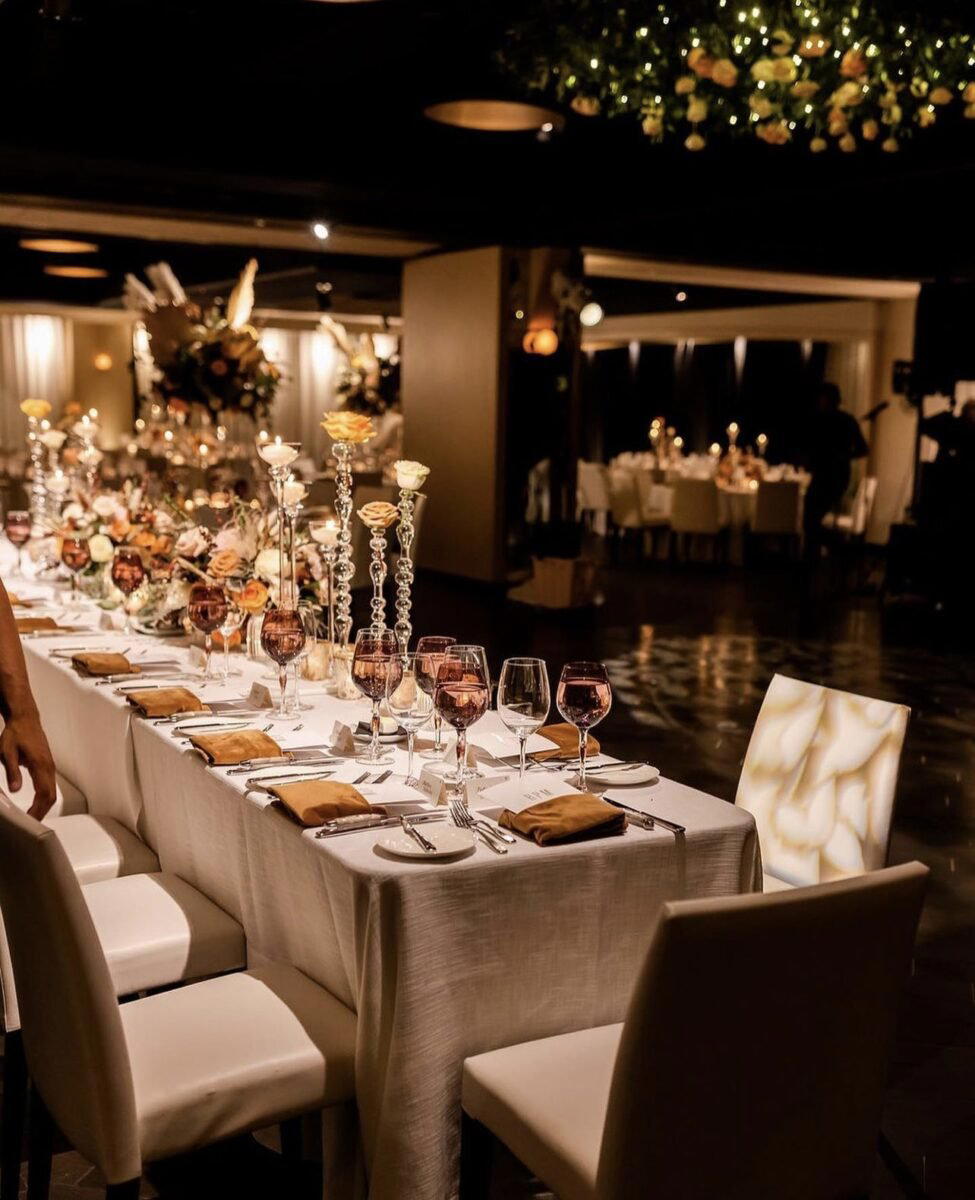
- Private Dining
- Craft Cocktails
Current opening hours
- Monday
- 3–10 PM
- Tuesday
- 3–10 PM
- Wednesday
- 3–10 PM
- Thursday
- 3–10 PM
- Friday
- 11:30 AM–11 PM
- Saturday
- 11:30 AM–11 PM
- Sunday
- 11:30 AM–10 PM
Hours can change for holidays and private events. Last verified .
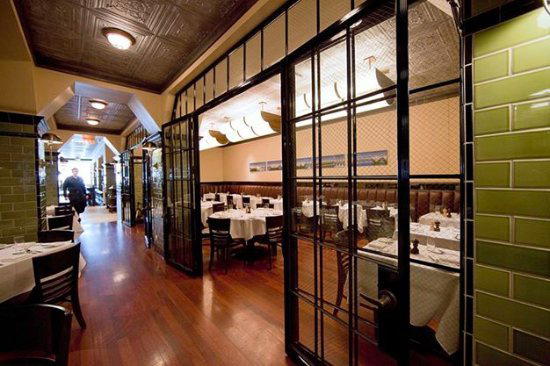
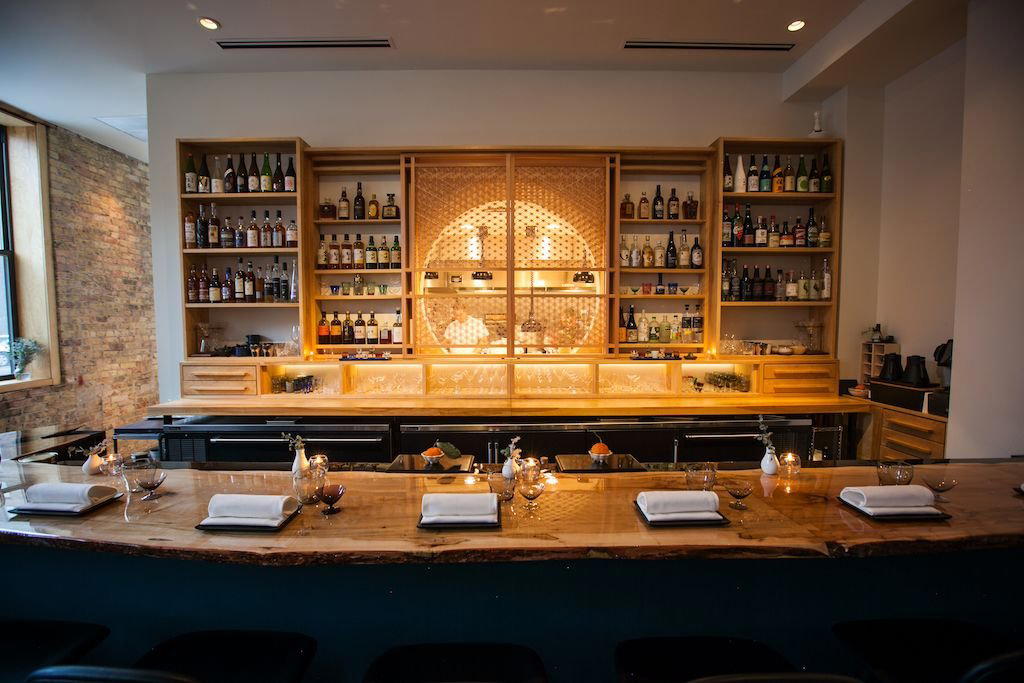
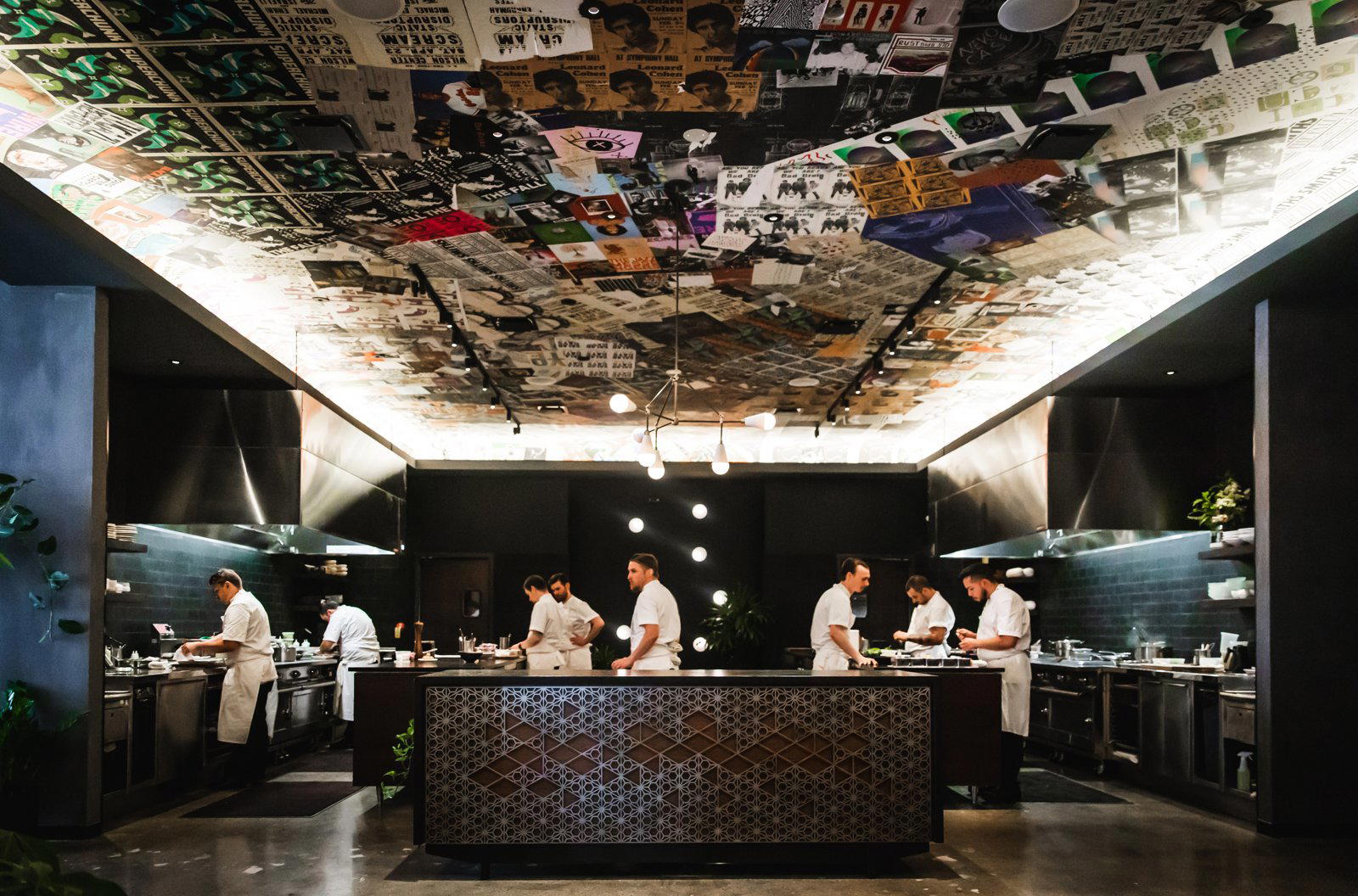
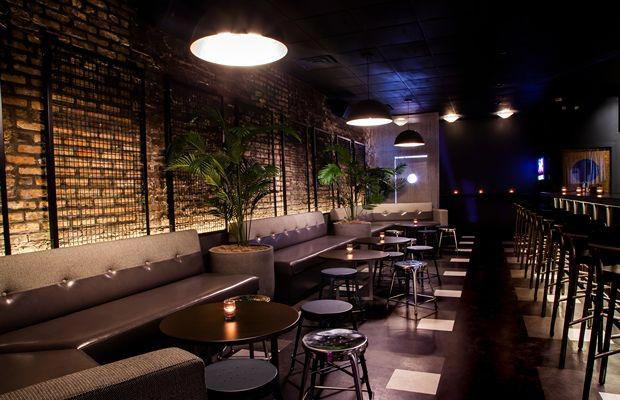
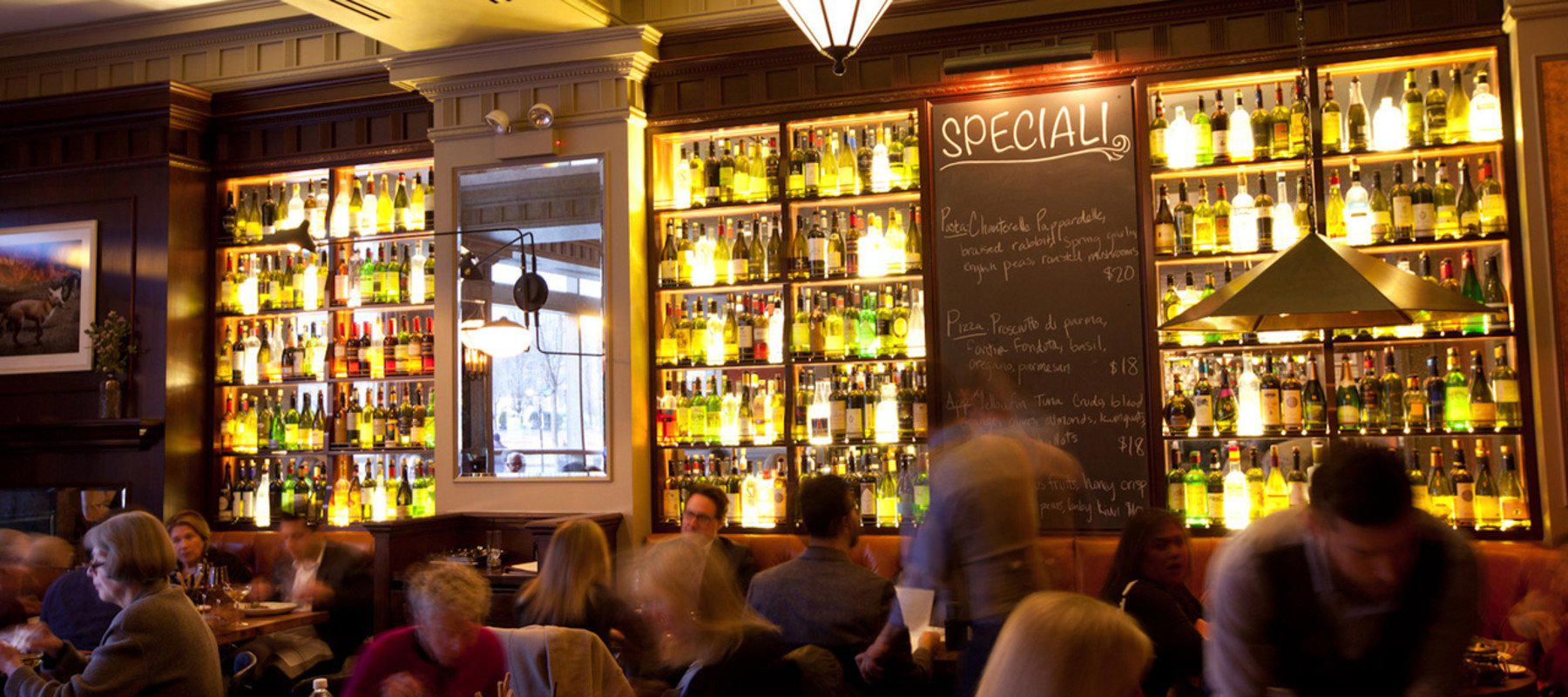
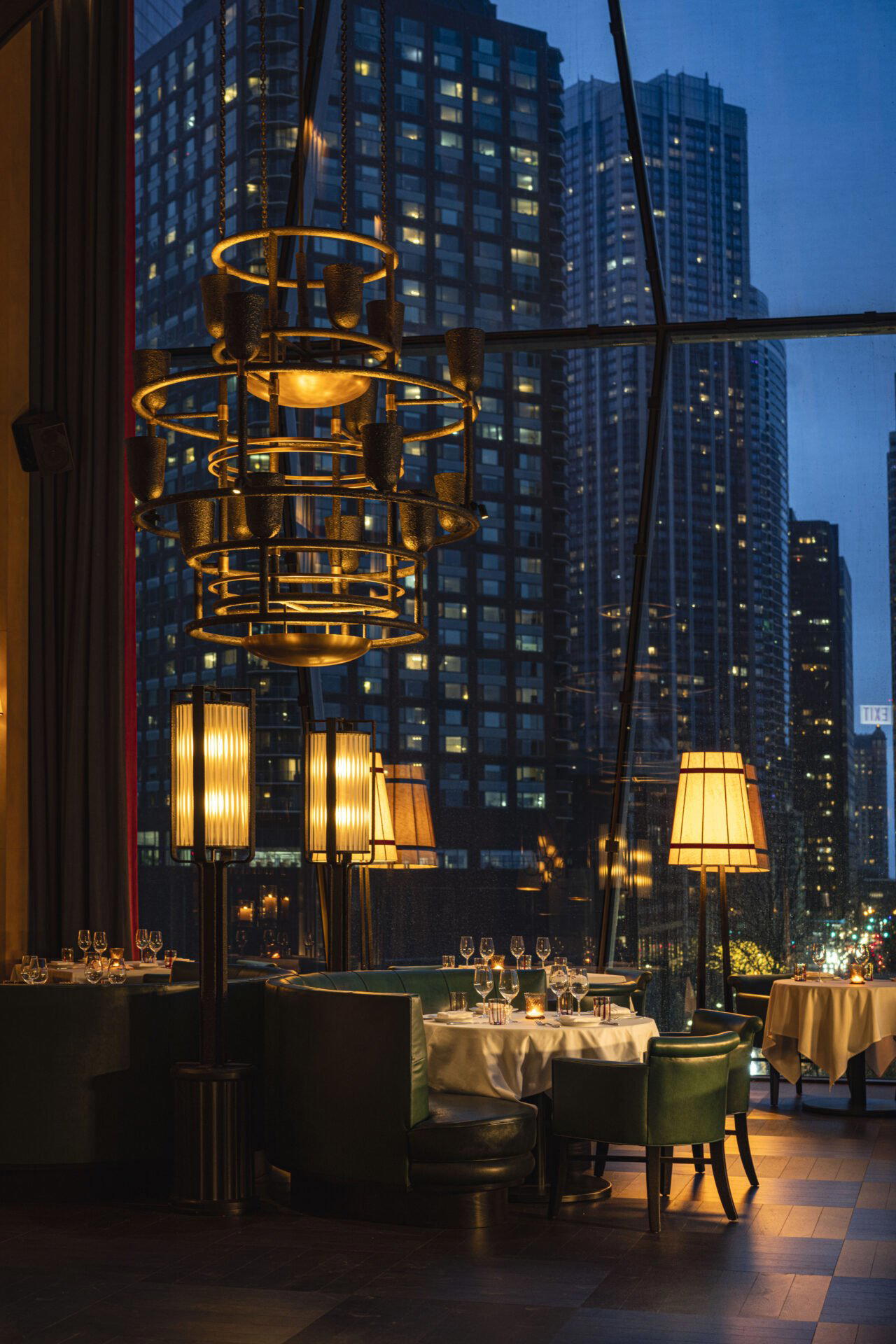
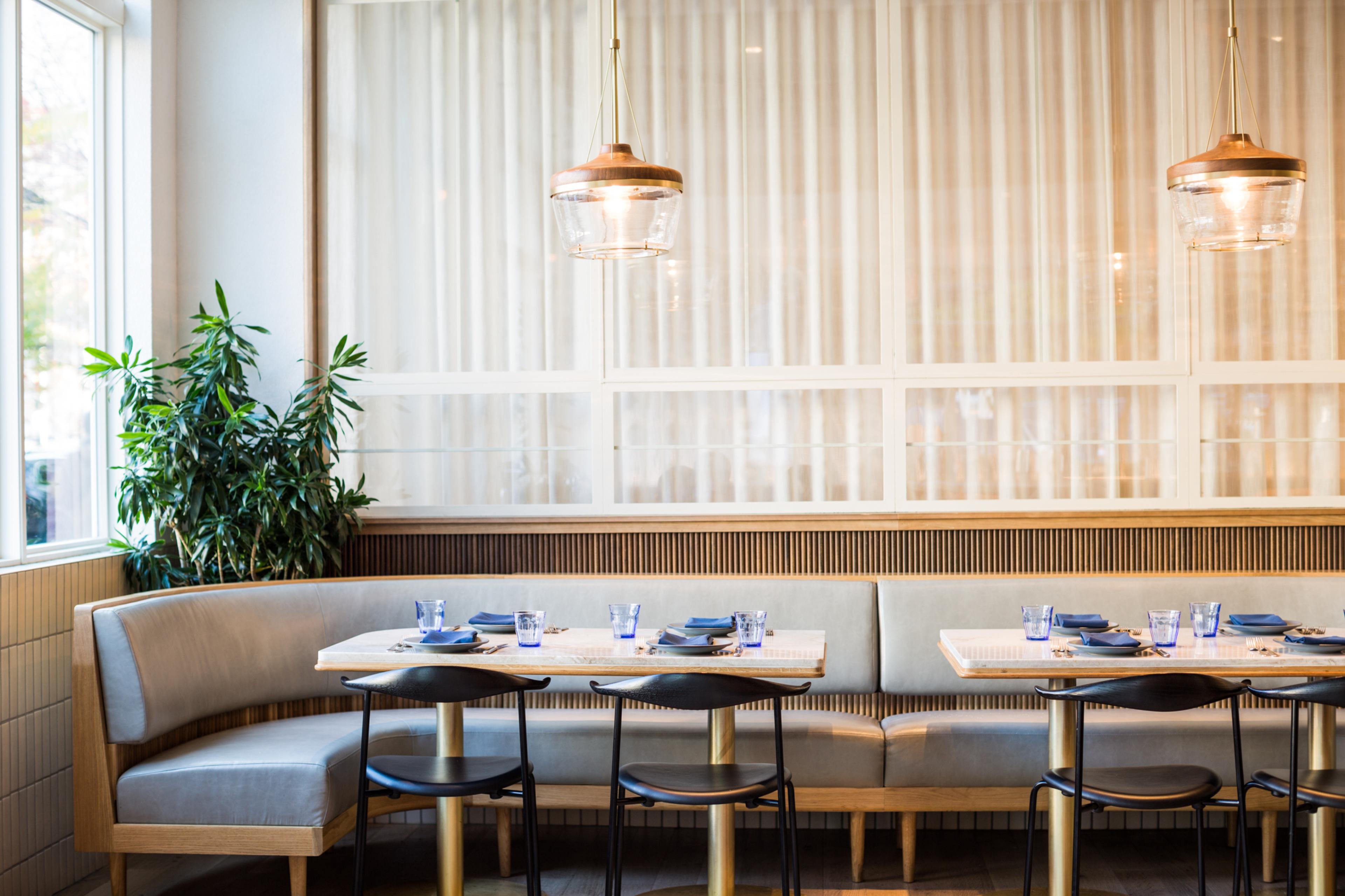
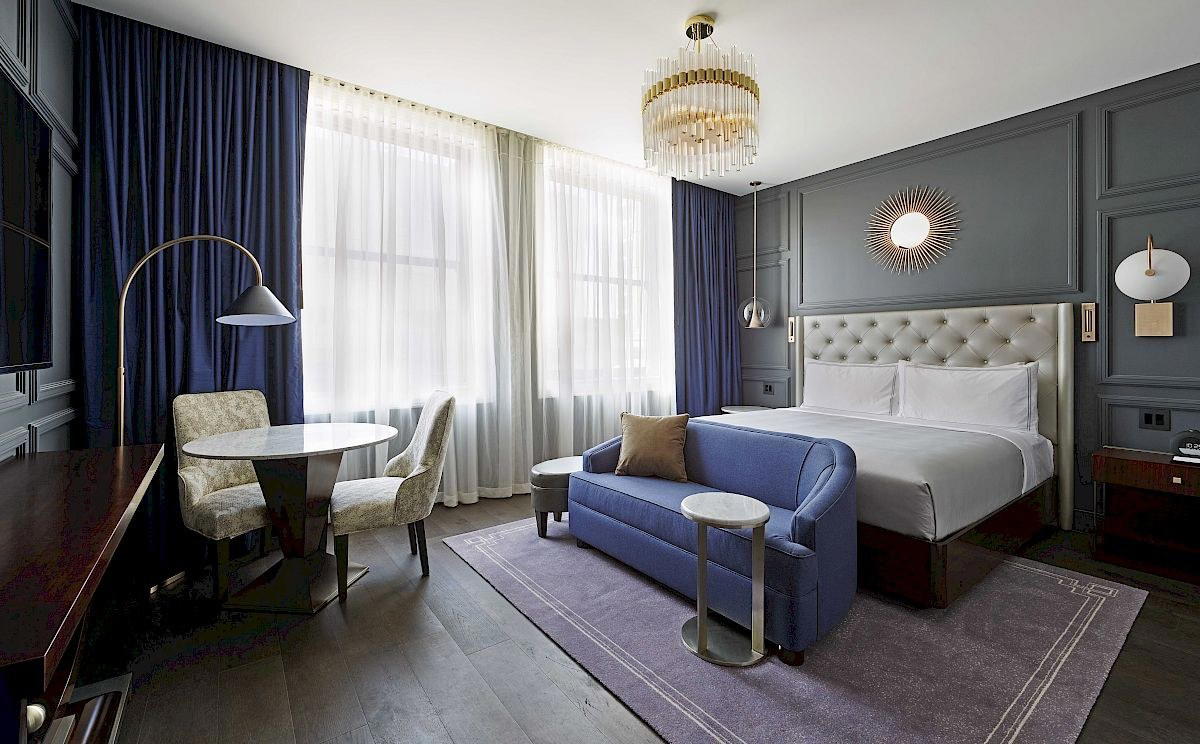
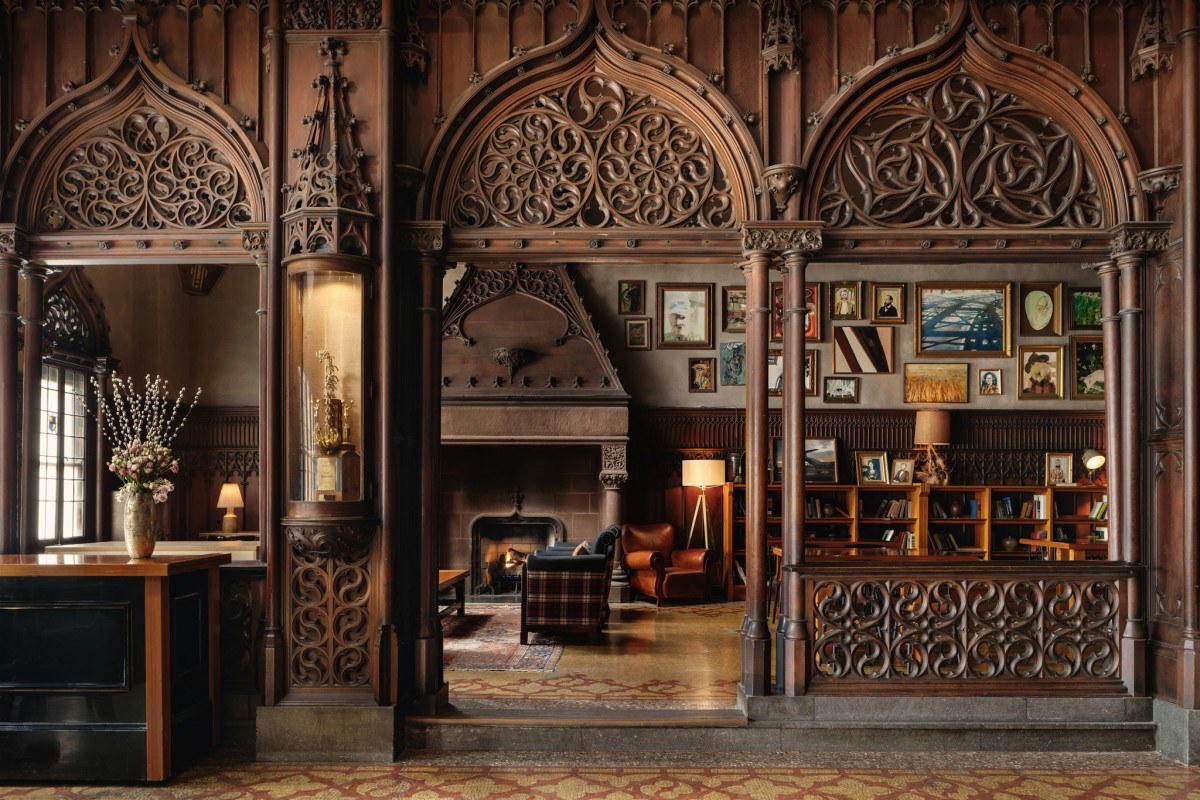
Dark wood interior with photos of old-school stars like the Rat Pack, featuring a dramatic bar and lively neighborhood atmosphere.