Vito & Nick's Pizzeria

Vito & Nick's Pizzeria on South Pulaski Road represents Chicago's tavern-style thin crust at its most direct: a neighborhood institution on the Far Southwest Side that has served the same cracker-crisp pizza for decades. Where the city's deep-dish tradition draws tourists, this is where locals have always gone. An essential counterpoint to Chicago's more celebrated pizza narrative.
Pearl is the En Primeur Club membership app — saves, bookings, and concierge access live there. Same editors, same standards.
- Address
- 8433 S Pulaski Rd, Chicago, IL 60652
- Phone
- +1 773 735 2050
- Website
- vitoandnicks.com
- Directions
- Get directions
 Saves & bookings on Pearl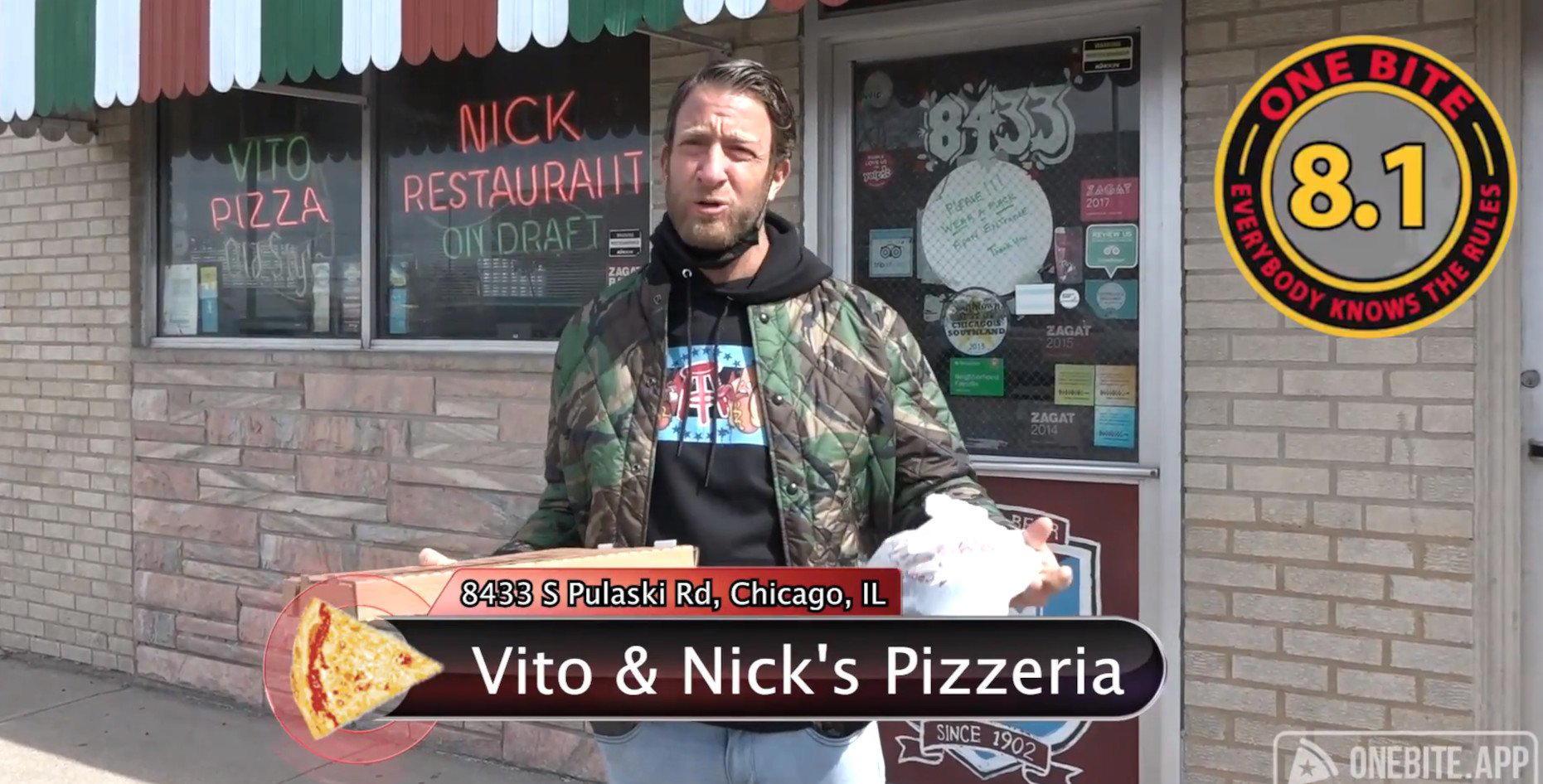
The Far Southwest Side and What It Keeps
Chicago's pizza identity is, in most external accounts, a deep-dish story. The casserole-style pies that tourists photograph in the Loop represent one legitimate tradition, but they have never been the dominant form for Chicagoans who grew up eating pizza as a Tuesday-night habit rather than a destination meal. Across the city's South and Northwest Side neighborhoods, tavern-style thin crust has been the local standard for generations: cut into squares, served on a metal pan, built for a table of people splitting a pie over a pitcher of beer. Vito & Nick's Pizzeria, at 8433 S Pulaski Rd on the Far Southwest Side, occupies a defining position in that tradition.
The address itself tells part of the story. Pulaski Road through the Scottsdale neighborhood is not a dining destination in any conventional media sense. What there is is a long-running pizzeria that has served the surrounding residential neighborhood long enough that its continued presence is itself a kind of credential. In Chicago's thin-crust circuit, Vito & Nick's is a reference point that other pizzerias get measured against, not the other way around.
What Tavern-Style Actually Means
The sensory logic of a tavern-style pizzeria is distinct from what most national pizza discourse describes. The crust here is thin and cracker-crisp rather than airy or charred in the Neapolitan manner. It does not fold. It does not bubble in the center. It snaps when you lift a square, and the structural purpose of that stiffness is to carry toppings without collapsing. The square cut, sometimes called the party cut or tavern cut, is not a gimmick; it distributes the pie across a table more efficiently than wedge slices, which is the point when pizza functions primarily as a social food rather than a solo meal.
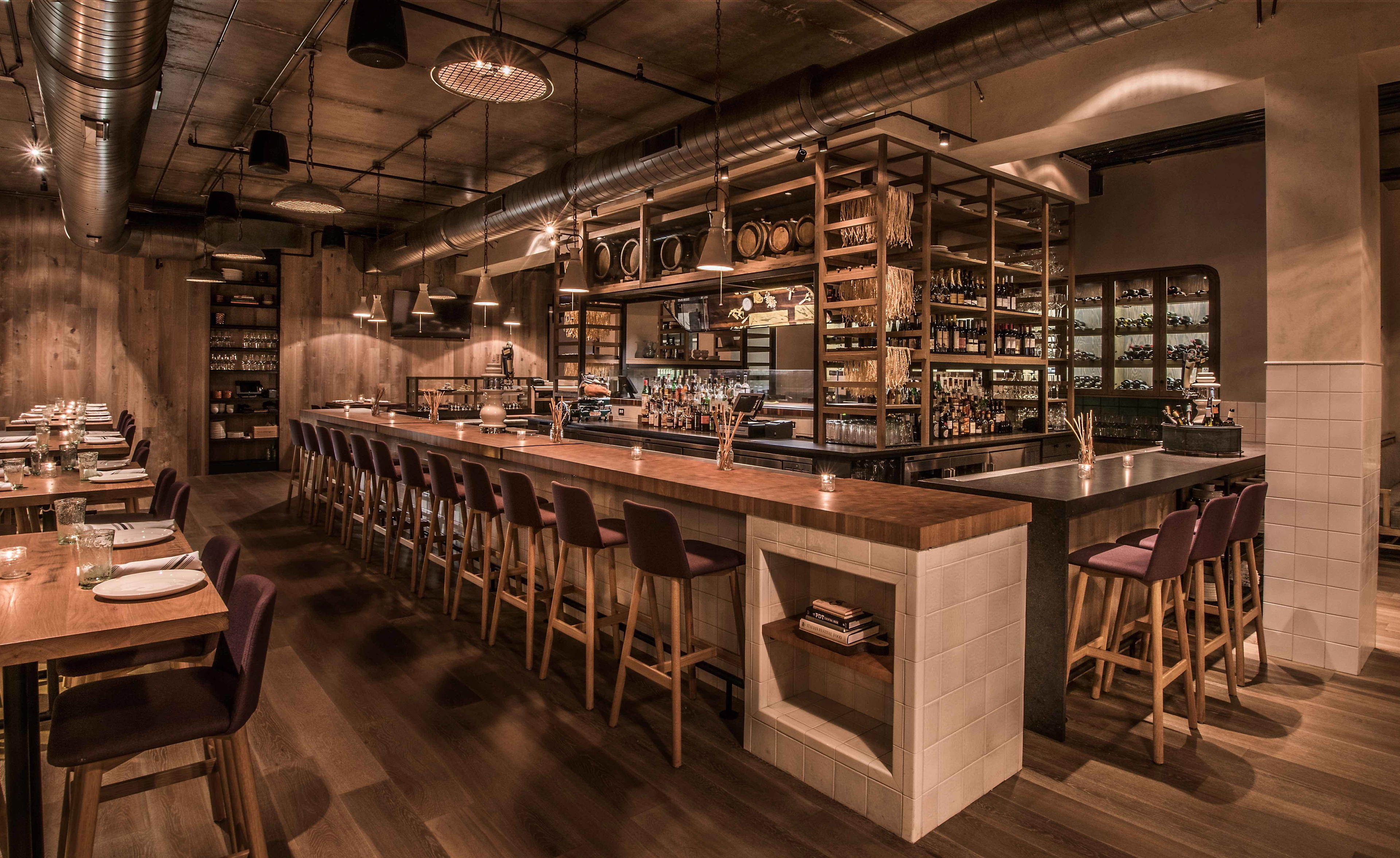
Atmosphere inside reflects the format's tavern origins. These are not places designed for quiet contemplation. The physical environment of South Side pizza institutions tends toward the functional: linoleum, wood paneling or its equivalent, fluorescent lighting softened by years of use, the smell of cheese crisping against a well-seasoned pan. Sound travels differently in a room built for neighborhood regulars than in a restaurant designed for occasion dining. The register of the room is casual and familiar, the kind of noise that comes from tables that have been coming in for years and treat the staff accordingly.
Where This Sits in Chicago's Broader Pizza Argument
Chicago's dining scene covers an enormous range. The city holds some of the country's most ambitious tasting-menu restaurants: Alinea, Smyth, Oriole, Kasama, and Next Restaurant represent the high-concept tier that draws critical attention nationally and internationally. But the city's food culture does not reduce to that tier. The South and Northwest Side neighborhoods sustain a different kind of institution, one measured not by award cycles but by decades of neighborhood loyalty.
Vito & Nick's belongs to the latter category. It does not compete with the Le Bernardin tier, any more than a classic French brasserie competes with a three-star table. The comparison set is other long-running Chicago tavern-style pizzerias: Palermo's, Marie's, Aurelio's, Pat's. Within that cohort, Vito & Nick's has a reputation that extends well beyond its zip code. Food writers who cover Chicago pizza consistently return to it as a standard-setter for the South Side style, which places it in a different kind of authority position than simple neighborhood longevity would suggest.
For readers who have built a reference set at places like The French Laundry, Blue Hill at Stone Barns, or Single Thread Farm, the value of a place like Vito & Nick's is partly in the contrast it provides. Not everything worth eating is built around technique signaling or provenance storytelling. Particularly instructive meals are the ones that have stayed exactly the same for forty years because they were correct the first time.
The Sensory Experience: What You're Actually There For
The experience at Vito & Nick's is inseparable from its physicality. The crust is the point of entry: thin enough to crisp through in a hot oven, with enough structural integrity to hold a serious layer of toppings without going slack. The cheese pull on a properly made tavern-style pie behaves differently than on a deep-dish; it stretches across the cut rather than pooling, because the cheese-to-sauce ratio is calibrated to a flatter geometry. The edges of each square piece, the corner pieces especially, carry the highest concentration of crisped cheese and darkened crust, which is why regulars often negotiate quietly over them.
The smell of a South Side pizzeria is specific: baking dough, rendered fat from cured meats if sausage is ordered, the faintly sweet char of tomato sauce hitting a hot pan. These are not smells that photograph well or translate into a tasting menu's sensory vocabulary, but they are the smells that trigger memory for anyone who grew up eating this kind of pizza. The room's accumulated history contributes its own layer: old wood, seasoned pans, the ambient warmth of a busy oven running through a dinner service.
Address, 8433 S Pulaski Rd, puts Vito & Nick's deep into the Southwest Side residential grid, roughly in the Scottsdale neighborhood. For visitors based downtown or in River North, this is a deliberate trip, not a walk from a hotel. The CTA Orange Line runs to the Midway area and provides one transit option, though the walk from any nearby stop is not trivial. Most people drive, and parking on Pulaski in the surrounding blocks is the standard approach. The Far Southwest Side dining trip, whether to Vito & Nick's or to any of the other long-standing neighborhood restaurants in the area, rewards the commitment: these places exist entirely outside the tourist circuit, and arriving at them requires the same intentionality that characterizes a good meal at Providence in Los Angeles or Frasca Food & Wine in Boulder, however different the register.
Cash or card policies, holiday closures, and weekend waits can vary at South Side pizzerias, and Vito & Nick's is busy enough on weekend evenings that arriving early in the dinner window is generally the more comfortable approach.
None of that, however, is what Vito & Nick's is doing. It is doing something older and more specific, and it is doing it correctly.
At a Glance
Comparable venues nearby, for context on price, style, and recognition.
| Venue | Cuisine | Price | Notes |
|---|---|---|---|
| Vito & Nick's PizzeriaThis venue — the venue you are viewing | Not listed | $$ | Not listed |
| The Rosebud - Taylor | Little Italy, Classic Italian-American | $$ | Not listed |
| Tuscany | Little Italy, Northern Italian Trattoria | $$ | Not listed |
| Forno Rosso | West Loop, Neapolitan Pizzeria | $$ | Not listed |
| Labriola Chicago | Not listed | $$ | Magnificent Mile, Chicago Italian Pizza & Pasta |
| Sapori Trattoria | Not listed | $$ | Lincoln Park, Traditional Italian Trattoria |
Recognition history
Dated appearances from independent guides and award organizations, with the underlying list record or original source where available.
Diners, Drive-Ins and Dives Featured Restaurant
Diners, Drive-Ins and Dives · 2026 Diners, Drive-Ins and Dives Featured Restaurants


At a Glance
- Classic
- Cozy
- Well Known
- Family
- Casual Hangout
- Group Dining
- Historic Building
- Beer Program
Current opening hours
- Monday
- 11 AM–8:30 PM
- Tuesday
- 11 AM–8:30 PM
- Wednesday
- 11 AM–8:30 PM
- Thursday
- 11 AM–8:30 PM
- Friday
- 11 AM–9:30 PM
- Saturday
- 11 AM–9:30 PM
- Sunday
- 12–8 PM
Hours can change for holidays and private events. Last verified .
Old school pizzeria decor with a great, authentic neighborhood vibe.