Forno Mauri
Forno Mauri occupies the South Loop at 620 S Dearborn St, positioning itself within a Chicago dining corridor where Italian-rooted technique meets the city's appetite for ingredient-driven cooking. Compared to the tasting-menu format of peers like Smyth or Kasama, Forno Mauri operates in a more accessible register while drawing on the same commitment to sourcing and craft that defines Chicago's current serious-dining conversation.
Pearl is the En Primeur Club membership app — saves, bookings, and concierge access live there. Same editors, same standards.
- Address
- 620 S Dearborn St, Chicago, IL 60605
- Phone
- +13123633410
- Website
- fornomauri.com
- Directions
- Get directions
 Saves & bookings on Pearl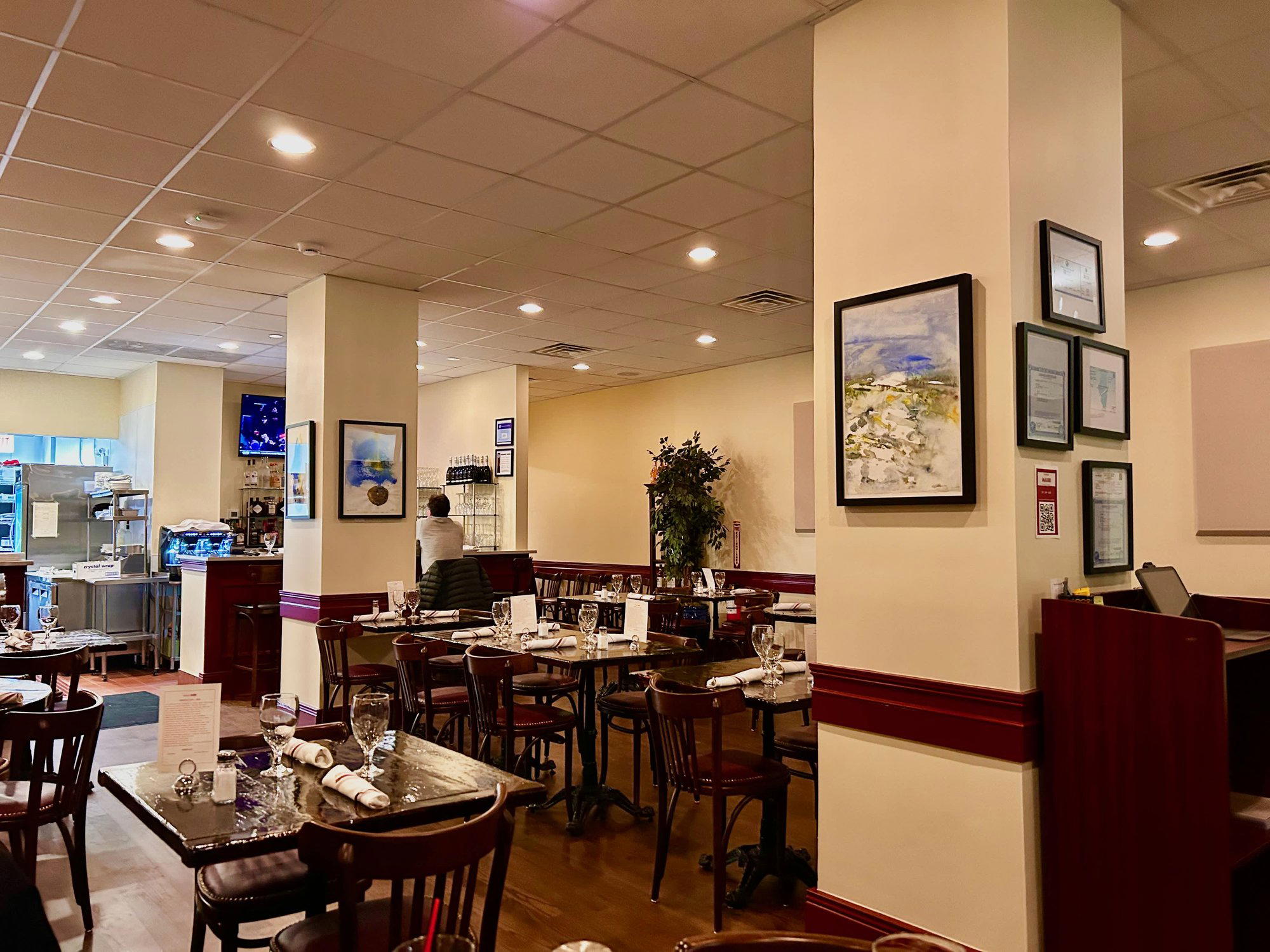
South Loop, Dearborn Street, and the Case for Neighbourhood Dining
Chicago's South Loop has spent the better part of a decade converting from a transit-adjacent afterthought into a dining address worth crossing the city for. Dearborn Street, in particular, runs through a corridor where office density and residential growth have created an audience for restaurants that sit between the white-tablecloth ambition of the River North tasting rooms and the more casual register of Wicker Park. Forno Mauri, at 620 S Dearborn, is a Northern Italian pizzeria in Chicago with. It arrives in that middle space: a room that reads as settled rather than sceney, where the dominant logic is the food on the plate, not the theatre of the booking process.
That neighbourhood positioning matters because it shapes expectations on both sides of the pass. Diners arriving here are not calibrating against the prix-fixe architecture of Alinea or the hyper-local sourcing narrative of Smyth. They are, instead, arriving for something closer to what serious Italian-influenced cooking looks like when it is not performing for a Michelin inspector: confident, technique-grounded, and shaped by what the region actually produces.
The Italian-American Method: Imported Technique, Midwest Ingredients
The editorial tension that defines a restaurant like Forno Mauri is one that runs through much of contemporary American cooking: how do you honour a culinary tradition imported from elsewhere while being honest about the geography in which you are actually cooking? The answer, at its most coherent, involves using the methods of the source tradition as a framework rather than a script. Wood-fired and oven-centric Italian cooking, with its emphasis on live fire, fermentation, and the long arc of dough development, translates with particular legibility to the Midwest because the underlying logic, patience and good raw material, is not culturally specific.
The forno, or wood-fired oven, is the structural centre of this approach. In Italy, the tradition runs from Neapolitan pizza through to the roasted secondi of Lazio and the bread cultures of Puglia and Tuscany. Transplanted to Chicago, that same heat source encounters a different larder: Great Lakes fish, Illinois grain, Michigan produce during the summer months, and a meat supply that skews toward heritage breeds rather than the DOP-certified options available in Europe. The result, when it works, is cooking that is legible as Italian in grammar but honest about its American vocabulary. For context on how this conversation plays out at other levels of ambition, Frasca Food and Wine in Boulder has long demonstrated how Friulian technique can be adapted to a Rocky Mountain ingredient base without losing coherence.
Where Forno Mauri Sits in Chicago's Current Dining Conversation
Chicago's premium dining tier is dominated by tasting-menu formats, and the roster is credentialed: Oriole holds two Michelin stars, Kasama became the first Filipino restaurant in the United States to earn a Michelin star, and Next Restaurant built its reputation on rotating conceptual formats. That tier requires a specific kind of commitment from the diner: advance booking, extended time at the table, and a price point that signals occasion rather than habit.
The restaurant operates adjacent to that conversation rather than inside it. The wood-fired, oven-centric format is inherently more approachable in pacing and in the social contract it implies with the diner. You are not surrendering an evening to a sequence; you are choosing from a menu shaped by what the oven does well. That distinction matters for a significant segment of Chicago's serious-eating public who want craft and sourcing rigour without the formality of a tasting progression. Nationally, the closest analogues are restaurants like Lazy Bear in San Francisco, which found a way to operate with high culinary ambition inside a format that does not feel ceremonial, or Blue Hill at Stone Barns, where ingredient provenance is foregrounded without the menu becoming a lecture.
The Sourcing Logic Behind Live-Fire Italian Cooking
Wood-fired cooking is less forgiving than cooking on a controlled gas flame, which means sourcing quality has a direct and visible impact on the finished dish. A vegetable that is past its prime will not hide inside a wood-fired preparation; the heat is too direct and the flavours too unmediated. This structural fact pushes serious forno cooking toward supplier relationships that prioritise timing and condition over volume. In Chicago's restaurant economy, that kind of sourcing infrastructure exists and is shared across a number of ambitious kitchens, from the farm networks that supply the Michelin tier to the smaller producers who sell direct to restaurant buyers at the Green City Market.
For comparison, consider how sourcing specificity operates at the highest levels elsewhere: Single Thread Farm in Healdsburg grows much of its own produce, The French Laundry in Napa maintains a dedicated kitchen garden, and Addison in San Diego has built its menus around California's regional agricultural calendar. Each of those represents a different solution to the same problem the restaurant addresses at a different scale: how do you make ingredient provenance structurally central to what you cook, rather than decorative?
Planning a Visit: Logistics and Peer Comparison
| Venue | Format | Price Tier | Booking Lead Time | Neighbourhood |
|---|---|---|---|---|
| The restaurant | Wood-fired, à la carte | Not confirmed | Not confirmed | South Loop |
| Smyth | Tasting menu | $$$$ | Several weeks | West Loop |
| Kasama | Tasting menu (evening) | $$$$ | Months in advance | Ukrainian Village |
| Next Restaurant | Ticketed tasting menu | $$$$ | Varies by season | Fulton Market |
| Alinea | Multi-course tasting | $$$$ | Months in advance | Lincoln Park |
Compact Comparison
Comparable venues nearby, for context on price, style, and recognition.
| Venue | Cuisine | Price | Notes |
|---|---|---|---|
| Forno MauriThis venue — the venue you are viewing | Printer's Row, Northern Italian Pizzeria | $$ | Not listed |
| Trattoria Gianni | Lincoln Park, Regional Italian Trattoria | $$ | Not listed |
| Victory Tap | South Loop, Chicago-Style Italian | $$ | Not listed |
| Riccardo Osteria | Not listed | $$ | West Loop, Authentic Northern Italian Osteria |
| Anteprima | Andersonville, Rustic Italian Trattoria | $$ | Not listed |
| Giordanos | Not listed | $$ | Downtown / The Loop, Chicago-Style Deep Dish Pizza |
At a Glance
- Cozy
- Modern
- Rustic
- Date Night
- Casual Hangout
- Family
- Open Kitchen
Current opening hours
- Monday
- 4–9 PM
- Tuesday
- 4–9 PM
- Wednesday
- 4–9 PM
- Thursday
- 4–9 PM
- Friday
- 4–10 PM
- Saturday
- 4–10 PM
- Sunday
- 4–9 PM
Hours can change for holidays and private events. Last verified .
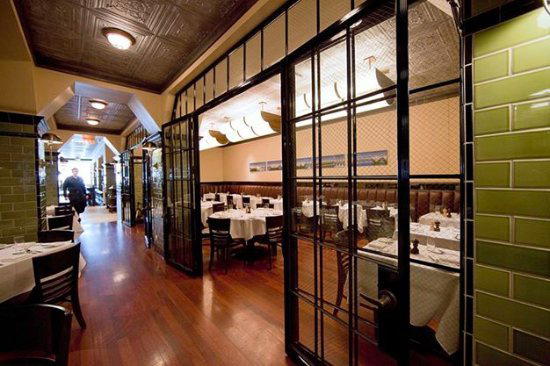
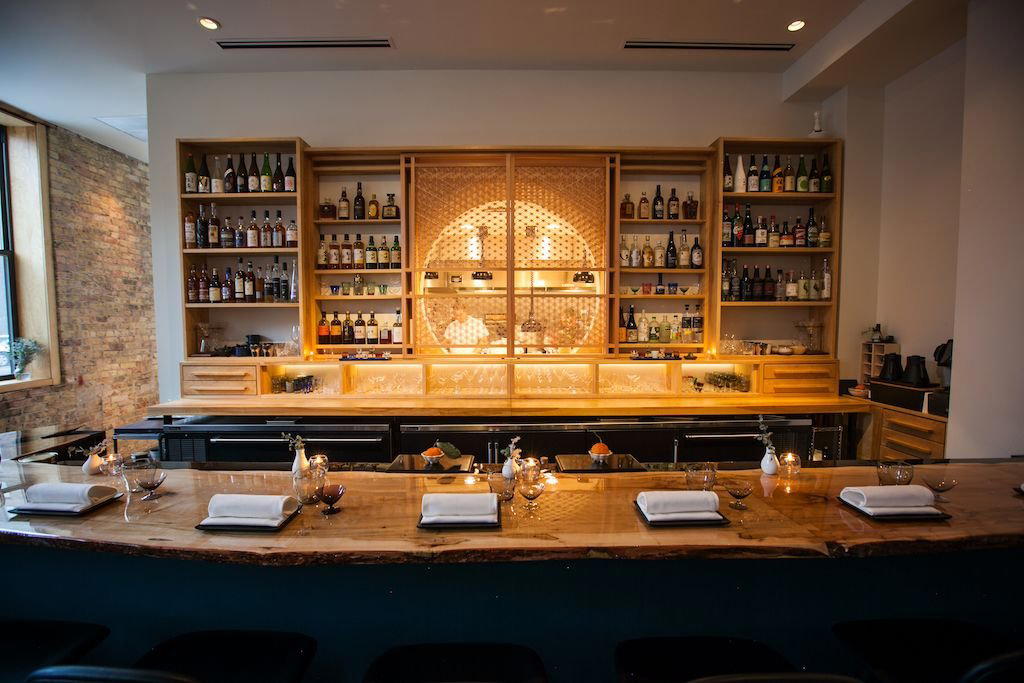
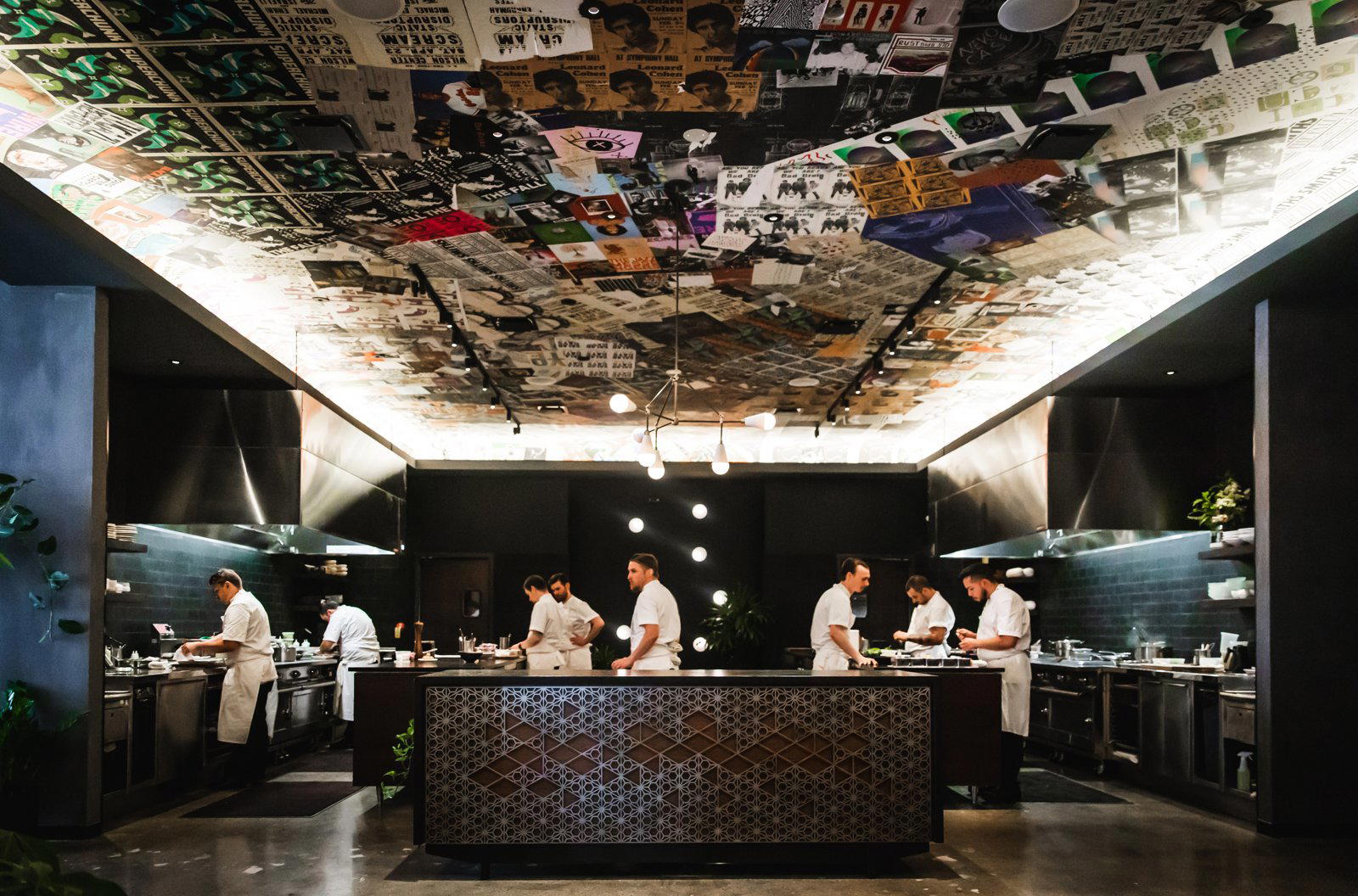
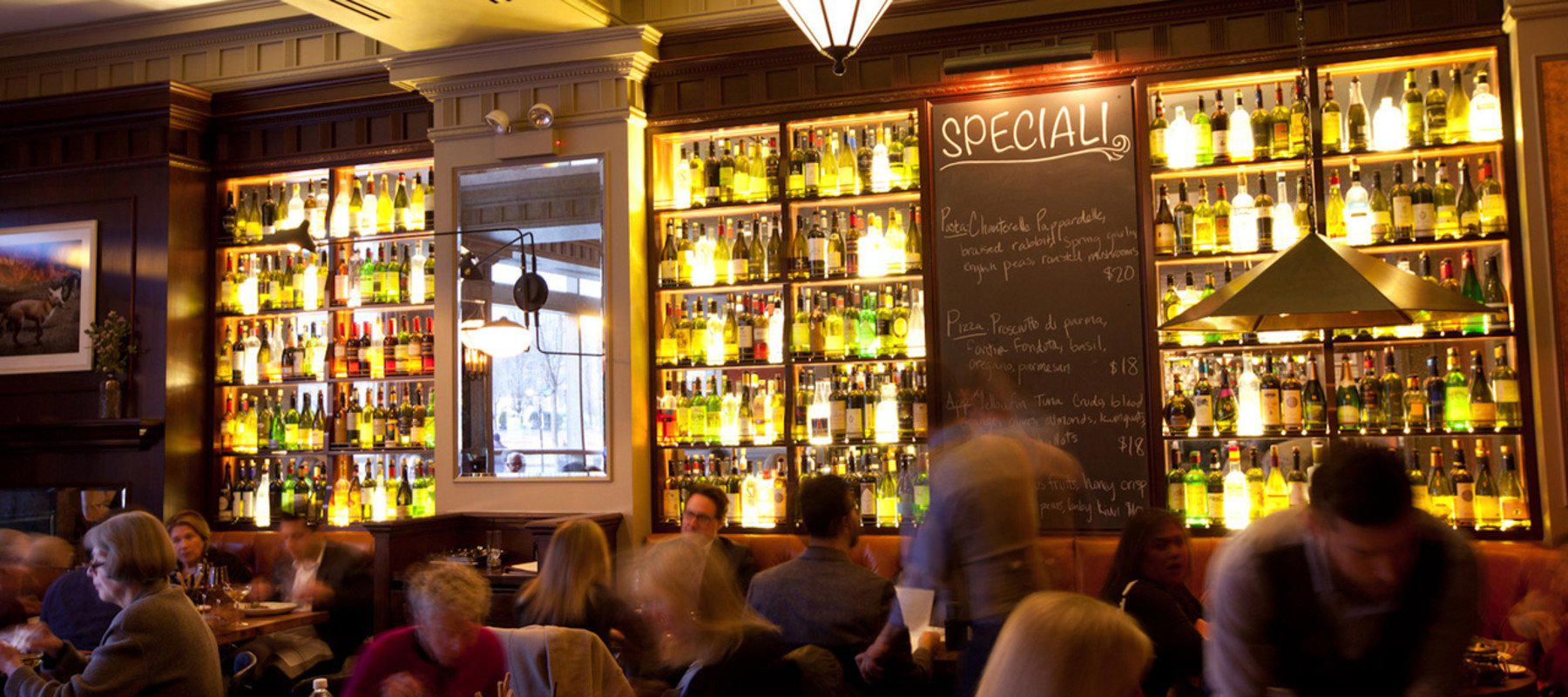
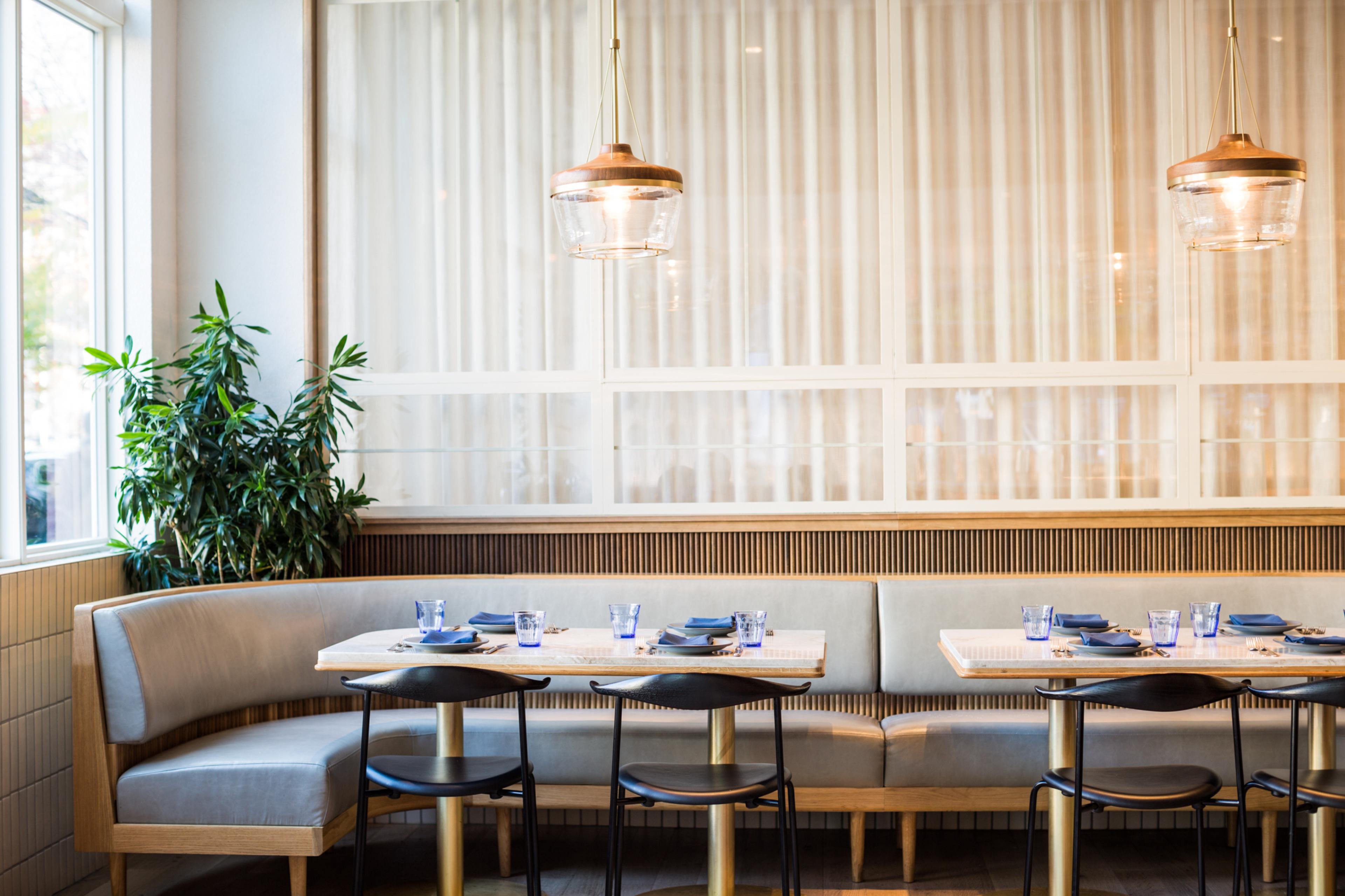
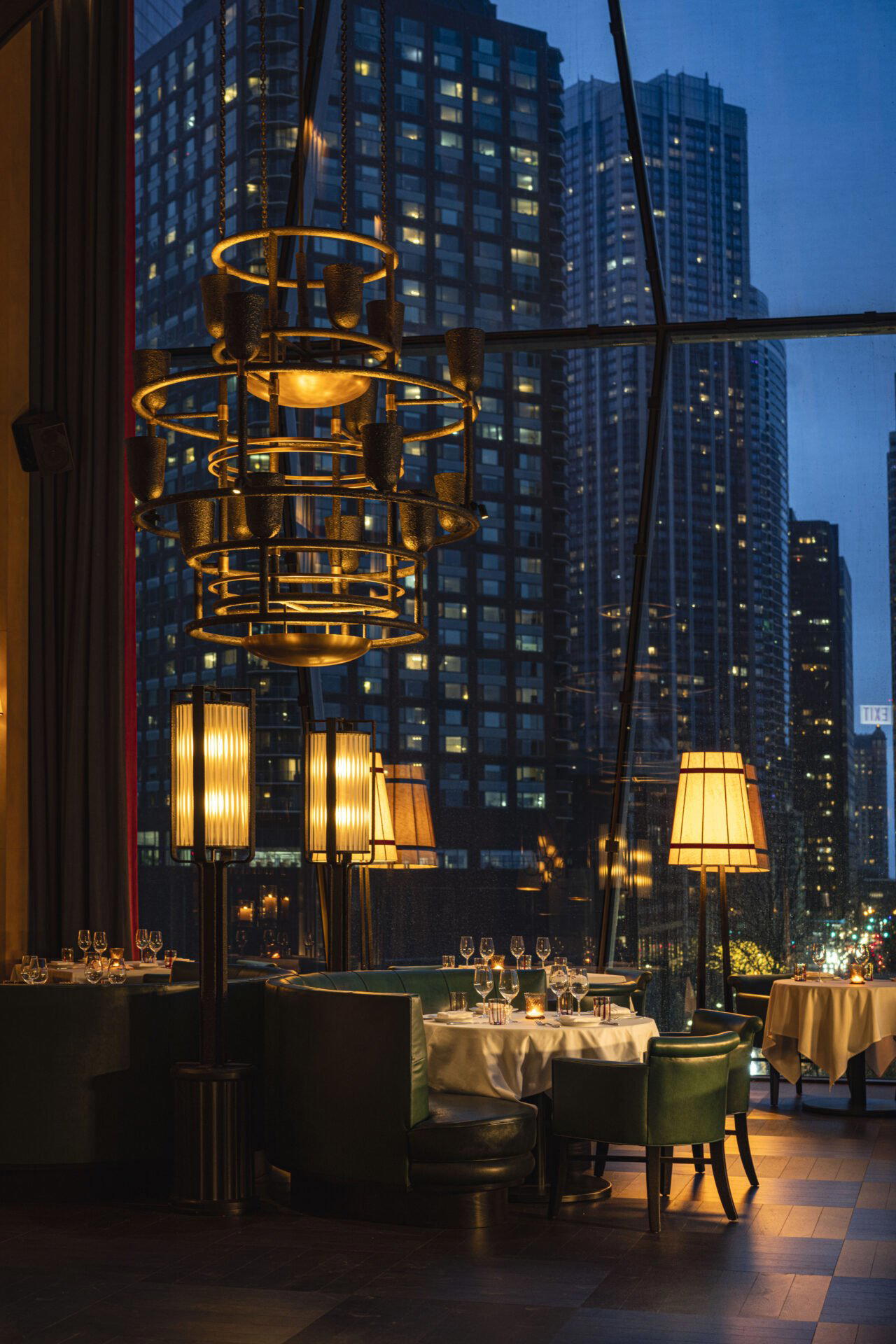
Small boxy spot with abstract paintings, Italian pop soundtrack, and an inviting atmosphere suitable for couples sipping wine or tourist families.