Our verdict
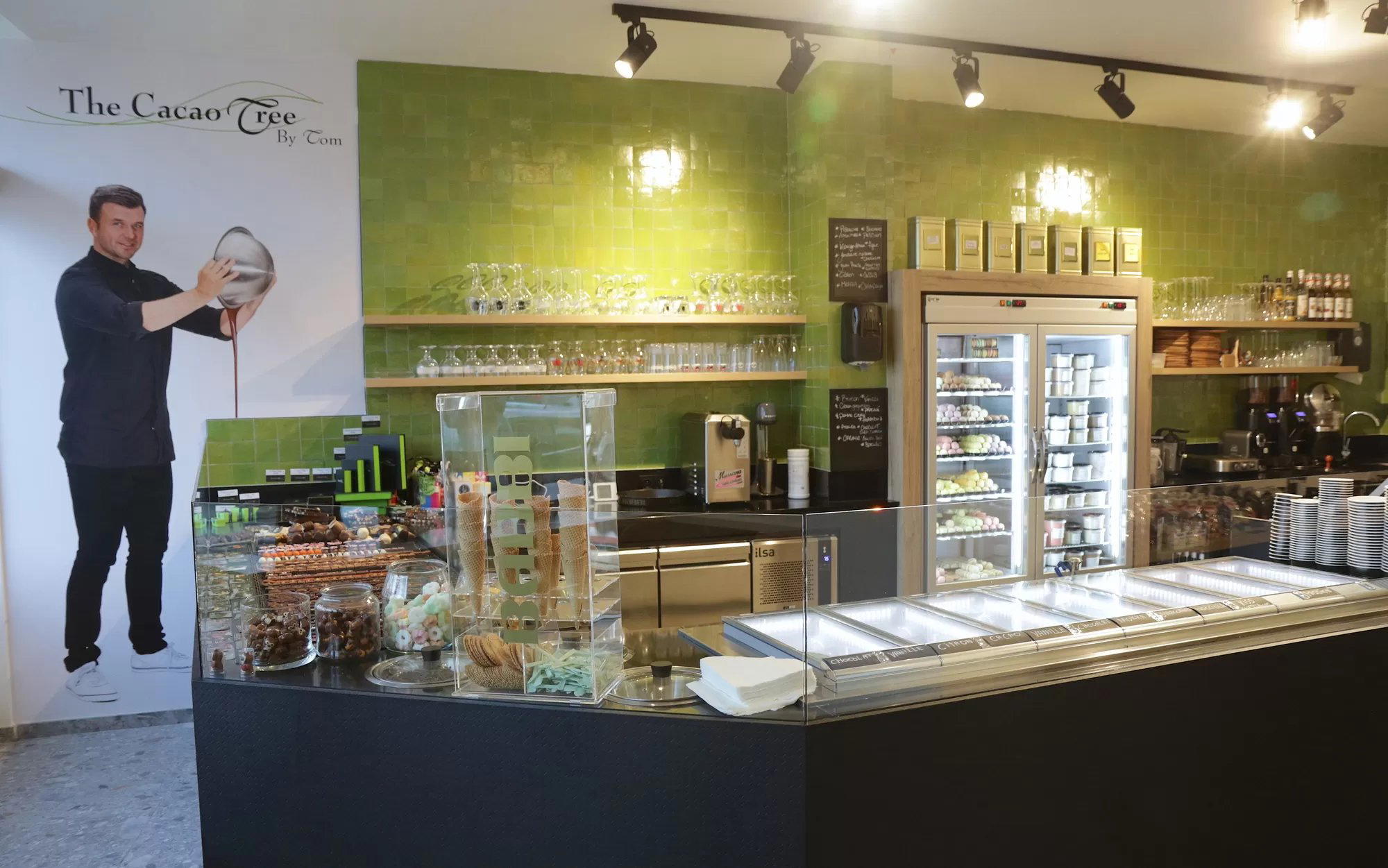
A chocolate-focused address on Place de Saint-Job in Uccle, The Cacao Tree operates in one of Brussels' quieter residential squares, where artisan food producers have maintained a foothold against the city's more commercial drift. The setting is quieter than central Brussels but no less serious in its focus on craft chocolate and related produce.

Pearl is the En Primeur Club membership app, where members save venues, book tables and use the concierge.
The menu
What to order
- Artisan Chocolate Sundae
- Belgian Waffles
- Pralines
Place de Saint-Job and the Uccle Artisan Tradition
Uccle's residential character has long made it a different proposition from the density of central Brussels. Place de Saint-Job sits at the heart of one of the commune's more composed neighbourhoods, where a weekly market draws a local clientele with specific expectations around produce quality. Artisan food businesses that occupy squares like this one tend to survive not through tourist footfall but through the repeat custom of residents who know the difference between commodity product and something made with closer attention. The Cacao Tree, at number 16 on that square, fits that pattern.
Chocolate as a serious retail and artisan category has expanded considerably across Belgium in the past two decades. The country's reputation in the category is broadly known, but the more interesting shift has been the movement away from large praline houses toward smaller operations working with single-origin or traceable cacao, often with closer attention to roasting and processing decisions. That tier of producer operates on smaller volumes and tends to locate in residential neighbourhoods rather than tourist corridors, because its customers are buying on knowledge rather than impulse.
The Scene on Saint-Job Square
Uccle draws comparisons to the 16th arrondissement across the border in terms of residential composure and purchasing power, but it has developed its own food character distinct from that Parisian reference point. The commune sits at Brussels' southern edge, close to the Forêt de Soignes, and its better food addresses reflect a preference for specificity over spectacle. Nearby, 't Brugske, Caffè Al Dente, Café Maris, Casa Due, and Chez Luma each occupy a similar tier: local-facing, craft-conscious, and largely invisible to visitors who stay north of the Bois de la Cambre. The Cacao Tree operates in that same register.
For visitors arriving by public transport, trams running along the Chaussée de Waterloo provide the most direct access from the city centre, with Place de Saint-Job a short walk from several stops. The market square itself offers the kind of context that makes an artisan chocolate address feel coherent rather than arbitrary: this is a neighbourhood where people shop with attention, and a business built on ingredient provenance and production care finds a natural audience here.
Chocolate as a Craft Category in Brussels
Belgium's position in the global chocolate industry is historically documented and commercially significant, but the more compelling story in recent years has been the fracture within that industry between high-volume production and genuinely small-batch craft. The two categories use different cacao sources, different roasting approaches, and different vocabularies for talking about their product. Craft producers in the Belgian context often draw a direct line to cacao origin, working with cooperatives in West Africa, South America, or Southeast Asia and communicating that sourcing to customers as a primary value signal.
This approach places artisan chocolate in the same frame as natural wine or single-farm coffee: categories where the conversation about production method and supply chain has become as important as the product itself. Belgium's broader fine dining scene has tracked a similar shift. Restaurants like Bozar Restaurant in Brussels and, further afield, addresses such as Hof van Cleve in Kruishoutem, Boury in Roeselare, and Zilte in Antwerp have brought a similar sourcing rigour to their kitchen programs. The logic translates directly to chocolate: origin, process, and craft are the differentiating factors.
Positioning Within the Belgian Artisan Food Context
Belgium's food scene extends well beyond Brussels, and some of its most considered producers and restaurants operate in smaller cities and coastal towns. Willem Hiele in Oudenburg, Bartholomeus in Heist, and Castor in Beveren are among the addresses that demonstrate how craft food culture is distributed across the country rather than concentrated in the capital. In the Walloon region, d'Eugénie à Emilie in Baudour and L'air du temps in Liernu occupy a similar position of considered, low-spectacle seriousness. De Jonkman in Sint-Kruis adds another point on that map.
What connects these addresses is not geography but disposition: a preference for specificity and craft over volume and branding. An artisan chocolate address in Uccle sits in the same broader category, even if the format is retail and production rather than table service. For international visitors who have encountered that level of seriousness in other contexts, at Le Bernardin in New York City or Atomix in New York City, the register is familiar: attention to source material, disciplined execution, and a product that does not require theatrical framing to hold interest.
Planning a Visit
Place de Saint-Job operates on a neighbourhood schedule, and businesses here tend to follow local patterns rather than tourist hours. Visiting on a market day gives the square additional context and makes the stop part of a broader Uccle food itinerary rather than a standalone detour. The commune is accessible from central Brussels in under thirty minutes by tram, and combining The Cacao Tree with other addresses on the square or in the immediate area makes the journey worthwhile. For anyone building a broader picture of where considered food culture sits in Brussels, the full Uccle Ukkel restaurants guide provides a map of the neighbourhood's better addresses across categories.
Specific hours, pricing, and contact details were not available at time of writing. Confirming current opening times before visiting is advisable, as artisan producers at this scale sometimes operate shorter weeks or adjust hours seasonally.
Frequently asked questions
What part of town is The Cacao Tree in?
The Cacao Tree is located at Pl. de Saint-Job 16, 1180 Uccle, Belgium, Uccle Ukkel.
Is The Cacao Tree worth visiting if you're already exploring the artisan food shops around Place de Saint-Job in Uccle?
Place de Saint-Job functions as a neighbourhood anchor in Uccle, drawing local producers and specialist retailers rather than tourist-oriented chains. The Cacao Tree at number 16 sits within that ecosystem, making it a logical stop on any circuit of the square's artisan offer. Uccle draws comparisons to high-purchasing-power residential districts elsewhere in Brussels, and the food retail on Saint-Job reflects that, craft over volume.
What should I order at The Cacao Tree?
The Cacao Tree is positioned within Belgium's artisan chocolate tradition, so the focus is on craft chocolate products rather than a broad menu. Given the address on Place de Saint-Job in Uccle, the offer is likely to centre on single-origin bars, bonbons, or seasonal confections, the category for which Belgium's smaller producers have built their reputations.
Do they take walk-ins at The Cacao Tree?
Place de Saint-Job operates on a neighbourhood rhythm, and shops in Uccle generally follow local residential patterns rather than extended tourist-facing hours. Walk-ins are the standard format for a chocolate shop of this type, but market days and weekend mornings tend to draw more foot traffic to the square.
What's the standout thing about The Cacao Tree?
The address itself is part of the proposition: Place de Saint-Job is one of Uccle's more composed residential squares, removed from the central Brussels tourist circuit and aligned with a local, discerning clientele. Belgium's artisan chocolate sector has shifted significantly toward craft production over the past decade, and The Cacao Tree sits within that movement rather than in the mass-retail tradition.
Is The Cacao Tree good for vegetarians?
Chocolate-focused shops in the Belgian artisan tradition are generally well-suited to vegetarians, with the core product range, bars, pralines, ganaches, typically plant-compatible or dairy-inclusive rather than meat-based.
Price and Positioning
Comparable venues nearby, for context on price, style, and recognition.
| Venue | Cuisine | Price | Awards | Notes |
|---|---|---|---|---|
| The Cacao TreeThis venue (the venue you are viewing) | Artisanal Belgian Chocolate & Ice Cream | $10–20 | Not listed | Not listed |
| KOYZINA Authentica | Authentic Greek | $50–100 | Not listed | Uccle, Authentic Greek |
| Rallye des Autos | Belgian Brasserie & French Classics | $30–50 | Not listed | Uccle, Belgian Brasserie & French Classics |
| Caffè Al Dente | Authentic Italian Trattoria | Not listed | Michelin Plate · Star Wine List | Uccle, Traditional Italian Osteria |
| Tontons | Italian Pasta | $20–30 | Not listed | Uccle, Italian Pasta |
| Jérôme Grimonpon | Artisan Belgian Chocolatier | Not listed | Not listed | Uccle, Artisan Belgian Chocolatier |
Continue exploring
More in Uccle
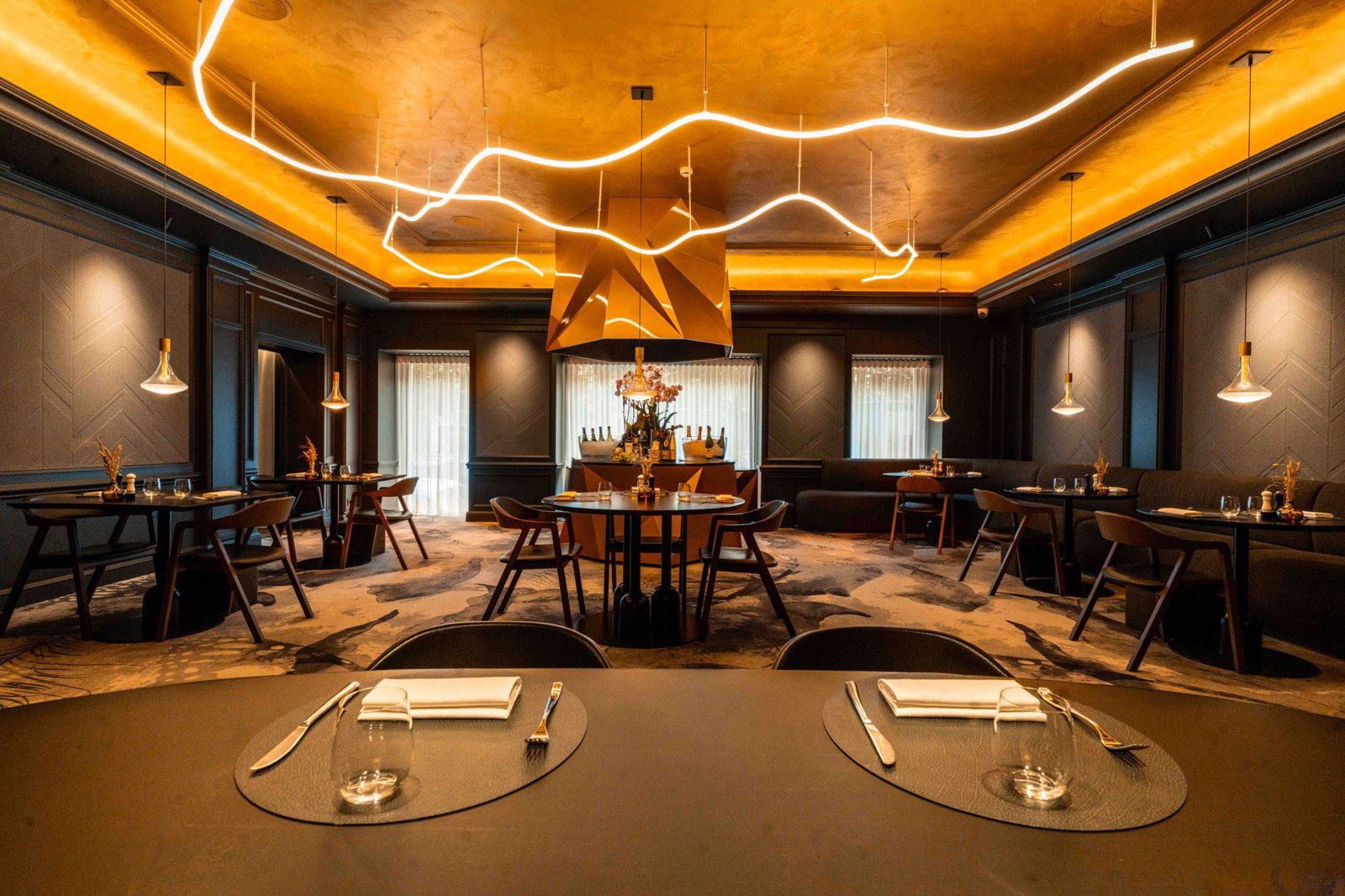
Restaurants in Uccle
All restaurants in Uccle →
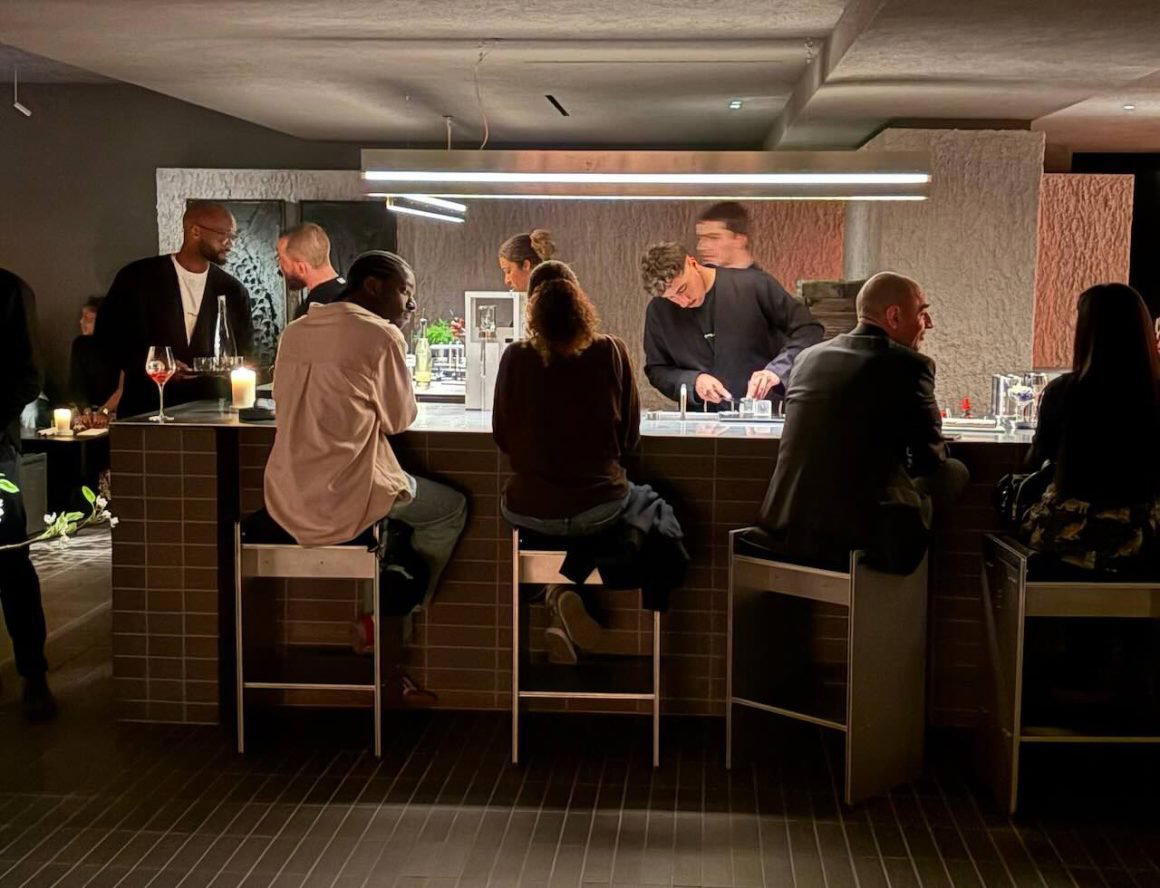
Bars in Uccle
Browse all →
Hotels in Uccle
Browse all →
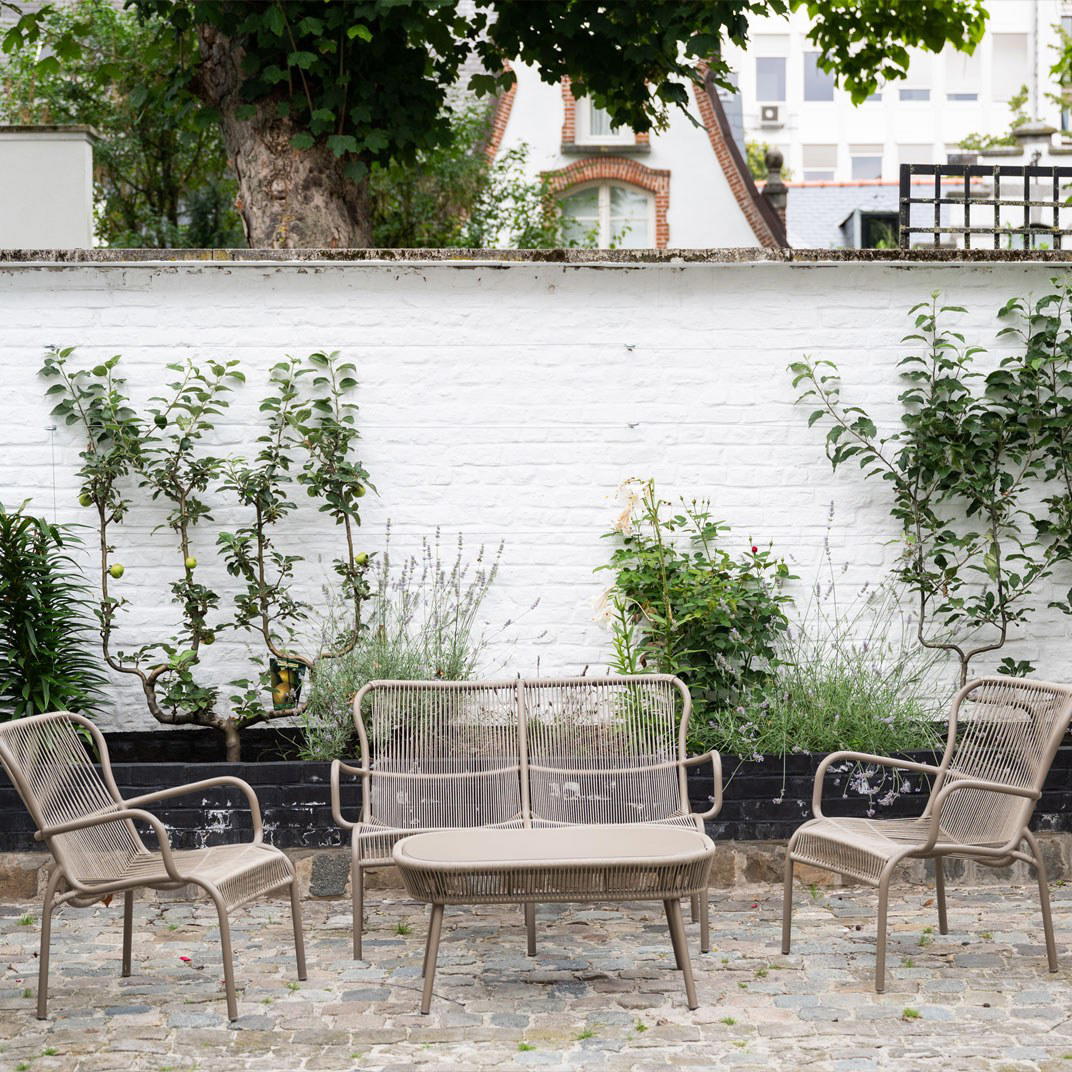
Wineries in Uccle
Browse all →
Details
- Cozy
- Whimsical
- Casual Hangout
- Solo
- Family
- Standalone
- Local Sourcing
- Organic
- A La Carte
- Hot Chocolate
- Vegan Options
Current opening hours
- Monday
- 8 AM–6:30 PM
- Tuesday
- Closed
- Wednesday
- 8 AM–6:30 PM
- Thursday
- 8 AM–6:30 PM
- Friday
- 8 AM–6:30 PM
- Saturday
- 8 AM–6:30 PM
- Sunday
- 10 AM–6 PM
Hours can change for holidays and private events. Hours as of .
Charming boutique atmosphere with a community-oriented focus, welcoming and intimate setting for chocolate and ice cream enthusiasts.