Uw Zuster occupies a quiet address on Schrijnwerkersstraat in central Hasselt, operating within a city that has quietly assembled one of Belgium's more interesting mid-sized dining scenes. Hasselt sits in Limburg province, a region where Flemish culinary traditions meet a growing appetite for contemporary technique. Visitors arriving without a reservation may find the door closed — planning ahead is advisable.
Pearl is the En Primeur Club membership app — saves, bookings, and concierge access live there. Same editors, same standards.
- Address
- Schrijnwerkersstraat 10, 3500 Hasselt, Belgium
- Phone
- +3211919091
- Website
- uwzuster.be
- Directions
- Get directions
 Saves & bookings on Pearl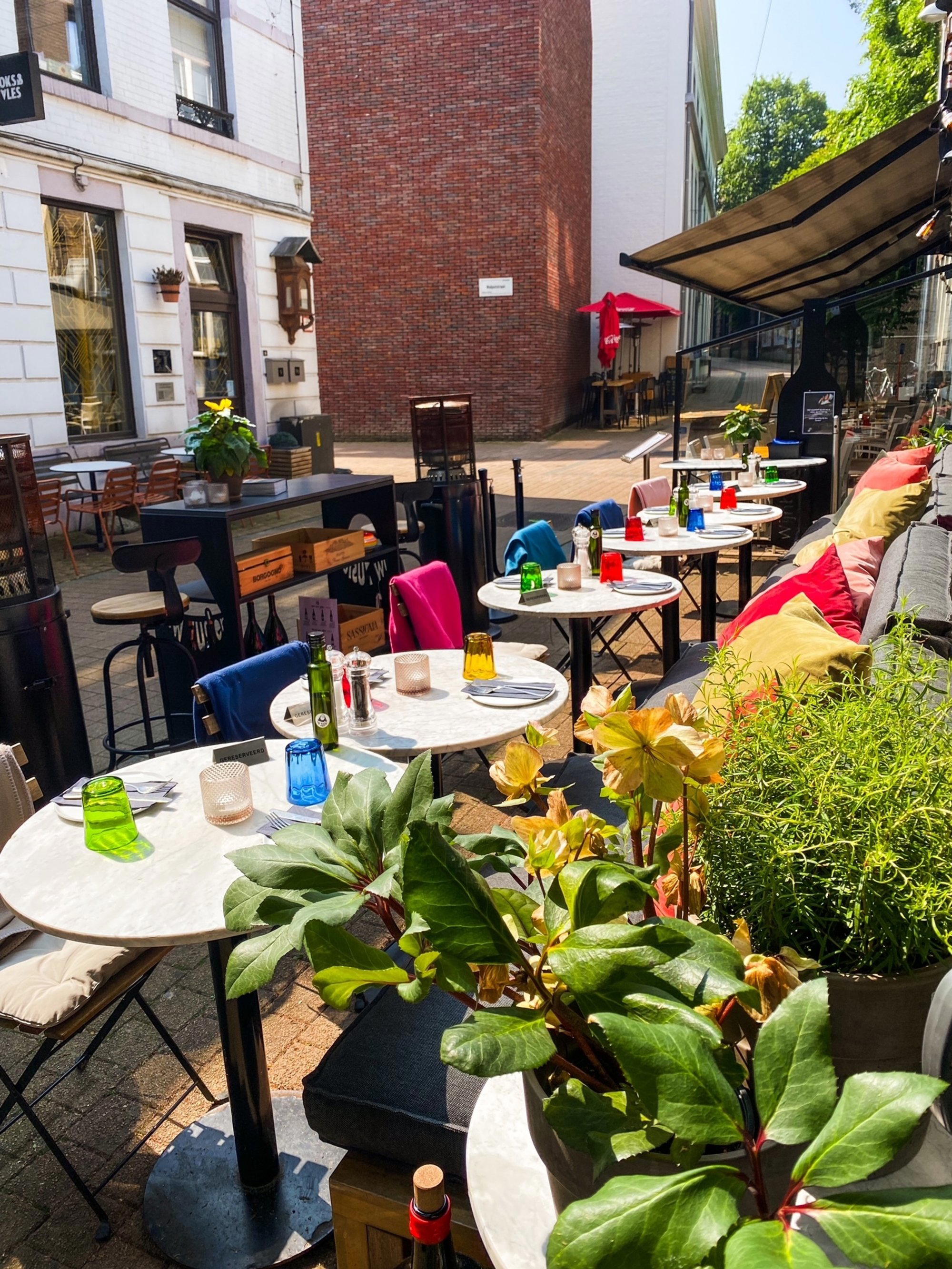
Hasselt's Dining Scene and Where Uw Zuster Sits Within It
Hasselt punches considerably above its population in restaurant density and ambition. For a city of roughly 80,000, it sustains a dining circuit that includes addresses recognised at the national level alongside a working tier of neighbourhood restaurants where local produce from Limburg's agricultural hinterland shapes the menu logic. That context matters when approaching a place like Uw Zuster, which sits on Schrijnwerkersstraat 10 in the central district: the street is modest, the setting residential in character, and the name itself — literally 'Your Sister' in Dutch — signals something deliberately informal against a city backdrop that has, in some corners, grown increasingly serious about fine dining.
Belgium's relationship with restaurant culture is instructive here. The country has one of the highest concentrations of Michelin-starred restaurants per capita in Europe, and the pressure that creates ripples outward from recognised addresses like Hof van Cleve in Kruishoutem or Boury in Roeselare into smaller cities that want their own version of that credibility. Hasselt has absorbed some of that influence. The result is a scene where restaurants operating at the €€€ tier, as seen across Hasselt's comparison set, which includes JER with its modern cuisine approach, Ogst representing modern French, and the traditional end anchored by addresses like 't Genoegen, are not exceptions but part of an established pattern.
The Name as Cultural Signal
In Flemish dining culture, naming conventions carry meaning. A restaurant called 'Your Sister' operates within a tradition of deliberate casualness that runs through Belgian hospitality at multiple price points, an attempt to frame the experience around familiarity rather than ceremony. This tendency has precedent across the country: Belgian restaurants have long used diminutives, family terms, and neighbourhood references in naming as a counterweight to the formality that the cooking itself might otherwise demand. Arlecchino and ArtChoc, both operating in the same city, reflect a similar instinct: the name establishes a register before the food has a chance to do so.
Whether Uw Zuster's informality extends into the room itself, the furniture, the service rhythm, the noise level, is a question that the available record does not answer definitively. What the Schrijnwerkersstraat address does suggest is a venue that has chosen to plant itself in a quieter part of the centre rather than the more trafficked restaurant corridors. That positioning tends to correlate with a degree of confidence: restaurants that rely on foot traffic occupy different streets than those that expect guests to seek them out.
Limburg Produce and the Belgian Culinary Frame
Limburg province, which surrounds Hasselt, produces fruit, particularly the cherries and apples associated with the Haspengouw sub-region, alongside asparagus in season and a cattle-farming tradition that feeds into the regional meat supply. Belgium's restaurant culture, from the Flemish coast addresses like Bartholomeus in Heist and Willem Hiele in Oudenburg to inland Walloon operations like L'air du Temps in Liernu, has increasingly oriented itself around hyperlocal sourcing as a point of culinary identity, not as a trend import from Scandinavia, but as a recovery of what Belgian kitchens did before industrialisation disrupted the supply chain.
For a Hasselt restaurant, that means access to a distinct seasonal pantry. Spring asparagus from the sandy Limburg soils, summer stone fruit, autumn game from the Kempen region to the north: these are the raw materials that define what a serious Hasselt kitchen can do that a Brussels operation cannot replicate with the same specificity. Bozar Restaurant in Brussels operates at a different scale and with different sourcing geography entirely. The provincial identity of a Hasselt address is, in this frame, an asset rather than a limitation.
Belgian cooking at the restaurant level also carries a French technical inheritance, the brigade system, the sauce-centred plate structure, the emphasis on butter and reduction, that coexists with Flemish domestic traditions: bread-thickened stews, beer in the kitchen, the preference for generous portions over architectural minimalism. Where any given restaurant positions itself along that axis tells you a great deal about its intended audience. Hasselt's dining scene, anchored at the €€€ mid-to-upper tier, tends to occupy the middle of that range: French technique applied to Flemish ingredients, served in rooms that want to feel welcoming rather than intimidating. Venues like Castor in Beveren and De Jonkman in Sint-Kruis reflect the same broader pattern across Flanders.
Planning a Visit
Uw Zuster is located at Schrijnwerkersstraat 10 in central Hasselt, accessible from the main train station on foot in under fifteen minutes. Hasselt's compact centre means most addresses within the dining circuit are walkable from each other, which allows for an aperitif in one spot and a post-dinner drink elsewhere without requiring transport. For visitors arriving from Antwerp or Brussels, Hasselt is approximately an hour by rail on a direct connection from both cities. Given the limited data available about booking method and current operating hours, contacting the venue directly before visiting is the sensible approach. Walk-ins at restaurants of this type in the Belgian context are possible on quieter weekday evenings but less reliable at weekends, particularly if the address has developed a local following. Confirmation in advance remains the lower-risk option. The full Hasselt restaurants guide covers the wider scene for those building a longer itinerary around the city.
For a broader sense of Belgian dining at its most ambitious, international comparisons are instructive: Zilte in Antwerp and d'Eugénie à Emilie in Baudour represent the range of what Belgian kitchens have built at the recognised end of the scale. Against that backdrop, Hasselt's cluster of €€€ addresses, including Atomix in New York City serving as a useful international reference point for how a smaller city restaurant can build serious identity, places the city in a conversation it would not have entered a generation ago. Le Bernardin in New York City represents the far end of that spectrum: technique-led, single-minded, and built around a clearly defined culinary argument. Hasselt is not that, and does not need to be. It is building something more specific to its own geography and appetite.
How Uw Zuster Hasselt compares with similar nearby venues.
| Venue | Cuisine | Price |
|---|---|---|
| ROSS | Creative French | €€€ |
Continue exploring
More in Hasselt
Restaurants in Hasselt
Browse all →
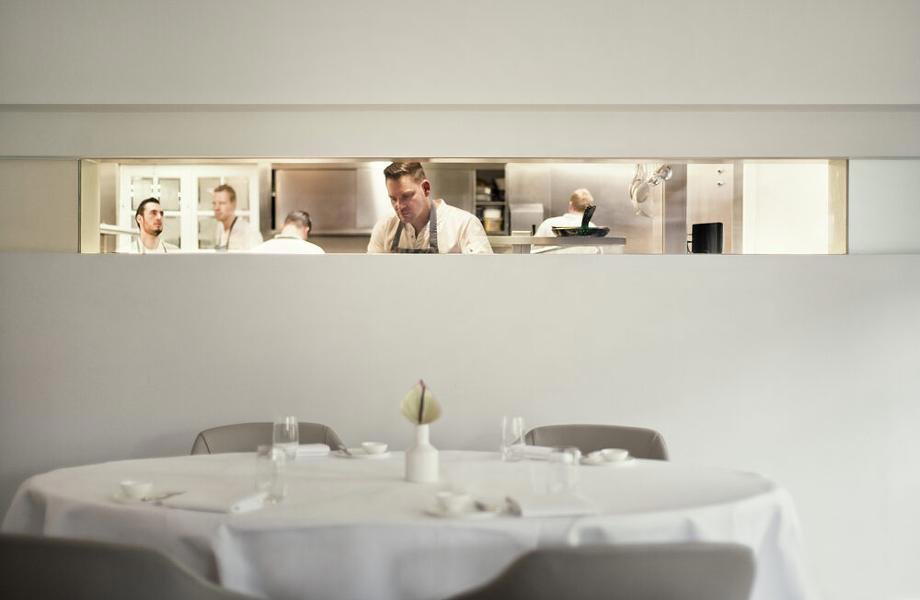
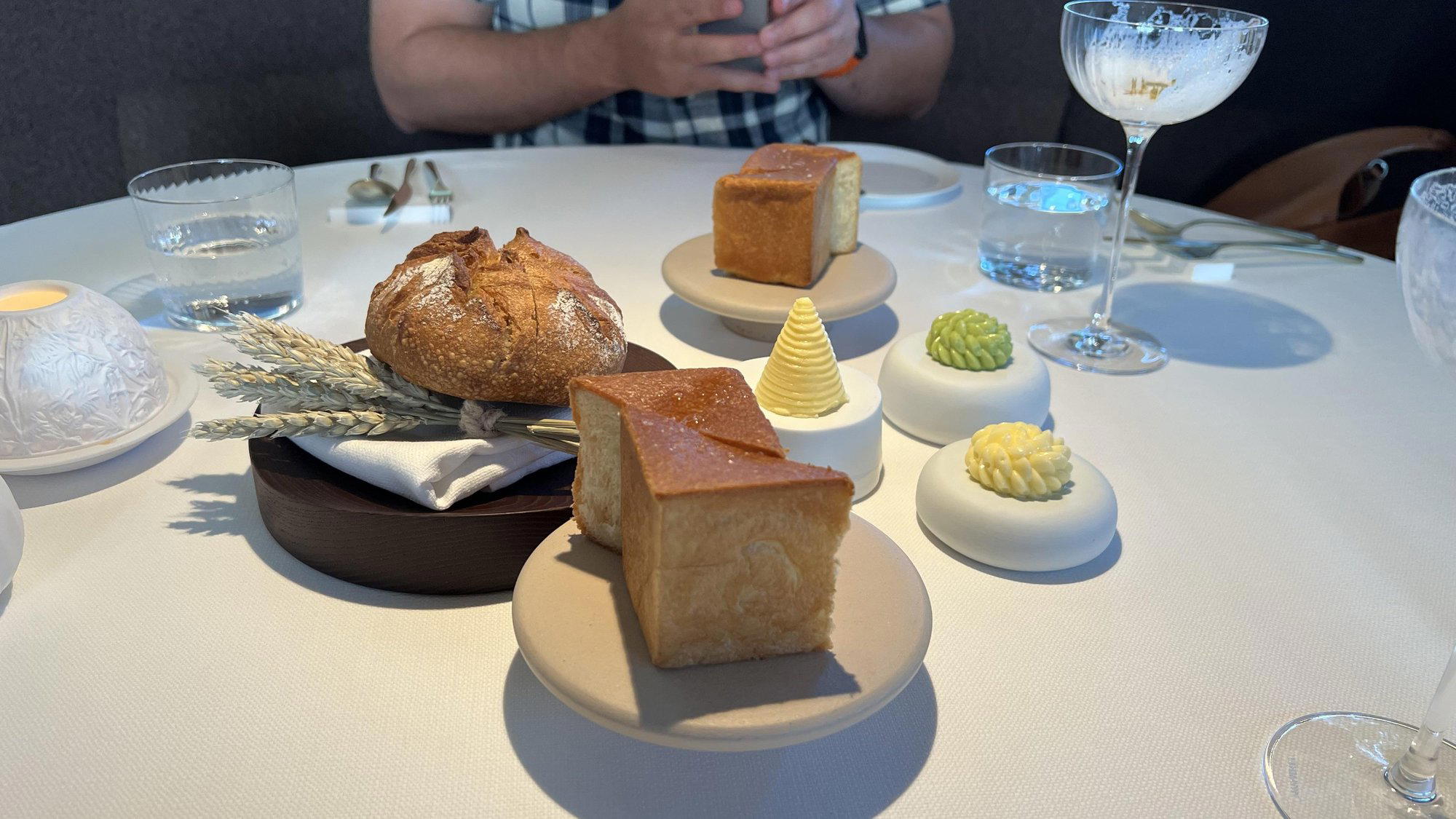
Bars in Hasselt
Browse all →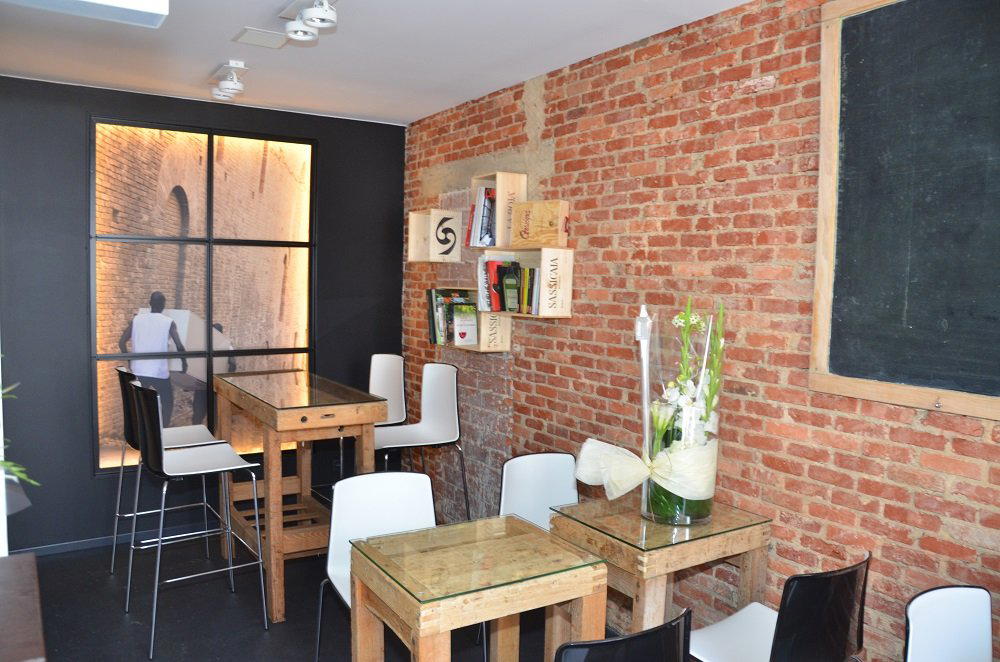
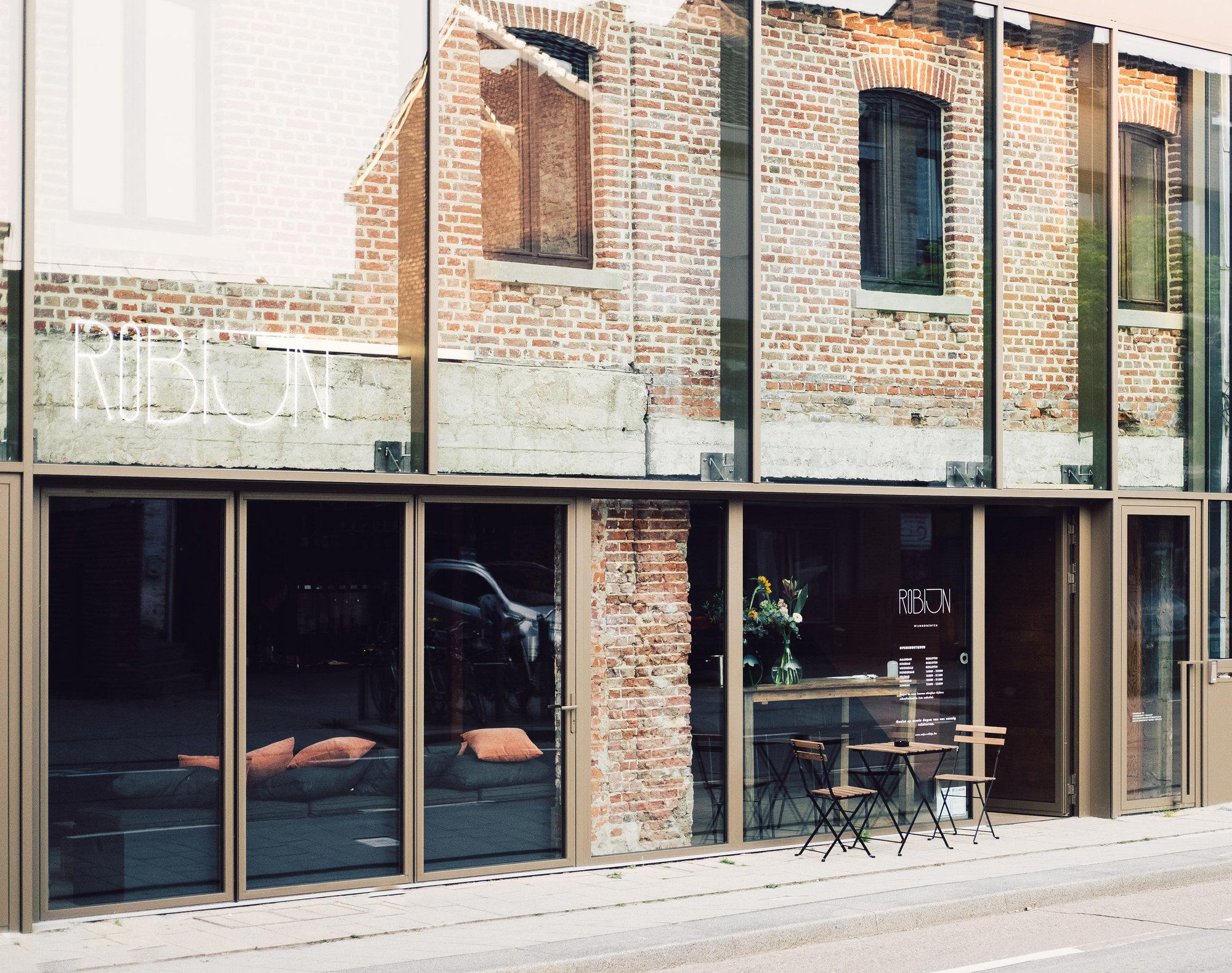
Hotels in Hasselt
Browse all →

At a Glance
- Cozy
- Trendy
- Lively
- Modern
- Date Night
- Casual Hangout
- Group Dining
- Open Kitchen
- Extensive Wine List
Current opening hours
- Monday
- Closed
- Tuesday
- Closed
- Wednesday
- 5 PM–12 AM
- Thursday
- 12 PM–12 AM
- Friday
- 12 PM–12:59 AM
- Saturday
- 12 PM–12:59 AM
- Sunday
- 12 PM–12 AM
Hours can change for holidays and private events. Last verified .
Warm, lively, and cozy atmosphere well-suited for pleasant chats amid original and surprising flavors.
Know Before You Go
- Getting there
- Schrijnwerkersstraat 10, 3500 Hasselt, Belgium