Uni Omakase

Uni Omakase brings the counter-dining discipline of Japanese omakase to Palermo's Guatemala Street, earning consecutive Michelin Plate recognition in 2024 and 2025. In a city where the steakhouse and the parrilla define the default dining register, this is one of a small number of venues operating at the formal Japanese end of the spectrum, with pricing at the summit tier of Buenos Aires restaurants.
Pearl is the En Primeur Club membership app — saves, bookings, and concierge access live there. Same editors, same standards.
- Address
- Guatemala 5820, C1425 Cdad. Autónoma de Buenos Aires, Argentina
- Phone
- +54 11 7615-9486
- Website
- instagram.com
- Directions
- Get directions
 Saves & bookings on Pearl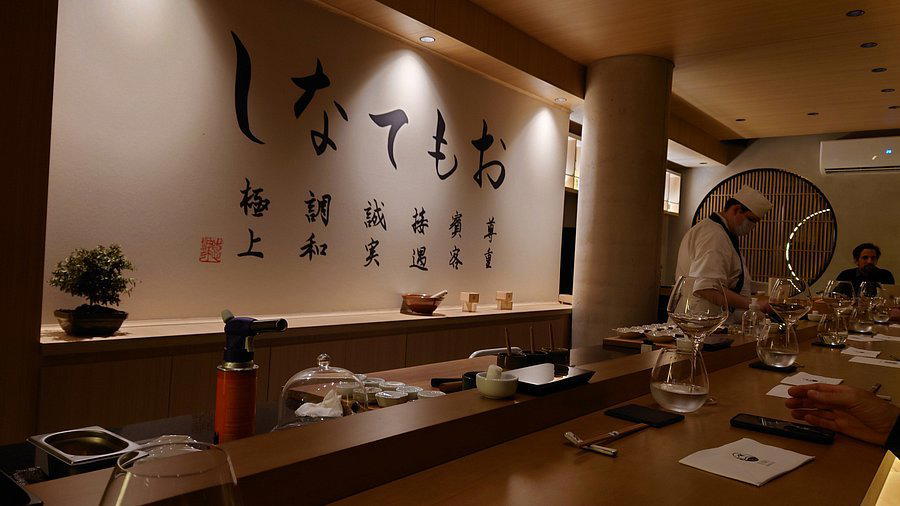
A Japanese Counter in Palermo's Evening Current
Guatemala Street in Palermo Soho runs through one of Buenos Aires' most concentrated dining corridors, where corner bistros and wine bars spill onto the cobblestones and reservation lists fill well before the weekend. Into this neighbourhood, long dominated by Argentine and European registers, a small number of Japanese kitchens have planted themselves with a seriousness that asks the local dining public to slow down and pay attention. Uni Omakase, at number 5820, is among the more committed of those propositions.
The omakase format has a specific grammar. Guests surrender the menu, the pace, and the sequence to the kitchen. In Tokyo's Ginza or Shinjuku districts, that grammar is understood as architecture, Myojaku and Azabu Kadowaki represent the kind of deeply codified counter dining where decades of technique are taken for granted. Transplanting that format to Buenos Aires requires not just the kitchen skills but a dining public willing to engage on those terms. That public exists here, and it is growing.
Palermo as Setting, Not Just Address
The neighbourhood context matters more than it might first appear. Palermo Soho's dining scene has sharpened considerably over the past decade, producing a cluster of restaurants operating at serious price points with serious culinary intent. Aramburu and Trescha sit at the creative modern end of that spectrum. Crizia holds its own position at the contemporary end. What this concentration means in practice is that the area has trained a segment of Buenos Aires diners to engage with tasting formats, seasonal menus, and non-parrilla price tiers, the exact conditions that allow an omakase counter to function.
Guatemala 5820 places Uni Omakase within easy reach of the neighbourhood's evening pedestrian flow, but the experience inside is insulated from that energy. This is not a venue that borrows the street's ambient buzz. The omakase model, by design, draws attention inward, toward the counter, the sequence of preparations, and the transaction between kitchen and guest.
What Michelin Recognition Means in This Context
Consecutive Michelin Plate awards in 2024 and 2025 are the clearest external calibration point available for Uni Omakase. The Plate designation sits below the star tiers but above the broader Michelin Bib Gourmand bracket, indicating cooking that meets the guide's quality threshold without yet reaching the level the inspectors would distinguish with a star. In Buenos Aires' Michelin context, the guide began covering the city relatively recently, a Plate in consecutive years signals consistent kitchen standards and a format the guide's inspectors have found worth returning to assess.
For price tier comparison: the restaurant operates at the $$$$ level, placing it alongside Don Julio, the city's most recognized steakhouse, and Aramburu in the leading price bracket of Buenos Aires restaurants. At that price point, the competition is not only other Japanese counters but the full range of upper-tier Buenos Aires dining.
The closest comparator within the Buenos Aires Japanese counter category is Buri Omakase, which operates in the same format and competes for the same guest profile. Both venues occupy a niche that is small by the standards of the Buenos Aires restaurant market as a whole, but the niche has enough depth to sustain multiple serious practitioners.
The Omakase Format in an Argentine City
Japanese counter dining in South America sits at a particular intersection. The continent's most dominant fine-dining traditions run through French-trained technique applied to local ingredients, as seen across the region from Lima to São Paulo to Buenos Aires. Japanese cuisine, particularly the omakase format, operates from a different philosophical base: it is additive in restraint rather than transformative in technique. A piece of fish at the right temperature and the right angle of cut is the point, not the vehicle for another idea.
That distinction is not lost on Buenos Aires diners who have spent time eating well in Asia or in cities where Japanese fine dining has a longer established history. For them, a venue like Uni Omakase answers a specific appetite that the city's steakhouses and creative tasting menus do not. For travellers arriving in Buenos Aires who want to map the city's full dining range rather than its greatest hits, the presence of a Michelin-recognized omakase counter in Palermo is worth factoring into the itinerary alongside the broader Argentine dining canon.
Argentina Beyond Buenos Aires
Travellers using Buenos Aires as a base frequently extend into the provinces, where the dining register shifts considerably. In Mendoza wine country, Azafrán and Cavas Wine Lodge in Alto Agrelo offer table experiences anchored in Argentine terroir. Further afield, Awasi Iguazu in Puerto Iguazu and EOLO in El Calafate represent the lodge-dining category, where setting and landscape are integral to the experience. La Bamba de Areco near San Antonio de Areco gives the estancia tradition a fine-dining framing, and El Colibrí in Santa Catalina occupies its own remote category. None of these venues competes with the restaurant's format, they operate in entirely different registers, but they complete a picture of what serious eating in Argentina looks like across regions and styles.
Planning Your Visit
The restaurant sits at Guatemala 5820 in Palermo Soho, a neighbourhood well-served by remises and rideshare from the city centre and the Recoleta and Palermo hotel clusters. The $$$$ price tier signals a booking-ahead venue rather than a walk-in proposition, and given the likely limited seat count typical of counter formats, advance reservation is strongly advisable. The Michelin Plate recognition and the. Booking directly is one reliable approach, and advance reservation is strongly advisable.
- nigiri with sole
- nigiri with matured pejerrey fish
- nigiri with amberjack
- torched squid
- sashimi
- temaki
- dashi soup
- sesame ice cream
Similar Picks
Comparable venues nearby, for context on price, style, and recognition.
| Venue | Cuisine | Price | Notes |
|---|---|---|---|
| Uni OmakaseThis venue — the venue you are viewing | Modern Japanese Omakase | $$$$ | Not listed |
| Mercado de Liniers | Modern Argentine Fine Dining | $$$$ | Palermo |
| Narda Comedor | Modern Mediterranean with Argentine Influence | $$$$ | Belgrano |
| Piedra Pasillo Al Fondo | Modern Argentine Contemporary | $$$ | Núñez |
| Osaka Concepción | Nikkei (Peruvian-Japanese Fusion) | $$$ | Colegiales |
| Sacro | Modern Plant-Based Fusion | $$$$ | Palermo |
Recognition history
Dated appearances from independent guides and award organizations, with the underlying list record or original source where available.
Michelin Plate
Michelin
Michelin Plate
Michelin
Michelin Plate
Michelin
Continue exploring
More in Buenos Aires
Restaurants in Buenos Aires
Browse all →
Bars in Buenos Aires
Browse all →
Hotels in Buenos Aires
Browse all →
Wineries in Buenos Aires
Browse all →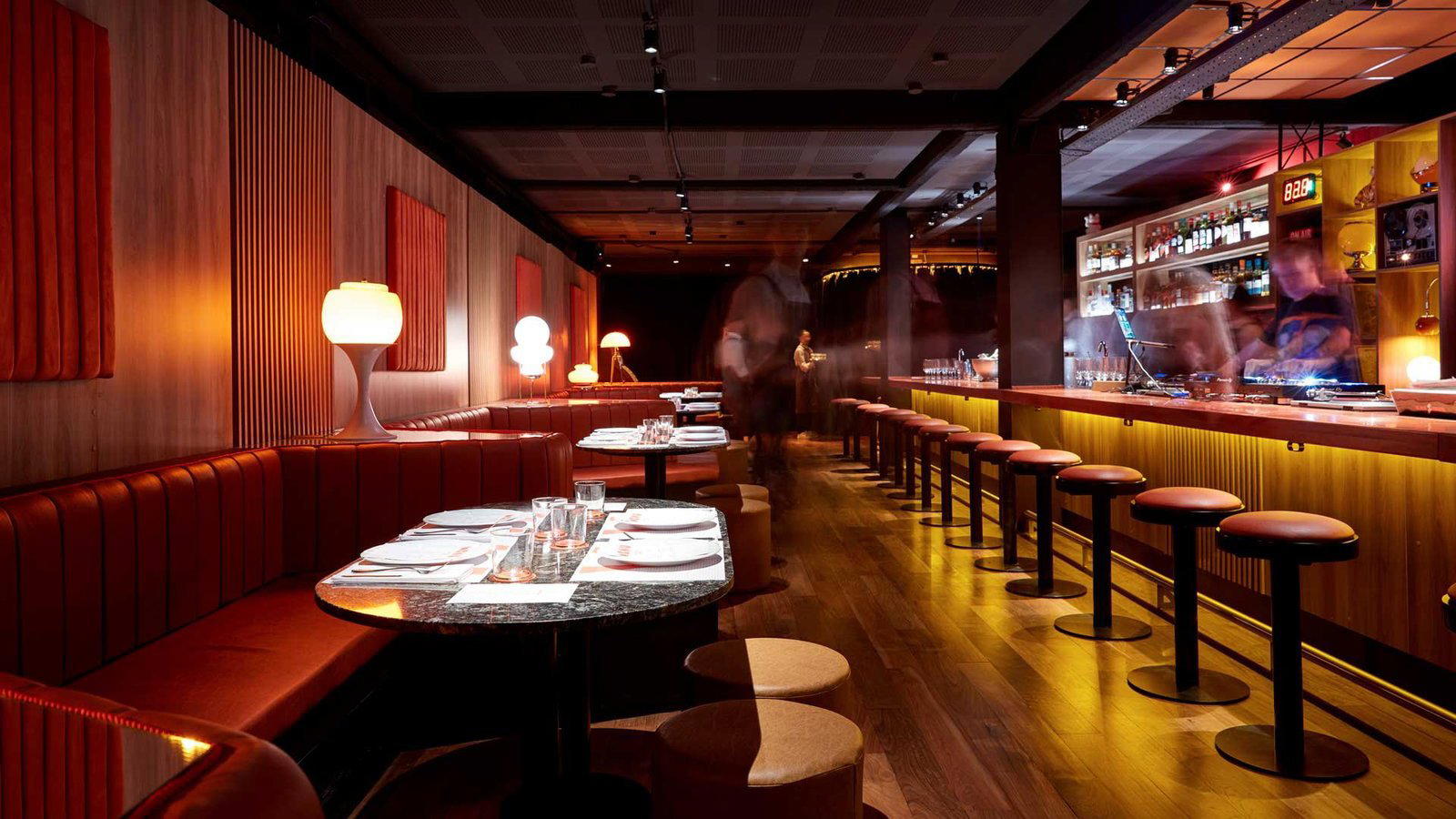
At a Glance
- Intimate
- Elegant
- Sophisticated
- Quiet
- Date Night
- Special Occasion
- Celebration
- Solo
- Chefs Counter
- Open Kitchen
- Sake Program
- Local Sourcing
- Sustainable Seafood
Current opening hours
- Monday
- Closed
- Tuesday
- 8 PM–12:30 AM
- Wednesday
- 8 PM–12:30 AM
- Thursday
- 8 PM–12:30 AM
- Friday
- 8 PM–12:30 AM
- Saturday
- 8 PM–12:30 AM
- Sunday
- 8 PM–12:30 AM
Hours can change for holidays and private events. Last verified .
Cozy and inviting with refined, authentic Japanese atmosphere; diners sit at a bar counter watching three chefs prepare dishes with meticulous attention; elegant and romantic ambiance with soft lighting.