Sacro

This listing is retired after a June 2026 status audit found the place inactive at its stored address.
- Address
- Sacro, Costa Rica 6038, Palermo, C1414 COV Buenos Aires, Argentina
- Directions
- Get directions
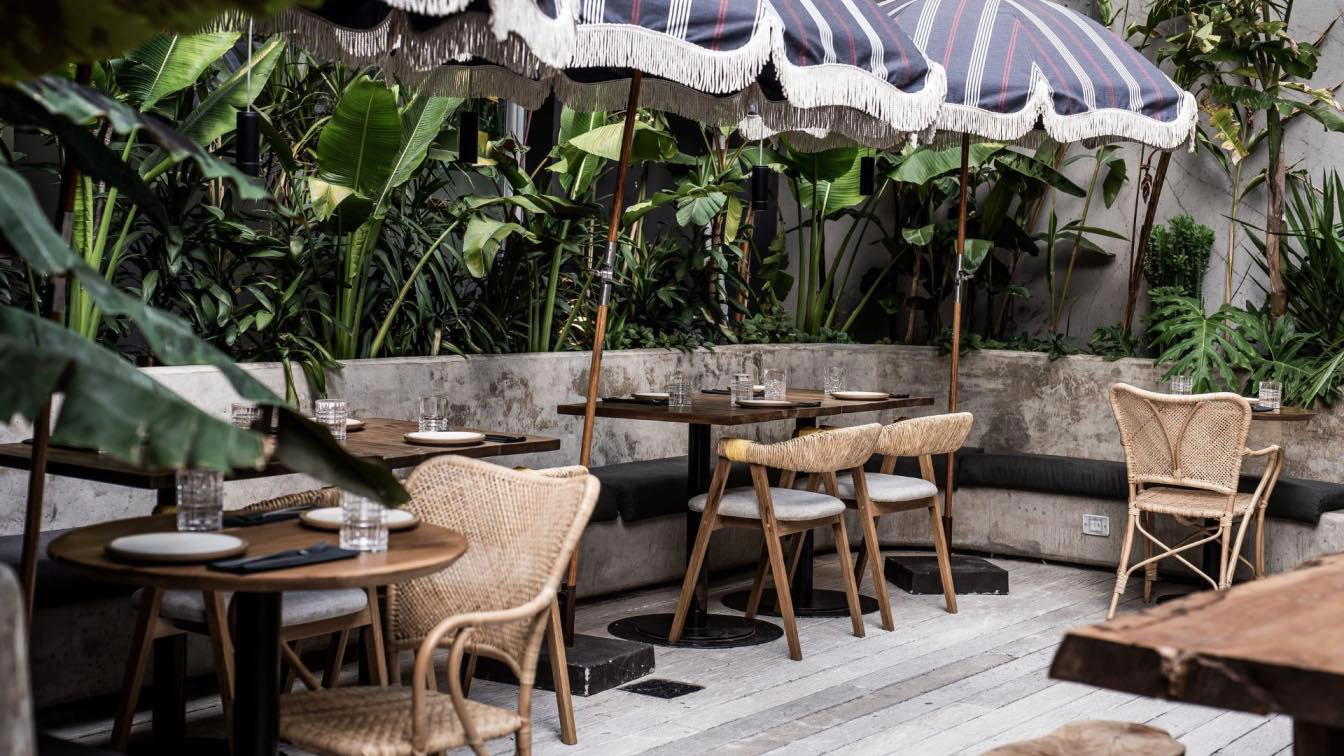
Palermo, Plants, and a Different Kind of Ambition
Costa Rica street in Palermo runs through one of Buenos Aires's most densely packed dining corridors, where parrillas and modern bistros compete for the same foot traffic. Sacro, at number 6038, sits inside that competitive block but operates on a different register entirely. The address is direct Palermo: accessible by taxi or the Palermo Soho walking circuit. What distinguishes the space from its neighbours is the absence of the smoke and char that define so much of the street's identity. The kitchen is vegetarian, and in a city that has historically measured culinary seriousness by the quality of its beef, that is not a minor editorial choice.
Vegetarian Cooking and the Weight of Tradition It Carries
The global tradition of serious vegetable-forward cooking is older and more technically demanding than its recent restaurant-world revival suggests. Japanese shojin ryori, developed in Zen Buddhist temples from the 13th century onward, established a vocabulary of dashi, tofu, and seasonal mountain vegetables that influenced precision cooking far beyond Japan. Indian vegetarian traditions across Gujarat, Tamil Nadu, and Bengal built spice architecture and fermentation techniques over centuries that remain reference points for any kitchen working without protein as its primary structural element. Ethiopian cuisine, with its legume-dense wat preparations and injera base, offered a different model: flavour built from slow-cooked pulses, fermented grain, and layered berbere rather than from reduction or browning. These traditions matter as context because they demonstrate that the absence of meat does not imply the absence of complexity. The question for any contemporary vegetarian restaurant is which of these lineages, or which synthesis of them, it draws on to build depth.
Buenos Aires arrives late to this conversation by global standards. The city's dining culture is rooted in European immigration, particularly Italian and Spanish, and in the cattle-ranching economy that made beef the default protein across all social tiers. Vegetarian restaurants existed here well before the current wave, but they operated largely as health-oriented alternatives rather than as serious culinary propositions. The shift over the past decade has been real: plant-focused cooking now appears on menus at Aramburu (Modern Argentinian, Creative) and Trescha (Modern Cuisine), two of the city's most technically ambitious kitchens, even if neither is exclusively vegetarian. Dedicated vegetarian restaurants now occupy a defined tier in Buenos Aires, and Sacro holds a position near stronger examples from it.
What the Michelin Recognition Actually Signals
Michelin awarded Sacro a Plate in both 2024 and 2025. The Plate designation indicates that inspectors found cooking of consistent quality worth noting, without the star-level distinction reserved for kitchens operating at the highest international tier. Two consecutive years of recognition matter more than a single award because they indicate that the kitchen has maintained its standard across inspector visits over time. In a Buenos Aires Michelin cohort that includes fire-driven steakhouses like Don Julio (Argentinian Steakhouse) and modern tasting menus at Marti and Chuí, Sacro's inclusion as a vegetarian-only kitchen marks a shift in what the guide treats as worth tracking in this city.
Price Tier and Peer Comparison
Sacro prices at the $$ tier, matching mid-range Palermo competitors rather than the $$$$ bracket occupied by Don Julio (Argentinian Steakhouse) or Aramburu (Modern Argentinian, Creative). It sits closer in cost to El Preferido de Palermo and La Carniceria, traditional neighbourhood restaurants with loyal local followings, though the kitchen's ambition and Michelin profile place it in a different evaluative comparable set. The accessible price point is relevant for visitors because it means Sacro can function as a serious meal without requiring the full-evening commitment of a multi-course tasting menu.
For travellers covering more of Argentina, the country's vegetarian and plant-forward dining extends well beyond Buenos Aires. Azafrán in Mendoza operates in the wine country context, while Cavas Wine Lodge in Alto Agrelo offers a different register in the vineyard belt. Remoter properties like EOLO - Patagonia's Spirit in El Calafate - Santa Cruz, Awasi Iguazu in Puerto Iguazu, El Colibri in Santa Catalina, and La Bamba de Areco in San Antonio de Areco each reflect regional approaches to produce-led cooking shaped by their local ecologies. The our full Buenos Aires wineries guide and our full Buenos Aires experiences guide provide further orientation for building a programme around Argentine food culture.
For a global comparative frame, two Chinese vegetarian restaurants in the Michelin ecosystem offer useful reference points. Fu He Hui in Shanghai and Lamdre in Beijing both operate within Buddhist-influenced vegetarian traditions that have achieved serious critical standing, demonstrating how deeply rooted culinary lineages can support technically ambitious plant-based menus. Sacro's position in Buenos Aires is analogous in one structural sense: it is making an argument for vegetarian cooking in a city where that argument required genuine effort to land.
Planning Your Visit
Sacro is located at Costa Rica 6038 in Palermo, accessible from most central Buenos Aires hotels in under twenty minutes by taxi or rideshare. Palermo Soho's restaurant density means walk-in availability can be tight on weekend evenings, particularly given the venue's recognition profile, and planning ahead by at least several days is advisable for Friday and Saturday dinners. The $$ pricing makes it a practical choice for a midweek dinner without the lead time pressure of the city's higher-demand tasting menu venues. The dress code is smart casual.
Cuisine and Awards Snapshot
Comparable venues nearby, for context on price, style, and recognition.
| Venue | Cuisine | Price | Awards | Notes |
|---|---|---|---|---|
| SacroThis venue — the venue you are viewing | Modern Plant-Based Fusion | $$$$ | Michelin Plate | Not listed |
| Casa Cavia | Modern Argentinian Fusion | $$$$ | Michelin Plate | Barrio Norte |
| Anafe | Modern Global Fusion Grill | $$$ | Bib Gourmand | Colegiales |
| Gioia Cocina Botánica | Modern Vegan Fine Dining | $$$$ | Michelin Plate | Recoleta |
| Han | Contemporary Korean Fine Dining | $$$$ | Michelin Plate | Villa Crespo |
| Anchoíta | Modern Argentine Grill with Guaraní Influences | $$$$ | Michelin Plate | Chacarrita |
Recognition history
Dated appearances from independent guides and award organizations, with the underlying list record or original source where available.
Michelin Plate
Michelin
Michelin Plate
Michelin
Continue exploring
More in Buenos Aires
Restaurants in Buenos Aires
Browse all →
Bars in Buenos Aires
Browse all →
Hotels in Buenos Aires
Browse all →
Wineries in Buenos Aires
Browse all →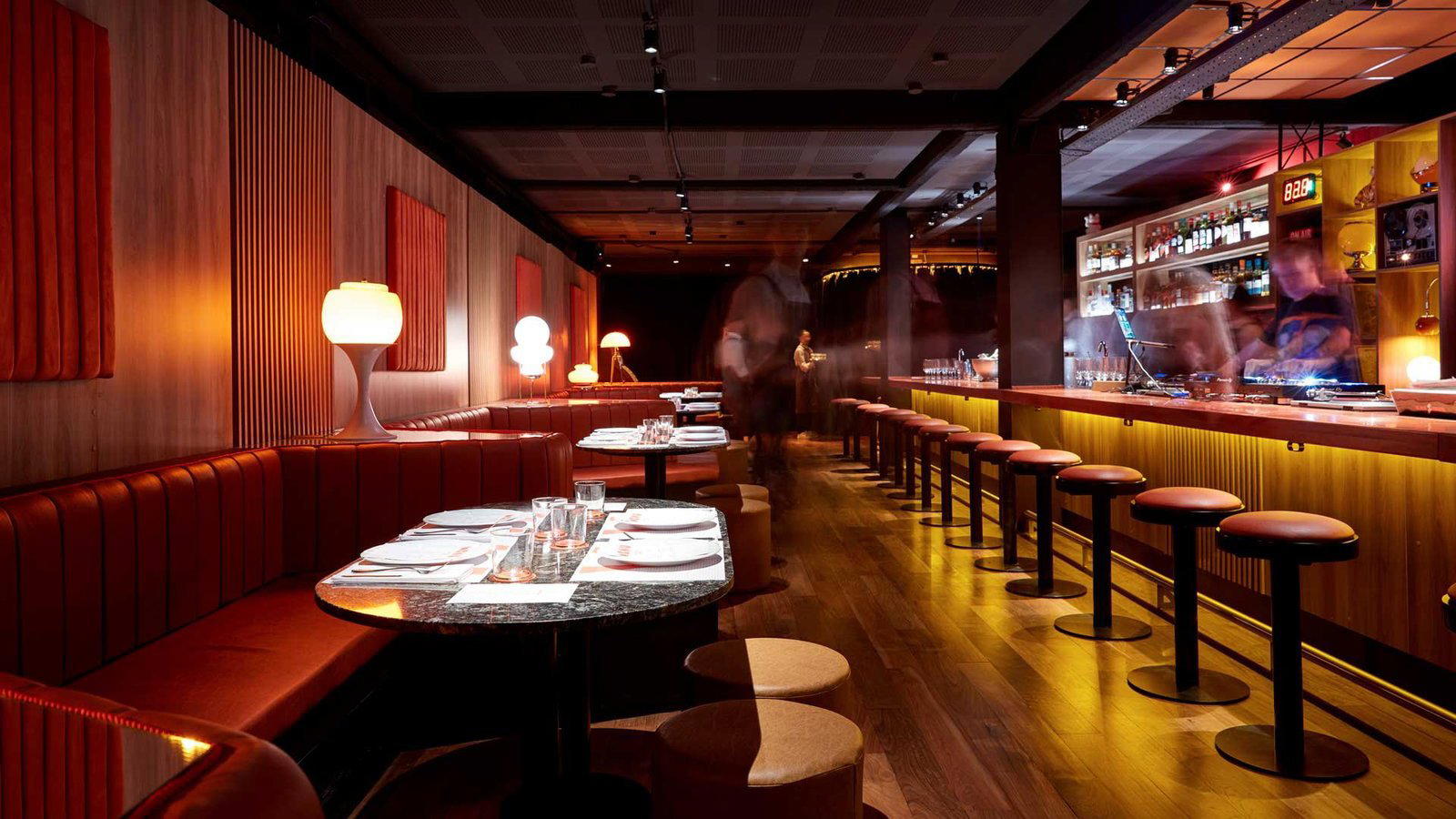
At a Glance
- Elegant
- Modern
- Intimate
- Trendy
- Date Night
- Special Occasion
- Group Dining
- Terrace
- Open Kitchen
- Extensive Wine List
- Craft Cocktails
- Organic
Know Before You Go
- Getting there
- Sacro, Costa Rica 6038, Palermo, C1414 COV Buenos Aires, Argentina