Narda Comedor

Narda Comedor holds consecutive Michelin Plate recognition (2024 and 2025) for its country cooking format in Buenos Aires's Coghlan neighbourhood. The restaurant operates in the $$$ tier, positioning it between the city's casual parrillas and its flagship tasting-menu addresses. Its approach draws on Argentine regional tradition rather than international fine-dining conventions.
Pearl is the En Primeur Club membership app — saves, bookings, and concierge access live there. Same editors, same standards.
- Address
- Mcal. Antonio José de Sucre 664, C1428 Cdad. Autónoma de Buenos Aires, Argentina
- Phone
- +54 11 6131-0664
- Directions
- Get directions
 Saves & bookings on Pearl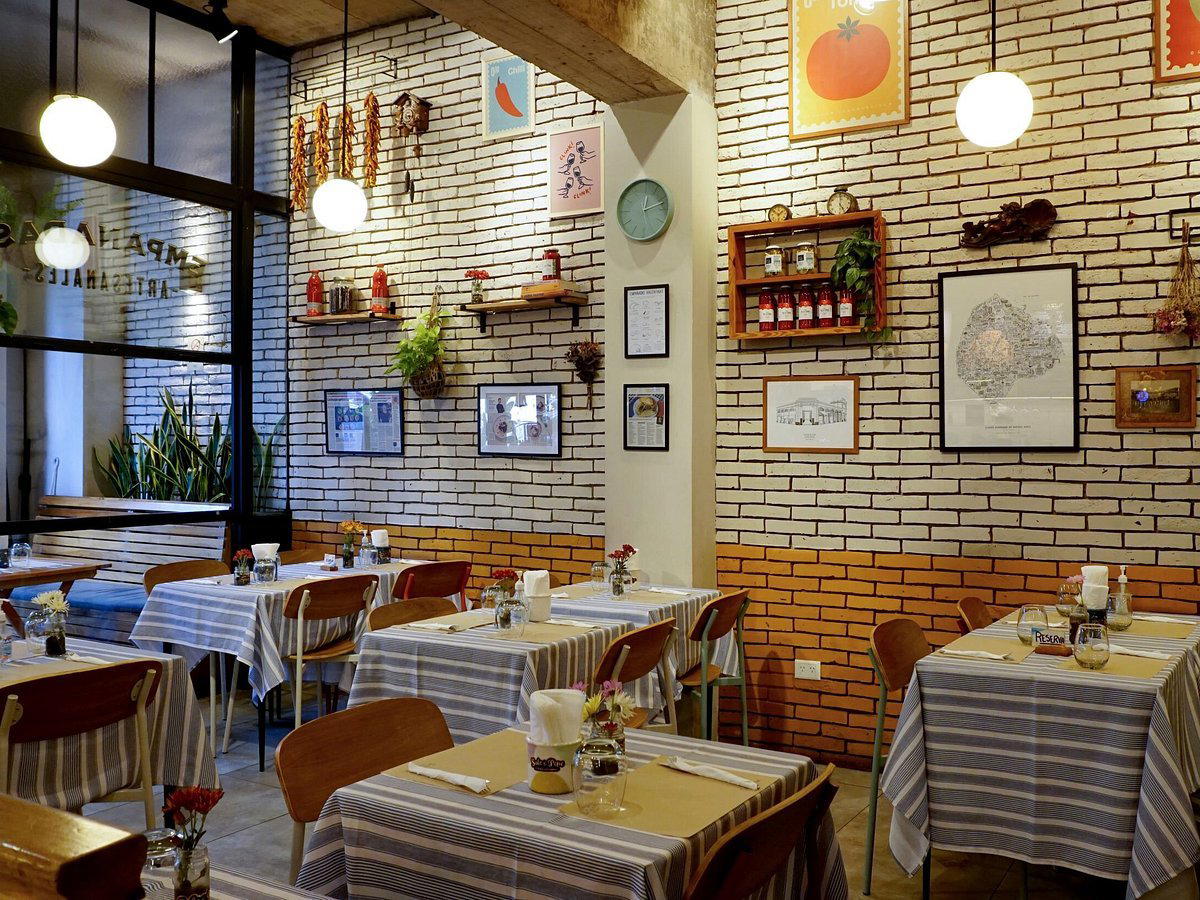
A Domestic Vernacular, Taken Seriously
Buenos Aires has long defaulted to two poles when it comes to serious eating: the parrilla, with its liturgical relationship to fire and beef, and the modernist tasting-menu format that frames Argentine ingredients through European technical frameworks. The space in between, occupied by what might fairly be called country cooking, has been slower to attract the same critical attention.
The address, on Mariscal Antonio José de Sucre 664 in Buenos Aires, places the restaurant outside the dense concentration of fine-dining addresses in Palermo and Las Cañitas. Coghlan is a residential quarter, low-rise and unhurried, and the surrounding streets do not signal gastronomic ambition in any obvious way. That contrast between neighbourhood character and culinary seriousness is not incidental; it frames what the dining room is trying to do before a guest even steps inside.
The Physical Container
Country cooking, as a format, carries spatial expectations. It tends toward warmth and familiarity: natural materials, visible workmanship, the kind of interior logic that suggests food is produced rather than assembled. The execution inside the room earns that register rather than simply borrowing its aesthetic language.
In cities where premium dining has moved toward stark minimalism or maximalist theatricality, a country-cooking format in a residential neighbourhood represents a deliberate counter-position. The decision to anchor the experience in domestic rather than theatrical space carries design consequences throughout: lighting calibrated for conversation rather than photography, table spacing that prioritises intimacy over capacity, surfaces that age and accumulate rather than remain neutral. These choices define the experience before the food arrives.
At the $$$ price point, Narda Comedor sits in a tier occupied by several of Buenos Aires's more considered mid-range addresses, among them Crizia and Anafe. It does not compete directly with the $$$$-tier flagship houses like Don Julio or Aramburu, which operate with different format logic and different price expectations. The Michelin Plate, awarded at this tier, signals that the cooking clears a threshold of technical seriousness that the price point alone would not guarantee.
Country Cooking as Critical Category
The cuisine designation is worth examining. Country cooking, as a global format, has undergone considerable critical rehabilitation in the past decade. From Nordic farmhouse traditions to the cucina povera revival in northern Italy, the category has moved from marginal to seriously regarded, with venues like 21.9 in Piobesi d'Alba and Andrea Monesi - Locanda di Orta in Orta San Giulio representing how seriously European critics have begun to treat the form.
In the Argentine context, country cooking connects to a deep and specific tradition: the estancia kitchen, the colonial interior, the provincial Sunday table. This is not the same tradition as the Buenos Aires parrilla, which is urban and performance-oriented. It is quieter, more vegetable-forward in rhythm, more interested in preserved, pickled, and slow-cooked forms. For a Buenos Aires restaurant to claim that tradition with enough conviction to earn Michelin recognition places it in an unusual position within the city's dining map.
For comparison, the country-cooking format also appears across Argentina's broader restaurant circuit, from the lodge dining at Awasi Iguazu in the north to the wine-country tables of Cavas Wine Lodge in Mendoza. What distinguishes Narda Comedor is that it operates this format in a metropolitan, non-destination-resort context, which places different demands on the cooking and the room.
Where It Sits in the Buenos Aires Scene
Country cooking rarely produces the visually dramatic plating that drives high online ratings; its persuasive force is cumulative and contextual rather than immediate. A 3.9 at this volume of reviews indicates consistent engagement from a wide audience, not the narrow enthusiast cohort that typically surrounds tasting-menu addresses.
The restaurant's position in the Buenos Aires scene becomes clearer when mapped against its comparable set. Trescha represents the modernist-creative end of Buenos Aires's current dining ambition; the traditional parrilla circuit, anchored by addresses like Don Julio, represents its most export-recognised format. Narda Comedor operates between those poles, drawing on Argentine food culture without performing it for an international audience.
For visitors building a Buenos Aires itinerary that moves beyond the obvious parrilla and steakhouse stops, the restaurant offers a different register of Argentine cooking. Those interested in how the country's regional food traditions translate to an urban dining room will find more to consider here than at addresses focused primarily on fire and beef.
Planning Your Visit
The restaurant is located at Mcal. Antonio José de Sucre 664 in Coghlan, a neighbourhood that requires a deliberate trip rather than a casual walk from central hotel districts. The $$$ price point puts a meal in the same general bracket as Crizia and comparable contemporary addresses in the city. Booking ahead is advisable, and reservations are recommended.
Those planning wider Argentine travel can find regional cooking in different formats at La Bamba de Areco in San Antonio de Areco and El Colibri in Santa Catalina, or in the wine-country context of Azafrán in Mendoza.
A Pricing-First Comparison
Comparable venues nearby, for context on price, style, and recognition.
| Venue | Cuisine | Price | Awards |
|---|---|---|---|
| Narda ComedorThis venue — the venue you are viewing | Country cooking | $$$$ | Michelin Plate |
| Sacro | Palermo, Modern Plant-Based Fusion | $$$$ | Michelin Plate |
| Casa Cavia | Barrio Norte, Modern Argentinian Fusion | $$$$ | Michelin Plate |
| Cabaña Las Lilas | Piñeyro, Argentine Parrilla Steakhouse | $$$$ | Michelin Plate |
| Uni Omakase | Palermo, Modern Japanese Omakase | $$$$ | Michelin Plate |
| Piedra Pasillo Al Fondo | Núñez, Modern Argentine Contemporary | $$$ | Michelin Plate |
Recognition history
Dated appearances from independent guides and award organizations, with the underlying list record or original source where available.
Michelin Plate
Michelin
Michelin Plate
Michelin
Michelin Plate
Michelin
Continue exploring
More in Buenos Aires
Restaurants in Buenos Aires
Browse all →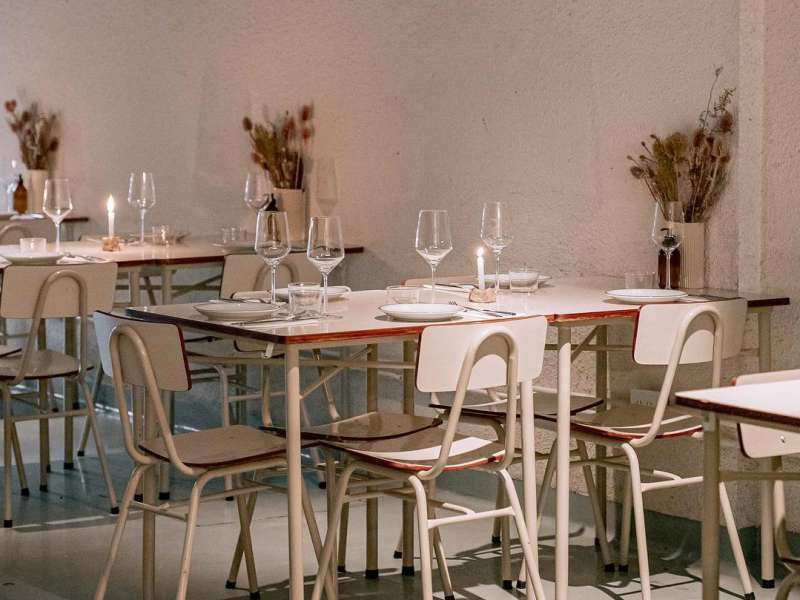
Bars in Buenos Aires
Browse all →
Hotels in Buenos Aires
Browse all →
Wineries in Buenos Aires
Browse all →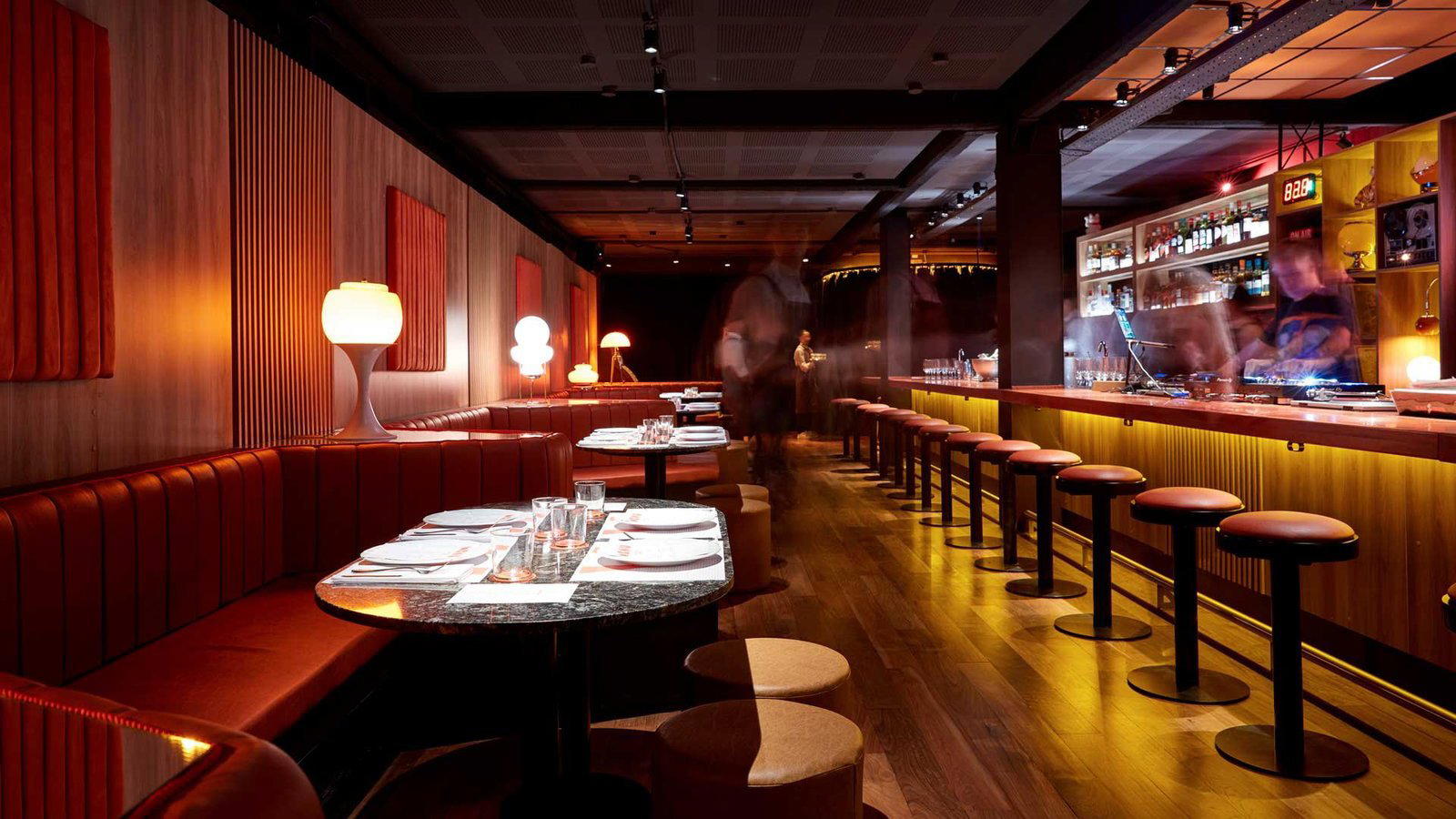
At a Glance
- Modern
- Minimalist
- Elegant
- Cozy
- Brunch
- Casual Hangout
- Group Dining
- Open Kitchen
- Craft Cocktails
- Farm To Table
- Local Sourcing
Current opening hours
- Monday
- 8:30 AM–11 PM
- Tuesday
- 8:30 AM–11 PM
- Wednesday
- 8:30 AM–11 PM
- Thursday
- 8:30 AM–11 PM
- Friday
- 8:30 AM–11 PM
- Saturday
- 8:30 AM–11 PM
- Sunday
- 8:30 AM–7 PM
Hours can change for holidays and private events. Last verified .
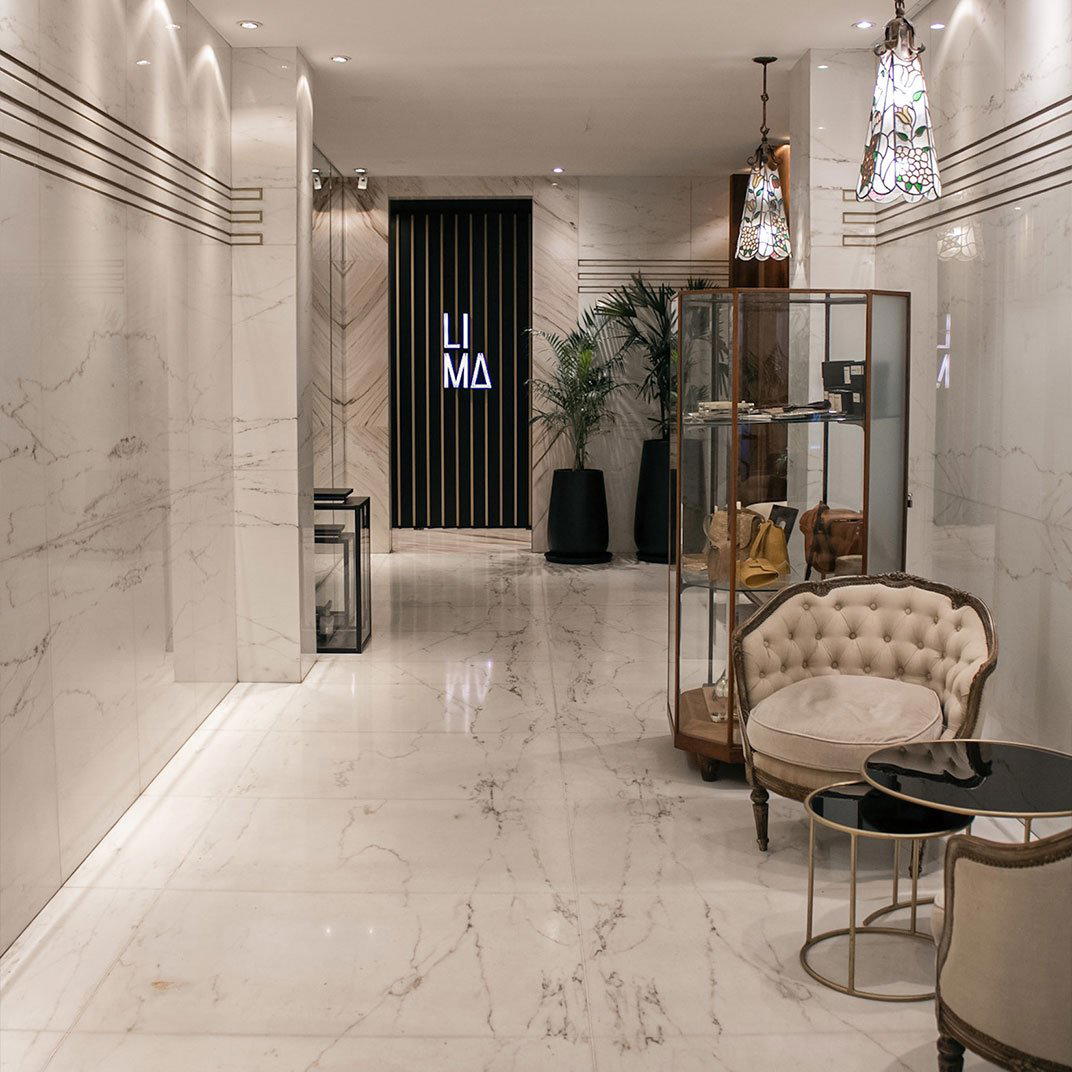
Bright, spacious white dining room with clean, luminous design and open kitchen visibility; elegant yet casual cafeteria-like atmosphere with comfortable, relaxed seating.