Rokai Ramen-Ya
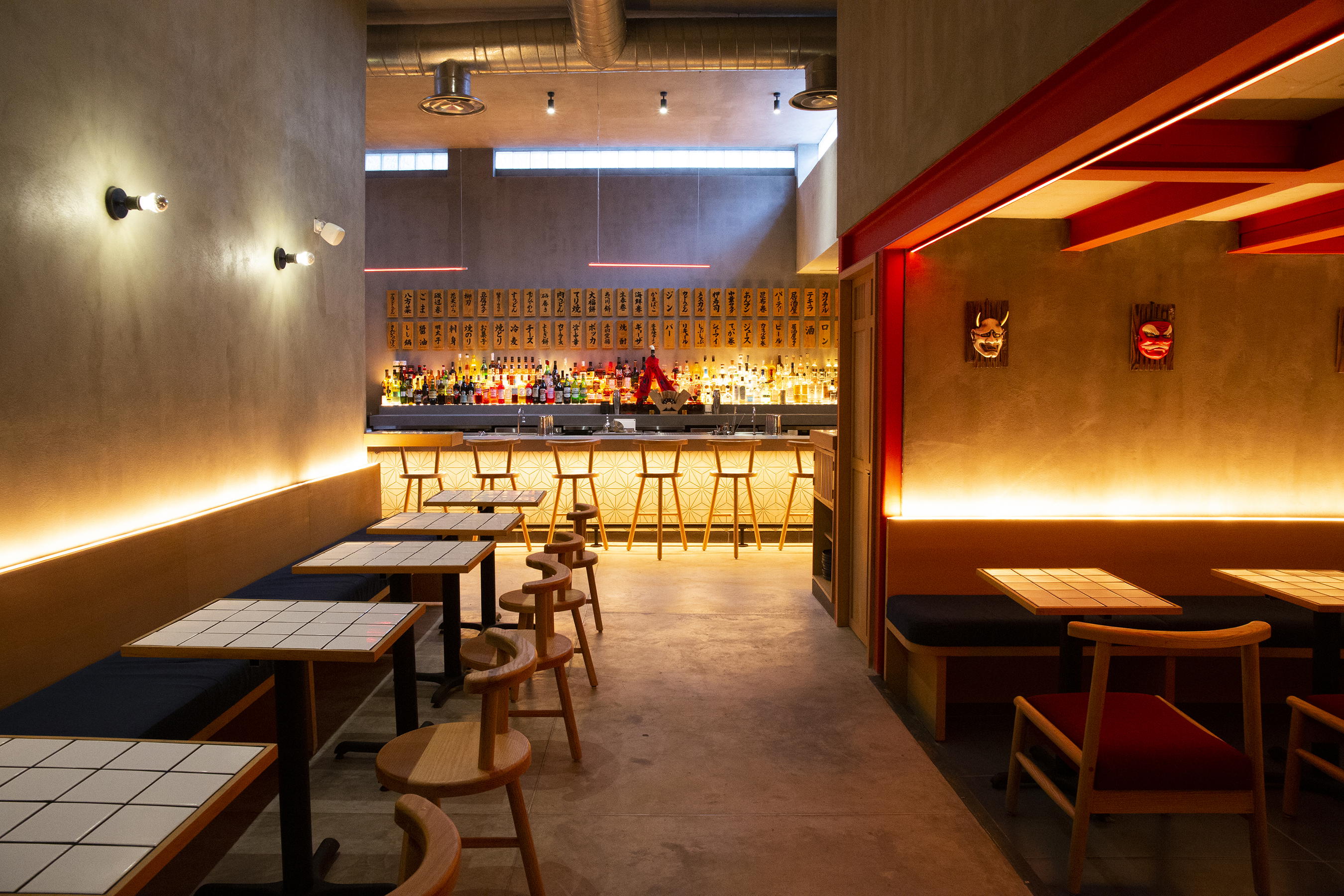
Rokai Ramen-Ya on Río Ebro brings a focused Japanese ramen format to Cuauhtémoc, one of Mexico City's most restaurant-dense neighbourhoods. In a city where the fine-dining conversation runs through tasting menus at places like Pujol and Quintonil, Rokai occupies a different register, specialised, counter-oriented, and built around a single discipline executed with consistency.
Pearl is the En Primeur Club membership app — saves, bookings, and concierge access live there. Same editors, same standards.
- Address
- Río Ebro 89, Cuauhtémoc, 06500 Ciudad de México, CDMX, Mexico
- Phone
- +52 56 3035 4220
- Website
- edokobayashi.com
- Directions
- Get directions
 Saves & bookings on Pearl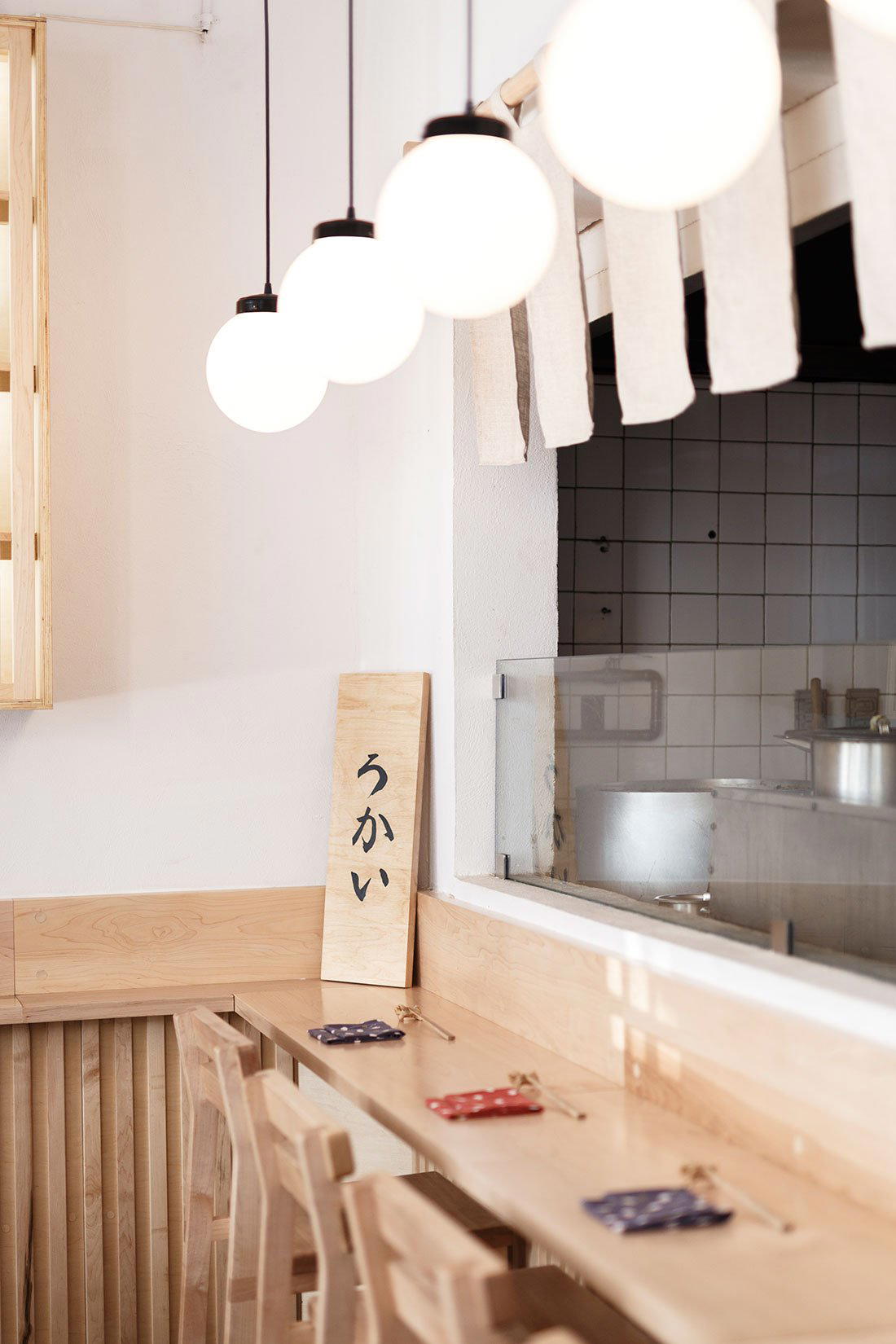
Ramen in a Tasting-Menu City
Mexico City's dining conversation in Cuauhtémoc tends to run in one direction: elaborate tasting menus, ingredients sourced from producers with names and coordinates, and price points that align with international fine-dining benchmarks. Pujol and Quintonil define that upper tier; Em and Rosetta operate one register below with a similarly editorial approach to their menus. Rokai Ramen-Ya, on Río Ebro 89, does something structurally different: it commits to a single format, a single cuisine tradition, and a single product category. That kind of discipline is more common in Tokyo or Osaka than in the Cuauhtémoc colonia, and it positions Rokai as a craft specialist.
The Japanese ramen-ya model, a narrow room, a focused menu, a counter or close-set tables, and a kitchen organised entirely around broth, does not translate easily to every city. Mexico City is an exception, partly because its food culture already values depth of preparation in a single dish (think the hours behind a proper mole or a slow-braised birria), and partly because Cuauhtémoc's density supports the kind of repeat local traffic that sustains specialist formats.
What the Menu Architecture Tells You
A ramen menu is a diagnostic tool. The number of base broths on offer, whether the kitchen separates tare from broth as distinct elements, how toppings are priced and sequenced, all of it signals how seriously a kitchen takes the form. The traditional ramen-ya in Japan rarely offers more than two or three core bowls, because the logic of the format is depth over breadth. Expanding the menu beyond that tends to dilute the broth program: maintaining three genuinely distinct, long-cooked broths at volume is a different operation from maintaining one.
The menu at a committed ramen house also functions as a statement about sourcing. Tonkotsu demands pork bones at scale and time; shio requires a clarity of stock that punishes shortcuts; miso-based broths need fermented paste programs with their own consistency logic. These are not dishes assembled from components, they are built from a base that takes twelve to eighteen hours to produce correctly. The ramen format, done properly, requires as much kitchen infrastructure as a tasting-menu operation, it simply presents differently at the table.
Mexico City has enough Japanese residents and long enough exposure to Japanese restaurant culture (particularly in the Polanco and Cuauhtémoc districts) that the audience for serious ramen exists. But the city has also seen ramen treated as a trend item rather than a format, with hybrid menus that dilute the bowl's integrity with fusion additions. A specialist house that resists that pressure and keeps its menu architecture tight occupies a more credible position in the long run.
Cuauhtémoc and the Neighbourhood Context
Río Ebro sits within the broader Cuauhtémoc delegation, a few blocks from the restaurant concentration that lines Ámsterdam and the surrounding streets in Colonia Hipódromo and Condesa. The area draws a professional lunch crowd and a dinner audience that moves between venues with enough familiarity to reward specialists. It is the kind of neighbourhood where a well-run single-discipline restaurant can build a regular clientele without relying on tourist traffic, which is a more stable foundation than destinations that depend on first-time visitors for their volume.
The contrast with the tasting-menu tier is worth noting from a logistics standpoint. While Sud 777 and its peers in the creative Mexican dining circuit require advance booking weeks out, the ramen format traditionally operates on a walk-in or same-day basis. That accessibility is a feature of the format, not an indicator of quality, particularly technically demanding ramen in Japan has no reservation system at all.
Mexico's Specialist Restaurant Tier
Across Mexico, a pattern is visible: the cities with the deepest restaurant cultures tend to support specialist formats alongside their headline tasting-menu operations. In Guadalajara, Alcalde represents the creative-Mexican tier while smaller format-specific spots hold their own with local regulars. In Oaxaca, Levadura de Olla treats a single culinary tradition with the same seriousness that Michelin-recognised operations bring to tasting menus. In Valle de Guadalupe, Animalón focuses its format around fire and a specific regional identity. The pattern continues in Monterrey, San Pedro Garza García, and along the Baja coast. Specialty formats earn their place not by competing with the headline operations but by doing one thing at a depth those operations cannot match.
The comparison extends internationally. At Le Bernardin in New York, the narrow focus on seafood has been the source of its authority for decades. At Lazy Bear in San Francisco, a fixed-format dinner program defines the experience rather than constraining it. Specialist commitment, in other words, is not a limitation, it is an editorial position. A ramen-ya that holds its format against the pressure to expand or hybridise is making the same kind of argument.
Mexico's coastal and beach resort circuit, HA' in Playa del Carmen, Le Chique in Puerto Morelos, and Arca in Tulum, operates on spectacle and destination logic. Lunario in El Porvenir builds its case on wine-country setting. Rokai operates on neither of those axes. Its case is made entirely by what arrives in the bowl and how consistently it does so.
Planning a Visit
Rokai Ramen-Ya is located at Río Ebro 89 in Cuauhtémoc, 06500, a walkable distance from the main avenues running through Colonia Hipódromo and accessible by metro from the Insurgentes station. The ramen-ya format generally operates without a reservation requirement, which means the practical calculus is about timing rather than advance booking: arriving at opening or in the early afternoon window between lunch and dinner service tends to shorten any wait. Specific hours, current pricing, and any updated booking options are best confirmed directly with the venue, as operational details for specialist format restaurants in this colonia tend to shift with the season.
A Minimal comparable set
Comparable venues nearby, for context on price, style, and recognition.
| Venue | Cuisine | Price | Notes |
|---|---|---|---|
| Rokai Ramen-YaThis venue — the venue you are viewing | Not listed | $$$ | Not listed |
| Deigo Sushi Roma | Not listed | $$$ | Roma Norte, Traditional Japanese Sushi Bar |
| Ginza Cráter | Not listed | $$$ | Pedregal de San Jeronimo, Japanese Sushi Bar |
| Narú | Not listed | $$$ | Bosques de Las Lomas, Mexican-Japanese Fusion |
| Ikigai San Ángel | Chimalistac, Modern Japanese Sushi | $$$ | Not listed |
| Japanika - Bosques | Not listed | $$$ | La Puntada, Japanese-Latin American Fusion |
Continue exploring
More in Mexico City
Restaurants in Mexico City
Browse all →
Bars in Mexico City
Browse all →


At a Glance
- Cozy
- Intimate
- Modern
- Date Night
- Casual Hangout
- Solo
- Open Kitchen
- Sake Program
- Local Sourcing
Current opening hours
- Monday
- 1–11 PM
- Tuesday
- 1–11 PM
- Wednesday
- 1–11 PM
- Thursday
- 1–11 PM
- Friday
- 1–11 PM
- Saturday
- 1–11 PM
- Sunday
- 1–7 PM
Hours can change for holidays and private events. Last verified .
Warm, cozy, and intimate izakaya atmosphere with counter seating for watching the chef's craft and a welcoming vibe for conversation.