On Steingasse, one of Salzburg's most atmospheric medieval lanes, Uncle Van occupies a address that rewards those who wander past the tourist circuit. The venue sits in a neighbourhood defined by candlelit bars and unhurried evening rhythms, offering a distinctly different register from the city's Michelin-weighted dining rooms. Whether you arrive at lunch or after dark, the street itself sets the tone before you reach the door.
Pearl is the En Primeur Club membership app — saves, bookings, and concierge access live there. Same editors, same standards.
- Address
- Steingasse 9, 5020 Salzburg, Austria
- Phone
- +436607830862
- Website
- uncle-van.at
- Directions
- Get directions
 Saves & bookings on Pearl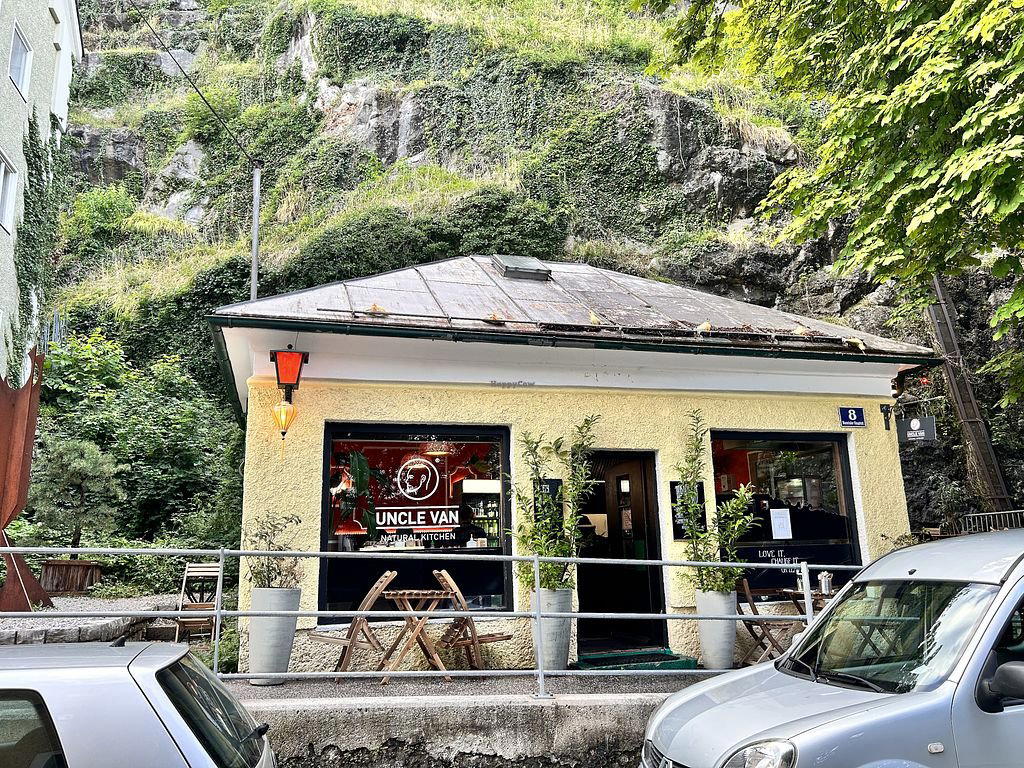
Steingasse and the Question of Where Salzburg Actually Eats
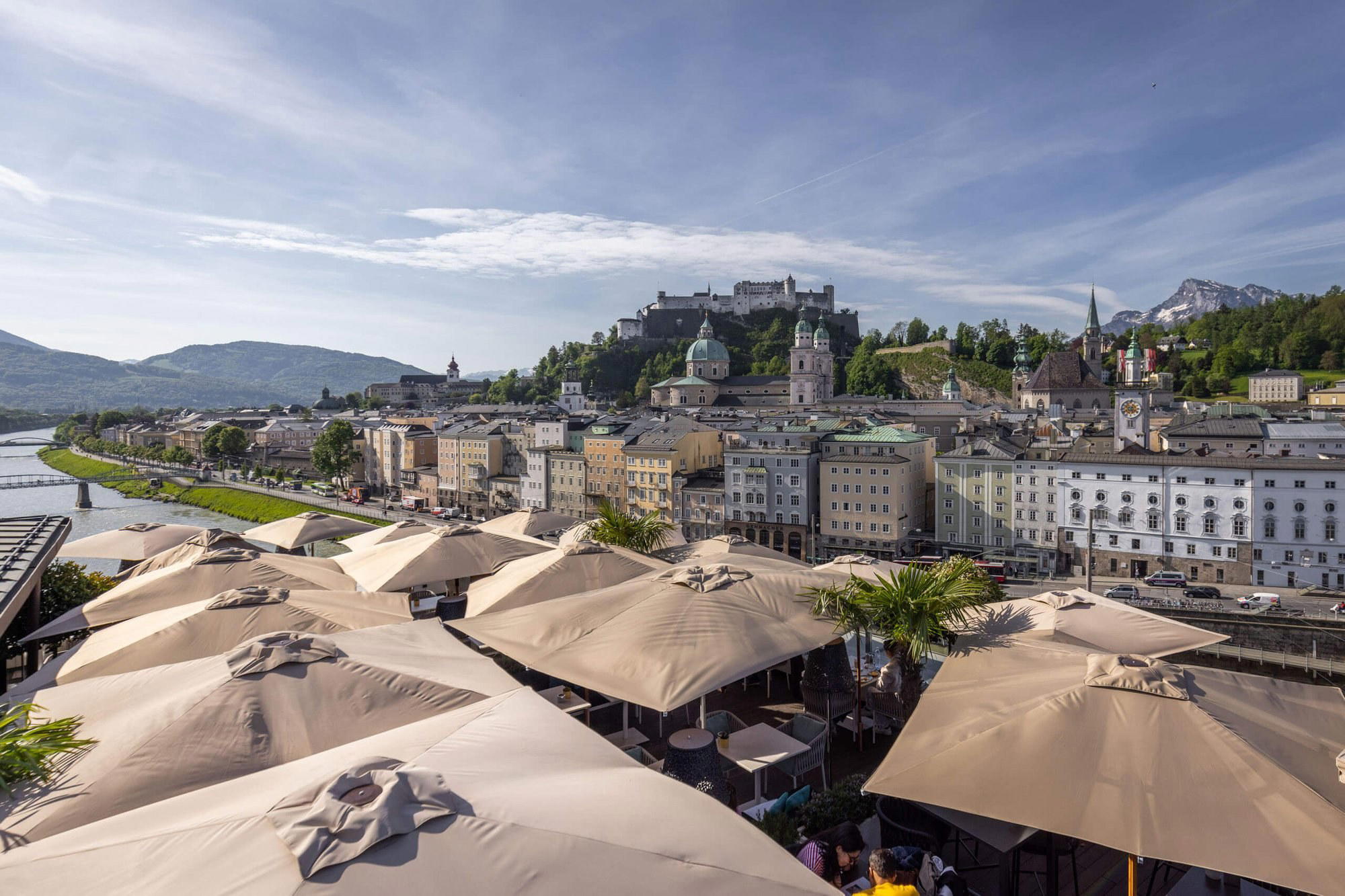
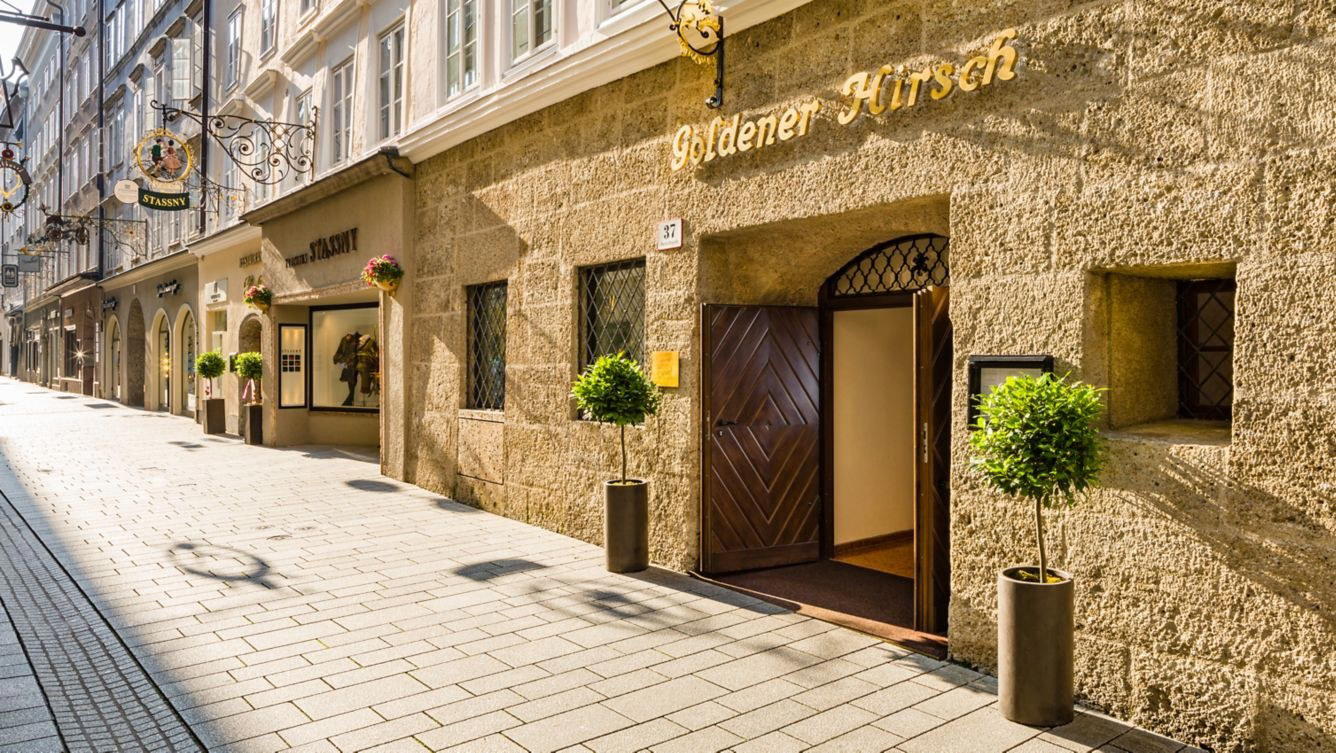
Salzburg's dining reputation is built largely on its festival-season tables and a cluster of Michelin-recognised rooms: Ikarus at Hangar-7, Esszimmer in the Mülln district, Senns and Pfefferschiff for those willing to travel further. But the city also contains a quieter stratum of neighbourhood addresses that locals treat as regulars rather than occasions, and Steingasse is where several of them cluster. The narrow lane runs along the east bank of the Salzach, lined with stone facades and low-lit windows that belong to a different tempo than the Getreidegasse tourist corridor a few minutes' walk away.
Uncle Van sits at Steingasse 9, inside this stretch. The address alone positions it: this is not a room built around festival visitors or Michelin hunters, but one that draws from the residential and bar-going rhythm of one of the old town's most characterful streets. That context shapes expectations more usefully than any single data point about the venue itself.
The Lunch and Evening Divide on Steingasse
In Salzburg, as in most mid-sized Austrian cities, the distinction between daytime and evening service is meaningful. Lunch on Steingasse tends to be functional: the lane is quieter, the pedestrian traffic thinner, and venues in this category typically run shorter menus at accessible price points to serve a working local crowd rather than arriving tourists. Evening service is a different proposition entirely. The street comes alive after dusk, the stone corridor holds sound in a particular way, and by early evening it has the density of a neighbourhood that knows how to use its geography.
For an address in this position, the evening service carries more identity. The ambient shift from afternoon light to candlelit stone walls is not incidental; it is the product of a street that has been inhabited continuously since the medieval period, and the bars and small restaurants along it have learned to work with that atmosphere rather than against it. Visitors arriving for dinner at a venue on Steingasse are, in effect, arriving into a stage set that requires no construction, the architecture does the work.
This matters when deciding when to visit. A daytime stop may offer faster service and a lower-commitment format, useful for travellers moving between the Kapuzinerberg and the old town. An evening visit asks for more time and delivers more in return: the full character of the street, the slower pace that Salzburg's non-festival nights tend to produce, and the sense of eating where the city's residents actually choose to eat rather than where they are directed.
Where Uncle Van Sits in the Salzburg Spectrum
Salzburg's restaurant market has a clear upper tier, tasting-menu rooms with strong credentials and prices to match, and a broader mid-market that runs from casual Austrian taverns through to more considered neighbourhood addresses. The venues at the Michelin level, including those in our full Salzburg restaurants guide, operate in a different register: longer formats, higher spend, reservation windows that can run weeks ahead. Uncle Van's position on Steingasse suggests something outside that structure: an address shaped more by neighbourhood function than by competitive positioning against the city's award-circuit rooms.
Across Austria more broadly, this neighbourhood-register dining has its own quality ceiling. Steirereck im Stadtpark in Vienna represents the upper extreme of Austrian dining ambition; at the other end of the spectrum, places like Obauer in Werfen and Döllerer in Golling an der Salzach demonstrate that serious cooking exists well outside the city. The restaurant occupies neither of those poles. It belongs to a middle layer that rewards local knowledge over advance research.
For comparison, the regional range also includes destination-level addresses further afield: Griggeler Stuba in Lech, Gourmetrestaurant Tannenhof in Sankt Anton am Arlberg, Kräuterreich by Vitus Winkler in Sankt Veit im Pongau, Landhaus Bacher in Mautern an der Donau, Schwarzer Adler in Hall in Tirol, Ois in Neufelden, and Restaurant 141 by Joachim Jaud in Mieming. Each sits within a distinct tier and serves a different kind of visit. The restaurant is not competing with any of them; it is serving a different function within a different context.
The Steingasse Neighbourhood as the Primary Draw
Whatever the restaurant serves, the argument for visiting begins with geography. Steingasse is one of the few streets in Salzburg's old town that retains the texture of daily life rather than tourist infrastructure. The lane is narrow enough that two people walking side by side occupy most of the pavement, and the buildings on either side are close enough that conversations carry between opposite windows. It has the compression and intimacy of a medieval street that was never widened for modern traffic, and that physical fact produces an atmosphere that broader streets cannot replicate.
Visitors who have spent time in comparable European lane-dining situations, the backstreets of Vienna's 7th district, the quieter alleys of Lyon's Presqu'île, or the less-visited calles of Venice, will recognise the register immediately. The food is secondary to the question of where you are eating. The Glass Garden represents a different spatial approach to Salzburg dining; Steingasse is a study in urban compression rather than openness. Both are legitimate, and the choice between them says more about what kind of evening you want than about hierarchy.
For international reference points at a different scale, Le Bernardin in New York City and Atomix in New York City represent venues where the room and the context are part of the proposition, the restaurant is making a similar, if far quieter, argument from its street address alone.
Planning Your Visit
Steingasse 9 is a short walk from the Staatsbrücke bridge and accessible from the old town without crossing to the right bank. The lane is leading approached on foot; it is not a street that accommodates cars, and its character is leading absorbed at walking pace. For those building a Salzburg evening around the street, the neighbourhood supports a sequence of stops rather than a single-venue commitment, which is how its residents tend to use it.
Budget and Context
Comparable venues nearby, for context on price, style, and recognition.
| Venue | Cuisine | Price | Notes |
|---|---|---|---|
| Uncle VanThis venue — the venue you are viewing | Rechte Altstadt, Vietnamese Street Food | $$ | Not listed |
| Wokman | Not listed | $$ | Linke Altstadt, Vietnamese & Asian Natural Kitchen |
| The Heart of Joy | Neustadt, Vegetarian & Vegan Café | $$ | Not listed |
| Koreasküche HIBISKUS | Neustadt, Authentic Korean | $$ | Not listed |
| my Indigo Staatsbrücke | Not listed | $$ | Rechte Altstadt, Super Natural Fusion Bowls & Salads |
| Nagano | Linke Altstadt, Modern Japanese Izakaya | $$$ | Not listed |
At a Glance
- Cozy
- Trendy
- Casual Hangout
- Open Kitchen
Current opening hours
- Monday
- 11:30 AM–9 PM
- Tuesday
- 11:30 AM–9 PM
- Wednesday
- 11:30 AM–9 PM
- Thursday
- 11:30 AM–9 PM
- Friday
- 11:30 AM–9 PM
- Saturday
- 12–9 PM
- Sunday
- 12–9 PM
Hours can change for holidays and private events. Last verified .
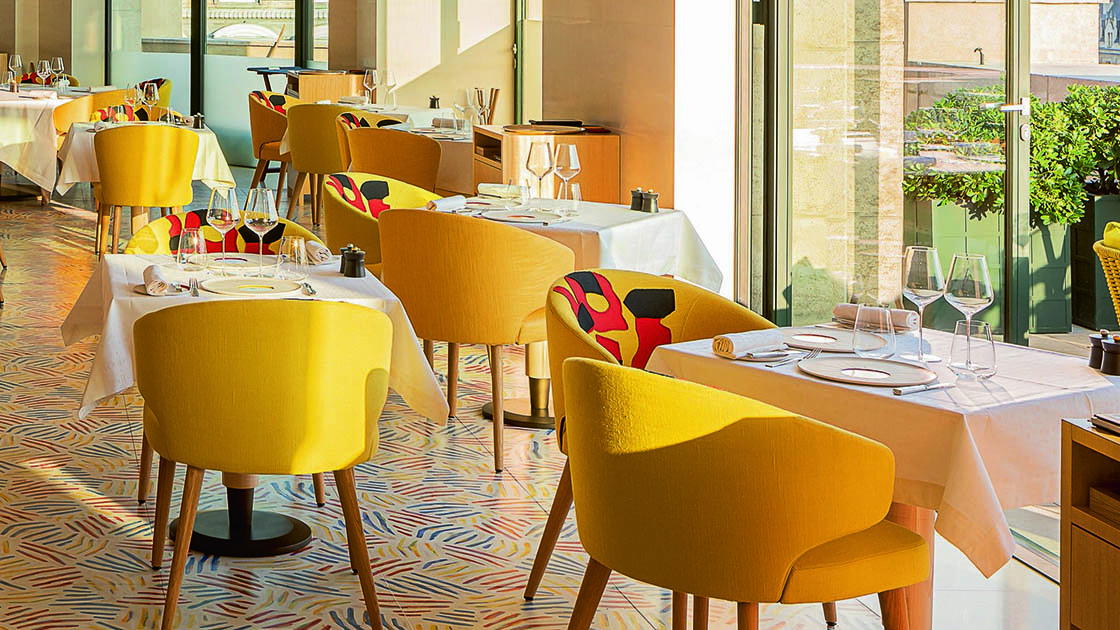
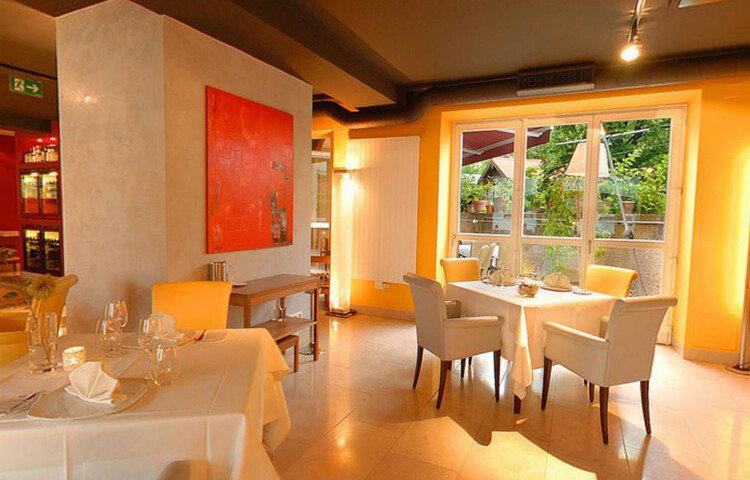
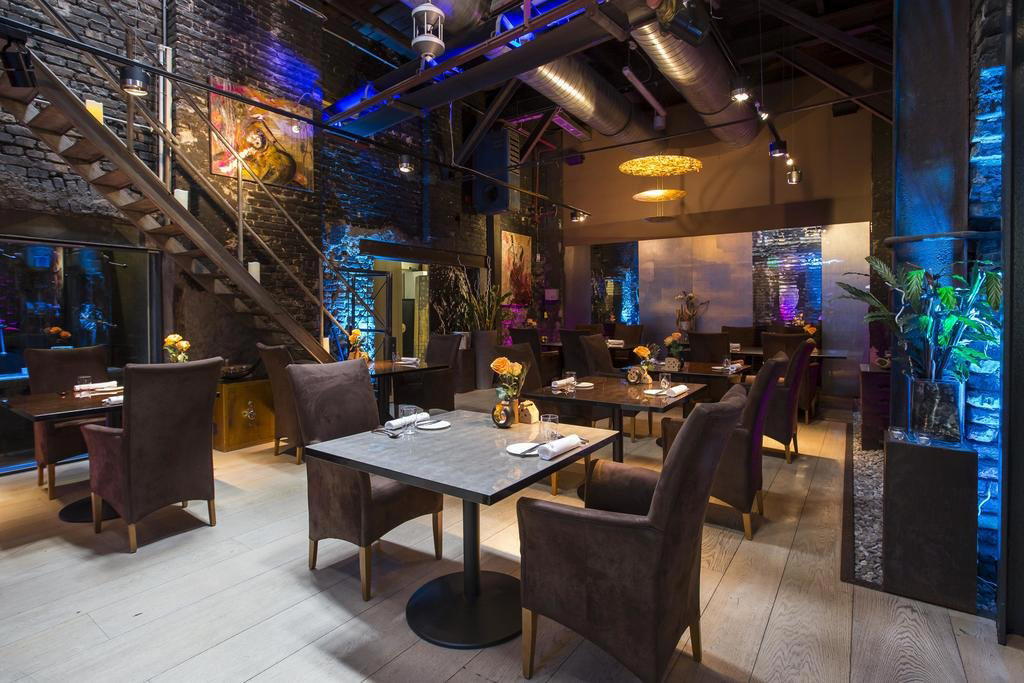
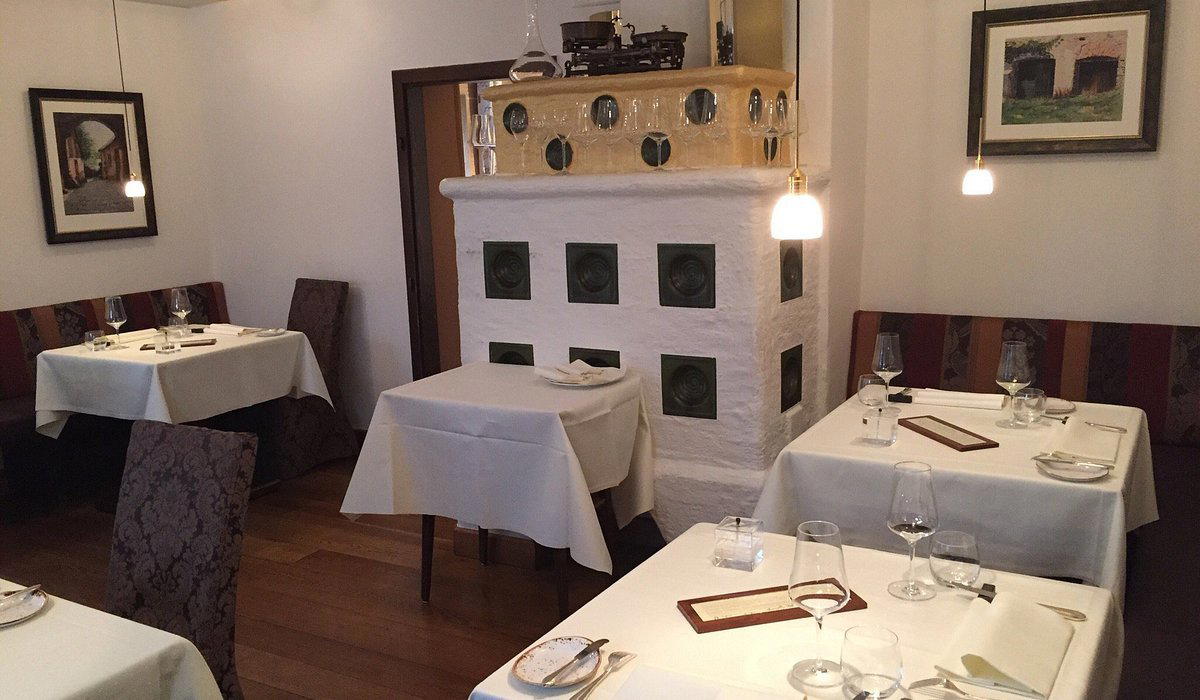
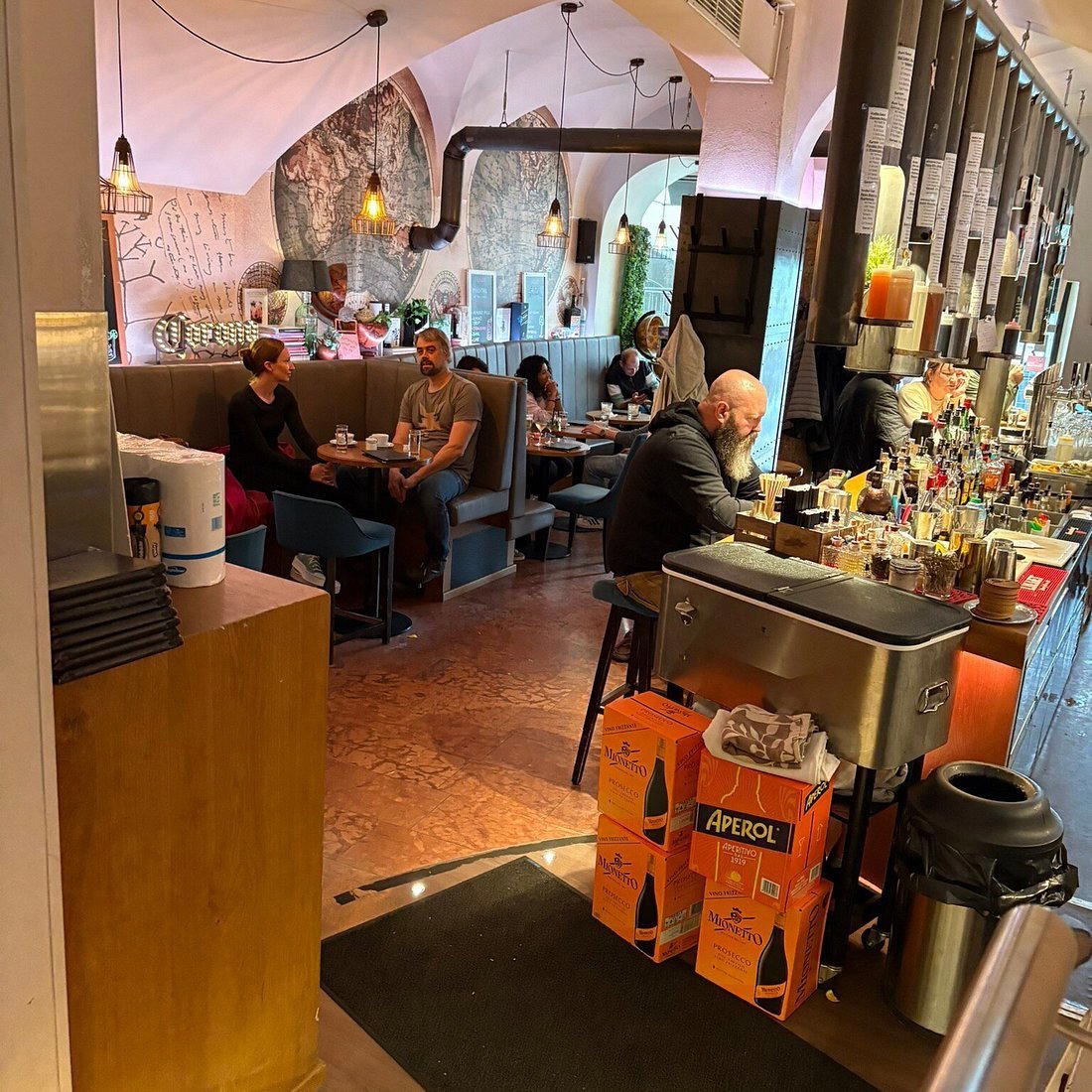
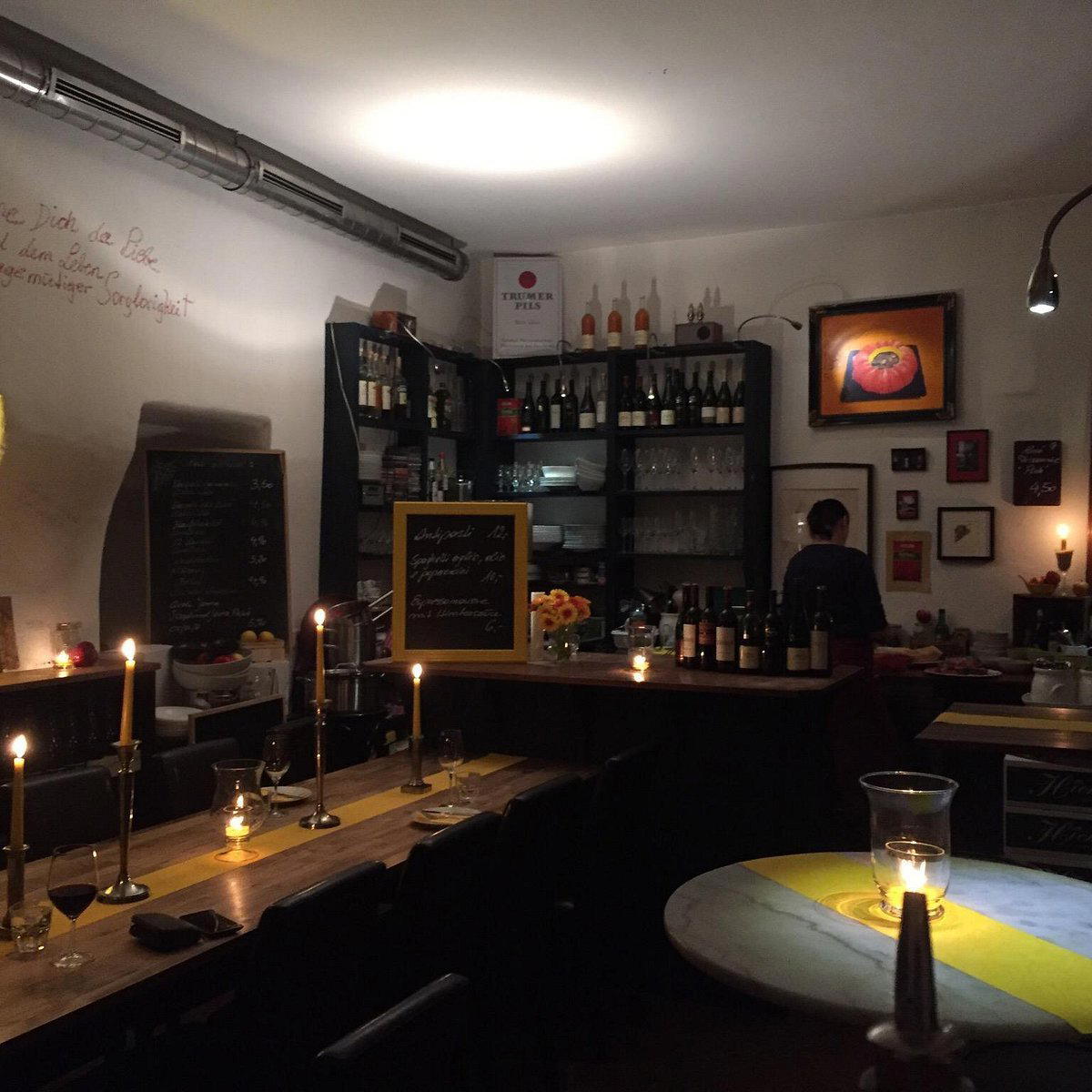
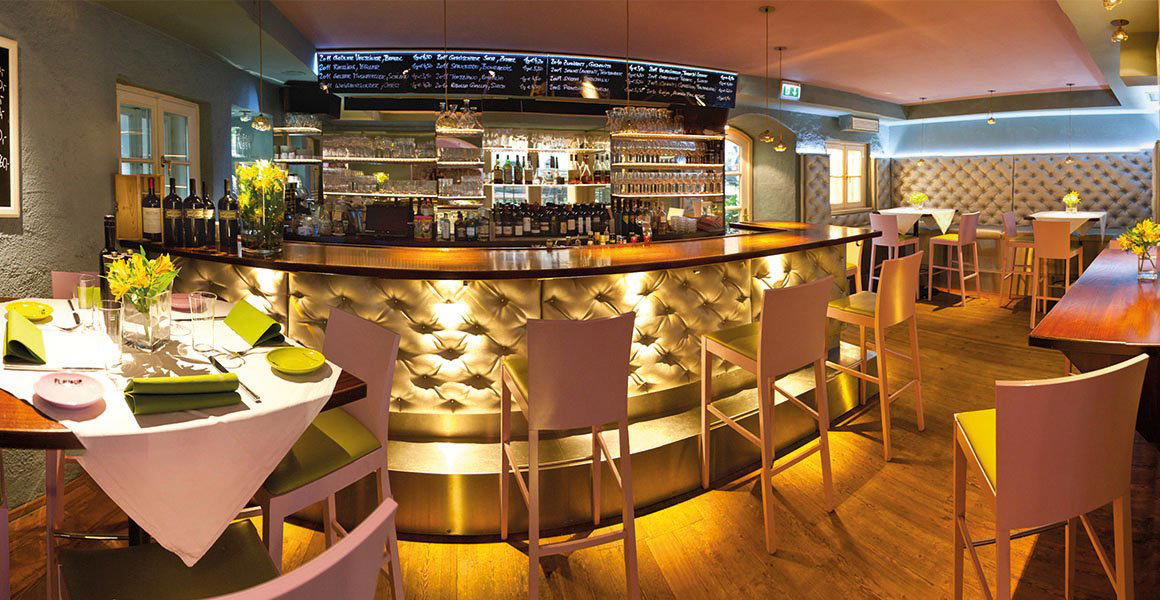
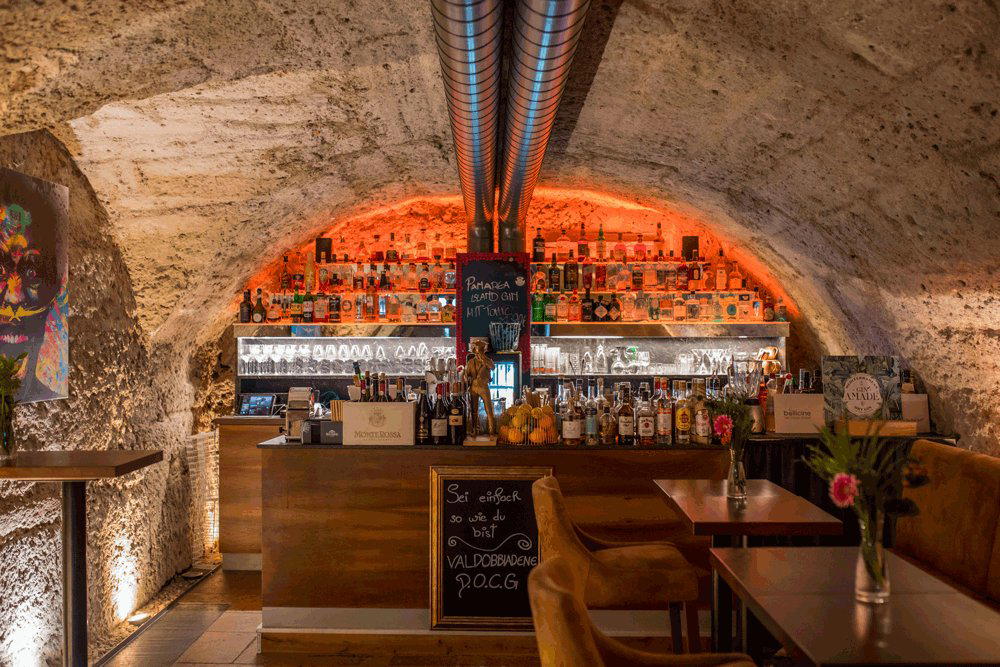
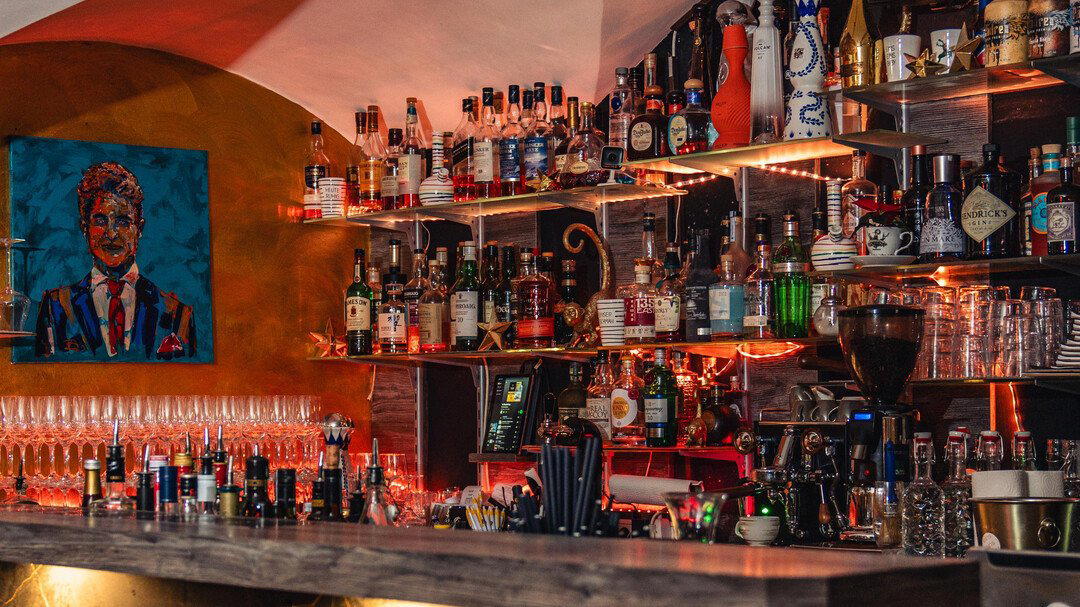
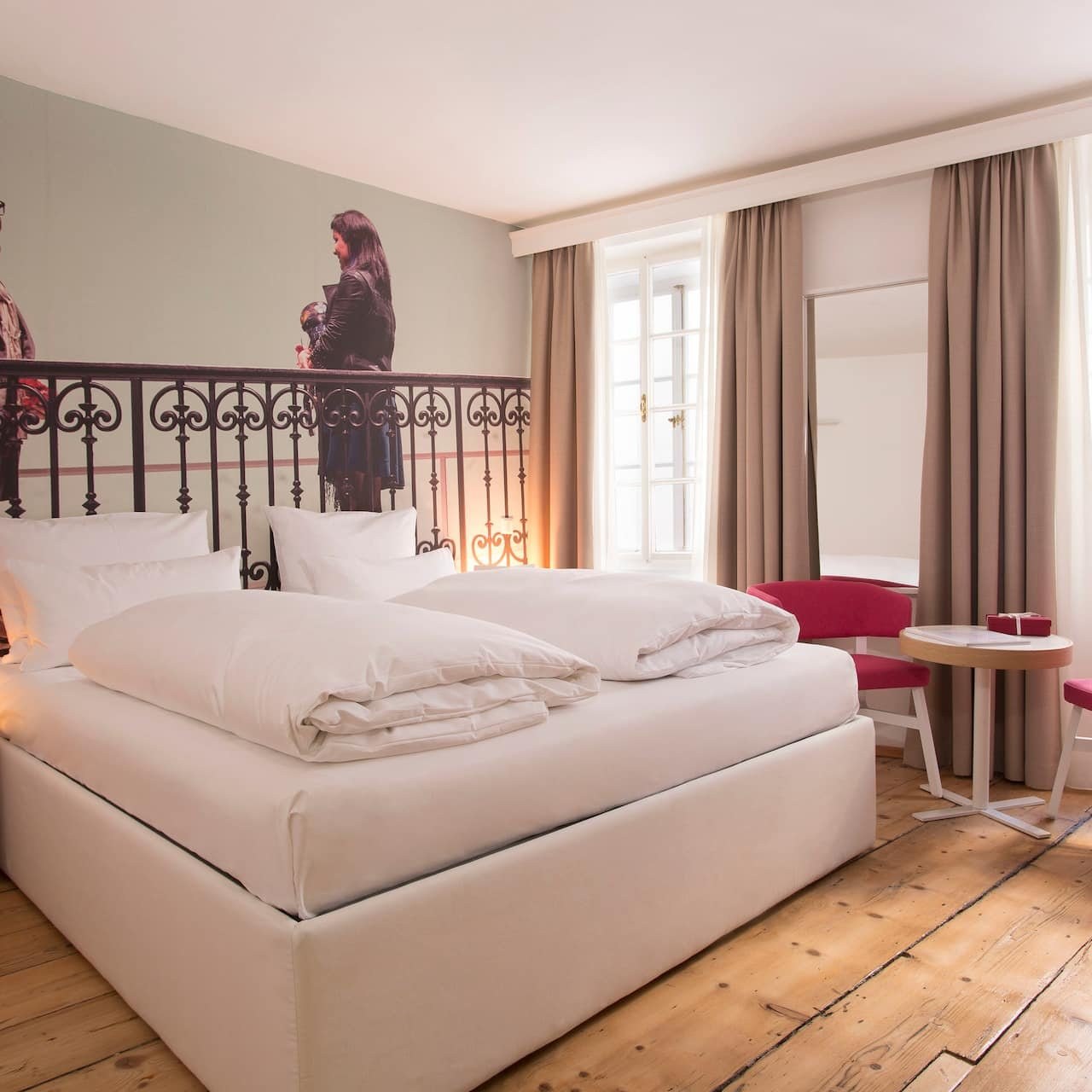
Cozy and stylish interior with a casual, chill atmosphere ideal for quick, fresh meals.