Nagano sits on Griesgasse 19A in Salzburg's compact historic core, a street that connects the city's market culture to its Old Town pressure points. The address places it among a neighbourhood defined by pedestrian flow, proximity to the Salzach, and the concentrated density of Salzburg's most-visited quarter, context that shapes what this kind of venue can be in a city this size.
Pearl is the En Primeur Club membership app — saves, bookings, and concierge access live there. Same editors, same standards.
- Address
- Griesgasse 19A, 5020 Salzburg, Austria
- Phone
- +43 662 849488
- Website
- nagano-salzburg.com
- Directions
- Get directions
 Saves & bookings on Pearl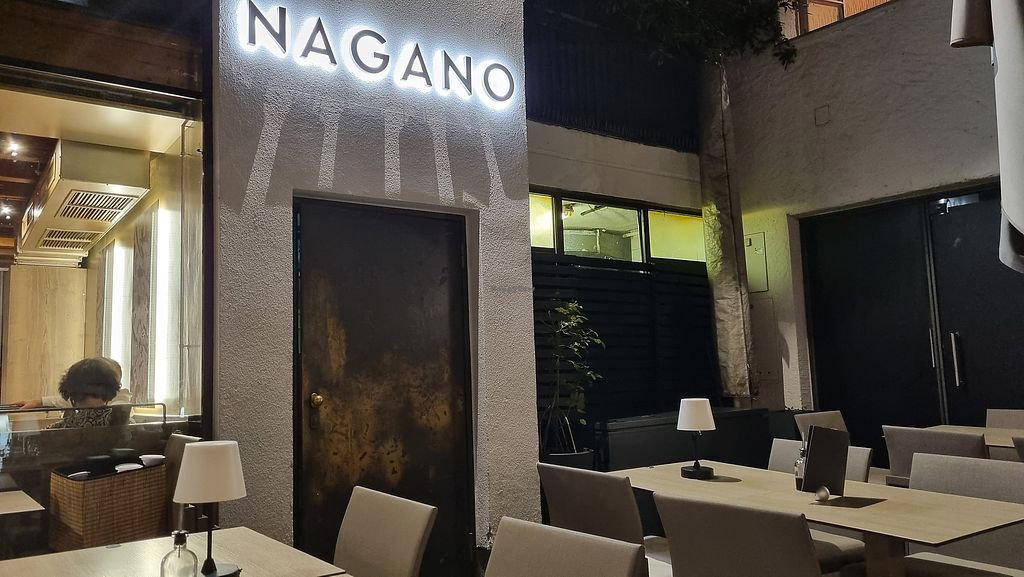
Griesgasse and the Grammar of Salzburg's Old Town Dining
Griesgasse runs parallel to the Salzach on the western edge of Salzburg's left bank, one block removed from the river and a short walk from the Grünmarkt, the city's daily produce market that has supplied local kitchens for centuries. The street sits in the kind of historic fabric where the ground floor of every building has housed something commercial since the medieval period, a condition that creates both opportunity and constraint for anyone operating a restaurant there today. Foot traffic is high and year-round, driven by the Old Town's status as a UNESCO World Heritage site and the steady pull of Mozart's birthplace around the corner. That context matters when assessing Nagano, which holds the address at number 19A and serves modern Japanese izakaya cooking.
Salzburg's dining scene has always operated under a particular pressure: it is a city small enough that a single street can define a restaurant's competitive position, yet it draws an international visitor base that expects the range and ambition of a much larger city. Salzburg's dining scene includes venues like Ikarus, Esszimmer, and Pfefferschiff, alongside a mid-market layer that serves both tourists and the city's own professional class. Griesgasse addresses tend to occupy that mid-market space, where the audience is mixed and the expectations are broad.
What the Name Signals in an Austrian City
A Japanese-referencing name on a historic Salzburg street is not incidental. Across Austria and the wider German-speaking dining world, the past decade has seen a steady expansion of Asian-influenced restaurants moving beyond the established Japanese-only or pan-Asian formats of the 1990s into something more considered, venues where Japanese culinary vocabulary, whether in technique, plating discipline, or ingredient sourcing, intersects with central European produce and eating culture. Vienna's scene has been furthest along this curve, but Salzburg has followed. The name Nagano, referencing Japan's mountainous inland prefecture known for its produce, altitude agriculture, and restrained culinary traditions rather than the coastal seafood culture most associated with Japanese fine dining, suggests a particular orientation if the kitchen follows through on that reference.
This positioning would place Nagano in a niche comparable set within Salzburg, not competing directly with the modern Austrian creativity of Senns or the contemporary format of The Glass Garden, but operating in the space where Japanese culinary influence meets an Alpine city's ingredient palette. That crossover has worked at a high level elsewhere in the Austrian restaurant world: Steirereck im Stadtpark in Vienna has long demonstrated how regional Austrian produce can carry serious culinary ambition, and venues further afield like Döllerer in Golling an der Salzach have built reputations on the tension between alpine tradition and contemporary technique.
The Griesgasse Experience: Approach and Setting
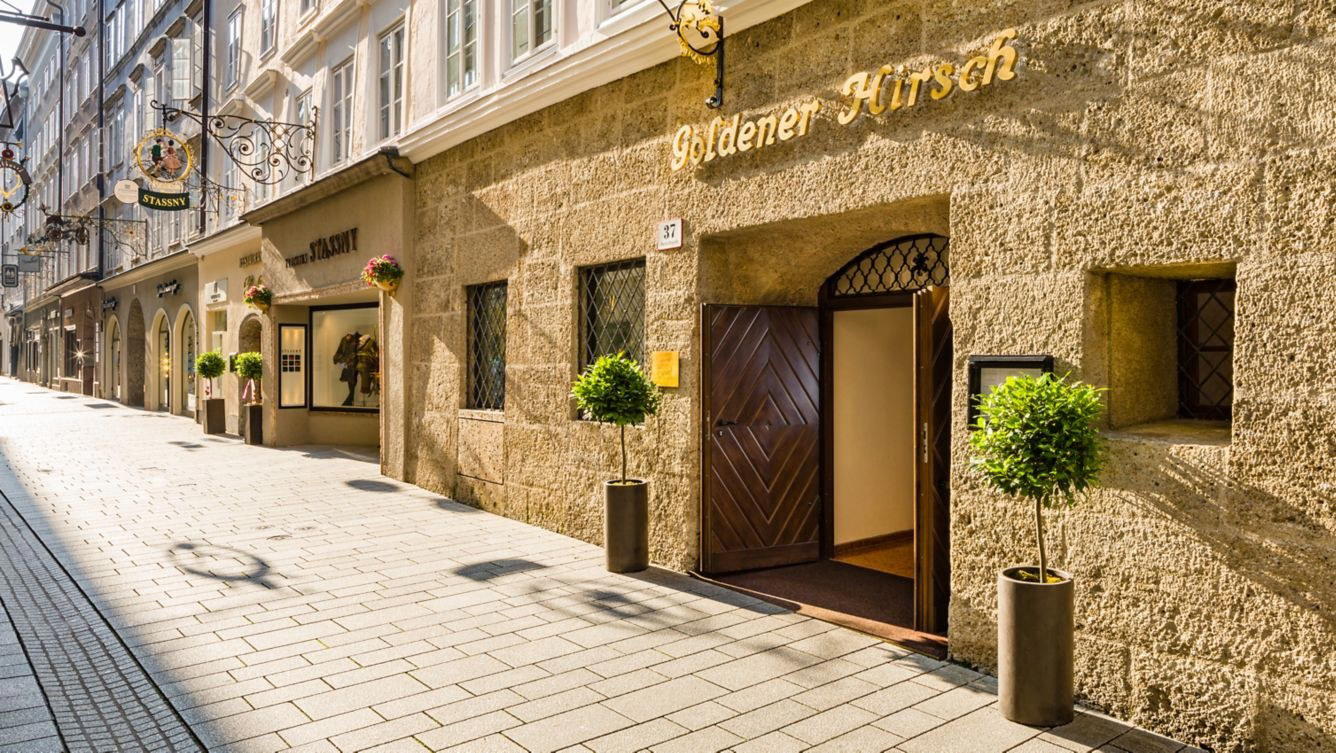
Walking Griesgasse from the direction of the Staatsbrücke, the city's main bridge, you move through a street that narrows quickly and fills with the kind of Salzburg stone-and-plaster architecture that looks largely unchanged from above the ground floor. Shop frontages and restaurant entries punctuate the base of centuries-old buildings, and the combination of compressed urban scale and heavy tourist foot traffic gives the street a particular energy, busy without being chaotic, historic without being museum-like. Number 19A sits within that grain.
The Griesgasse location connects Nagano to the city's daily rhythms in a way that addresses deeper in the Old Town's pedestrianised core cannot. The Grünmarkt proximity means that whatever the kitchen's sourcing ambitions, the infrastructure for high-quality local and regional produce is genuinely close. That matters in a city where the serious dining venues, from the altitude-driven kitchen at Gourmetrestaurant Tannenhof in Sankt Anton am Arlberg to the village-rooted precision of Obauer in Werfen, have built their identities substantially on regional sourcing.
Situating Nagano in the Wider Austrian Dining Frame
Austria's restaurant culture outside Vienna operates across a geography that rewards travel. The Salzburg region alone contains enough serious kitchens to justify dedicated dining itineraries: Kräuterreich by Vitus Winkler in Sankt Veit im Pongau works an Alpine herb-and-garden format with genuine discipline, while Griggeler Stuba in Lech and Schwarzer Adler in Hall in Tirol represent the Tyrolean end of the regional spectrum. Further out, Landhaus Bacher in Mautern an der Donau and Ois in Neufelden demonstrate how seriously the country takes dining at a remove from its capital. Even Restaurant 141 by Joachim Jaud in Mieming has established a following in Tyrol that draws visitors specifically for the food.
Within the city itself, Salzburg's dining competitive set is relatively contained. The venues with sustained international recognition, those with Michelin acknowledgment or consistent coverage in serious food publications, occupy a top tier that a restaurant on Griesgasse with a Japanese-referencing name and a central Old Town address would be working to enter or consolidate its position within. The international comparisons are instructive: at the level of Japanese-influenced fine dining globally, venues like Atomix in New York City have demonstrated how Asian culinary frameworks can carry genuine critical weight in Western cities, while the precision of Le Bernardin in New York City shows what sustained technical focus looks like over decades. These are different scales and contexts, but they illustrate the ambition range available to a kitchen working in a defined culinary tradition.
For the full picture of what Salzburg offers at every level, see our full Salzburg restaurants guide.
Planning Your Visit
Nagano is located at Griesgasse 19A in Salzburg's Old Town, reachable on foot from the Staatsbrücke in under five minutes or from the main train station (Salzburg Hauptbahnhof) via a short bus or taxi ride. The Griesgasse address puts it within easy walking distance of the city's principal cultural sites, making it a practical choice for visitors combining a day of museums or concerts with dinner. The restaurant is recommended for reservations and the current opening hours are Monday to Thursday 11:30 AM to 3:30 PM and 5:30 to 10 PM, Friday and Saturday 12 to 3:30 PM and 5:30 to 10:30 PM, and Sunday 12 to 3:30 PM and 5:30 to 10 PM.
Cuisine and Credentials
Comparable venues nearby, for context on price, style, and recognition.
| Venue | Cuisine | Price | Notes |
|---|---|---|---|
| NaganoThis venue — the venue you are viewing | Modern Japanese Izakaya | $$$ | Not listed |
| Ichi go ichi e | Authentic Japanese Ramen | $$ | Schallmoos Ost |
| Maiers | Austrian Steakhouse | $$$ | Kapuzinerberg |
| Lakhi's Indian Kitchen | Modern Indian Fusion | $$ | Alpensiedlung |
| DiDilicious | Modern Fusion | $$ | Taxham |
| St. Peter Stiftskulinarium | Austrian-Mediterranean Fine Dining | $$$ | Linke Altstadt |
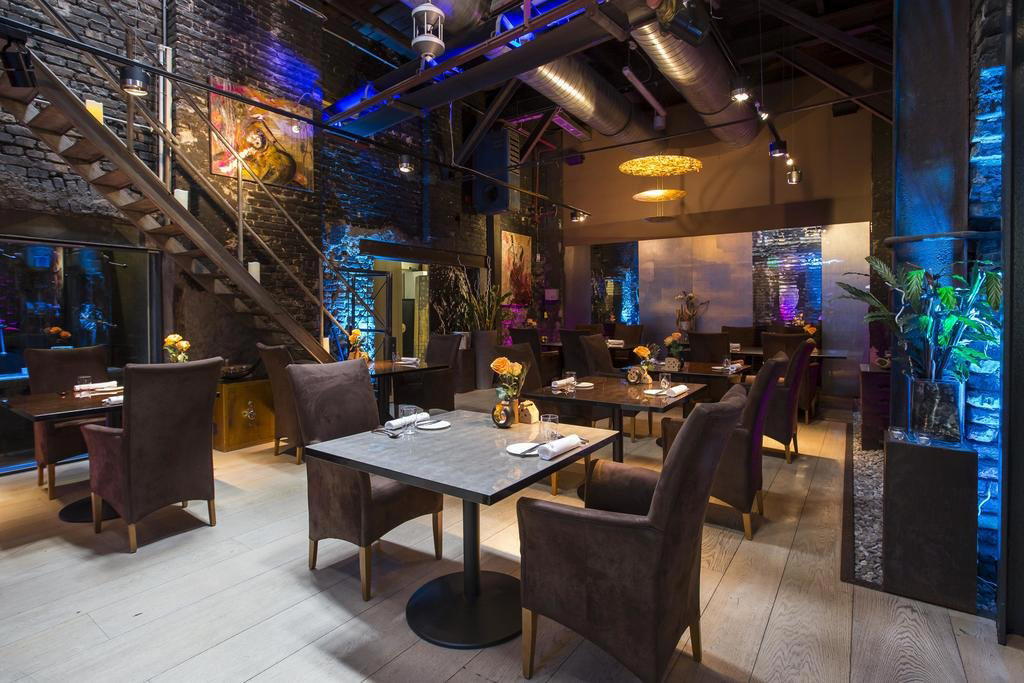
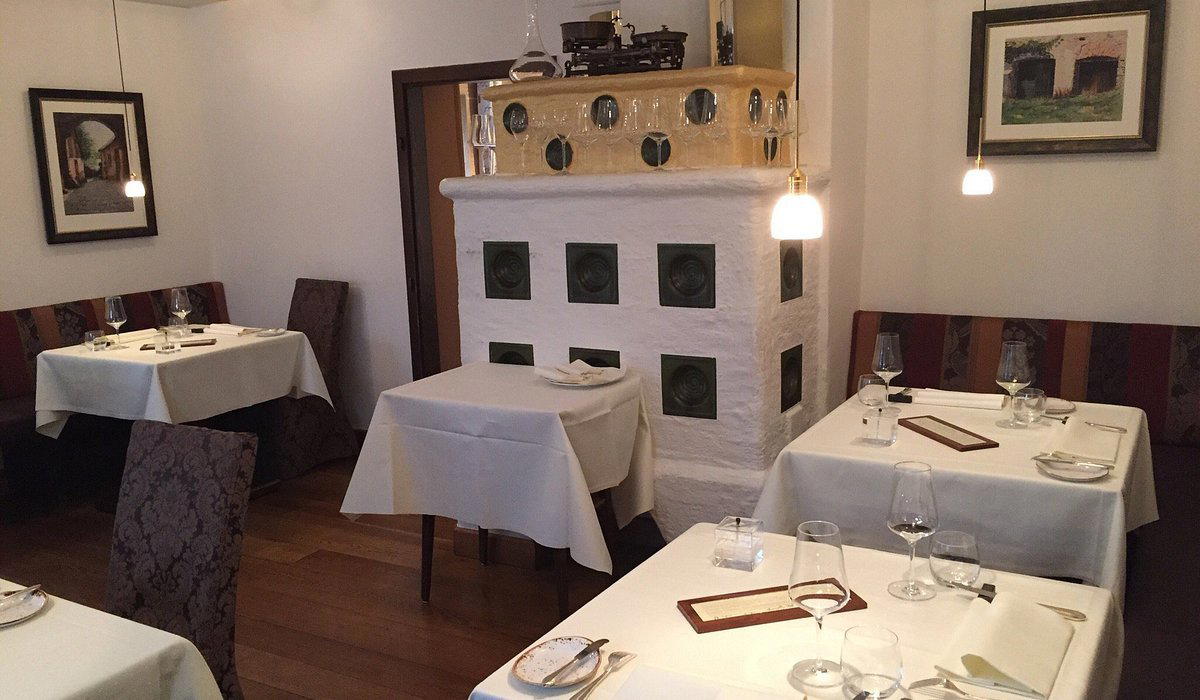
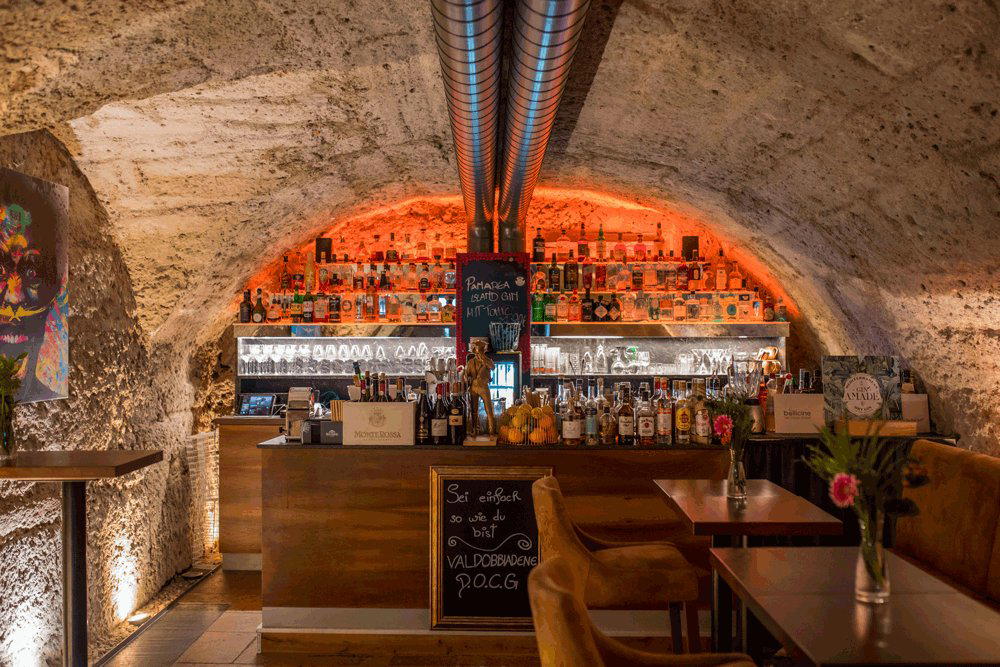
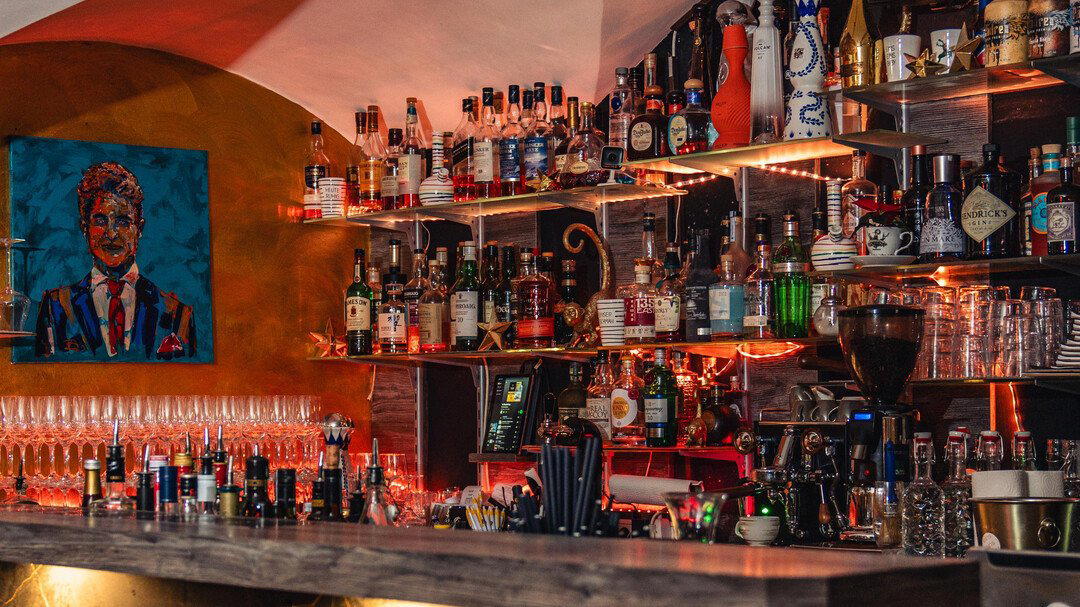
At a Glance
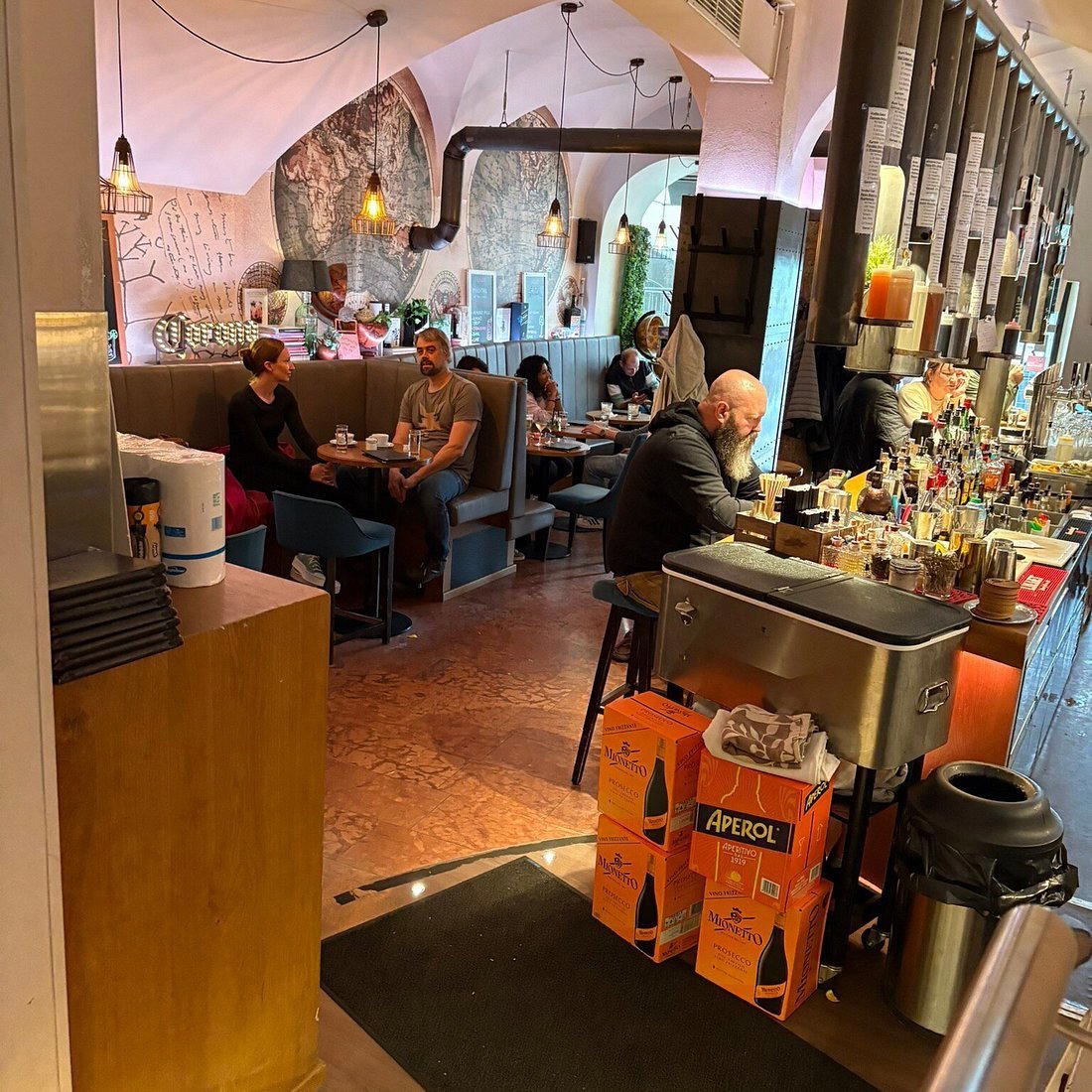
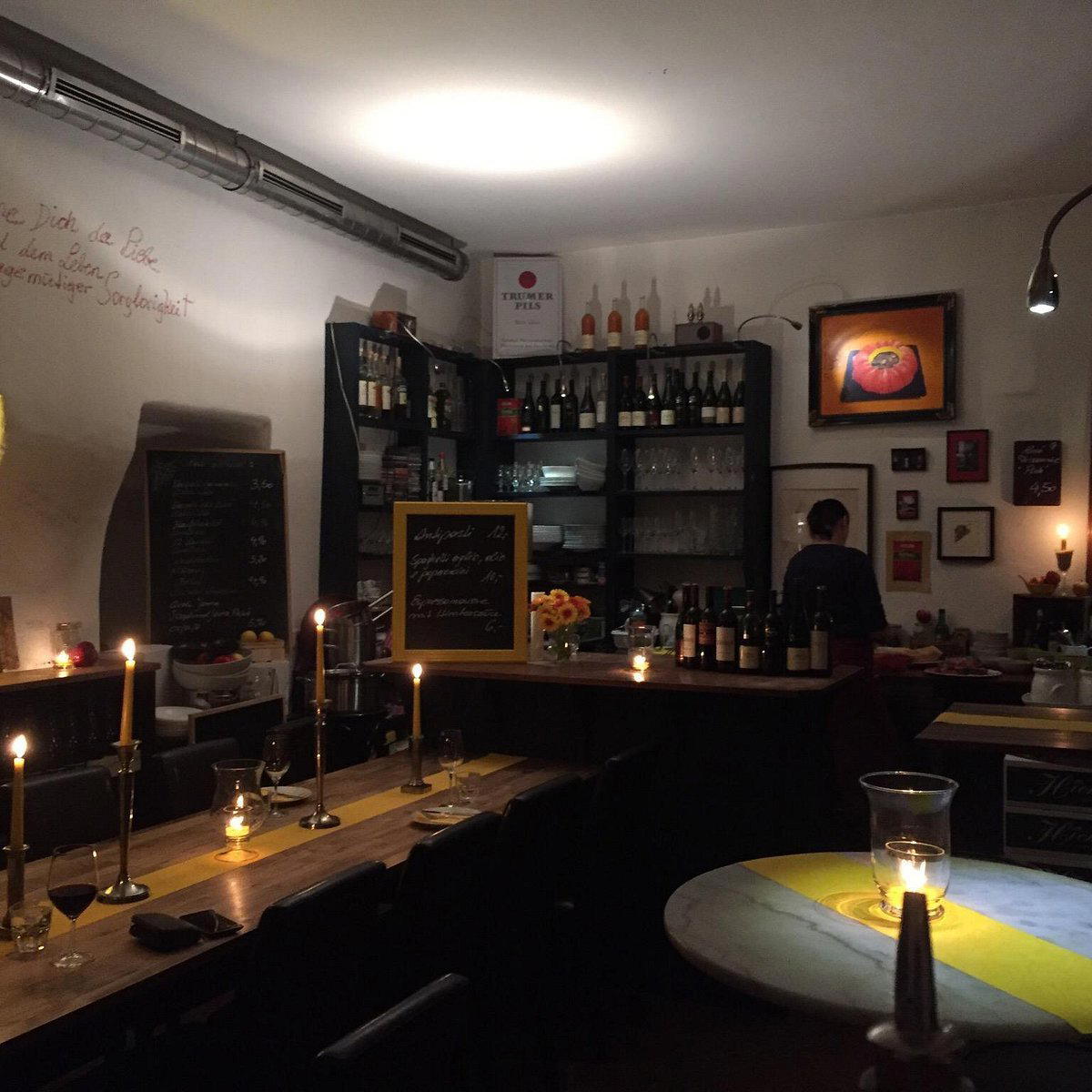
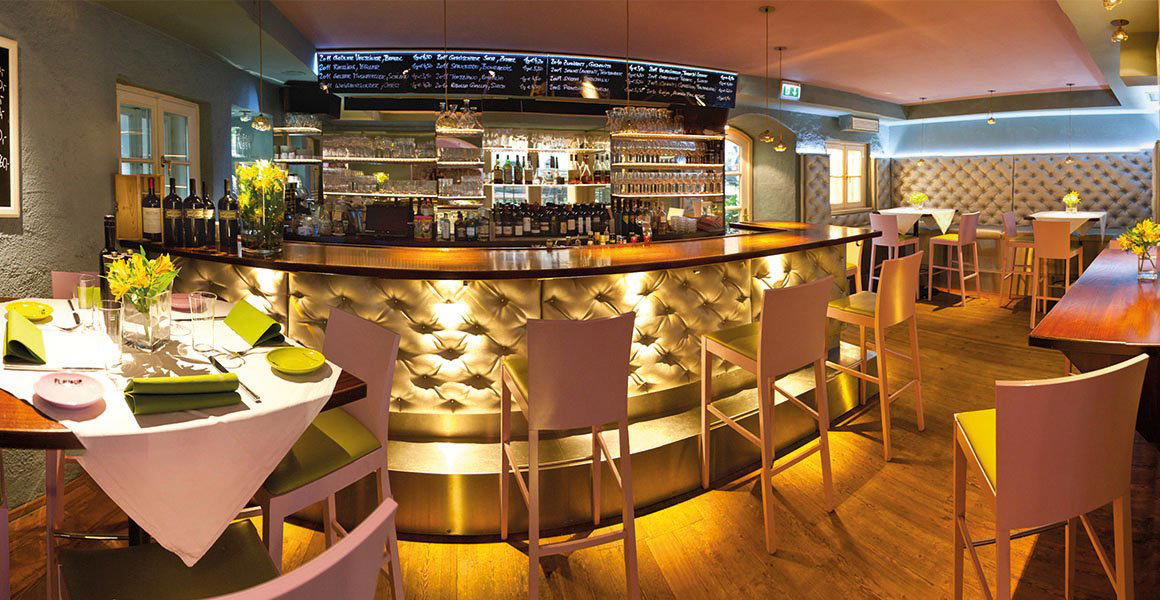
- Cozy
- Modern
- Group Dining
- Family
- Casual Hangout
- Open Kitchen
- Sake Program
- Street Scene
Current opening hours
- Monday
- 11:30 AM–3:30 PM, 5:30–10 PM
- Tuesday
- 11:30 AM–3:30 PM, 5:30–10 PM
- Wednesday
- 11:30 AM–3:30 PM, 5:30–10 PM
- Thursday
- 11:30 AM–3:30 PM, 5:30–10 PM
- Friday
- 12–3:30 PM, 5:30–10:30 PM
- Saturday
- 12–3:30 PM, 5:30–10:30 PM
- Sunday
- 12–3:30 PM, 5:30–10 PM
Hours can change for holidays and private events. Last verified .
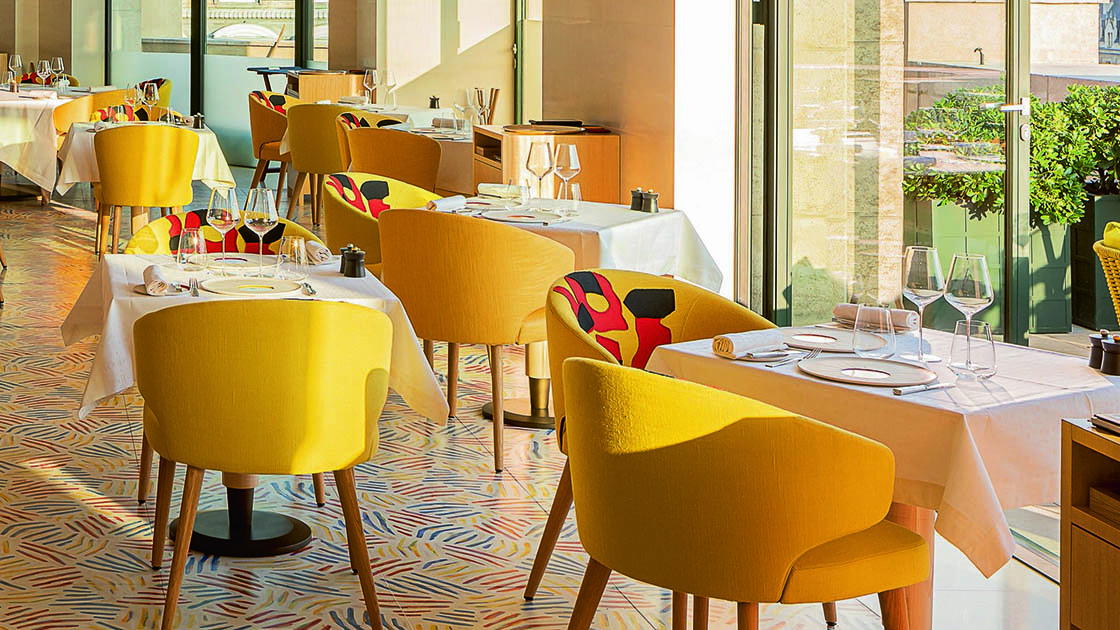
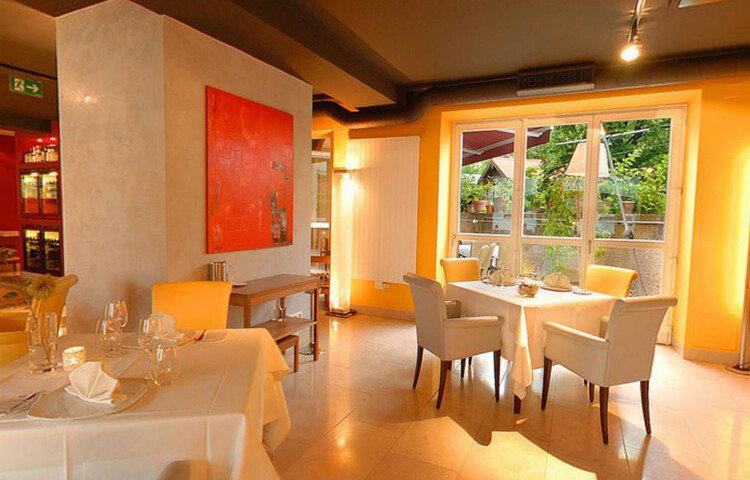
Cozy and authentic atmosphere with family-friendly vibes.