Koreasküche HIBISKUS brings Korean cooking to Bergstraße 20 in Salzburg, occupying a niche that sits well outside the city's dominant Alpine-Austrian dining tradition. In a restaurant city where Michelin recognition tends to cluster around modern Austrian and creative European formats, a Korean kitchen operates as a different kind of proposition entirely, one that draws repeat visitors on the strength of its cuisine rather than its awards profile.
Pearl is the En Primeur Club membership app — saves, bookings, and concierge access live there. Same editors, same standards.
- Address
- Bergstraße 20, 5020 Salzburg, Austria
- Phone
- +43662424425
- Website
- koreaskueche.at
- Directions
- Get directions
 Saves & bookings on Pearl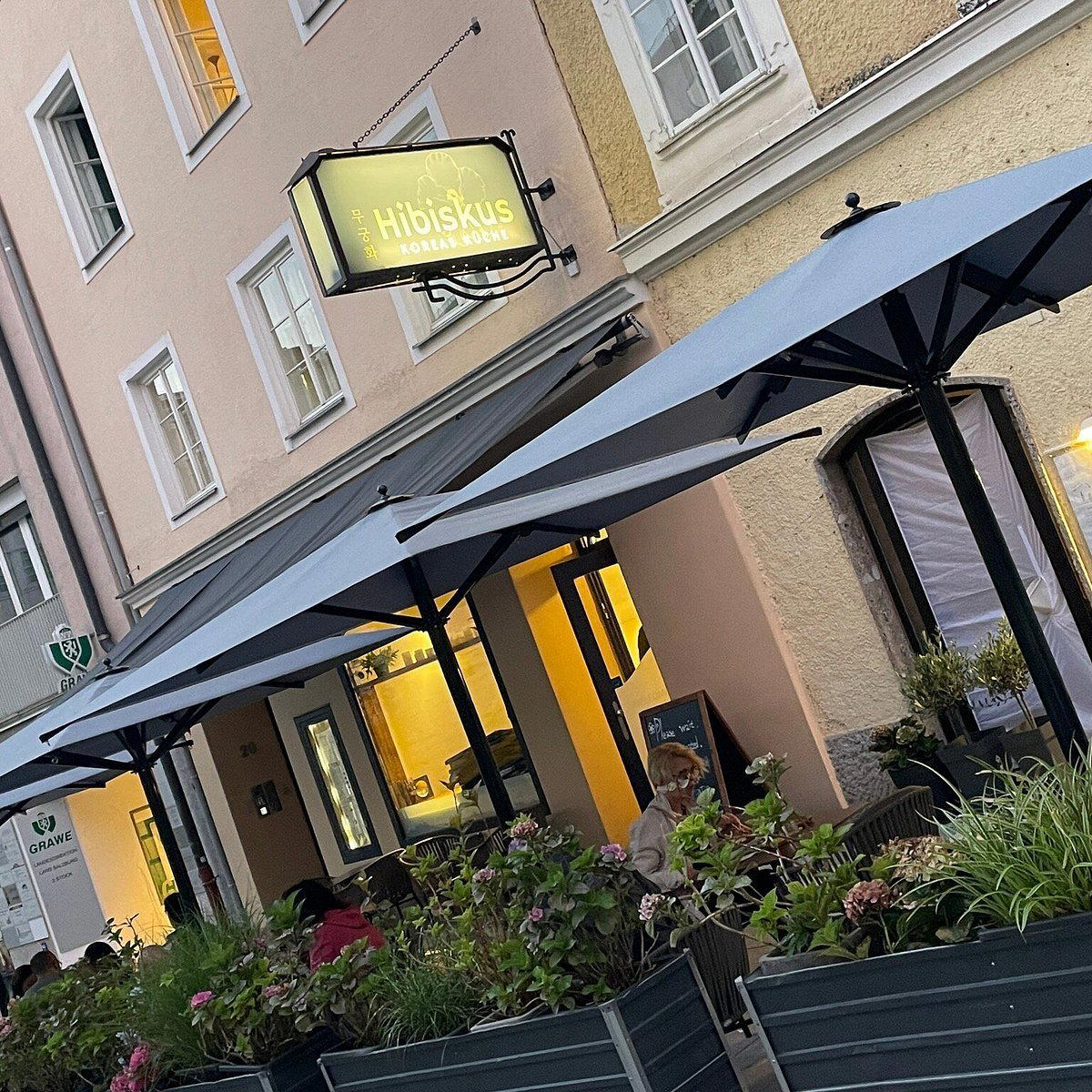
A Korean Kitchen in a City Built Around Schnitzel and Ceremony
Salzburg's dining identity is heavily shaped by its festival calendar, its Austrian culinary tradition, and a Michelin tier that rewards modern European ambition. Salzburg's dining identity is shaped by its festival calendar, Austrian culinary tradition, and strong fine-dining reputation. Against that backdrop, a Korean restaurant on Bergstraße 20 reads as an outlier, and that is precisely what makes it worth understanding on its own terms. Against that backdrop, a Korean restaurant on Bergstraße 20 reads as an outlier, and that is precisely what makes it worth understanding on its own terms.
Korean cooking in Central Europe still occupies a thin slice of the restaurant market. Unlike Japanese cuisine, which has been absorbed into fine-dining vocabulary through omakase formats and Michelin validation, Korean food tends to travel through a different channel: the loyalty of a regular clientele who return not because a critic told them to, but because the food fills a gap that nothing else in the city addresses. At Koreasküche HIBISKUS, that pattern appears to be the operating logic.
What Keeps Regulars Coming Back
The name itself signals intent. Hibiskus, hibiscus, appears in Korean herbal traditions, and the pairing of a botanical reference with a direct description of the cuisine (Koreasküche, Korean kitchen) suggests a kitchen that is not trying to soften or reframe what it does for a European audience. That kind of directness tends to build a specific kind of regular: someone who came in knowing what they wanted, found it, and kept returning.
Korean cuisine's appeal to repeat diners often comes down to fermentation depth and the interplay of banchan, the side dishes that frame a meal and change subtly with season and supply. A diner who visits once gets an introduction; a diner who visits ten times starts to notice which kimchi has been fermenting longer, which broth is running richer this week. That cumulative knowledge, built through return visits, is what Korean restaurants in minority-cuisine markets tend to rely on rather than first-impression spectacle. It is also what separates a restaurant with genuine regulars from one that survives on tourist traffic alone.
Salzburg's tourist volume is substantial, particularly during the summer festival season and the December markets. A restaurant that holds a loyal local base through those periods, rather than pivoting its identity to capture passing trade, tends to operate with a different kind of confidence in the kitchen. The address on Bergstraße, away from particularly heavily trafficked tourist corridors, suggests a room that is not primarily oriented toward festival-goers.
Salzburg's Dining Scene and Where Korean Fits
To understand the position of a Korean kitchen in Salzburg, it helps to map the broader scene. The city punches above its size in fine dining: Pfefferschiff at the €€€€ tier and The Glass Garden represent the creative end of the spectrum, while the regional Austrian tradition extends south to Döllerer in Golling an der Salzach and west toward Obauer in Werfen. At the national level, Steirereck im Stadtpark in Vienna sits at the apex of Austrian fine dining.
Korean cuisine exists outside that hierarchy entirely, which is both a limitation and a kind of freedom. It is not competing for Michelin stars in the Austrian system; it is competing for the attention of diners who want something that the rest of the city cannot offer. In New York, where Korean fine dining has reached its most formally ambitious expression through venues like Atomix, the cuisine has demonstrated a capacity for tasting-menu formality and critical recognition. In Salzburg, the market for that register is smaller, and Korean kitchens here tend to operate in a more casual, neighbourhood-restaurant mode, which is not a lesser thing, simply a different one.
Planning a Visit
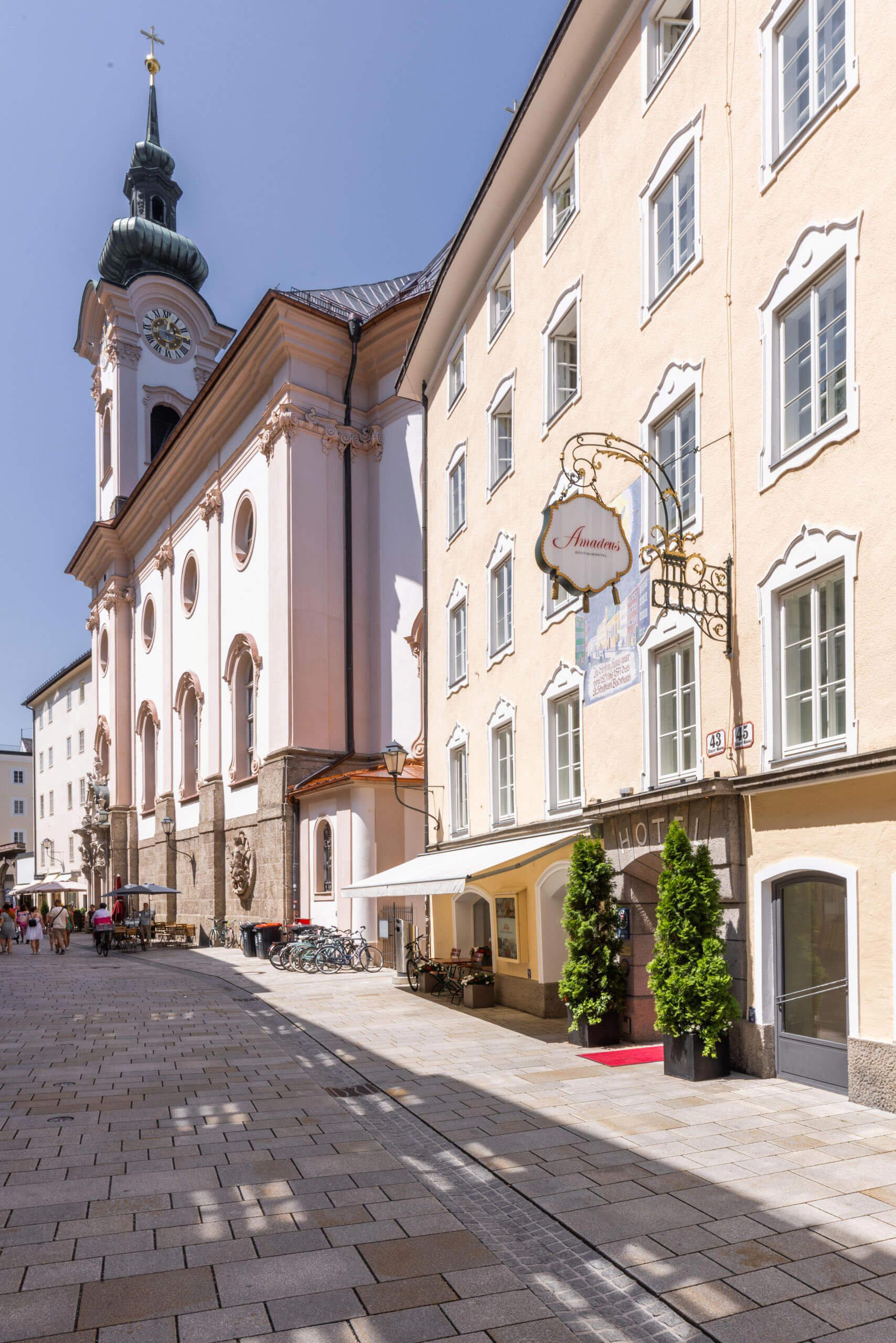
Koreasküche HIBISKUS is at Bergstraße 20, 5020 Salzburg. Hours should be checked before travelling. The address places the restaurant within the Salzburg city proper, accessible from the old town area without significant travel. For diners building a broader Austrian itinerary, Landhaus Bacher in Mautern an der Donau, Ois in Neufelden, Schwarzer Adler in Hall in Tirol, Griggeler Stuba in Lech, and Restaurant 141 by Joachim Jaud in Mieming round out the regional picture across Tirol and beyond.
Booking and Cost Snapshot
Comparable venues nearby, for context on price, style, and recognition.
| Venue | Cuisine | Price | Notes |
|---|---|---|---|
| Koreasküche HIBISKUSThis venue — the venue you are viewing | Neustadt, Authentic Korean | $$ | Not listed |
| Levantine taste | Josefiau, Authentic Levantine Cuisine | $$ | Not listed |
| my Indigo Staatsbrücke | Not listed | $$ | Rechte Altstadt, Super Natural Fusion Bowls & Salads |
| Superstanza | Rechte Altstadt, Italian Soul Food Pasta | $$ | Not listed |
| Ping Pong Poke | Neustadt, Asian Fusion Poke Bowls | $$ | Not listed |
| Siam Thaiküche | Altmaxglan, Authentic Thai Street Food | $$ | Not listed |
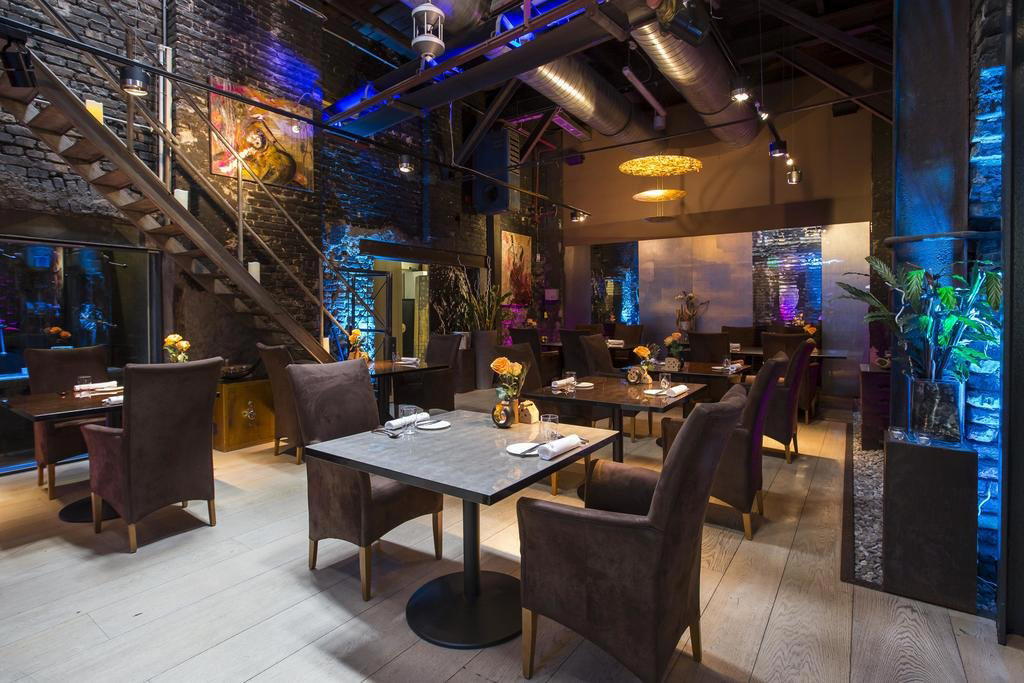
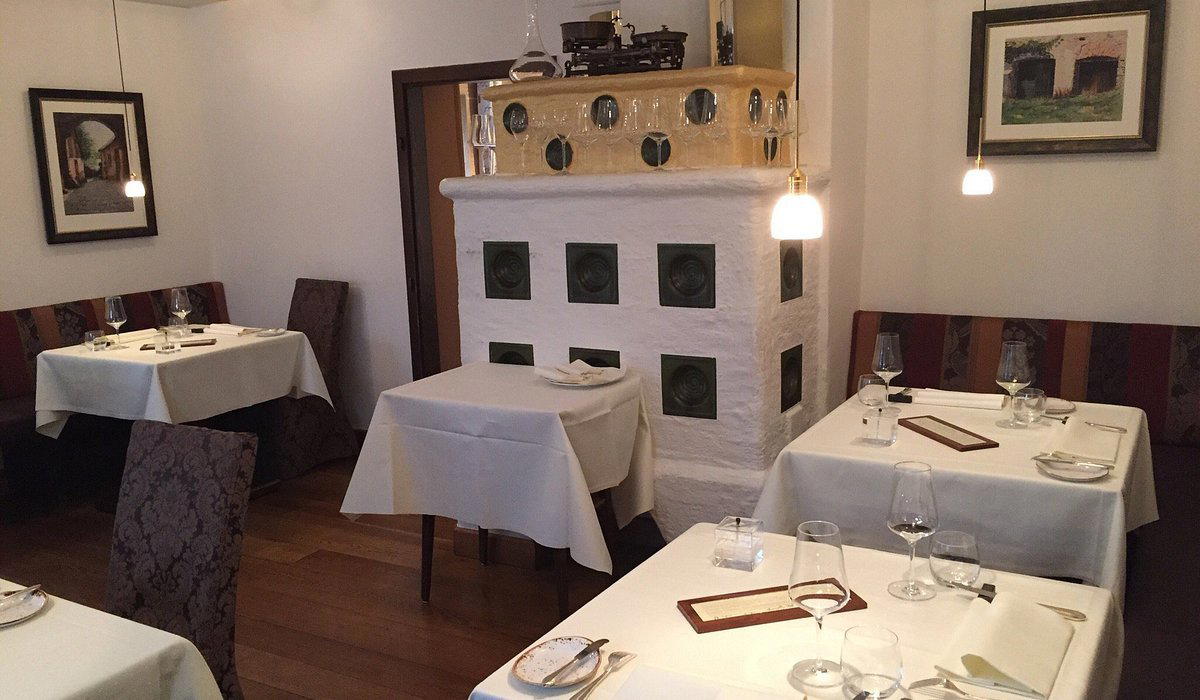
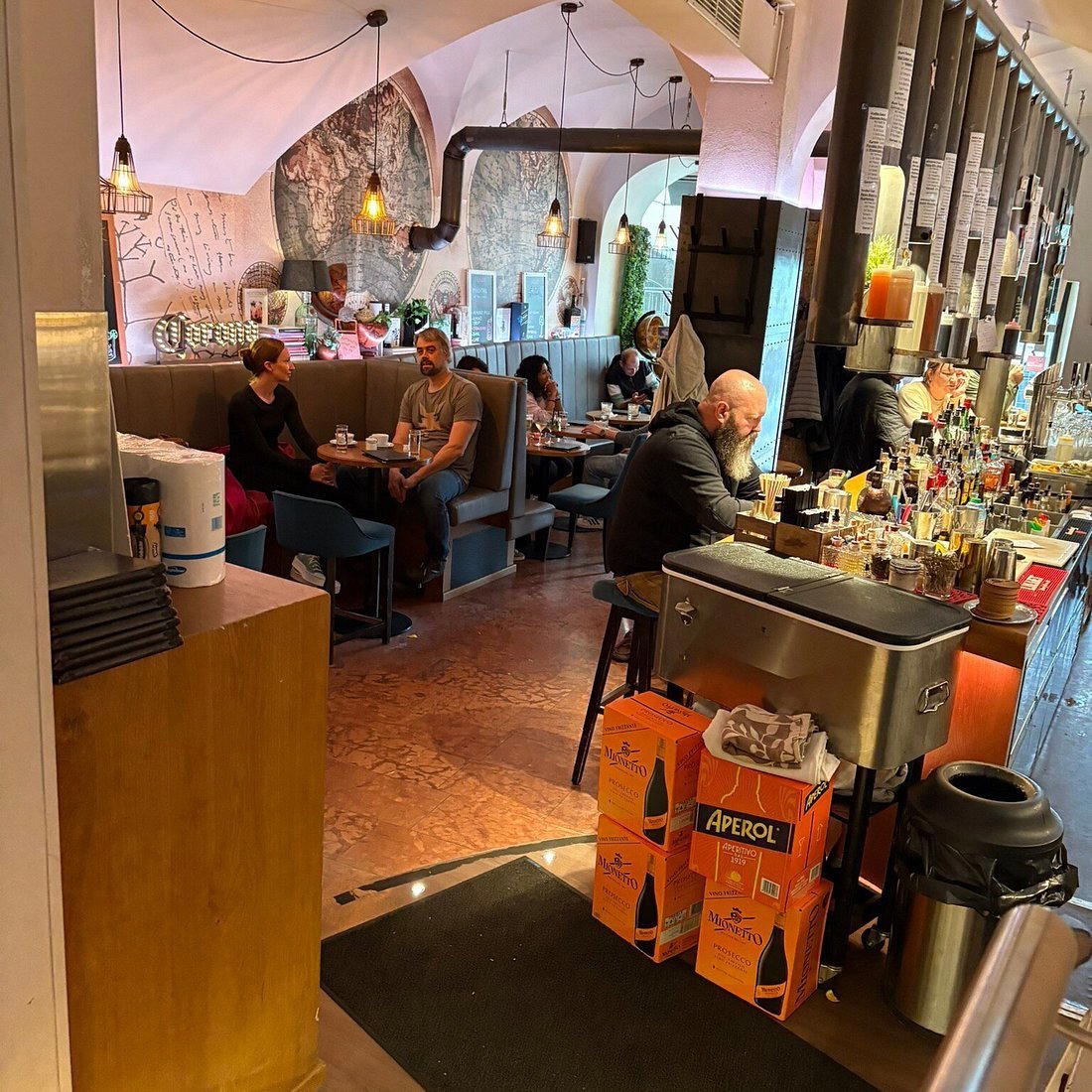
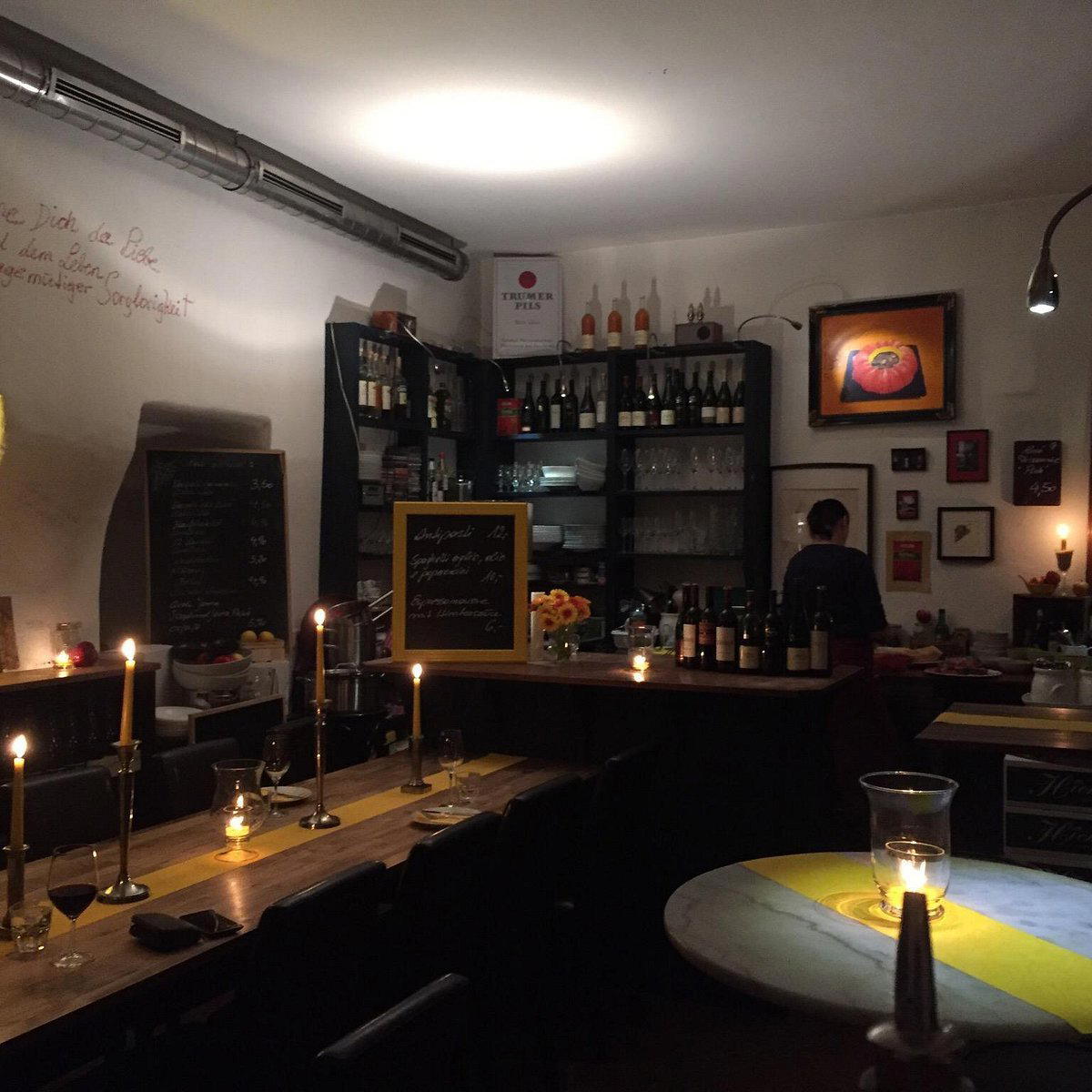
At a Glance
- Cozy
- Casual Hangout
- Standalone
Current opening hours
- Monday
- 12–10:30 PM
- Tuesday
- 12–10:30 PM
- Wednesday
- 5–10:30 PM
- Thursday
- 12–10:30 PM
- Friday
- 12–10:30 PM
- Saturday
- 12–10:30 PM
- Sunday
- Closed
Hours can change for holidays and private events. Last verified .
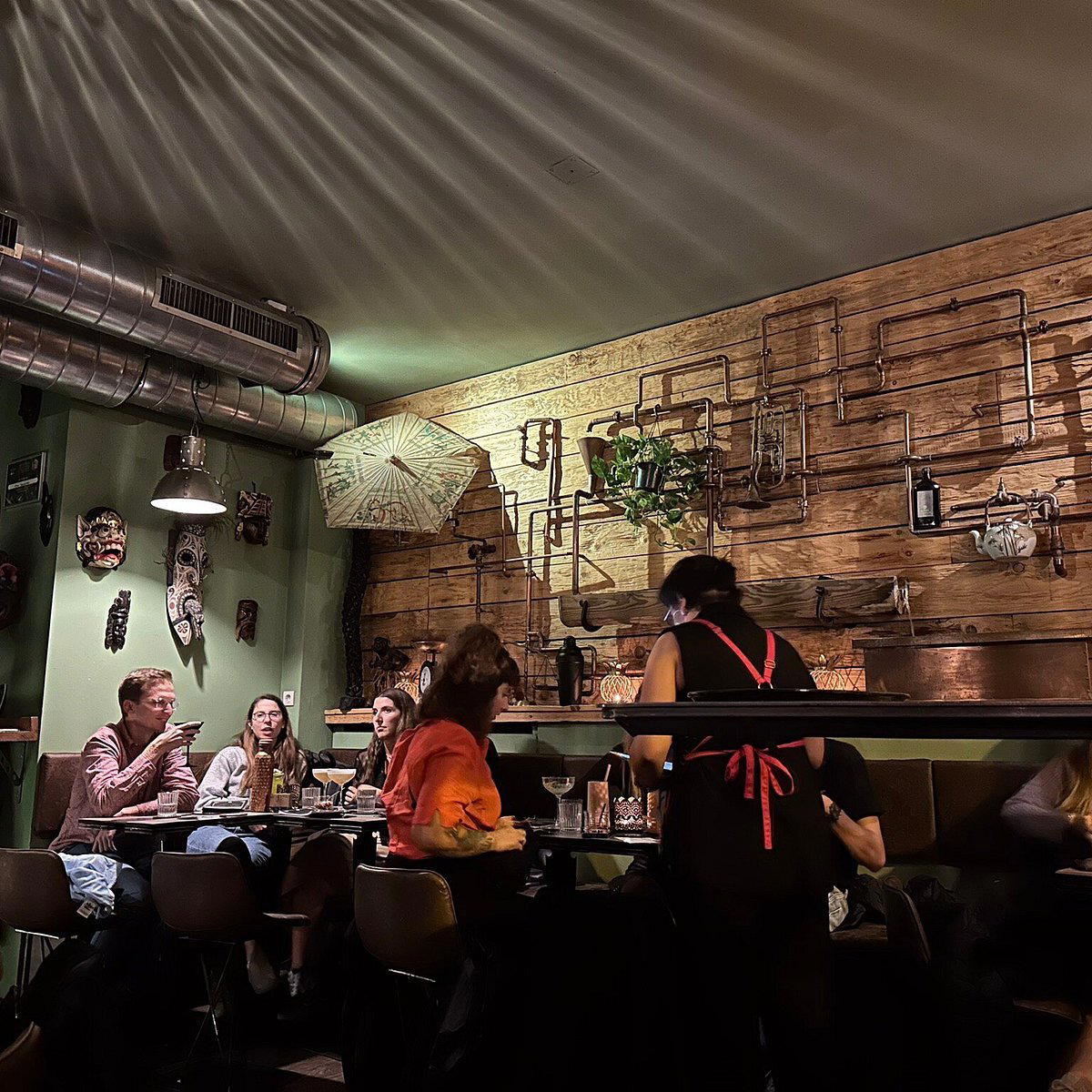
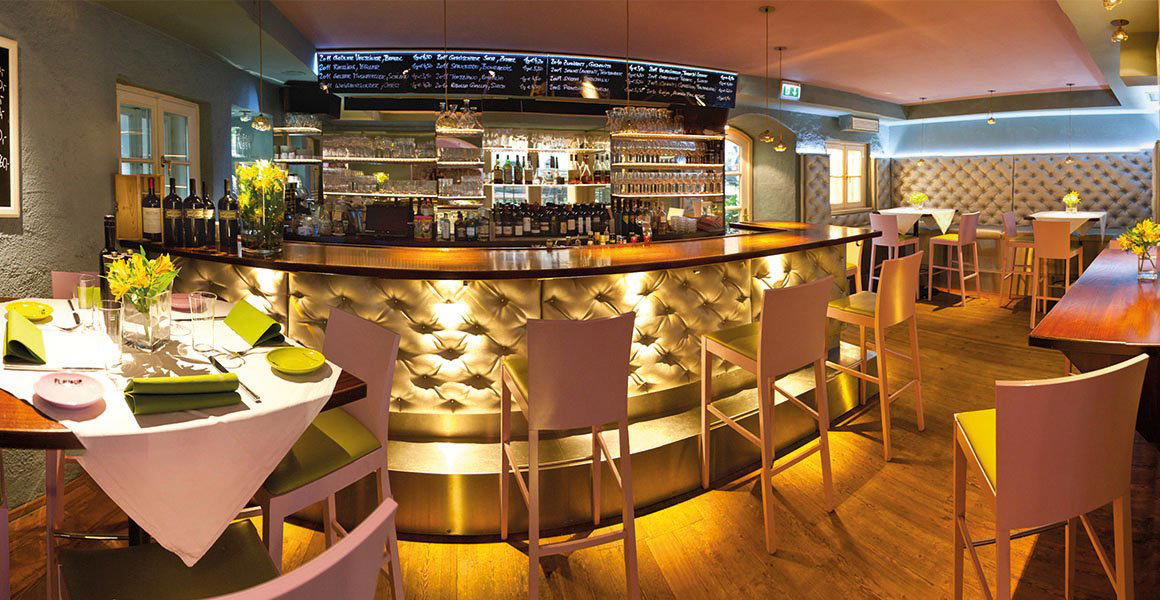
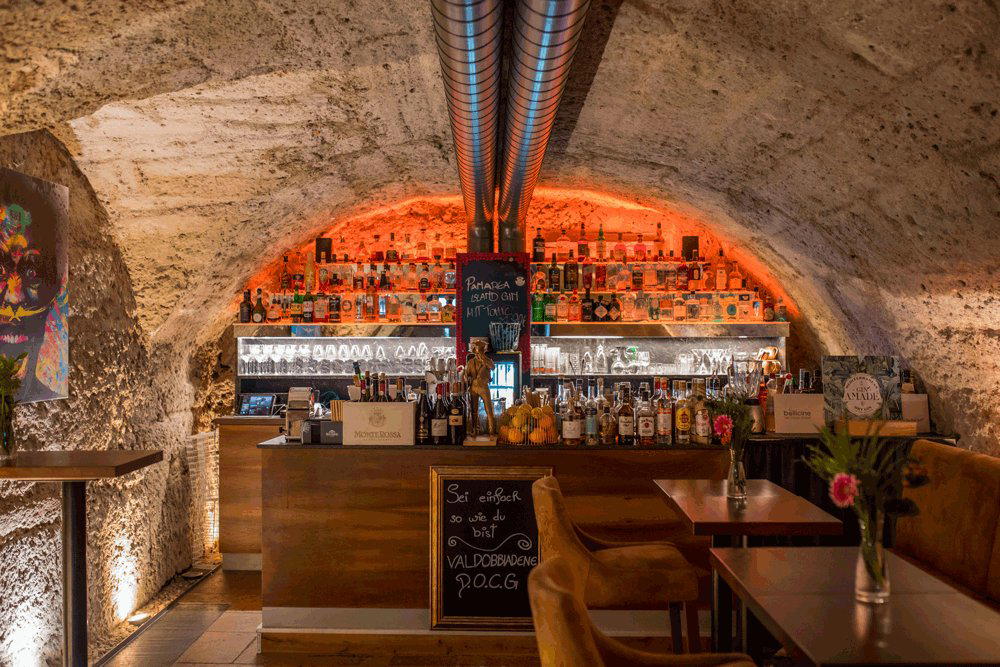
Casual and welcoming atmosphere with friendly service in an unexpected cultural location.