On Franz-Josef-Straße, one of Salzburg's quieter residential approaches to the old city, The Heart of Joy occupies a position that rewards visitors willing to step away from the Getreidegasse crowds. With verified address data but limited public-facing detail on format, cuisine, or pricing, it sits within a city whose fine-dining scene spans Michelin-starred creative tasting menus to focused Austrian regional cooking.
Pearl is the En Primeur Club membership app — saves, bookings, and concierge access live there. Same editors, same standards.
- Address
- Franz-Josef-Straße 3, 5020 Salzburg, Austria
- Phone
- +43662890773
- Website
- heartofjoy.at
- Directions
- Get directions
 Saves & bookings on Pearl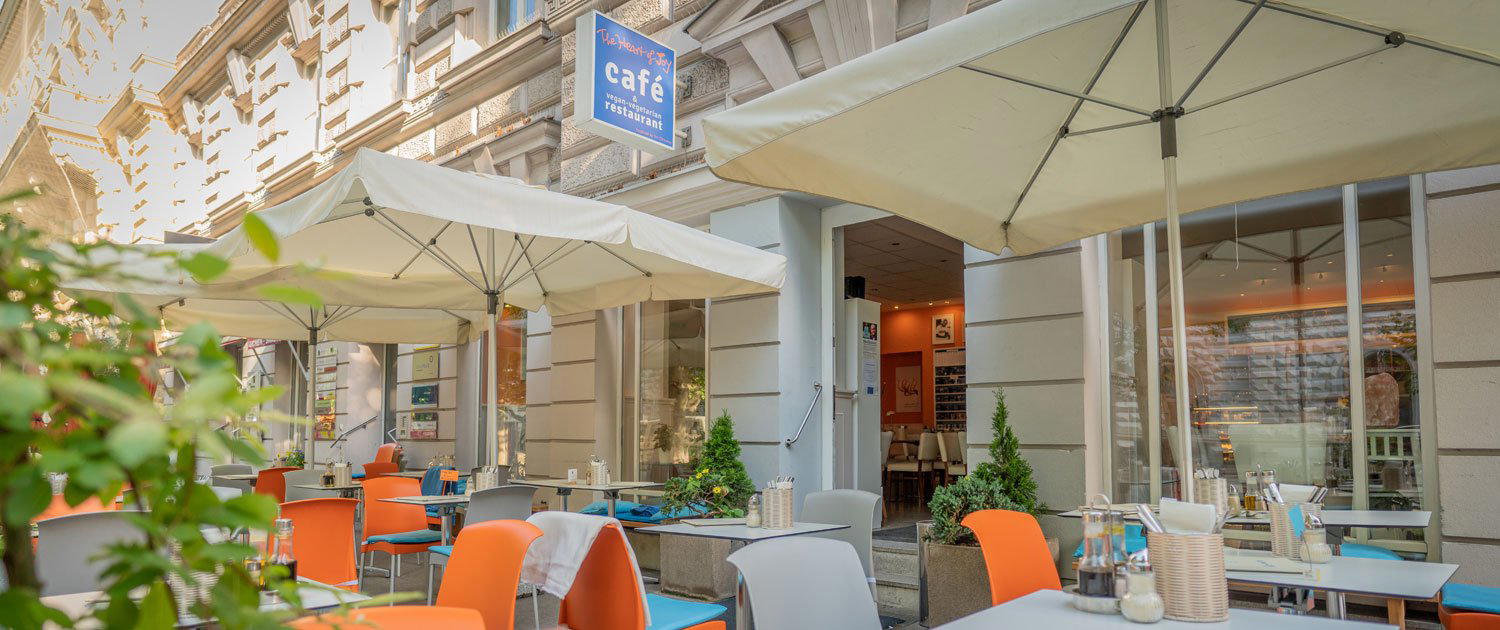
Franz-Josef-Straße and the Question of Where Salzburg Eats
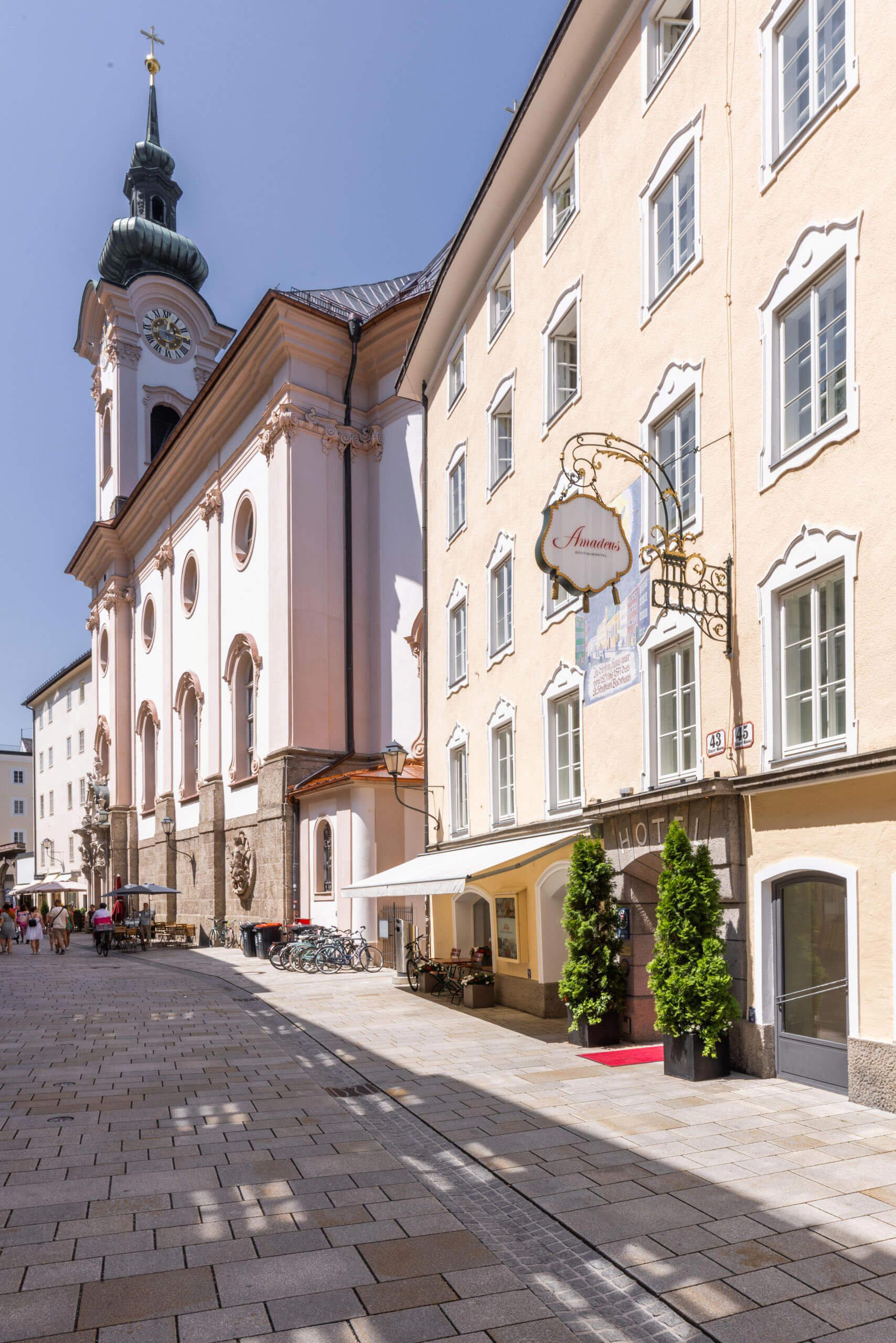
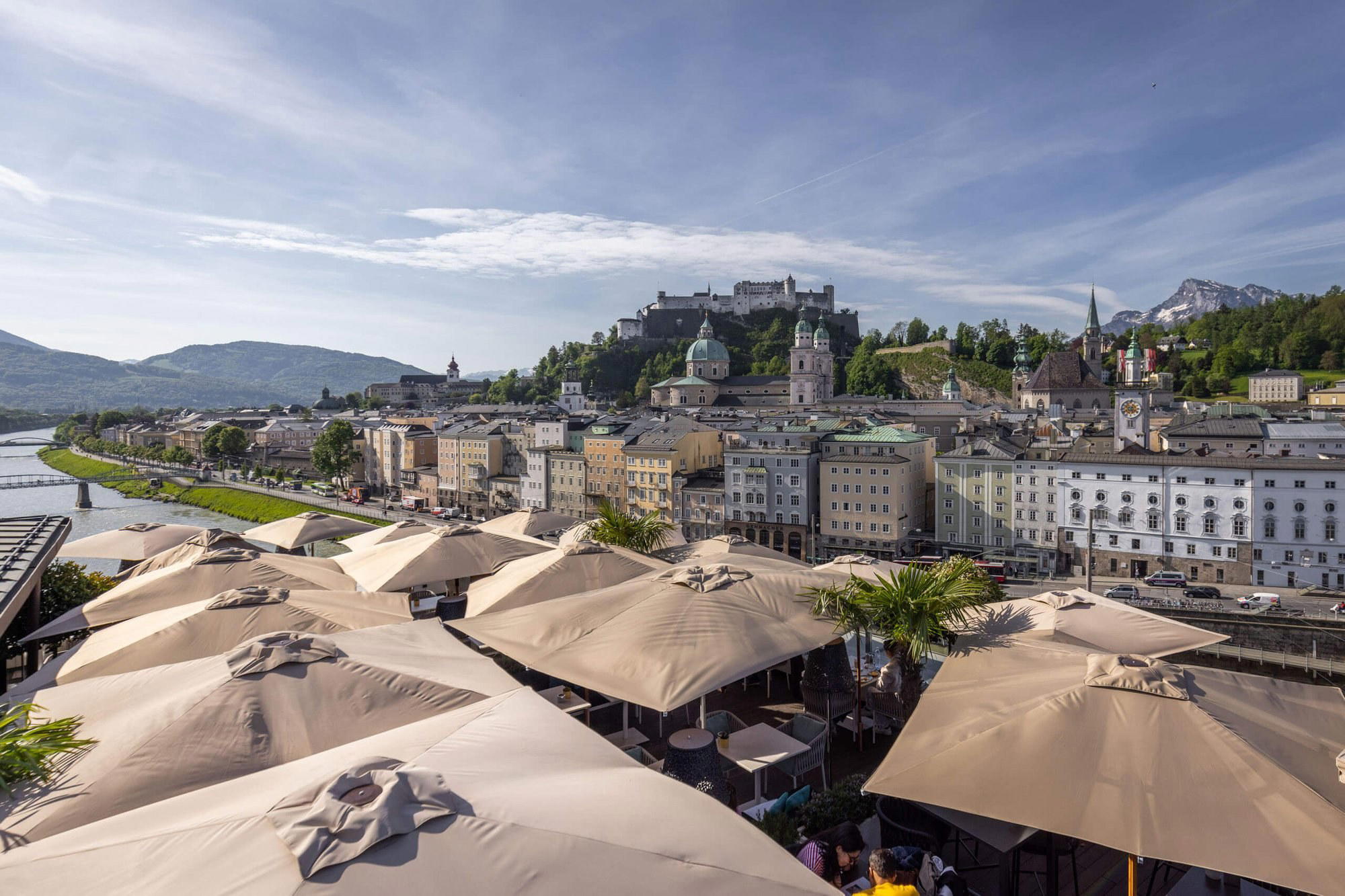
Salzburg's reputation for classical culture, Mozart, the Festival, the Baroque architecture of the old town, tends to flatten the city's dining geography in the minds of first-time visitors. The assumption is that significant restaurants cluster within the UNESCO-listed centre or in the well-signposted neighbourhood around the Mirabell Palace. Franz-Josef-Straße, where The Heart of Joy is located at number three, sits at a slight remove from those obvious corridors, on a stretch that connects the Makartplatz to the northern edge of the city without announcing itself as a dining destination. That positioning is, in itself, instructive. In Salzburg, as in Vienna and Graz, particularly considered eating addresses are deliberately off the main tourist axis, a pattern visible in venues like Pfefferschiff, which operates outside the city centre entirely, in Söllheim.
The Franz-Josef-Straße corridor runs north from the Salzach river's right bank and connects to a neighbourhood that functions more for residents than for Festival visitors. Arriving on foot from the Staatsbrücke takes roughly ten minutes; the street itself is lined with period apartment buildings and a moderate density of neighbourhood businesses. The physical environment is quieter than the old town, and the light at the river end of the street in late afternoon has a quality that visitors who arrive early for dinner tend to notice. These are not incidental details: in a city where summer crowds make the Altstadt feel like a managed attraction, an address a few minutes north carries real atmospheric value.
Salzburg's Fine-Dining Tier and Where This Address Fits
To understand The Heart of Joy's potential positioning, it helps to map the competitive structure of Salzburg's restaurant scene. At the summit of the city's creative-cooking tier sit venues with sustained Michelin recognition: Ikarus, the Hangar-7 restaurant that hosts a rotating international guest-chef program, and Esszimmer, which operates at the €€€ tier with a modern Austrian and creative format. Senns represents the Austrian-focused end of that bracket. These venues book weeks to months ahead during Festival season (late July through August) and require planning that mirrors the approach needed for opera tickets.
Below that top tier, Salzburg supports a range of mid-market addresses where the cooking quality is serious without the ceremony of a full tasting-menu operation. The Glass Garden sits in the creative category with a format oriented toward the hotel guest and the informed local diner.
Austria's Regional Dining Context
Any serious restaurant in Salzburg operates within a broader Austrian fine-dining conversation that extends well beyond the city. The country's most decorated cooking is distributed across its regions in a way that differs from, say, France or Japan, where capital-city concentration is more pronounced. Obauer in Werfen, roughly 45 kilometres south of Salzburg, has maintained multi-generational recognition for Austrian regional cooking. Döllerer in Golling an der Salzach, also in the Salzburg state, works a similar regional-product-driven format with Michelin recognition. Further into the Alpine west, Gourmetrestaurant Tannenhof in Sankt Anton am Arlberg and Griggeler Stuba in Lech represent the resort-adjacent tier of Alpine fine dining, where seasonality and local produce are structural rather than incidental.
This distribution matters because it shapes how visitors should approach a Salzburg dining itinerary. The city itself is the logical hub, but compelling Austrian cooking in the region sometimes requires a short drive. Kräuterreich by Vitus Winkler in Sankt Veit im Pongau and Ois in Neufelden extend that radius further. For visitors based in Salzburg, Steirereck im Stadtpark in Vienna, consistently among Austria's most internationally cited restaurants, is under three hours by train, a realistic day-trip proposition. Internationally, the precision of Austrian contemporary cooking finds parallels in the tasting-menu discipline of venues like Le Bernardin in New York City and the technical ambition of Atomix in New York City, though the Austrian idiom remains distinctly Alpine in its product orientation.
Planning a Visit to Franz-Josef-Straße 3
The Heart of Joy's address on Franz-Josef-Straße places it within walking distance of the Mirabell Gardens and the main train station corridor, which makes it accessible without a taxi or public transport for visitors staying in the northern part of the city. During the Salzburg Festival window, all city restaurants experience compressed availability, and any address without a confirmed online booking system is leading approached by telephone or in-person inquiry well in advance. Outside the Festival, from September through June, Salzburg's dining scene is noticeably less pressured, and the neighbourhood around Franz-Josef-Straße takes on a character that suits slower, more deliberate dining rather than the schedule-driven meals of summer visitors.
Visitors building a multi-day itinerary with serious eating as a priority would also benefit from considering Landhaus Bacher in Mautern an der Donau and Restaurant 141 by Joachim Jaud in Mieming as day-trip extensions into the broader Alpine region, alongside Schwarzer Adler in Hall in Tirol for those travelling toward Innsbruck.
Cost and Credentials
Comparable venues nearby, for context on price, style, and recognition.
| Venue | Cuisine | Price | Notes |
|---|---|---|---|
| The Heart of JoyThis venue — the venue you are viewing | Neustadt, Vegetarian & Vegan Café | $$ | Not listed |
| Alvera Monte Mio | Altstadt, Authentic Italian Bistro | $$ | Not listed |
| Levantine taste | Josefiau, Authentic Levantine Cuisine | $$ | Not listed |
| Uncle Van | Rechte Altstadt, Vietnamese Street Food | $$ | Not listed |
| Cool Mama Sky Restaurant | Not listed | $$ | Salzachseesiedlung, Modern Austrian with International Influences |
| Superstanza | Rechte Altstadt, Italian Soul Food Pasta | $$ | Not listed |
At a Glance
- Cozy
- Brunch
- Casual Hangout
- Organic
- Local Sourcing
Current opening hours
- Monday
- 8 AM–7 PM
- Tuesday
- Closed
- Wednesday
- Closed
- Thursday
- 8 AM–7 PM
- Friday
- 8 AM–8:30 PM
- Saturday
- 8 AM–8:30 PM
- Sunday
- 8 AM–8:30 PM
Hours can change for holidays and private events. Last verified .
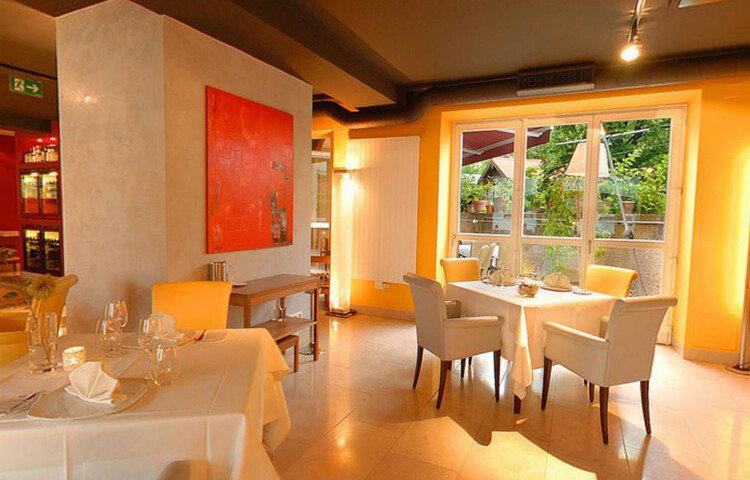
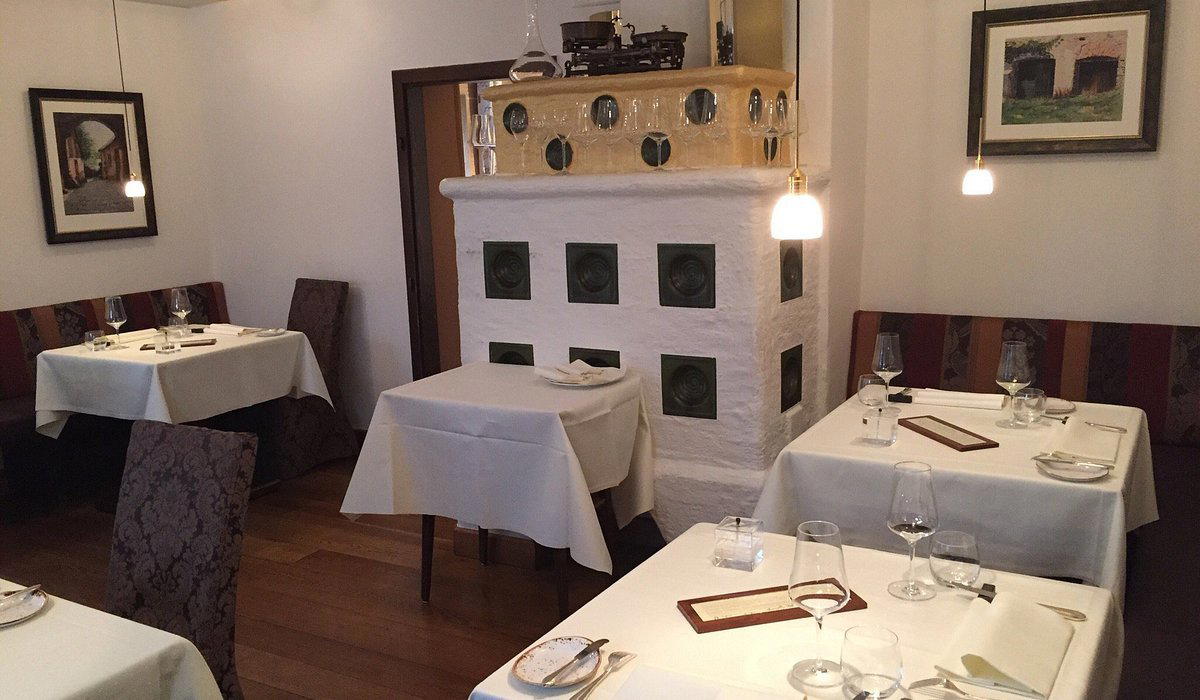
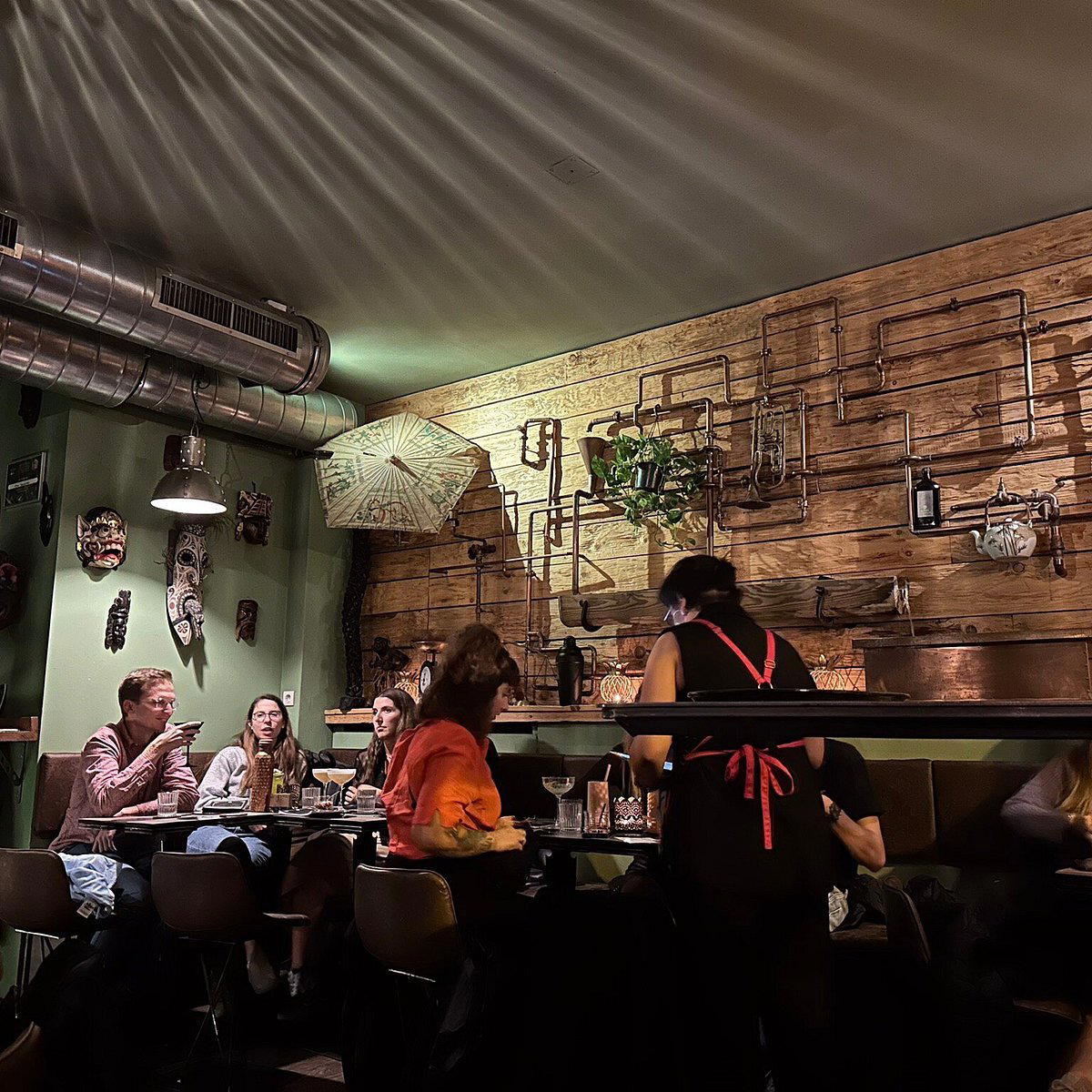
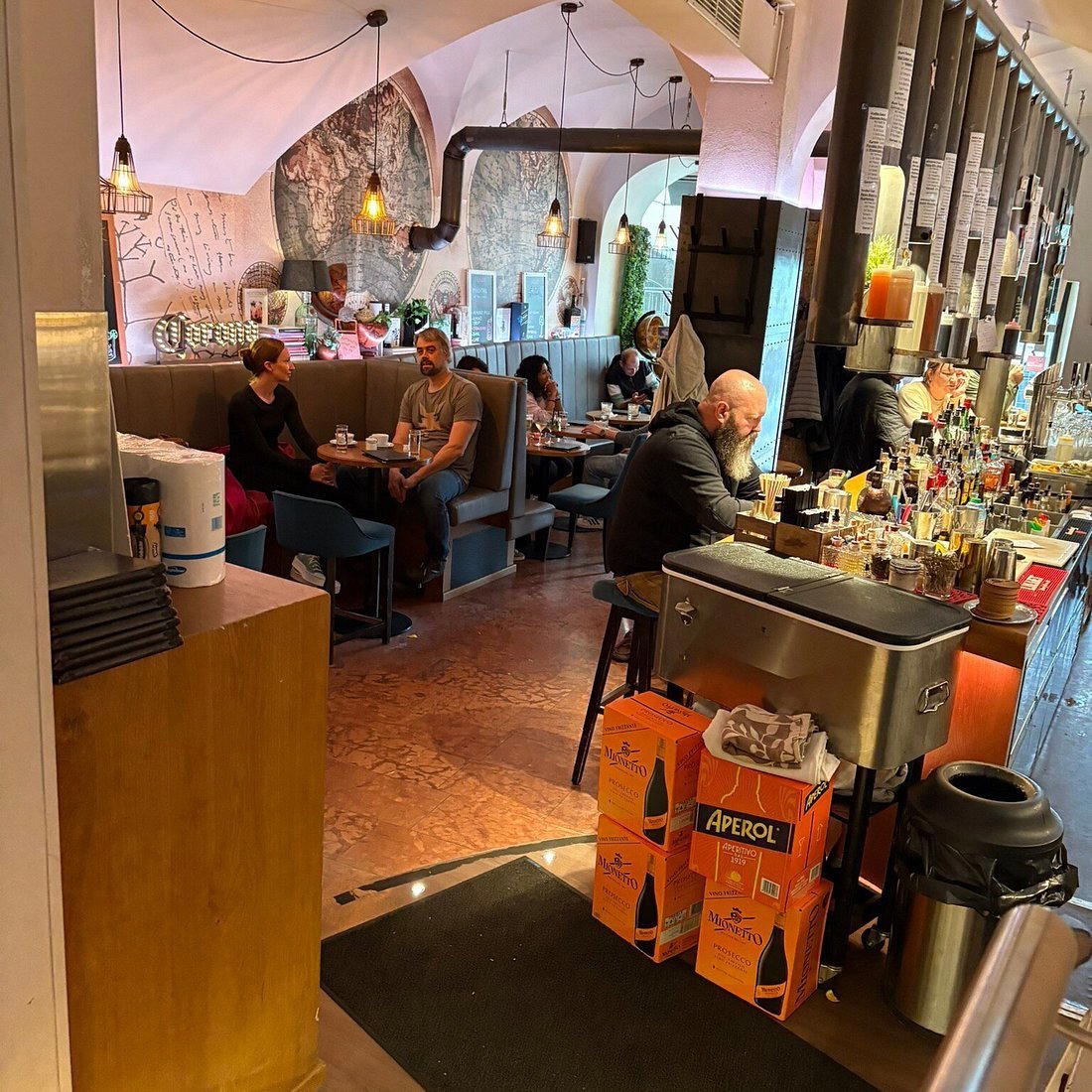
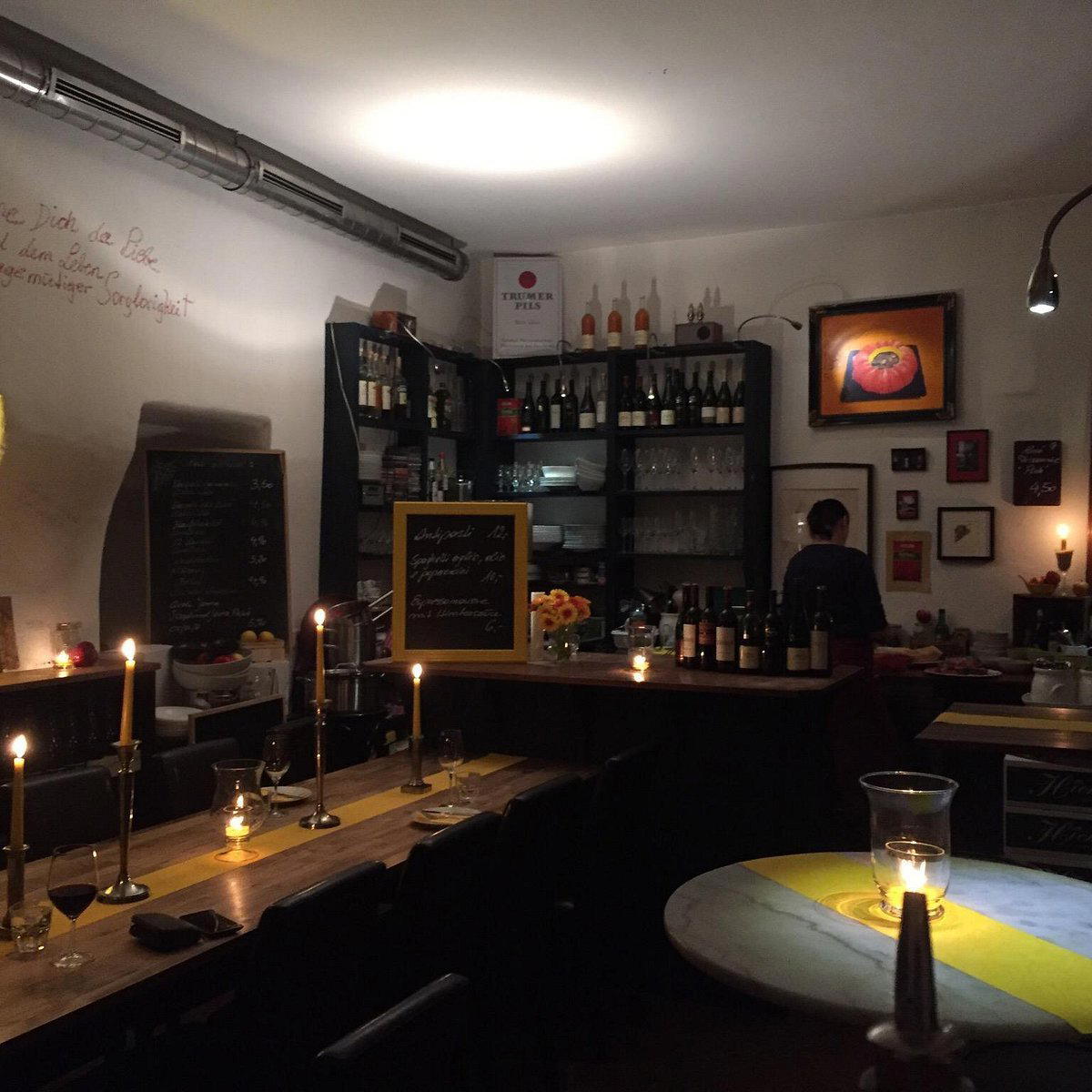
Cozy and peaceful atmosphere with friendly service, promoting peace and harmony through wholesome food.