Wokman occupies a discreet address on Kapitelgasse, a few steps from Salzburg's cathedral square, and represents the kind of casual Asian counter that fills a specific gap in a city better known for its Michelin-decorated Austrian kitchens. The name signals the format: wok-forward cooking in a city where hearty Central European traditions still dominate the mid-market dining scene.
Pearl is the En Primeur Club membership app — saves, bookings, and concierge access live there. Same editors, same standards.
- Address
- Kapitelgasse 11, 5020 Salzburg, Austria
- Phone
- +43 660 2575588
- Website
- wokman-natural-kitchen.at
- Directions
- Get directions
 Saves & bookings on Pearl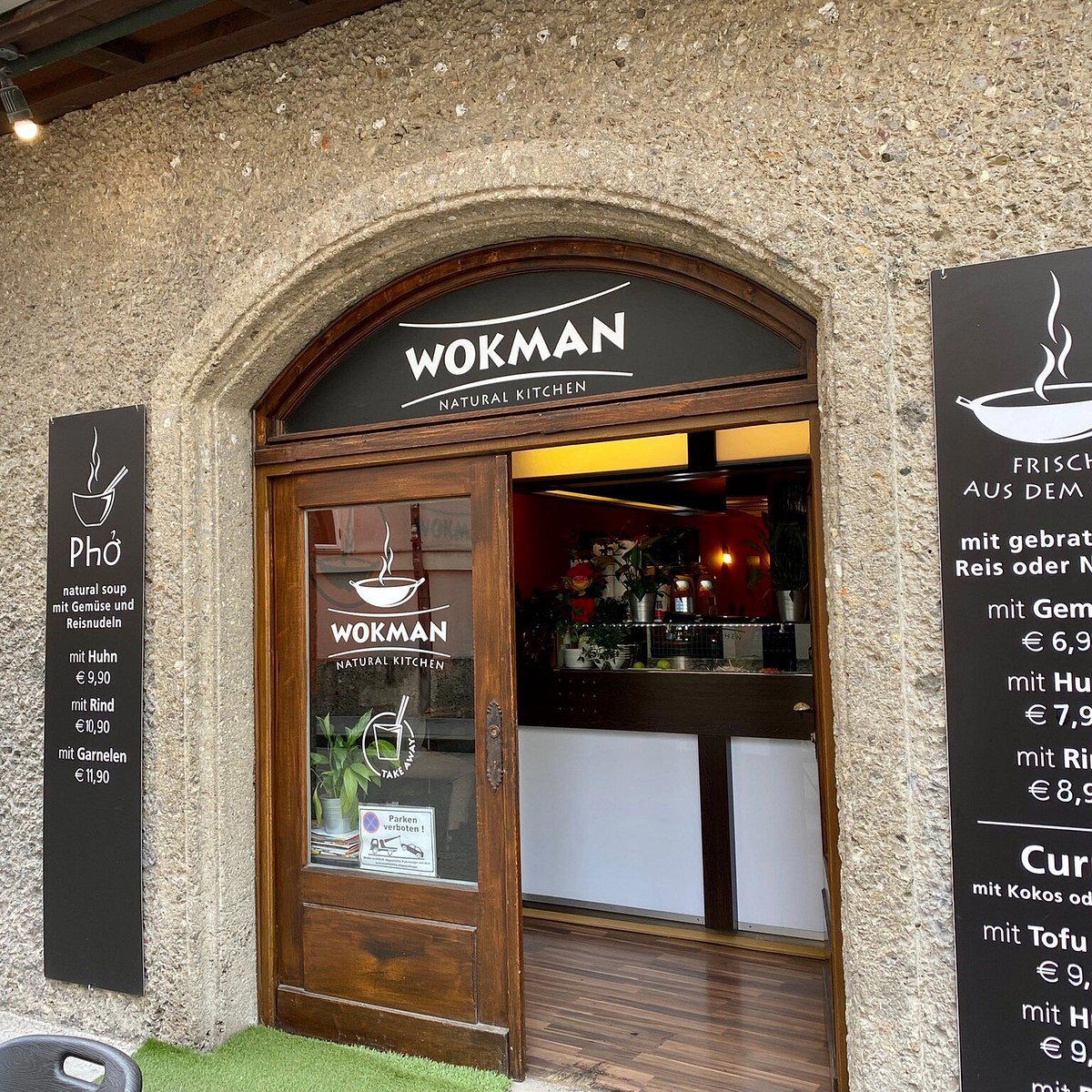
Wok Cooking in a City Built for Schnitzel
Salzburg's dining identity has long been anchored in the Alpine and Austro-Hungarian canon: roast meats, freshwater fish from the Salzach tributaries, and increasingly ambitious tasting menus at addresses like Ikarus and Esszimmer. What the city has historically lacked is a credible casual Asian kitchen, the kind of wok-driven counter that European cities with larger diaspora communities take for granted. Wokman is a casual Vietnamese & Asian Natural Kitchen at Kapitelgasse 11 in Salzburg, with an average price of about $15 per person. It positions itself to fill that gap. The address alone signals something: Kapitelgasse runs through the cathedral district, a short walk from the Domplatz, meaning the foot traffic skews heavily toward visitors and the lunchtime professional crowd rather than the destination-dining audience that books months ahead at Pfefferschiff or Senns.
The Rhythm of a Wok Counter
The wok as a cooking instrument imposes its own dining ritual. Heat here is measured in seconds, not hours. Where a tasting menu at The Glass Garden asks the diner to surrender an entire evening to a kitchen's pacing, a wok counter runs on a different social contract: arrive, order, receive. The meal does not progress through acts. There is no amuse-bouche, no intermezzo. Proteins and vegetables come to the table carrying the residual smoke of high-heat cooking, a quality that professional kitchens call wok hei, the breath of the wok, and that disappears within minutes of leaving the flame. This means the meal is built around immediacy. You eat when the food arrives, because the food demands it. That particular rhythm is less about informality than about alignment with how the technique actually works: delay is waste.
In cities where this cooking tradition has deeper roots, diners understand the protocol intuitively. In Salzburg, where the dominant restaurant culture moves at the measured pace of a multi-course Austrian dinner, the contrast is more pronounced. A place like Wokman asks its guests to recalibrate expectations around timing, temperature, and the sequence of sharing. Dishes are not composed plates requiring orchestrated consumption; they are frequently ordered for the table, passed around, and eaten in whatever order they arrive. That communal structure distinguishes wok-based dining from both the solitary focus of a high-end omakase counter and the formal progression of European fine dining.
Where Wokman Sits in Salzburg's Dining Spectrum
Salzburg's mid-market casual dining has historically been dominated by Gasthäuser serving Tafelspitz and Wiener Schnitzel, with a secondary layer of Italian trattorias that serve the tourist trade around the Getreidegasse. Asian restaurants have existed in the city for decades, but they have often operated outside the critical conversation that sustains the city's reputation as a serious dining destination. The city's recognized fine dining addresses, which include Michelin-decorated rooms and the broader network of Austrian creative kitchens found at Obauer in Werfen and Döllerer in Golling an der Salzach, operate in a different register entirely.
Wokman's Kapitelgasse location places it in the old city's most tourist-dense corridor, which shapes both the opportunity and the constraint. The audience is broad, the dwell time between sightseeing tends to be short, and the price expectation sits well below the €€€ threshold that defines the Austrian fine dining tier. That context makes the wok counter format sensible: fast output, low friction, repeatable format. It is a model that has proven durable in cities from Vienna to Amsterdam, where similar concepts operate with consistent commercial success by keeping the menu focused and the kitchen process disciplined.
Asian Cooking in the Austrian Fine Dining Context
The broader question of where Asian culinary traditions fit within Austria's gastronomic identity is worth placing on the table. Austria's recognized dining establishments, from Steirereck im Stadtpark in Vienna to regional destinations like Kräuterreich by Vitus Winkler in Sankt Veit im Pongau and Landhaus Bacher in Mautern an der Donau, are anchored in European and specifically Alpine ingredient traditions. Asian influence appears at those addresses mostly through technique borrowing, fermentation methods, and the occasional umami-driven sauce construction, rather than through dedicated menus. A casual wok kitchen operates at the opposite end of that spectrum: the technique is central, not borrowed, and the menu logic is entirely self-contained rather than in dialogue with local seasonal produce.
That distinction matters for the reader deciding how Wokman fits into a Salzburg visit. It is not a destination meal in the way that Griggeler Stuba in Lech or Gourmetrestaurant Tannenhof in Sankt Anton am Arlberg function as destination meals for visitors to the Alpine west. It is a functional, familiar-format option for a city that does not have many of them in the centre. Visitors who have spent the morning at the Hohensalzburg fortress and want a fast, hot lunch without queuing for another Wiener Schnitzel now have a logical answer on Kapitelgasse.
Planning a Visit
Wokman's address at Kapitelgasse 11 places it within easy walking distance of Salzburg's main cathedral, the Residenzplatz, and the Festungsbahn funicular. For visitors working through the Altstadt's historical circuit, the location is convenient rather than requiring a detour. Confirm current hours before arriving, particularly during the shoulder season when smaller Salzburg restaurants adjust their schedules around festival programming and tourist volume.
Cuisine-First Comparison
Comparable venues nearby, for context on price, style, and recognition.
| Venue | Cuisine | Price | Notes |
|---|---|---|---|
| WokmanThis venue — the venue you are viewing | Vietnamese & Asian Natural Kitchen | $$ | Not listed |
| Triangel | Traditional Austrian | $$ | Linke Altstadt |
| Osteria Cavalli | Traditional Italian Osteria | $$ | Innere Riedenburg |
| Shake-it Cocktailbar | Craft Cocktails | $$ | Niedergnigl |
| Cool Mama Sky Restaurant | Modern Austrian with International Influences | $$ | Salzachseesiedlung |
| Kim 168 | Asian Fusion (Japanese, Korean, Thai) | $$ | Linke Altstadt |
At a Glance
- Cozy
- Casual Hangout
Current opening hours
- Monday
- 11:30 AM–3 PM, 5–9 PM
- Tuesday
- 11:30 AM–3 PM, 5–9 PM
- Wednesday
- 11:30 AM–3 PM, 5–9 PM
- Thursday
- 11:30 AM–3 PM, 5–9 PM
- Friday
- 11:30 AM–3 PM, 5–9 PM
- Saturday
- 11:30 AM–3 PM, 5–9 PM
- Sunday
- Closed
Hours can change for holidays and private events. Last verified .
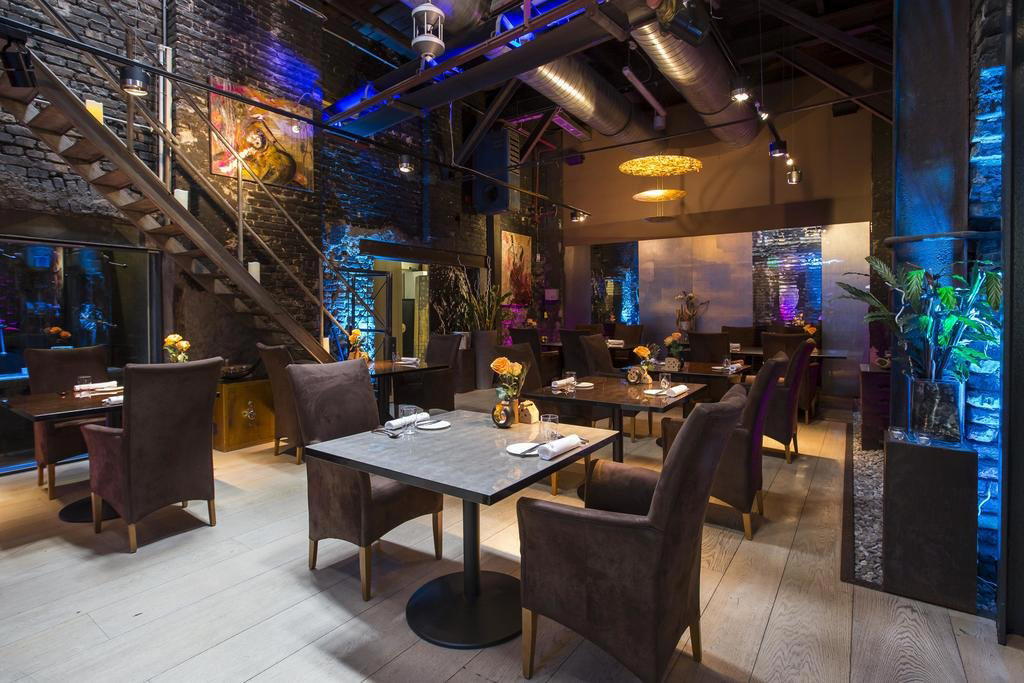
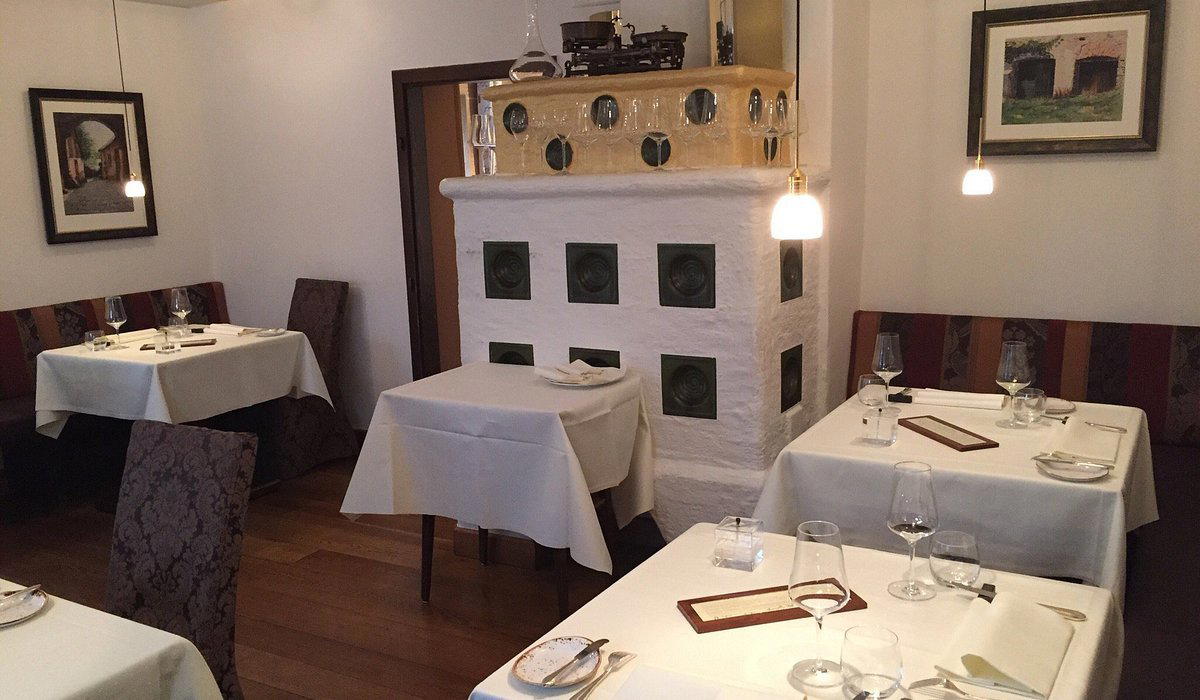
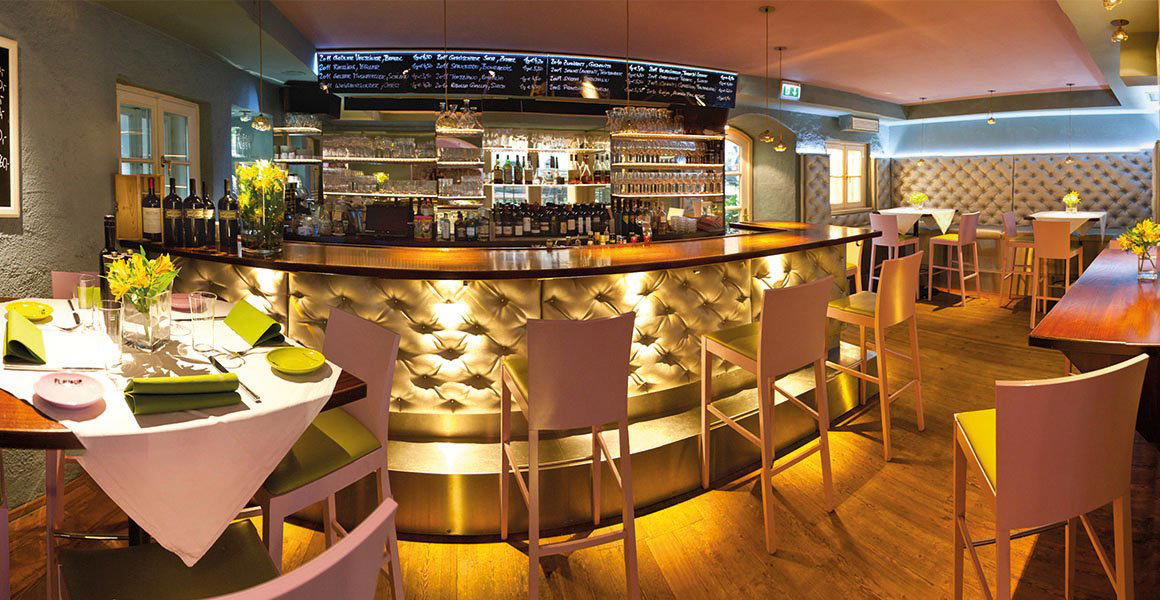
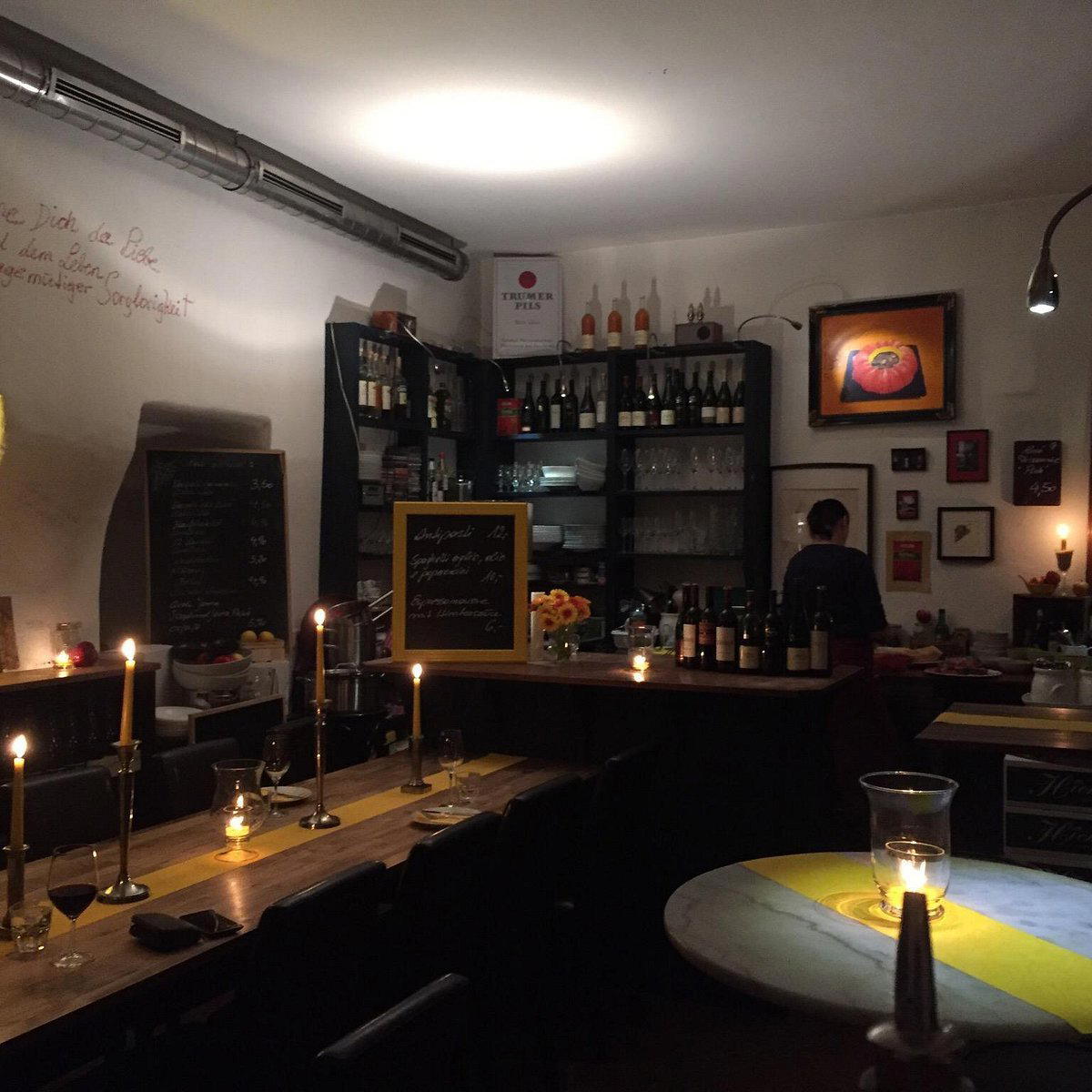
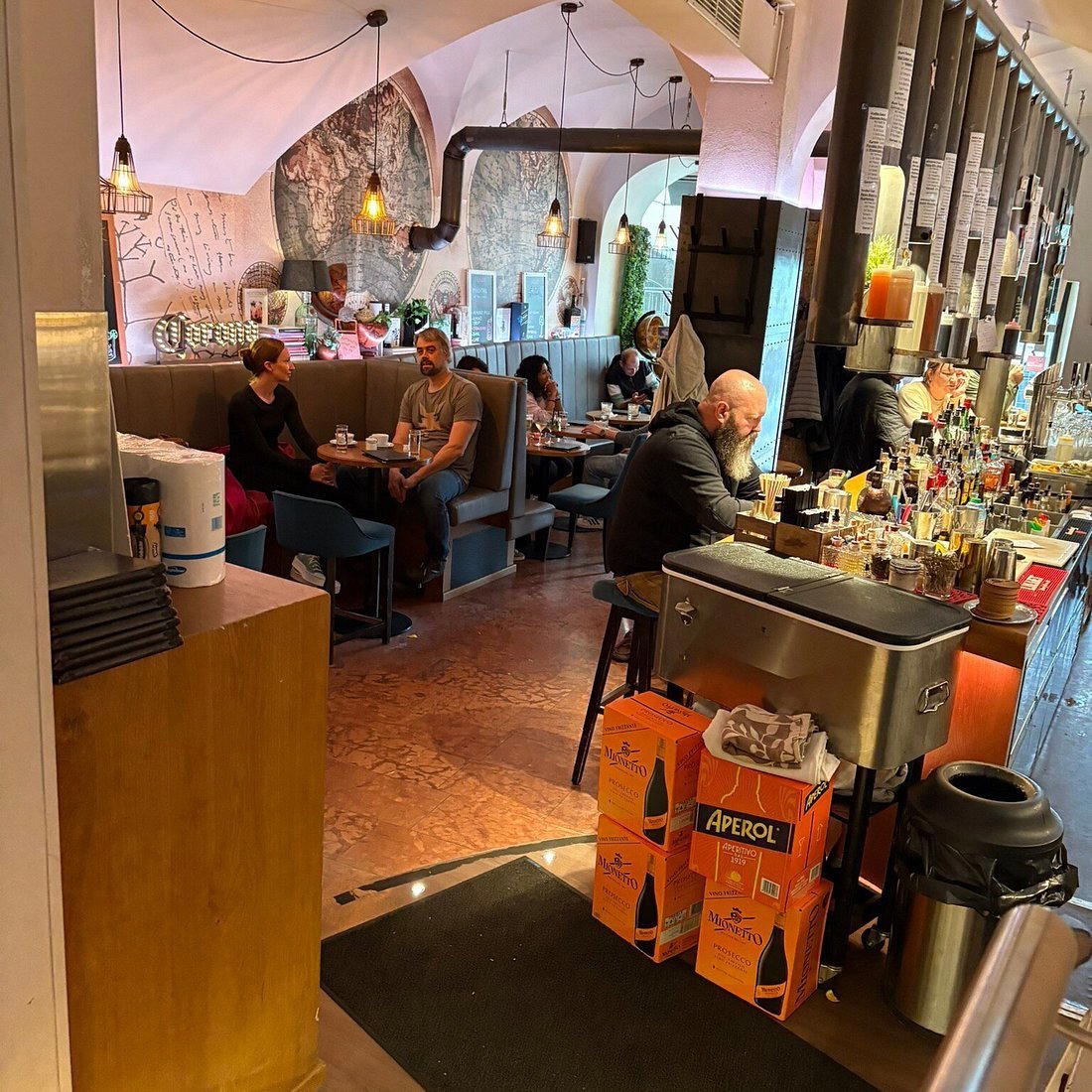
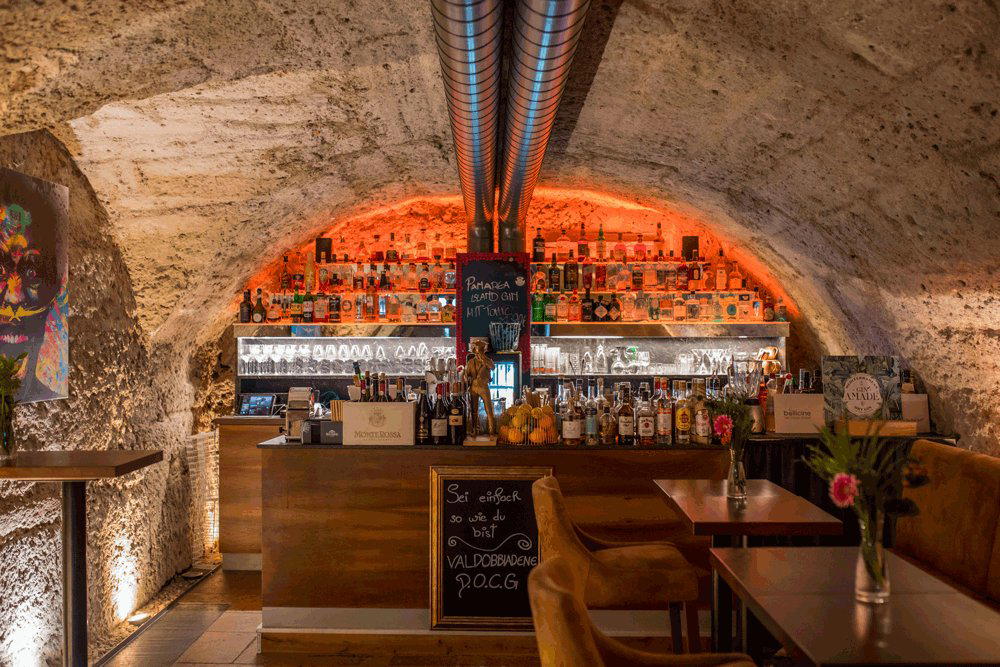
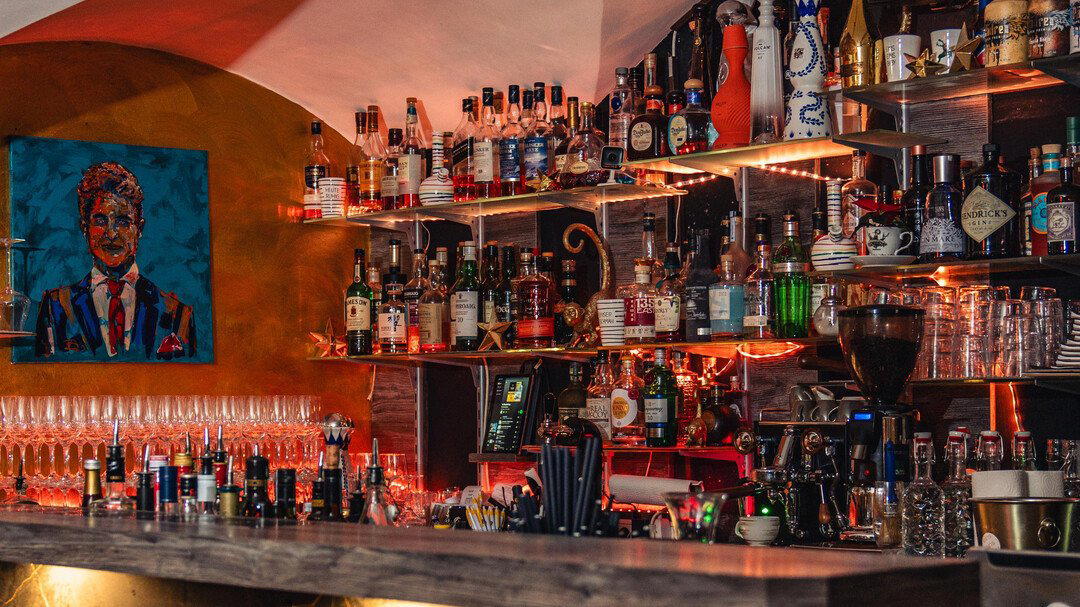
Cozy and casual atmosphere in a centrally located small restaurant.