Umiya Sushi
Our verdict
Umiya Sushi operates out of Long Island City, placing a Japanese sushi tradition in one of Queens' most rapidly shifting neighbourhoods. The address at 22-22 Jackson Ave positions it at a remove from Manhattan's omakase circuit, a placement that shapes the experience as much as what arrives on the plate. For readers tracking where serious sushi is moving in New York, this address is worth noting.

Pearl is the En Primeur Club membership app, where members save venues, book tables and use the concierge.
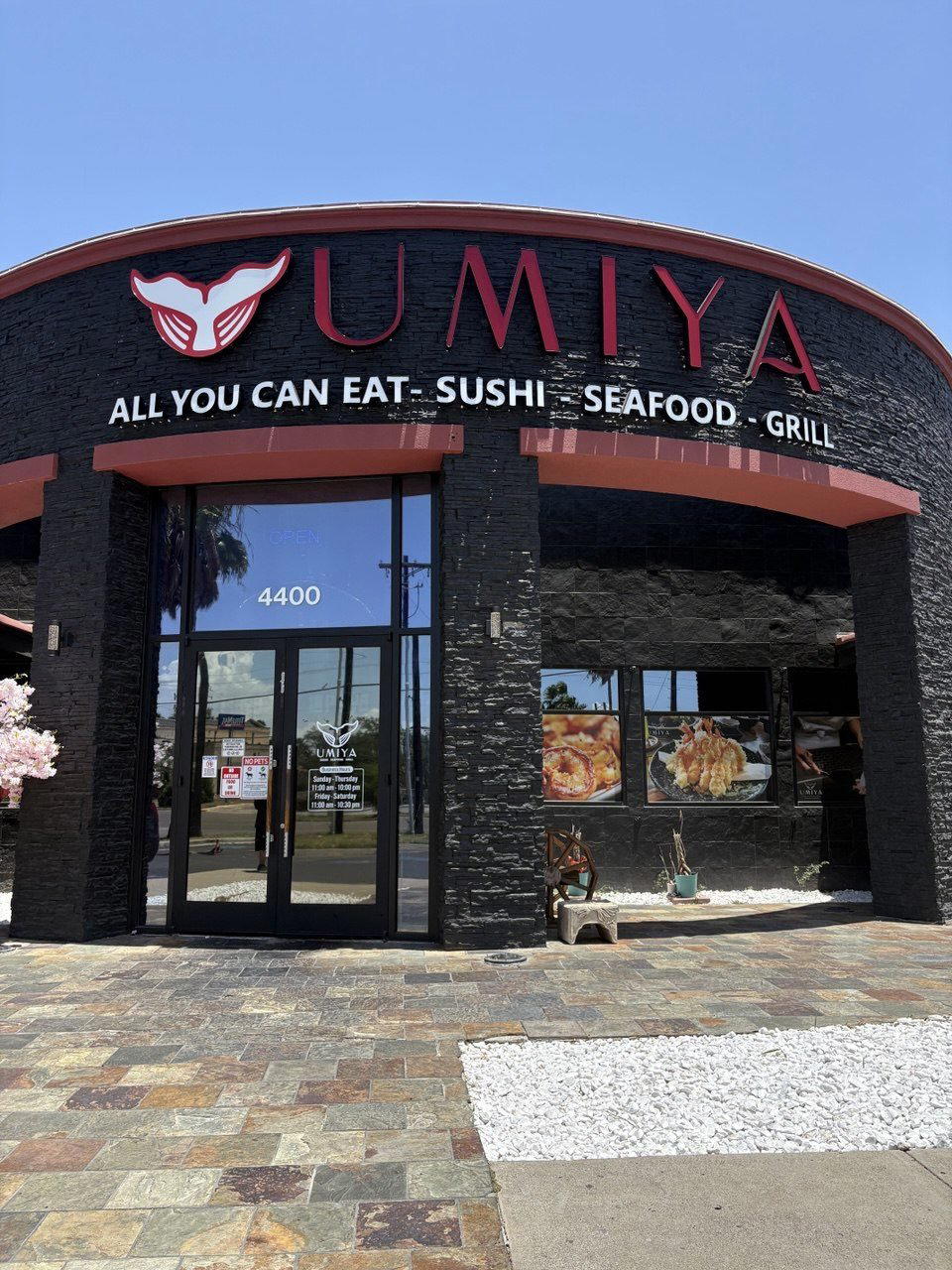
The menu
What to order
- Wagyu Scallion Roll
- Lobster Imperial Roll
- Tuna Taco
Sushi Beyond the Manhattan Circuit
New York's sushi conversation has long been anchored in a handful of Manhattan zip codes, where counters like Masa set the reference point for omakase at its most expensive and most scrutinised. The outer boroughs have operated on a different register: less press coverage, less Michelin attention, and, in many cases, more direct connections to neighbourhood communities that have shaped Japanese food culture in New York for decades. Long Island City sits at the edge of that shift, a Queens neighbourhood close enough to Midtown Manhattan to draw commuters but distinct enough in character to sustain a different kind of dining room.
Umiya Sushi, at 22-22 Jackson Ave, belongs to this outer-borough tradition. Its location in Long Island City places it in a neighbourhood that has seen significant residential and commercial change over the past decade, attracting a population that travels for food rather than defaulting to proximity. That shift in who dines where is one of the defining patterns in New York's current food geography, and sushi in Queens is part of that story.
The Cultural Weight of Japanese Sushi in New York
Sushi in New York carries a layered cultural history. The cuisine arrived in the United States through Japanese immigrant communities long before it became a luxury category, and its transformation into a high-stakes tasting-menu format represents only one branch of a much wider tradition. The omakase counter as a prestige format, with its chef-directed progression and premium pricing, now occupies the upper tier of the market alongside establishments like Le Bernardin and Per Se in terms of spend-per-head expectations. But the broader sushi tradition encompasses neighbourhood restaurants that prioritise consistency, product quality, and regulars over theatrical progression.
Long Island City's dining character reflects Queens more broadly: a borough with a genuine claim to being one of the most culinarily diverse places on earth, where Japanese restaurants compete with and complement food traditions from across Asia, Latin America, and the Middle East. In that context, a sushi restaurant at the Jackson Ave address draws on a neighbourhood dynamic that is categorically different from the experience of booking an eight-seat counter in the West Village or Midtown. The comparison set here is not Atomix or Jungsik New York, it is the web of serious, community-rooted restaurants that make Queens dining worth tracking independently of Manhattan's accolade economy.
What the Address Signals
Jackson Avenue in Long Island City has undergone significant change. Once a light-industrial corridor, it now runs through a neighbourhood with new residential towers, gallery spaces, and a dining scene that reflects both longtime Queens residents and newer arrivals. A sushi restaurant at this address sits at the intersection of those demographics, which typically produces a different dining room dynamic than what you find closer to Grand Central or in the dense restaurant corridors of the Upper East Side.
The distance from Manhattan's Michelin-inspection geography matters. New York's Michelin guide has historically concentrated its starred restaurants in Manhattan and Brooklyn, with Queens receiving comparatively limited coverage despite the depth of its food scene. This means that outer-borough sushi restaurants often operate without the credentialing infrastructure that shapes pricing and booking behaviour in central Manhattan. For the reader, this creates a different calculus: the signals you would use to evaluate Masa (starred, allocated, highly priced, lineage-certified) do not map directly onto what Umiya Sushi represents. The relevant question is what the neighbourhood restaurant format, at this address, in this borough, actually delivers, and that is a question leading answered in person rather than through award proxies.
Placing Umiya Sushi in the Wider New York Sushi Scene
New York's sushi market has stratified sharply. At the upper end, a handful of omakase counters price at levels that align with the city's most expensive French tasting menus, the same bracket occupied by Per Se and, internationally, by references like Alain Ducasse at Louis XV or 8½ Otto e Mezzo Bombana in the fine-dining tier. Below that, a dense middle market of Japanese restaurants serves the city's enormous appetite for sushi at accessible prices, with quality ranging from supermarket-grade to genuinely serious fish work.
What the Queens address does confirm is that this is not a destination restaurant in the sense that Blue Hill at Stone Barns in Tarrytown or The Inn at Little Washington are destination restaurants, places that require deliberate travel and carry significant pre-booking weight. Umiya Sushi's value proposition, in all likelihood, is neighbourhood reliability and accessibility, the kind of restaurant that builds its reputation through repeat visits rather than single-occasion spectacle. For readers compiling a broader picture of New York dining, our full New York City restaurants guide maps the full range from this tier up to the city's most decorated tables.
Sushi Tradition and the Neighbourhood Format
The neighbourhood sushi restaurant is, arguably, the format closest to how sushi has functioned in Japan outside the major metropolitan counter culture. In Tokyo's residential wards and in smaller Japanese cities, the local sushi restaurant serves regular customers who return weekly, order from a posted menu rather than a chef-determined progression, and build a relationship with the kitchen over time. That format, lower ceremony, higher familiarity, travels to New York through the outer boroughs more faithfully than it does through the omakase-only counters of central Manhattan.
In that context, a Long Island City sushi restaurant with a Queens address and a neighbourhood customer base is not a lesser version of what you find at the top of the market. It is a different format serving a different function. The editorial comparison is not between Umiya Sushi and Masa; it is between the neighbourhood sushi tradition and the tasting-counter tradition, two distinct branches of Japanese food culture that happen to share a city. Readers who value the former should look to Queens and Brooklyn; readers seeking the latter should consult the high-end Manhattan and select Brooklyn counters where chef credentials and seasonal fish programs are the primary draw. For American counterparts in the destination-dining tier, references like The French Laundry, Alinea, or Providence illustrate how far the high-ceremony format extends beyond sushi specifically.
Know Before You Go
Address: 22-22 Jackson Ave, Long Island City, NY 11101
Neighbourhood: Long Island City, Queens
Price range: Not confirmed, verify directly before visiting
Awards: No confirmed awards data at time of publication
Getting there: Long Island City is accessible from Midtown Manhattan via the 7 train (Hunters Point Ave station) or the E/M lines (Court Sq), making it a short subway ride from central Manhattan
Context: Part of Queens' broader dining scene; useful to read alongside our New York City restaurants guide
Frequently asked questions
Is Umiya Sushi good for families?
Umiya Sushi sits at 22-22 Jackson Ave in Long Island City, a neighbourhood format that typically operates at a more relaxed register than Manhattan's formal omakase counters. The Queens location alone suggests a less ceremony-driven room than Midtown or the Upper East Side comparables.
Is Umiya Sushi in Long Island City worth the trip from Manhattan?
For diners willing to cross the East River to Jackson Ave in Long Island City, Umiya Sushi offers access to neighbourhood-scale sushi that operates outside the pricing and reservation pressure of Manhattan's established omakase counters. Long Island City is a short subway ride from Midtown, which makes the detour less significant than it reads on a map.
What dish is Umiya Sushi famous for?
Given the sushi framing in its name and its Long Island City positioning within New York's broader Japanese dining scene, the kitchen's focus is almost certainly fish-forward, but specific preparations or standout menu items would need to be confirmed directly with the venue.
How do I find Umiya Sushi?
Umiya Sushi is located at 22-22 Jackson Ave, Long Island City, NY 11101, New York City.
Do they take walk-ins at Umiya Sushi?
In New York City's current sushi market, smaller neighbourhood counters often hold some seats for walk-ins while booking others in advance, but that varies by night and season. Contacting the restaurant directly at its Long Island City location before visiting is the most reliable approach.
What has Umiya Sushi built its reputation on?
Umiya Sushi has positioned itself within the Long Island City dining scene as a sushi destination outside the high-pressure Manhattan circuit. Its Jackson Avenue address places it in a neighbourhood that has attracted serious independent operators precisely because it draws a local diner rather than a tourist one.
Awards and Standing
Comparable venues nearby, for context on price, style, and recognition.
| Venue | Cuisine | Price | Awards | Notes |
|---|---|---|---|---|
| Umiya SushiThis venue (the venue you are viewing) | All-You-Can-Eat Sushi Buffet | $50–100 | Not listed | Not listed |
| THE GALLERY by odo | Modern Japanese Small Plates & Sushi | $50–100 | Not listed | Midtown South-Flatiron-Union Square |
| Odo East Village | Kaiseki Izakaya | $50–100 | Michelin Plate | East Village |
| Dr. Clark | Hokkaido Japanese | $50–100 | Not listed | Chinatown-Two Bridges |
| Teruko | Traditional Edomae Sushi & Japanese Cuisine | $50–100 | Wine Spectator Award of Excellence | Chelsea-Hudson Yards |
| Double Knot | Japanese Sushi & Robatayaki Izakaya | $50–100 | Not listed | Midtown |
Continue exploring
More in New York City
Restaurants in New York City
All restaurants in New York City →
Bars in New York City
All bars in New York City →
Details
- Modern
- Trendy
- Group Dining
- Casual Hangout
- Open Kitchen
- Sake Program
- A La Carte
- Buffet
Current opening hours
- Monday
- 11:30 AM–10 PM
- Tuesday
- 11:30 AM–10 PM
- Wednesday
- 11:30 AM–10 PM
- Thursday
- 11:30 AM–10 PM
- Friday
- 11:30 AM–10 PM
- Saturday
- 11:30 AM–10 PM
- Sunday
- 12–10 PM
Hours can change for holidays and private events. Hours as of .
Quiet atmosphere with positive service noted in reviews.