Teruko

Teruko occupies a specific address in Chelsea's evolving dining corridor at 222 W 23rd Street, where the neighborhood has quietly accumulated a more considered restaurant layer over the past decade. The address sits within reach of both the Flatiron district's lunch trade and Chelsea's evening gallery crowd, giving the room a different character depending on the hour. EP Club tracks it as a venue worth monitoring in a borough that rewards patience with discovery.
Pearl is the En Primeur Club membership app — saves, bookings, and concierge access live there. Same editors, same standards.
- Address
- 222 W 23 St, New York, NY 10011
- Phone
- +12125184245
- Website
- hotelchelsea.com
- Directions
- Get directions
 Saves & bookings on Pearl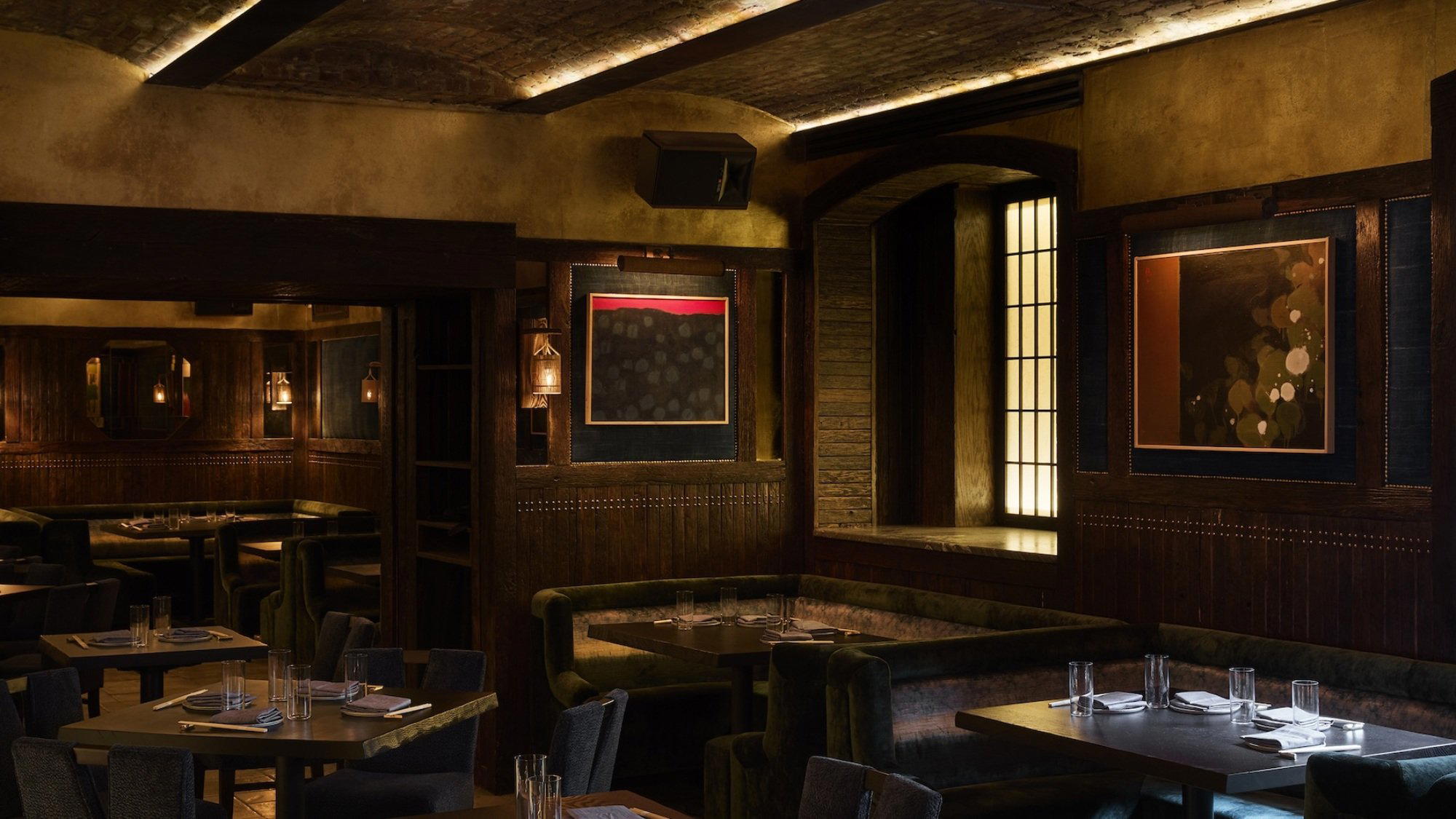
Chelsea's Midday and Evening Split
Chelsea has developed a dual personality that few Manhattan neighborhoods manage as cleanly. By day, the blocks between Sixth and Eighth Avenues serve the working population of the Flatiron district and the Hudson Yards corridor, a lunch crowd that wants precision and efficiency over theatre. By evening, the same streets shift toward the gallery-adjacent dining that has defined Chelsea's cultural identity since the late 1990s, when the art world migrated north from SoHo and restaurants followed. Teruko is a restaurant in Chelsea, New York City, serving Traditional Edomae Sushi & Japanese Cuisine at 222 W 23 St.
This kind of address-driven duality is not distinctive to Chelsea, but the neighborhood makes it unusually legible. The concentration of commercial office space east of Ninth Avenue means daytime footfall is consistent and purposeful; by 7pm, the same blocks fill with a different rhythm, slower and more occasion-driven. For a restaurant at this intersection, the lunch-dinner divide is not a scheduling detail, it is a structural reality that shapes menu logic, pacing, and the kind of conversation the room can hold.
The W 23rd Street Address in Context
The 222 W 23rd Street building sits in a stretch of 23rd Street that has historically housed hotels, residential conversions, and ground-floor retail rather than destination dining. That positioning places Teruko slightly off the path traced by reviewers who anchor Chelsea eating around the High Line's western edge or the gallery cluster on West 25th and 26th. The comparative comparable set for a restaurant at this address is less about the gallery-circuit destinations and more about the neighborhood regulars and Flatiron spillover that populate the middle of the week.
New York's dining corridors tend to reward restaurants that read their block accurately. The highest-spend tables in Chelsea proper, the kind of format you'd associate with Le Bernardin or the formal tasting structures at Per Se, draw from a citywide reservation pool and are largely indifferent to neighborhood foot traffic. A restaurant at 222 W 23rd operates in a different register, where the walk-in lunch trade and the evening reservation book carry roughly equal weight in making the room financially coherent.
Daytime: The Case for Lunch in This Part of Manhattan
Manhattan's lunch culture has compressed significantly over the past fifteen years. The mid-priced lunch that once anchored Midtown and the upper Flatiron has largely been replaced by delivery, fast-casual, and the grab-and-go model that proliferated after 2020. What remains of the sit-down lunch in neighborhoods like Chelsea is a more deliberate transaction, diners who choose a table at midday are opting out of the efficiency model and into something slower. That creates an opportunity for restaurants willing to maintain a genuine daytime program rather than treating lunch as a discounted version of the dinner menu.
The editorial argument for lunch at a Chelsea address like this one is partly about value, Manhattan evening dining at the level of Masa or Atomix operates at price points that require active planning. Lunch at a less formal tier remains one of the few mechanisms by which a neighborhood restaurant can attract a broader range of guests without restructuring its entire identity. For the Korean-influenced and progressive dining formats that have become a significant part of New York's mid-tier conversation, as demonstrated by the success of Jungsik New York at the upper end, the daytime service is often where the cooking is most direct and least burdened by occasion.
Evening Character and the Gallery Crowd Dynamic
After 6pm, Chelsea's restaurant rooms shift in register. The gallery openings that cluster on Thursday evenings through the season generate a specific kind of diner, culturally literate, accustomed to standing with a drink in a white cube, and arriving at dinner with the slightly heightened attention that an evening in a gallery tends to produce. This is a different audience from the Midtown expense-account dinner or the special-occasion couples who book months ahead at Blue Hill at Stone Barns or drive the reservation queues at destination formats like Alinea in Chicago.
A restaurant working this evening trade in Chelsea benefits from positioning itself as a place where the meal itself is the event, not a prelude or an afterthought to a gallery visit, but the thing the evening is organized around. Whether Teruko achieves this positioning depends on service tempo, menu ambition, and the room's ability to hold atmosphere through a full sitting. These are variables that reveal themselves over time in any neighborhood's dining record, and Chelsea has a reasonable track record of rewarding restaurants that take the evening shift seriously.
Where Teruko Sits in New York's Broader Dining Map
New York's restaurant geography rewards specificity. The restaurants that build durable reputations in this city tend to be legible, their cuisine category, price point, and neighborhood role are all coherent with one another. The $$$$ tier occupied by comparison venues like Le Bernardin or Atomix requires a different kind of investment from both the operator and the diner. Teruko's position in Chelsea, at an address more residential than destination-dining, suggests a different calculation, one oriented toward the neighborhood's daily life rather than the citywide reservation circuit.
For comparison, destination tasting formats such as The French Laundry in Napa, Single Thread Farm in Healdsburg, Lazy Bear in San Francisco, or the white-tablecloth ambition of Addison in San Diego, operate at a remove from neighborhood rhythms. They are destinations in the literal sense. A Chelsea address on W 23rd puts Teruko in a different competitive conversation: one where the regular diner, the gallery-circuit visitor, and the lunch-hour professional are all plausible guests on the same day.
Accolades, Compared
Comparable venues nearby, for context on price, style, and recognition.
| Venue | Cuisine | Price | Notes |
|---|---|---|---|
| TerukoThis venue — the venue you are viewing | Traditional Edomae Sushi & Japanese Cuisine | $$$ | Not listed |
| Sushi Sen-Nin | Traditional Japanese Sushi & Yakitori | $$$ | Midtown South-Flatiron-Union Square |
| Double Knot | Japanese Sushi & Robatayaki Izakaya | $$$ | Midtown |
| Blue Ribbon Sushi & Steak | Japanese Sushi & Steakhouse | $$$ | Midtown-Times Square |
| Sushi Beauu | Traditional Japanese Omakase | $$$ | Midtown South-Flatiron-Union Square |
| Sugiyama | Traditional Japanese Kaiseki | $$$$ | Midtown West |
Recognition history
Dated appearances from independent guides and award organizations, with the underlying list record or original source where available.
Wine Spectator Award of Excellence
Wine Spectator
Continue exploring
More in New York City
Restaurants in New York City
Browse all →
Bars in New York City
Browse all →
Hotels in New York City
Browse all →






At a Glance
- Intimate
- Elegant
- Sophisticated
- Quiet
- Date Night
- Special Occasion
- Business Dinner
- Chefs Counter
- Historic Building
- Design Destination
- Hotel Restaurant
- Open Kitchen
- Sake Program
- Craft Cocktails
- Extensive Wine List
- Local Sourcing
- Sustainable Seafood
Moody underground space with antique limestone floors, arched brick ceilings, indigo-dyed denim panels, and traditional kumiko woodworking; illuminated by a striking salvaged Tokyo backbar creating quiet intensity focused on precision craftsmanship.